
-
 In stock
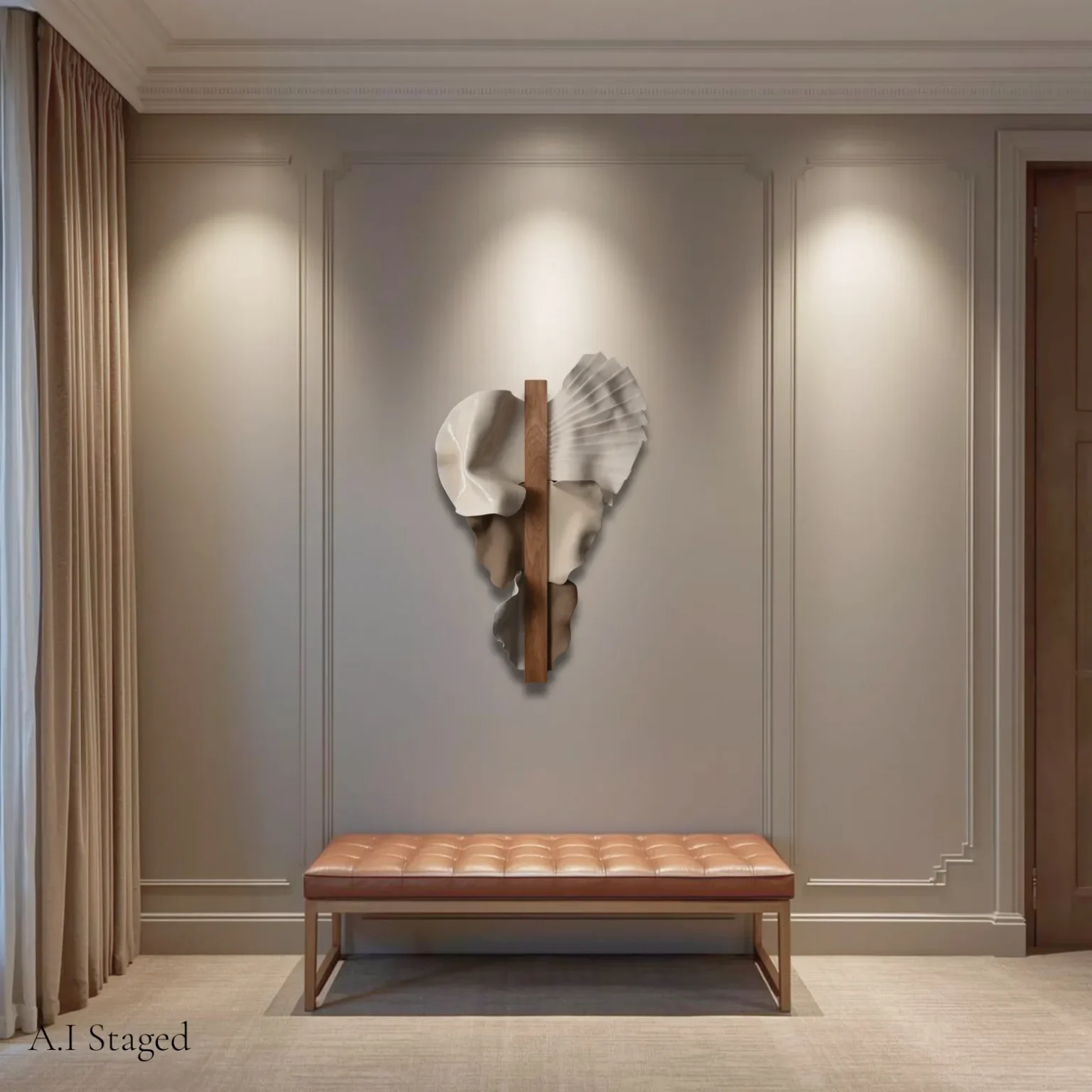
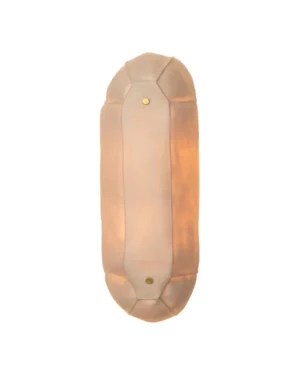
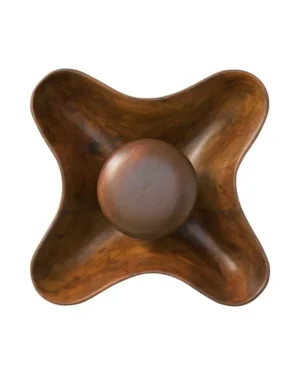
Object 09 Sconce in Nylon and Sand
By Hot Wire Extensions
€1.145 - €1.163 -
 In stock
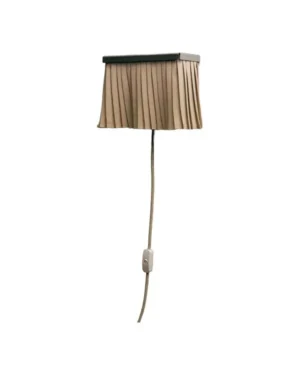
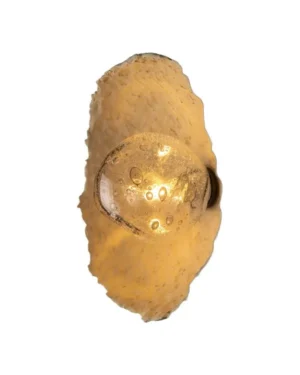
Object 02 Sconce in Nylon and Sand
By Hot Wire Extensions
€1.460 -
 In stock
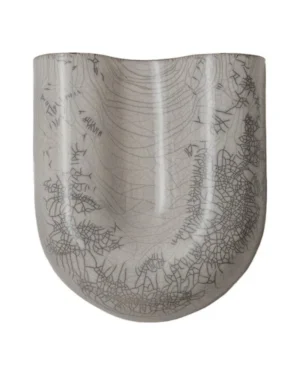
Object 07 Sconce in Nylon and Sand
By Hot Wire Extensions
€1.145 -
 In stock
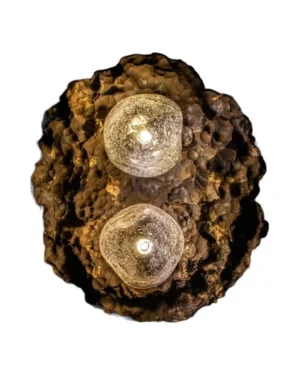
Object 08 Sconce in Nylon and Sand
By Hot Wire Extensions
€1.670 -
 In stock
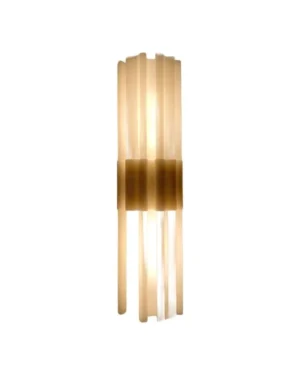
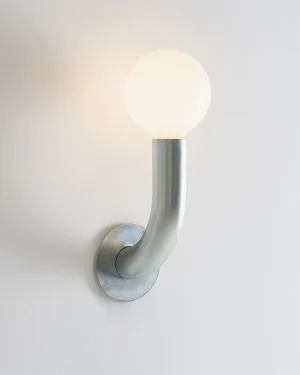
Curva Wall Sconce in Zinc
By Cultivado em Casa
€512 -
 In stock
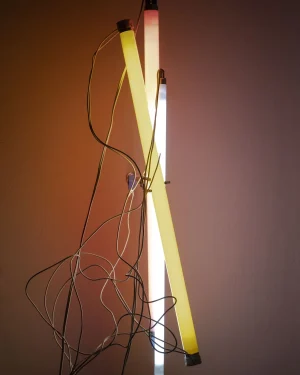
Extreme Il Wall Lamp in Metals
By TUNK I Busra Tunc
€280 -
 In stock
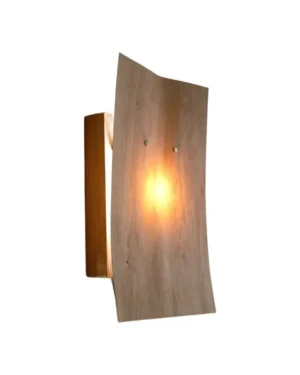
Mujo P Iver Wall Sconce in Walnut Wood and Washi Paper
By Prangé
€948 -
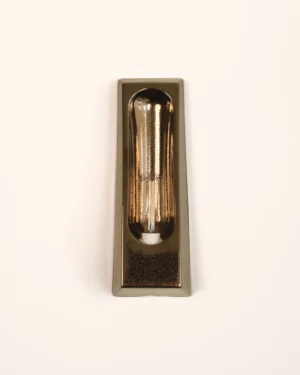 In stock
Alcove European Wall Sconce In Glazed Ceramic
By Violaine d'Harcourt Lighting Design
€252 -
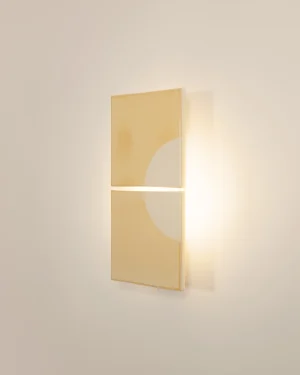 In stock
Tiles Moon European Wall Sconce in Ceramic and Metal
By Violaine d'Harcourt Lighting Design
€260 -
 In stock
Tiles Line European Wall Sconce in Ceramic and Metal
By Violaine d'Harcourt Lighting Design
€260 -
 In stock
Tiles Door European Wall Sconce in Ceramic and Metal
By Violaine d'Harcourt Lighting Design
€260 -
 In stock
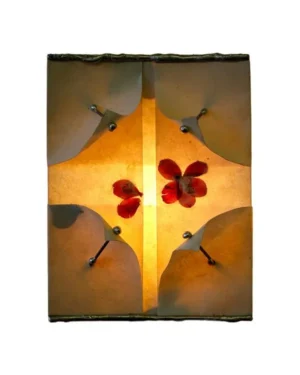
“Object 06” Wall Lamp from the “Hotel” Collection
By Hot Wire Extensions
€1.208 -
 In stock
“Object 05” Wall Lamp from the “Hotel” Collection
By Hot Wire Extensions
€1.208
Yellow wall sconces gather their color from three different processes: color printed into 3D-printed sandstone and recycled nylon, glaze fired onto hand-built ceramic, and electroplating or paint laid over zinc or aluminum. Independent studios work the hue through printing, glazing and metalwork, so the same color can arrive matte, glossy, translucent or metallic depending on the maker's process. What they share is a wall-mounted body that throws light sideways across plaster rather than down onto a surface, turning a stretch of wall into the first thing a room offers the eye.
What gives yellow its warmth in sandstone, ceramic and metal
In 3D-printed sandstone and nylon, yellow is part of the printed material, which is why it reads warm and slightly grainy, never flat. In glazed ceramic, the color sits in a thin mineral skin fired at high heat, so it can shift from lemon to ochre depending on the kiln and the thickness of the coat. Metal sconces take yellow differently again, through electroplating or painted finishes over aluminum or zinc, which gives a harder, more even surface that holds a sharper edge of color.
The materials and techniques behind the range
- 3D-printed sandstone and recycled nylon shades in yellow, aqua and dusty pink
- Glazed ceramic bodies, hand-built, with the glaze doing the color work
- Sheet metal, aluminum or zinc, shaped through metalwork and finished by electroplating or paint
- Walnut or washi paper details on a few pieces
Editions vary by studio: some sconces are open editions made to order, others are unique pieces where no two prints or glazes come out quite the same.
Choosing scale, height and placement
A sconce has no floor or tabletop footprint, so its scale is read entirely against the wall around it. A narrow hallway or stairwell generally takes a slim, vertical form set at a height that clears head traffic, while a living room wall can carry a wider or more sculptural shape without crowding the space below it. Finish matters as much as size: a glossy glazed sconce bounces light and reads brighter from across the room, while a matte-coated metal body holds its color closer to the surface and casts a softer wash.
Before mounting, consider what the light needs to do. A sconce beside a mirror or doorway earns its place by lighting a face or a threshold, while one set higher on an open wall is doing more decorative than functional work, closer to a wall-mounted object than a reading lamp. Pairing two sconces at matching height is the simplest way to give a wall symmetry without adding furniture.
Rooms that take yellow light well
Yellow reads warm against most wall colors, which makes it forgiving in rooms with little natural light, including interior hallways and north-facing bedrooms. It also holds up well in entryways, where a single wall-mounted piece can light the approach to a door without taking up floor space needed for coats or shoes. For a broader look at how the color behaves across lamps and other wall fixtures, see the yellow wall lamps made by the same range of studios.
Caring for sandstone, ceramic and metal finishes
Printed sandstone and glazed ceramic sconces need only a dry or lightly damp cloth; abrasive cleaners can dull a glaze or scratch a printed surface over time. Metal finishes, particularly painted or plated surfaces, should be kept away from moisture and harsh solvents, which can lift or discolor the coating at the edges. Dust build-up on any shade reduces how much light passes through or reflects off it, so a light wipe every so often keeps the color and the output true.
To see how these colors and techniques carry into other fixtures, the full range of wall sconces spans every material and finish on ADORNO, while every yellow piece in the gallery extends the same warmth into furniture and tableware. Those furnishing a hallway or stairwell can also look at hallway wall sconces, while anyone set on a metal body over sandstone or ceramic can start with metal wall sconces, and those lighting a bedroom wall might begin with bedroom wall sconces.
How do I choose a yellow wall sconce?
Start with the shade of yellow and the finish you want: printed sandstone gives a grainy, matte warmth, ceramic gives a mineral matte or gloss, and metal gives a harder, even color. Match that finish to how much direct light the wall needs.
How do you clean and care for a yellow wall sconce?
Dust sandstone and metal shades with a dry or barely damp cloth, and avoid abrasive cleaners on glaze or paint, since both sit as a thin surface layer. Keep ceramic pieces away from sudden temperature changes to prevent hairline cracking.
Will a yellow sconce fade or change color over time?
Glazed ceramic and printed sandstone hold their color because the pigment is fired or printed in, not painted on, so they resist fading. Painted or electroplated metal can dull slightly with years of direct sunlight, but stays stable indoors away from windows.
What height should I mount a wall sconce?
Most wall sconces sit at eye level, roughly 60 to 65 inches from the floor, so the light throws sideways across the wall rather than down into your sightline. Hallways and stairwells can run a few inches lower to guide the walk.
Which rooms suit a yellow wall sconce?
Yellow works well in hallways, entryways and bedrooms, where a sconce frees up floor and tabletop space while warming a plain stretch of wall. It also reads strongly in living rooms, where the color becomes the first thing the eye meets.
Does ADORNO ship yellow wall sconces worldwide, and can I return one?
Yes, shipping is insured and worldwide, and most pieces can be returned within 14 days; made-to-order sconces are excluded. Every piece arrives with a certificate of authenticity, and ADORNO offers a lowest-price guarantee.