
-
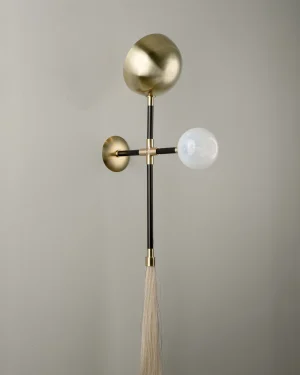
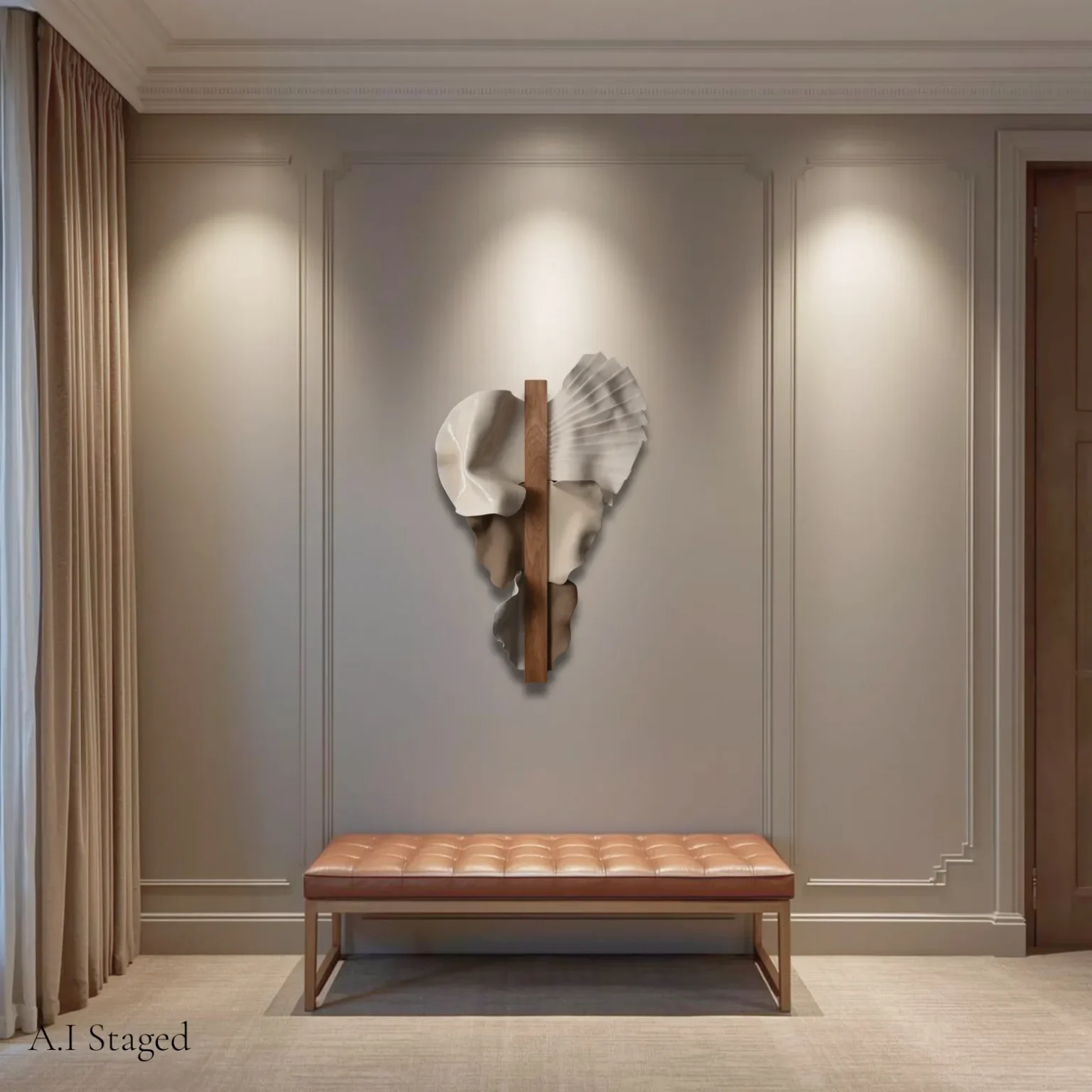
Gogo Wall Sconce in Brass, Blown Glass and Natural Fibers
By Isabel Moncada
€2.880 - €4.036 -
 In stock
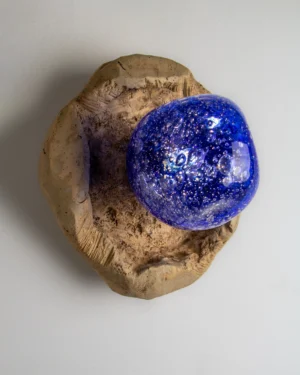
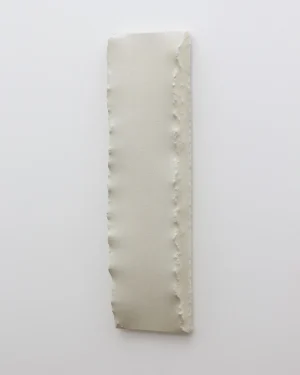
Asea No.13 Wall Sconce In Stoneware And Blown Glass
By Ceren Gürkan
€1.300 -
 In stock
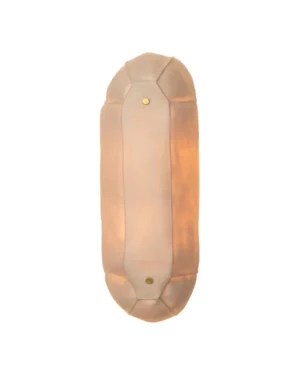
Edges 20-75 T8-60 Wall Sconce In Paper Pulp
By David Čáp
€400 -

Edges 20-105 T8-90 Wall Sconce In Paper Pulp
By David Čáp
€500€450 -
 In stock
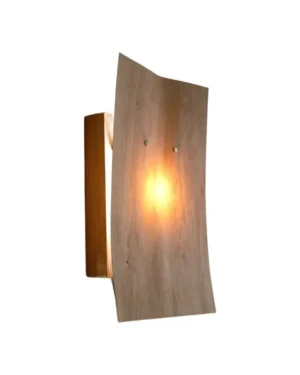
Mujo P Iver Wall Sconce in Walnut Wood and Washi Paper
By Prangé
€948 -
 In stock
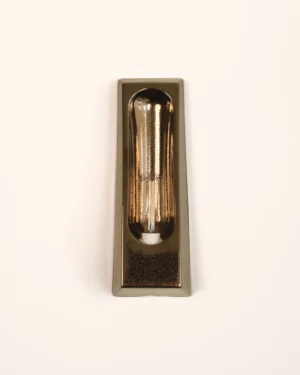
Edges Ellipse 36-96 T8-60 Wall Sconce In Paper Pulp
By David Čáp
€550 -
 In stock
Alcove European Wall Sconce In Glazed Ceramic
By Violaine d'Harcourt Lighting Design
€252 -
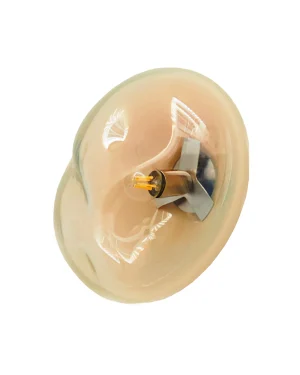
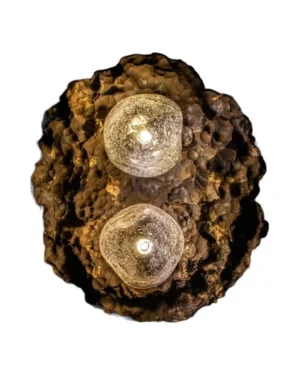
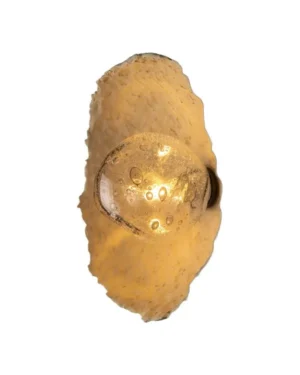
Haumea Amorph Wall Sconce In Amber Blown Glass
By ELOA - Unique Lights
€2.330 - €4.085 -
 In stock
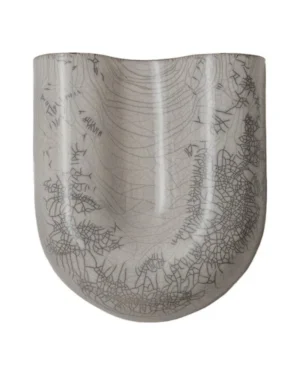
Onda Cosmic Wall Sconce In Glazed Ceramic
By arrived aliens
€2.200 -
 In stock
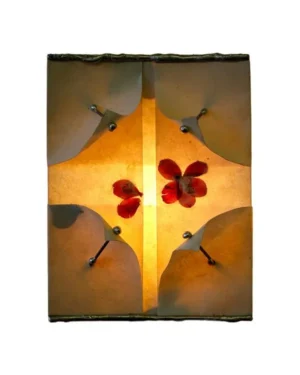
Herbarium Mini Lunaria Annua Wall Sconce In Glass And Plywood
By Mateusz Wappa
€1.200 -
 In stock
Herbarium Mini Daucus Carota Wall Sconce In Glass And Plywood
By Mateusz Wappa
€1.200 -
 In stock
Edges 20-75 T8-60 Wall Sconce In Black Paper Pulp
By David Čáp
€550 -
 In stock
Herbarium Eryngium Planum Wall Sconce In Glass And Plywood
By Mateusz Wappa
€2.000 -
 In stock
Mujo M Reol Wall Sconce in Walnut Wood and Washi Paper
By Prangé
€1.706 -
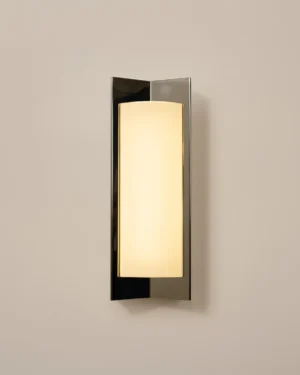
Arrow S American Wall Sconce in Polished Steel
By Violaine d'Harcourt Lighting Design
€1.150 - €1.450 -
 In stock
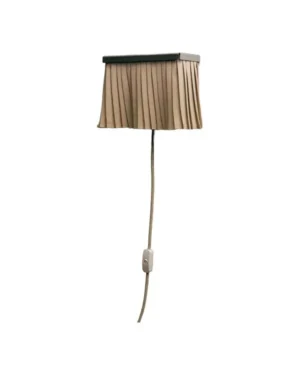
Brown Mud Ellipse Wall Sconce In Textiles And Wood
By David Čáp
€550 -
 In stock
Mujo M Aray Wall Sconce in Walnut Wood and Washi Paper
By Prangé
€1.706 -
 In stock
Herbarium Rumex Acetosa Wall Sconce In Glass And Plywood
By Mateusz Wappa
€2.000 -
Arrow S European Wall Sconce in Polished Steel
By Violaine d'Harcourt Lighting Design
€772 - €935 -
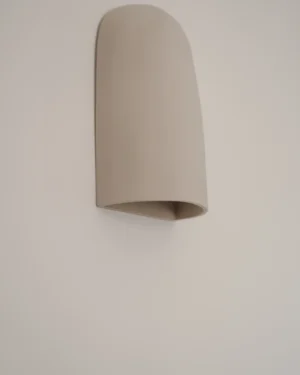 In stock
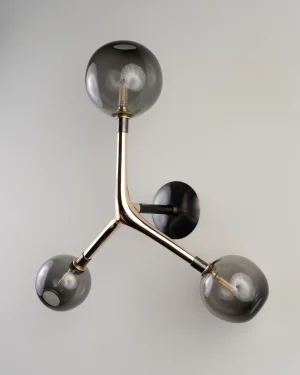
Arte Wall Sconce in Stoneware
By TERA CERAMIC
€290 -
Ocellus Wall Sconce in Bronze and Blown Glass
By Isabel Moncada
€3.510 - €4.036 -
 In stock
Herbarium Tanacetum Vulgare Wall Sconce In Glass And Plywood
By Mateusz Wappa
€2.000 -
 In stock
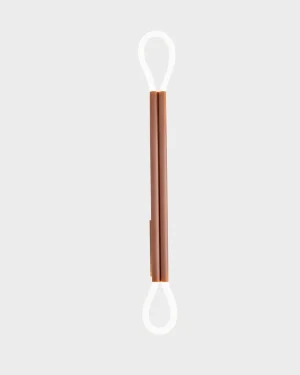
Temporal Collection Sconce in Copper
By Lucas Muñoz Muñoz
€800 - €1.200 -

Ojos Wall Sconce in Bronze and Blown Glass
By Isabel Moncada
€2.925 - €3.363 -

Haumea Amorph Wall Sconce In Silver Blown Glass
By ELOA - Unique Lights
€2.330 - €4.085 -

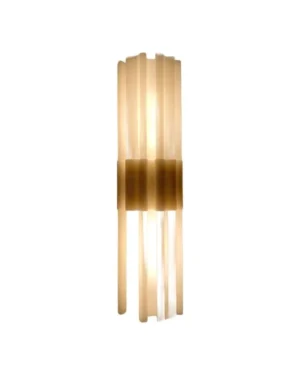
Wall Light Franca E
By MANUHITA
Price Upon Request -

Arrow M American Wall Sconce in Polished Steel
By Violaine d'Harcourt Lighting Design
€1.250 - €1.500 -

Wall Light Franca A
By MANUHITA
Price Upon Request -
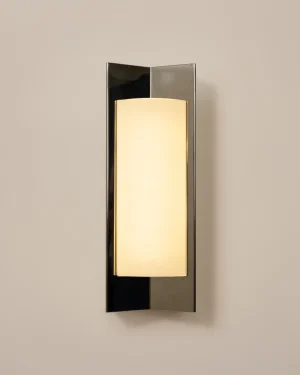
Arrow M European Wall Sconce In Polished Steel
By Violaine d'Harcourt Lighting Design
€813 - €976 -

Wall Light Franca B
By MANUHITA
Price Upon Request -

Wall Light Franca C
By MANUHITA
Price Upon Request -

Wall Light Franca D
By MANUHITA
Price Upon Request -

Lagrimita Chicharron Lamp
By BuRRo
€337
Unique wall sconces are one-off works made by hand, each the only one of its kind rather than a run pulled from a mold or a die. A studio might blow a single glass shade, cast a one-off in bronze or aluminum, or hand-build a ceramic form that will never be repeated. What ties them together is not a material but a method: the maker's hand stays in the piece from start to finish, and no two leave the workshop alike.
What makes a sconce a one-off
Materials and techniques to expect
Glassblowing produces shades with their own thickness and bubble pattern, so light passes through each one differently. Hand-building and metal casting turn stoneware and bronze or aluminum into forms with visible tool marks and slight asymmetries. Papermaking and papercraft fold pulp or sheet paper into shades that read as soft, warm volumes rather than hard edges, while wood and cabinetmaking bring walnut or plywood sconces with their own grain running through the piece. Styles range from minimalist and contemporary to mid-century modern, neo-industrial and biophilic work that pairs wood or paper with dried botanicals.
- Hand-blown or hand-built glass and ceramic, no two identical
- Cast or folded metal in steel or aluminum, surface left raw or patinated
- Walnut or plywood shaped by hand at the bench
- Paper pulp or folded paper shades that soften and diffuse light
Choosing scale, height and finish
A sconce reads at eye level, so proportion matters more here than with a floor or table lamp. A narrow hallway or stairwell generally takes a smaller, quieter form set at a consistent height along the run, while a living room wall with more depth can carry a larger or more sculptural piece as a focal point. Match the finish to what else is on the wall: a raw or oxidized metal sconce holds its own against plaster or concrete, a pale ceramic or paper shade softens a wall that already carries pattern or art, and a walnut or oak body warms a room built mostly in cooler materials. Where a wall carries several fixtures, matching height rather than matching shade usually keeps the arrangement calm.
Where these sconces work
Because a sconce needs no floor or tabletop space, it suits rooms where that space is already spoken for: a narrow hallway, a tight entryway, or either side of a bedroom headboard where a lamp would crowd a nightstand. A single sculptural piece also works as the main light source in a small reading corner or beside a mirror, where its glow bounces rather than glares. In a living room, a pair flanking a sofa or fireplace can do the work a floor lamp would otherwise take on.
Living with the material
Glass and ceramic sconces need only a dry cloth, since moisture or abrasive cleaners can dull a glazed or blown surface over time. Cast or folded metal left unlacquered will darken slightly with handling and air, which most studios intend as part of the finish rather than a defect. Wood bodies benefit from an occasional wipe with a dry or barely damp cloth and should stay clear of direct heat sources, which can dry and crack the grain. Paper and pulp shades are the most delicate of the group and are best kept away from damp bathrooms or kitchens, where humidity can soften the fiber.
For a broader view of cast and folded metalwork, see the metal wall sconces, or look at contemporary wall sconces for current forms across materials. Bedroom-specific proportions and softer light levels are covered under bedroom wall sconces, while the full range of wall-mounted lighting sits under wall sconces. One-off work in other categories, including lamps that sit on a surface rather than a wall, can be found among unique lighting.
How do I choose a unique wall sconce?
Start with the wall it will light rather than the fixture itself. A single piece reads as a focal point, so let its material and form answer the plaster around it rather than matching other fixtures in the room.
How do I care for a one-off wall sconce?
Dust glass and ceramic shades with a dry cloth and keep metal away from damp walls to avoid tarnishing. Wood sconces should stay clear of direct heat sources, which dry and crack the grain over time.
What height should a wall sconce be mounted at?
Most sconces sit between eye level and just above head height, typically five to six feet from the floor. The maker can confirm exact placement for a specific piece through Chat with the maker on its page.
Which rooms suit a one-off wall sconce best?
Hallways, bedrooms and entryways benefit most, since a sconce lights a surface without taking up floor or tabletop space. A single handmade piece also holds its own in a living room as a quiet focal point.
Can I order a custom size or finish?
Some studios take custom requests, others do not since each piece is already a one-off. Chat with the maker on the piece's page to ask directly.
What are ADORNO's shipping and return policies?
Shipping is insured and worldwide. Pieces can be returned within 14 days, except made-to-order work, and each arrives with a certificate of authenticity and ADORNO's lowest-price guarantee.