
-
 In stock
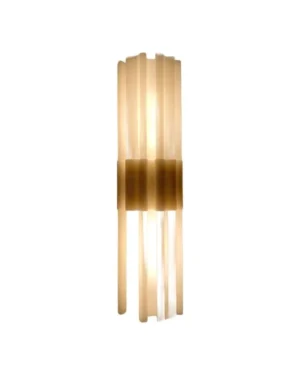
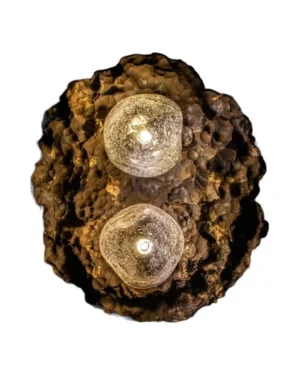
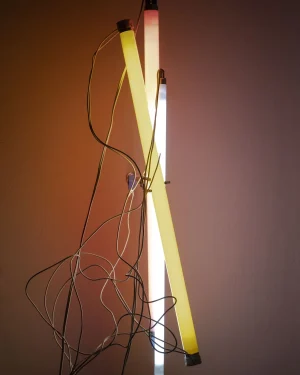
Extreme Il Wall Lamp in Metals
By TUNK I Busra Tunc
€280 -
 In stock
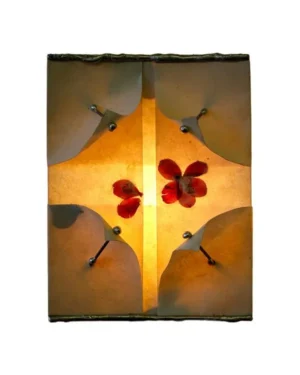
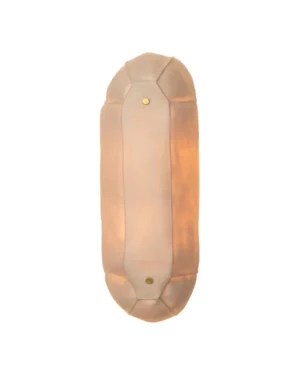
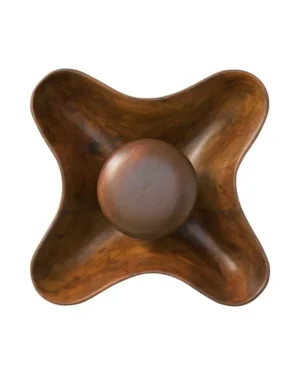
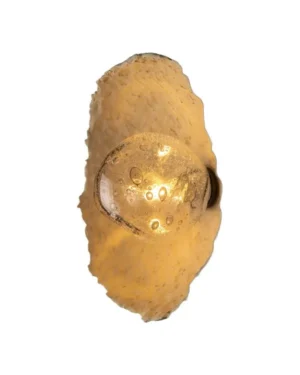
Edges Ellipse 36-96 T8-60 Wall Sconce In Paper Pulp
By David Čáp
€550 -
 In stock
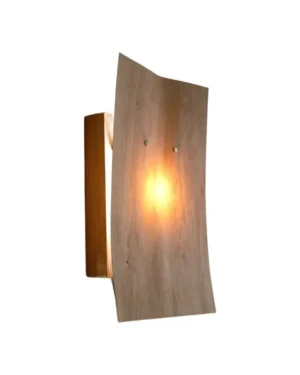
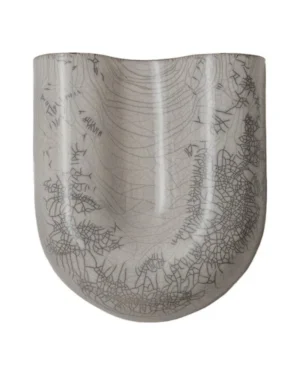
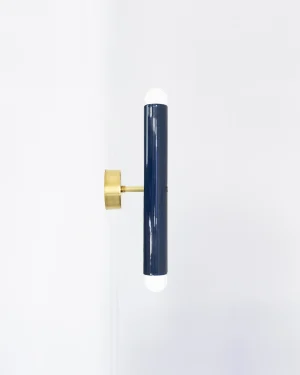
Trn Wall Sconce In Glazed Ceramic
By Pani Jurek STUDIO
€470 -
 In stock
Extreme I
By TUNK I Busra Tunc
€450 -

Small Wall Sconce in Blown Glass and Brass
By Naama Hofman
€700 -

Small Wall Sconce in Brass and Blown Glass
By Naama Hofman
€700 -

Double Wall Sconce in Brass and Blown Glass
By Naama Hofman
€1.150 -

Large Wall Sconce in Blown Glass and Brass
By Naama Hofman
€850 -
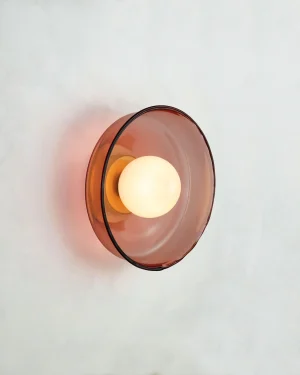
Large Wall Sconce in Brass and Blown Glass
By Naama Hofman
€850 -

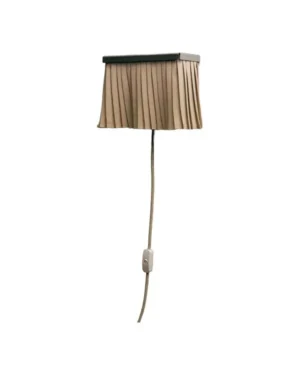
Knock Off Neon Wall Sconce in Textiles and Metal
By Studio Ebba Lindgren
€152
Pink wall sconces bring a wash of color to eye level, made by independent studios working in hand-blown glass, brass, ceramic and textile. Some are blown in a single run of rose or coral glass, others glazed in dusty pink or shaded with a pink textile diffuser over a metal frame. The color sits somewhere between playful and warm, never cold, which is part of why it reads so well against plaster.
What makes a pink sconce
Pink is rarely a paint color here. In blown glass, the pink comes from pigment mixed into molten glass before it is shaped, so the color carries through the wall and glows rather than sitting on the surface. In ceramic, pink is a glaze fired onto stoneware or porcelain, which means the tone can shift slightly from piece to piece and age without fading. Brass or steel bodies are sometimes paired with a pink glass or textile shade, so the metal carries the structure while the color does the work of softening the light.
The range of materials and finishes
Studios working in this color use a handful of recurring techniques. Glassblowing produces sconces with a soft, diffused glow, since light passes through rather than bouncing off a hard surface. Hand-building and glazing give ceramic sconces a matte or satin pink finish with visible texture at the rim or base. Textilework covers metal frames in cotton or paper pulp shades, which mute the light further and add a tactile, slightly worn quality to the glow.
- Blown glass: pink runs through the material, so the light itself takes on the color
- Glazed ceramic: matte or satin finish, warm to the touch, slight variation piece to piece
- Metalwork with a textile or paper shade: brass or steel structure, pink fabric or pulp diffuser
Editions vary by studio. Some pink sconces are made as open editions, repeated the same way each time, while others are unique pieces, shaped or glazed one at a time so no two are quite identical. Either way, the making stays manual rather than mass-produced.
How to choose a pink wall sconce
Start with height and throw. A sconce mounted at or just above eye level lights a wall evenly and avoids glare in a seating area or hallway. In a narrow passage, a slim glass or metal body keeps the wall clear for passing through, while a wider ceramic shade suits a room where the sconce is meant to be looked at rather than walked past.
Finish matters as much as shape. A glossy glazed sconce throws more reflected light and reads brighter against a pale wall, while a matte glazed or textile shade absorbs light and gives a softer, more contained glow, better suited to a bedroom or a reading corner. Pair warm brass hardware with deeper rose tones, and cooler steel with paler pink glass, if you want the metal to recede rather than compete.
Where pink sconces work
Pink reads differently by room. In a bedroom, a glazed or textile-shaded sconce gives low, flattering light without taking up a nightstand. In a hallway or entry, a brighter glass sconce marks the transition into a home and lights the walk through without crowding the floor. A living room can carry a bolder, more sculptural pink shade, since there is more wall and more distance from which to view it.
Caring for a pink sconce
Glass and glazed ceramic need only a dry or lightly damp cloth, since both surfaces are sealed and will not absorb moisture or stain. Textile and paper shades should stay away from direct damp and be dusted rather than scrubbed, as repeated wetting will mark the fiber. Brass or steel fittings can be wiped with a dry cloth; uncoated brass will develop a soft patina over years, which most studios consider part of the material rather than a fault.
For the full range of fittings in this tone, see every pink piece on ADORNO, or compare against metal wall sconces in other colors. All pink wall sconces sit within the broader group of wall sconces, where material and placement vary more widely still.
How do I choose the right pink wall sconce?
Match the material to the mood you want: blown glass gives a soft, glowing wash of color, ceramic gives a matte, textured surface, and a textile shade mutes the light further for a warmer effect.
How do you clean and care for a pink wall sconce?
Dust glass and ceramic sconces with a dry or slightly damp cloth, and keep textile shades away from moisture and direct sun, which can dull the fabric over time. Avoid abrasive cleaners on glazed surfaces.
Will a pink sconce fade or change color over time?
Pigment in blown glass runs through the material and will not fade, and fired ceramic glazes are equally stable, though tone can vary slightly from piece to piece. Textile shades may soften in color with years of light exposure.
What height should I mount a pink wall sconce?
Most sconces sit around eye level, roughly 60 to 65 inches from the floor, though hallway and bedside placements often sit lower. The maker can confirm the right height for a specific piece using Chat with the maker.
Which rooms work best for pink wall sconces?
Pink light reads warm rather than cold, so it suits bedrooms, hallways and living rooms where you want a soft glow at eye level instead of overhead light.
What is ADORNO's shipping and return policy for wall sconces?
Shipping is insured and worldwide. Returns are accepted within 14 days, except for made-to-order pieces, and every sconce comes with a certificate of authenticity.