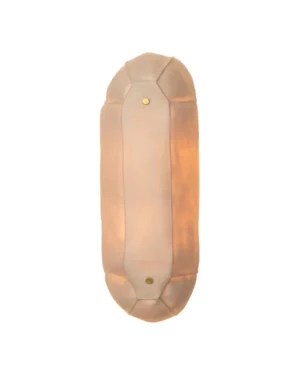

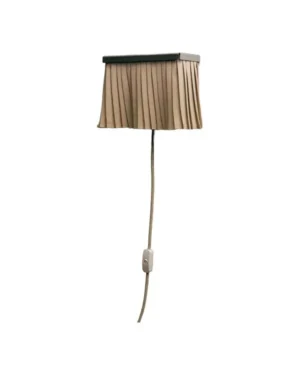
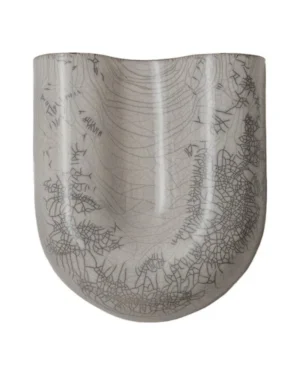
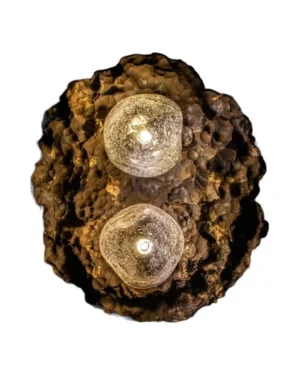

-

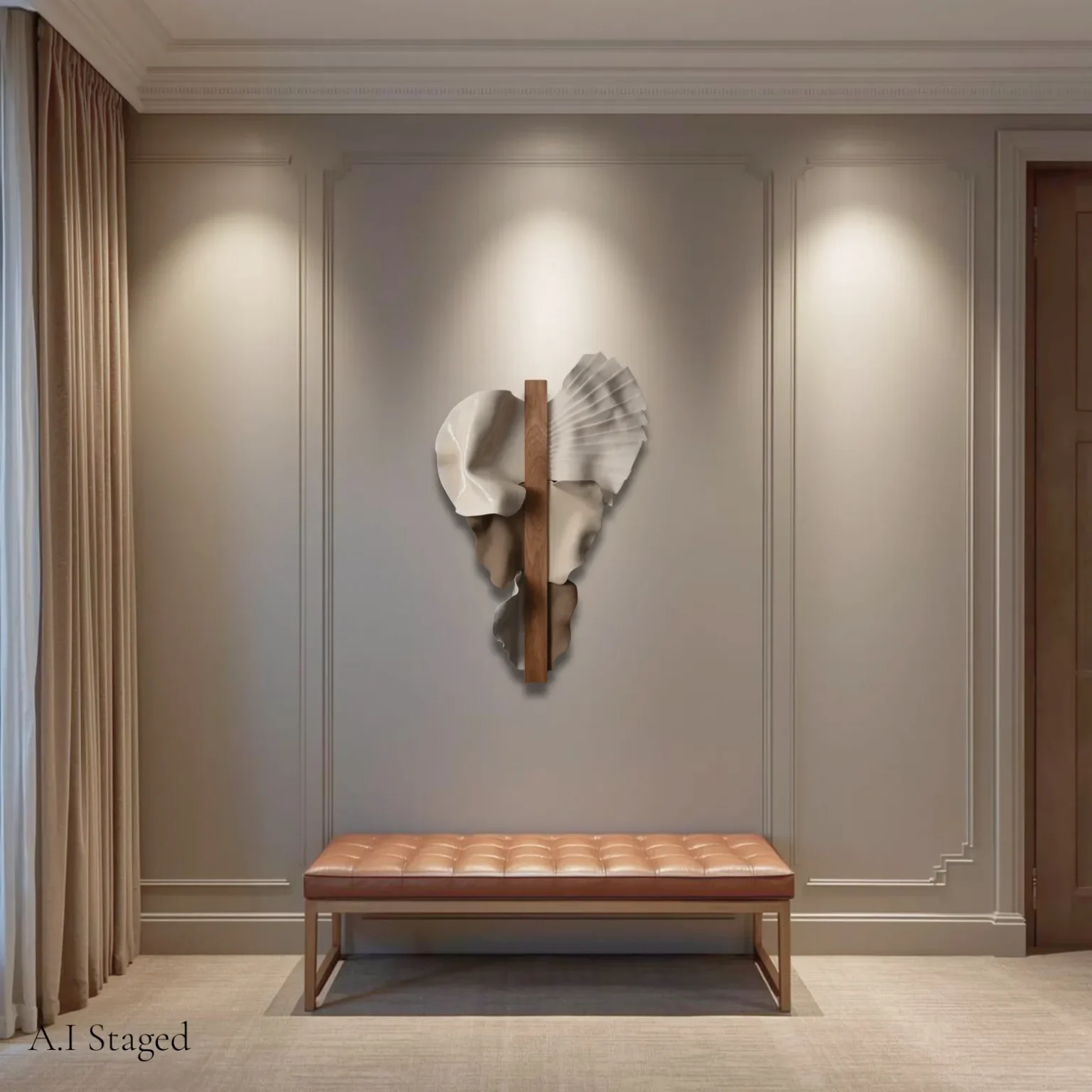
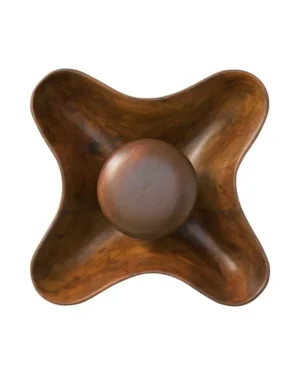
Motion — Sculptural Wall Light In Ceramics
By Katia Langeard
€700 -
 In stock
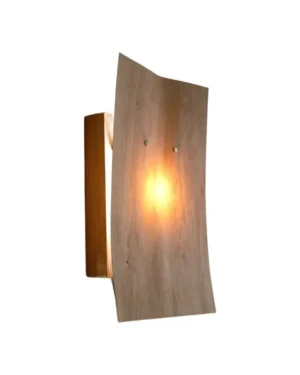
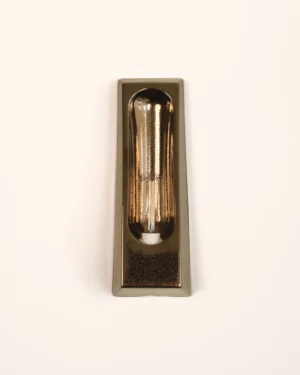
Alcove European Wall Sconce In Glazed Ceramic
By Violaine d'Harcourt Lighting Design
€252 -
 In stock
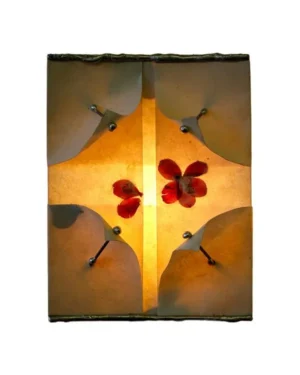
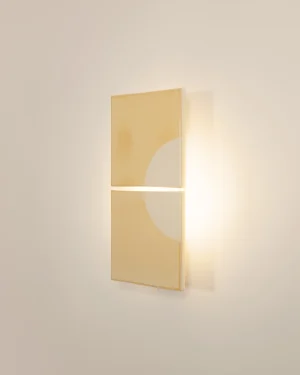
Tiles Moon European Wall Sconce in Ceramic and Metal
By Violaine d'Harcourt Lighting Design
€260 -
 In stock
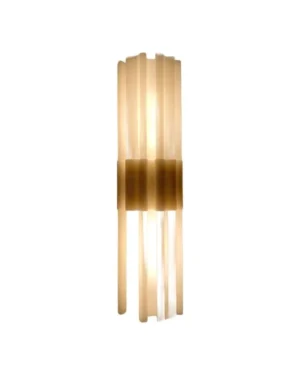
Onda Cosmic Wall Sconce In Glazed Ceramic
By arrived aliens
€2.200 -
 In stock
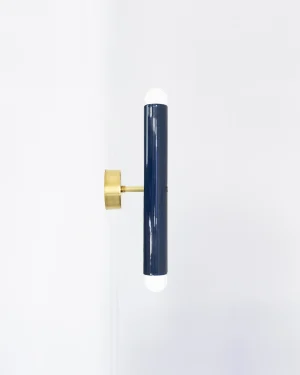
Tiles Line European Wall Sconce in Ceramic and Metal
By Violaine d'Harcourt Lighting Design
€260 -
 In stock
Trn Wall Sconce In Glazed Ceramic
By Pani Jurek STUDIO
€470 -
 In stock
Tiles Door European Wall Sconce in Ceramic and Metal
By Violaine d'Harcourt Lighting Design
€260 -
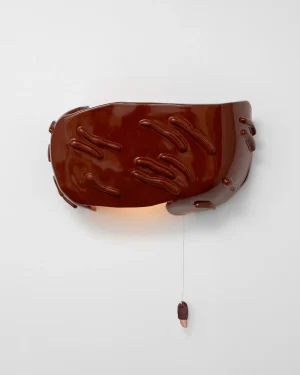
Killing the Mood Wall Sconce in Ceramic
By Studio AOAO
€2.200 -
 In stock
Tile Vj American Wall Sconce in Ceramic and Metal
By Violaine d'Harcourt Lighting Design
€450 -
Tiles Door American Wall Sconce in Ceramic and Metal
By Violaine d'Harcourt Lighting Design
€450 -
Tiles Line American Wall Sconce in Ceramic and Metal
By Violaine d'Harcourt Lighting Design
€450 -

Alcove American Wall Sconce In Glazed Ceramic
By Violaine d'Harcourt Lighting Design
€380 -
Tiles Moon American Wall Sconce in Ceramic and Metal
By Violaine d'Harcourt Lighting Design
€450
Glaze wall sconces take their character from the surface treatment, not the clay body underneath: a mineral glaze fired over hand-built stoneware, melted at high temperature until it sets into a layer of color and shine. Independent studios shape each shade by hand, then dip, pour or brush on the glaze before a second firing locks the finish in place. The result sits closer to pottery than to standard lighting, an object that holds its own on a wall even before the bulb goes on.
What the glaze does to stoneware
Glaze is a liquid mix of silica, flux and coloring oxides that fuses to the clay body in the kiln. Depending on the recipe and the firing, it can come out glossy or matte, flat or pooled into darker edges where it runs thicker. Colors across glaze wall sconces range from solid yellow, black and creme to verde, brown, blue and gray, with some studios working in blue and white combinations drawn from older ceramic traditions.
Raku firing, used by some studios, pulls the piece from the kiln while still hot and exposes it to smoke or open air, which cracks the glaze and darkens the clay underneath. No two pieces finished this way come out the same, so slight variation in crackle, color and surface is part of the material rather than a flaw in it.
The range of finishes and editions
Within glaze as a material, the pieces found here vary in body, color, technique and run size. Studios draw on styles from contemporary and minimalist to eclectic, wabi-sabi and mid-century modern, so a glazed sconce can sit as easily in a sparse room as in a more layered, collected one.
- Materials: stoneware and clay bodies finished in fired glaze, sometimes paired with metal or steel fittings
- Colors: yellow, black, creme, verde, brown, blue, gray, and blue and white
- Techniques: glazing, hand-building, raku firing, and surface screen printing
- Editions: open editions, limited editions and unique, one-off pieces
Anyone drawn to the look of fired ceramic but wanting a different material underneath can look at metal wall sconces, which carry light with a harder edge and none of the glaze's surface variation.
Choosing a glaze wall sconce for a room
Scale and height matter more with a wall-mounted piece than with a lamp you can move. A sconce set too high reads as an afterthought; set at or just above eye level, it lights a wall the way a painting would, and throws its glow across plaster instead of down onto a surface.
The shape of the shade decides where the light goes. An open or upward-facing form bounces light off the ceiling for a soft, indirect wash, while a downward or enclosed shade pools light lower, closer to a reading chair or a console. Glazed stoneware also reflects more light than raw clay, so a glossy finish will read brighter in a dim corner than a matte one of the same size.
Rooms a glazed sconce suits
Because they take up no floor or tabletop space, glaze wall sconces work well wherever a surface is already spoken for. In a bedroom, a pair flanking the bed replaces nightstand lamps and frees up the tabletop. In a hallway or entryway, a single sconce at eye level turns a passage into something worth walking through slowly.
Caring for glazed stoneware
Because glaze wall sconces are fired ceramic, they hold up to normal handling but not to impact; a dropped shade can chip or crack where a metal fixture would simply dent. A soft, dry or barely damp cloth is enough to keep the surface clean, since abrasive cleaners can dull a glossy glaze over time.
Keep fittings dry and avoid placing a glazed shade anywhere it might be knocked, and the finish will hold its color and shine for as long as the stoneware underneath stays intact. For the wider range of glazed surfaces beyond lighting, the full set of glaze pieces on ADORNO spans vessels, tableware and sculpture finished the same way.
How do I choose a glaze wall sconce?
Start with the finish: glossy glazes reflect more light and show fingerprints, matte ones hide them. Match the color and crackle pattern to the wall it sits against, since the surface is the main event.
How do you clean and care for a glazed ceramic sconce?
Wipe the glazed surface with a dry or barely damp cloth, since the glaze is fused glass-like and will not absorb dirt. Avoid sudden temperature swings near heat sources, which can stress hand-built stoneware over time.
Will the color and finish match what I see in photos?
Close, but not exact. Glaze reacts to heat and oxygen in the kiln, so pooling, crackle and depth of color vary piece to piece, especially with raku firing.
What height should a wall sconce be mounted at?
Most sconces sit between eye level and just above, roughly 60 to 65 inches from the floor to the center of the fixture. The maker can confirm exact mounting guidance with Chat with the maker on the piece's page.
Which rooms suit glaze wall sconces best?
Hallways, bedrooms and living rooms all work well, since the light throws across the wall rather than down onto a surface. A glazed finish also holds its own in low light, when the glow catches the surface texture.
What are ADORNO's shipping and return policies for these sconces?
Shipping is insured and worldwide, and most pieces can be returned within 14 days, though made-to-order sconces are excluded. Every order includes a certificate of authenticity and a lowest-price guarantee.