
-
 In stock
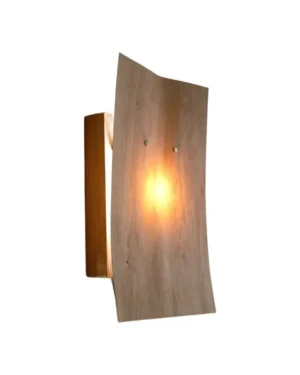
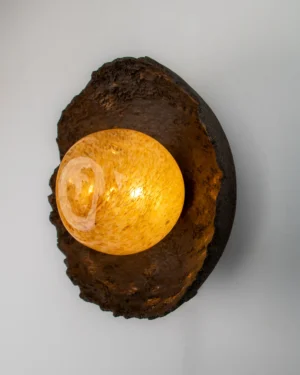
Asea No. 23 Dark Honey Wall Sconce in Stoneware and Glass
By Ceren Gürkan
€800 -
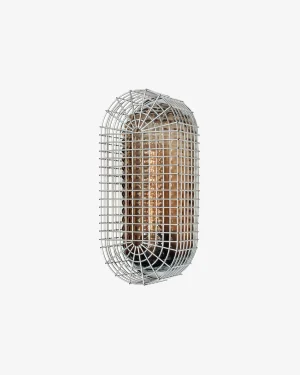
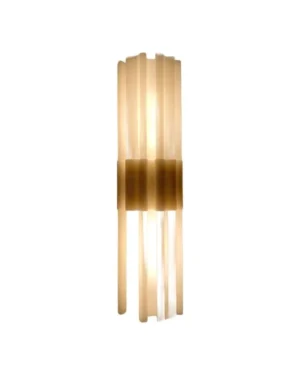
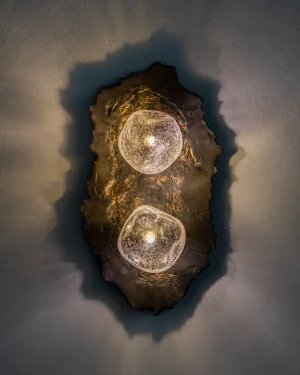
Chastity Wall Sconce In Stainless Steel And Handblown Glass
By Studio S II
€1.980 -
 In stock
Asea No. 25 Wall Sconce In Blown Glass And Stoneware
By Ceren Gürkan
€1.100 -
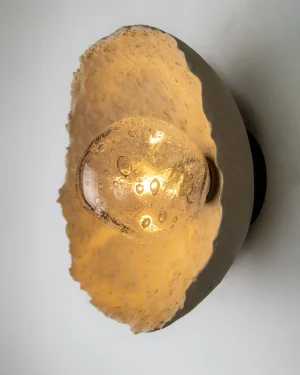
Asea No. 23 Wall Sconce In Stoneware And Blown Glass
By Ceren Gürkan
€800€680 -
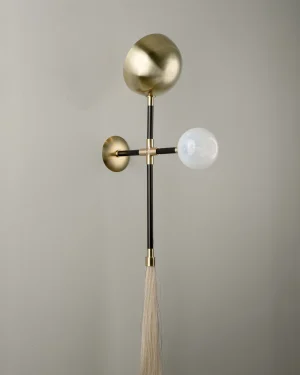
Gogo Wall Sconce in Brass, Blown Glass and Natural Fibers
By Isabel Moncada
€2.880 - €4.036 -
 In stock
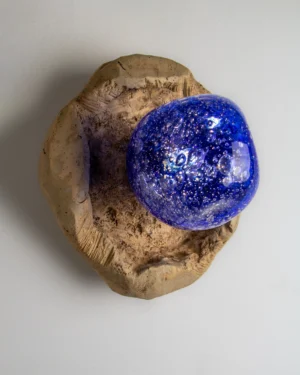
Asea No.13 Wall Sconce in Stoneware and Blown Glass
By Ceren Gürkan
€1.300 -
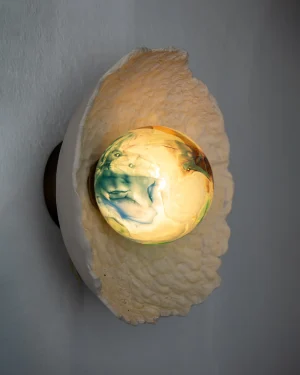 In stock
Asea No. 17 Wall Sconce In Stoneware And Blown Glass
By Ceren Gürkan
€900 -
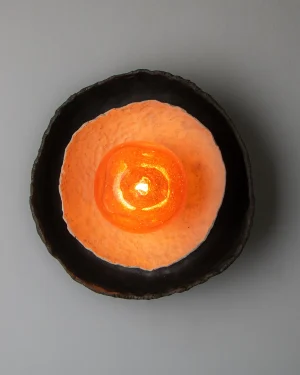
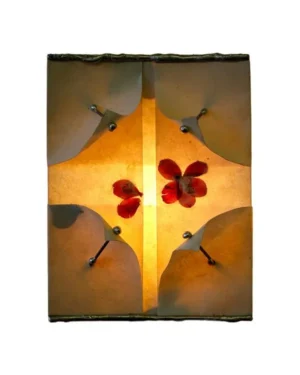
Asea No. 26 Red Wall Sconce in Blown Glass and Stoneware
By Ceren Gürkan
€1.100 -

Asea No.40 Wall Sconce In Stoneware And Blown Glass
By Ceren Gürkan
€1.200€1.020 -
 In stock
Asea No. 12 Green Wall Sconce In Stoneware And Blown Glass
By Ceren Gürkan
€800 -
 In stock
Nova Wall Sconce in Blown Glass and Steel
By Ceren Gürkan
€700 -
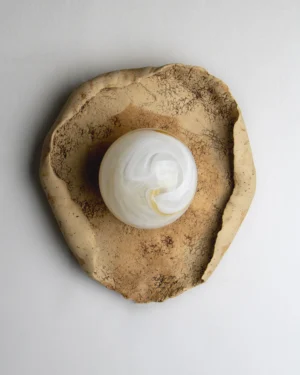 In stock
Asea No. 41 Pearl Wall Sconce in Stoneware and Blown Glass
By Ceren Gürkan
€1.000 -
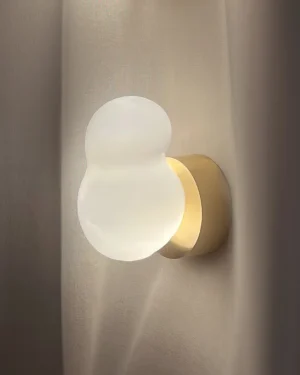
Vv Applique Wall Sconce in Brass and Blown Glass
By Clara Viladecans
€451 -
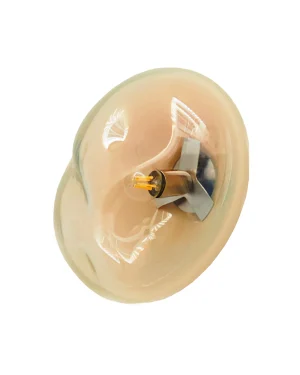
Haumea Amorph Wall Sconce In Amber Blown Glass
By ELOA - Unique Lights
€2.330 - €4.085 -
 In stock
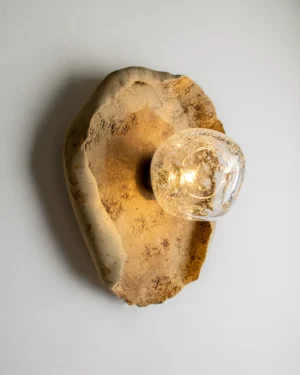
Asea No. 41 Wall Sconce in Stoneware and Blown Glass
By Ceren Gürkan
€1.000 -
 In stock
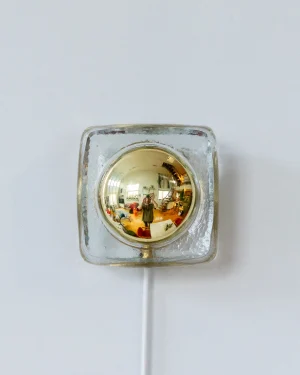
Starburst Wall Sconce in Brass and Blown Glass
By Voidfill Studio
€1.635 -
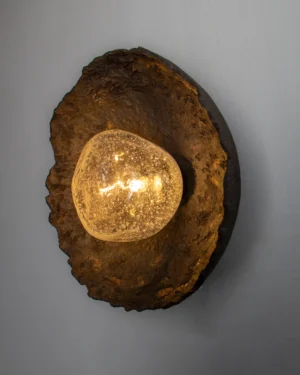
Asea No. 23 Dark Wall Sconce in Stoneware and Blown Glass
By Ceren Gürkan
€800 -
 In stock
Asea No. 26 Pink Wall Sconce in Stoneware and Blown Glass
By Ceren Gürkan
€1.000 -
 In stock
Nova Blue Wall Sconce in Blown Glass and Steel
By Ceren Gürkan
€700 -

Small Wall Sconce in Brass and Blown Glass
By Naama Hofman
€700 -
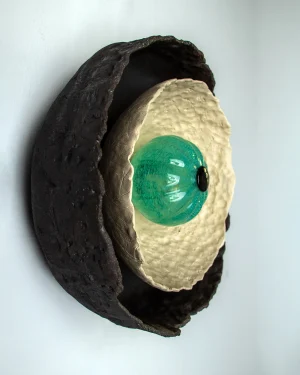 In stock
Asea No. 26 Eye Wall Sconce in Porcelain and Blown Glass
By Ceren Gürkan
€1.100 -

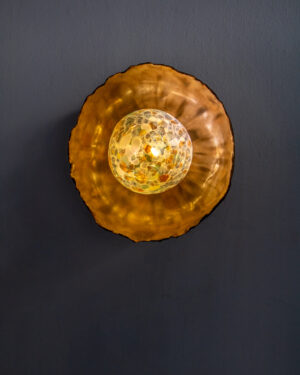
Magnolia Blossom Wall Sconce in Blown Glass and Steel
By Toro Manifesto
€2.300 -
 In stock
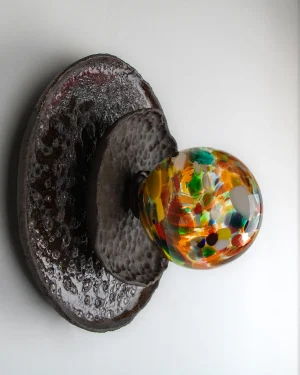
Asea No. 12 Sand Wall Sconce in Stoneware and Blown Glass
By Ceren Gürkan
€800 -
 In stock
Asea No. 34 Wall Sconce in Stoneware and Blown Glass
By Ceren Gürkan
€1.000 -
 In stock
Asea No. 27 Blue Wall Sconce in Stoneware and Blown Glass
By Ceren Gürkan
€1.000 -
 In stock
Asea No. 35 Moss Wall Sconce in Stoneware and Blown Glass
By Ceren Gürkan
€1.200 -
 In stock
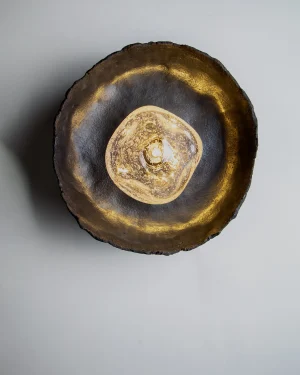
Dahlia Blossom Wall Sconce in Blown Glass and Steel
By Toro Manifesto
€1.500 -
 In stock
Asea No. 12 Wall Sconce In Stoneware And Blown Glass
By Ceren Gürkan
€800 -
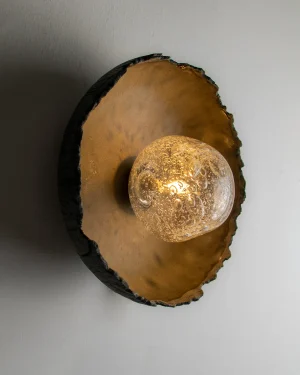
Asea No. 12 Moss Wall Sconce in Stoneware and Blown Glass
By Ceren Gürkan
€800 -

Double Wall Sconce in Brass and Blown Glass
By Naama Hofman
€1.150 -
 In stock
Cacao Blossom Wall Sconce in Blown Glass and Steel
By Toro Manifesto
€2.000 -
 In stock
Asea No. 35 Wall Sconce In Stoneware And Blown Glass
By Ceren Gürkan
€1.000 -
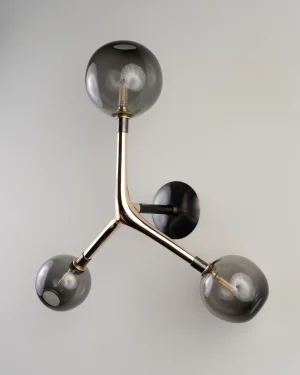
Ocellus Wall Sconce in Bronze and Blown Glass
By Isabel Moncada
€3.510 - €4.036 -
 In stock
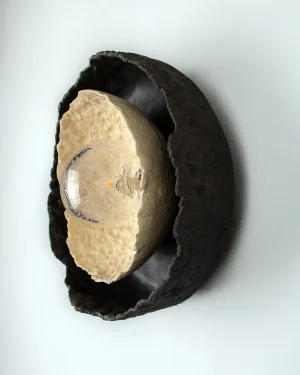
Asea No. 25 Wall Sconce in Porcelain and Blown Glass
By Ceren Gürkan
€1.100 -
 In stock
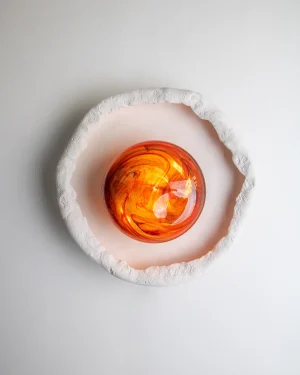
Asea No. 35 Wall Sconce in Porcelain and Blown Glass
By Ceren Gürkan
€1.200 -
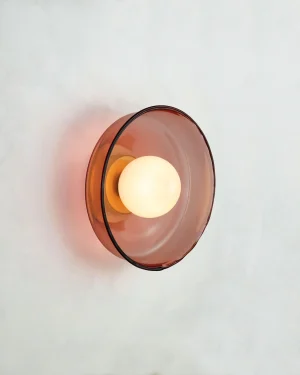
Large Wall Sconce in Brass and Blown Glass
By Naama Hofman
€850 -

Ojos Wall Sconce in Bronze and Blown Glass
By Isabel Moncada
€2.925 - €3.363 -

Haumea Amorph Wall Sconce In Silver Blown Glass
By ELOA - Unique Lights
€2.330 - €4.085 -
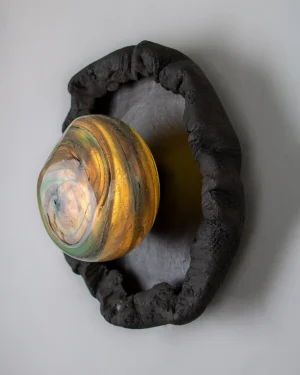 In stock
Asea No. 27 Wall Sconce in Stoneware and Blown Glass
By Ceren Gürkan
€1.000 -
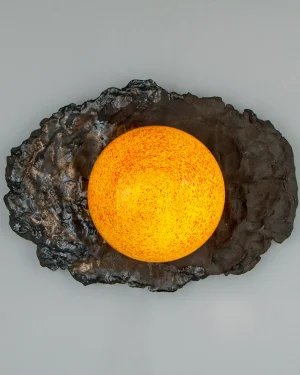 In stock
Asea No. 28 Wall Sconce in Stoneware and Blown Glass
By Ceren Gürkan
€1.200
Blown glass wall sconces are shaped while the glass is still molten, gathered on a pipe and opened with breath and turning until the walls thin enough to glow. Independent studios work this way freehand or into molds, so a shade might come out perfectly round or carry the faint ripple of the gather, a trace of the hand that made it. The glass is paired with a backplate and arm in metal, usually steel, brass or aluminum, that carries the wiring and holds the shade against the wall.
What glassblowing gives a wall light
Hot glass does not take hard edges. Blown shades tend toward soft curves, bubbles, globes, cones and open bells, because those are the forms breath and gravity make easily. Bubbles trapped in the glass, faint color washes, or a slight asymmetry between one shade and its neighbor are signs of the process, not flaws, and they are part of why no two sconces from the same batch sit exactly alike on a wall.
Finishes, styles and editions in blown glass lighting
Within glass as a material, the range at ADORNO runs from clear and white to bronze and black-tinted shades, often set against steel, aluminum or chrome fittings. Stylistically the same shade can read contemporary with a plain steel arm, coastal in white glass, or closer to romanticism with a fluted or ribbed surface that catches more light. Some studios work in open editions, producing the same blown form repeatedly; others number their runs or blow each shade as a unique piece, so the glass itself varies slightly from one to the next.
Stoneware, stone, mirrorglass and cast or worked metal sit alongside glass across the wider range of wall sconces, for anyone weighing a harder-edged material against the softness of blown glass. A steel or aluminum arm paired with a glass shade is the most common construction; sconces built entirely from metal instead of glass sit at the other end of that range.
How to choose one
Scale against the wall first. A small bedside sconce should sit close to the wall and throw light downward or sideways without glare at eye level; a larger globe or bell reads better on an open stretch of wall where it has room to cast its own shadowplay. Mounting height follows use: lower and closer to a headboard for reading, higher and more central where the sconce is doing the work of a picture or a mirror.
- Clear glass for a brighter, more directional light near a desk or mirror
- Tinted glass for a softer wash in a bedroom or living room
- A plain steel or aluminum arm to let the glass carry the attention
- A patterned or ribbed shade where the wall itself is otherwise bare
Think also about what the sconce sits near. Next to a mirror or window, clear glass will pick up reflections; against a plain wall, a tinted shade gives a steadier glow without competing with daylight.
Where blown glass sconces work
Because they take up no floor or tabletop space, these pieces suit the rooms where every surface is already busy. They flank beds in bedrooms in place of table lamps, mark the turn of a stair or the length of a corridor in hallways, and give an entryway a point of light at eye height the moment a door opens. In a living room, a pair either side of a sofa or fireplace does what a floor lamp would, without the footprint.
Caring for blown glass
Blown glass is more forgiving of light and heat than it looks, since it is formed at far higher temperatures than any bulb will reach, but it stays breakable and should be dusted rather than scrubbed. A soft, dry cloth or one barely damp with water is enough; avoid abrasive cleaners, which can dull a blown glass surface over time. Check that the backplate and arm, whatever metal they are made from, stay firmly fixed to the wall, since that connection carries the weight the glass itself does not.
For the full range of glass forms beyond wall lighting, from pendants to tabletop pieces, see every blown glass piece on ADORNO.
How do I choose a blown glass wall sconce?
Start with the light you want: clear glass throws a sharp, directional glow, tinted glass spreads an even wash. Match the shade shape and metal fitting, steel, brass or aluminum, to the rest of the room's hardware.
How do I clean and care for a blown glass sconce?
Dust the shade with a soft, dry cloth and avoid abrasive cleaners that can dull the surface. Wipe the metal arm and backplate with a cloth suited to that finish, and keep connections dry.
How high should a wall sconce be mounted?
Most sconces sit between 60 and 66 inches from the floor, close to eye level, though hallways and stairwells can run higher. Spacing depends on ceiling height and what the light needs to reach.
Which rooms suit blown glass wall sconces?
Hallways, entryways and bedrooms benefit most, since the light lifts off the floor and spreads across the wall instead of a surface. Living rooms use them well for softer, ambient corners.
Can I get a blown glass sconce made in a custom size or color?
Some studios take custom requests on finish, shade shape or glass color, others work only in fixed runs. Chat with the maker on the piece's page to confirm what is possible.
What are ADORNO's shipping, returns and authenticity policies?
Shipping is insured and worldwide, with a 14-day return policy on all but made-to-order pieces. Every order includes a certificate of authenticity, backed by a lowest-price guarantee.