
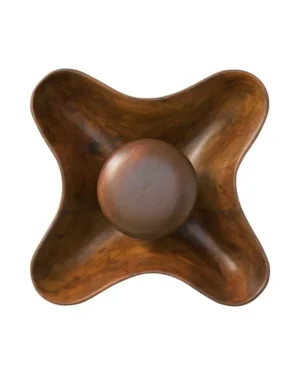
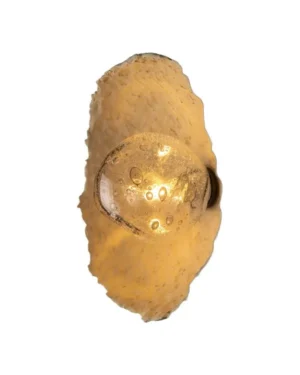
-
 In stock
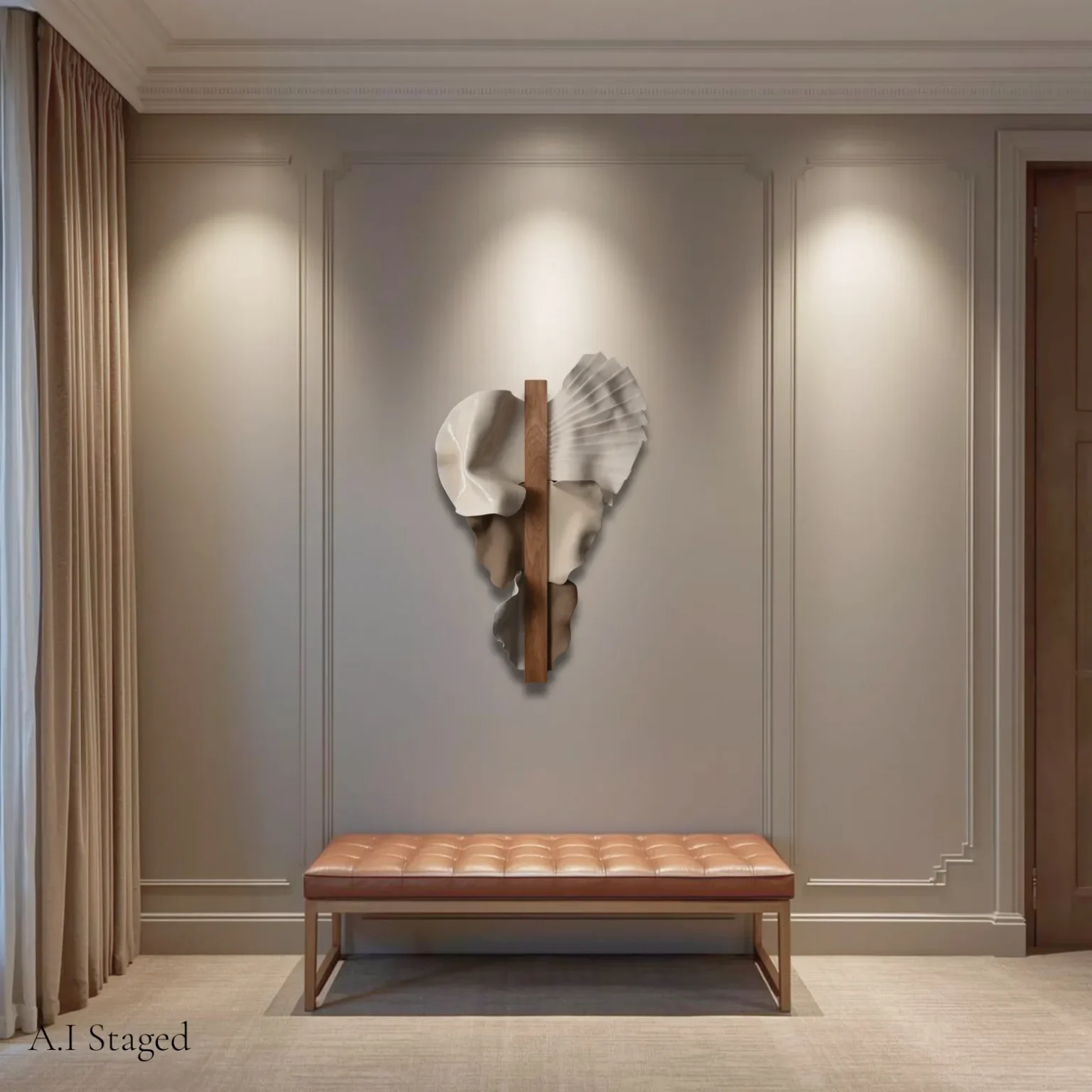
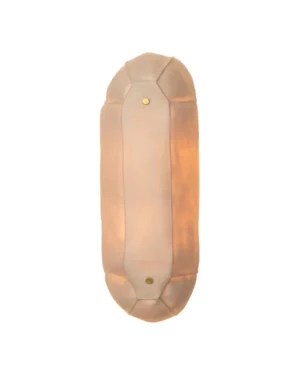
Object 09 Sconce in Nylon and Sand
By Hot Wire Extensions
€1.145 - €1.163 -
 In stock
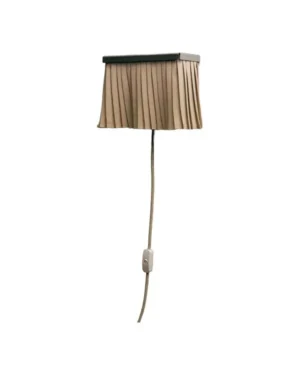
Object 09 Sconce in Nylon and Sand
By Hot Wire Extensions
€935 - €1.145 -
 In stock
Object 12 Sconce in Nylon and Sand
By Hot Wire Extensions
€1.145 - €1.355 -
 In stock
Object 04 Sconce in Nylon and Sand
By Hot Wire Extensions
€1.208 -
 In stock
Object 07 Sconce in Nylon and Sand
By Hot Wire Extensions
€1.145 -
 In stock
Object 08 Sconce in Nylon and Sand
By Hot Wire Extensions
€1.670 -
 In stock
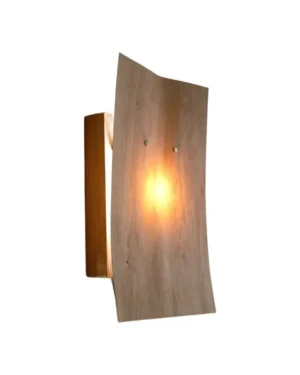
Herbarium Mini Lunaria Annua Wall Sconce In Glass And Plywood
By Mateusz Wappa
€1.200 -
 In stock
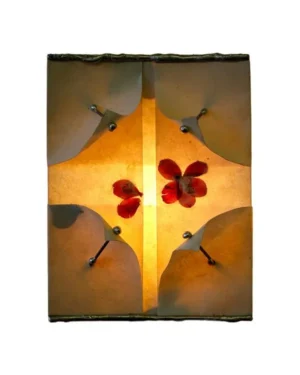
Herbarium Mini Daucus Carota Wall Sconce In Glass And Plywood
By Mateusz Wappa
€1.200 -
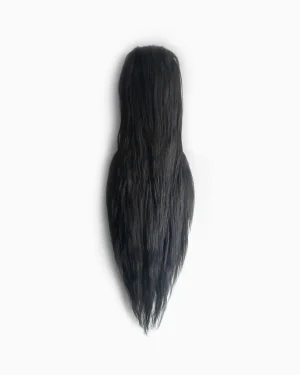 In stock
Scalp Wall Sconce in Fur and Lamb Leather
By Studio S II
€1.335 -
 In stock
Herbarium Eryngium Planum Wall Sconce In Glass And Plywood
By Mateusz Wappa
€2.000 -

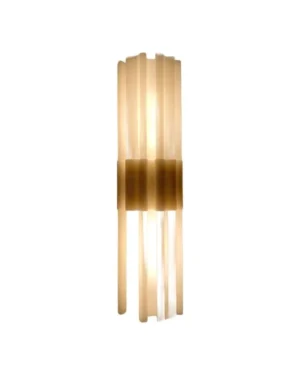
Dyptich Wall Sconce in Brass and Recycled Plastic
By SIGNATURE OBJECTS
€1.800 -
 In stock
“Object 06” Wall Lamp from the “Hotel” Collection
By Hot Wire Extensions
€1.208 -
 In stock
Herbarium Rumex Acetosa Wall Sconce In Glass And Plywood
By Mateusz Wappa
€2.000 -
 In stock
“Object 10” Wall Lamp from the “Native” Collection
By Hot Wire Extensions
€1.145 -
 In stock
“Object 05” Wall Lamp from the “Hotel” Collection
By Hot Wire Extensions
€1.208 -
 In stock
Herbarium Tanacetum Vulgare Wall Sconce In Glass And Plywood
By Mateusz Wappa
€2.000 -
 In stock
“Object 08” Wall Lamp from the “Native” Collection
By Hot Wire Extensions
€1.995
Biomaterial wall sconces are built from recycled nylon and sandstone, dried flowers and other biomaterials, materials that are recycled or grown rather than mined or drilled. The studios working in this space pair biofabrication, where a mold is seeded and left to form its own structure, with hand assembly, wiring and finishing done by a person rather than a line. The result sits against the wall as something closer to a grown object than a manufactured fixture.
What defines a biomaterial sconce
Dried flower and biomaterial panels are set on plywood or birch, which leaves them light, slightly porous and warm to the touch rather than cold like metal or glass. Natural wax can be cast or layered to diffuse light rather than throw it in a hard beam, giving a glow closer to candlelight than a bulb. Recycled material and biocomposites behave less predictably than plastic or steel: color and surface shift slightly from one casting to the next, which is a property of the process rather than a flaw.
The range on ADORNO
Within biomaterial wall sconces, the material story overlaps with sand, sandstone, dried flowers, plywood and recycled matter, worked through 3D printing, sand casting, wood and cabinetmaking or digital fabrication alongside biofabrication itself. Finishes lean toward sand, cream, natural and charcoal tones, with sharper accents in aqua, dusty pink or yellow where a studio chooses to pigment the mix. Editions run from open runs produced in small batches to limited editions and one-off pieces, since many of these processes resist exact repetition. Stylistically the pieces tend toward biophilic, sustainable and minimalist directions, though some studios push into futuristic or Bauhaus-influenced forms that treat the biomaterial as a structural material rather than a decorative skin. For a wider view of what grown and recycled materials look like across lighting, the biomaterial lighting and biomaterials pages cover pendants, floor lamps and table lamps alongside sconces.
Choosing scale, height and placement
A sconce has no footprint, so its scale is set by the wall, not the furniture beneath it. In a hallway or stairwell, a narrow profile set at eye level reads as a line of light along the route; in a bedroom, a wider or softer-glowing shade placed beside the headboard works closer to a bedside lamp without taking up the nightstand. Because biomaterial surfaces often carry visible texture or grain from the mold, they read best lit from the side or below, where shadow catches the surface rather than flattening it.
- Measure the wall run before choosing width, since a biomaterial shade can look substantial even when it weighs very little.
- Match finish to light level: paler sand and cream tones bounce more light back into a room than charcoal or deep natural tones.
- Check mounting depth against doorframes and stair rails, since some grown-material shades project further from the wall than a flat metal backplate.
Where these sconces suit a room
Because the material and the glow it gives off are gentle rather than clinical, biomaterial wall sconces suit rooms where people linger rather than work: a bedroom, a living room seating corner, or an entryway where a visitor's first impression of a home is set. A hallway benefits from the same low floor commitment as any sconce, with the added texture of a grown surface to look at in passing. For the full range of materials and finishes within wall lighting, the wall sconces category holds ceramic, glass, wood and metal alongside the biomaterial pieces.
Living with and caring for a biomaterial sconce
Grown and recycled materials are generally sealed before sale, but they still prefer dry conditions over steam or splash, so bathrooms and exposed porches are not their place. Dust with a soft, dry cloth rather than water or solvents, which can draw moisture into a dried or printed surface. Keep the fixture away from direct heat sources, since sustained warmth can shift the color of natural wax and dry out biocomposite surfaces faster than normal indoor air would.
How do I choose a biomaterial wall sconce?
Decide whether you want a printed sandstone shade for a grainy, layered glow or a dried flower panel for a softer, natural diffusion, then match the finish, sand, cream, charcoal or a pigmented accent, to the wall it sits against.
How do you clean and care for biomaterial sconces?
Dust with a dry, soft cloth and keep them away from direct water or steam, since printed and dried surfaces are sealed but still porous and can soften or mark if soaked.
What size wall sconce should I get?
Sizing varies by maker and piece, so check the specific dimensions on the piece's page or use Chat with the maker to confirm what will fit your wall.
Which rooms suit biomaterial wall sconces?
Their warm, matte surfaces and soft light work well in bedrooms, hallways and living rooms, anywhere a gentler glow matters more than a hard, direct beam.
Will the color or texture match exactly what I see online?
Not precisely, recycled material and biocomposites shift slightly in color and surface from one casting to the next, which is a property of the material rather than a flaw.
What are ADORNO's shipping, returns and authenticity policies?
Shipping is insured and worldwide, returns are accepted within 14 days except on made-to-order pieces, and every piece arrives with a certificate of authenticity.