
-
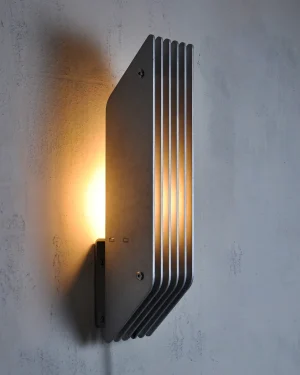
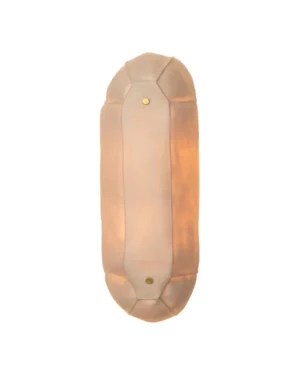
Rln460 Wall Lamp In Matte Aluminium
By MLK Furniture
€390 -
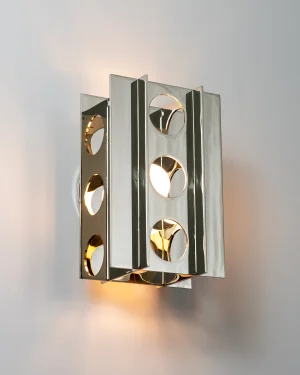
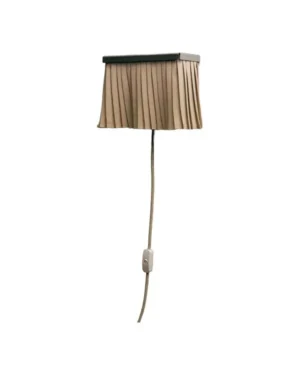
Tenfold 3T Mirror Wall Sconce in Steel and Aluminum
By Luft Tanaka Studio
€1.540 -
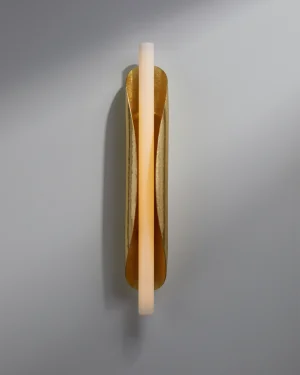 In stock
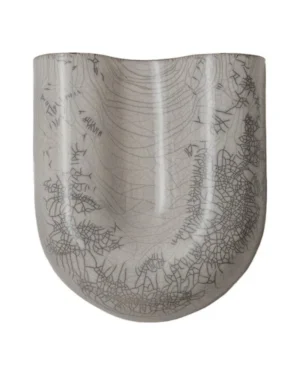
Taco De Luz 50cm Wall Sconce in Satin Brass
By Studio Aristotelis Barakos
€1.250 -
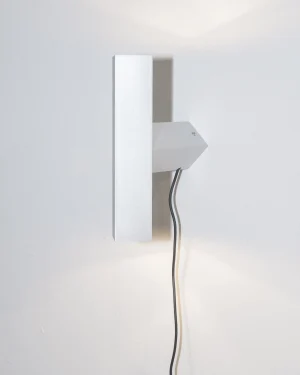 In stock
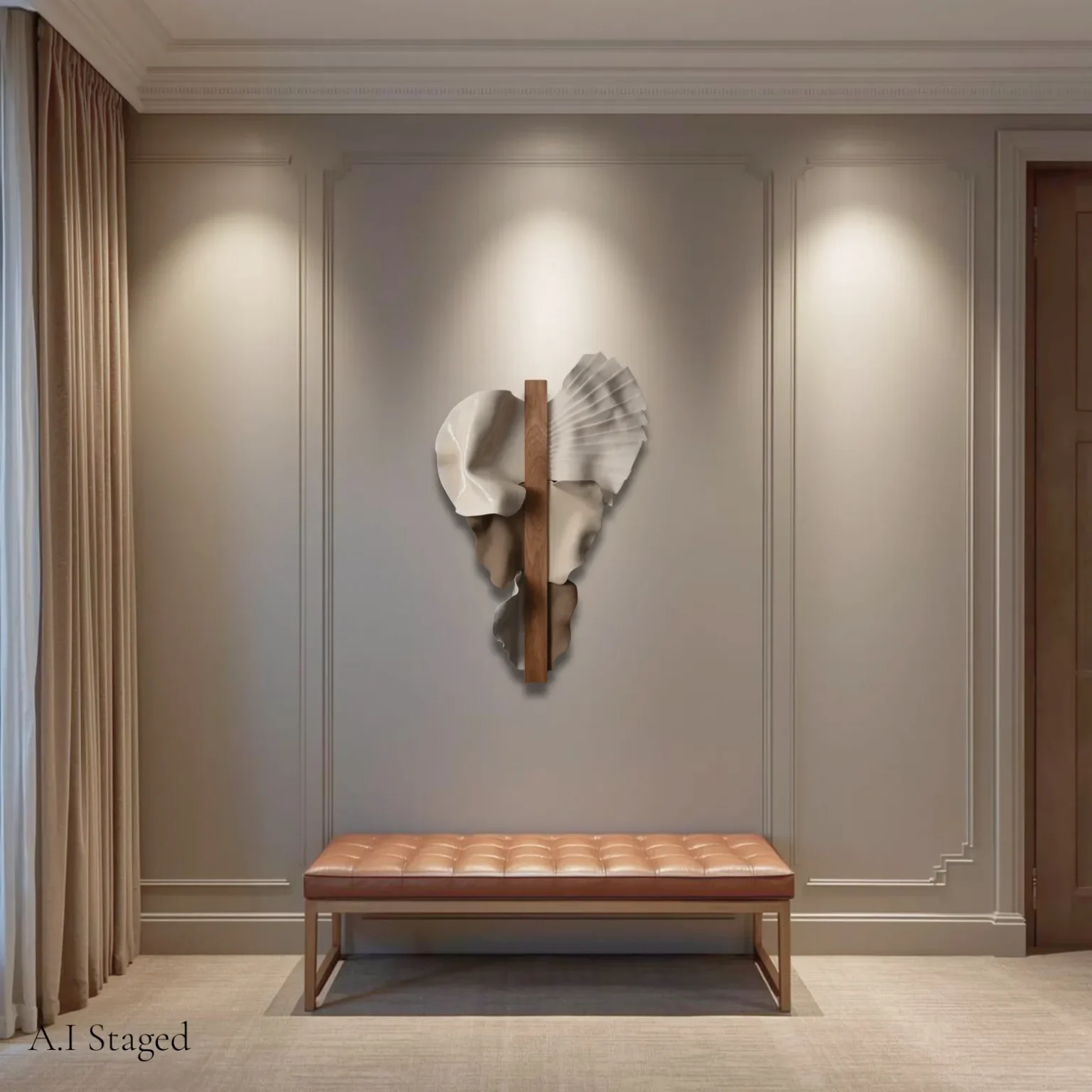
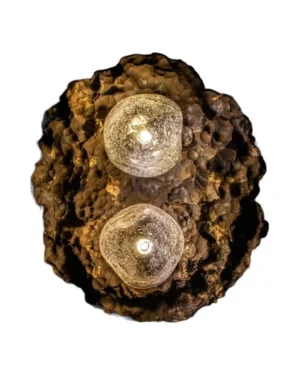
Sculptural Wall Sconce in Aluminum
By NOSTUDIO
€420 - €450 -
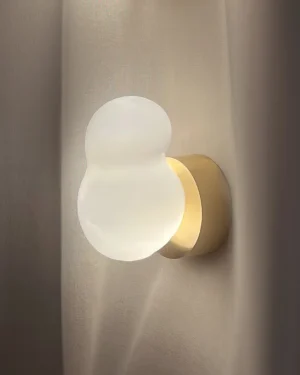
Vv Applique Wall Sconce in Brass and Blown Glass
By Clara Viladecans
€451 -
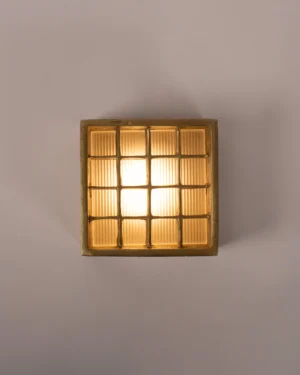
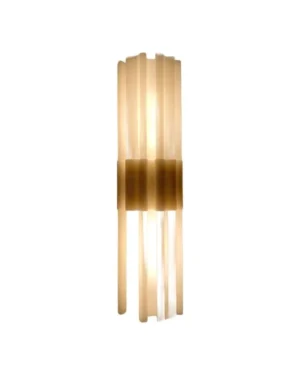
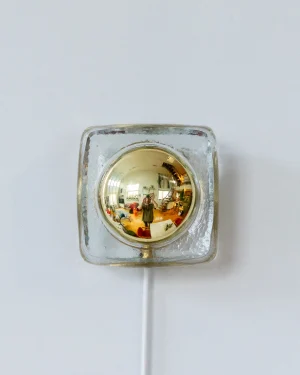
Oasis Mirage Wall Light In Cast Aluminum And Fluted Glass
By Harshita Jhamtani Designs
€620 -
 In stock
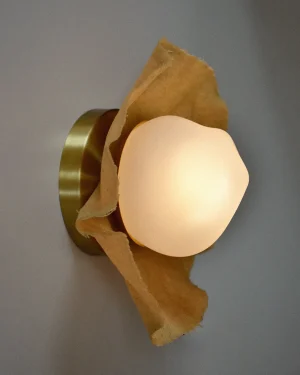
Starburst Wall Sconce in Brass and Blown Glass
By Voidfill Studio
€1.635 -
 In stock
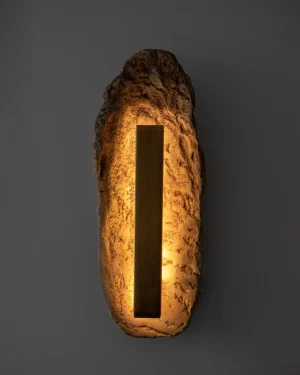
Liora I Wall Sconce in Glass and Brass
By Atelier Alz
€350 -
 In stock
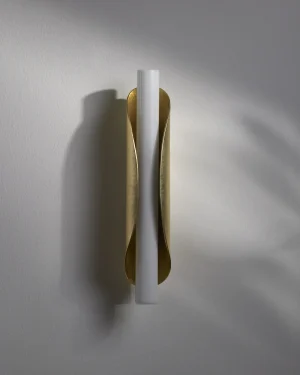
Asea No. 2 Wall Sconce In Stoneware And Brass
By Ceren Gürkan
€1.000 -
Taco De Luz 30cm Wall Sconce in Satin Brass
By Studio Aristotelis Barakos
€870 -
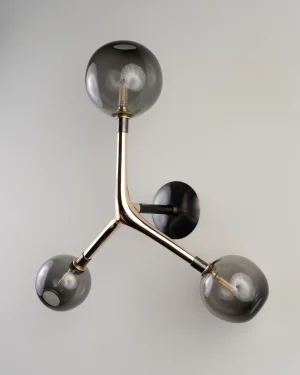
Ocellus Wall Sconce in Bronze and Blown Glass
By Isabel Moncada
€3.510 - €4.036 -
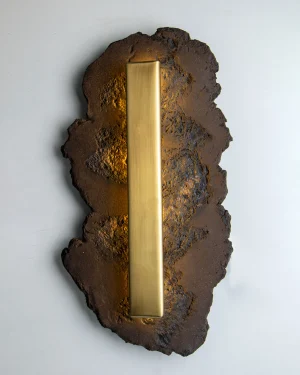 In stock
Asea No. 3 Wall Sconce In Stoneware And Brass
By Ceren Gürkan
€900 -
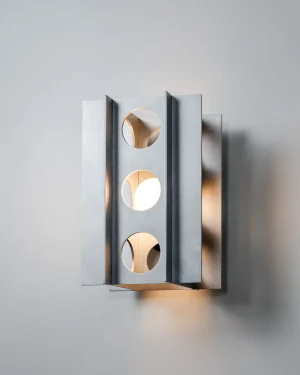
Tenfold 3T Satin Wall Sconce in Steel and Aluminum
By Luft Tanaka Studio
€865 -
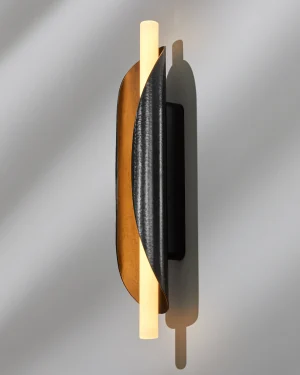 In stock
Taco De Luz 50cm Wall Sconce in Black Patinated Brass
By Studio Aristotelis Barakos
€1.300 -
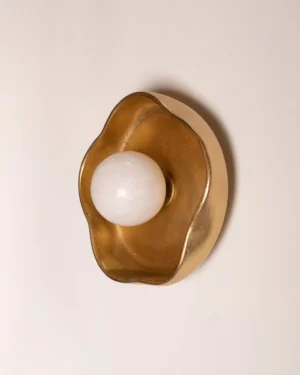
Flower Casted Wall Sconce In Brass-finished Aluminum
By Harshita Jhamtani Designs
€760 -
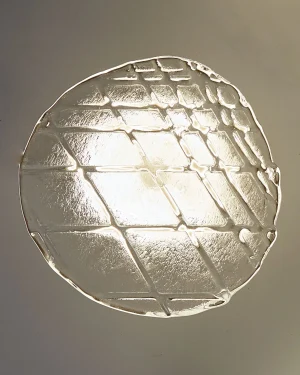
Hot Casted Rhombus Wall Sconce in Brass and Glass
By Pablo Ejarque-González
Price Upon Request -

Hot Casted Lines Wall Sconce in Brass and Glass
By Pablo Ejarque-González
Price Upon Request -

Hot Casted Wall Sconce in Brass and Glass
By Pablo Ejarque-González
Price Upon Request
Art deco wall sconces carry the geometric confidence of the 1920s and 1930s into a room today, and the studios making them keep to that era's vocabulary: brass or chrome frames cut into fans, stepped arcs and sunburst shapes, paired with blown or pressed glass that softens the light without hiding the metal beneath it. Cast or pierced aluminum, stainless steel and the occasional aubergine or sand-colored glass shade turn up too, each one built to sit flat against a wall and read as a piece of architecture rather than an accessory.
What defines the style
Symmetry is the backbone of the look. A pair of sconces set at matching heights on either side of a mirror or doorway does more for a wall than a single central fixture, because the repetition is the point: one fan-shaped shade answering another, one stepped silhouette echoing its twin across the room.
The second signal is the contrast between hard and soft. A faceted or fluted metal body, often in gold, bronze or polished chrome, is set against a rounded glass diffuser, so the light itself arrives warm and even while the fixture stays angular. That pairing is what separates art deco wall sconces from plainer, single-material designs.
Materials, finishes and editions
Across the range you will find brass worked by metalworking and repoussé into raised, hammered surfaces, aluminum and stainless steel cut by laser for crisper, flatter geometry, and glass shaped by glassblowing or glass casting into shades ranging from clear to tinted gray or aubergine. Chrome and matte bronze finishes sit alongside gold and silver plating, and some studios work in cast metal for heavier, more sculptural bodies.
- Metalwork and repoussé for brass bodies with visible texture
- Glassblowing and glass casting for shades in clear or colored glass
- Laser cutting and metal casting for sharper, more geometric aluminum or steel forms
Some pieces are made as open editions, repeated as demand allows; others come as limited editions or one-off pieces, where the run is small and finite by design. Either way, the finish, not the volume, is what should guide a choice, since brass and chrome age and wear differently once they are on the wall.
How to choose one
Mounting height matters more than most people expect. Eye level or just above it works for a hallway or entryway, where people pass close by, while a living room sconce can sit higher if it is meant to wash a wall rather than light a task.
Finish should answer the room's other metals. A polished brass sconce reads warmer next to oak or walnut furniture, while chrome or stainless steel suits a room already built around steel, glass or stone. If the piece will flank a mirror or doorway, buy in pairs and confirm both will ship with matching finish, since brass in particular can vary slightly between runs.
Where they work
A pair either side of a bedroom headboard frees the nightstands for books and glasses. In a narrow hallway, sconces set at intervals carry light the length of the wall without eating into the floor space a lamp would need. At the front door, a single entryway sconce or matching pair sets the tone for the rest of the house before a guest sees another room.
Care
Brass will darken and spot with handling and humidity; a soft cloth and an occasional brass polish keep it even, or leave it to darken on purpose for a worn, consistent patina. Glass shades should be dusted dry and wiped with a barely damp cloth, since trapped moisture around a bulb housing can cloud or stain the glass over time. Chrome and stainless steel need only a dry or lightly damp wipe to stay bright, with no abrasive cleaners that would dull the surface.
For the wider range of finishes and shapes, the full set of wall sconces spans far beyond this one style, while every other art deco piece on ADORNO, from table lamps to mirrors, shares the same geometric language. Those drawn to the metalwork specifically may also want to see the broader set of metal wall sconces on its own.
How do I choose an art deco wall sconce?
Look for a pair rather than a single fixture, set at matching heights either side of a mirror or doorway, and decide whether you want a faceted metal body or a softer, rounded glass shade to lead the look.
What materials are art deco wall sconces made from?
Most combine a brass, chrome, or aluminum frame with blown or pressed glass. Brass can be worked by repoussé into raised patterns, while aluminum and steel are often laser cut for sharper, flatter geometry.
How do I clean and care for a brass or glass sconce?
Dust metal frames with a dry cloth and wipe glass shades with a damp one; unlacquered brass will darken over time unless polished, while lacquered finishes just need gentle cleaning.
How high should wall sconces be mounted?
Eye level is standard, typically around five to six feet from the floor, though the maker can confirm the right height for a specific piece using Chat with the maker on its page.
Which rooms suit art deco wall sconces best?
Hallways, entryways, bedrooms, and living rooms all benefit, since the light throws across the wall at eye level rather than taking up floor or table space.
What is ADORNO's shipping and return policy on sconces?
Shipping is insured and worldwide, with a 14-day return policy on all but made-to-order pieces. Every sconce arrives with a certificate of authenticity, and ADORNO offers a lowest-price guarantee.