



-
 In stock
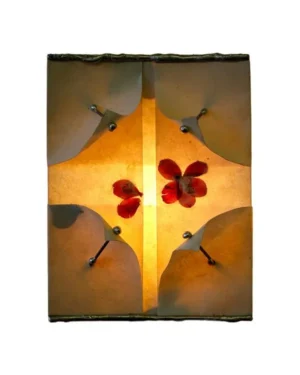
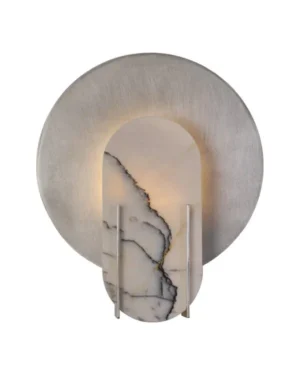
Object 09 Sconce in Nylon and Sand
By Hot Wire Extensions
€935 - €1.145 -
 In stock
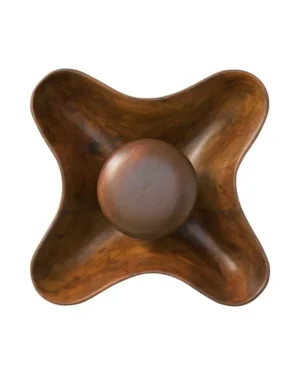
Object 12 Sconce in Nylon and Sand
By Hot Wire Extensions
€1.145 - €1.355 -
 In stock
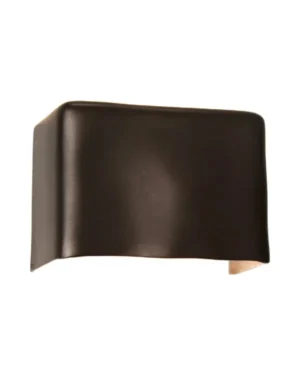
Object 02 Sconce in Nylon and Sand
By Hot Wire Extensions
€1.460 -
 In stock
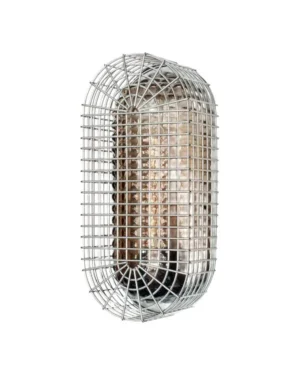
Object 04 Sconce in Nylon and Sand
By Hot Wire Extensions
€1.208 -
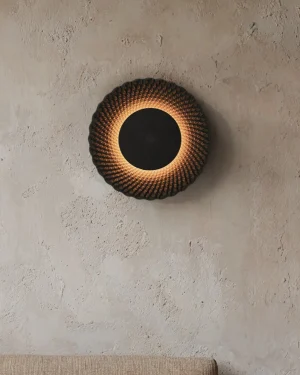 In stock
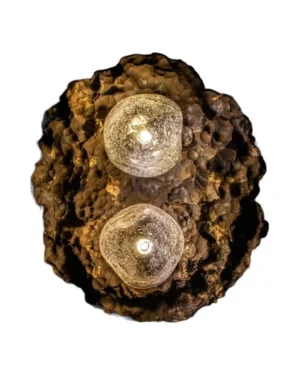
Sun Vxs 05 — Sculptural Wall Lamp In 3d-printed Sand
By Rollo Studio
€1.080 -
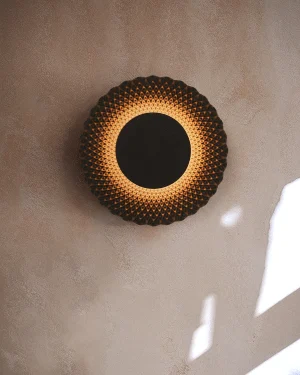 In stock
Sun Vxs 06 — Sculptural Wall Lamp In 3d-printed Sand
By Rollo Studio
€1.080 -
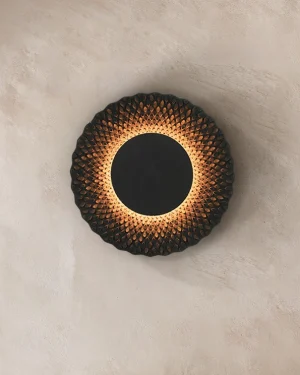 In stock
Sun Vxs 08 — Sculptural Wall Lamp In 3d-printed Sand
By Rollo Studio
€1.080 -
 In stock
Sun Vxs.04 – Contemporary Wall Lamp In Textured Quartz Sand
By Rollo Studio
€1.280 -
 In stock
“Object 06” Wall Lamp from the “Hotel” Collection
By Hot Wire Extensions
€1.208 -
 In stock
Sun Vxs 02 — Natural Sand Wall Lamp With Soft Ambient Glow
By Rollo Studio
€980 -
 In stock
Sun Vxs 03 — Sculptural Wall Lamp In 3d-printed Sand
By Rollo Studio
€1.080 -
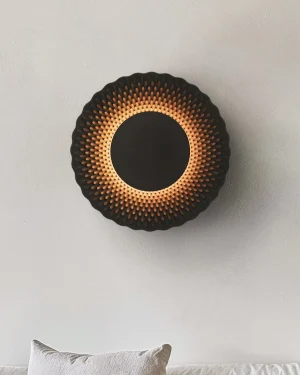 In stock
Sun Vxs 07 — Sculptural Wall Lamp In 3d-printed Sand
By Rollo Studio
€1.080 -
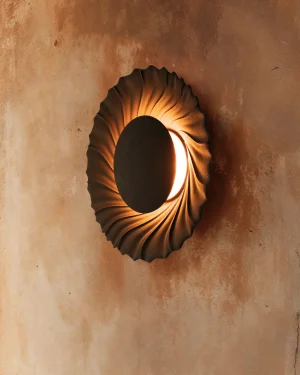 In stock
Sun Vxs 01 — Organic Sand Wall Light By Rollo Studio
By Rollo Studio
€880 -
 In stock
“Object 10” Wall Lamp from the “Native” Collection
By Hot Wire Extensions
€1.145 -
 In stock
“Object 08” Wall Lamp from the “Native” Collection
By Hot Wire Extensions
€1.995
Sand wall lamps take their character from grain rather than shine, often sand cast or hand-built by studios working in stoneware, sandstone and recycled material, sometimes finished with a glaze and sometimes left raw. The surface reads as warm and matte, closer to a riverbank or a dune than to polished stone, and it carries small variations from one piece to the next because the material itself is uneven. Most of these fixtures are made in open editions, so a finish can be found again even after a particular piece has sold.
What gives sand its texture
Sand, as a material in design, usually means a cast or built surface that keeps some of the granularity of its source rather than smoothing it away. Studios mix it with binders or clay bodies, pour or press it into molds, and the result is a wall lamp with a slightly porous, tactile face that softens the light it throws rather than bouncing it back sharply. Colorways sit in the same family as the material itself: sand, cream, ivory, dusty pink and charcoal, occasionally sharpened by a block of black or yellow.
The range of techniques and finishes
On the wider range of designer wall lamps, sand sits alongside stone, stoneware, clay and the odd nylon or 3D-printed piece, and the making methods vary just as much as the materials. Some studios hand-build each shade, pressing and smoothing by hand before a kiln sets the form; others sand cast in open molds, which keeps the grain visible on the finished face; a smaller number use digital fabrication or 3D printing to get a repeatable geometry before a sand-toned glaze goes over the top. Styles run from rustic and brutalist, where the material is left closest to its raw state, through to minimalist and Bauhaus-leaning forms that use sand finish mainly for its color and restraint. Minimalist wall lamps are a useful starting point for that quieter end of the range.
Choosing a sand wall lamp
Scale matters more on a wall than on a table, since a wall lamp sits at eye height and has no furniture around it to set the proportion. A single sconce beside a mirror or headboard generally wants to sit close to or slightly above eye level; a pair either side of a bed or doorway should be mounted at matching heights so the symmetry reads cleanly.
- Finish: a raw, unglazed sand surface reads warmer and more textured; a glazed one is easier to wipe down and slightly more reflective.
- Light output: a sand shade softens and warms the light, so it suits mood lighting better than close task work.
- Placement: check the wall can take the fixing weight, and that any shade sits clear of curtains, headboards or door swing.
For a lamp that sits directly over a nightstand instead of on the wall, sand table lamps carry the same material language without needing a wired wall mount.
Rooms that suit a grainy, earthy texture
Sand finishes read naturally in bedrooms, where the matte surface and warm tone sit well against linen and timber, and in hallways, where a wall lamp saves floor space that a corridor rarely has to spare. Bedroom wall lamps and hallway wall lamps both work well in this material because the light stays soft and the texture rewards a closer look. The same qualities carry a painting or a run of shelving in a living room, where the lamp acts as a quiet frame rather than the main source of light.
Caring for a sand finish
Unglazed sand surfaces are porous, so they mark more easily than a glazed stoneware shade and should be dusted rather than scrubbed. A soft brush or dry cloth lifts surface dust without pushing grit into the pores; water and household cleaners are best avoided unless a studio has confirmed the piece is sealed. For the full material range, including lamps, seating and smaller objects, every sand piece on ADORNO is gathered in one place.
How do I choose a sand wall lamp?
Match the finish to the wall it will sit on: raw, porous surfaces read best against plaster or paint, while glazed finishes hold their own next to tile or wood paneling.
How do you care for a sand wall lamp?
Dust with a dry or barely damp cloth and keep it away from direct spray or standing water, since porous, unglazed surfaces can absorb moisture and stain.
What size sand wall lamp do I need?
Size depends on the wall and the throw of light wanted; for anything piece-specific, use Chat with the maker on the piece's page to confirm dimensions.
Which rooms suit sand wall lamps best?
Their soft, diffused glow works well in bedrooms, hallways and living rooms, anywhere a wash of ambient light matters more than a sharp reading beam.
Are sand wall lamps handmade or mass produced?
Most are sand cast or hand-built by independent studios in open editions, so small variations in texture and tone are normal rather than a flaw.
What about shipping, returns and authenticity when buying from ADORNO?
Shipping is insured and worldwide, returns are accepted within 14 days except on made-to-order pieces, and every lamp arrives with a certificate of authenticity.