



-
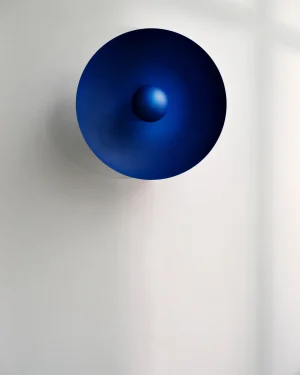 In stock
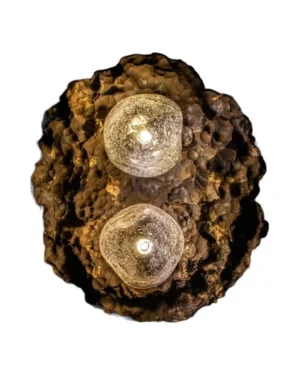
Blue Moon Wall Lamp in Aluminum
By Anne Nowak
€1.675 -
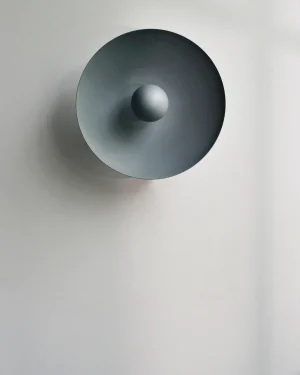 In stock
Grey Moon Wall Lamp in Aluminum
By Anne Nowak
€1.675 -
 In stock
Coral Wall Lamp – Clay Sconce
By Dzovag Kotchian
€900 -
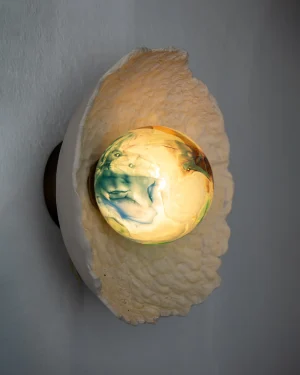 In stock
Asea No. 17 Wall Sconce In Stoneware And Blown Glass
By Ceren Gürkan
€900 -
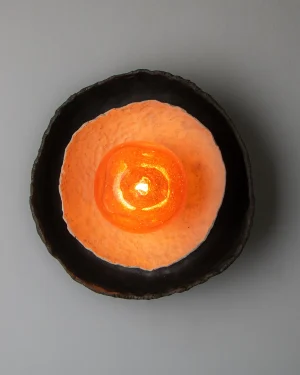 In stock
Asea No. 26 Red Wall Sconce In Blown Glass And Stoneware
By Ceren Gürkan
€1.100 -
 In stock
Nova Wall Sconce in Blown Glass and Steel
By Ceren Gürkan
€700 -
10% off
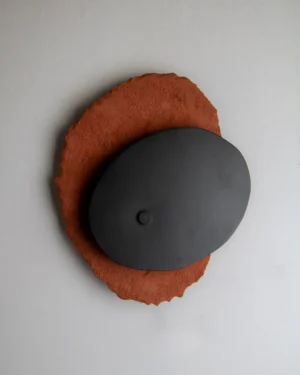
Asea No.1 Cherry Wall Sconce In Stoneware And Metal
By Ceren Gürkan
€1.000€900 -
10% off
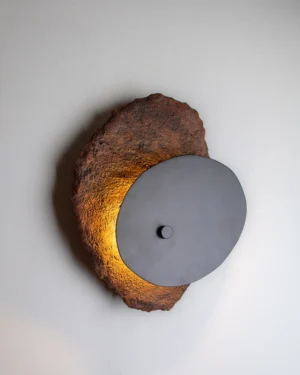
Asea No. 1 Cherry Dark Wall Sconce in Stoneware and Metal
By Ceren Gürkan
€1.000€900 -
 In stock
Pearl Wall Lamp – Clay Sconce
By Dzovag Kotchian
€1.200 -
 In stock
Asea No. 26 Pink Wall Sconce in Stoneware and Blown Glass
By Ceren Gürkan
€1.000 -
 In stock
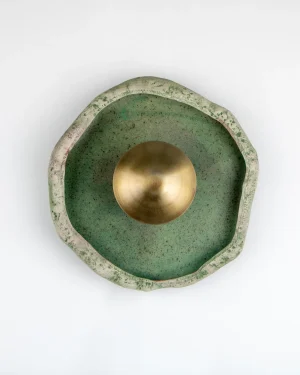
Asea No. 18 Green Wall Sconce In Porcelain And Brass
By Ceren Gürkan
€600 -
 In stock
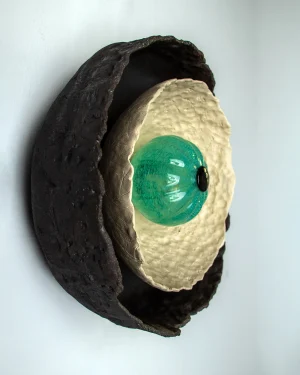
Asea No. 26 Eye Wall Sconce In Porcelain And Blown Glass
By Ceren Gürkan
€1.100 -
10% off
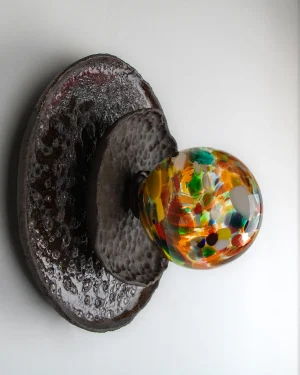
Asea No. 34 Wall Sconce In Stoneware And Blown Glass
By Ceren Gürkan
€1.000€900 -
 In stock
Asea No. 27 Blue Wall Sconce In Stoneware And Blown Glass
By Ceren Gürkan
€1.000 -
 In stock
Asea No. 35 Moss Wall Sconce in Stoneware and Blown Glass
By Ceren Gürkan
€1.200 -
 In stock
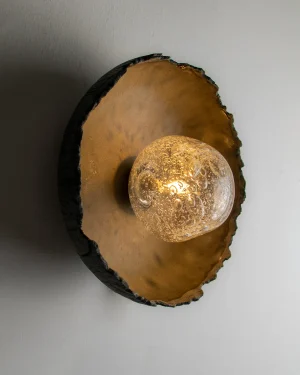
Asea No. 12 Moss Wall Sconce In Stoneware And Blown Glass
By Ceren Gürkan
€800 -
 In stock
Asea No. 14 Wall Sconce In Stoneware And Metal
By Ceren Gürkan
€900 -
 In stock
Asea No. 35 Wall Sconce In Stoneware And Blown Glass
By Ceren Gürkan
€1.000 -
 In stock
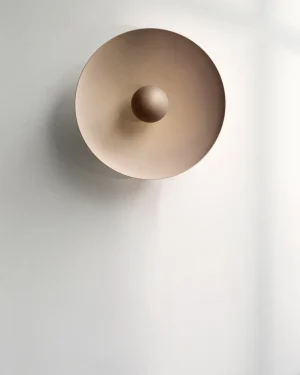
White Moon Wall Lamp in Aluminum
By Anne Nowak
€1.675 -
 In stock
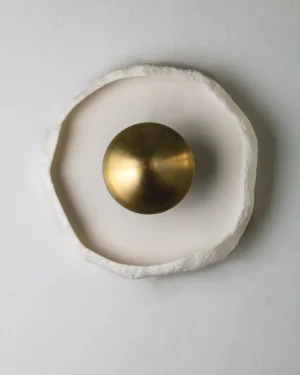
Asea No. 18 White Wall Sconce In Porcelain And Brass
By Ceren Gürkan
€600 -
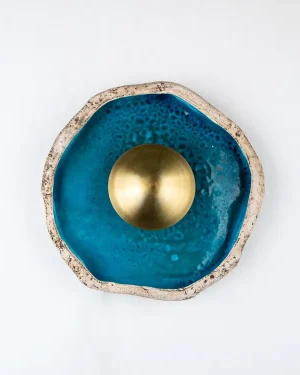 In stock
Asea No. 18 Blue Wall Sconce In Porcelain And Brass
By Ceren Gürkan
€600 -
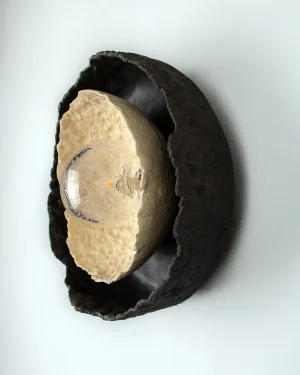 In stock
Asea No. 25 Wall Sconce In Porcelain And Blown Glass
By Ceren Gürkan
€1.100 -
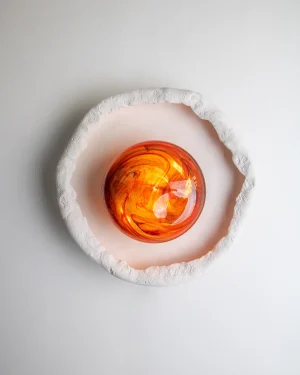 In stock
Asea No. 35 Wall Sconce In Porcelain And Blown Glass
By Ceren Gürkan
€1.200 -
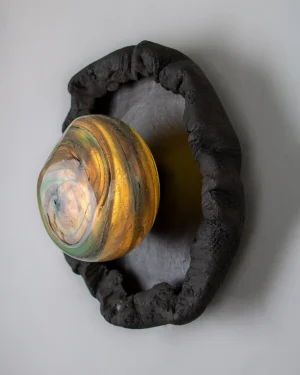 In stock
Asea No. 27 Wall Sconce In Stoneware And Blown Glass
By Ceren Gürkan
€1.000 -
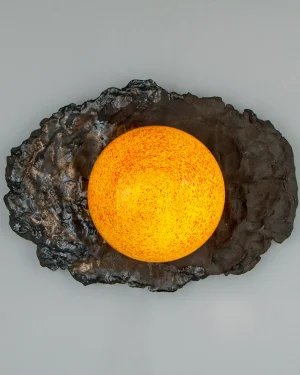 In stock
Asea No. 28 Wall Sconce In Stoneware And Blown Glass
By Ceren Gürkan
€1.200
Coastal wall lamps gather the textures of a shoreline into a single fixture: sandy stoneware, hand-blown glass with the faint bubbles and ripples of the furnace, and metal left raw or brushed so it catches light rather than shining it back. Independent studios build them by hand-building clay, blowing glass and shaping steel or aluminum, which is why no two runs look quite the same. The result sits closer to a small sculpture than a strict light source, suited to rooms that want warmth without clutter.
What defines the coastal style in wall lighting
Coastal style leans on what the sea leaves behind: bleached wood tones, worn stone, pale sand and the soft green-blue of old glass. In wall lamps this translates into stoneware bodies glazed in chalky whites and greiges, clay shades left matte and slightly uneven, and glass that diffuses light into something closer to late-afternoon sun than a bare bulb. Metal parts, where they appear, tend to be aluminum or steel finished to look weathered rather than polished, so the whole piece reads as found rather than manufactured.
Because stoneware and glass are opaque or translucent rather than clear, coastal wall lamps throw a softer, more diffused light than glass-and-chrome fixtures from other styles. That makes them better suited to ambient or accent lighting than to close task work, which matters when deciding where to put one.
Materials, finishes and editions found in this range
- Hand-built stoneware and clay shades in sandy, chalky or pale terracotta glazes
- Hand-blown glass diffusers, sometimes paired with ceramic or stone bases
- Brushed aluminum, steel or other metals used sparingly, for arms, brackets or trim
- Open editions for everyday use alongside limited editions and unique pieces for collectors who want fewer duplicates in circulation
Hand painting shows up on some stoneware shades, adding a line or a gradient of glaze rather than a printed pattern, which keeps every piece slightly different even within the same design.
How to choose a coastal wall lamp
Scale first: a shade under a hand's span suits a narrow hallway or either side of a mirror, while a wider stoneware or glass form can anchor a living room wall on its own. Mounting height follows the room's use — set a reading lamp near shoulder height beside a bed or chair, and set an accent fixture higher where it should wash a wall rather than light a task.
Finish should answer to the wall it hangs on. A pale, matte stoneware shade softens a dark or heavily textured wall, while a glass diffuser with visible bubbles or waves adds interest to a plain painted surface without competing with other decor. If the rest of the room already leans toward brushed metal or warm wood, choose a lamp whose fittings match rather than fight them, looking across the full range of wall lamps for a finish that repeats elsewhere in the space.
Where these lamps work best
Coastal wall lamps suit rooms built around rest and slow light: bedrooms, reading corners, bathrooms with natural materials already in play. They also do quiet work in hallways, where a run of matched stoneware shades turns a passage into something worth walking through, and beside a bedroom headboard, where soft, indirect light is easier to fall asleep by than an overhead fixture. For a broader view of the style across lamps, pendants and sconces, the full range of coastal lighting shows how the same materials carry through other fixtures.
Caring for stoneware, glass and metal fixtures
Stoneware and clay shades hold up well to dust but should be wiped with a dry or barely damp cloth, since standing water can mark unglazed surfaces. Blown glass wants only a soft cloth and mild cleaner, handled gently at the rim where it is thinnest. Aluminum and steel fittings resist corrosion indoors but benefit from an occasional wipe to keep salt-air grime, real or decorative, from dulling the brushed finish. For the wider span of coastal pieces beyond lighting, from seating to decor, the complete coastal style range follows the same sandy, weathered logic in every material it touches.
How do I choose a coastal wall lamp?
Start with the finish you want on the wall: a chalky stoneware shade for texture, or hand-blown glass for a softer wash of light. Check the light output suits ambient or accent use rather than close task work.
How do I clean and care for stoneware and glass wall lamps?
Dust stoneware and glass shades with a dry or barely damp cloth, since moisture can mark unglazed clay. Keep metal parts away from salt air or damp bathrooms unless the finish is stated as weatherproof.
What size wall lamp should I buy?
Size depends on the wall and the fixture's spread of light, so check the listed dimensions against the space before buying. For anything piece-specific, use Chat with the maker on the piece's page.
Which rooms suit coastal wall lamps?
Their diffused, warm light fits bedrooms, hallways and living rooms where ambient glow matters more than task lighting. Pair them either side of a mirror or bed for even, shadow-free light.
Are coastal wall lamps handmade and one of a kind?
Many are hand-built from clay or hand-blown from glass, so finishes and small surface marks vary between runs. Check the piece's edition details for whether it is a limited run or a unique piece.
What are ADORNO's shipping, returns and authenticity policies?
Shipping is insured and worldwide, with a 14-day return policy excluding made-to-order pieces. Every piece comes with a certificate of authenticity, backed by a lowest-price guarantee.