



-
 In stock
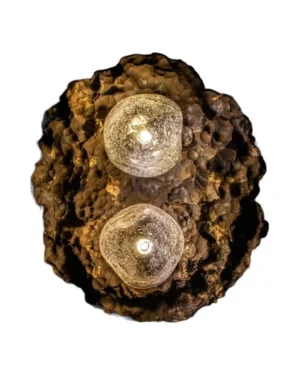
Coral Wall Lamp – Clay Sconce
By Dzovag Kotchian
€900 -

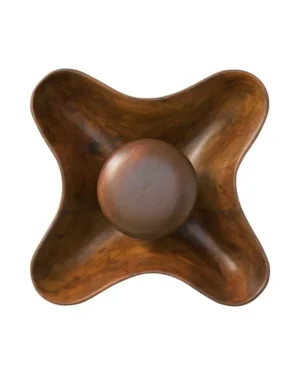
Motion — Sculptural Wall Light In Ceramics
By Katia Langeard
€700 -

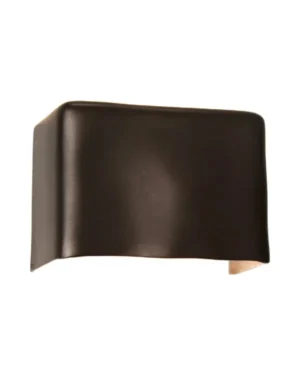
Loma Wall Sconce In Stoneware
By Catalin Filip
€450 -
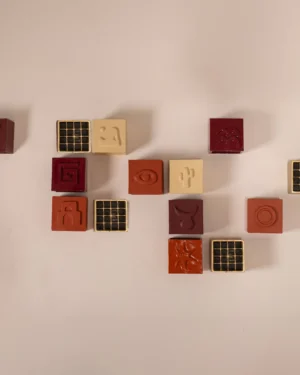
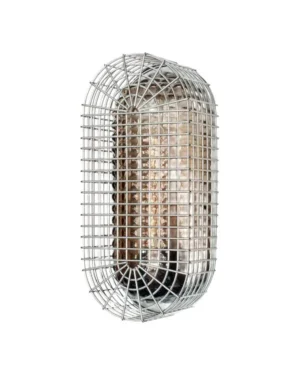
Oasis Wall Light In Hand-sculpted Stoneware
By Harshita Jhamtani Designs
€410 -
 In stock
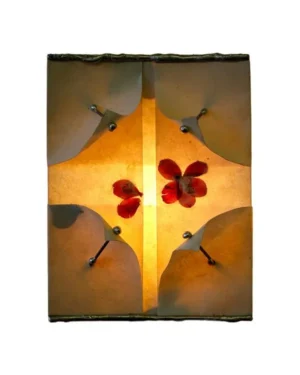
Pearl Wall Lamp – Clay Sconce
By Dzovag Kotchian
€1.200 -

L’Été Ceramic Wall Light
By Katia Langeard
€380 -
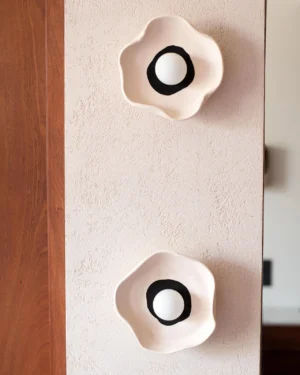
Flower Wall Sconce In Stoneware
By Harshita Jhamtani Designs
€360 -
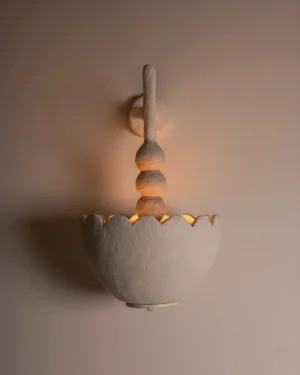
Scallop Wall Sconce In Stoneware And Clay
By Harshita Jhamtani Designs
€1.080 -
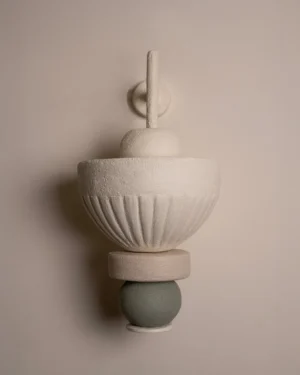
Pebble Wall Sconce In Stoneware And Clay
By Harshita Jhamtani Designs
€1.080 -
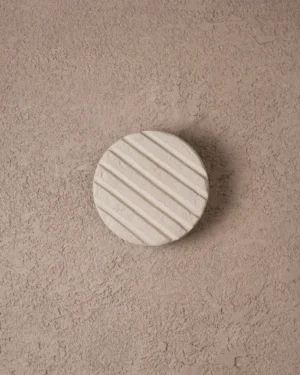
Wilo Fluted Egg White Wall Sconce In Clay And Aluminum
By Harshita Jhamtani Designs
€230 -
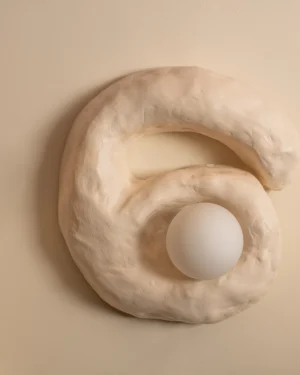
Spiral Wall Sconce In Stoneware
By Harshita Jhamtani Designs
€450 -
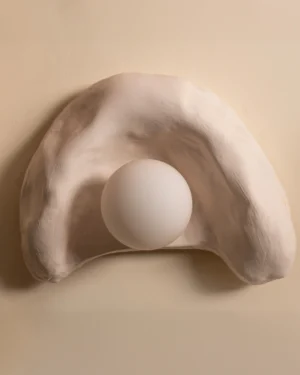
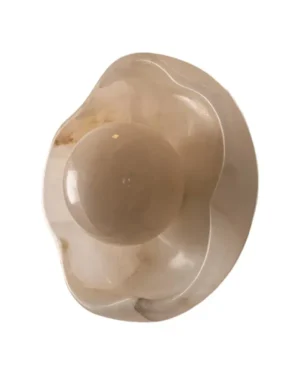
Mini Blob Wall Sconce In Stoneware
By Harshita Jhamtani Designs
€400 -
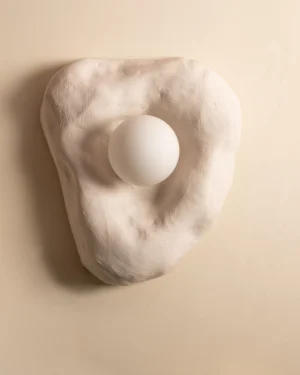
Blob Wall Sconce In Stoneware
By Harshita Jhamtani Designs
€450 -
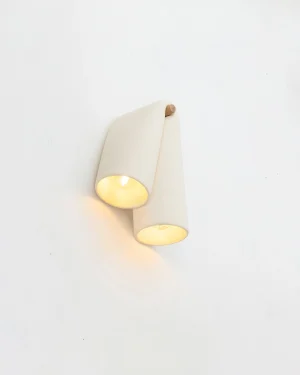
Melo Wall Sconce In Stoneware And Beech Wood
By Catalin Filip
€350
Clay wall lamps are shaped by hand, glazed in small batches and fired until the surface hardens into something between stone and skin. Independent studios build them from stoneware or lighter-bodied ceramic, pressing or coiling the clay before it goes into the kiln, so no two shades carry quite the same wall or thickness. The material is old, the fitting is new, and the result sits somewhere between a light source and a small sculpture.
What clay brings to a wall lamp
Clay is porous before it is glazed, and that porosity is what gives these lamps their particular glow. Light does not pass through a solid sheet of material; it finds the thin spots, the places where the glaze runs thinner or the wall of the piece was pressed by a thumb, and comes through unevenly, in patches rather than a flat wash. That unevenness is not a flaw to be corrected; it is the reason clay is chosen over glass or metal in the first place.
The range of finishes, colors and techniques
Most clay wall lamps on ADORNO are hand-built rather than made in a mold, which keeps wall thickness and surface slightly irregular from one piece to the next. Glazing follows, sometimes in a single pass and sometimes layered to deepen a color or dull a shine. A smaller number of studios finish a piece with hand painting, adding a line, a ring or a band of color once the glaze has set.
- Common colors: off-white, white, beige, burgundy, pastel pink, sage, taupe
- Techniques: hand-building, glazing, sculpting, hand painting
- Editions: open editions alongside limited editions from studios that cap a glaze run or a mold
Styles range from a pared-back, Scandinavian reading of the form to something closer to wabi-sabi, where the asymmetry of the hand-built shade is left visible rather than smoothed away. Others sit in boho chic or eclectic territory, using texture and an organic silhouette to read as sculptural rather than purely functional. A few conceptual pieces push the material further, treating the lamp as an object first and a light source second.
How to choose a clay wall lamp
Scale matters more with wall lighting than with a lamp you can move around a table. A shade that reads as generous in a showroom can crowd a narrow hallway, so measure the wall run before settling on width. Mounting height follows function: lower beside a bed, where the light should fall across a pillow without glare, higher and more even in a hallway or stairwell, where the job is to light a path rather than a page.
Where clay wall lamps work
These pieces suit rooms where the wall is doing more of the work than the floor: a bedroom wall lamp either side of a headboard, a pair flanking a mirror in a hallway, or a single piece anchoring a reading chair in a living room. Because the material is matte and earthbound rather than reflective, it reads calmly against plaster, brick or painted drywall alike, and does not compete with other materials in the room the way polished metal or glass can.
Living with and caring for clay
Glazed clay is stable once fired, but it stays breakable, so mounting hardware should be checked and re-tightened occasionally rather than assumed permanent. Dust with a dry or barely damp cloth; avoid soaking a piece or using abrasive cleaners, which can dull a matte glaze or work into any unglazed clay left exposed at the base or rim. Kept dry and out of direct contact with other hard objects, a clay wall lamp will hold its surface and color for years.
For the full range of wall lighting in other materials, see all wall lamps or compare against metal wall lamps for a harder-edged alternative. Those drawn to the pared-back end of the style spectrum may prefer minimalist wall lamps, while anyone furnishing a corridor can look at hallway wall lamps directly. For clay beyond lighting fixtures on the wall, the full clay material page covers table lamps, mirrors and vessels made the same way.
How do I choose a clay wall lamp?
Look at how the glaze meets the light: matte stoneware gives a soft, even glow, while thinner or raw-rimmed ceramic lets more light through unevenly. Pick the finish and tone that suit the wall it will sit against.
How do you clean and care for a clay wall lamp?
Dust with a dry or slightly damp cloth, and avoid harsh cleaners on glazed surfaces. Keep clay lamps away from direct splashes, since unglazed areas stay porous and can absorb moisture.
What size clay wall lamp do I need and how high should it hang?
Sizes vary by studio, so check the specific dimensions on each piece's page. As a general rule, wall lamps sit at eye level or just above, around 60 to 66 inches from the floor.
Which rooms suit clay wall lamps best?
Their soft, uneven glow works well in bedrooms, hallways and living rooms, anywhere light is wanted close to the wall rather than overhead. The matte, earthy surfaces also suit rooms with natural materials like wood and stone.
Are clay wall lamps fragile, and can they be used daily?
Fired clay is durable once glazed, and stoneware especially holds up to daily use. Like any ceramic piece, it can chip if knocked, so mount it securely and handle it with care.
How does shipping, returns and authenticity work when buying from ADORNO?
Shipping is insured and sent worldwide, and every piece comes with a certificate of authenticity. Returns are accepted within 14 days, except for made-to-order pieces, and ADORNO offers a lowest-price guarantee.