



-
 In stock
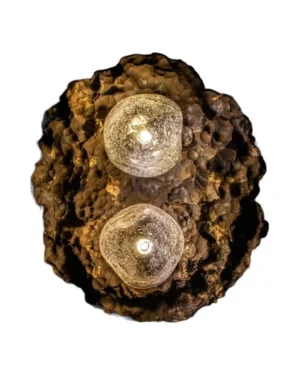
Object 09 Sconce in Nylon and Sand
By Hot Wire Extensions
€935 - €1.145 -
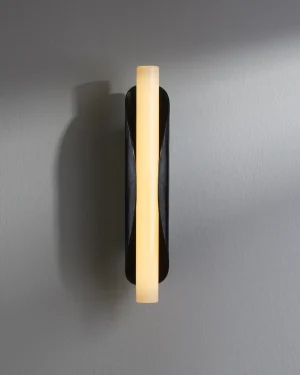
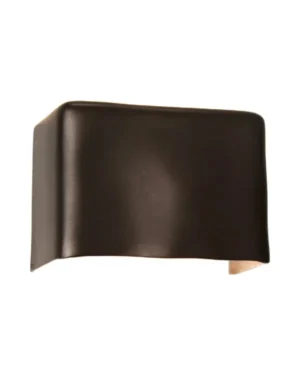
Taco De Luz Wall Sconce in Black Patinated Brass
By Studio Aristotelis Barakos
€980 -
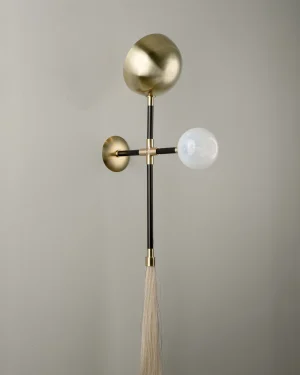
Gogo Wall Sconce in Brass, Blown Glass and Natural Fibers
By Isabel Moncada
€2.880 - €4.036 -
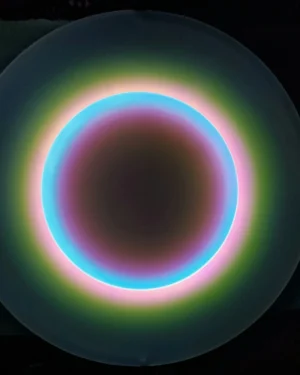
Event Horizon L Wall Sconce in Acrylic Glass
By Catrinel Sabaciag
€1.963 -
 In stock
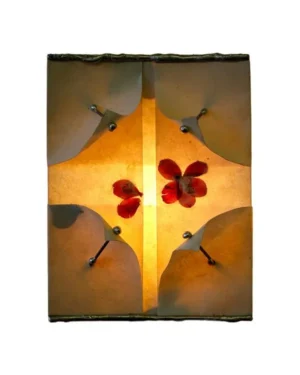
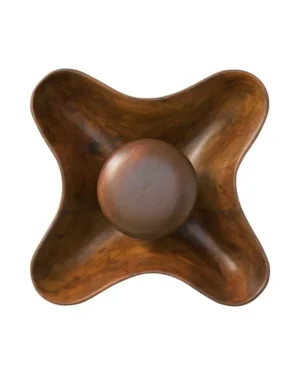
Mujo P Iver Wall Sconce in Walnut Wood and Washi Paper
By Prangé
€948 -
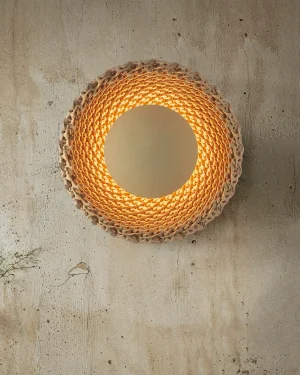 In stock
Sun V2-b – 3d Printed Wall Lamp
By Rollo Studio
€6.049 -
 In stock
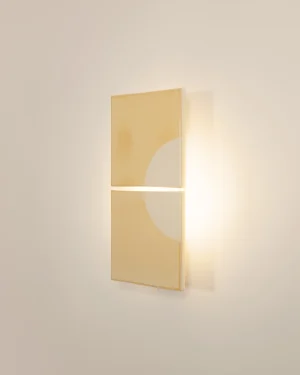
Tiles Moon European Wall Sconce in Ceramic and Metal
By Violaine d'Harcourt Lighting Design
€260 -
 In stock
Tiles Line European Wall Sconce in Ceramic and Metal
By Violaine d'Harcourt Lighting Design
€260 -
 In stock
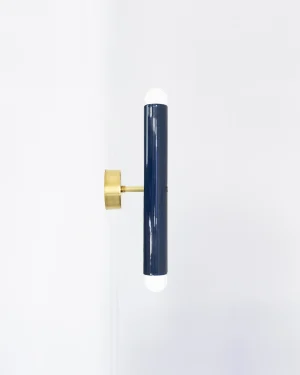
Trn Wall Sconce in Glazed Ceramic
By Pani Jurek STUDIO
€470 -
 In stock
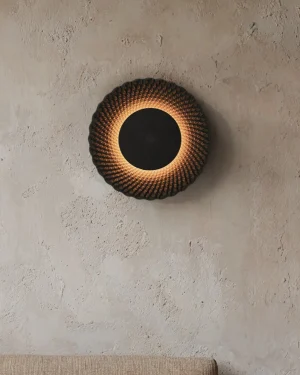
Sun Vxs 05 — Sculptural Wall Lamp In 3d-printed Sand
By Rollo Studio
€1.080 -
 In stock
Scalp Wall Sconce in Fur and Lamb Leather
By Studio S II
€1.335 -
 In stock
Edges 20-75 T8-60 Wall Sconce In Black Paper Pulp
By David Čáp
€550 -
 In stock
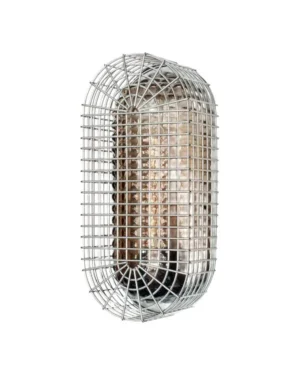
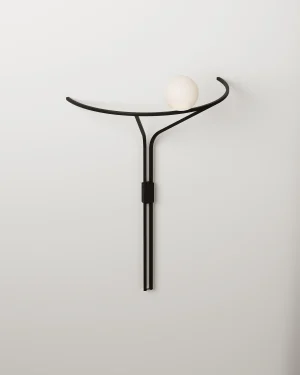
Na Linii Wall Sconce in Steel
By SVITANOK
€1.050 -
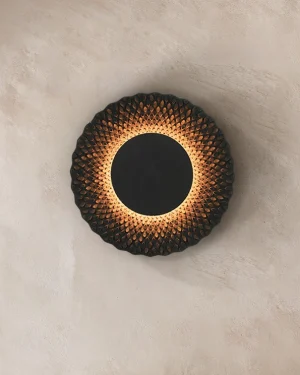 In stock
Sun Vxs 08 — Sculptural Wall Lamp In 3d-printed Sand
By Rollo Studio
€1.080 -
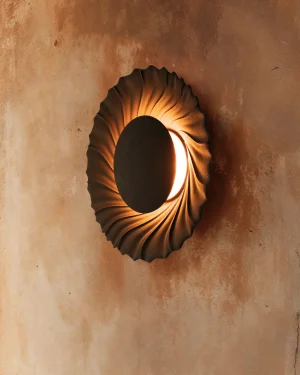
 In stock
Tiles Door European Wall Sconce in Ceramic and Metal
By Violaine d'Harcourt Lighting Design
€260 -
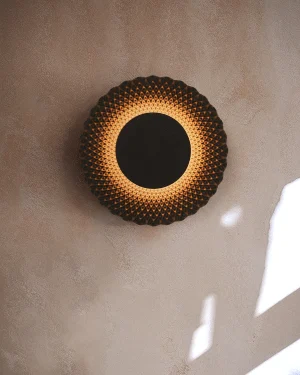
 In stock
Sun Vxs 01 — Organic Sand Wall Light By Rollo Studio
By Rollo Studio
€880 -
 In stock
Sun Vxs 06 — Sculptural Wall Lamp In 3d-printed Sand
By Rollo Studio
€1.080 -
 In stock
Sun Vxs.04 – Contemporary Wall Lamp In Textured Quartz Sand
By Rollo Studio
€1.280 -
 In stock
Sun Vxs 02 — Natural Sand Wall Lamp With Soft Ambient Glow
By Rollo Studio
€980 -
 In stock
Sun Vxs 03 — Sculptural Wall Lamp In 3d-printed Sand
By Rollo Studio
€1.080 -
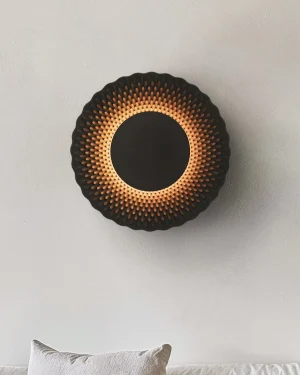 In stock
Sun Vxs 07 — Sculptural Wall Lamp In 3d-printed Sand
By Rollo Studio
€1.080 -
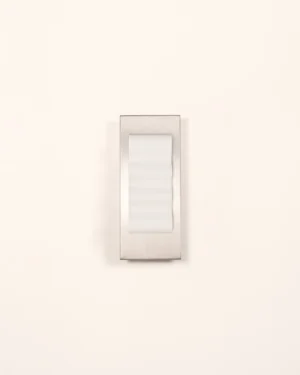
Frame Slim S European Wall Lamp in Mahogany Wood and Steel
By Violaine d'Harcourt Lighting Design
€537 - €683 -
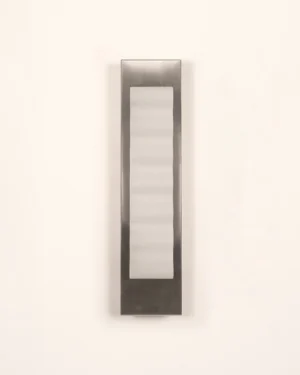
Frame Slim L European Wall Lamp in Mahogany Wood and Steel
By Violaine d'Harcourt Lighting Design
€724 - €1.179 -
 In stock
“Object 10” Wall Lamp from the “Native” Collection
By Hot Wire Extensions
€1.145 -

Endu Wall Sconce In Metal
By Natural Urbano - Sebastián Beltrán
€365 -
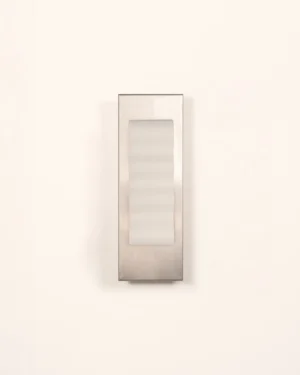
Frame Slim M European Wall Lamp in Mahogany Wood and Steel
By Violaine d'Harcourt Lighting Design
€659 - €724 -
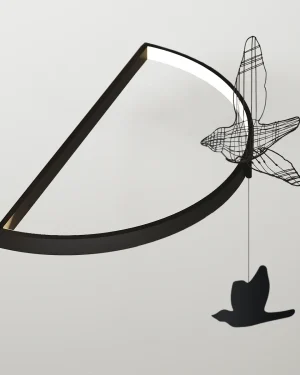 In stock
Flight Shadows Wall Sconce In Steel
By SVITANOK
€1.020 - €1.140 -
Frame Slim L American Wall Lamp in Mahogany Wood and Steel
By Violaine d'Harcourt Lighting Design
€1.700 - €1.790 -

Wall Light Franca B
By MANUHITA
Price Upon Request -

Wall Light Franca C
By MANUHITA
Price Upon Request -

Wall Light Franca E
By MANUHITA
Price Upon Request -
Frame Slim S American Wall Lamp in Mahogany Wood and Steel
By Violaine d'Harcourt Lighting Design
€860 - €1.020 -
Frame Slim M American Wall Lamp in Mahogany Wood and Steel
By Violaine d'Harcourt Lighting Design
€1.000 - €1.100 -
 Sold
Sun V2 – 3d Printed Wall Lamp
By Rollo Studio
€5.702 -
 Sold
Sun V3 – 3d Printed Sand Lamp
By Rollo Studio
€4.404 -
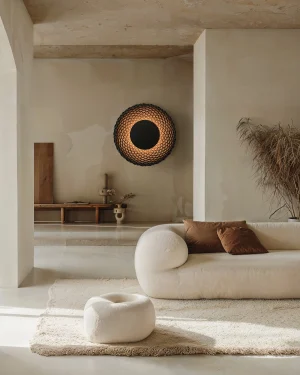 Sold
Sun V1 Wall Lamp in Stoneware
By Rollo Studio
€9.173
Black wall lamps take their color from the material underneath, not from a coat of paint: blackened steel, patinated brass, cast aluminum finished dark, or stoneware glazed to a deep matte or gloss. Independent studios build them through metalwork, metal casting, glazing and hand-building, which means the black has texture and depth rather than a flat, uniform surface. Some are produced as open editions, others as limited editions or unique pieces, so the finish and the weight of black can vary from one to the next even within the same material.
What gives black wall lamps their depth
Black is not one surface but several. Raw steel left to oxidize and then sealed carries a slightly uneven, almost graphite cast. Cast aluminum, molded and finished dark, reads flatter and cooler. Brass that has been patinated to black keeps a warm undertone beneath the surface, visible where light catches an edge. Glazed ceramic can go either way, from a matte black that absorbs light to a glossy one that throws it back, depending on how the glaze was fired.
This range matters because black wall lamps behave differently depending on the base material. A steel or aluminum body tends to recede into a wall, almost disappearing when switched off, while a glazed ceramic piece keeps a visible presence even unlit. Brass with a black patina sits between the two, quiet most of the time but catching warmth under direct light.
The materials and techniques found here
Across wall lamps finished in black, the most common bodies are raw steel, cast aluminum, brass and glazed stoneware, worked through metal casting, metalwork, glazing and hand-building. Styles range from minimalist and Bauhaus-leaning forms, where the black surface is left to do all the work, to more sculptural, space age or futuristic silhouettes that use black to sharpen an unusual shape. Some pieces are produced in small or limited runs, which is worth checking if a consistent finish across multiple lamps matters for a run of fittings along a corridor or stair.
How to choose a black wall lamp
Start with scale relative to the wall it will sit on: a narrow hallway asks for a slim, low-projection body, while a living room wall with real height to spare can carry a larger or more sculptural fixture. Mounting height follows function more than rule — bedside reading calls for a lower position than a lamp meant to wash light up or down a stairwell. Finish is the next decision, since matte black absorbs light and recedes, while a glossier or metallic-black surface, as on patinated brass, picks up reflections and becomes part of the room's detail rather than background.
Placement decides the rest. A pair either side of a mirror or headboard benefits from identical fixtures in the same material, while a single statement lamp over a console or along a run of hallway lighting can be more sculptural without competing with anything nearby.
Where black wall lamps work
- Bedrooms, mounted either side of the bed in place of nightstand lamps, freeing the surface below
- Living rooms, angled to wash light across a wall or picture rather than down onto furniture
- Hallways and stairwells, spaced evenly to mark a route without needing floor lamps
- Entryways, as a single fixture near a mirror or console
For bedroom and living room placements specifically, the dedicated pages for bedroom wall lamps and living room wall lamps group pieces by where they're meant to hang.
Caring for a black finish
Blackened steel and cast aluminum need little beyond a dry or barely damp cloth; abrasive cleaners will dull a patina that took heat or chemical treatment to achieve. Glazed ceramic is stable once fired but can chip at an edge, so mounting hardware should be checked rather than forced. Brass with a black patina will shift slightly over years of handling and light exposure, which is part of how the material ages rather than a fault. For the full range of tones and materials beyond wall fixtures, black pieces across lighting, furniture and objects follow the same logic of material-first color.
How do I choose a black wall lamp?
Start with the material. Steel or aluminum recedes into a wall and nearly disappears when off, while glazed ceramic keeps a visible presence, and brass with a black patina sits between the two, warming under direct light.
How do you clean and care for a black wall lamp?
Dust metal and ceramic finishes with a dry or barely damp cloth, avoiding abrasive cleaners that can dull patina or glaze. Keep patinated brass away from excess moisture, which can shift its tone unevenly over time.
What size wall lamp should I get?
Size depends on the wall and the fixture's reach, since wall lamps sit closer to eye level than ceiling or floor lighting. Check each piece's page for exact dimensions, or chat with the maker to confirm fit.
Which rooms suit black wall lamps best?
Corridors, bedsides and spots beside a mirror or painting all suit wall lighting, since it clears the floor and nightstand while placing light exactly where it is needed. Black reads quietly in most settings, lit or not.
Will the black finish look the same on every piece?
No. Raw steel oxidizes to a graphite cast, cast aluminum reads flatter and cooler, patinated brass keeps warmth beneath the surface, and glazed ceramic can be matte or glossy depending on firing.
What are ADORNO's shipping, returns and authenticity policies?
Shipping is insured and worldwide. Returns are accepted within 14 days, excluding made-to-order pieces. Every piece comes with a certificate of authenticity, backed by a lowest-price guarantee.