

-

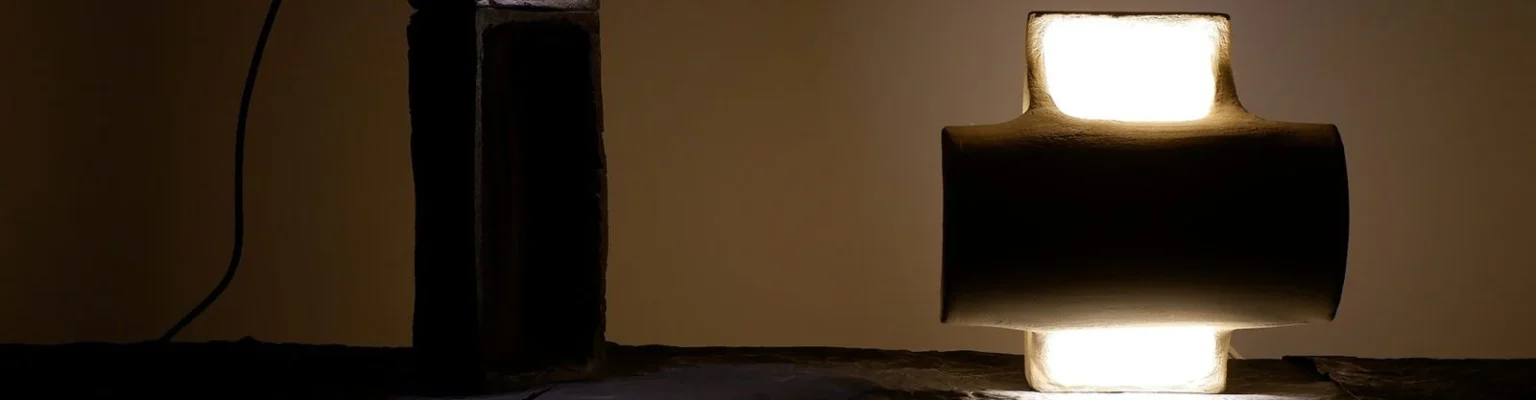
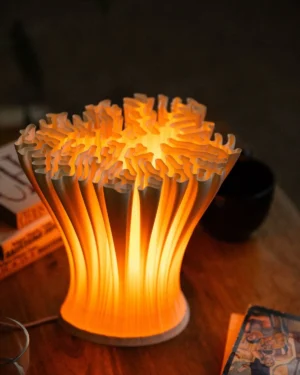
Coral Lamp – Clay Table Lamp
By Dzovag Kotchian
€900 -
 In stock
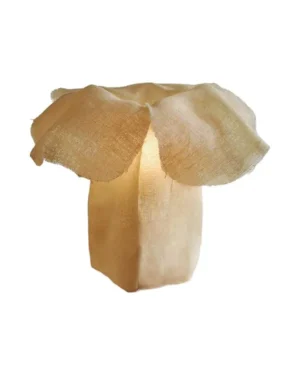
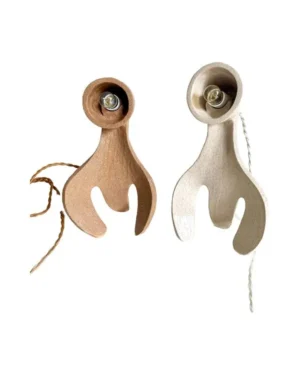
S 5 Table Lamp In Ivory White Bio Polymer
By diploria studio
€295 -
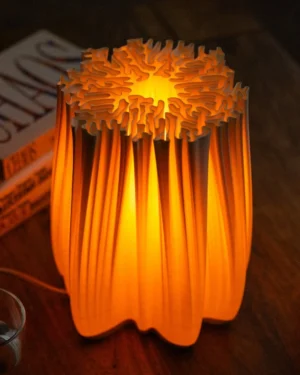 In stock
S X 1 Table Lamp In Ivory White Bio Polymer
By diploria studio
€275 -
 In stock
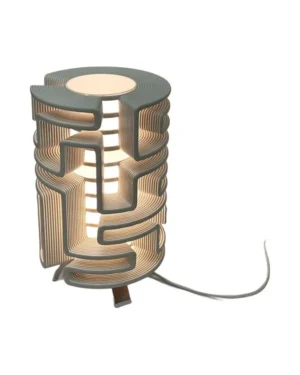
S 1 Table Lamp In Bio Polymer
By diploria studio
€245 -
 In stock
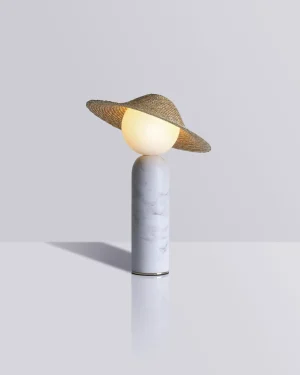
Théros 0.3 Table Lamp In Borosilicate Glass
By Studio Aristotelis Barakos
€1.100 -

Knotto_01 Table Lamp In Glazed Stoneware And Synthetic Fibers
By Catalin Filip
€800 -
 In stock
Navazi Table Lamp in Ceramic
By SVITANOK
€440 - €670 -
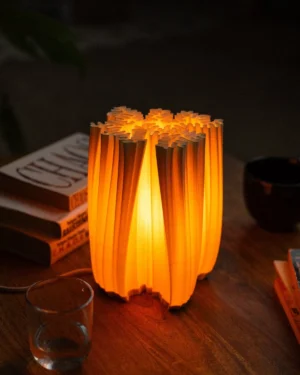 In stock
S 2 Table Lamp In Bio Polymer
By diploria studio
€245 -
 In stock
La Bergère Table Lamp In Glazed Ceramic
By Mina Wright
€686 -
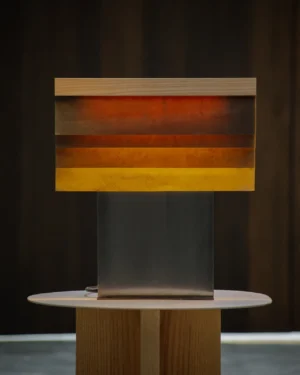
Cenit Table Lamp In Ash Wood And Celium
By Natural Urbano - Sebastián Beltrán
€510€459 -
 In stock
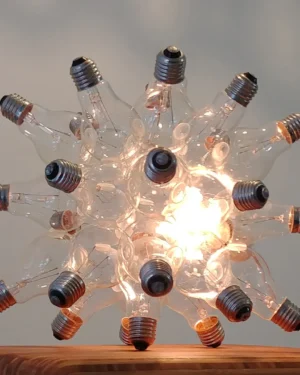
“spare” Table Lamp Constructed From 26 Lightbulbs
By JAN PAUL
€220 -
 In stock
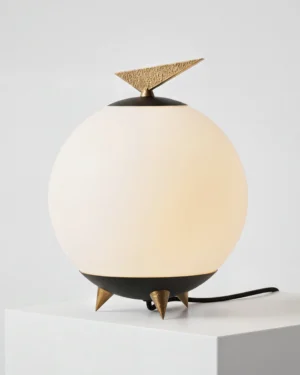
Eoni Table Lamp In Steel, Brass And White Glass
By Balance Lamp
€410 -
 In stock
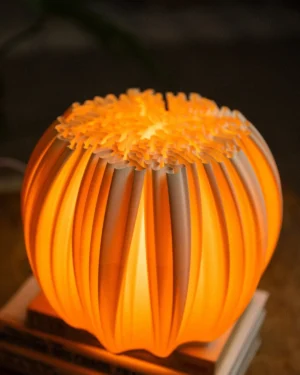
S X 3 Table Lamp In Biopolymer
By diploria studio
€295 -
 In stock
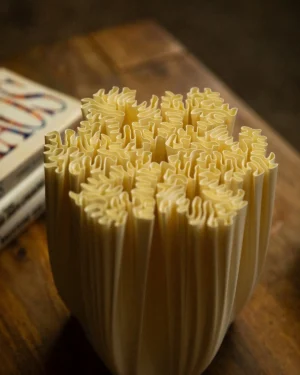
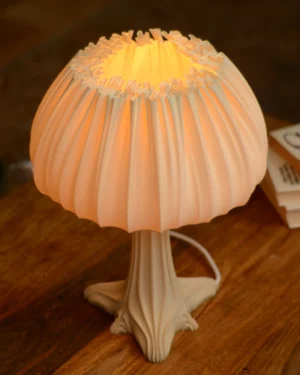
S X 2 Table Lamp In Biopolymer
By diploria studio
€295 -
 In stock
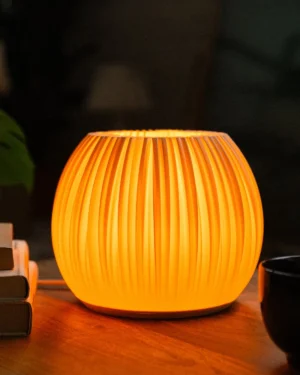
M 2 Table Lamp In Bio Polymer And Sand
By diploria studio
€395 -
 In stock
B 1 Table Lamp In Biopolymer
By diploria studio
€295 -
 In stock
Cave Table Lamp In Glass
By Dace Sūna
€1.500 -

Fractical Neon Table Lamp In Glass
By Dace Sūna
€1.000€850 -

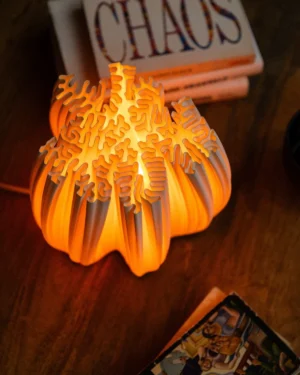
Mori Table Lamp In Bio Plastic
By Julie Mallet Studio
€146 -
 In stock
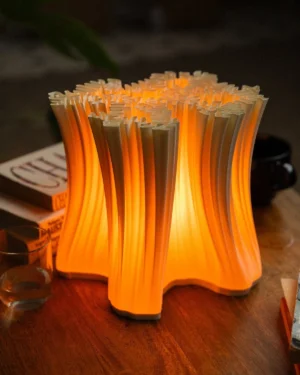
S 3 Table Lamp In Biopolymer
By diploria studio
€275 -
 In stock
S 6 Table Lamp In Bio Polymer
By diploria studio
€295 -
 In stock
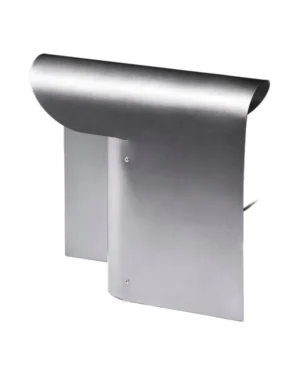
Allugi Table Lamp In Steel
By Balance Lamp
€450 -

Stutter Table Lamp In Aluminum
By Calen Knauf Studio
€1.344 -
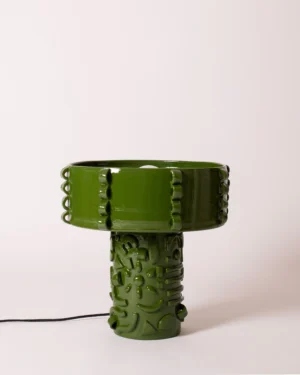
Sculpt Table Lamp In Glazed Stoneware
By Harshita Jhamtani Designs
€3.600 -
 In stock
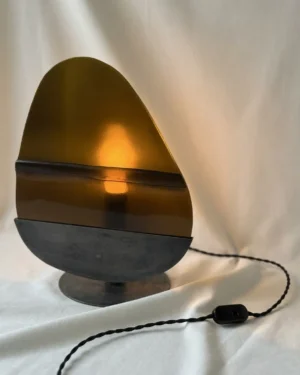
Veilleur Lp1 Table Lamp In Steel And Glass
By Louise Hurth
€1.600 -

Melo C Table Lamp In Black Ceramic
By Catalin Filip
€270 -
 In stock
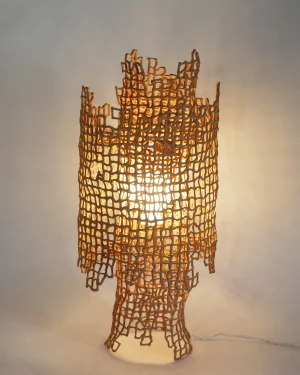
Äther 16
By TUNK I Busra Tunc
€2.200 -
 In stock
Coral Lamp – Clay Table Lamp (big)
By Dzovag Kotchian
€2.600 -
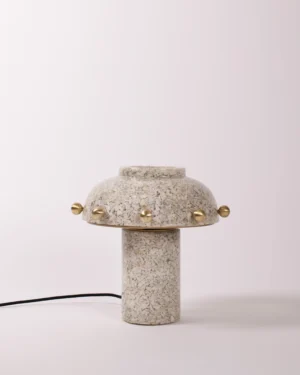
Second Tide Table Lamp In White Recycled Plastic And Brass
By Harshita Jhamtani Designs
€1.340 -
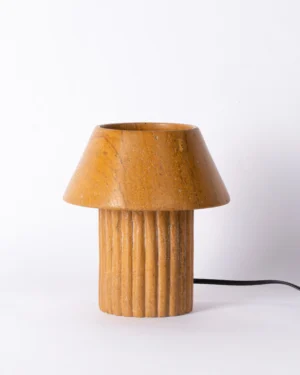
Rio (m) Table Lamp In Sandstone
By Harshita Jhamtani Designs
€690 -
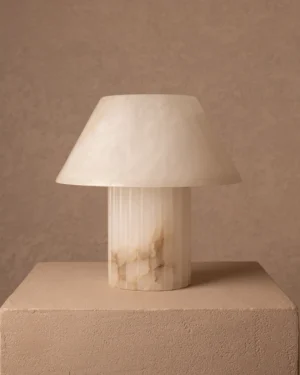
Rio (m) Table Lamp In Alabaster
By Harshita Jhamtani Designs
€800 -

Navazi Table Lamp in Glazed Ceramic
By SVITANOK
€590 - €890 -
 In stock
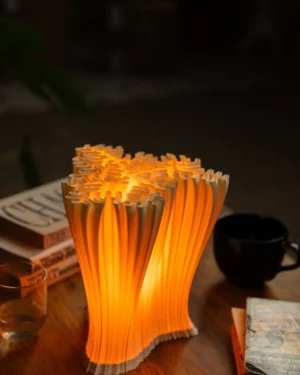
S 4 Table Lamp In Bio Polymer
By diploria studio
€275 -

Pyramid Lamp – Clay Table Lamp
By Dzovag Kotchian
€1.500 -
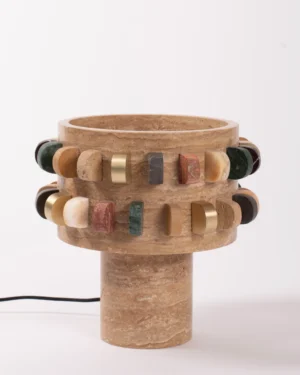
Outcasts Table Lamp In Marble And Travertine
By Harshita Jhamtani Designs
€2.140 -
 In stock
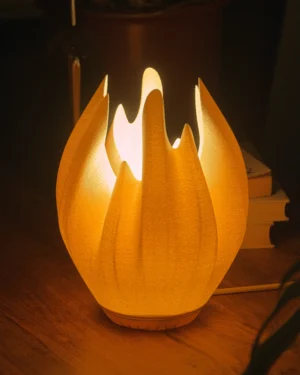
Medusa Table Lamp In Bio Polymer
By diploria studio
€295 - €545 -

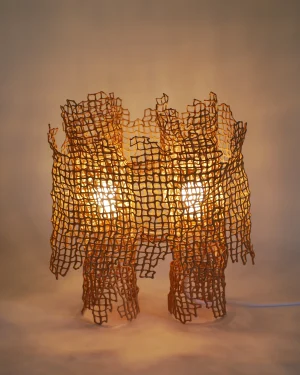
Overcast Table Lamp In Aluminum, Leather And Paper Pulp
By Calen Knauf Studio
€1.570 -
 In stock
Coral Lamp Duo – Clay Table Lamp
By Dzovag Kotchian
€1.400 -
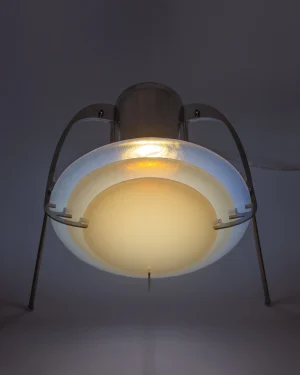
Sky-set Mini Table Light
By Dace Sūna
€2.800 -
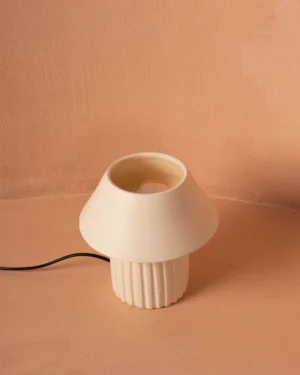
Rio (s) Table Lamp In Stoneware
By Harshita Jhamtani Designs
€200 -
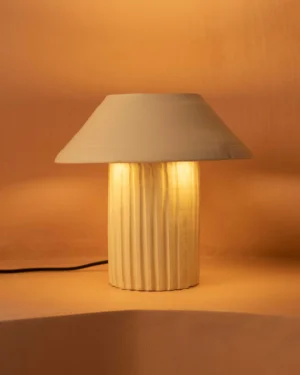
Rio (m) Table Lamp In Stoneware
By Harshita Jhamtani Designs
€360 -
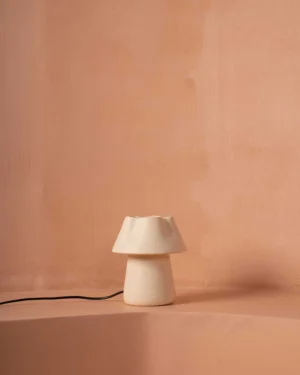
Bloom (m) Table Lamp In Stoneware
By Harshita Jhamtani Designs
€360 -
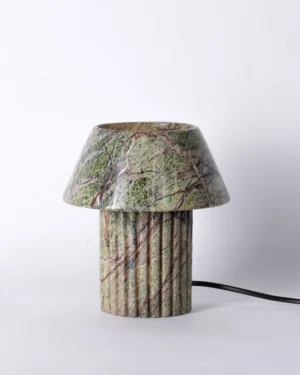
Rio (s) Table Lamp In Green Rainforest Marble
By Harshita Jhamtani Designs
€360 -
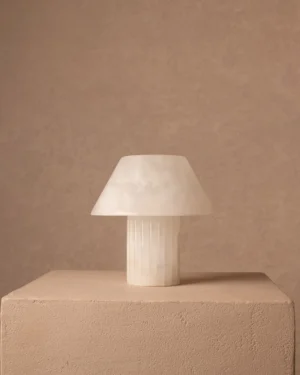
Rio (s) Table Lamp In Alabaster
By Harshita Jhamtani Designs
€430 -
 In stock
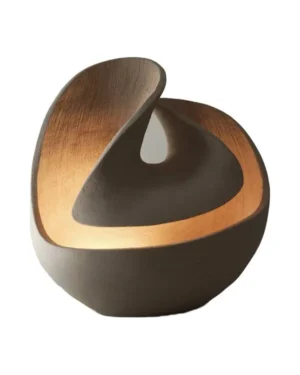
Abyss No. 12 Sculptural Table Lamp In Stoneware
By Ceren Gürkan
€1.800 -

Duna Acr Table Lamp In Carbon Steel
By Natural Urbano - Sebastián Beltrán
€287 -
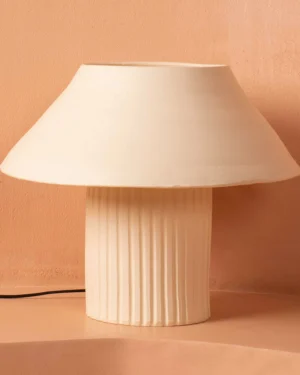
Rio (l) Table Lamp In Stoneware
By Harshita Jhamtani Designs
€560 -
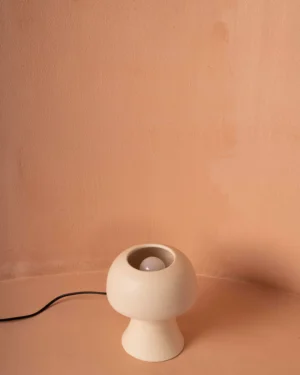
Shroom (l) Table Lamp In Stoneware
By Harshita Jhamtani Designs
€560 -
Bloom (s) Table Lamp In Stoneware
By Harshita Jhamtani Designs
€200 -
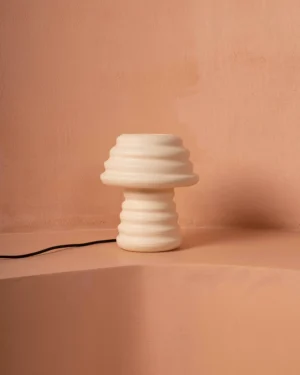
Flab (s) Table Lamp In Stoneware
By Harshita Jhamtani Designs
€200 -
Rio (l) Table Lamp In Green Rainforest Marble
By Harshita Jhamtani Designs
€1.160 -
Rio (s) Table Lamp In Sandstone
By Harshita Jhamtani Designs
€360 -
Rio (l) Table Lamp In Sandstone
By Harshita Jhamtani Designs
€1.160 -
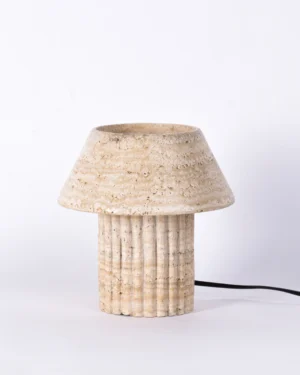
Rio (m) Table Lamp In Beige Travertine
By Harshita Jhamtani Designs
€800
Dining room table lamps gathered here are defined by close materials — ceramic, stoneware and alabaster — shaped by hand-building, stone carving or glazing rather than mass production. Independent studios and solo makers work these surfaces slowly, so no two glazes or veins of stone read quite the same. What unites the group is scale suited to a table: compact enough to leave room for plates and glasses, substantial enough to hold its own against a run of flatware and linen.
Why ceramic, stoneware and alabaster suit the dining table
Ceramic and stoneware carry heat and light differently than glass or metal. A hand-built base absorbs glow rather than throwing it back, which keeps a dinner table lit without glare at eye level. Alabaster goes further: carved thin, it turns translucent, so the stone itself seems to hold the bulb's warmth rather than simply housing it.
These materials also age with use. Glaze crazes faintly over years of handling, alabaster develops a soft patina where hands return to lift it, and both read as lived-with rather than worn out. Studios working in clay and stone treat this change as part of the piece, not a flaw to engineer away.
The range of finish and edition
Within dining room table lamps, finish varies more than silhouette. Expect:
- Matte, off-white or ivory glazes that sit close to raw clay, alongside darker grays and near-black finishes for stronger contrast on a table.
- Carved alabaster and travertine bases left with visible tool marks, or polished smooth where the stone's veining is the point.
- Open editions for everyday replacement pieces, and limited editions where a hand-building or glazing process makes exact repetition difficult.
Steel bases occasionally anchor a ceramic or stone shade, giving weight at the foot without adding bulk at eye level — useful where a table lamp needs to sit near the center of a long table without blocking sightlines.
Choosing one for a dining table
Scale matters more at a dining table than almost anywhere else in the house. A lamp placed centrally should sit low enough that guests see each other over it, while one set to the side, on a sideboard or console within the room, can stand taller. Measure against chair-back height rather than table height alone, since that is the sightline it competes with.
Finish should answer the room's other surfaces. A matte stoneware base reads quietly against wood or linen; a carved alabaster or travertine piece picks up the same warmth as stone flooring or a marble sideboard. Pair a darker glaze with a table already carrying strong grain or color, so the lamp does not have to compete.
Where these lamps work beyond the table
Most dining room table lamps move easily to a sideboard, buffet or console at the room's edge, where they light the space without crowding place settings. For a different register in the same room, dining room lamps in other families and dining room lighting more broadly extend the same material language into pendants and sconces.
Care for ceramic, stoneware and alabaster
Wipe glazed ceramic and stoneware with a dry or barely damp cloth; standing liquid can seep into unglazed footrings and stain. Alabaster and travertine are porous stone, so keep them away from wine, oil and citrus, and avoid household cleaners that can dull a carved finish. Dust regularly rather than scrubbing occasionally, since grit is what scratches a soft stone surface over time.
For the full range of forms and materials in this family, see table lamps overall, or narrow instead by look through minimalist table lamps. For the rest of the room, dining room furniture from the same independent studios fills out the table itself.
How do I choose a table lamp for a dining room?
Look for a base low enough to sit below eye line across the table and a glow soft enough not to compete with candles or glassware. Ceramic, stoneware or alabaster diffuse light without glare.
What height should a dining room table lamp be?
Most sit low, well under the sightline of someone seated opposite, so the light warms the table without blocking conversation. Exact dimensions vary by piece, so check each listing.
How do I care for ceramic, stoneware or alabaster lamps?
Dust with a dry or barely damp cloth and keep alabaster away from standing water, since the stone can stain. Glaze may craze faintly over years; this is normal aging, not damage.
Can a dining room table lamp work in other rooms too?
Yes. The same scale suits a console, sideboard or bedside table, since these lamps need no installation and simply sit on a surface wherever light is wanted.
Are these dining room table lamps handmade or limited edition?
Many are hand-built, carved or glazed by independent studios, and some are produced as limited editions or one-offs. Details vary by piece, so check the listing or chat with the maker.
What are ADORNO's shipping and return policies for table lamps?
Shipping is insured and worldwide. Returns are accepted within 14 days, except made-to-order pieces, and every lamp arrives with a certificate of authenticity.