

-

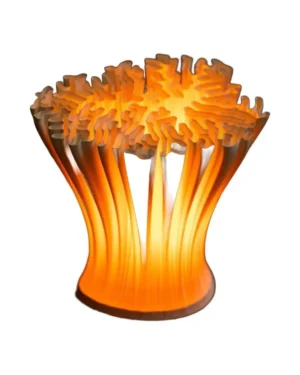
Coral Lamp – Clay Table Lamp
By Dzovag Kotchian
€900 -
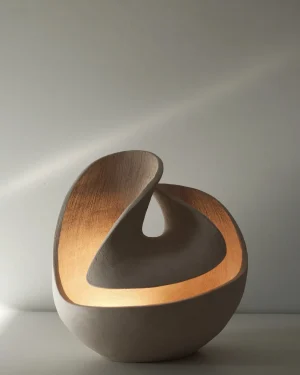
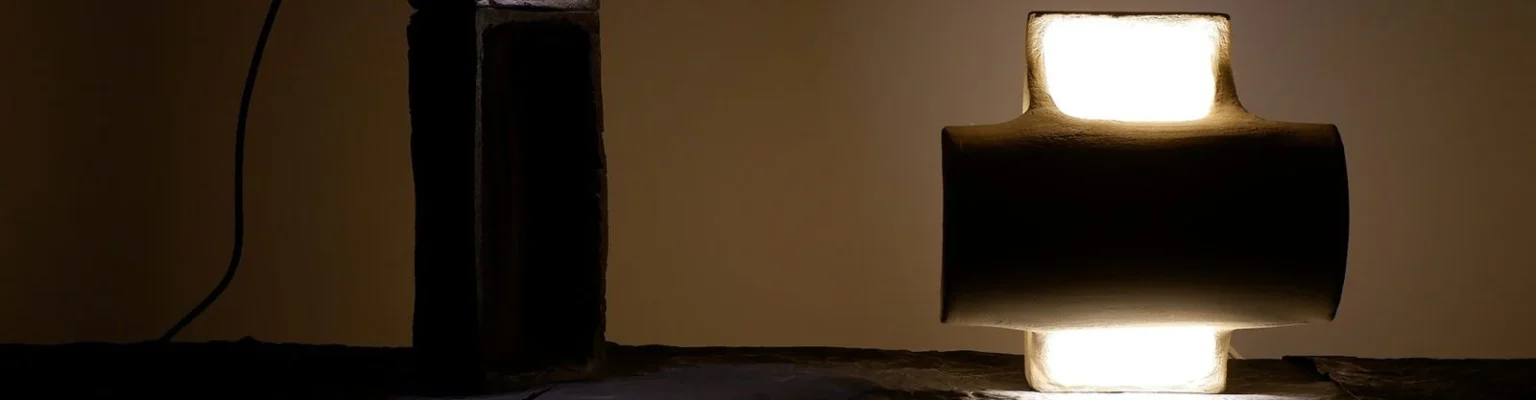
Athari Table Lamp in Ceramic
By Andrei Clontea STUDIO
€900 -

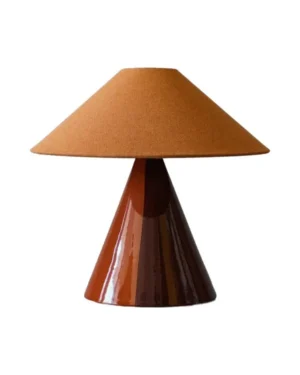
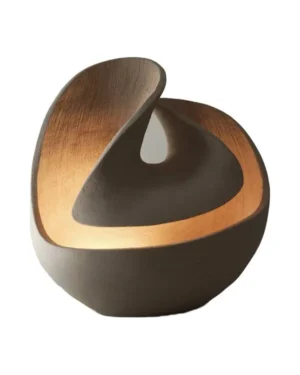
Mātra Table Lamp in Ceramic
By Andrei Clontea STUDIO
€800 -

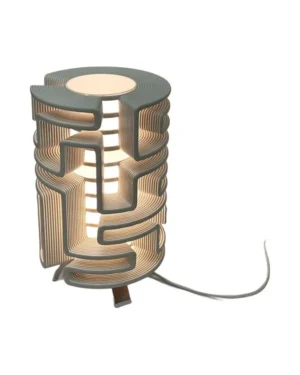
Drizzle Table Lamp in Acrylic
By Kajsa Melchior
€780 -
 In stock
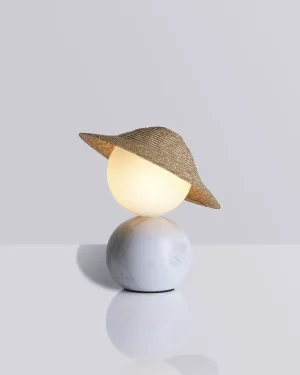
Théros 0.2 Table Lamp in Blown Glass and Marble
By Studio Aristotelis Barakos
€950 -
 In stock
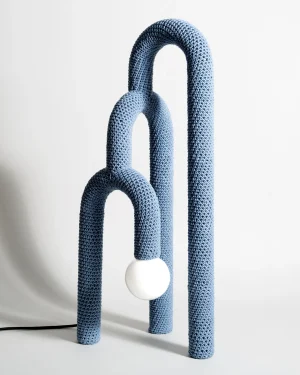
Cumula Table Lamp in Textiles and Steel
By AaltoAalto Studio
€1.600 -
 In stock
Cave Table Lamp In Glass
By Dace Sūna
€1.500 -

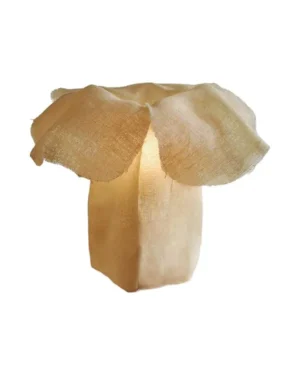
Cetus Table Lamp in Ceramics and Natural Fibers
By Andrei Clontea STUDIO
€1.000 -
 In stock
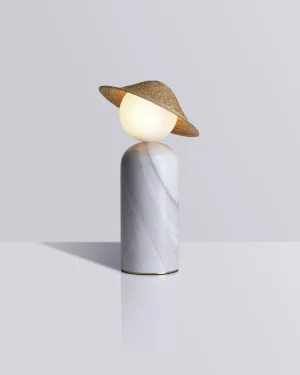
Théros 0.1 Table Lamp in Volakas Marble
By Studio Aristotelis Barakos
€950 - €1.750 -
 In stock
SONIAH Table Lamp in ZTISTA Biocomposite
By FAINA
€3.000 -
 In stock
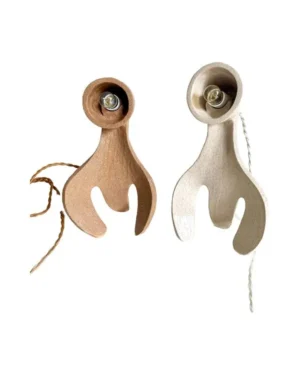
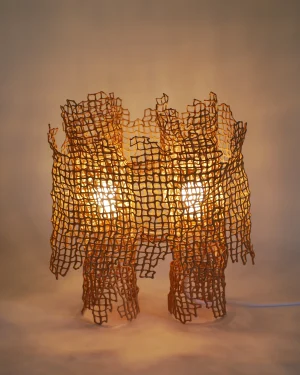
Coral Lamp Duo – Clay Table Lamp
By Dzovag Kotchian
€1.400 -
 In stock
Curvita Table Lamp in Solid Wood
By Laluz Handcraft
€2.470 -
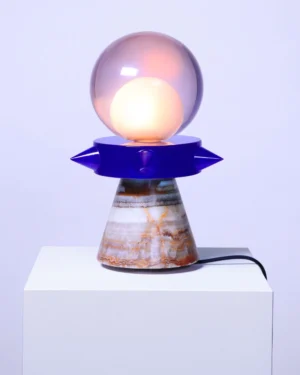
Tona Table Lamp in Onyx and Resin
By Adrian Cruz
€2.420 -
 In stock
Faro Table Lamp in Concrete and Glass
By AaltoAalto Studio
€1.600 -
 In stock
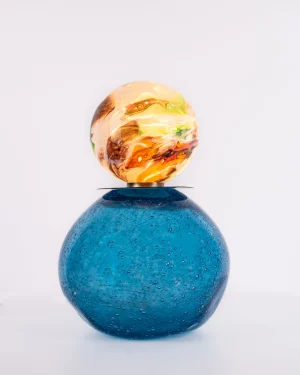
Soul Table Lamp in Handblown Glass
By Ceren Gürkan
€700 -
 In stock
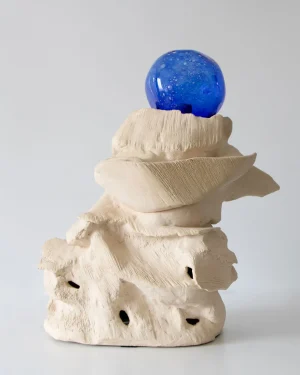
Abyss No. 34 Table Lamp in Stoneware
By Ceren Gürkan
€1.700 -

Follow The Deer Table Lamp In Neon Glass
By Dace Sūna
Price Upon Request -
 Sold
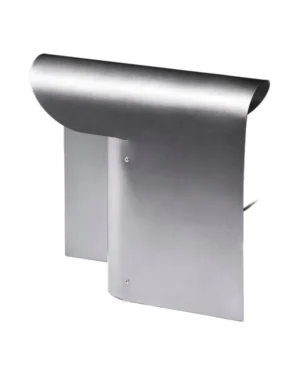
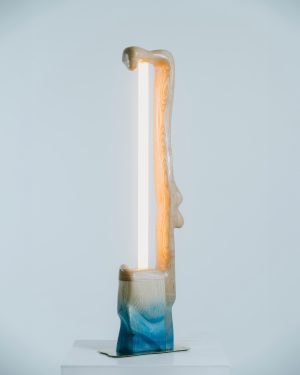
Blueprint Table Lamp in Ash Wood and Brass
By Studio Kloak
€1.200
Coastal table lamps carry the color and texture of the shoreline into a room: hand-built clay in sand and bone tones, blown glass the color of shallow water, brass warmed by salt air. Independent studios working in ceramics, glass and metal build these lamps by hand, so each base keeps the slight unevenness of the process rather than a factory finish. The result reads as gathered rather than matched, closer to driftwood and shell than to anything glossy.
Clay, glass and brass in sea-washed tones
Stoneware and ceramic bases dominate this group, hand-built and finished in chalky white, off-white, sand and beige glazes that behave like worn plaster. Blown glass appears in softer blues and cobalt, with lampworked or fused details that catch light the way sea glass does. Brass and other worked metals bring a warmer, bronzed note, often paired with woven or textile shades that add a dry, sun-bleached texture against the cooler clay and glass.
Materials, finishes and editions found here
Beyond clay and glass, the range includes white marble bases carved for weight, and metalwork finished in brass or bronze. Shades move between textile, paper and glass, depending on how much light a studio wants to pass through. Most pieces are made as open editions or limited editions in small runs; a smaller number are one-off pieces, where no two bases glaze or blow exactly alike. None of this is fixed stock in the usual sense, since small-batch making means a glaze, a blue or a particular shade can sell out and not return in the same form.
Choosing a coastal table lamp for scale and height
Scale matters more with coastal lamps than with most, because the base often has real presence on its own, independent of the shade. A heavy ceramic or marble base reads as an object by day and a light source by night, so it needs a surface that can carry that weight visually as well as literally. As a rough guide:
- Console or sideboard: a taller base with a wider shade, enough to balance a long, low surface.
- Side table or nightstand: a smaller, lower profile that sits below seated or lying eye level.
- Desk or shelf: a narrower footprint, often in glass or metal, where floor space is already tight.
Match the finish to what sits around it. A chalky white ceramic base softens next to dark wood or black metal, while brass and bronze pick up warmth from oak, cane or linen. Keep glaze and glass tones within the same family as the rest of the room's palette rather than introducing a new color through the lamp alone.
Where coastal table lamps sit well
These lamps suit rooms already built around natural material and soft light: a living room with linen upholstery and raw wood, a bedroom with pale walls and woven textiles, a bathroom shelf away from direct splash. For seating areas and bedsides specifically, it helps to look at living room table lamps and bedroom table lamps alongside the coastal group, since height and shade size differ by room even when the material stays the same. Pair a coastal lamp with other pieces from coastal lighting for a room-wide sense of weathered, sun-washed finish.
Caring for clay, glass and brass
Unglazed or lightly glazed ceramic bases mark and stain if liquid sits on the surface, so wipe spills promptly and keep them away from damp windowsills. Blown glass needs only a soft, dry cloth, since grit dragged across the surface can scratch it. Brass will darken and spot with handling and air; left alone it develops a deeper, uneven patina that many owners prefer, or it can be cleaned back with a brass polish on a soft cloth, worked gently and buffed dry.
For the full range of forms and heights in this family, the table lamp category and the broader coastal style group both carry pieces beyond lighting, from seating to small tables, worked in the same sandy, sea-touched materials.
How do I choose a coastal table lamp?
Look at the base material first: clay and ceramic read soft and matte, glass catches light like sea glass, brass adds a warmer note. Let the room's existing tones guide the glaze or finish you pick.
How do you care for clay, glass and brass lamp bases?
Dust ceramic and glass with a dry or barely damp cloth, keeping both away from sudden temperature changes that can crack a glaze. Brass can be left to darken naturally or wiped with a metal polish to keep its warmth.
What size table lamp should I get?
A table lamp generally sits between 24 and 34 inches tall, with the shade's bottom near eye level when seated. Pair smaller bases with side tables and taller ones with consoles or sideboards.
Which rooms suit coastal table lamps?
Their sandy, sea-washed tones work in living rooms, bedrooms and entryways alike, anywhere a softer, textured light is wanted. A pair on a console or sideboard reads as calm rather than decorative.
Are coastal table lamps handmade and one of a kind?
Many are hand-built or hand-blown, so bases made in small or open editions still carry slight variation from one to the next. Some studios make unique pieces, where no two glazes or blown forms match exactly.
What are ADORNO's shipping, returns and authenticity policies?
Shipping is insured and worldwide, with a 14-day return policy that excludes made-to-order pieces. Every lamp arrives with a certificate of authenticity, backed by a lowest-price guarantee.