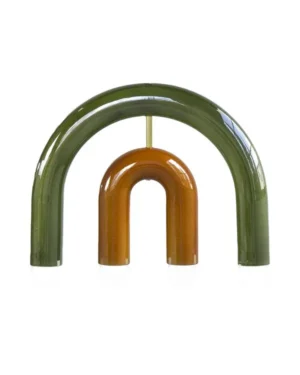
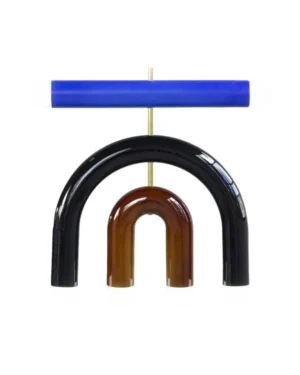
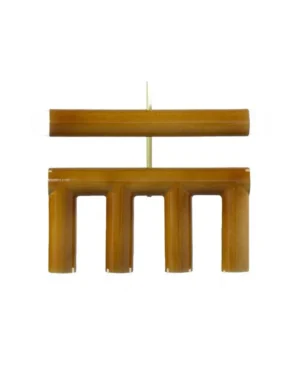
-
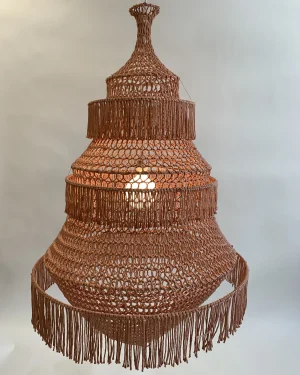
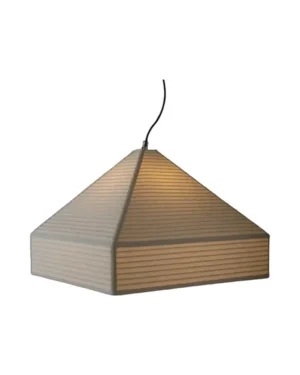
Typha Pendant Lamp in Cotton Rope
By Annie Legault
€1.907 -
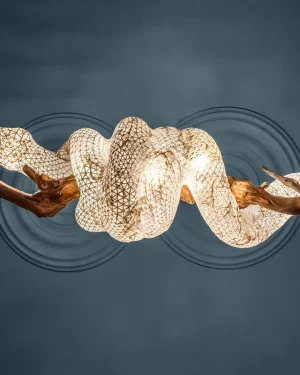
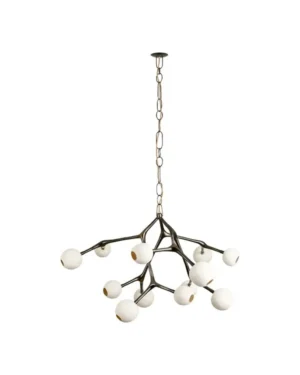
The Staff Of Asclepius Chandelier In Pla And Wool
By Danik Uderbekov
€2.500 -
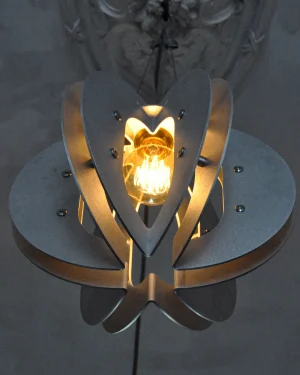
D300 Lampion Pendant Lamp In Matte Aluminum
By MLK Furniture
€390 -
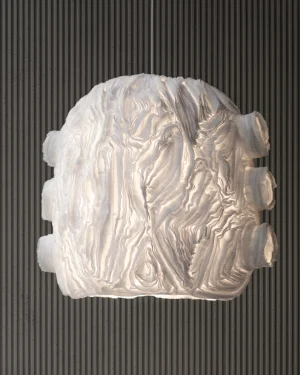
Idea Sluhach Pendant Lamp in Muslin and Metal
By FAINA
€1.950 -
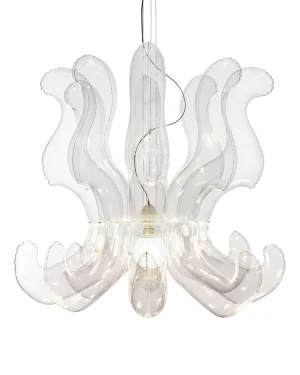
Lullaby No.1 Chandelier in PVC and Acrylic
By PUFF-BUFF
€640 -
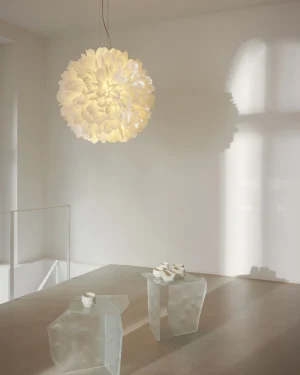
Blossom Pendant Lamp in Washi Paper
By HEIKE BUCHFELDER
€2.933 -
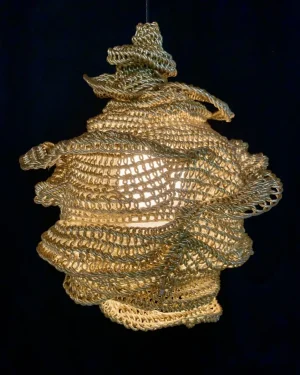
Auræ Pendant Lamp in Glass and Textiles
By Annie Legault
Price Upon Request -
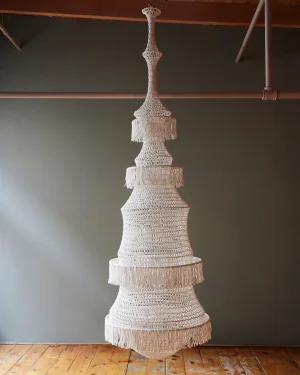
Luzule Pendant Lamp in Cotton Rope
By Annie Legault
Price Upon Request -
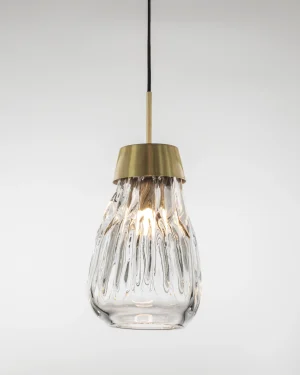
Twist Pendant Lamp
By Carol Gay
€990 - €1.150 -
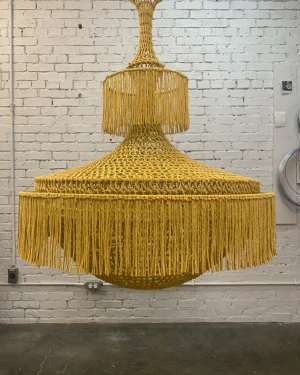
Lola Chandelier in Textiles
By Annie Legault
Price Upon Request
Romanticism ceiling lamps are built from soft materials rather than hard ones: cotton rope, washi paper, natural fiber and blown glass, worked by hand into shapes that catch and scatter light instead of aiming it. Independent studios favor macramé knotting, paperwork, textilework and glassblowing over stamped metal, so each fixture keeps the slight irregularity of a hand-made surface. The result reads as gentle and layered, closer to drapery or lacework than to a fitting.
What gives this style its softness
Where metal ceiling lamps rely on sheen and hard edges, romantic pieces lean on texture. Cotton rope and natural fiber are knotted or woven into open, lace-like structures that filter light into soft pools rather than a single beam. Washi paper and acrylic glass diffuse rather than reflect, so the fixture glows evenly instead of throwing a hot spot on the ceiling. Hand assembly means two pieces in the same design are never quite identical, and that variation is part of the appeal rather than a flaw to correct.The range of materials, finishes and editions
On ADORNO, this corner of ceiling lamps runs across a consistent set of materials and techniques, even as individual pieces come and go:- Textile, cotton rope and natural fiber worked by macramé or textilework into open, woven forms
- Hand-blown glass, washi paper and acrylic glass used for diffused, even light
- Synthetic fiber and PVC for lighter, more weather-tolerant variations on the same silhouettes
- Finishes in multicolor, white, off-white, gold and transparent, kept gentle rather than high-contrast
- Both open editions, for repeatable pieces, and limited editions, for smaller, more considered runs
This puts romanticism alongside related sensibilities such as boho chic and eclectic styling, though it stays softer and more ornate than either, closer in spirit to romanticism lighting and romanticism decor pieces elsewhere in the house.
How to choose a romantic ceiling lamp
Scale first: a wide, open-weave fiber shade can anchor a room the way a smaller glass or paper fixture cannot, so measure the ceiling span before the detail. Hang height matters as much as diameter — over a dining table it should clear sightlines across the surface, while in an open living space it can drop lower, closer to eye level, since there is less traffic to clear. Paper and acrylic glass diffusers suit rooms that want a steady, soft wash of light, while open rope or fiber weaves throw shifting shadow and texture onto walls and ceiling, which works best where there is a plain surface nearby to catch it. Gold or transparent finishes sit quietly in daylight and warm up after dark, where white and off-white stay neutral against most wall colors.Where romanticism ceiling lamps sit well
These pieces suit rooms built around softness rather than sharp lines: bedrooms, reading corners, and living room ceiling lamps settings with upholstered or wood furniture nearby. They read less well in rooms already heavy with pattern, since the woven or draped texture needs plain wall and ceiling to stand out against.Living with fiber, paper and glass
Cotton rope and natural fiber collect dust in their weave, so a soft brush or low-suction vacuum attachment run over the surface every few weeks keeps the texture visible. Washi paper and textile shades should stay away from direct steam or damp cleaning, which can warp or discolor the fiber; a dry cloth is enough. Glass elements wipe clean with a damp cloth and no abrasive, and any fixture with exposed wiring should be dusted with the power off. Kept dry and out of direct, prolonged sun, these materials hold their softness and color for years rather than fading or stiffening.How do I choose a romanticism ceiling lamp?
Look at how the light should feel in the room: cotton rope and natural fiber give open, lace-like pools of light, while washi paper and glass give an even, diffused glow. Chat with the maker on a piece's page for guidance on a specific fixture.
How do you clean and care for these lamps?
Dust textile and fiber shades gently with a soft brush, keep washi paper dry and away from direct moisture, and wipe glass with a dry cloth. Avoid soaking any natural fiber or paper surface, since both lose shape when wet.
What size or height should a ceiling lamp hang at?
Leave at least 7 feet of clearance from the floor to the bottom of the fixture, and size the shade to the room rather than the table beneath it. The maker can confirm exact dimensions and drop length on request.
Which rooms suit a romantic, textile or paper ceiling lamp?
Their soft, scattered light suits living rooms, bedrooms and reading corners where a gentle glow matters more than task lighting. Open-weave fiber and rope shades also work well over dining tables set for a relaxed, layered look.
Are these lamps handmade or produced in limited numbers?
Many are hand-assembled using macramé, textilework or glassblowing, which means two pieces in the same design are never quite identical. Whether a specific lamp is a limited or open edition is noted on its own page.
What are ADORNO's shipping, returns and authenticity policies?
Shipping is insured and worldwide, with a 14-day return policy that excludes made-to-order pieces. Every lamp arrives with a certificate of authenticity, backed by a lowest-price guarantee.