
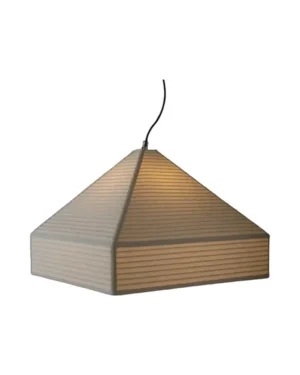
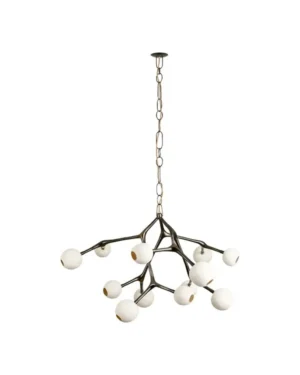
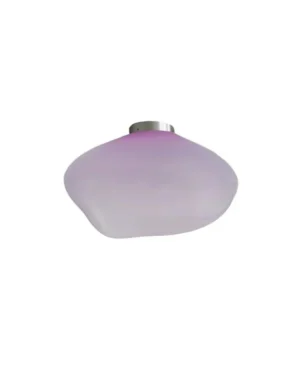
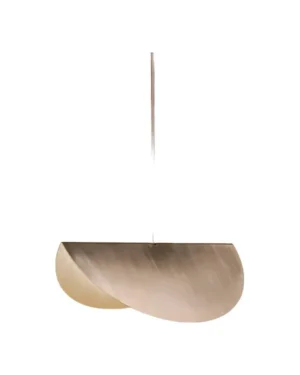
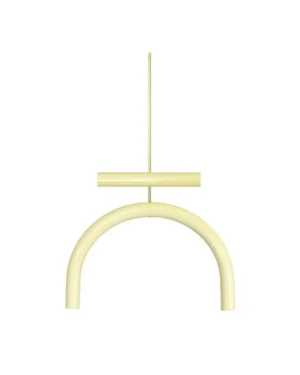
-

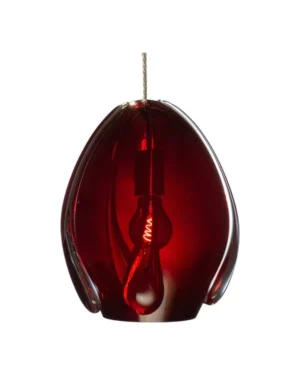
Weaver Nest Pendant Lamp in Bio Plastic
By Sabrina Merayo Nuñez
€3.500 -

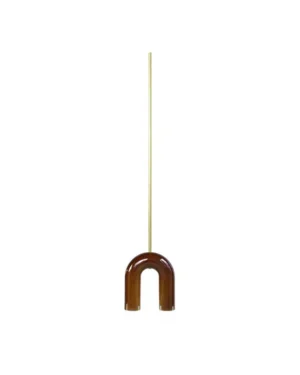
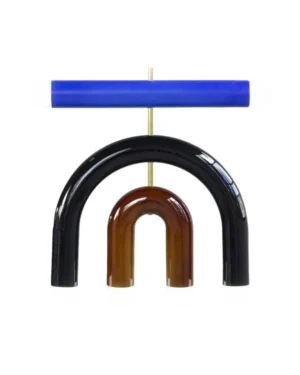
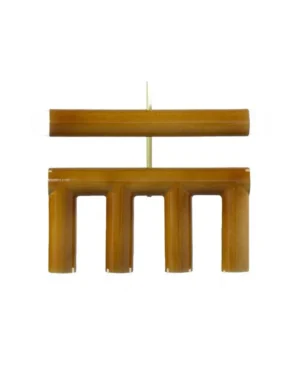
Trn / Model A2 Pendant Lamp in Ceramic
By Pani Jurek STUDIO
€470 -
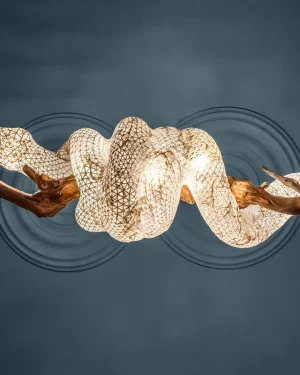
The Staff Of Asclepius Chandelier In Pla And Wool
By Danik Uderbekov
€2.500 -
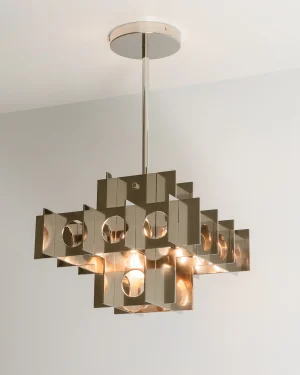
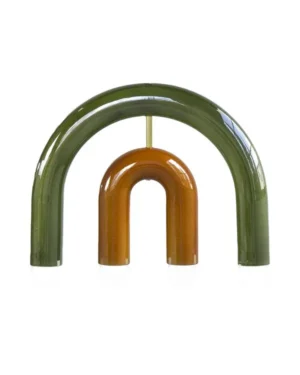
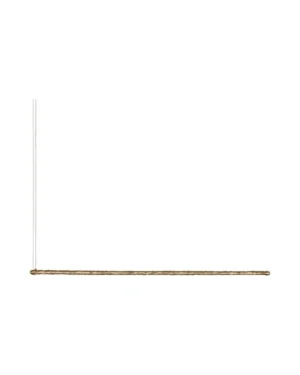
Tenfold 3 T B Pendant Lamp in Stainless Steel and Aluminum
By Luft Tanaka Studio
€2.895 - €8.675 -
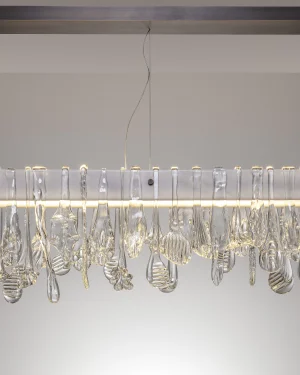 In stock
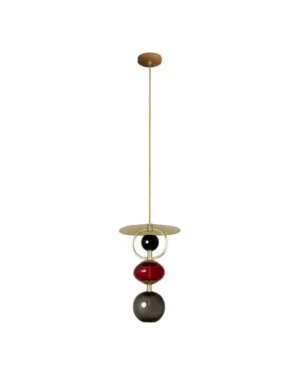
Pingente Pendant Lamp
By Carol Gay
€8.000 -
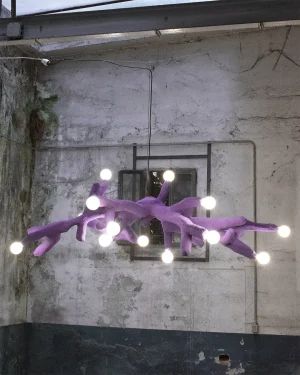
Corallo Chandelier in Alder Wood
By Jonathan Bocca
€15.000 -
 In stock
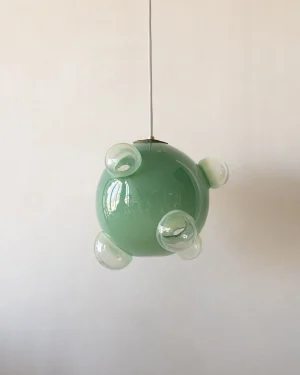
Bubble Pendant Lamp (Small) in Glass
By Sticky Glass
€2.480 -
 In stock
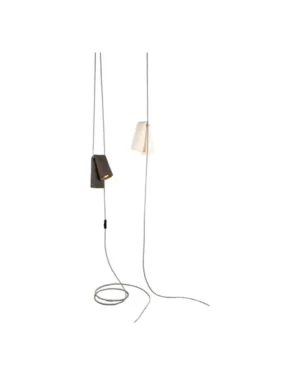
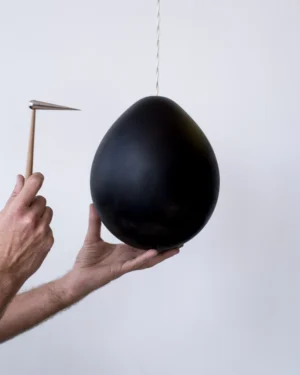
Less Pendant Lamp In Steel, Wood And Plaster
By Jordi Canudas Faura
€388 -
 In stock
“Chanka-Hanka” Mobile Chandelier in Stoneware and Metal
By UAU Studio
€2.000 -
 In stock
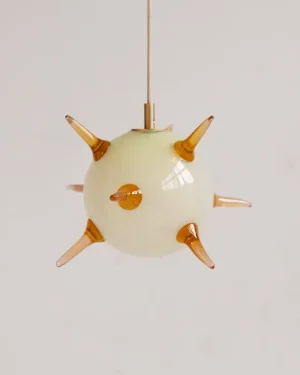
Pokie Pendant Lamp (Small) in Glass
By Sticky Glass
€2.664 -
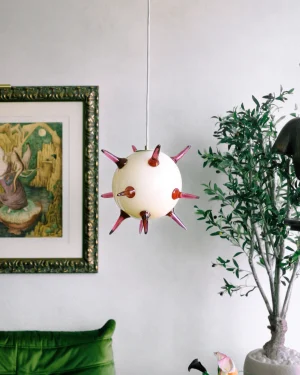
Pokie Pendant Lamp (Large) in Blown Glass
By Sticky Glass
€4.500 -
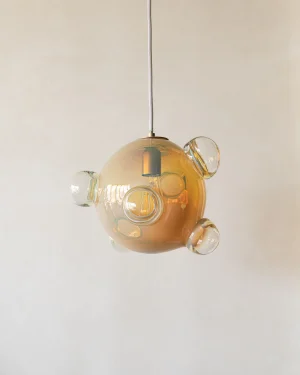 In stock
Bubble Pendant Lamp (Large) in Blown Glass
By Sticky Glass
€4.318 -
 In stock
Abyss No. 1 Pendant Lamp in Stoneware
By Ceren Gürkan
€900 -
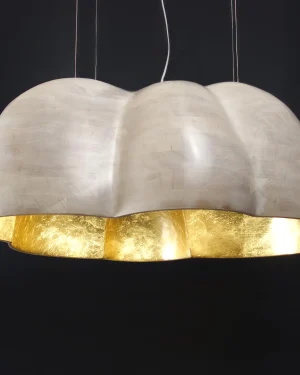 In stock
N2 Cloud Ceiling Lamp in Cherry Wood and Gold Leaf
By Aaron Scott
€10.300 -
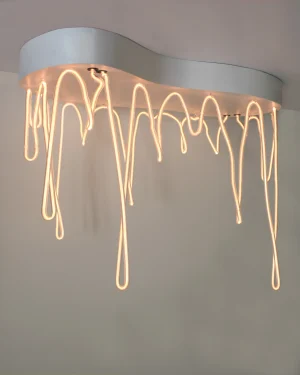
Vertical Fractal Helium Chandelier In Glass And Metal
By Dace Sūna
Price Upon Request
Radical ceiling lamps take the pendant as a starting point and then depart from it, favoring blown glass bulbs, faceted metal shades and colors that have no interest in blending in. Studios working this way come from glassblowing, metalwork and hand-building backgrounds, and they treat the fixture as a sculptural object that happens to give light rather than a neutral fitting. The result sits overhead as a deliberate counterpoint to a quiet room.
What defines a radical ceiling lamp
The style is less about one material than about an attitude toward form. A shade might be mouth-blown into an irregular bubble, a frame might be bent from stainless steel into angles a conventional pendant would avoid, or a body might be hand-built in stoneware with a glaze that catches light unevenly on purpose. What links them is a refusal of the symmetrical, even dome.
Color plays as large a part as material. Amber and ruby glass, gold and silver metalwork, and the occasional stoneware or bioplastic body all show up because radical design treats hue as structure, not decoration layered on afterward.
Materials, finishes and editions on ADORNO
Within ceiling lamps more broadly, the radical corner draws on blown glass, bioplastic, stainless steel, brass and birch wood, often combined rather than used alone. Glassblowing and metalwork remain the two most common techniques, joined by hand-building for ceramic bodies and occasionally biofabrication where a studio wants a shade no mold could produce.
- Open editions, for studios producing a steady run of one radical design
- Limited editions, numbered and closed once the run is finished
- Unique pieces, each one differing slightly from the next by the nature of its making
Because blowing glass and hand-building ceramics resist exact repetition, even an open edition in these materials will show small variation from piece to piece, a trait worth expecting rather than treating as a flaw.
Choosing one for scale and placement
Start with the ceiling height and the table or floor below it. A radical pendant in blown glass or faceted steel needs enough drop to read as a shape rather than an obstruction, and enough clearance that no one ducks under it. Measure the width of the surface it will hang over and let the shade cover roughly two-thirds of that span.
Finish matters as much as size. Gold or brass hardware warms a room with wood and leather in it; black or stainless steel sits better against concrete, stone or white walls. Where a lamp will hang alone as a focal point, choose a bolder color or silhouette than you would for a pair flanking a longer table.
Rooms that take to this style
A dining or living room ceiling lamp in this register works best where the rest of the furniture stays relatively plain, letting the fixture carry the visual weight. Entryways and stairwells with double height also suit a radical shade, since there is room for the form to be seen from more than one angle. In a bedroom, a smaller, single-color piece in amber or ruby glass reads as warm rather than theatrical.
Living with glass, metal and stoneware fixtures
Blown glass wants dusting with a dry or barely damp cloth; grease and solvents can dull a hand-finished surface over years of cleaning. Brass will darken unless wiped with a dedicated metal polish occasionally, while stainless steel and powder-coated steel need only a soft cloth to stay bright. Stoneware shades are stable but should be hung clear of direct contact to avoid chipping an unglazed edge.
For a wider view of the style beyond lighting, the full range of radical design on ADORNO spans seating, vases and objects built on the same principle, and the radical lighting grouping shows how the same ideas carry into floor and table lamps as well.
How do I choose a radical ceiling lamp?
Start with the room's existing palette and decide whether the lamp should stand against it or pick up one of its tones. Let the shade's material, blown glass, steel or glazed stoneware, drive the decision as much as its shape.
What materials are radical ceiling lamps made from, and how do I care for them?
Most are blown glass, stainless steel, brass, stoneware or bioplastic. Dust glass and metal with a dry cloth, keep stoneware away from damp cloths that dull the glaze, and avoid household cleaners on any finish.
What size or height suits a radical ceiling lamp?
Because these fixtures draw the eye as sculpture, hang them low enough to register as an object in the room, typically around 28 to 32 inches above a dining surface, higher where there is foot traffic below.
Which rooms suit a radical ceiling lamp?
Dining areas and entryways benefit most, since both call for a single overhead focus. A living room works too, provided the rest of the lighting stays quiet enough to let the fixture carry the contrast.
Can I get a radical ceiling lamp custom made?
Some studios take custom orders in different colors, sizes or finishes. Chat with the maker on the piece's page to confirm what is possible.
How does shipping, returns and authenticity work on ADORNO?
Shipping is insured and worldwide. Returns are accepted within 14 days, excluding made-to-order pieces, and every piece arrives with a certificate of authenticity. ADORNO also offers a lowest-price guarantee.