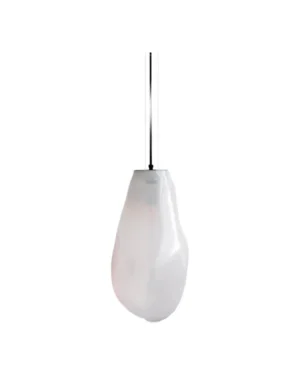
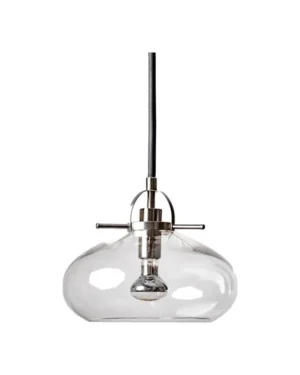
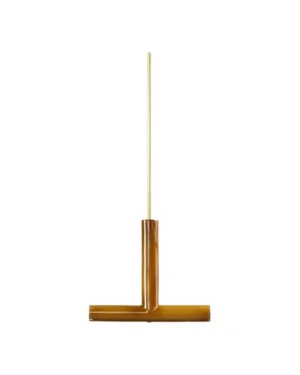
-

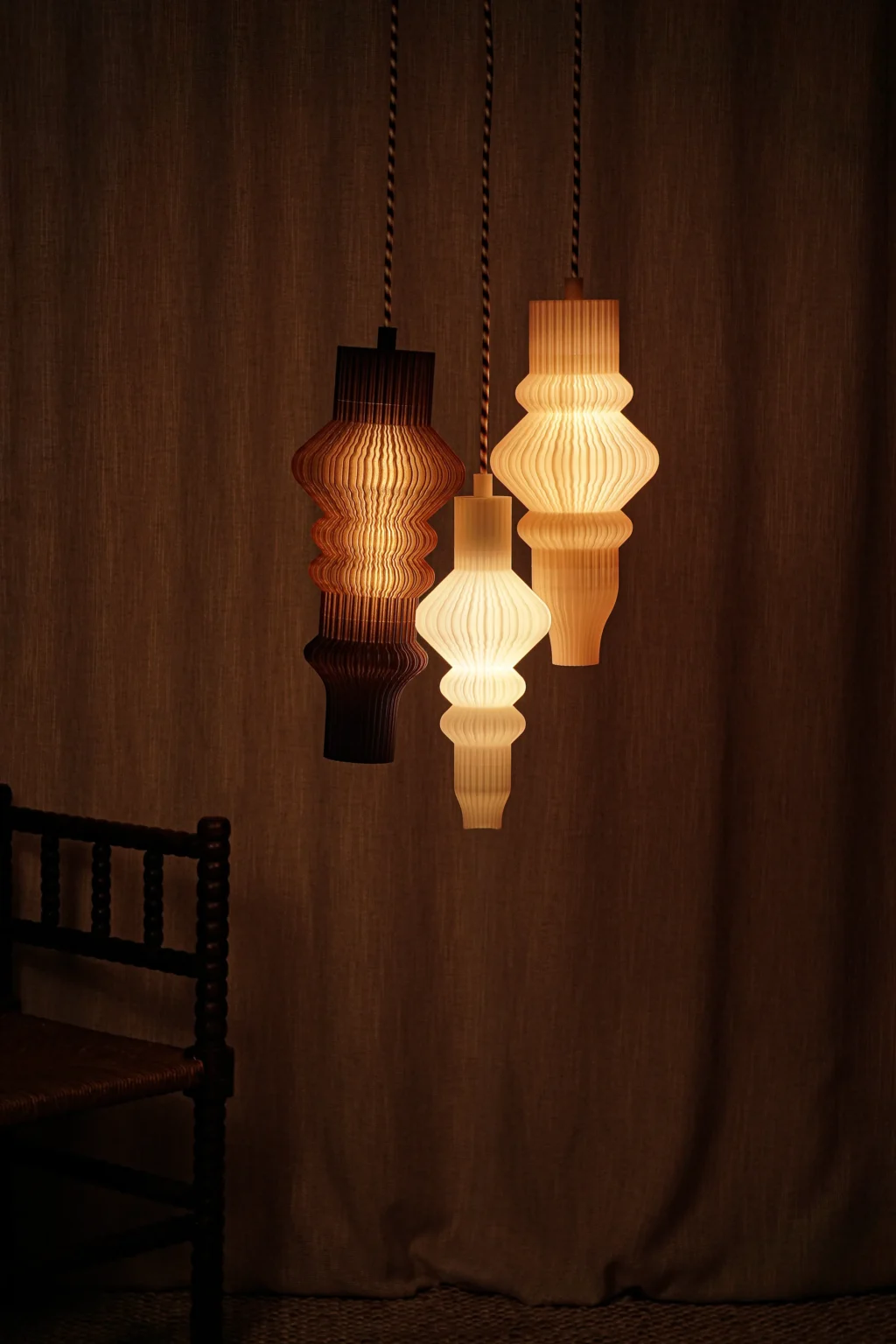
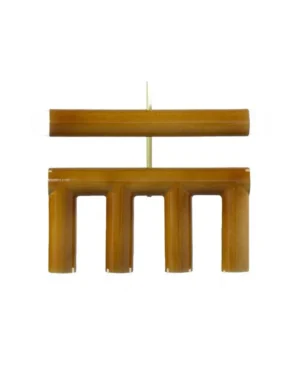
Pendulum Triptych Ceiling Lamp In Bio Plastic
By Julie Mallet Studio
€792 -
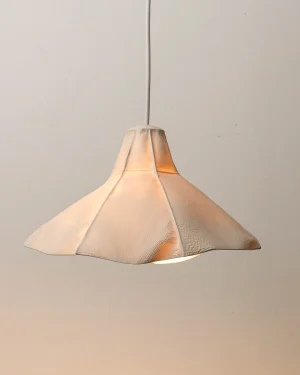
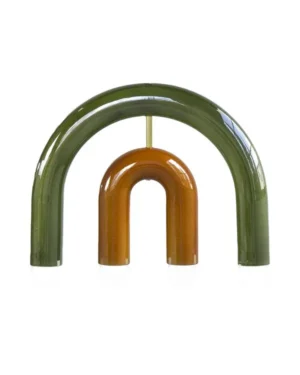
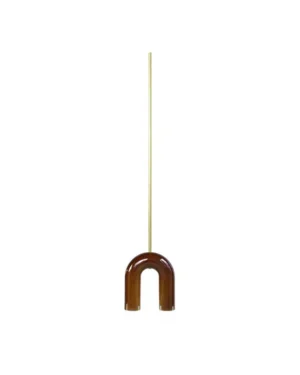
Kawa Series 04 – Ceramic Pendant Lamp
By Luft Tanaka Studio
€1.600 -
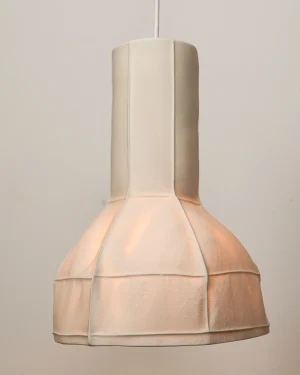
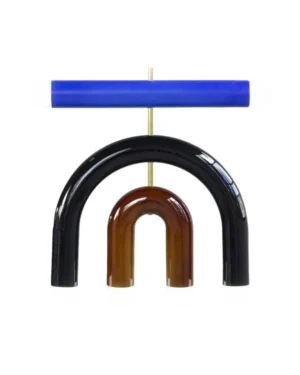
Kawa Series 05 Pendant Lamp in Porcelain and Ceramic
By Luft Tanaka Studio
€1.375 -

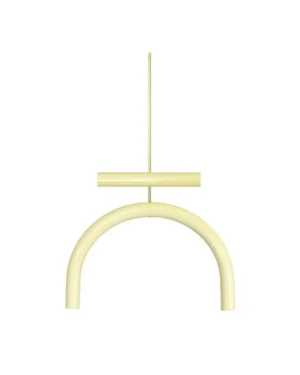
Vira Triptych Ceiling Lamp In Bio Plastic
By Julie Mallet Studio
€567 -
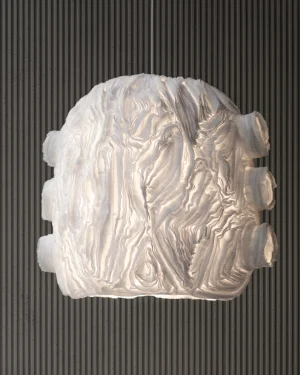
Idea Sluhach Pendant Lamp in Muslin and Metal
By FAINA
€1.950 -
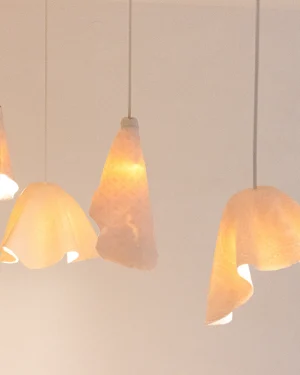
“nsidvblml” No One Is Enlightened Twice Under The Same Light
By Popdots Studio
€315 -
 In stock
Less Pendant Lamp In Steel, Wood And Plaster
By Jordi Canudas Faura
€388 -

Desire Sluhach Pendant Lamp in Muslin and Metal
By FAINA
€1.950 -
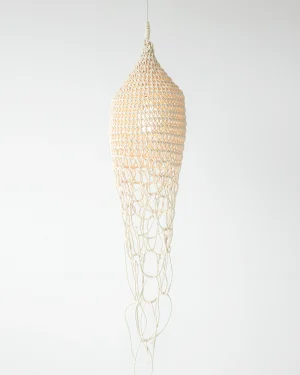
Meduse Pendant Lamp in Cotton
By Annie Legault
€700 -
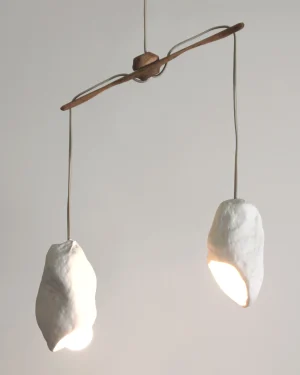
Maat Ceiling Lamp
By Dace Sūna
€1.200 -
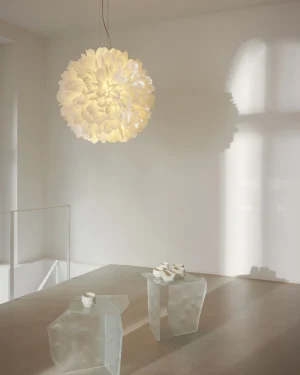
Blossom Pendant Lamp in Washi Paper
By HEIKE BUCHFELDER
€2.933 -
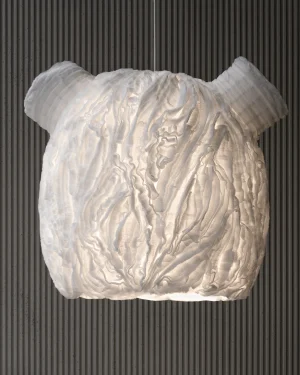
Dream Sluhach Pendant Lamp in Muslin and Metal
By FAINA
€1.950 -
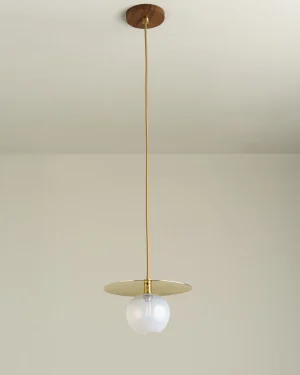
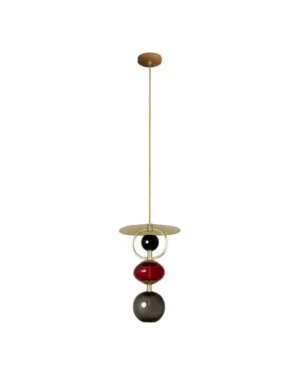
Cometa Pendant Lamp in Brass, Wood and Glass
By Isabel Moncada
€2.340 - €2.691 -
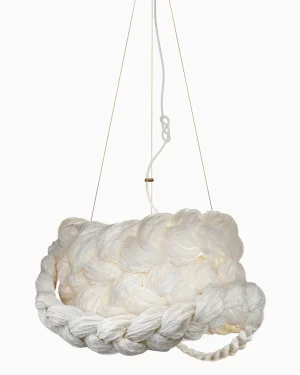 In stock
The Bride Pendant Lamp in Paper
By Mammalampa
€393 - €646 -
 In stock
Flight Shadows 1500mm Pendant Lamp In Steel
By SVITANOK
€1.100 - €1.230 -
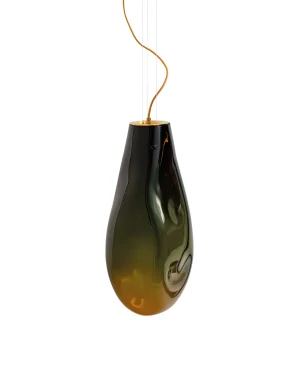
Lyra Pendant Lamp (yellow Green Blue) In Blown Glass
By ELOA - Unique Lights
€2.330 - €4.750 -
 In stock
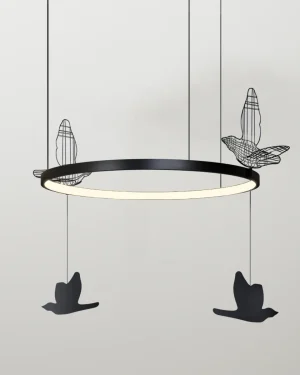
Flight Shadows Circular Pendant Lamp In Steel
By SVITANOK
€1.020 - €1.140 -

Crescent Pendant Lamp In Steel
By Natural Urbano - Sebastián Beltrán
€515 -
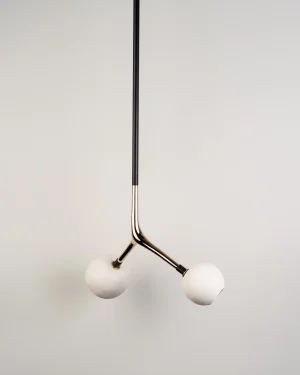
Dupla Pendant Lamp in Bronze, Brass and Glass
By Isabel Moncada
€3.217 - €3.744 -
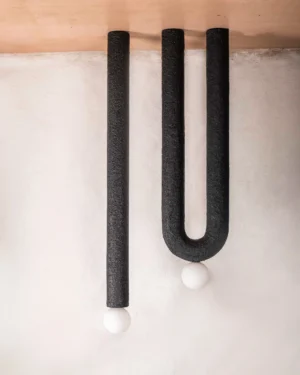
U And I Ceiling Light Set In Clay Paste And Glass
By Harshita Jhamtani Designs
€1.680 -

Mélopée Pendant Lamp In Porcelain
By Pirouette
€636 - €1.980 -
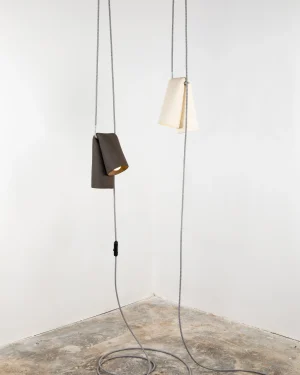
Melo Pendant Lamp In Ceramic
By Catalin Filip
€300 -
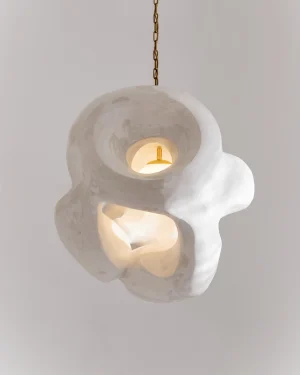
Ikigai Ceiling Lamp in Alabaster Gypsum
By Studio AOAO
€22.000 -
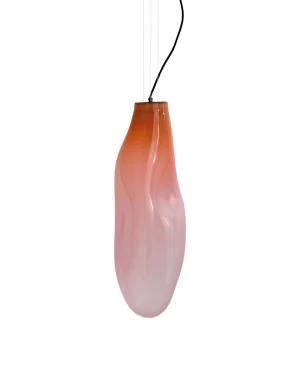
Lyra Single, Flamingo Opaque Pendant Lamp In Blown Glass
By ELOA - Unique Lights
€2.330 - €4.750 -

Zinc Pendant Curva
By Cultivado em Casa
€1.390 -
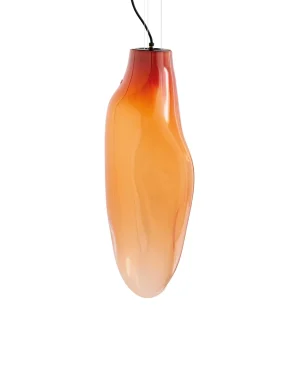
Lyra Pendant Lamp Single, Coral In Blown Glass
By ELOA - Unique Lights
€2.330 - €4.750 -
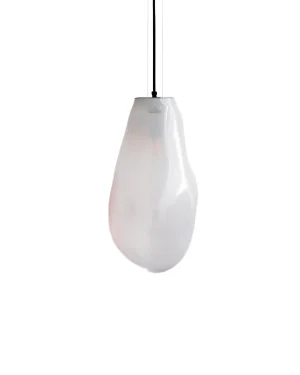
Lyra Pendant Lamp In White Opaque Glass
By ELOA - Unique Lights
€2.330 - €4.750
White pendant lamps bring together hand-blown glass, glazed porcelain, stoneware and painted steel in a single pale, light-catching form. Independent studios shape each shade by hand or cast it from biomaterials, so the white is never flat: it carries the faint ripple of blown glass, the grain of clay, or the soft sheen of a painted metal surface. The common thread is a finish that reflects light rather than absorbing it, which is what makes these pieces read as bright, quiet objects even when switched off.
What gives white its particular behavior in a pendant
White is not one surface but several. Hand-blown glass holds a milky, slightly uneven white that diffuses a bulb's glow into a soft halo. Glazed ceramic and porcelain carry a harder, more even white, with a shine that depends on how many times the glaze was fired. Painted steel gives the flattest, most consistent white, closer to an architectural finish than a handmade one.
Each material also ages differently. Glass stays stable and simply needs dusting. Unglazed stoneware can pick up marks from oil or smoke over years. Painted steel is the most durable against knocks but will show scratches down to a darker base coat if struck hard enough.
The range of materials and techniques
Studios working in white reach this color through distinct processes, each leaving its own trace in the finished shade:
- Glassblowing, where molten glass is shaped around a bubble of air, producing the rounded, slightly irregular forms typical of hand-blown shades.
- Hand-building and glazing in clay, porcelain or stoneware, where the white comes from a mineral glaze fired over the raw body.
- Metalwork, where steel or aluminum shades are formed, then painted white.
- Newer approaches such as 3D printing and biofabrication, which cast bioplastic or grown materials into white shades with no two surfaces quite identical.
How to choose a white pendant lamp
Start with scale: a shade under a foot wide reads as a point of light, while anything larger starts to act as a sculptural object in its own right. Over a dining table, the bottom of the shade typically sits around 30 to 36 inches above the surface, low enough to pool light without blocking sightlines across the table. Over an island or desk, hang it a little higher so it clears sightlines while standing.
Finish matters as much as size. A glossy porcelain or glass shade will throw small reflections and suits rooms with other reflective surfaces, while a matte stoneware or painted steel shade sits more quietly against plaster or wood. If you are hanging several, repeat the same material and finish so the row reads as one gesture rather than a collection of unrelated lamps.
Where white pendant lamps work
Because white recedes rather than competes, these pendants suit rooms where you want the light fixture to support the architecture instead of dominating it: dining rooms, kitchens over an island, bedrooms, and reading corners in a living room pendant lamp grouping. They also read well against colored walls, since the white shade holds its own tone rather than taking on the surrounding hue.
For a quieter, architectural look, a minimalist pendant lamp in painted steel or plain glass tends to work best; for more texture, hand-built ceramic or glass shades bring in the maker's hand without adding color. Those drawn to metal finishes more broadly can also look at metal pendant lamps, several of which come in white paint over steel or aluminum.
Caring for a white shade
Dust glass and glazed ceramic with a dry or barely damp cloth; harsh cleaners can dull a glaze over time. Painted steel benefits from the same light dusting, with any scratches touched up rather than scrubbed. Keep unglazed or biofabricated shades away from direct steam or grease, since porous white surfaces mark more visibly than darker ones.
For the full range of pendant shapes and materials, see all pendant lamps, or stay within this tone by looking at white lamps across other lamp types, and the wider set of white pieces on ADORNO for furniture and objects in the same palette.
How do I choose a white pendant lamp?
Match the material to the light you want: hand-blown glass gives a soft diffused glow, glazed ceramic a brighter even light, painted steel the most directional beam. Consider also how each ages in daily use.
How do you clean and care for a white pendant lamp?
Dust glass regularly and it stays stable for years. Unglazed stoneware can mark from oil or smoke over time, while painted steel resists knocks but shows scratches down to the base coat if struck hard.
What size pendant lamp do I need and how low should it hang?
Size and hanging height depend on the ceiling and the surface below, whether a table, island or stairwell. The maker can confirm exact dimensions and recommended drop with Chat with the maker on the piece's page.
Which rooms suit a white pendant lamp?
Their light-reflecting surface works wherever a quiet, bright object is wanted: over a kitchen island, above a dining table, in a stairwell or bedroom, alone or repeated in a row.
Does ADORNO ship white pendant lamps worldwide?
Yes, shipping is insured and worldwide, so a pendant lamp reaches you wherever you are.
What is ADORNO's return policy on pendant lamps?
Most pieces can be returned within 14 days of delivery. Made-to-order pendant lamps are excluded from this policy, so check the piece's page before ordering.