




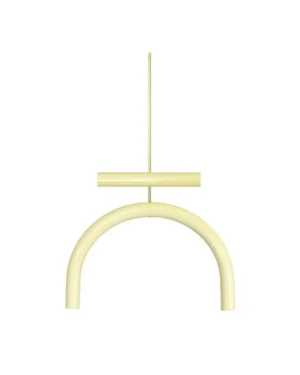
-
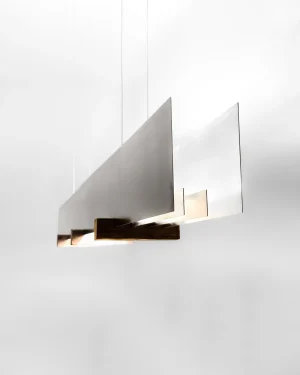
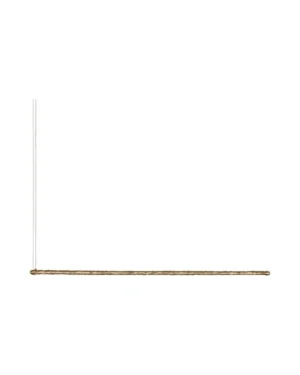
Linear Ceiling Lamp (extra Large) in Aluminum and Wood
By case studios
€1.210 - €1.910 -
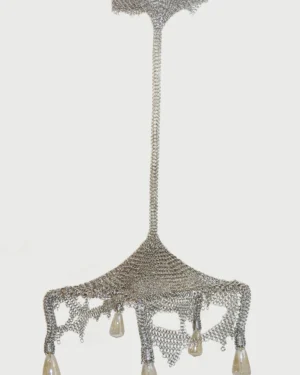
Chainmail Cobweb Chandelier In Glass And Steel
By Panorammma Atelier
€4.250 -
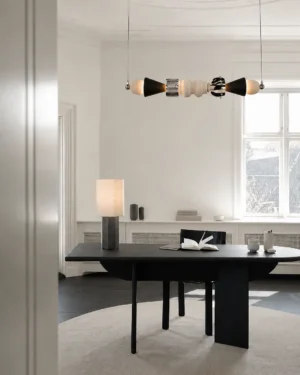 In stock
Arinna Pendant Lamp In Oak, Stone And Brass
By MARAU
€15.000 -

Vira Triptych Ceiling Lamp In Bio Plastic
By Julie Mallet Studio
€567 -
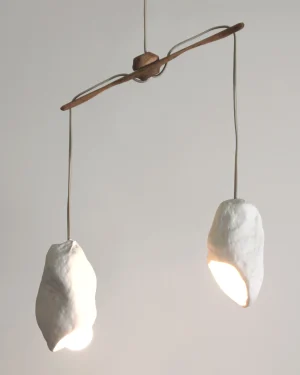
Maat Ceiling Lamp
By Dace Sūna
€1.200 -
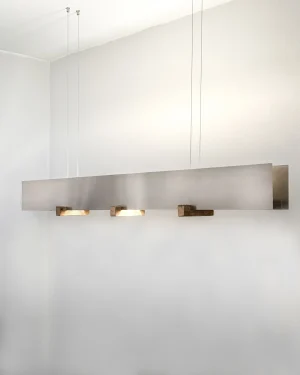
Linear Ceiling Lamp (Large) in Aluminum and Wood
By case studios
€1.444 - €1.844 -
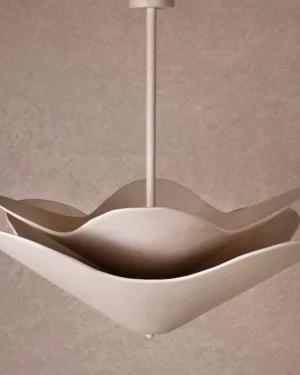
Iris Pendant In Clay Paste
By Harshita Jhamtani Designs
€1.180 -

Clay Cone Pendant In Textured Black Clay Paste And Mild Steel
By Harshita Jhamtani Designs
€1.820 -
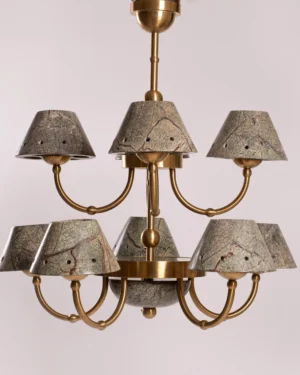
The Marble Chandelier In Rainforest Marble And Brass
By Harshita Jhamtani Designs
€9.030 -
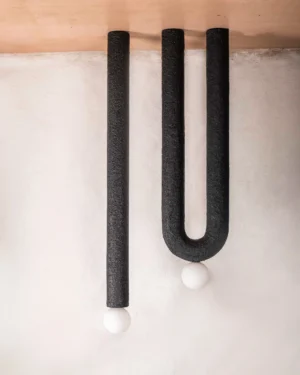
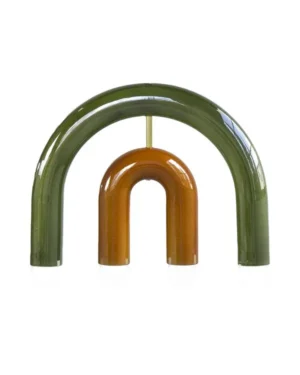
U And I Ceiling Light Set In Clay Paste And Glass
By Harshita Jhamtani Designs
€1.680 -
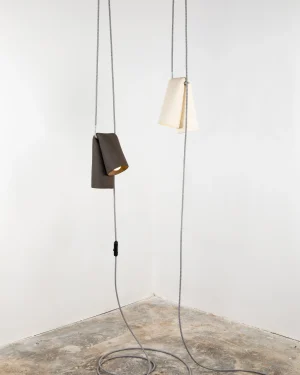
Melo Pendant Lamp In Ceramic
By Catalin Filip
€300 -
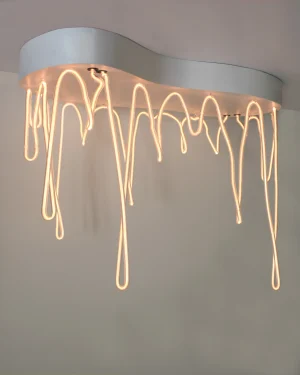
Vertical Fractal Helium Chandelier In Glass And Metal
By Dace Sūna
Price Upon Request -
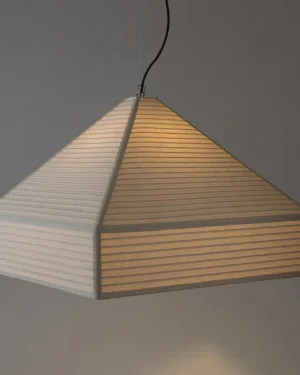
Pyramid Pendant Lamp In Textiles
By NASSI LAMPS
€1.049 - €1.575
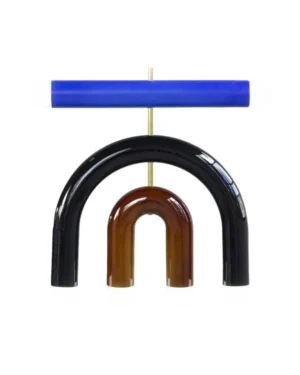
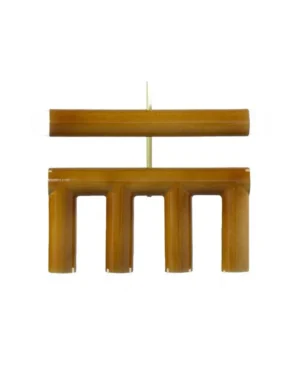
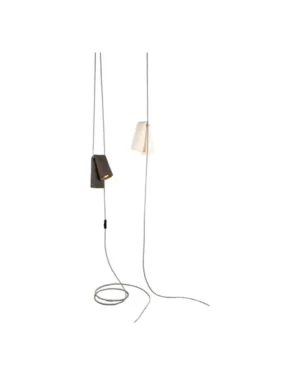
Home office ceiling lamps bring the same question every workspace eventually asks: how do you light a desk without casting a shadow across it. The pieces gathered here come from studios working in stainless and mild steel, aluminum, beech and chestnut wood, glass and plaster composite, shaped through metalwork, wood and cabinetmaking, hand-building and hand assembly. Some are open editions produced in steady runs, others are limited editions or unique pieces finished by hand.
What defines a home office ceiling lamp
A fixture built for a desk behaves differently from one built for a dining table. It tends to sit lower, throw a tighter beam, and favor finishes that do not glare back at a screen. Matte black, off-white and plaster composite shades are common here because they absorb light rather than bounce it, while brushed steel and aluminum read as more conceptual, better suited to a room already built around hard surfaces.
Wood appears mostly at the shade or canopy, chestnut and beech left with a visible grain that warms a room dominated by metal shelving or a steel-framed desk. Glass, where it shows up, is usually paired with steel or brass for the arm and fixture body, carrying light downward without softening it into glare.
Materials, finishes and ways of making
Steel fixtures are bent and powder-coated or left raw, then sealed so the surface does not mark. Plaster composite pieces are cast and hand-finished, giving each one a faint variation in texture that factory finishes cannot copy. Wood components are cut and joined through standard cabinetmaking, the chestnut and beech left to darken slightly with age and light exposure.
Color runs from white, off-white and black through to chestnut, gold, terracotta, blue and green accents, usually on a single element rather than the whole fixture. Styles span contemporary, minimalist, modern, Japandi, conceptual and eclectic, which in practice means a desk lamp can go as plain as a single steel disc or as expressive as a hand-built plaster form with visible tool marks.
Choosing scale, height and placement
A home office is usually a smaller room than a living or dining space, so scale matters more than it first appears to. A fixture sized for an open living area will dominate a desk nook; something closer to the width of the desk itself, or a touch narrower, keeps the room feeling worked in rather than staged.
- Hang low enough to pool light directly over the work surface, high enough to clear the sightline when standing at a shelf or filing cabinet.
- Match the finish to what else sits in the room: steel and aluminum beside metal shelving or filing systems, wood and plaster beside upholstered or wood furniture.
- Check that the light is directional enough for reading and typing, not only ambient.
For rooms with lower ceilings, a flush or semi-flush steel or aluminum body reads calmer than a hanging pendant with a long drop. Where the ceiling is higher, a longer stem on a steel or glass fixture lets the light travel down to desk height without the fixture itself crowding the field of view.
Care by material
Steel and aluminum fixtures need only a dry or lightly damp cloth; powder-coated surfaces should avoid abrasive cleaners that cut through the finish. Plaster composite shades are more porous and benefit from dusting rather than washing, since standing moisture can mark the surface. Wood elements should stay away from direct heat sources and be wiped with a dry cloth, with an occasional wax or oil only if the piece was finished to take one.
For the wider range of ceiling fixtures these pieces are drawn from, see all ceiling lamps, and for other objects built around the same room, visit every home office piece on ADORNO. Those who want the material pared back further can look at metal ceiling lamps or minimalist ceiling lamps, while desk-level lighting in the same spirit sits under home office lamps.
How do I choose a ceiling lamp for a home office?
Look for a lower hang and a tighter beam than a dining fixture gives, with a finish that does not glare back at a screen. Matte black, off-white and plaster composite shades absorb light rather than bounce it.
What height should a ceiling lamp hang above a desk?
Home office fixtures generally sit lower than dining room ones, close enough to throw direct light on the work surface without entering the sightline of someone seated at the desk.
How do I care for steel, aluminum or plaster composite lamps?
Wipe steel and aluminum with a dry or barely damp cloth to keep the sealed or powder-coated surface from marking. Dust plaster composite gently, since its surface is porous and can mark if scrubbed or wet-cleaned.
Will a metal or wood ceiling lamp suit my home office style?
Brushed steel and aluminum read as conceptual, suited to a room built around hard surfaces, while chestnut or beech wood shades and canopies add visible grain that warms a room dominated by metal shelving or a steel desk.
Are these ceiling lamps handmade or produced in limited numbers?
It depends on the piece. Some are open editions produced in steady runs, others are limited editions or unique pieces finished by hand, so check the detail on each piece's page.
What are ADORNO's shipping, returns and authenticity policies?
Shipping is insured and worldwide. Returns are accepted within 14 days, excluding made-to-order pieces, and every piece arrives with a certificate of authenticity, backed by a lowest-price guarantee.