



-

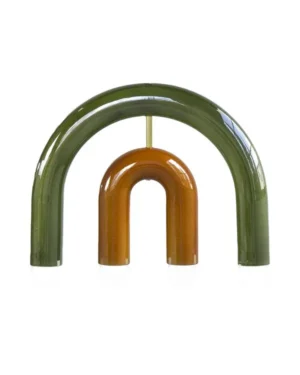
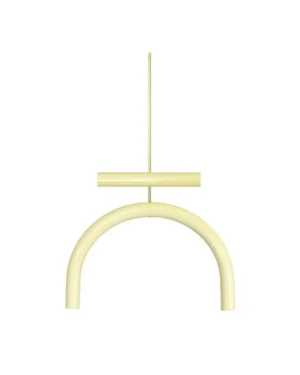
Trn / Model E1 Pendant Lamp in Ceramic
By Pani Jurek STUDIO
€1.430 -
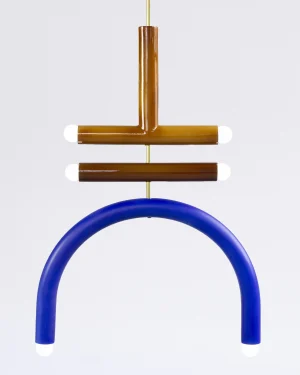
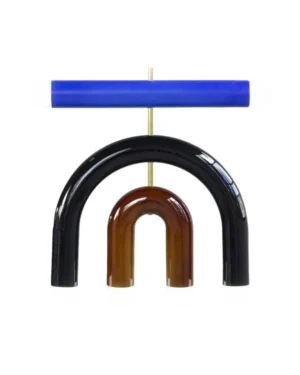
Trn / Model F2 Pendant Lamp in Ceramic
By Pani Jurek STUDIO
€1.600 -
 In stock
Y30 Ceiling Lamp in Blown Glass and Brass
By Clara Viladecans
€786 -
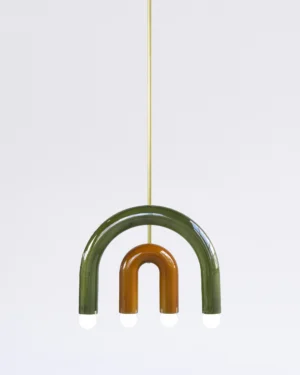
Trn / Model C1 Pendant Lamp in Ceramic
By Pani Jurek STUDIO
€880 -
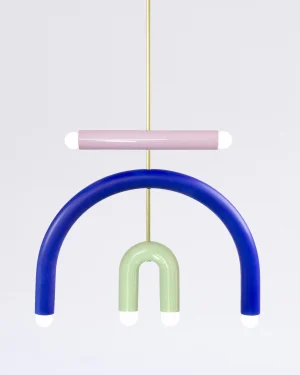
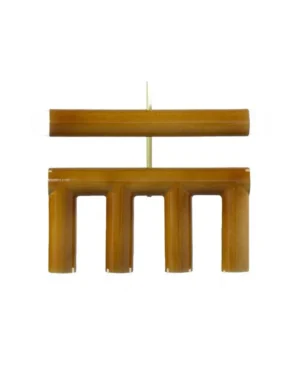
Trn / Model F3 Pendant Lamp in Ceramic
By Pani Jurek STUDIO
€1.600 -
 In stock
Ines Ceiling Lamp in Blown Glass And Brass
By Clara Viladecans
€550 -
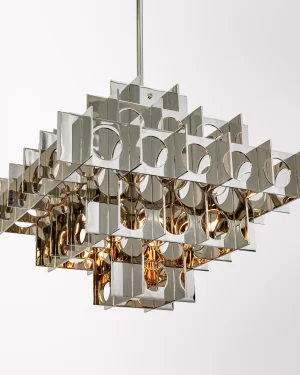
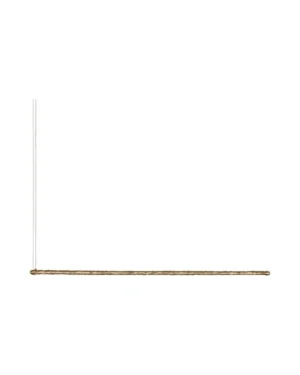
Tenfold 5 T Pendant Lamp in Stainless Steel and Aluminum
By Luft Tanaka Studio
€4.440 - €11.000 -
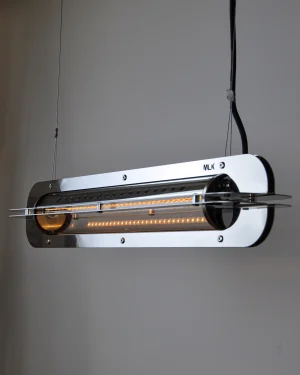
Pill600 Pendant Lamp In Mirror Stainless Steel
By MLK Furniture
€1.090 -
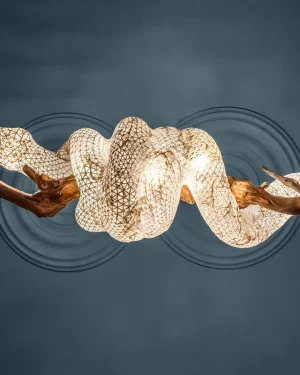
The Staff Of Asclepius Chandelier In Pla And Wool
By Danik Uderbekov
€2.500 -
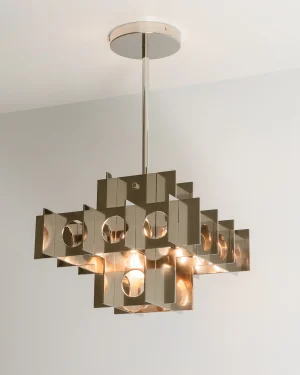
Tenfold 3 T B Pendant Lamp in Stainless Steel and Aluminum
By Luft Tanaka Studio
€2.895 - €8.675 -
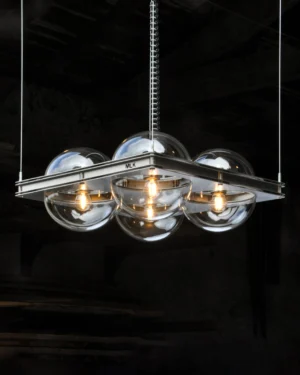
Bbl200x04 Pendant Lamp In Stainless Steel And Acrylic
By MLK Furniture
€2.400 -
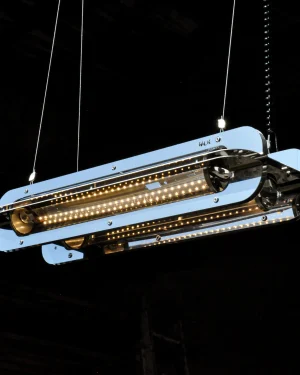
Pill600x2 Pendant Lamp In Mirror Stainless Steel
By MLK Furniture
€1.890 -
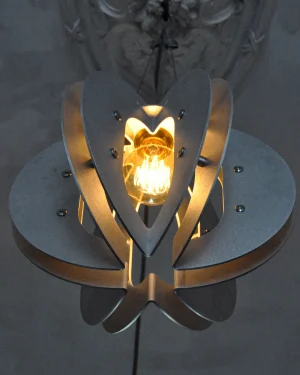
D300 Lampion Pendant Lamp In Matte Aluminum
By MLK Furniture
€390 -
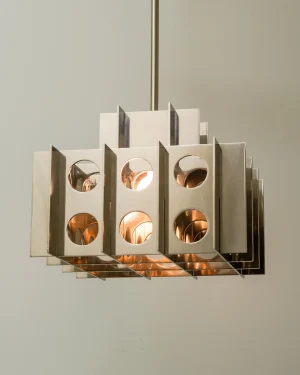
Tenfold 3 T A Pendant Lamp in Stainless Steel and Aluminum
By Luft Tanaka Studio
€2.895 - €8.675 -
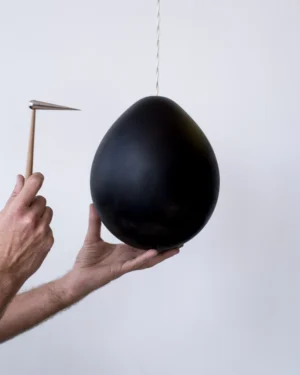 In stock
Less Pendant Lamp In Steel, Wood And Plaster
By Jordi Canudas Faura
€388 -
 In stock
“Chanka-Hanka” Mobile Chandelier in Stoneware and Metal
By UAU Studio
€2.000 -
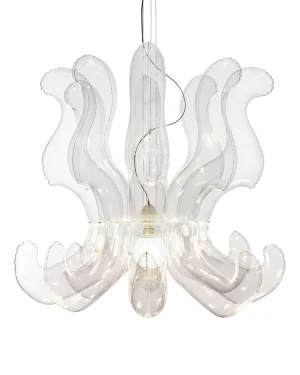
Lullaby No.1 Chandelier in PVC and Acrylic
By PUFF-BUFF
€640 -
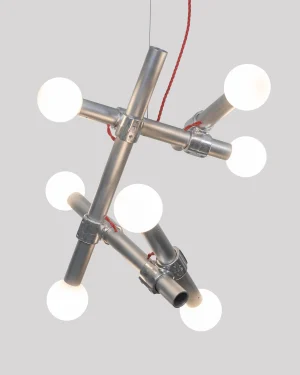
Pipe Dream Chandelier in Aluminum and Glass
By Luft Tanaka Studio
€3.655 -
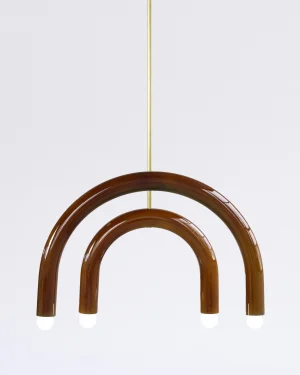
Trn / Model E3 Pendant Lamp in Ceramic
By Pani Jurek STUDIO
€1.430 -
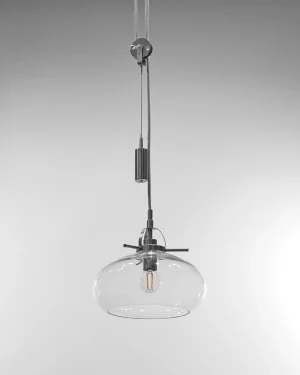
Art Deco Pendant Lamp with Weight in Glass and Steel
By Szostak Atelier
€1.400€1.330 -
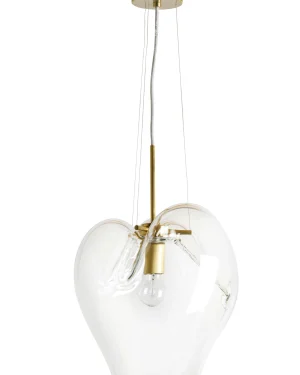
Carambola Pendant Lamp
By Carol Gay
€1.330 -
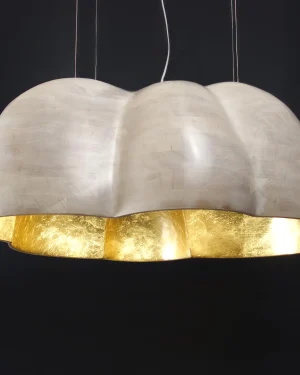 In stock
N2 Cloud Ceiling Lamp in Cherry Wood and Gold Leaf
By Aaron Scott
€10.300 -

Trn / Model C4 Silver Finish Pendant Lamp in Ceramic
By Pani Jurek STUDIO
€930 -

Trn / Model C4 Pendant Lamp in Ceramic
By Pani Jurek STUDIO
€880 -

Trn / Model F2 Silver Finish Pendant Lamp in Ceramic
By Pani Jurek STUDIO
€1.650 -
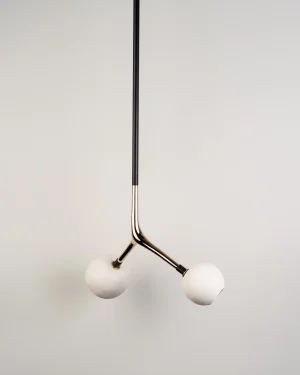
Dupla Pendant Lamp in Bronze, Brass and Glass
By Isabel Moncada
€3.217 - €3.744 -
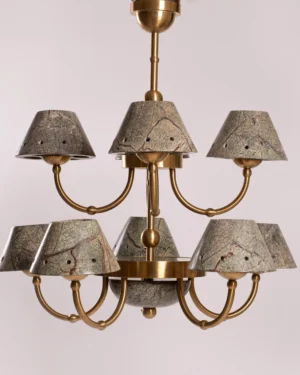
The Marble Chandelier In Rainforest Marble And Brass
By Harshita Jhamtani Designs
€9.030 -
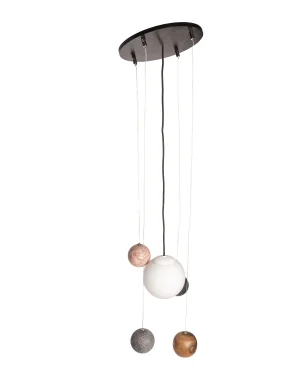
Planeta Ceiling Lamp in Marble and Volcanic Stone
By Daniel Orozco Estudio
€1.260 -
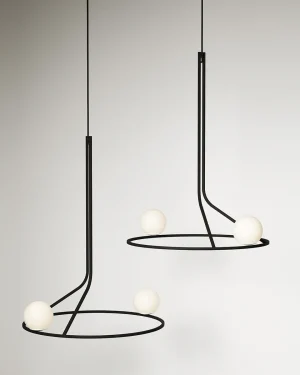 In stock
Na Linii Pendant Lamp in Steel and Glass
By SVITANOK
€1.050 -

Chema Pendant Lamp in Parota Wood
By Daniel Orozco Estudio
€1.154 -

Fos 05 Pendant Lamp in Wood and Marble
By Daniel Orozco Estudio
€1.390
Art deco ceiling lamps carry the geometry of the 1920s and 1930s overhead: stepped forms, fan shapes and sunburst patterns worked in brass, steel and blown glass by independent studios. The style favors symmetry and polish over raw texture, pairing metal frames with glass diffusers in amber, smoke or frosted tones. Most pieces here are made through metalwork and glassblowing, some in open editions and some as unique pieces.
What makes a ceiling lamp read as art deco
The style is built on repetition and contrast. A brass or steel frame, often stepped or faceted, holds a glass shade that is blown rather than cut, so each one carries small variations in thickness and color. Black finishes, glazed ceramic and warm brass are common pairings, chosen for how they catch light rather than for pattern alone.
Where mid-century design strips a fixture back to its function, art deco adds weight and ceremony. Fluting, chevron cuts and stacked disks give a ceiling lamp presence even when it is switched off, which is part of why the style has held up in rooms that mix old and new furniture.
Materials and finishes found in this range
Steel and brass appear most often, brass sometimes polished, sometimes left to darken with handling. Steel and stainless steel turn up in frames and armatures, occasionally finished in black for a flatter, more graphic look. Glass is almost always blown rather than pressed, which is why shades vary slightly in weight, bubble pattern and tone even within the same design.
- Metals: brass, steel, stainless steel, aluminum
- Glass: blown glass, often as a shade on a metal frame
- Ceramic and glaze, used less often but in keeping with the period's taste for lacquer-like surfaces
- Finishes in black, beige and brown alongside natural brass
Studios working in metal ceiling lamps tend to combine spinning, cutting and hand-polishing, which is slower than stamping but gives sharper edges on fluted or faceted brass.
Choosing scale, height and placement
A ceiling lamp has to answer to the room it sits in before it answers to style. In a living room, a fixture with a wide diffuser can replace several lamps and still leave side tables free; in a dining room, it should sit low enough to warm the table without blocking sightlines across it. Hallways and smaller rooms usually take a single pendant with a tighter silhouette rather than a wide spread of glass or metal.
Mounting height matters as much as the fixture itself. Hung too high, an art deco ceiling lamp loses the drama of its brass and glass; hung too low, it competes with anyone standing beneath it. As a general rule, the shade should sit close enough to be read as an object in the room, not just a source of light overhead.
Where these pieces sit well
Art deco ceiling lamps anchor rooms that already carry some weight of their own: paneled walls, upholstered seating, stone or wood flooring. They read naturally in a living room ceiling lamp position, over a dining table, or in an entry hall where a single fixture sets the tone for the rest of the house. Paired with contemporary furniture, the contrast of old geometry and newer lines tends to sharpen both.
Living with brass and blown glass
Brass will darken over time unless it is lacquered; a soft cloth and an occasional pass of brass polish is usually enough to keep it bright, or it can be left to age into a deeper, more matte tone. Blown glass shades should be dusted rather than scrubbed, and checked for a secure fit if they are removable for cleaning or bulb changes.
For the wider range of pieces in this style, see every art deco piece on ADORNO, or move between related rooms and finishes through all ceiling lamps and art deco lighting more broadly.
How do I choose an art deco ceiling lamp?
Look at the frame first, brass and black steel both read as art deco, then check how the glass is finished, amber or smoke for warmth, frosted for a softer glow.
What is an art deco ceiling lamp made of?
Most pair a brass or steel frame, often stepped or faceted, with a glass shade. The glass is usually blown rather than pressed, so tone and thickness vary slightly piece to piece.
How do I clean and care for a brass or glass ceiling lamp?
Dust metal frames with a dry or barely damp cloth, since polishing compounds strip the patina brass develops over time. Wipe glass shades with a soft cloth once the fixture has cooled and is unplugged.
What size ceiling lamp suits a room, and how low should it hang?
In a living or dining room, the shade typically sits so its lowest point clears head height by at least a foot. Scale the frame to the room rather than the table below it, since art deco fixtures carry visual weight even when unlit.
Which rooms suit an art deco ceiling lamp?
Entryways, dining rooms and living rooms, where the fixture is seen at a distance and its symmetry can register fully. The style also holds its own in rooms that mix old and new furniture.
How does shipping, returns and authenticity work when ordering from ADORNO?
Shipping is insured and worldwide. Returns are accepted within 14 days, though made-to-order pieces are excluded, and every order includes a certificate of authenticity along with ADORNO's lowest-price guarantee.