-

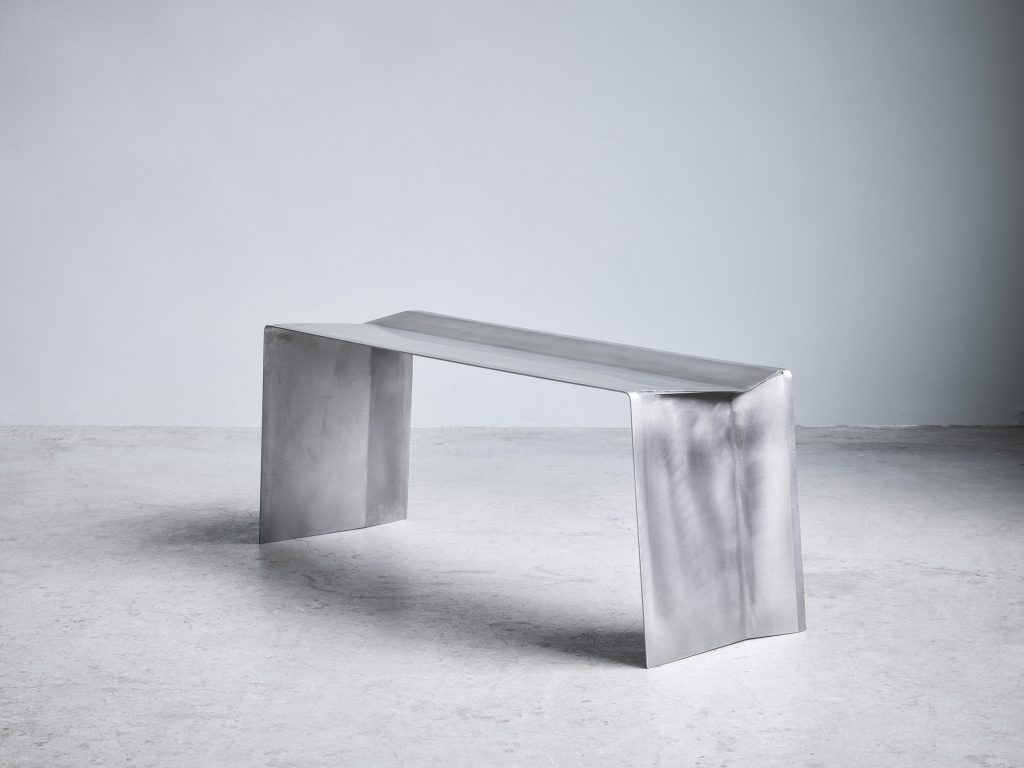
Pressure Bench
By TIM TEVEN
€740 -

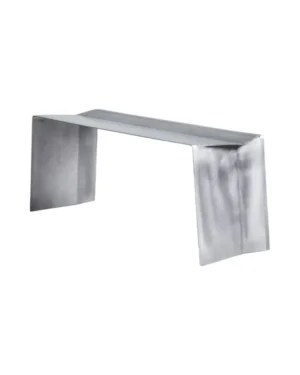
Camber – Stainless Steel Bench
By Paul Coenen
€818 -

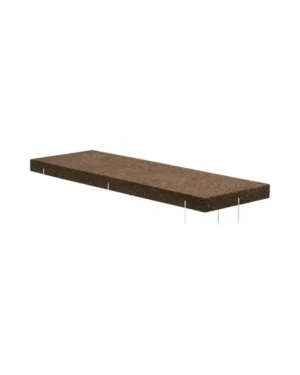
Cork X | Bench 01 – Cork / Metal Bench
By Robert Megel
€1.499 -

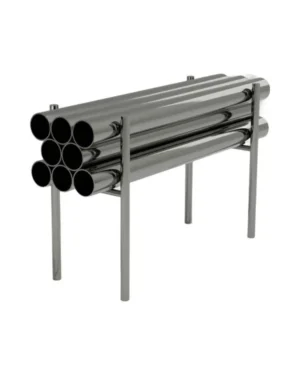
Tube Bench
By Deon Rubi
€4.000 -
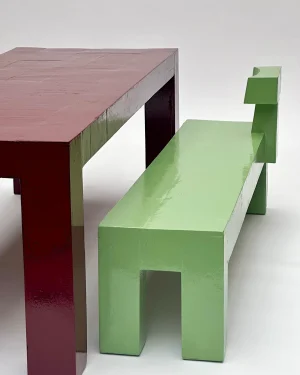
Practice Bench – Upcycled Wood
By Studio Fabius Clovis
€3.300 -
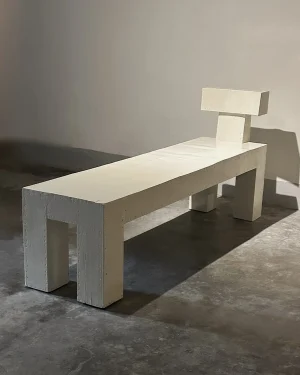
Practice Chaise Lounge
By Studio Fabius Clovis
€2.728 -

SONIAH Bench
By FAINA
€7.830 This product has multiple variants. The options may be chosen on the product page -
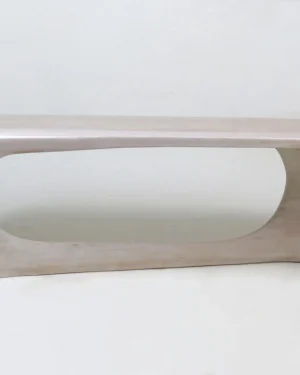
N2v – Cherry Wood Bench
By Aaron Scott
€5.400 -

Wing Bench
By Obscure Objects
€1.220 -
 In stock
Tronco Bench – Stainless Steel Bench
By Nitush and Aroosh
€5.000 -
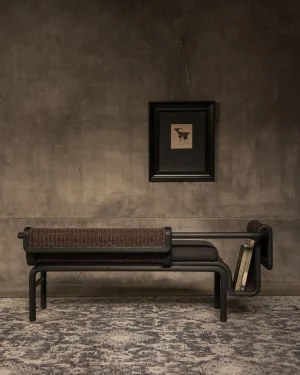
Rahi Gallery Bench
By Project 810
€1.800 This product has multiple variants. The options may be chosen on the product page -
 In stock
Bench
By Kari Kadak
€2.400 -
 In stock
Wrp-003 Stainless Steel / Cowhide Stool
By NAVE
€1.200 -
 In stock
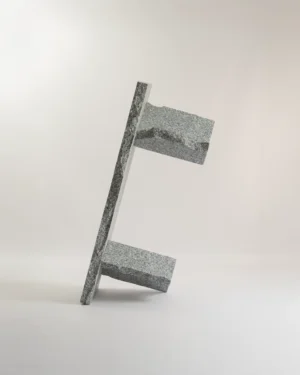
Filar Stone Bench | Re-enchantment
By małe dobra
€1.400 -

Kokeshi Bench
By Luis Gimeno Design
€10.800 -

Voron Chair
By ZEMNA
€7.400 -

Knot Bench
By Studio Yann Gandon
€3.147 -
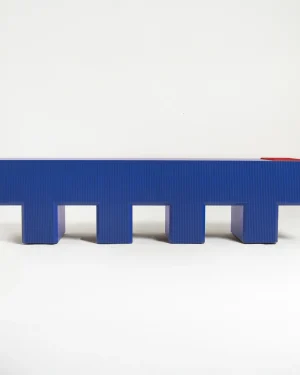
Lego Bench With Storage Slot
By Yet Design Studio
€2.990 This product has multiple variants. The options may be chosen on the product page -
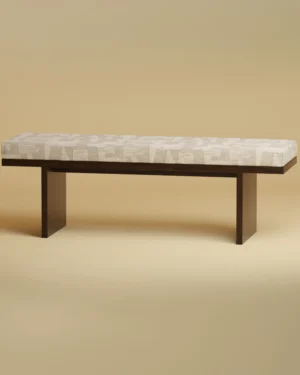
Wooden Bench – Aros Series In Smoked Oak
By Lebanto
€4.200 -

A_forma Bench
By AROUND
€500 -

Onmyōdō Wenge Slatted Wood Bench
By Brett Paulin
€2.703 -
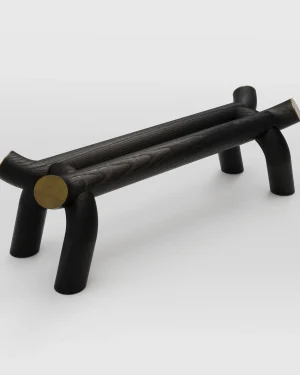
Torii Bench
By Ultramar Studio
€4.200 This product has multiple variants. The options may be chosen on the product page -

“cavallina” Bench
By Giselle Vanessa Johnson
€3.600 -
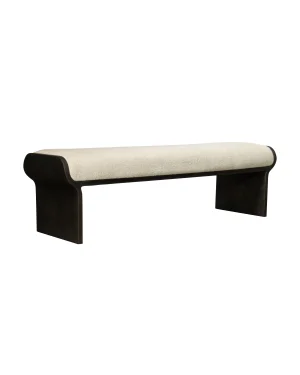
Elia – Sculptural Modern Oil Rubbed Bronze & Fabric Bench
By Costantini Design
€8.980 -
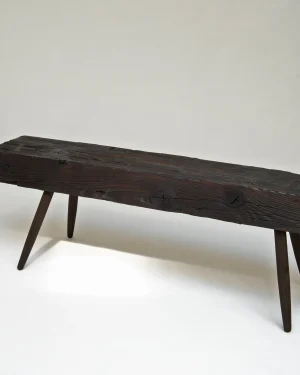
Bimschtal No 2 – Wooden Bench
By StorqueStudios
€1.457 -
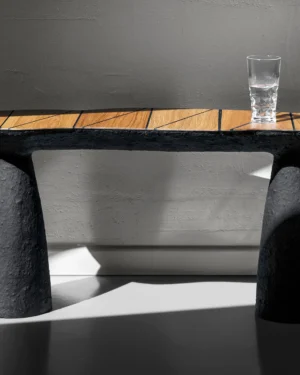
Sculptural Oak Bench – Brutalist And Wabi-sabi Minimalist Seating
By Donatas Žukauskas
€960 -
 In stock
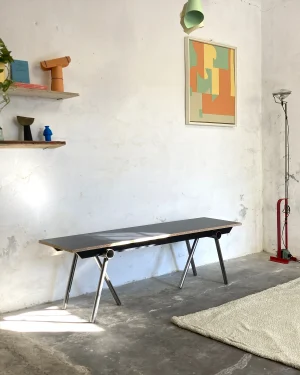
“tube” Bench – Iron/plywood Chipboard
By matteo giustozzi
€1.800 -
 In stock
Bench With A Silver Lining
By Spero Furniture
€2.200 -
 In stock
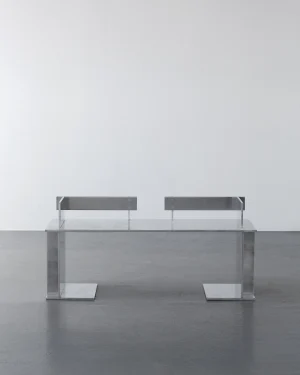
Not So Public Bench
By Thomas Gayet
€3.400 -
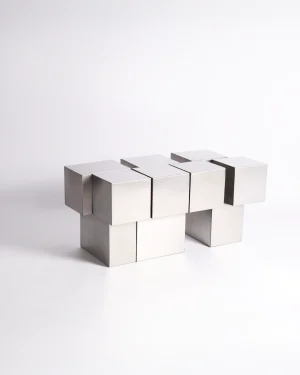
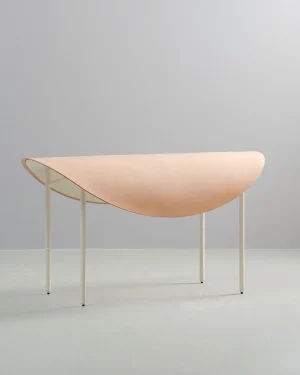
Nexus 67 – Stainless Steel Bench
By Drusch Design
€5.000 -
 In stock
Tack Bench
By Calen Knauf Studio
€1.400 -
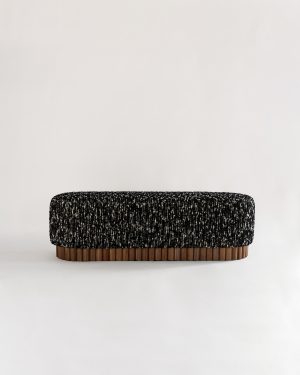
Ensamble Bench
By Peca Mobiliario
€5.293 - €5.578 This product has multiple variants. The options may be chosen on the product page -

Knot – Bench – Solid Ash Wood
By Luis Gimeno Design
€1.400 -
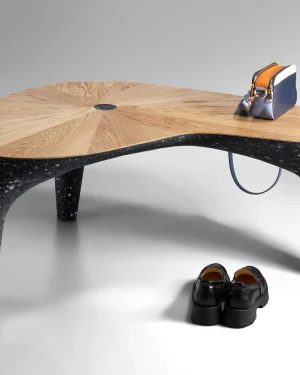
Solid Black Stone & Oak Bench – Ma Series In Cast Stone By Donatas Zukauskas
By Donatas Žukauskas
€4.100 -
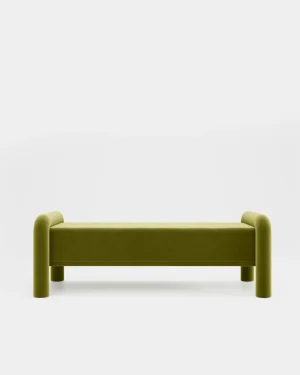
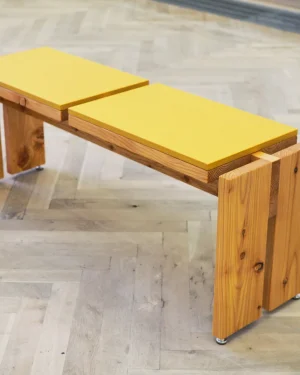
Prowling Bench
By FURN OBJECT
€2.890 This product has multiple variants. The options may be chosen on the product page -
 In stock
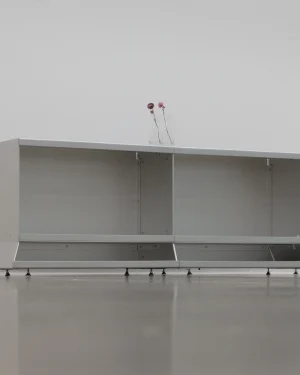
Kado Bench
By Benjamin Nordsmark
€800 This product has multiple variants. The options may be chosen on the product page -
 In stock
Aluminum Bench With Storage
By andykim.global
€2.217 -

Canto – Aluminum Bench
By Luiz Solano
€1.000 - €1.400 This product has multiple variants. The options may be chosen on the product page -

Voron Bench
By ZEMNA
€6.540 -

Threshold Bench
By Theodóra Alfreðsdóttir
€720 -

“Chaiselongue” Bench
By VAUST Studio
€9.900 -
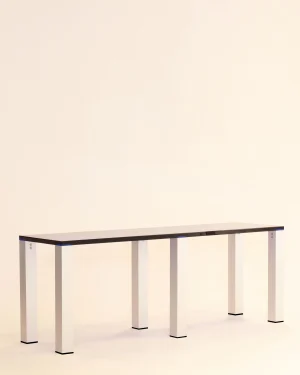
Acrilar – Acrylic Bench
By Luiz Solano
€1.000 - €1.400 This product has multiple variants. The options may be chosen on the product page -

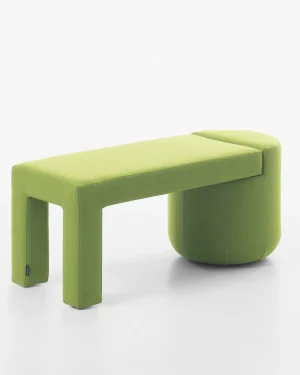
Reeligio – Wooden Banch
By StorqueStudios
€8.665 -
 In stock
Fossil Bench
By oitoproducts
€1.628 -
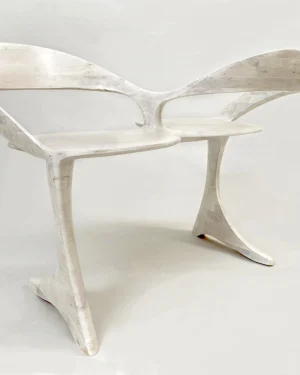
N2 – Cherry Wood Loveseat
By Aaron Scott
€8.400 -
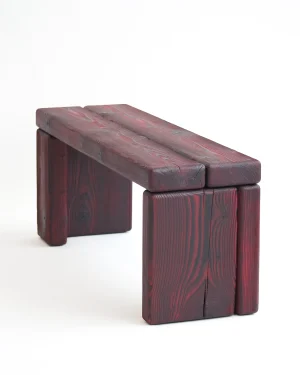
Timber – Burned Pine Bench
By Studio Onno Adriaanse
€2.440 -
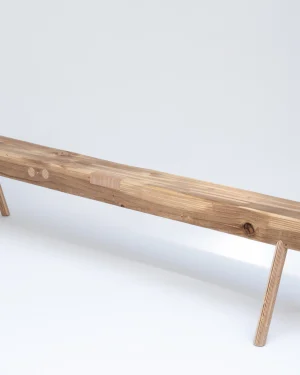
Bimschtal No 1 – Wooden Bench
By StorqueStudios
€2.160 -
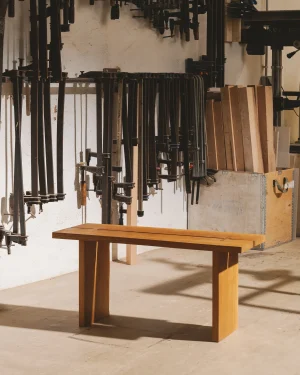 In stock
Kidake Bench
By Mike Hausmann
€2.100 -
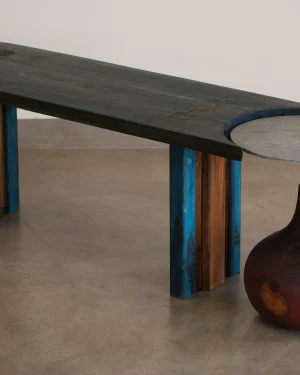
Blue Teak Bench
By Spero Furniture
€2.296 -
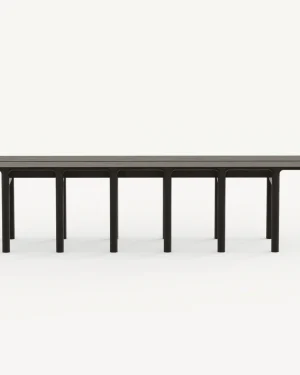 In stock
Cronos Bench
By Sebastián Ángeles
€6.615 -
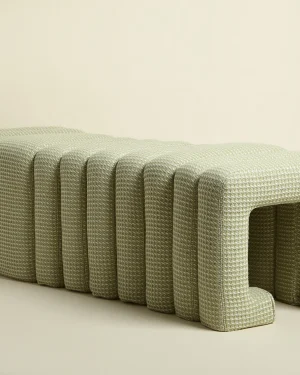 In stock
Meta Bench – Modular Upholstery Bench
By Jaclyn Pappalardo
€4.450 -
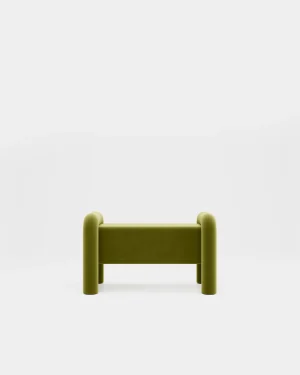
Prowling Ottoman
By FURN OBJECT
€1.350 This product has multiple variants. The options may be chosen on the product page -

Weathered Black Oak Bench
By NO AGE STUDIO
€2.300 -
![[fragment] Antique Wood And Concrete Bench](https://media.adorno.design/wp-content/uploads/2025/08/01135948/shopcasestudios.com-Bank_neu_studio-2-300x375.webp) Sold
Sold[fragment] Antique Wood And Concrete Bench
By case studios
€1.960
Minimalist benches strip seating down to its structural essentials, a plane and its supports, with no applied ornament to soften the line. Studios working in this style favor straight edges, visible joinery or a single weld seam, and a material left close to its raw state, whether that is oak wood, powder-coated steel or cast aluminum. The result reads as restraint rather than absence: every proportion has to carry the design on its own.
What defines a minimalist bench
A minimalist bench is judged by what has been left out. Legs are often a single bent or welded form rather than four separate elements, and the seat is usually one continuous slab or sheet. Color stays close to the material, a bare wood tone, a brushed metal gray, or a flat lacquer in black, off-white or beige, so the object reads as one gesture rather than a set of parts.
Materials and finishes found here
Wood pieces lean on oak for its density and stable grain, finished with wood and cabinetmaking joinery or left with visible saw lines for a drier, more architectural look. Metal benches turn to steel and aluminum, welded into frames or formed through CNC milling, then powder coated for a matte, fingerprint-resistant surface or left in brushed stainless steel. Some studios work from plywood or recycled material, pressing or laminating sheets into a single supporting form, and occasional pieces use charring, known as shou sugi ban, to darken and seal a wood surface without adding color on top.
- Oak wood, left natural or finished in a low-sheen lacquer
- Welded steel and aluminum, powder coated or brushed
- Plywood and recycled material, pressed or CNC milled
- Charred wood, carved wood, and hand-painted surfaces in limited runs
Editions vary by studio: some benches are open editions produced on request, others are limited editions numbered in small runs, and a few are unique pieces where no two surfaces char, weld or grain the same way twice. For a wider look at how this restraint carries across other furniture, the range of minimalist furniture on ADORNO follows the same logic in tables, seating and storage.
Choosing the right scale and height
Bench height generally sits between a standard dining chair seat and a low window ledge, so measure against the surface it will serve, a dining table, an entry console or the foot of a bed. Length should leave clearance at both ends rather than running wall to wall, which keeps the line from feeling like built-in furniture. A deeper seat suits a hallway where the bench doubles as a landing spot for bags and coats, while a narrower profile reads better beside a table.
Where these benches work in a room
An entryway takes well to a single wood or metal form, something sturdy enough for daily use but quiet enough not to compete with coats and shoes. In a dining room, a bench in the same material as the table, or in a contrasting metal, can replace one or both long sides of seating. Bedrooms and living rooms use them as a low surface at the foot of a bed or alongside a sofa, where the flat seat also works as a side table for books or a tray. Anyone assembling a room around this material will find related lines among the wooden benches and metal benches on ADORNO, or paired with the minimalist tables built to the same proportions.
Caring for the material
Oak and other hardwoods darken slightly with light exposure and benefit from an occasional wipe with a dry or barely damp cloth, with oil-finished surfaces re-oiled now and then to keep the grain from drying out. Powder-coated and lacquered metal surfaces hold up to regular cleaning but should avoid abrasive pads, which can dull the matte finish. Charred or hand-painted wood should be kept away from standing water, since the surface treatment sits on top of the grain rather than sealing it through. Across the full range of benches on ADORNO, and within the broader set of minimalist pieces, the care routine follows the base material more than the style, so a minimalist bench asks for the same attention any oak, steel or aluminum piece would.
How do I choose a minimalist bench?
Look at the line first: a single plane of wood, metal or lacquer, with joints kept quiet and hardware hidden. Pick a material that suits the room's wear, then let proportion decide the rest.
What materials are minimalist benches made from, and how do I care for them?
Common choices are oak and other woods, aluminum, stainless steel, plywood and lacquer finishes. Wipe wood with a dry or slightly damp cloth and oil it occasionally; metal needs only dusting and a wipe to avoid fingerprints on polished surfaces.
What size and height should a bench be?
Most benches sit between 17 and 19 inches high, matching standard chair and table heights. Length depends on the spot: entryways suit shorter pieces, dining tables and beds call for longer ones.
Which rooms suit a minimalist bench?
Entryways, dining tables, foot-of-bed spots and hallways all work, since a plain form reads as furniture or display surface depending on need. The restraint of the design lets it sit in a room without competing with other pieces.
Can I get a minimalist bench custom made?
Some studios take made-to-order requests in different dimensions, woods or finishes. Chat with the maker on the piece's page to confirm what is possible.
How does shipping, returns and authenticity work on ADORNO?
Shipping is insured and worldwide. Returns are accepted within 14 days, excluding made-to-order pieces, and every piece arrives with a certificate of authenticity backed by a lowest-price guarantee.