
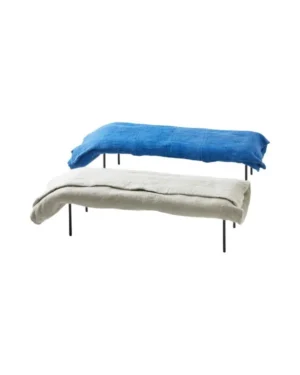
-

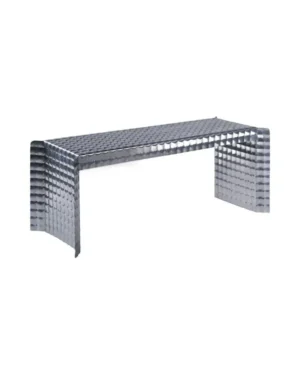
Tube Bench
By Deon Rubi
€4.000 -
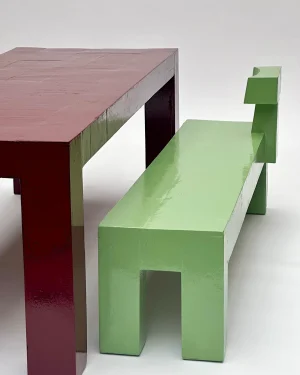
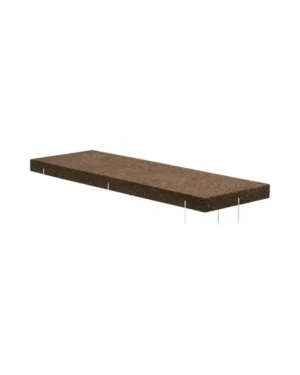
Practice Bench – Upcycled Wood
By Studio Fabius Clovis
€3.300 -
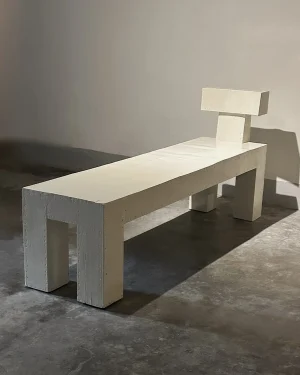
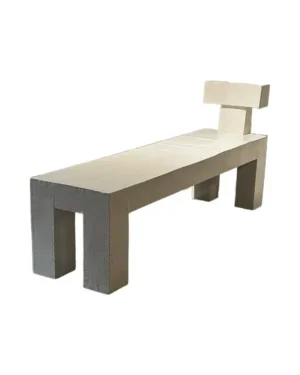
Practice Chaise Lounge
By Studio Fabius Clovis
€2.728 -
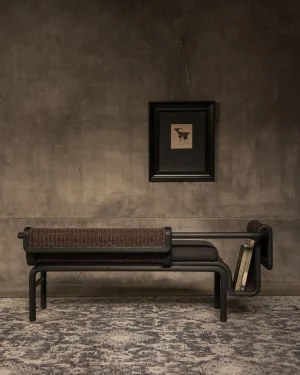
Rahi Gallery Bench
By Project 810
€1.800 This product has multiple variants. The options may be chosen on the product page -
 In stock
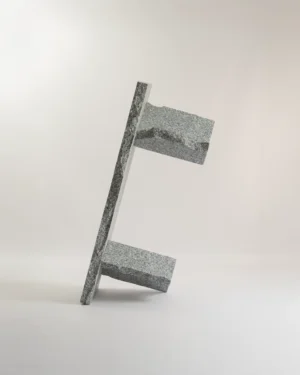
Filar Stone Bench | Re-enchantment
By małe dobra
€1.400 -

Kokeshi Bench
By Luis Gimeno Design
€10.800 -

Voron Chair
By ZEMNA
€7.400 -

Better Together Bench
By Studio Victor Hahner
€9.560 -

Knot Bench
By Studio Yann Gandon
€3.147 -
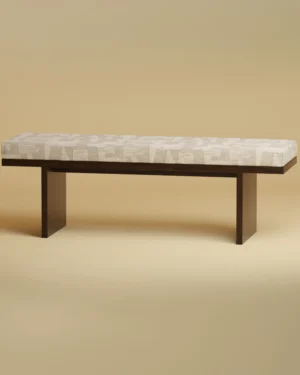
Wooden Bench – Aros Series In Smoked Oak
By Lebanto
€4.200 -

A_forma Bench
By AROUND
€500 -

Onmyōdō Wenge Slatted Wood Bench
By Brett Paulin
€2.703 -
 In stock
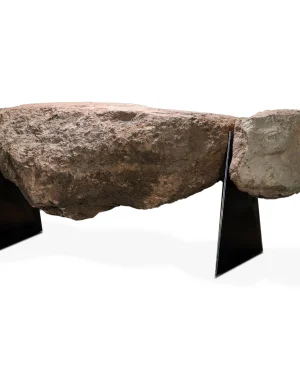
Fortezza – Sculptural Stone And Iron Functional Art Bench By William Stuart
By Costantini Design
€16.570 -
 In stock
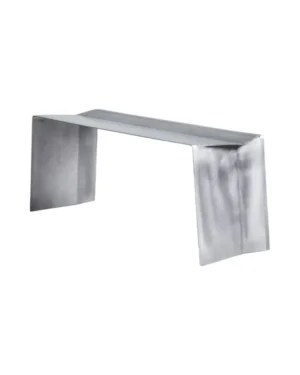
Bench With A Silver Lining
By Spero Furniture
€2.200 -
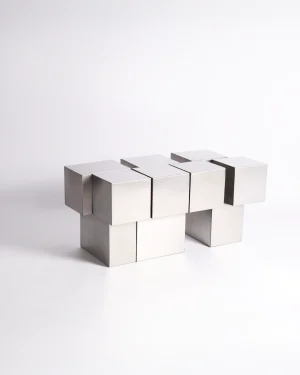
Nexus 67 – Stainless Steel Bench
By Drusch Design
€5.000 -

Cowgirl Metal Contemporary Bench
By Toro Manifesto
€4.500 -
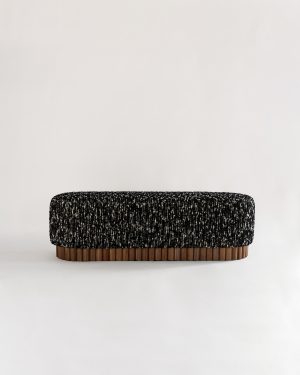
Ensamble Bench
By Peca Mobiliario
€5.293 - €5.578 This product has multiple variants. The options may be chosen on the product page -
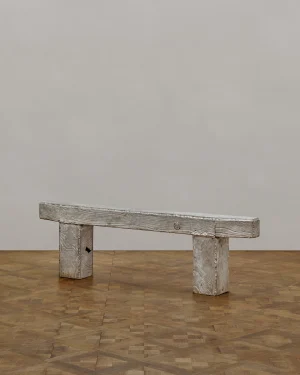 In stock
Aluminum Veneer Bench
By Bureau.parso
€3.800 -
 In stock
Marbelicious – Curved Green Marble Bench
By Millim Studio
€6.250 -
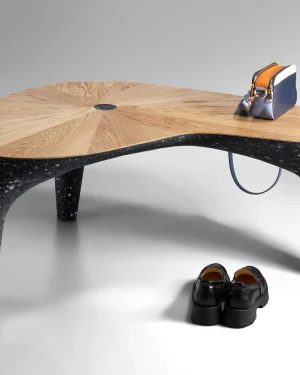
Solid Black Stone & Oak Bench – Ma Series In Cast Stone By Donatas Zukauskas
By Donatas Žukauskas
€4.100 -
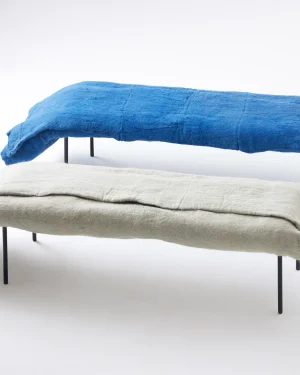
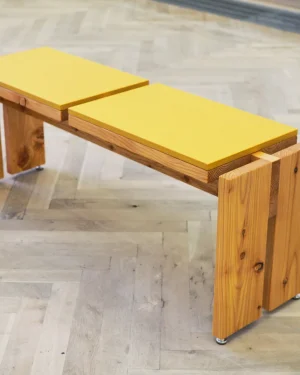
Carpet Bench – Felt / Steel
By Around the Studio
€1.700 This product has multiple variants. The options may be chosen on the product page -
 In stock
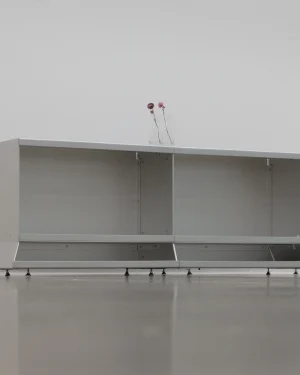
Kado Bench
By Benjamin Nordsmark
€800 This product has multiple variants. The options may be chosen on the product page -
 In stock
Aluminum Bench With Storage
By andykim.global
€2.217 -

Voron Bench
By ZEMNA
€6.540 -

Threshold Bench
By Theodóra Alfreðsdóttir
€720 -

“Chaiselongue” Bench
By VAUST Studio
€9.900 -
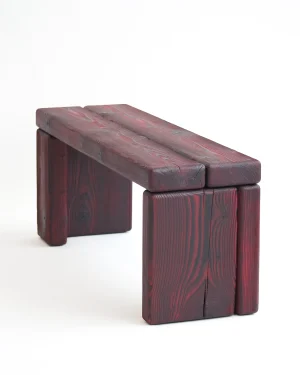
Timber – Burned Pine Bench
By Studio Onno Adriaanse
€2.440 -
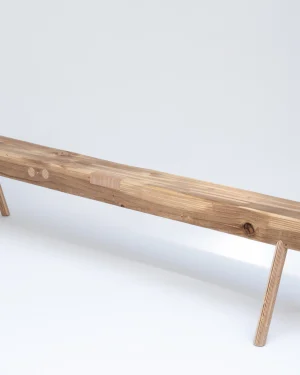
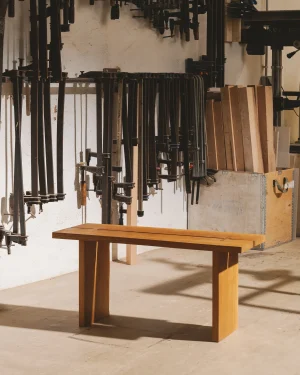
Bimschtal No 1 – Wooden Bench
By StorqueStudios
€2.160 -
 In stock
Kidake Bench
By Mike Hausmann
€2.100 -
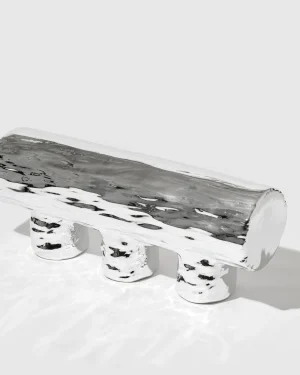
Crest And Trough Series – Chrome Bench
By Dongwook Choi
€3.400 -

Weathered Black Oak Bench
By NO AGE STUDIO
€2.300 -
![[fragment] Antique Wood And Concrete Bench](https://media.adorno.design/wp-content/uploads/2025/08/01135948/shopcasestudios.com-Bank_neu_studio-2-300x375.webp) Sold
Sold[fragment] Antique Wood And Concrete Bench
By case studios
€1.960 -
 In stock
Hostile Slidable Bench
By 304.cage
Price Upon Request
Contemporary benches on ADORNO are built by studios working across oak, ash, walnut, steel, lacquer and plywood, favoring clean lines, exposed joinery and finishes that let the material speak rather than disguise it. What separates these pieces from older bench traditions is restraint: a seat reduced to its working parts, a profile that reads as a single gesture rather than a stack of turned legs and stretchers. The result sits as comfortably in a hallway as it does at the foot of a bed or along a dining table.
What makes a bench contemporary
A contemporary bench strips the form down to what holds weight and what the body touches. Legs are often splayed steel bars, solid wood blocks, or cantilevered plywood rather than carved supports, and the top is left wide enough to read as a plane. Joinery is visible by design: welded seams, dowel pins, or a lacquer edge left slightly proud, so the method of making becomes part of the look.
Finish does most of the talking. A waxed oak surface, a charred ash top from shou sugi ban, or a lacquered steel frame in beige, off-white, black or dusty pink all carry the same contemporary logic: one material, one color story, no ornament added after the fact. Studios working in wood and cabinetmaking, metalwork, CNC milling or hand painting each arrive at this pared-back result through different tools, which is why two contemporary benches can look nothing alike and still belong to the same idea.
The range of materials, finishes and editions
Solid oak and ash dominate the wood side, chosen for their straight grain and resistance to warping under daily sitting and standing. Walnut appears where a darker, warmer tone is wanted, and plywood shows up in studios working toward lighter, more sustainable constructions that use less timber per piece. Steel and lacquer cover the other end of the range, giving benches a harder edge and a wider color palette, from gray and brown through to light green and dusty pink.
Techniques vary the same way. Wood carving and cabinetmaking produce joined, solid forms; metalwork and CNC milling produce precise, repeatable ones; felting and textilework occasionally soften a bench seat without changing its contemporary line. Editions range from open runs, made to a consistent specification, to limited editions and unique pieces where a charred finish or a hand-painted surface makes no two benches identical.
Choosing a bench for scale, height and placement
Start with seat height: most contemporary benches sit close to standard chair height, around 45 to 48 centimeters, so they can be pulled up to a table without looking out of proportion. Length matters more than depth: a bench that is too long for its wall or too short for its table disrupts the room's rhythm.
- For an entryway, a narrow bench in steel or lacquered wood takes boots and bags without demanding floor space.
- For a dining table, match the bench's material and tone to the table rather than the chairs, so the two read as a pair.
- For a bedroom, a slightly lower, upholstered or felted top softens the room at the foot of the bed.
Finish should answer the floor and walls already in the room: a pale oak or off-white lacquer lightens a dark room, while walnut or black steel grounds a bright one. Studios working across wooden benches and those working in metal, found among the metal benches, tend to suit different rooms for exactly this reason.
Care by material
Oiled or waxed oak and ash benches need periodic reoiling to keep the surface from drying out and graying under daily use. Lacquered and painted finishes resist staining but show scratches more readily, so they are better suited to lower-traffic rooms. Steel frames need only an occasional wipe, though powder-coated or painted steel should avoid abrasive cleaners that cut through the finish.
Across materials, contemporary benches hold up best away from direct sun, which fades lacquer and dries out wood unevenly over time. For the wider range of contemporary seating, lighting and objects built on the same principles, see every contemporary piece on ADORNO, or move between rooms through the full set of benches and contemporary furniture on the site.
How do I choose a contemporary bench?
Start with the room and how the bench will be used, as a seat, a surface, or a visual anchor. Let material and proportion follow: solid wood and steel suit heavier use, lacquer and plywood suit lighter, decorative roles.
What materials are contemporary benches made from and how do I care for them?
Most are oak, ash, walnut, steel, lacquer, or plywood. Wipe wood with a dry cloth and oil it occasionally, keep steel away from moisture, and clean lacquer with a soft, damp cloth only.
What size and height should a bench be?
Standard seat height runs close to that of a dining chair, around 45 to 47 centimeters, though contemporary benches vary in length and depth depending on the room they are meant for.
Which rooms suit a contemporary bench?
Entryways, dining tables, bedrooms, and living rooms all work, since a bench adds seating without the visual weight of a chair and can double as display surface or storage.
Does ADORNO ship benches worldwide and can I return one?
Shipping is insured and worldwide. Pieces can be returned within 14 days, except those made to order, and each arrives with a certificate of authenticity.
Can I order a contemporary bench in a custom size or finish?
Some studios take custom requests on dimensions or finish. Chat with the maker on the piece's page to confirm what is possible before ordering.