-

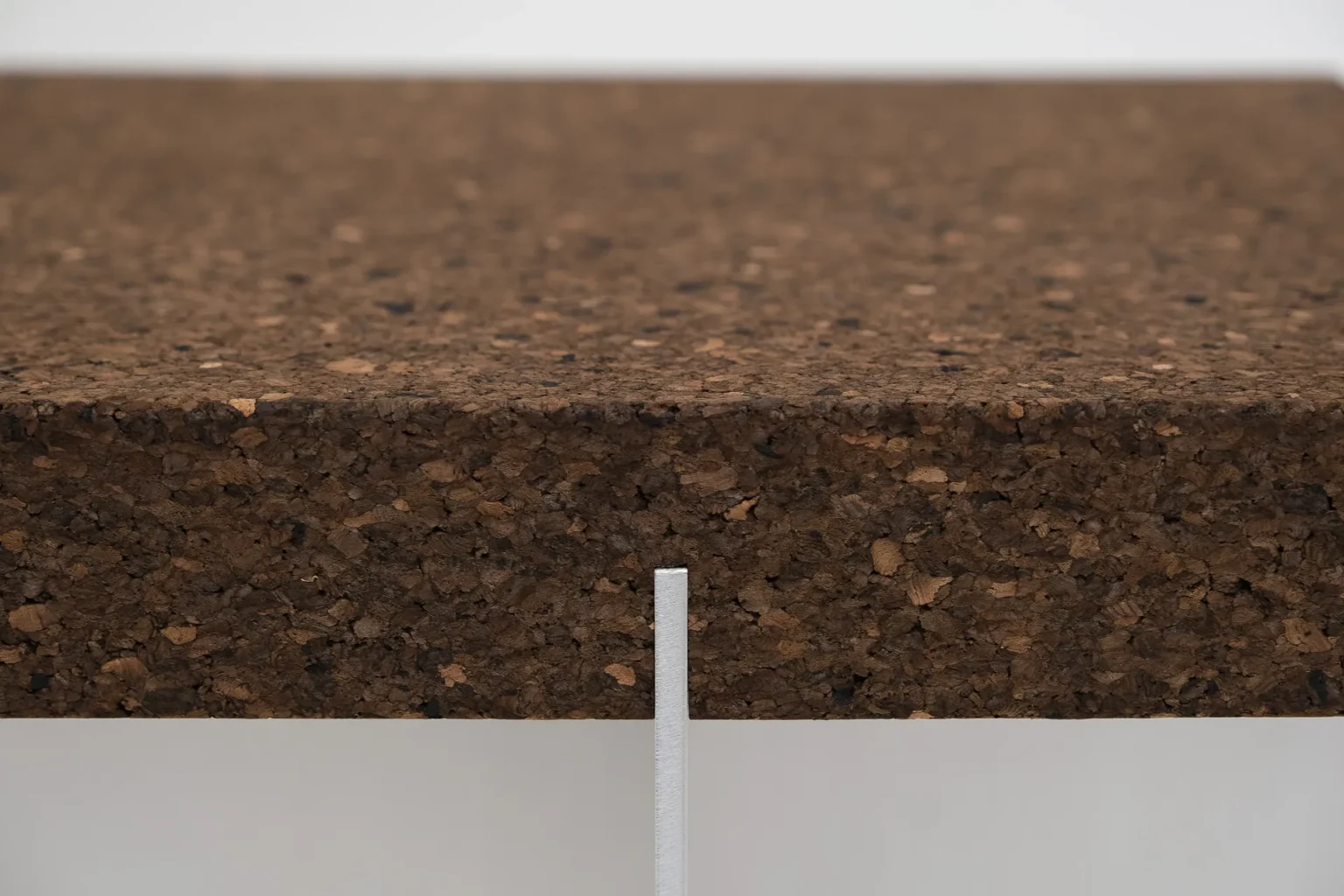
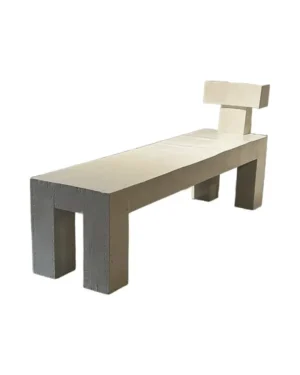
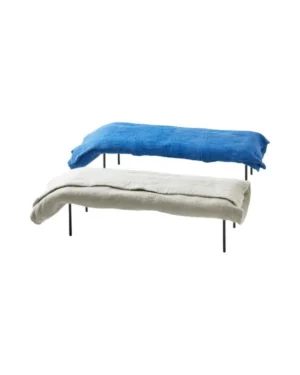
Cork X | Bench 01 – Cork / Metal Bench
By Robert Megel
€1.499 -
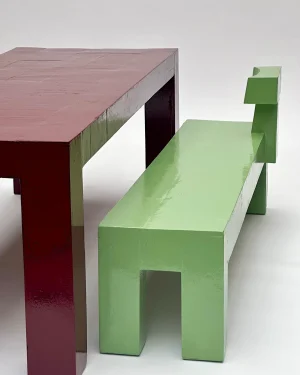
Practice Bench – Upcycled Wood
By Studio Fabius Clovis
€3.300 -
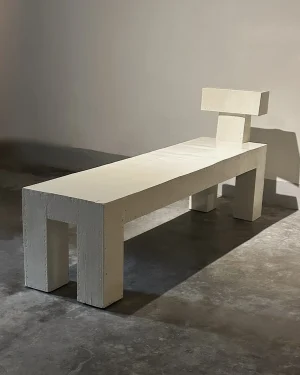
Practice Chaise Lounge
By Studio Fabius Clovis
€2.728 -
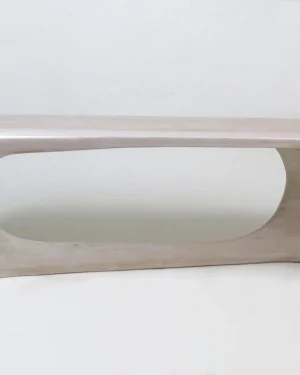
N2v – Cherry Wood Bench
By Aaron Scott
€5.400 -
 In stock
Confined Crafts – Bench
By Tellurico Design Studio
€3.500 -

SONIAH Bench
By FAINA
€7.830 This product has multiple variants. The options may be chosen on the product page -

Tudo – Hallway Bench With Coat Rack & Mirror
By atelier PASSARELLI
€2.435 This product has multiple variants. The options may be chosen on the product page -
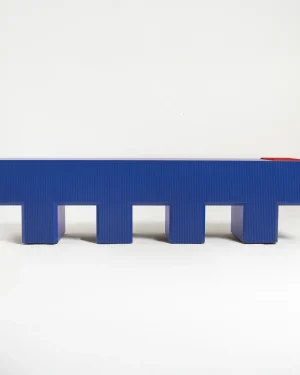
Lego Bench With Storage Slot
By Yet Design Studio
€2.990 This product has multiple variants. The options may be chosen on the product page -
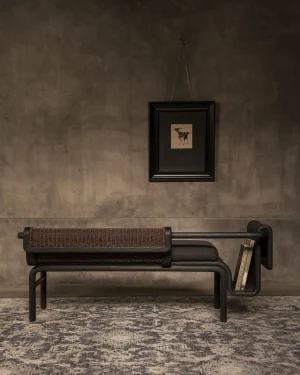
Rahi Gallery Bench
By Project 810
€1.800 This product has multiple variants. The options may be chosen on the product page -
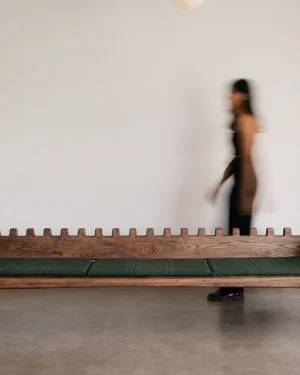
Takhat Bench
By Shivangi Vasudeva
€6.400 -

Voron Chair
By ZEMNA
€7.400 -

Birah Bench
By Shivangi Vasudeva
€3.250 -

Knot Bench
By Studio Yann Gandon
€3.147 -

Kokeshi Bench
By Luis Gimeno Design
€9.900 -
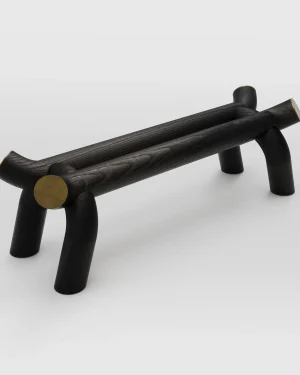
Torii Bench
By Ultramar Studio
€4.200 This product has multiple variants. The options may be chosen on the product page -
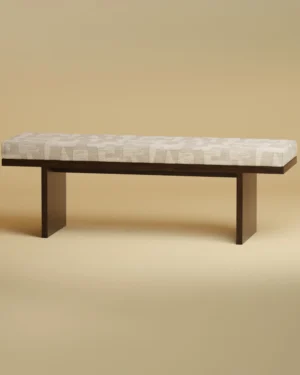
Wooden Bench – Aros Series In Smoked Oak
By Lebanto
€4.200 -
 In stock
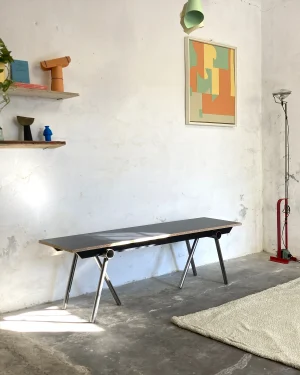
“tube” Bench – Iron/plywood Chipboard
By matteo giustozzi
€1.800 -

2-bloom Bench
By Luke Crouch Studio
€4.090 -

A_forma Bench
By AROUND
€500 -
 In stock
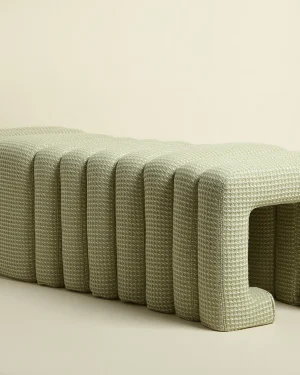
Meta Bench – Modular Upholstery Bench
By Jaclyn Pappalardo
€4.450 -

Weathered Black Oak Bench
By NO AGE STUDIO
€2.300 -

Onmyōdō Wenge Slatted Wood Bench
By Brett Paulin
€2.703 -
 In stock
Better Together Bench
By Studio Victor Hahner
€9.560 -
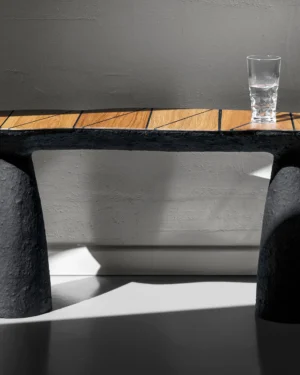 In stock
Sculptural Oak Bench – Brutalist And Wabi-sabi Minimalist Seating
By Donatas Žukauskas
€960 -
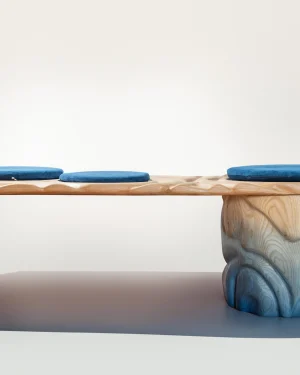 In stock
Blueprint – Ash Wood Bench
By Studio Kloak
€5.000 -

Voron Bench
By ZEMNA
€6.540 -

Knot – Bench – Solid Ash Wood
By Luis Gimeno Design
€1.400 -

“Chaiselongue” Bench
By VAUST Studio
€9.900 -
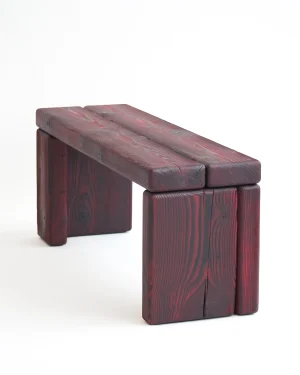
Timber – Burned Pine Bench
By Studio Onno Adriaanse
€2.440 -
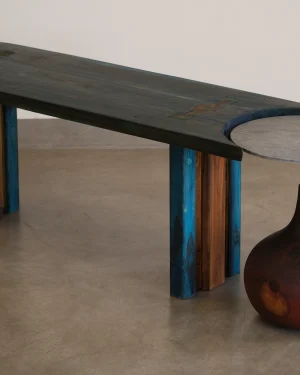
Blue Teak Bench
By Spero Furniture
€2.296 -
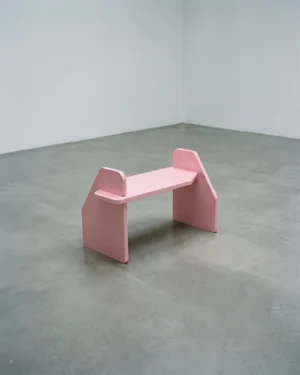 In stock
Le Banc — La Planche Collection
By Olive®
€725 -
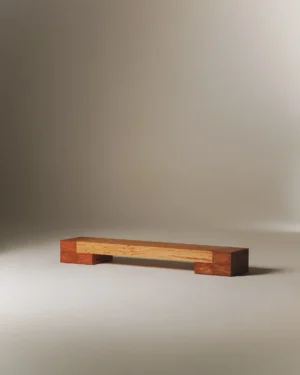 In stock
Frida Bench
By Mike Hausmann
€3.500 -
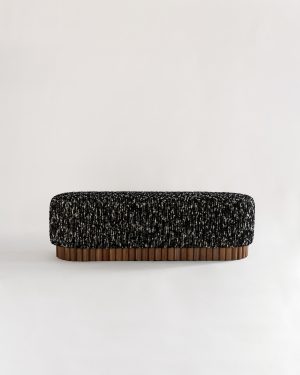
Ensamble Bench
By Peca Mobiliario
€5.293 - €5.578 This product has multiple variants. The options may be chosen on the product page -
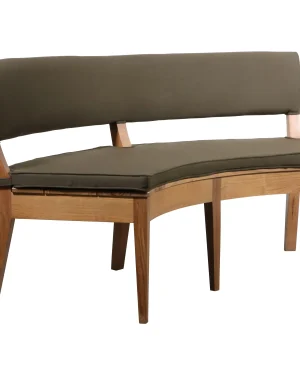 In stock
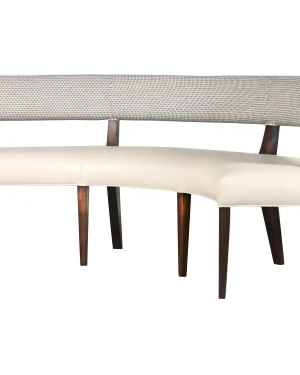
Bruno – Outdoor Booth Seating In Argentine Rosewood
By Costantini Design
€12.964 -
 In stock
Bruno – Modern Exotic Wood Booth Seating
By Costantini Design
€14.276 -

The Buff – Bench
By CHANDLER MCLELLAN
€6.159 -
 In stock
Bench With A Silver Lining
By Spero Furniture
€2.200 -

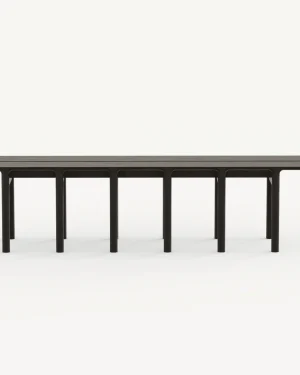
Threshold Bench
By Theodóra Alfreðsdóttir
€720 -
 In stock
Cronos Bench
By Sebastián Ángeles
€6.615 -

K Y R A | Bench
By N I S H
€4.500 -
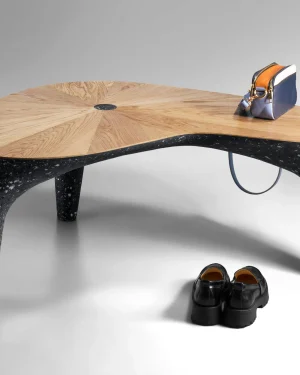
Solid Black Stone & Oak Bench – Ma Series In Cast Stone By Donatas Zukauskas
By Donatas Žukauskas
€4.100 -
 In stock
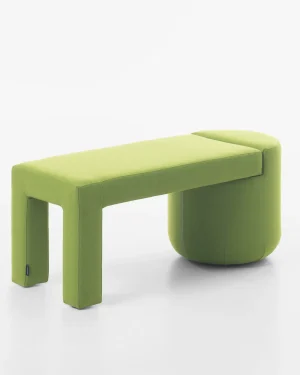
Fossil Bench
By oitoproducts
€1.628 -
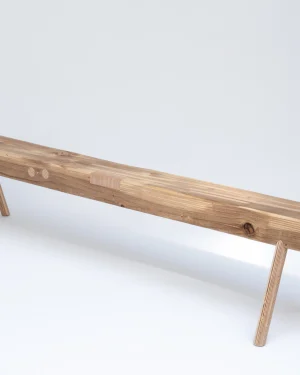
Bimschtal No 1 – Wooden Bench
By StorqueStudios
€2.160 -
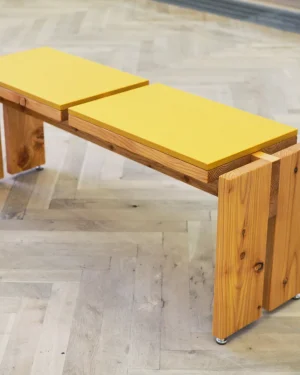 In stock
Kado Bench
By Benjamin Nordsmark
€800 This product has multiple variants. The options may be chosen on the product page -
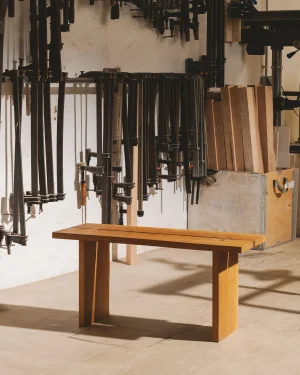 In stock
Kidake Bench
By Mike Hausmann
€2.150 -
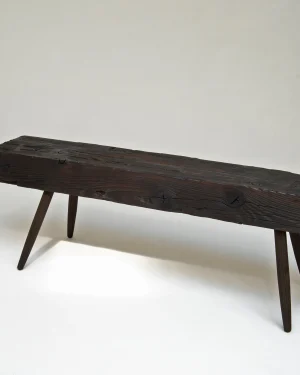 In stock
Bimschtal No 2 – Wooden Bench
By StorqueStudios
€1.457 -
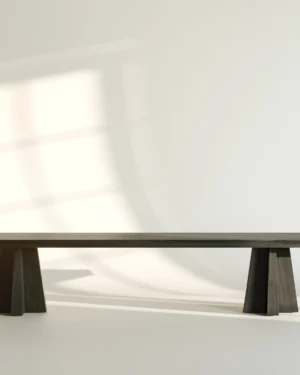
Bench In Oak And Stained Ash
By Joana Vilaça Studio
€3.400 -
 In stock
Uniform Bench
By Flensted Mouritzen
€6.000 -

Reeligio – Wooden Banch
By StorqueStudios
€8.665 -
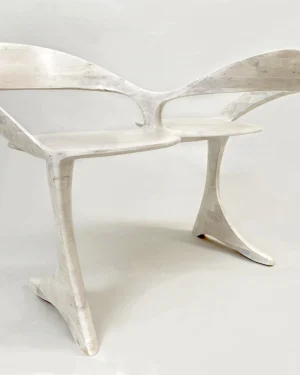
N2 – Cherry Wood Loveseat
By Aaron Scott
€8.400 -
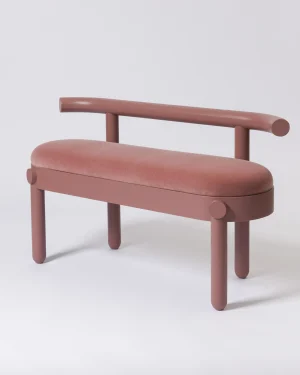
Mt Curve Bench In Ash Hardwood And Mohair Velvet
By bnf studio
€4.800 -
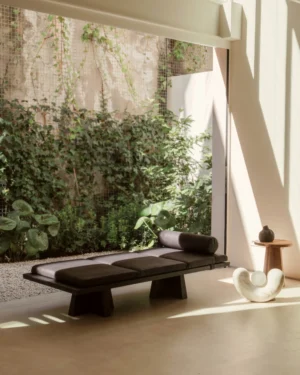
Contemporary Daybed
By Joana Vilaça Studio
€5.500 - €6.900 This product has multiple variants. The options may be chosen on the product page -
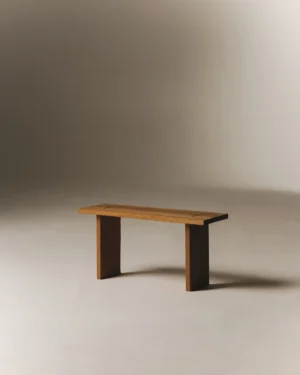 In stock
Kidake Bench
By Mike Hausmann
€2.150 -
 Sold
[fragment] Antique Wood And Concrete Bench
By case studios
€1.960
Wooden benches bring the grain, weight and warmth of a single material into a room, built by studios working in solid oak, ash, walnut and plywood, using joinery, carving and cabinetmaking that favors the wood's own structure over hidden fixings. Some are left raw or oiled to show the timber's natural tone, others are charred, lacquered or hand painted in black, beige or charcoal. Each bench reads as one continuous form rather than a stack of parts, which is part of why the material has stayed central to bench design for centuries.
What defines a wooden bench
Solid oak and ash bring visible grain and real heft, aging to a deeper, warmer tone over years of light and handling. Walnut darkens further and takes an oiled finish well, which is why many studios leave it unfinished or near-raw. Plywood benches, built from laminated layers and often CNC milled, trade mass for precision, giving sharper edges and lighter forms than solid timber allows.
Joinery and cabinetmaking hold these pieces together without hardware showing through, while carving and techniques such as shou sugi ban charring add texture or a protective, blackened surface. Lacquering and hand painting sit on top of the wood rather than inside it, closing the grain and giving a flat, even color in shades like dusty pink or off-white.
The range of finishes and editions
Across wood pieces on ADORNO, the same bench shape turns up in oak, ash, solid walnut or plywood, left natural, charred, lacquered or hand painted in black, brown, light green or silver. Some studios work in open editions, repeating a form as needed; others limit a run or make a single unique bench, shaped and finished by hand rather than by a production line. The finish and the edition together set how a bench ages and how it fits into a room built around repetition or around one-off objects.
How to choose a wooden bench
Scale and height decide how a bench is used as much as its material does. A low bench, close to coffee-table height, reads as an occasional surface or footrest; a taller one, closer to standard seat height, works as everyday seating at a table or in an entryway. Finish matters too: raw or oiled wood shows every mark and welcomes patina, while lacquer or paint stays even and is easier to wipe clean.
- Measure the run of wall or table edge the bench needs to sit against or under.
- Match the wood tone to existing furniture, or let a charred or lacquered finish contrast deliberately.
- Choose a heavier solid-wood form for a fixed spot, a lighter plywood piece for a room that gets rearranged.
Where wooden benches work
In an entryway, a bench carries weight at the door, holding shoes, bags or a moment to sit while dressing. At the foot of a bed or along a dining table, the same wooden benches add seating without the bulk of chairs, and in a living room a low bench doubles as a surface for books or trays. The material reads equally at home among wooden seating, wooden tables or pared-back minimalist benches, since timber tones share easily across pieces.
Caring for a wooden bench
Solid wood expands and contracts slightly with humidity, so keep benches away from direct heat sources and out of damp spells near doors or windows. Oiled or raw surfaces benefit from an occasional reapplication of oil to resist drying and cracking, while lacquered or painted benches need only a damp cloth, since the finish already seals the grain. Charred wood should be dusted rather than scrubbed, to keep its blackened surface intact.
How do I choose a wooden bench?
Consider where it will sit and how much weight it needs to carry. Oak and walnut suit daily use and high traffic, while lighter woods work well for occasional seating or display.
How do I care for a wooden bench?
Dust regularly and wipe spills promptly to prevent staining. Keep the piece away from direct heat and humidity swings, which cause wood to expand, contract and crack over time.
What height should a wooden bench be?
Most wooden benches sit between 17 and 19 inches, matching standard chair height for dining and entryway use. Lower benches suit shoe removal or bedroom use.
Which rooms suit a wooden bench?
Wooden benches anchor entryways, dining areas, and bedrooms equally well. Their warmth and solidity also make them a practical seat at the foot of a bed or along a hallway.
What is ADORNO's shipping and return policy?
Shipping is insured and worldwide. Returns are accepted within 14 days, except for made-to-order pieces, and every piece arrives with a certificate of authenticity.
Can I order a custom wooden bench?
Customization depends on the individual maker. Chat with the maker on the piece's page to confirm options for wood type, finish, or dimensions.