-
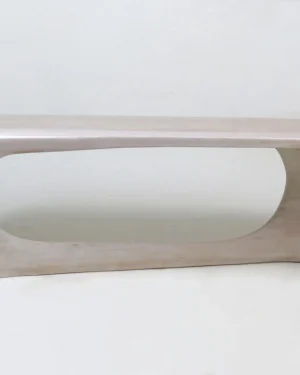
N2v – Cherry Wood Bench
By Aaron Scott
€5.400 -
 In stock
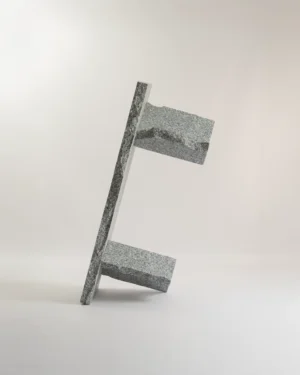
Filar Stone Bench | Re-enchantment
By małe dobra
€1.400 -

Kokeshi Bench
By Luis Gimeno Design
€10.800 -
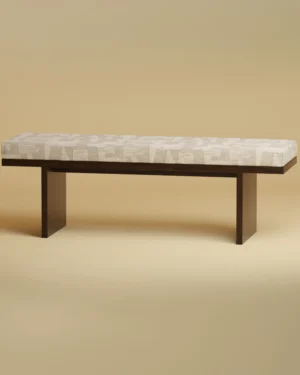
Wooden Bench – Aros Series In Smoked Oak
By Lebanto
€4.200 -

Onmyōdō Wenge Slatted Wood Bench
By Brett Paulin
€2.703 -
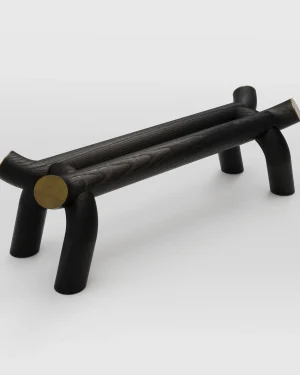
Torii Bench
By Ultramar Studio
€4.200 This product has multiple variants. The options may be chosen on the product page -
 In stock
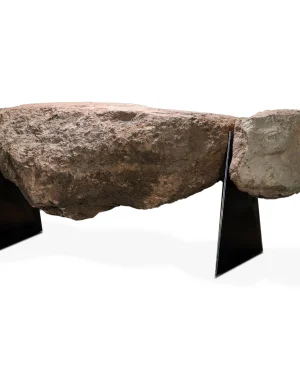
Fortezza – Sculptural Stone And Iron Functional Art Bench By William Stuart
By Costantini Design
€16.570 -
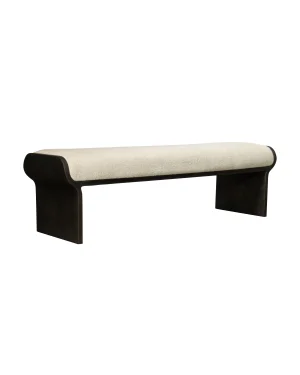
Elia – Sculptural Modern Oil Rubbed Bronze & Fabric Bench
By Costantini Design
€8.980 -
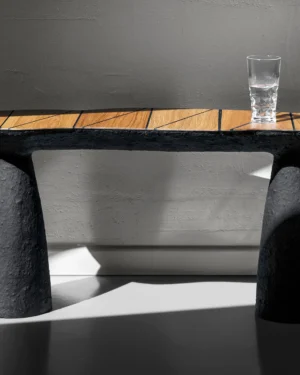
Sculptural Oak Bench – Brutalist And Wabi-sabi Minimalist Seating
By Donatas Žukauskas
€960 -
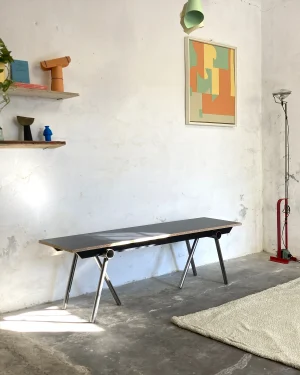 In stock
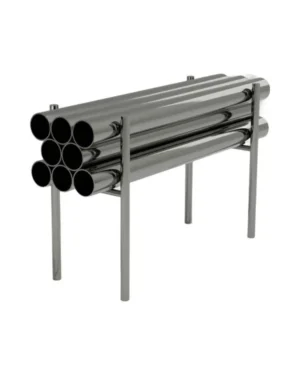
“tube” Bench – Iron/plywood Chipboard
By matteo giustozzi
€1.800 -
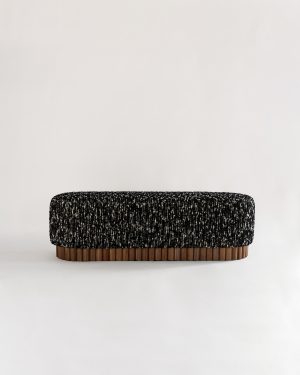
Ensamble Bench
By Peca Mobiliario
€5.293 - €5.578 This product has multiple variants. The options may be chosen on the product page -
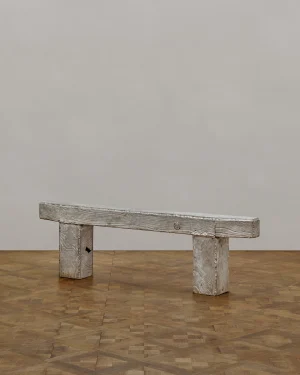 In stock
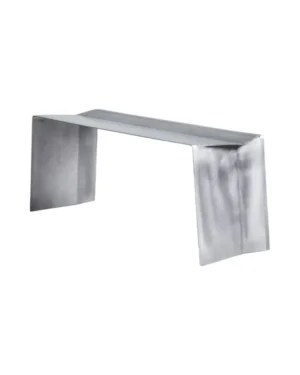
Aluminum Veneer Bench
By Bureau.parso
€3.800 -
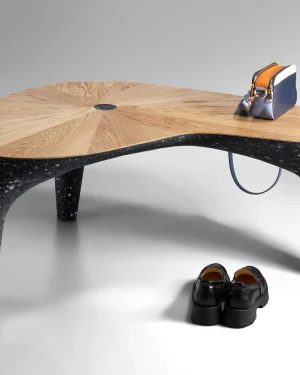
Solid Black Stone & Oak Bench – Ma Series In Cast Stone By Donatas Zukauskas
By Donatas Žukauskas
€4.100 -
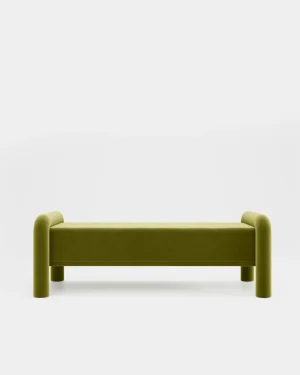
Prowling Bench
By FURN OBJECT
€2.890 This product has multiple variants. The options may be chosen on the product page -
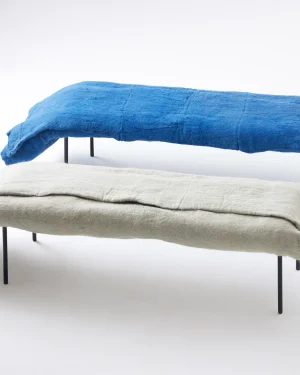
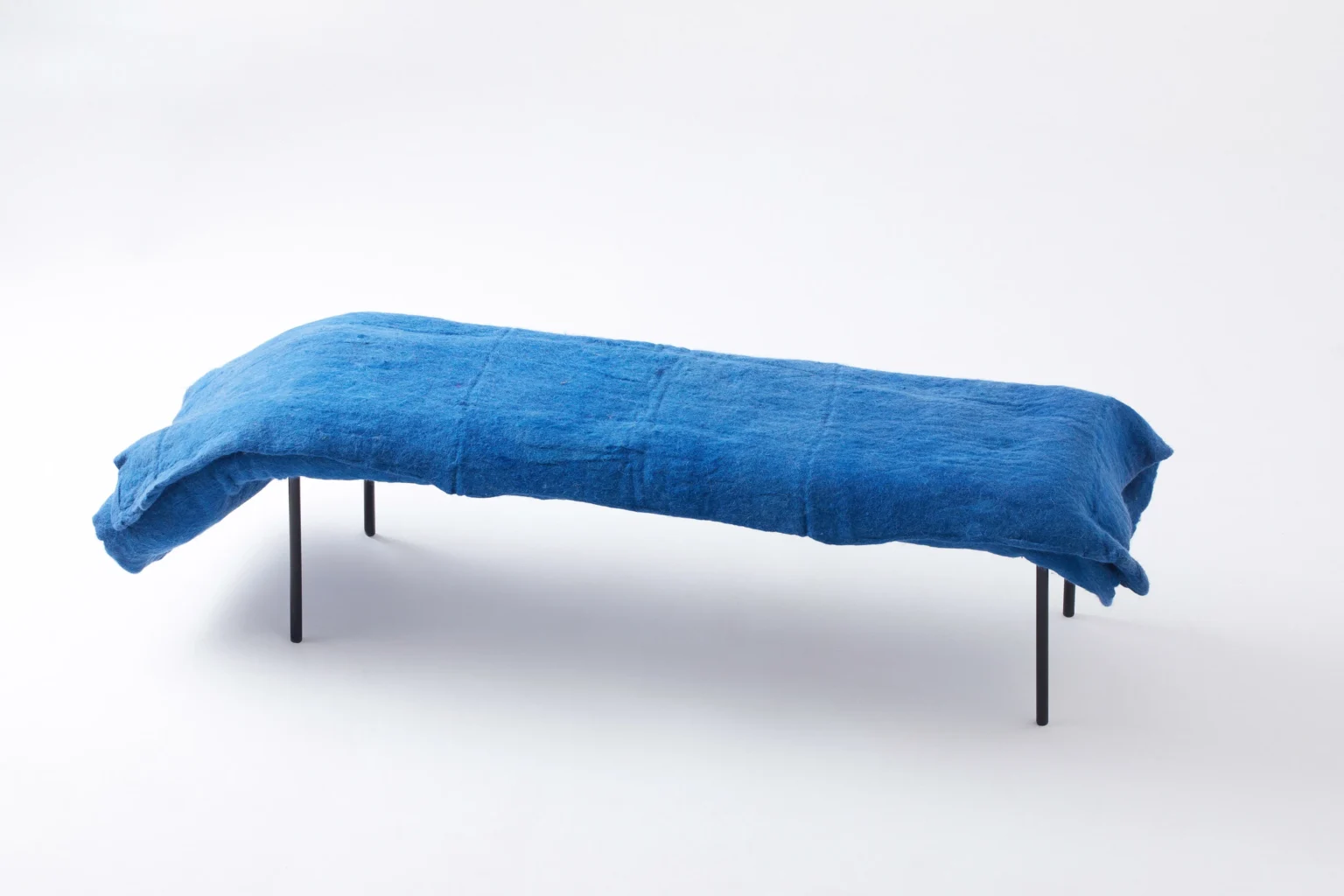
Carpet Bench – Felt / Steel
By Around the Studio
€1.700 This product has multiple variants. The options may be chosen on the product page -
 In stock
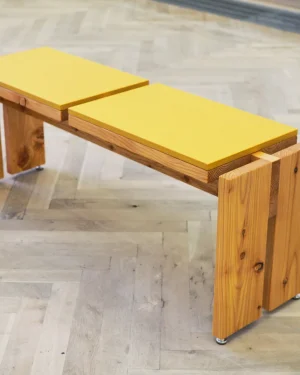
Kado Bench
By Benjamin Nordsmark
€800 This product has multiple variants. The options may be chosen on the product page -

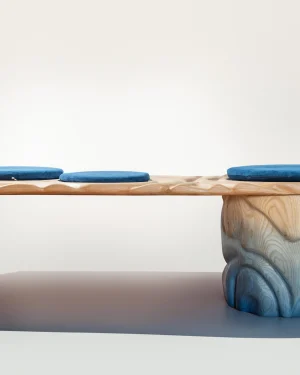
Threshold Bench
By Theodóra Alfreðsdóttir
€720 -
 In stock
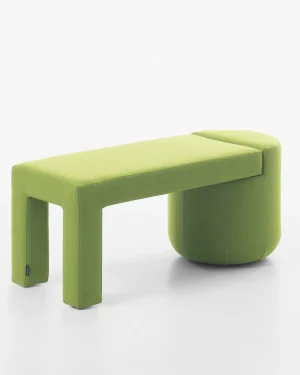
Blueprint – Ash Wood Bench
By Studio Kloak
€5.000 -
 In stock
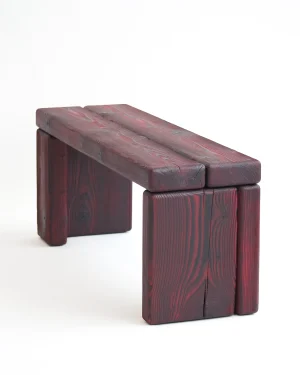
Fossil Bench
By oitoproducts
€1.628 -
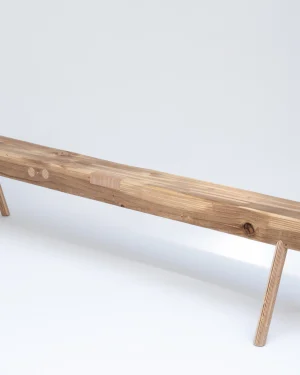
Timber – Burned Pine Bench
By Studio Onno Adriaanse
€2.440 -
Bimschtal No 1 – Wooden Bench
By StorqueStudios
€2.160 -
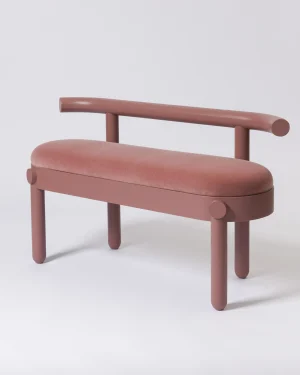
Mt Curve Bench In Ash Hardwood And Mohair Velvet
By bnf studio
€4.800 -
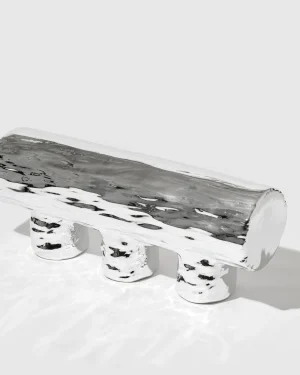
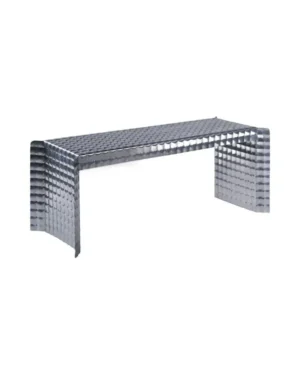
Crest And Trough Series – Chrome Bench
By Dongwook Choi
€3.400 -

Weathered Black Oak Bench
By NO AGE STUDIO
€2.300 -

Rian Cantilever Long Bench
By Semigood Design
€3.851 - €4.180 This product has multiple variants. The options may be chosen on the product page -
 Sold
SoldRian Cantilever Bench, Walnut With Black Danish Cord
By Semigood Design
€3.003
Entryway benches mark the first seat a home offers, a place to pause while pulling on boots, setting down bags or waiting for a door to open. On ADORNO the pieces gathered under this room run from solid oak and ash to welded iron and steel, with some finished in upholstered textile for a softer landing. Each is made by an independent studio working in wood and cabinetmaking, metalwork, textilework or upholstery, so the construction and the finish vary from one piece to the next.
What defines an entryway bench
An entryway bench carries weight differently than a dining bench or a window seat. It takes the full press of a body sitting down and standing up, often several times a day, so the joinery or welding underneath has to hold against that repeated stress. Many of the pieces found here favor a low, firm seat and a frame that reads as sturdy rather than delicate, since this is furniture built for coats, bags and muddy shoes as much as for sitting.
Materials and finishes
Oak and ash dominate the wooden benches, chosen for density and for how they age: both darken slightly with light and handling, and oak in particular can be charred using shou sugi ban to darken the grain and harden the surface against scuffing. Hardwood frames are sometimes paired with a textile seat pad, stitched through upholstery, for a warmer touch underfoot in stocking feet. Metal benches lean on iron or steel, left raw, blackened or painted, and tend to read as leaner and more linear than their wooden counterparts.
Color runs from black, gray and light gray through beige, brown and white, with blue and red appearing less often as accents on upholstered seats. Style ranges widely too: contemporary and minimalist pieces keep the frame visible and the silhouette spare, brutalist and neo-industrial designs expose weld lines and raw surfaces, while eclectic and romanticism-leaning pieces bring in carved or turned details. Most pieces are made to open editions, though unique, one-off benches surface from studios working more sculpturally in stone carving or wood carving.
Choosing scale, height and finish
An entryway rarely offers much floor space, so measuring the run of wall before choosing a bench matters more here than in a living room. A seat height close to a standard dining chair, roughly eighteen inches, makes sitting down to change shoes easier than a lower, lounge-height bench. Finish matters too: a matte or oiled wood surface hides scuffs better than a high gloss, and a darker iron or charred oak frame will show less than a pale upholstered seat in a high-traffic spot.
- Measure the wall length and the swing of the door before settling on a width
- Match seat height to how the bench will be used, lower for lounging, higher for quick transitions
- Choose a finish that can take daily contact with bags, shoes and wet coats
Where it sits in the home
Beyond the front hall, these benches move easily into a wider range of entryway furniture, paired with a narrow console or placed near a row of hooks. A bench with storage underneath suits a mudroom, while a slimmer wooden or metal piece works better beside an entryway table in a tighter hall. Some owners move a smaller bench into a bedroom or bay window once the entry outgrows it, which is part of why the category sits inside the broader world of benches as a whole.
Care by material
Solid oak and ash benches want an occasional wipe with a damp cloth and a yearly feed of oil or wax if left unfinished, since dry wood can crack at the joints over time. Charred wood needs little beyond dusting, as the burned surface already resists moisture and insects. Metal benches, especially those left raw, benefit from a dry cloth to prevent rust forming where damp shoes or wet umbrellas rest against the frame, while upholstered seats should be brushed and spot cleaned rather than soaked. For more pieces built to handle daily wear at the door, the full set of entryway pieces on ADORNO and the dedicated wooden benches are worth comparing alongside these entryway benches.
How do I choose the right entryway bench?
Pick a bench that matches the weight it needs to carry, a place to sit while removing shoes, a surface for keys or bags, and a profile that fits the width of the hallway without blocking doors or drawers.
What is the best material for an entryway bench?
Oak and other hardwoods resist daily scuffs and knocks and age with a deeper color over time, while metal frames stay stable under constant use; textiles on seats should be chosen with wear in mind.
How do I care for a wood or metal entryway bench?
Wipe wood with a dry or slightly damp cloth and keep it away from standing water, which can swell grain; metal benches need only occasional dusting and a dry cloth to prevent moisture spots.
What size and height should an entryway bench be?
Standard bench seats sit close to seventeen to nineteen inches off the floor, comfortable for pulling on shoes, with length and depth chosen to suit the entry without crowding the door swing.
Can an entryway bench work in other rooms too?
Yes, benches built for entryways often suit bedrooms, mudrooms, and hallways equally well, since the same qualities, sturdy construction and a compact footprint, carry over to most transitional spaces.
How does shipping, returns and authenticity work on ADORNO?
Shipping is insured and worldwide, returns are accepted within 14 days except on made-to-order pieces, each piece arrives with a certificate of authenticity, and ADORNO offers a lowest-price guarantee.