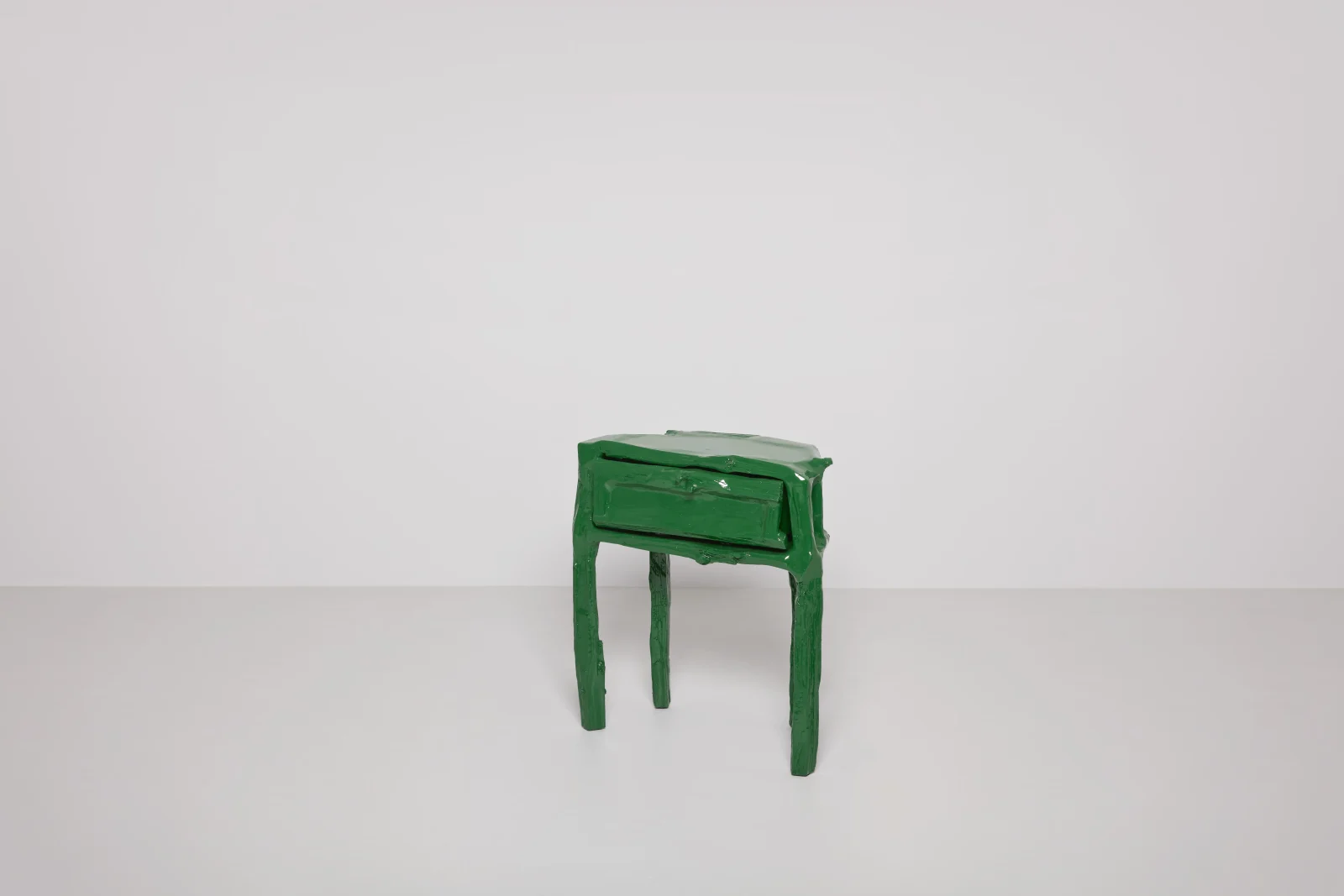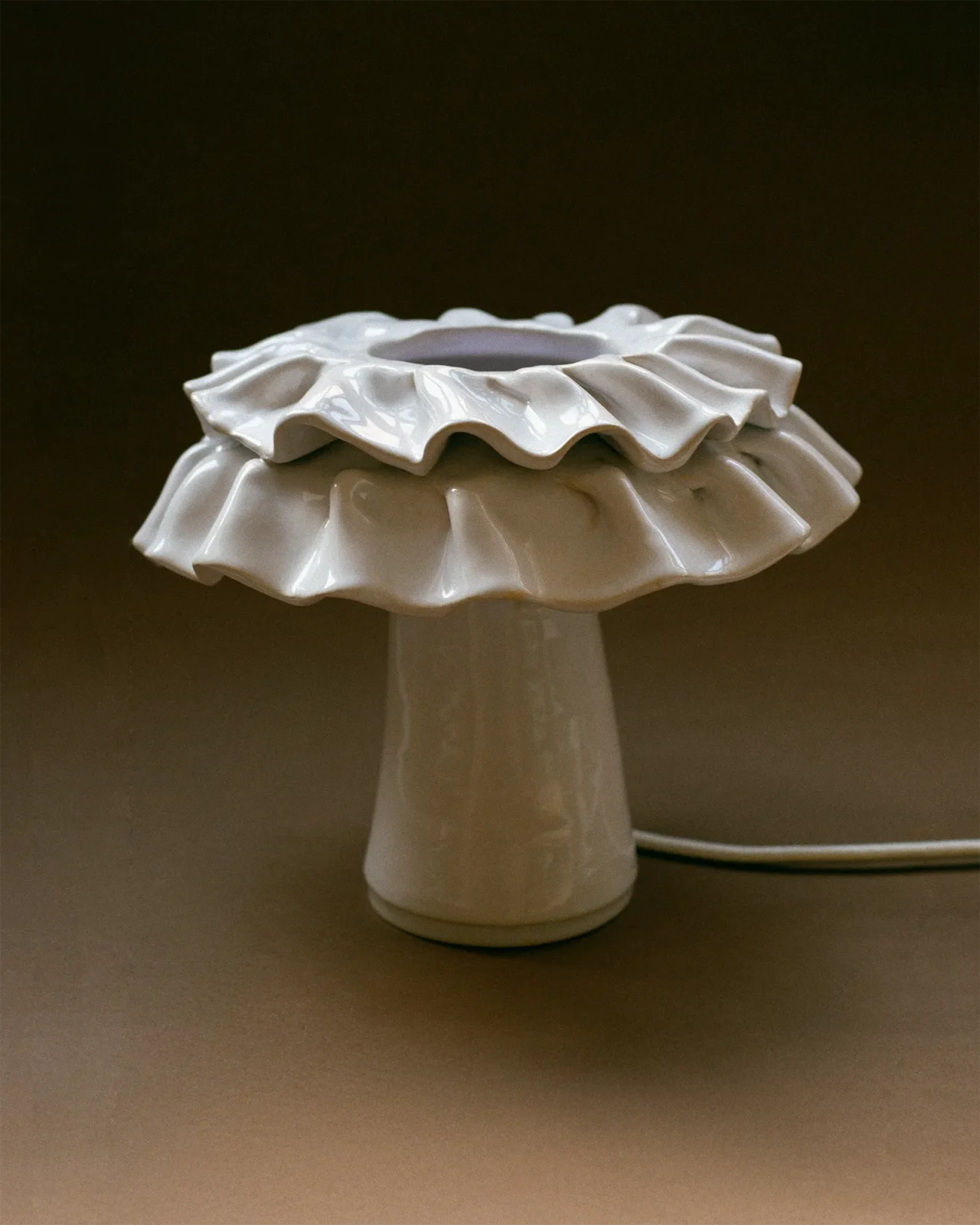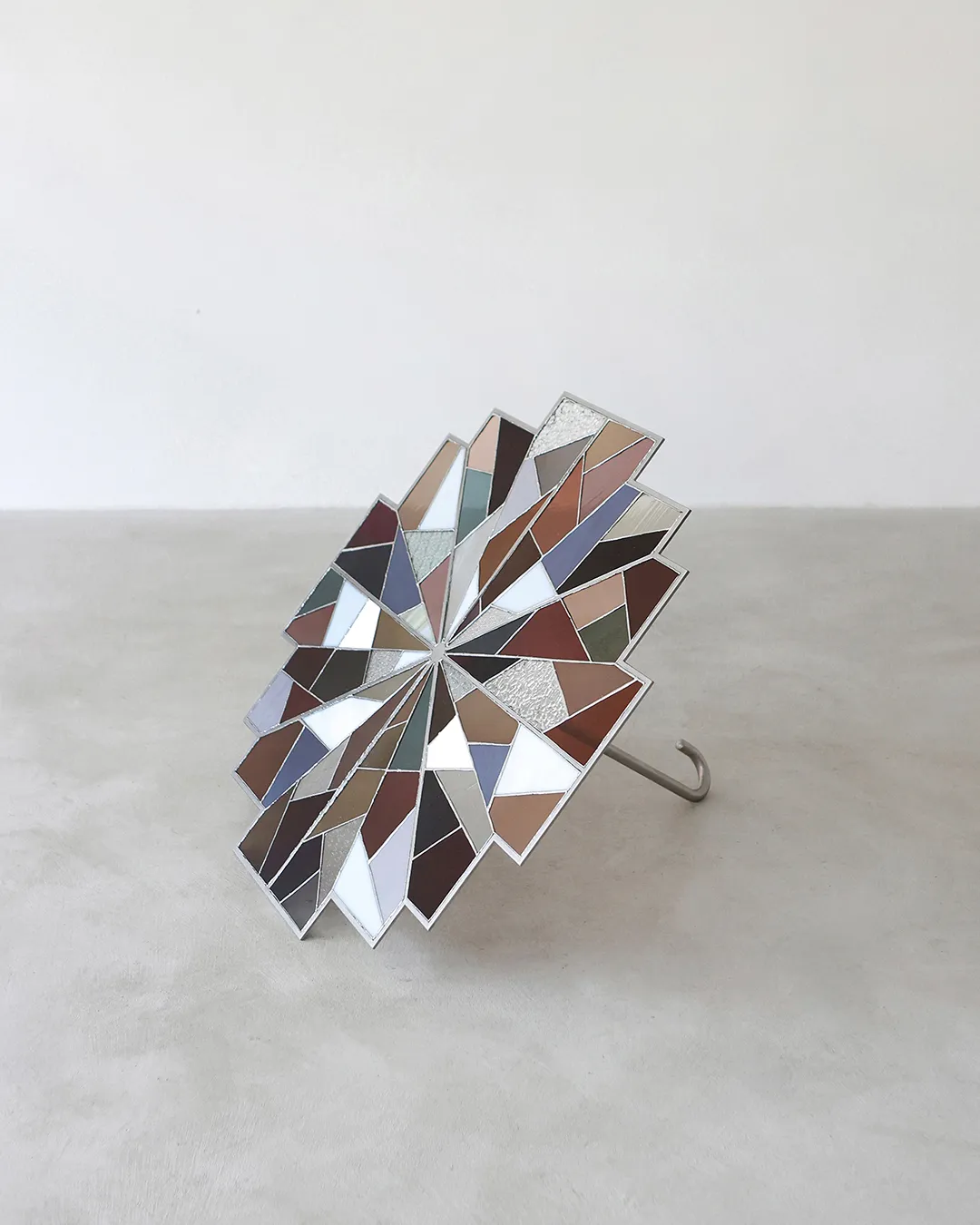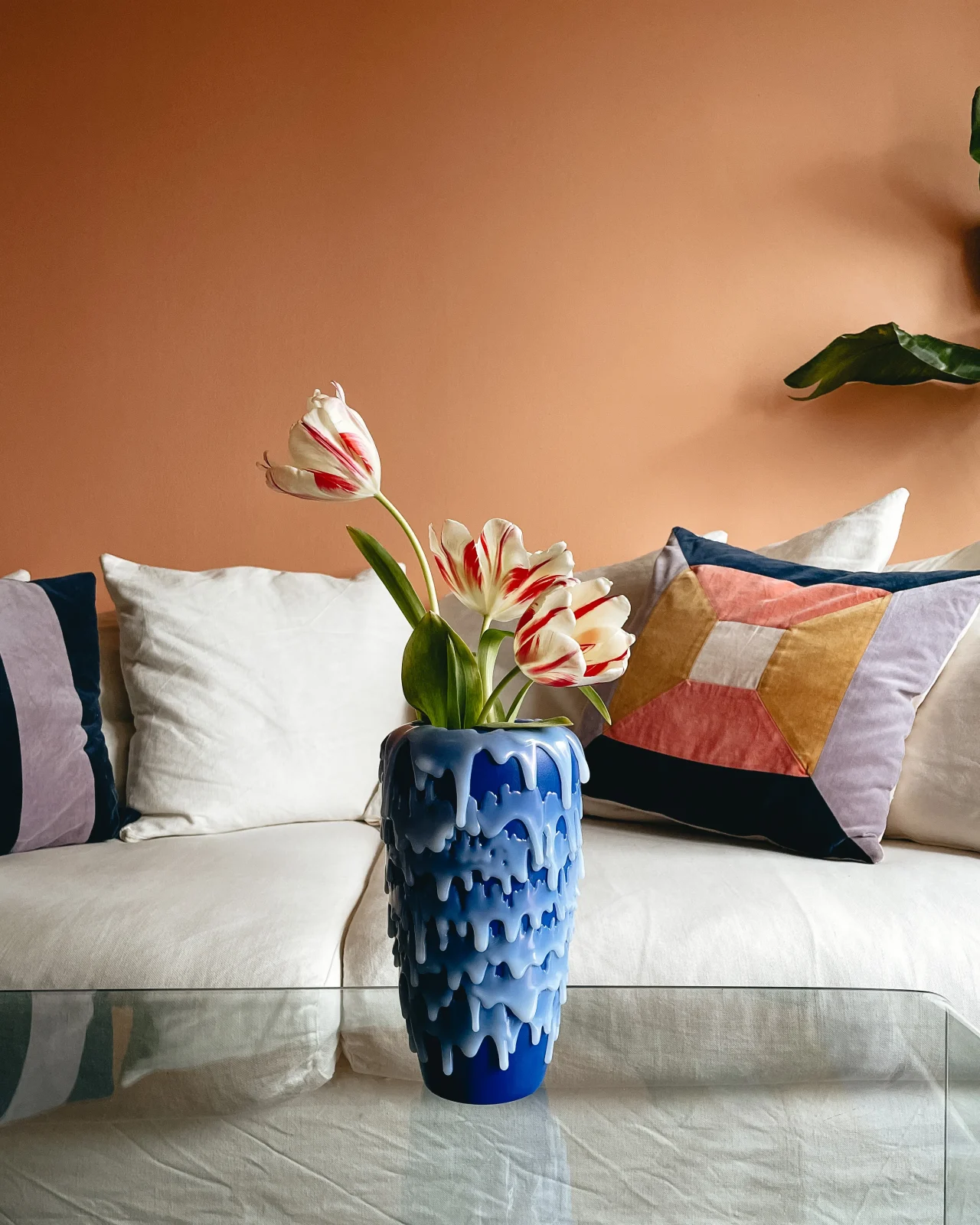
A coffee table is the only surface in a house styled to be photographed from above and used from a sofa. Those are different jobs.
Which is why so many coffee tables look good in pictures and fail in life. The arrangement that photographs beautifully from standing height is the one that has to be moved every time somebody puts down a cup, and after a week of moving it, it stops being an arrangement and becomes a pile at one end.
What follows treats the table as furniture first. The proportion of surface that has to stay clear, the four elements that cover almost every good arrangement, the height limit nobody mentions, and the single object that makes the whole thing survive daily use.
Keep half the surface clear
Start here, because every other decision depends on it. A coffee table has to hold cups, a laptop, a plate, feet, a board game — and if the decoration occupies the whole top, all of that lands on top of the decoration or gets set on the floor.
Occupy no more than half to two-thirds of the surface. On a 48 by 24 inch (120 x 60 cm) table, that means an arrangement filling roughly a 24 by 18 inch (60 x 45 cm) footprint and genuinely clear table around it. Push the group to one end or the center and leave the rest open.
Two measurements for the table itself, since the styling only works if the piece is right. The top should sit 16 to 18 inches (40–45 cm) high, level with or an inch or two below the sofa seat, and the table should run roughly two-thirds the length of the sofa with 14 to 18 inches (35–45 cm) between them. Our coffee table selection covers choosing the piece itself.
The four elements
Almost every coffee table that looks composed is built from the same four things, in varying proportions. Learn the set and you can arrange any table in two minutes.
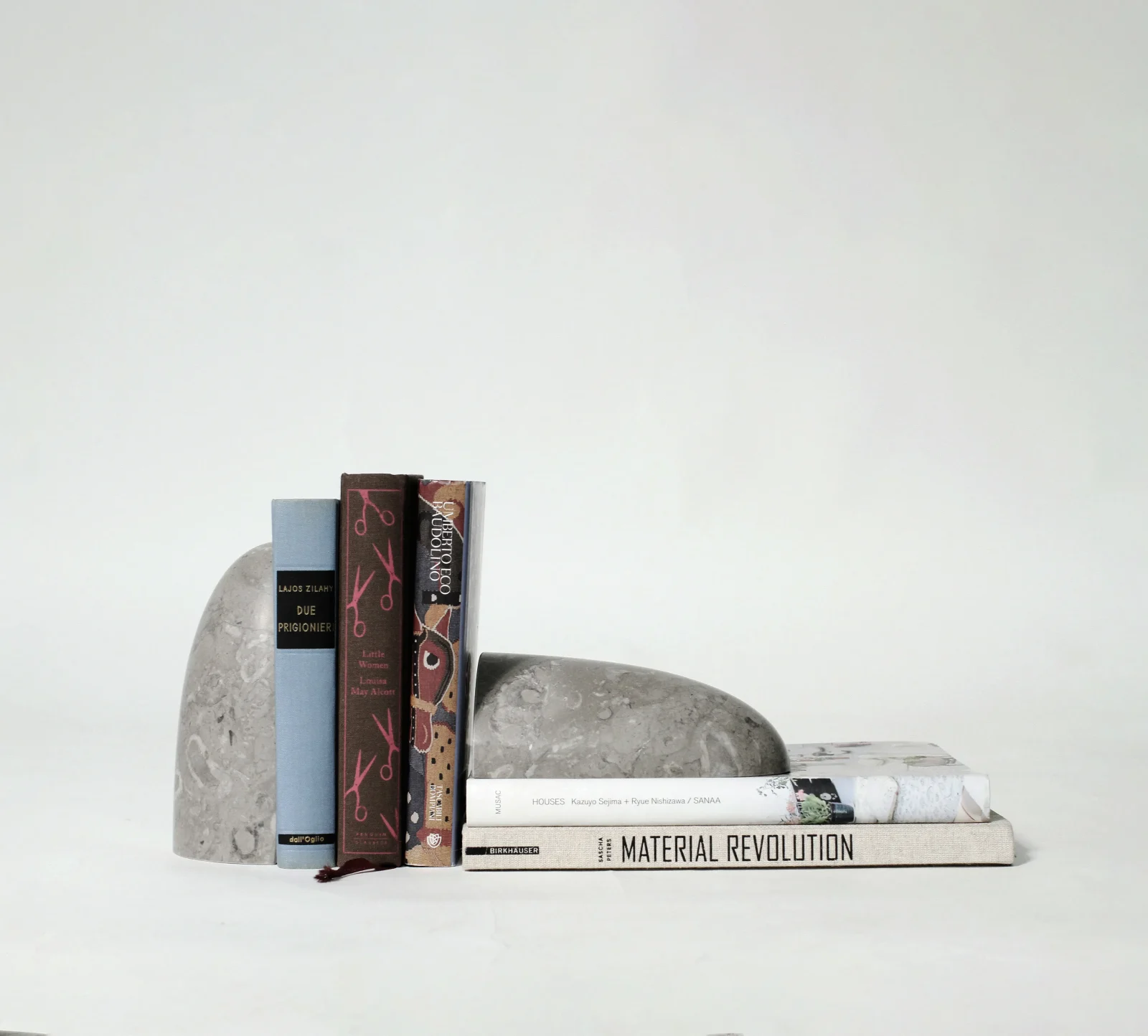
- Something flat. A tray, a stack of books, a board. This is the base layer and the boundary.
- Something tall. A vessel, a candleholder, a small sculpture. Gives the group a vertical and stops it reading as a flat scatter.
- Something organic. Branches, a plant, fruit, dried stems. The one element that is not hard-edged.
- Something you use. A lighter, coasters, a remote in a dish. Including it is what keeps the arrangement honest rather than ornamental.
Group them in a loose triangle rather than a row, with the tallest element at one point. Vary the heights clearly — a tallest, a middle, a lowest — and let one object overlap another slightly. Objects in a neat line read as a display; objects that overlap read as a room.
The tray does the real work
If you take one thing from this, it is the tray. It is the difference between an arrangement that survives a month and one that collapses in three days.
A tray gives the group a defined edge, so four separate objects read as one composition. More importantly, it makes the whole thing liftable in one movement — which means clearing the table for dinner or a board game takes two seconds instead of eight trips, and the arrangement goes back exactly as it was.
Size it to about a third of the tabletop. A tray with a raised lip contains better; a flat board or a slab reads lighter. Consequently round trays suit rectangular tables and rectangular trays suit round ones, since the contrast in shape stops the tray from disappearing into the table beneath it.


Height, and the rule nobody mentions
A dining table has a sightline rule everybody knows: nothing between 12 and 30 inches, because that is where faces are. A coffee table has the same problem and almost nobody states it.
People sit on opposite sides of a coffee table and talk across it. Anything taller than about 12 to 14 inches (30–35 cm) starts interrupting that, measured from the tabletop. A tall vase of branches looks striking in a photograph taken from standing height and becomes a hedge the moment two people sit down.
Work low and wide instead. A shallow bowl, a stack of books, a candleholder under a foot tall, a sculptural object with presence rather than height. Where you want a tall gesture, put it on a side table or a console where nobody is looking past it.
Books as the base layer
Stack two or three, laid flat — a taller stack becomes furniture and wobbles when the top one is lifted. Use the stack as a plinth for a small bowl or sculpture, which gains three inches of height without adding a tall object. And choose books somebody in the house would actually open, since volumes bought by the yard for their spine color are the clearest tell that a room has been decorated rather than lived in.
Something sculptural, and something lit
A coffee table is seen from directly above more than any other surface, which means an object’s plan view matters as much as its profile. Pieces that resolve from the top — a form with an interesting outline, a vessel with a visible interior, a surface with worked texture — hold up far better here than things designed to be seen head-on.
Candles belong here too, provided they stay low. A pillar or a short holder gives a living room its bottom layer of light after dark, which is the layer most rooms are missing. Keep them unscented if the room opens onto a kitchen, and keep the flame well clear of anything overhanging.


Vases, and what goes in them
The height rule decides this one. A vase on a coffee table has to live under the 12 to 14 inch (30–35 cm) ceiling, which rules out most of what gets sold as a table vase. Low and wide beats tall and narrow, and a vessel with a visible interior reads better from above than a closed neck does.
That makes the contents a short list: a single stem, a few short branches, dried grasses cut down to size. Fresh flowers are the weakest option here — they need water changes, they drop petals onto a surface people put food on, and they last a week where branches last months.
A vase holding nothing at all is also legitimate, and on a coffee table it is often the better choice. A sculptural vessel with a good outline is an object in its own right rather than an empty container waiting to be filled — and it is one less thing to maintain on a surface that already has enough to do.


Ashtrays and catch-alls
Every living room generates small debris — remotes, keys, chargers, loose change, a lighter, a pair of glasses. A coffee table without somewhere to put them accumulates them across the whole surface.
The smallest object on the table is often the one doing the most work. A stone dish for rings and keys, a glass ashtray, a shallow vessel for matches — these are what stop loose items colonizing the surface. Wide and low enough to see into beats deep, since anything that disappears into a deep bowl stays there.
Hard materials suit this job: marble, terrazzo, glazed ceramic, blown glass, cast metal. They wipe clean, they tolerate a wet glass, and they give a low arrangement the weight it needs so the whole thing does not read as fragile.


Round, rectangular, oval
Table shape changes the arrangement more than most people expect.
- Rectangular. The easiest. Run a tray or a loose line of objects along the length, weighted to one end rather than centered, leaving the other half clear. Two small groups at opposite ends also works on a long table.
- Round. Build one group slightly off-center and let the curve carry the rest. A round table has no ends to anchor to, so a single composition reads better than two. Avoid arranging in a circle following the edge — it looks like a clock face.
- Oval. Treat it as rectangular but keep everything softer-edged, since hard rectangles fight the outline.
Two small tables instead of one. Increasingly common, and they need less decoration rather than more — one object on each, maximum. The pair is already doing the visual work.
Changing it without rebuying it
A coffee table is the easiest surface in a house to refresh, because the permanent layer can stay and only one element has to change.
Keep the tray, the books and the catch-all dish in place all year. Then reserve a single position for whatever shifts: branches in spring, a bowl of fruit in summer, dried grasses in fall, evergreen in December. Consequently the table never needs stripping and rebuilding, only editing — and it never looks bare in the weeks after a seasonal element comes off. Our guide to fall decorating covers the wider logic.
What to skip
- Covering the whole surface. Half to two-thirds, maximum. The table has a job.
- Anything over 14 inches (35 cm) tall. It blocks the conversation across the table.
- Books nobody opens. Bought by the yard for spine color is the clearest tell in interiors.
- Objects in a neat row. Group in a triangle and let things overlap.
- Four small things of the same height. Vary the heights or it reads as scatter.
- Fresh flowers as the default. They need water changes and last a week. Branches last months.
- No tray. Without a boundary, an arrangement becomes a pile within days.
- Scented candles near an open kitchen. They fight whatever is cooking.
Frequently asked questions
How do you style a coffee table?
Use four elements — something flat like a tray or books, something tall, something organic, and something you actually use — grouped in a loose triangle with clearly varied heights. Keep the arrangement to half or two-thirds of the surface and nothing above 14 inches (35 cm) tall, so the table stays usable and conversation across it stays open.
How tall should coffee table decor be?
Under 12 to 14 inches (30–35 cm) measured from the tabletop. People sit on opposite sides of a coffee table and talk across it, so anything taller becomes a visual barrier. Save tall vases and branches for a side table or console where nobody is looking past them.
What size tray for a coffee table?
About a third of the tabletop area. Contrast the shape with the table — a round tray on a rectangular table, a rectangular one on a round table — so it does not disappear. A raised lip contains small objects better; a flat board reads lighter.
How many books should go on a coffee table?
Two or three, laid flat. A taller stack becomes furniture and wobbles when the top book is lifted. Use the stack as a plinth for a small bowl or sculpture, which gains height without adding a tall object — and choose books someone in the house would actually open.
How do you decorate a round coffee table?
Build one group placed slightly off-center rather than two, since a round table has no ends to anchor to. Use a rectangular or square tray to contrast the curve, and avoid arranging objects around the perimeter, which reads as a clock face.
What should you put on a coffee table besides books?
A tray to hold the group, a low sculptural object or candleholder, a shallow bowl for remotes and keys, and something organic such as branches or fruit. Objects seen mainly from above should resolve in plan view, not just in profile — that is what separates pieces that work on a coffee table from pieces that work on a shelf.
A table that stays usable
The best coffee tables look slightly used. A tray with four considered things on it, two books somebody has opened, a bowl with keys in it, and half the surface clear for whatever the evening needs. That is not a compromise on styling — it is what styling a working surface looks like when it is done properly.
Buy the tray first, keep everything under a foot tall, group in threes, and leave the other half alone. Then let the objects be good ones, because on a surface this small and this close, there is nowhere for a weak piece to hide.