

-
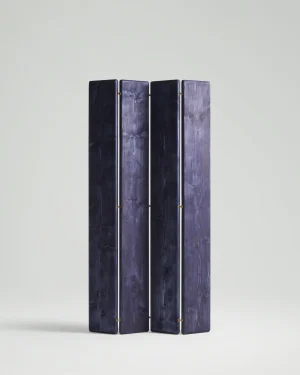
Timber – Pine Wood Room Divider
By Studio Onno Adriaanse
€1.570 -

Nolastar – Room Divider And Curtain
By Pablo Octavio
€220 - €330 -
 In stock
Dryft No 1 Spatial Divider
By BLUBA Studio
€3.500 -
 In stock
Modular Textile Room Divider
By Szostak Atelier
€5.370 -

The Three Room Divider
By Sam Later
€7.800 -
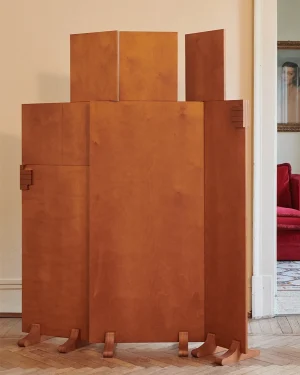
Furniture Friends – Room Divider (noce)
By STUDIO FP
€2.375 -

Artistica Collection – Room Divider (body #1)
By STUDIO FP
€4.050 -
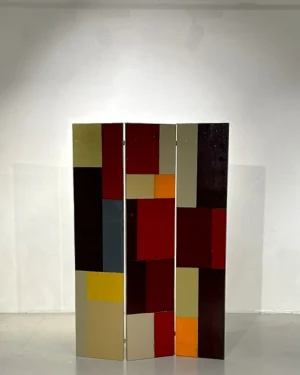 In stock
Practice Room Divider – Upcycled Wood
By Studio Fabius Clovis
€2.800 -

Amigo Biombo
By Fi
€6.800 -

Artistica Collection – Room Divider (tinta Unita #1)
By STUDIO FP
€3.700 -

Artistica Collection – Room Divider (rei #1)
By STUDIO FP
€4.250 -
 In stock
Duck Butt Room Divider
By Pupcha
€3.950 -

B D | Room Divider
By N I S H
Price Upon Request -
 In stock
Paravent – Room Divider
By Studio Victor Hahner
Price Upon Request -
 Sold
Emérita
By Moneo Brock Studio
€8.000 - €11.000 -

Shape N.1 Room Screen
By Anna Bera
Price Upon Request -
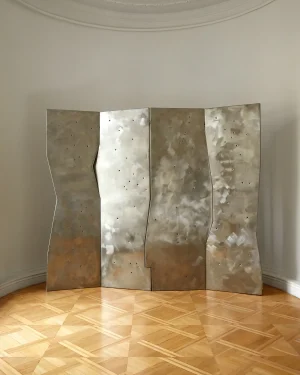 In stock
Echo
By FURN OBJECT
Price Upon Request -
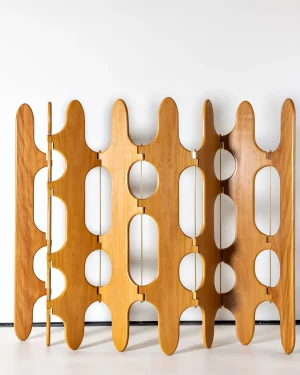
CERCA Screen
By ALVA design
Price Upon Request
Wooden room dividers are freestanding or hinged partitions built from solid timber or engineered panels, shaped by studios working in cabinetmaking, wood carving and CNC milling. They range from folding screens with slatted frames to sculptural panels charred or carved for texture. Across styles the material stays the constant: a warm, grain-marked surface that softens the geometry of a partition.
What defines a wooden room divider
Wood brings weight and warmth that metal or glass partitions cannot. A panel in oak, ash or pine carries its own structure, so frames can stay slim while the divider still stands on its own. Grain, knots and tone vary piece to piece, which means no two panels read exactly the same under light.
Joinery matters as much as species. Dowelled or mortise-and-tenon frames hold a folding screen square over years of use, while panels pieced together from birch plywood lean on lamination for strength. Studios choose cabinetmaking where a divider needs to flex on hinges, and milling or carving where the surface itself is the subject.
Woods, finishes and techniques found here
Birch, ash and pine turn up most often, each with a different grain and a different way of taking stain. Finishes run from pale, raw wood left close to its natural color to tones in beige, black or deep indigo, with occasional multicolor or transparent lacquer work. Some panels are charred using shou sugi ban, a technique that blackens and seals the surface, giving a matte, almost stone-like face that resists moisture better than bare wood.
- Styles span minimalist slatted screens, brutalist solid panels, neo-industrial frames paired with metal fittings, and more conceptual or eclectic carved forms.
- Editions include open runs alongside limited editions and unique pieces, so the same silhouette in wood can exist as a repeatable design or a one-off.
- Techniques beyond cabinetmaking include wood carving for relief surfaces and digital fabrication for panels cut to a precise repeating pattern.
Anyone drawn to a different base material can look at room dividers worked in metal, where steel and aluminum read colder and hold a harder edge than timber.
Choosing a wooden room divider for scale and placement
Height decides how much a divider screens. A panel reaching close to the ceiling blocks sightlines and sound more fully, while a lower screen, around seating height, suggests a boundary without closing a room off. Width and the number of hinged leaves set how much floor area the piece can bend around, so measure the span it needs to cover before choosing a folding or fixed format.
Finish should answer the room's other wood tones. A pale birch or ash panel lightens a space with dark flooring, while a charred or deep-stained divider grounds a room already full of light surfaces. Weight matters too: solid timber panels stand on their own, but taller or narrower screens benefit from a wide base or wall support.
Where wooden dividers work
Open-plan living and dining rooms use wooden partitions to mark a boundary without building a wall, letting light still pass between zones. In a bedroom, a divider in wood can screen a dressing area or desk while keeping the material language consistent with existing furniture.
For rooms built mostly around wood furniture already, pairing a divider with other timber pieces keeps the palette coherent; see the fuller range of wooden furniture for tables, seating and storage in the same material family.
Caring for a wood divider
Solid wood moves with humidity, expanding slightly in damp months and contracting in dry heating seasons, so hinges and joints should be checked occasionally rather than forced if they stick.
Keep dividers away from direct, sustained sun, which fades and dries wood unevenly over time, and away from radiators or vents that pull moisture out too fast. The full range of partitions, wood included, sits under room dividers as a category, with storage pieces nearby for anyone building out a fuller plan for an open room. Those drawn specifically to timber can keep browsing wooden room dividers across styles and finishes, or look at every wood piece on ADORNO for the material applied to other kinds of furniture.
How do I choose a wooden room divider?
Consider how much light and sound it should block, whether it needs to fold or stand fixed, and the wood tone against your existing furniture. Panel count and finish change both weight and the sense of privacy.
How do you care for a wooden room divider?
Dust with a dry or slightly damp cloth, keep it away from direct heat sources and sustained damp, and wipe spills quickly. Oiled or waxed finishes benefit from reapplication every so often to keep the grain protected.
What size and height should a room divider be?
Most stand between shoulder and ceiling height to screen a space without closing it off entirely. Width depends on the opening: panels can be added or folded narrower to fit.
Which rooms suit a wooden room divider?
They work well in open-plan living areas, studio apartments and bedrooms, defining a zone without walling it off. Wood brings a warmer, quieter presence than metal or glass alternatives.
Do wooden room dividers come in custom sizes or finishes?
Some studios offer this. Chat with the maker on the piece's page to confirm custom sizing, finish or panel count before ordering.
What are ADORNO's shipping and return policies for room dividers?
Shipping is insured and worldwide. Returns are accepted within 14 days, except for made-to-order pieces, and each comes with a certificate of authenticity plus a lowest-price guarantee.