-

Lago Marble Vase
By Studio Ayres
€830 This product has multiple variants. The options may be chosen on the product page -

Ailes Noir – Sculptural Vessel
By Lucia Mondadori
€688 -
 In stock
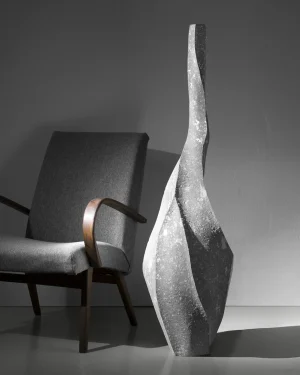
Solid Gray Stone Tall Floor Vase – Skew Series In Cast Stone By Donatas Zukauskas
By Donatas Žukauskas
€2.450 -
 In stock
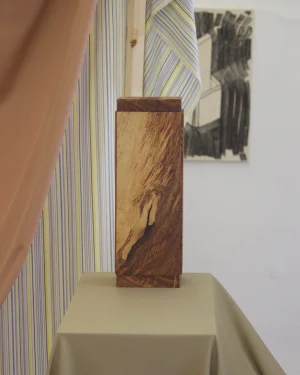
Sensitive Wood – Wooden Minimalist Oak Vase
By Vital Lainé
€600 -

Bobulate Vase V1
By Rollo Studio
€380 -
 Sold
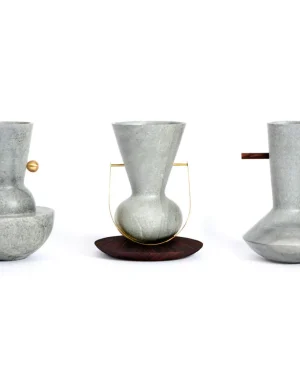
Sold“ITA” Stone Vase Series
By ALVA design
€589 - €887 This product has multiple variants. The options may be chosen on the product page -
 In stock
La Cauna – Vas 02
By Pierre Klein
€560 -
 In stock
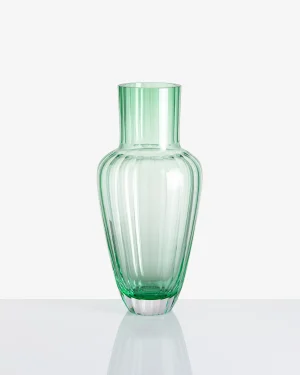
Garden – Hand Cut Unique – Emerald – Edition Brutalism
By Frantisek Jungvirt
€5.600 -
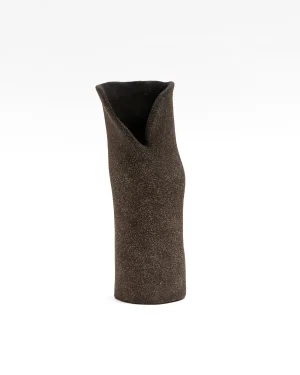 In stock
Tulipa – Stoneware Vase
By Pierre Klein
€240 -
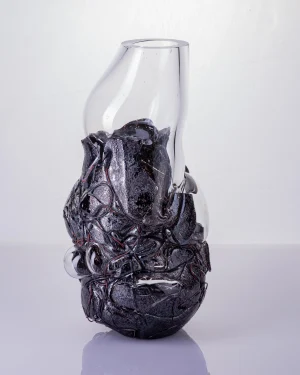 In stock
Lava – Transparent Blown Glass / Copper Wire Vase
By Anna Jožová
€1.600 -
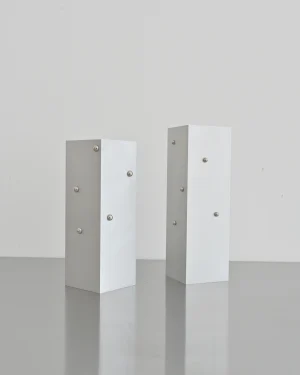
Mono Vase
By NOSTUDIO
€155 - €245 This product has multiple variants. The options may be chosen on the product page -
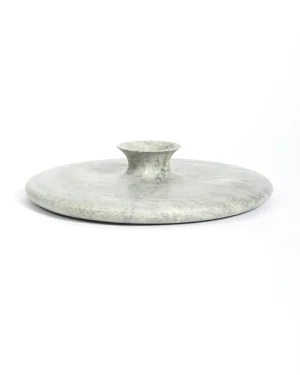
“AMORFO” Stone Vase Series
By ALVA design
€356 - €452 This product has multiple variants. The options may be chosen on the product page -
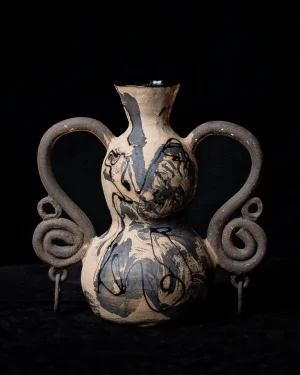 In stock
In A Marbling Dream #2 – Stoneware Sculptural Vase
By Vale Ro
€1.500 -
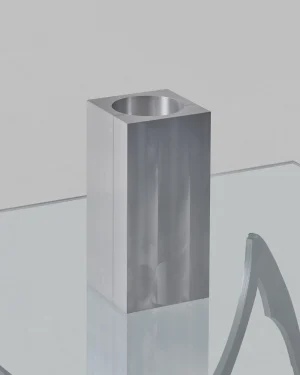 In stock
Alu – Aluminum Vase
By 304.cage
€2.200 -
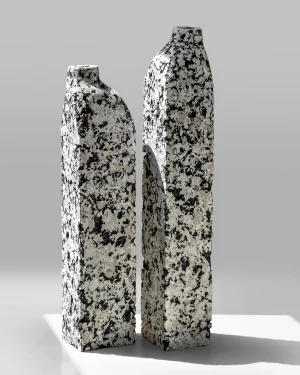
Solid White Stone Set Vase – Block Series In Cast Stone By Donatas Zukauskas
By Donatas Žukauskas
€1.350 -
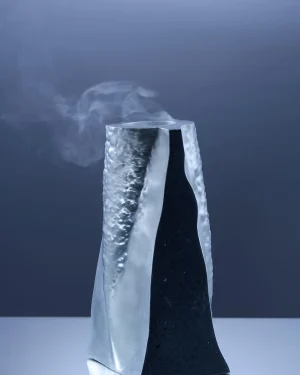
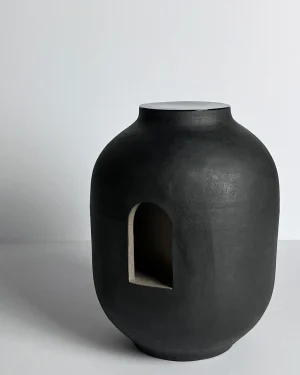
Bedda – Vase
By Emilia Tombolesi
€920 -
 In stock
Grès Nero Stoneware Vase
By Federica Paglia
€580 -

Layla – Black Vessel No. 2
By Lucia Mondadori
€488 -
 In stock
Carn – Abominacion 02
By Pierre Klein
€540 -
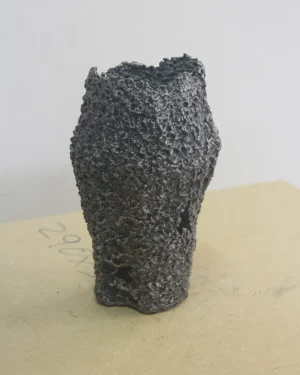
Melancholy Vessel – Small – Aluminium
By Saturday Yard Work
€264 This product has multiple variants. The options may be chosen on the product page -
 In stock
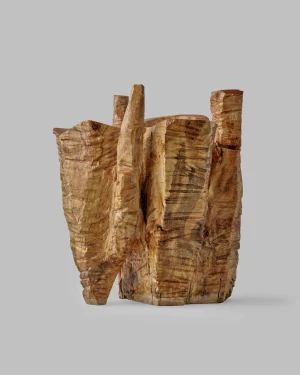
The Vessel
By Masha Volkova
€3.200 -
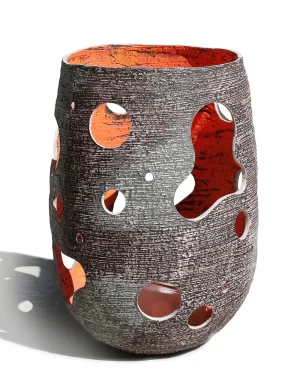
Solid Black Stone Wide Candle Lantern – Ember Series In Cast Stone By Donatas Zukauskas
By Donatas Žukauskas
€710 -
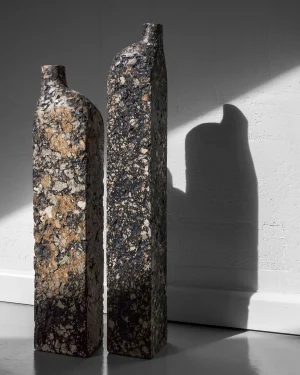
Solid Black Stone Set Vase – Block Series In Cast Stone By Donatas Zukauskas
By Donatas Žukauskas
€1.350 -
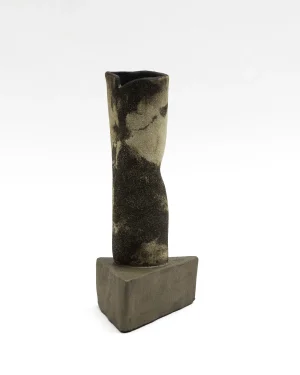 In stock
Còca – Stoneware Vase
By Pierre Klein
€220 -

Solid Red Stone Set Vase – Fragment Series In Cast Stone By Donatas Zukauskas
By Donatas Žukauskas
€1.450 -
 In stock
Abominacion 06 – Stoneware Vase
By Pierre Klein
€480 -
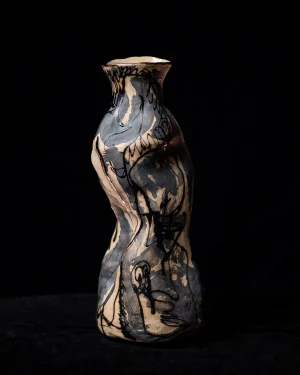 Sold
SoldIn A Marbling Dream #3 – Stoneware Sculptural Vase
By Vale Ro
€1.500 -

Duna Marble Vase
By Studio Ayres
Price Upon Request -
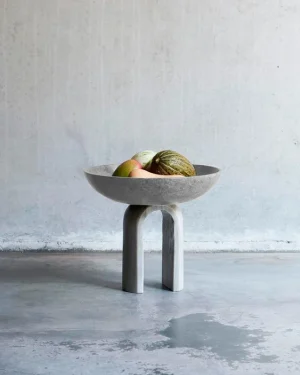
Lago Tall Vessel
By Studio Ayres
Price Upon Request -
 Sold
SoldFigures | Black On Black | Vase No. 001/23
By Atelier von Ehren
€248 -
 Sold
SoldFigures | Black On Black | Vase No. 002/23
By Atelier von Ehren
€248
Welcome to Adorno's Gallery, where we celebrate the captivating design style known as Brutalism. Originating in the mid-20th century, this movement is characterized by its raw, industrial aesthetic and bold, uncompromising forms. With a brief history and unique attributes, this design style has left an indelible mark on the world of art and design.
The Origins of Brutalism
- Established: The term "Brutalism" was coined in the 1950s, deriving from the French word "béton brut," meaning raw concrete, which became one of the defining materials of the style.
- Influences: Rooted in the modernist architecture movement, Brutalist Design drew inspiration from the works of Le Corbusier and the Bauhaus, embracing simplicity and functionality.
- Origin: While Brutalism is prominent worldwide, it gained particular popularity in post-war Europe, with significant architectural projects in the UK, France, and Eastern Bloc countries.
- Emergence: Brutalism emerged as a response to the desire for a utopian vision of rebuilding and reconstructing war-torn cities, emphasizing the use of industrial materials.
What Are The Distinguishing Characteristics of Brutalism?
- Shapes: Brutalist pieces often feature massive, monumental structures with geometric shapes and angular lines.
- Colors: The color palette is dominated by the natural tones of raw concrete, complemented by earthy and muted hues.
- Materials: Brutalist Design is renowned for its use of exposed concrete, steel, glass, and other industrial materials, celebrating their inherent textures.
- Purpose: Functionality is key, with an emphasis on practicality and utility over ornate decoration.
Who Are Notable Brutalist Designers?
- Le Corbusier: Known for iconic buildings like the Unité d'Habitation, his works embody the Brutalist philosophy of form following function.
- Alison and Peter Smithson: Renowned for their influential works, such as the Hunstanton School and Robin Hood Gardens, which exemplify Brutalist principles.
- Louis Kahn: His architectural marvels like the Salk Institute and the National Assembly Building of Bangladesh exhibit a masterful blend of Brutalism and modernism.
- Marcel Breuer: His "Whitney Museum of American Art" in New York is a prime example of how Brutalist elements can coexist harmoniously with a modern urban landscape.
- Paul Rudolph: Known for designs like the Yale Art and Architecture Building, showcasing how Brutalist architecture can achieve a sense of dynamism.
Main Product Design Categories in Brutalism
Within the world of Brutalist Design, various product design categories flourished, each with its unique characteristics:
- Furniture: Sturdy and geometrically shaped furniture pieces made from raw concrete, steel, and wood, providing an industrial charm to any space.
- Lighting: Eye-catching, angular light fixtures crafted from metal and glass, casting intriguing shadows and enhancing the Brutalist ambiance.
- Home Decor: Utilitarian objects like clocks, vases, and sculptures made from concrete and metals, serving as functional art pieces.
- Architecture: Iconic buildings with exposed concrete facades, showcasing the monumental and sculptural aspects of Brutalist architecture.
- Art: Sculptures and artworks exploring the expressive potential of concrete and metal, conveying a powerful, raw aesthetic.
The Essence of Brutalism
Discover the captivating essence of Brutalism, an architectural and design movement coined in the 1950s from the French term "béton brut," signifying raw concrete as a defining material. Inspired by modernist pioneers like Le Corbusier and the Bauhaus, Brutalism embodies simplicity and functionality, finding particular acclaim in post-war Europe. This movement emerged as a response to the aspiration for utopian rebuilding, emphasizing the use of industrial materials like concrete, steel, and glass.
Brutalism's distinct traits encompass monumental structures with geometric shapes and angular lines, enhanced by a color palette dominated by concrete's natural tones complemented by muted hues. Functionality takes precedence, resulting in an intimate union of form and utility. Notable designers like Le Corbusier, Alison and Peter Smithson, Louis Kahn, Marcel Breuer, and Paul Rudolph have etched their marks on this movement with iconic buildings that exemplify Brutalist principles.
Within the expansive realm of Brutalism, various product design categories flourish. Sturdy furniture, angular lighting fixtures, utilitarian home decor objects, iconic architectural facades, and powerful art pieces all echo the movement's spirit. From the resilience of raw materials to the captivating allure of geometric design, Brutalism encapsulates a harmonious marriage of history and design innovation.
View Our Top Picks
- 10 Cutting Edge Brutalist Lamps and Lights for 2023
- 25 Powerful Brutalist Seats For Your Contemporary Interior
- 7 Strong Brutalist Storage Concepts for Interior Designers
- 11 Powerful Brutalist Tables Challenging Tradition