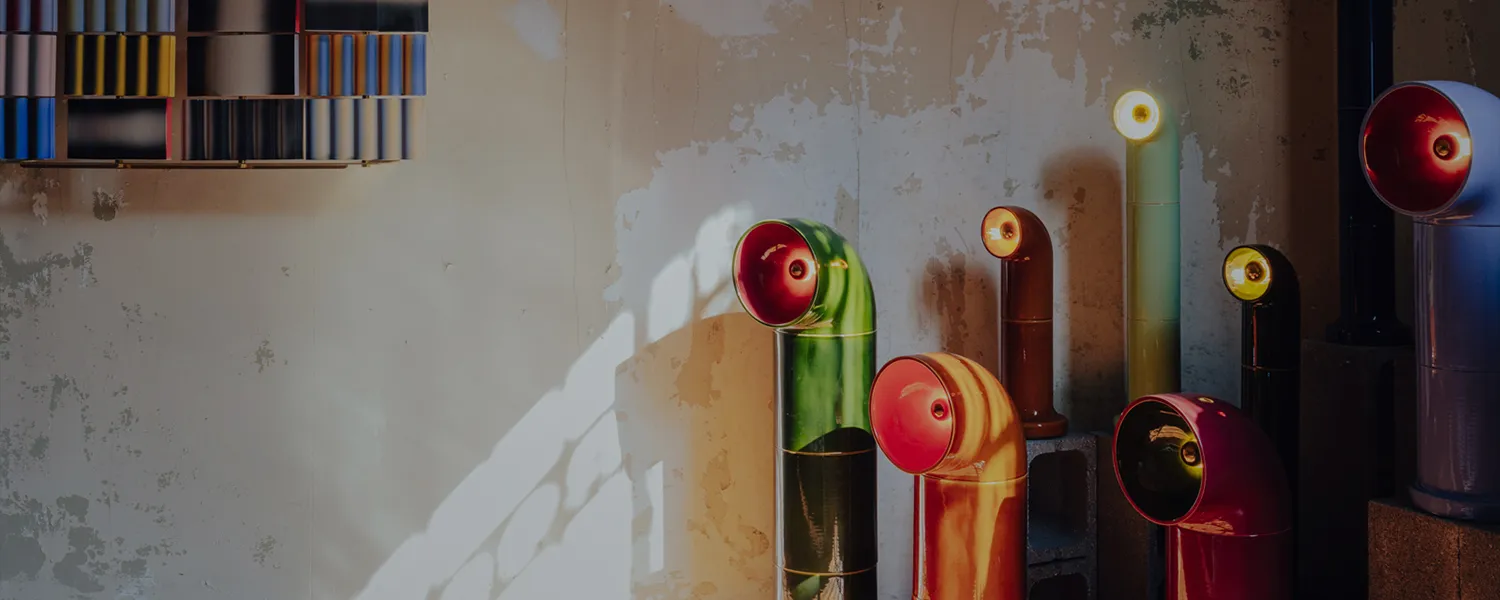
Market Signals from Milan Design Week 2026
Milan Design Week is often framed through scale, spectacle, and endless launches, but for buyers the real value lies elsewhere. Spread across exhibition halls, cafés, and private courtyards, the city turns into a dense network of presentations that is hard to take in all at once. It demands both a physical map and a way to read where demand is heading. With so much happening at the same time, clarity comes from focusing on the signals that repeat. It remains one of the clearest moments to track which materials are gaining traction, which categories feel newly relevant, and how independent studios are shaping the wider market before larger brands respond.
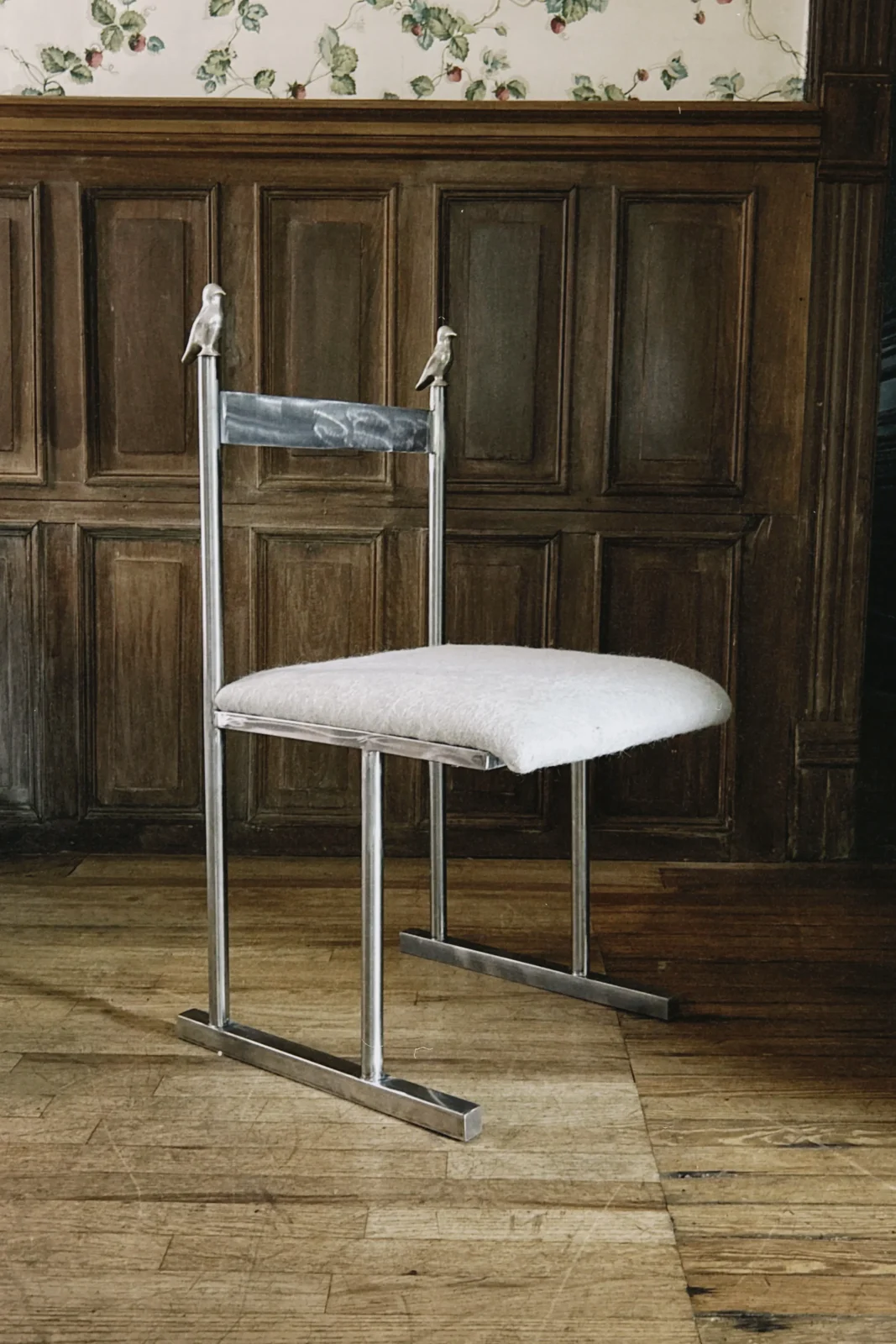
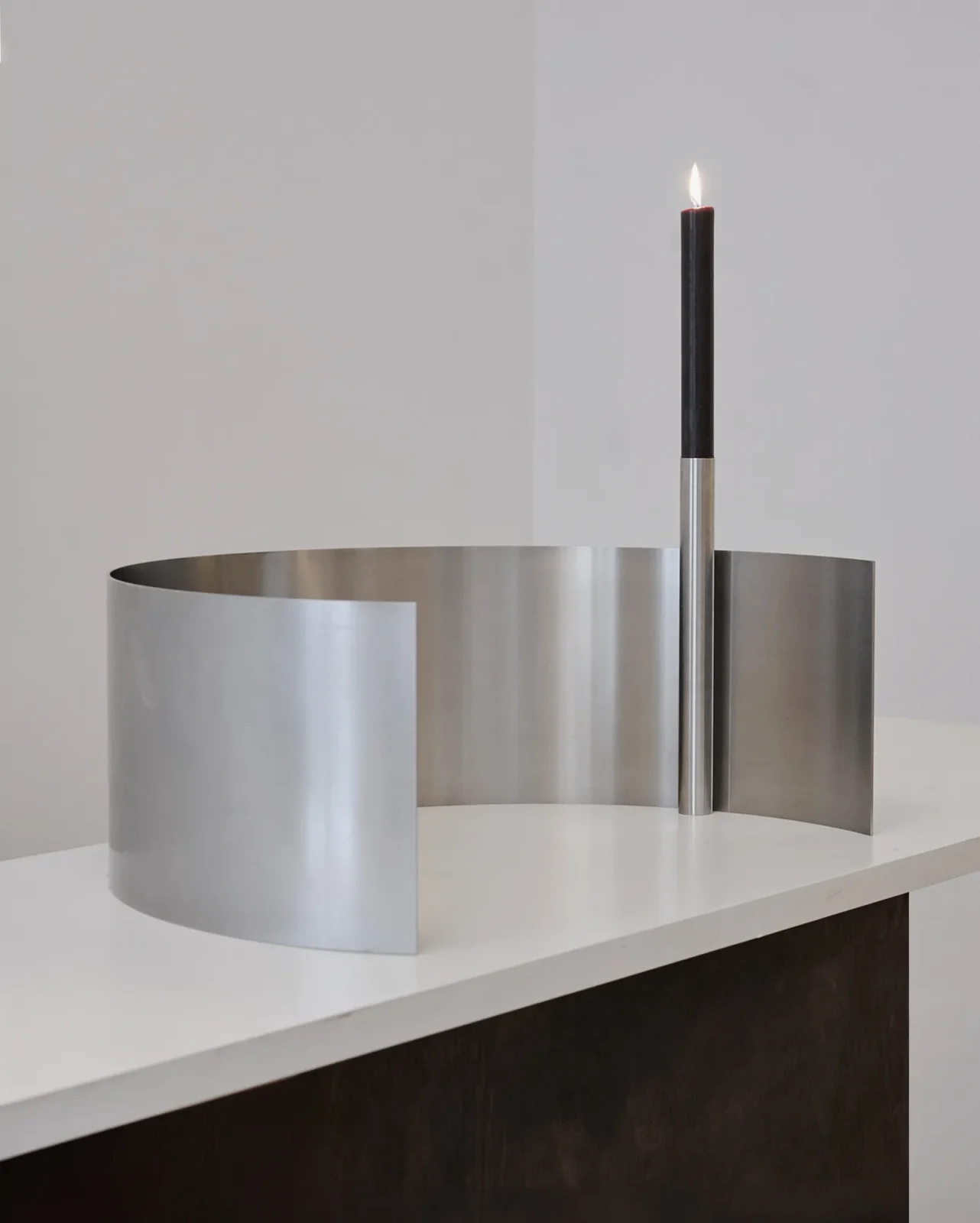
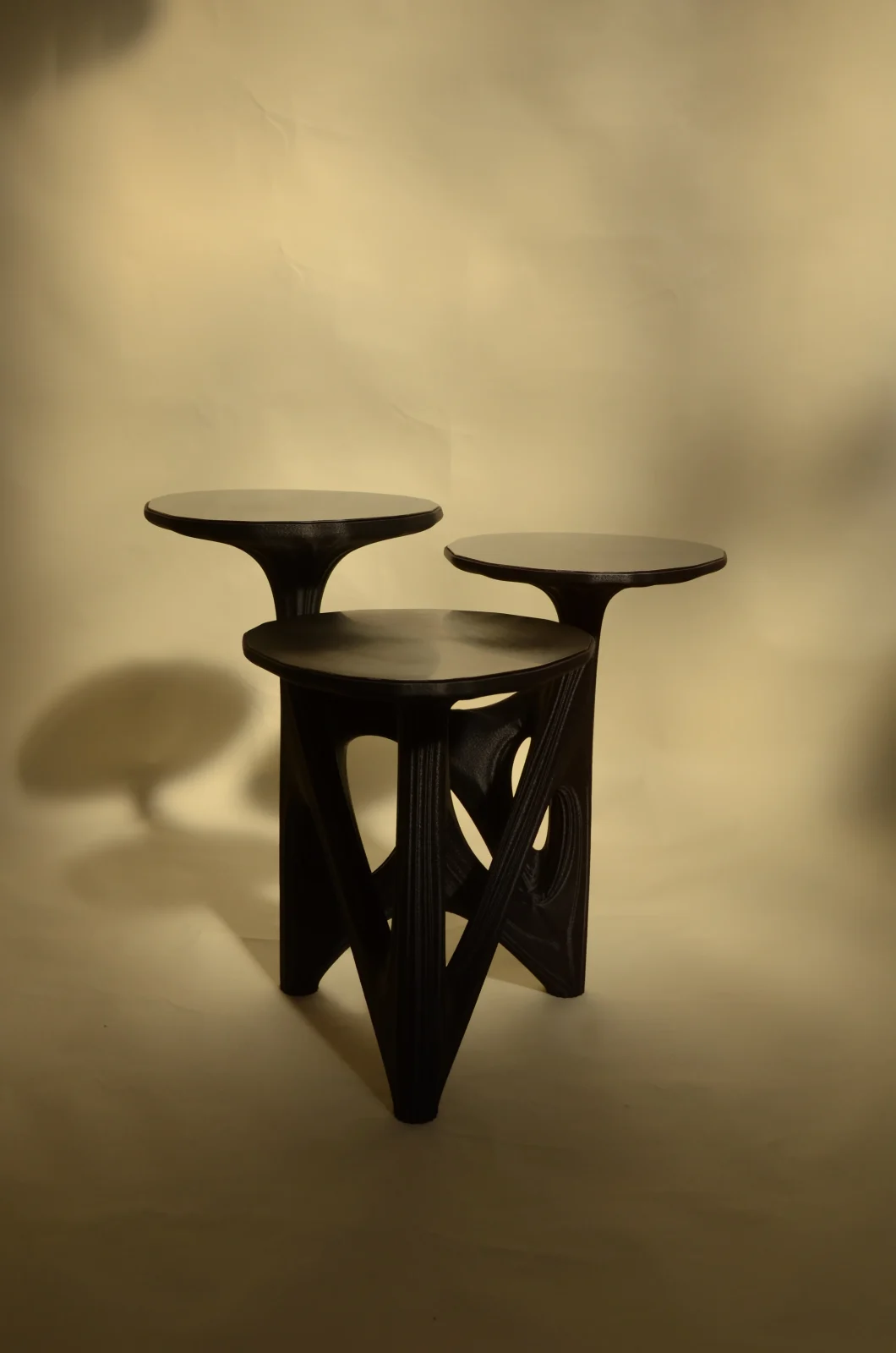
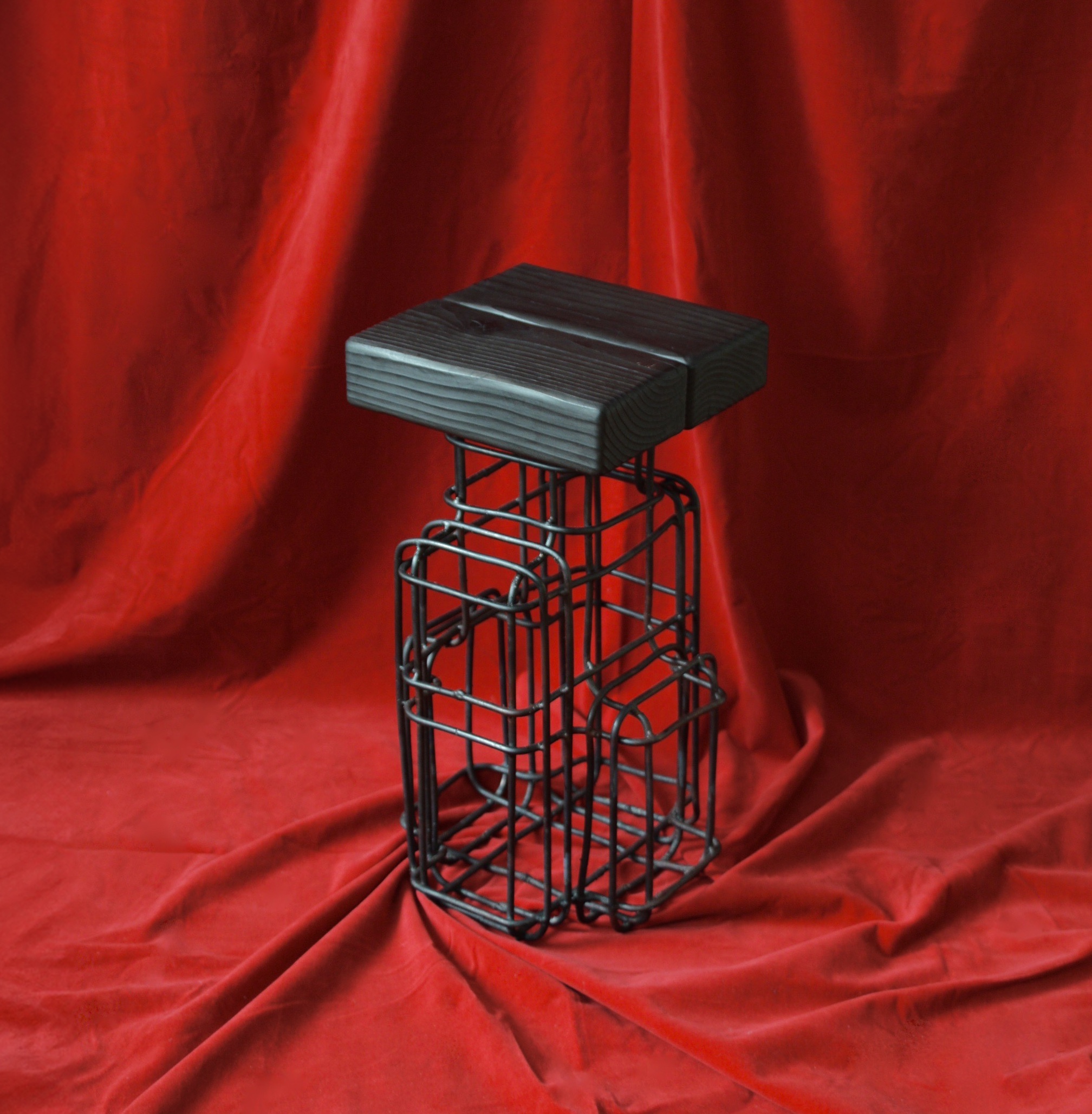
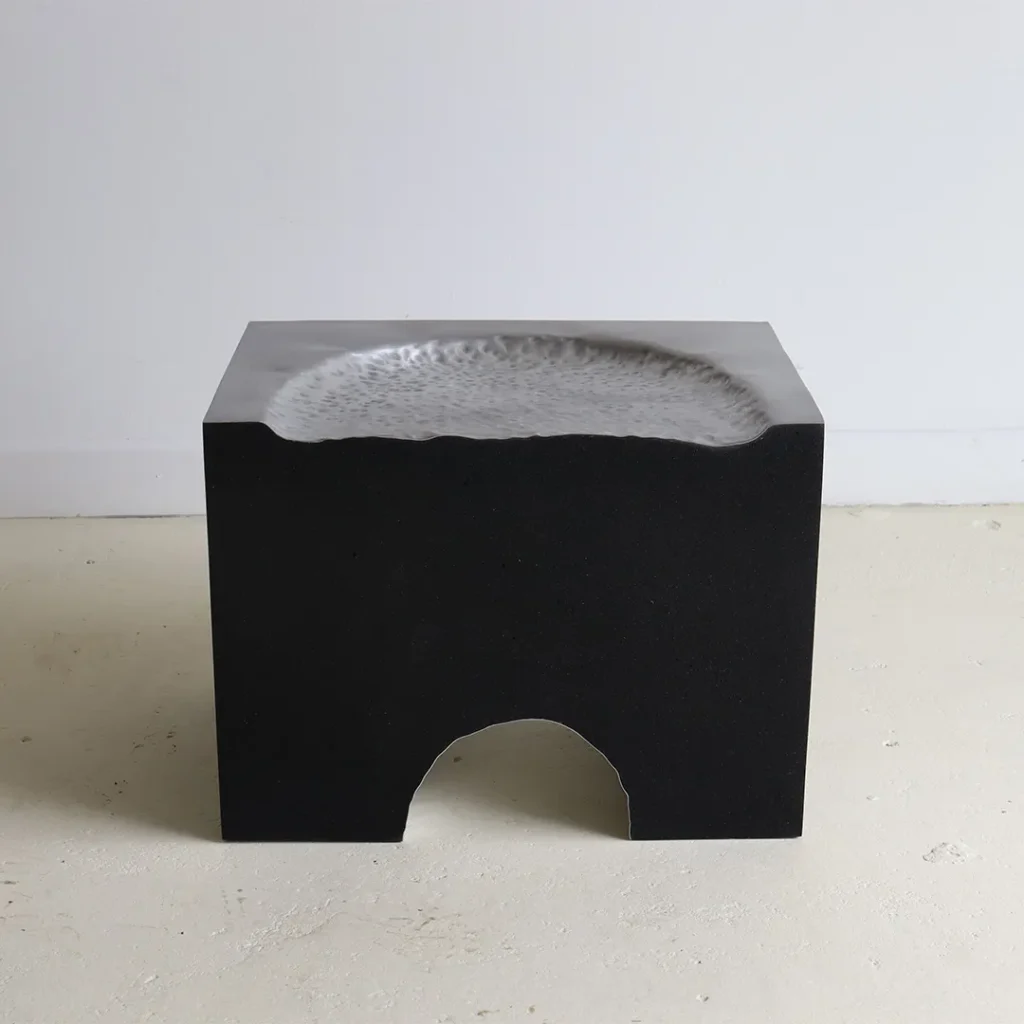
This year, three signals stood out across the city. Buyers continue to respond to strong material identity, with brushed steel, carved wood, hand-blown glass, ceramic, and bio-based composites all gaining traction. Lighting continues to move beyond utility, taking on a more atmospheric and sculptural role. Smaller-footprint pieces, including stools, side tables, objects, and adaptable furniture, carried notable energy, pointing to a growing demand for compact designs with clear personality.
Alcova, Isola, SaloneSatellite, and Brera Design District each offer a different view of where interiors are heading. Together, they help make sense of a week that can otherwise feel overwhelming. Below is a concise reading of the signals that matter most now, along with the ADORNO studios contributing to them.
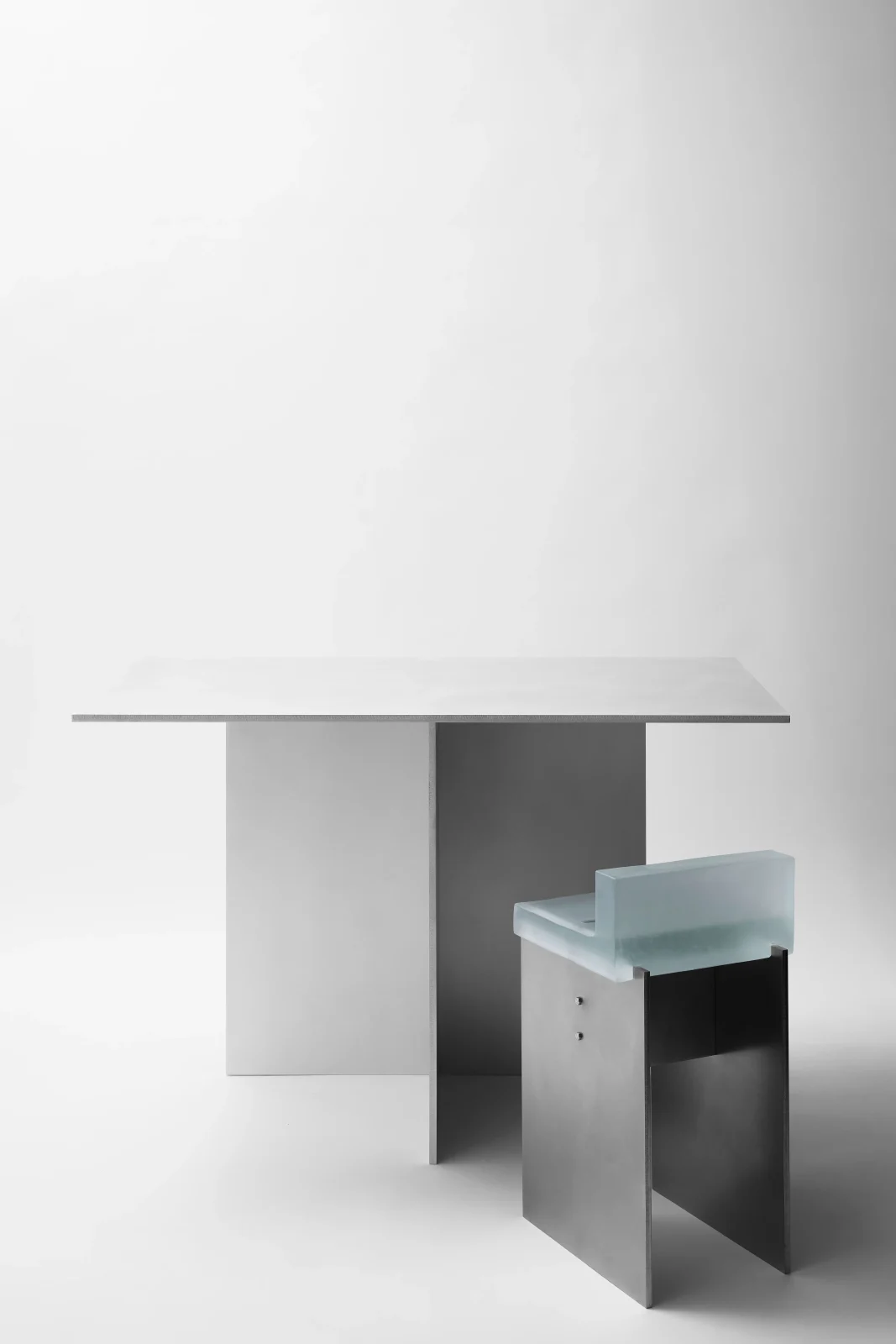
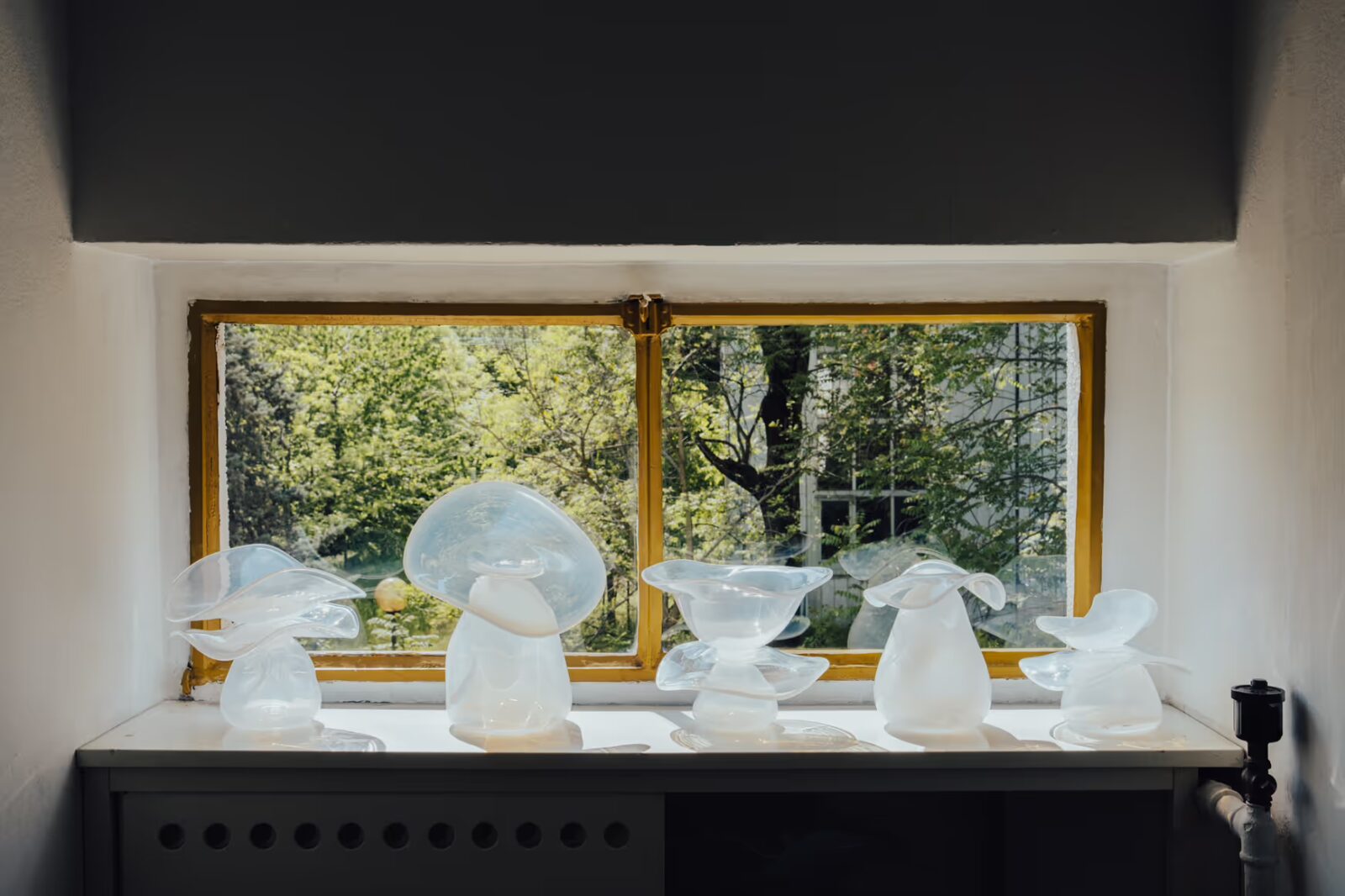
Alcova Signals the Appetite for Bold Material Identity
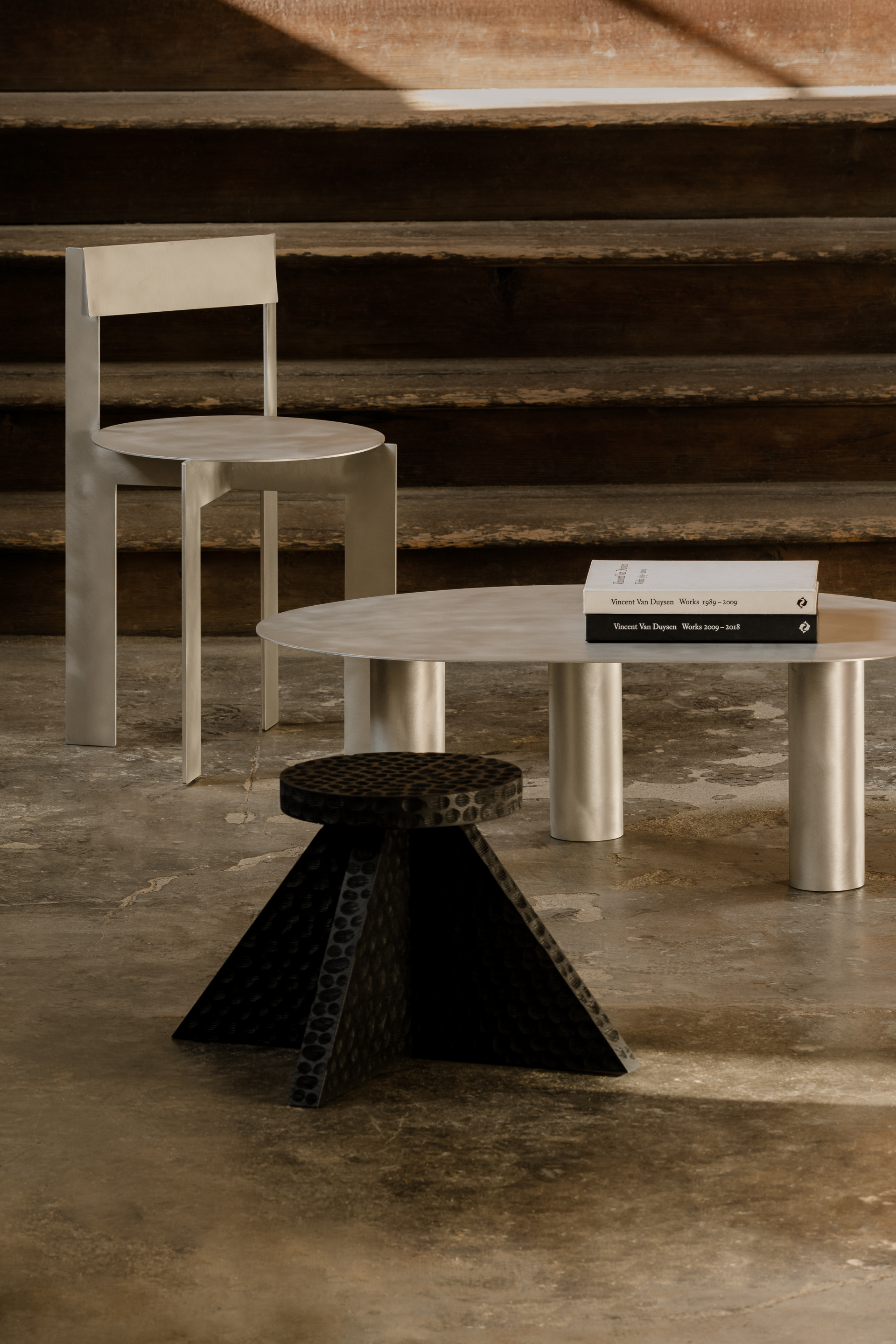
Alcova remains one of the clearest indicators of where independent design is moving next. While larger fairs often confirm established demand, Alcova is where buyers look for what feels new and less saturated. This year, material confidence stood out, with steel, resin, ceramic, wood, glass, and experimental composites taking center stage. SALAK Studio presented sharply reduced steel furniture through the SKY Shelving Unit and Single Mess dining table, confirming continued appetite for architectural minimalism. Obscure Objects used brushed stainless steel and aluminum in seating and lighting with collectible appeal, while Mati Sipiora brought a playful futurist energy through polished steel stools, trays, and seating.
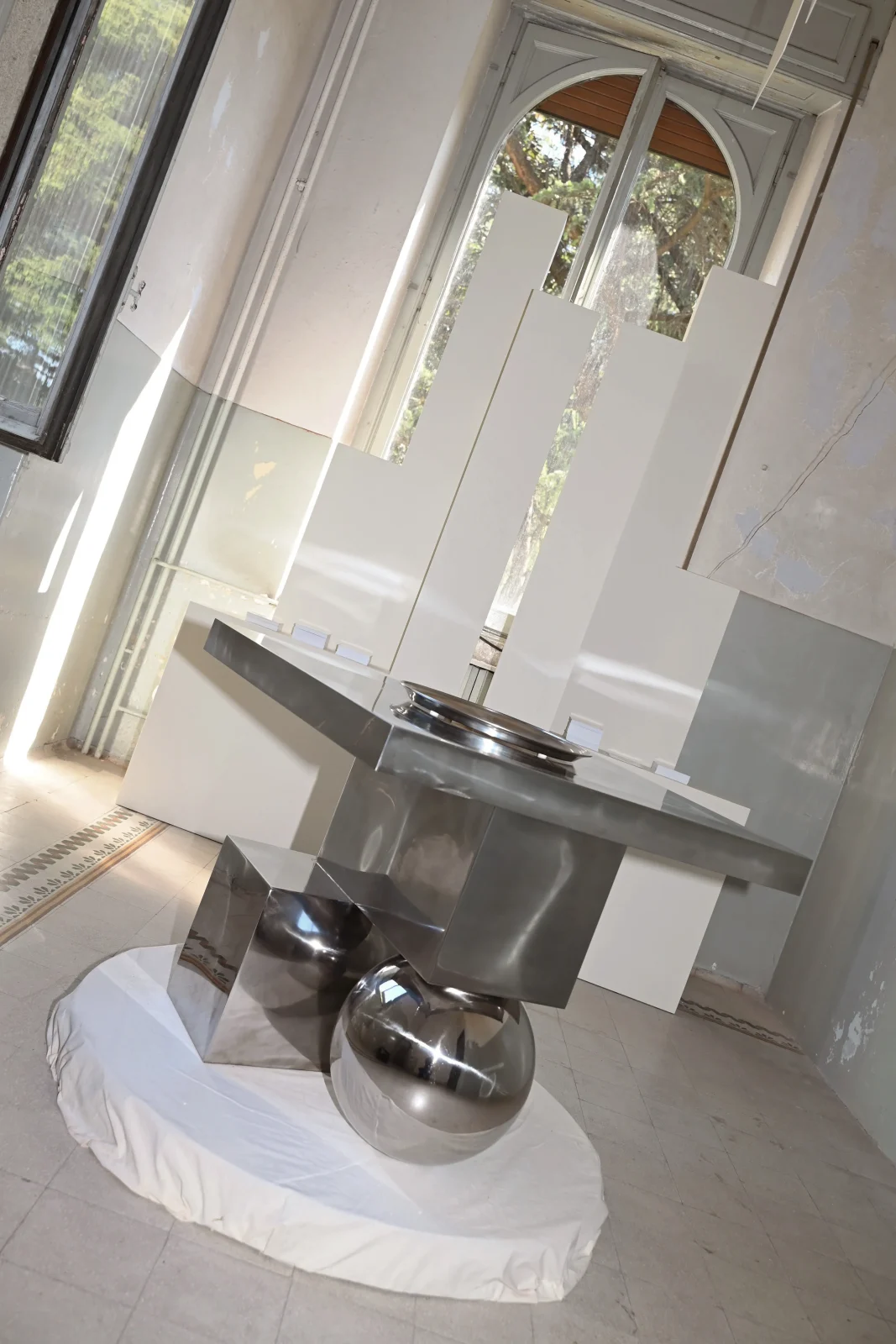
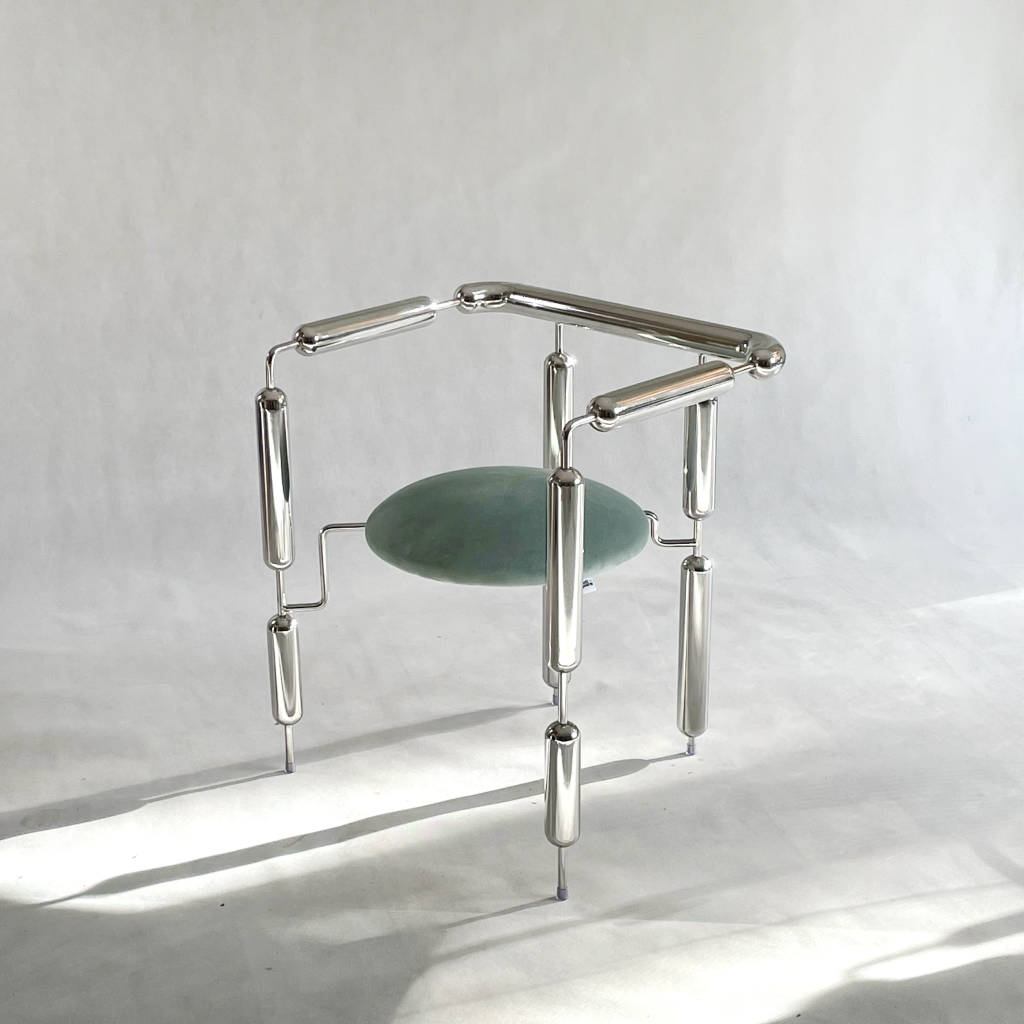
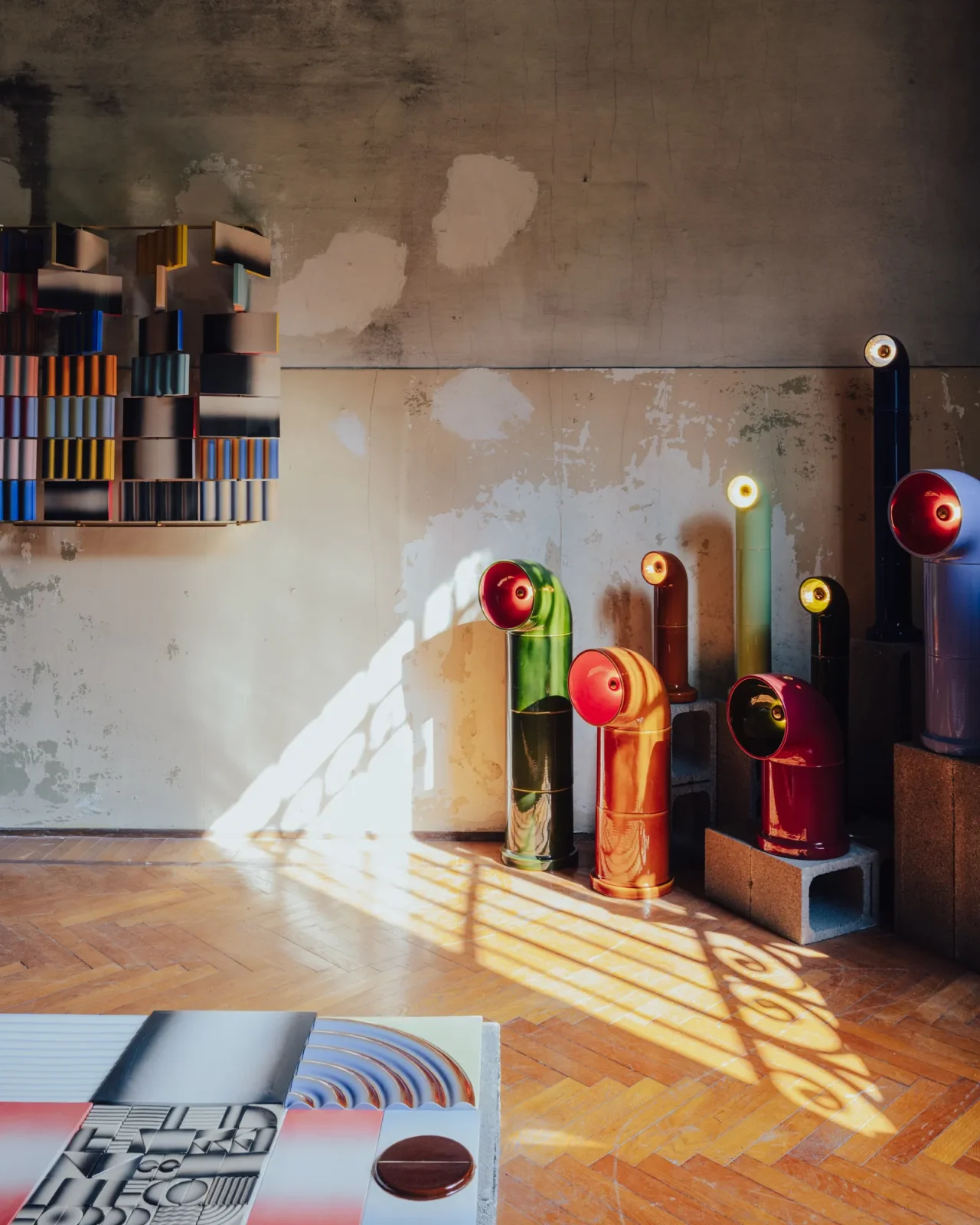
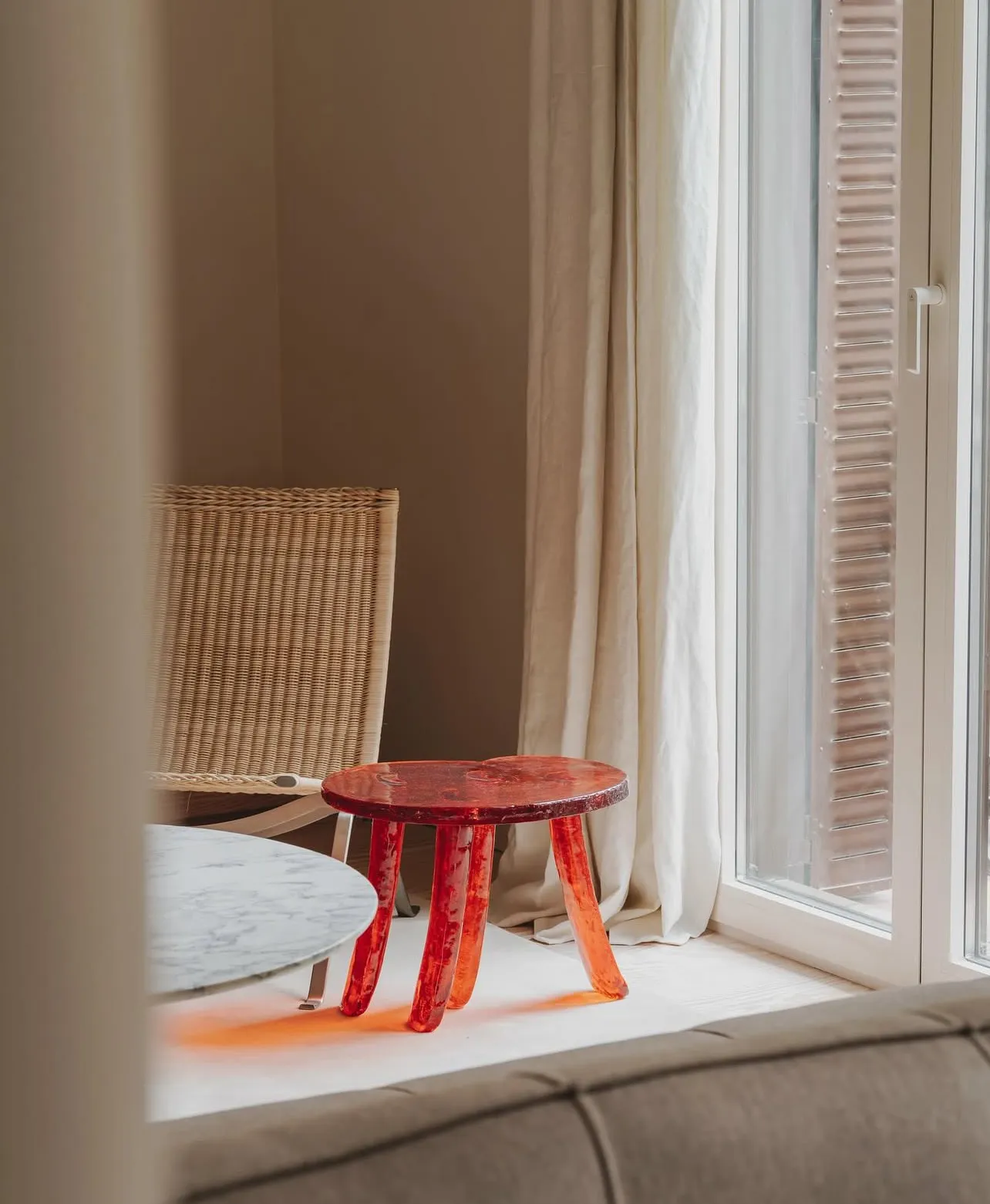
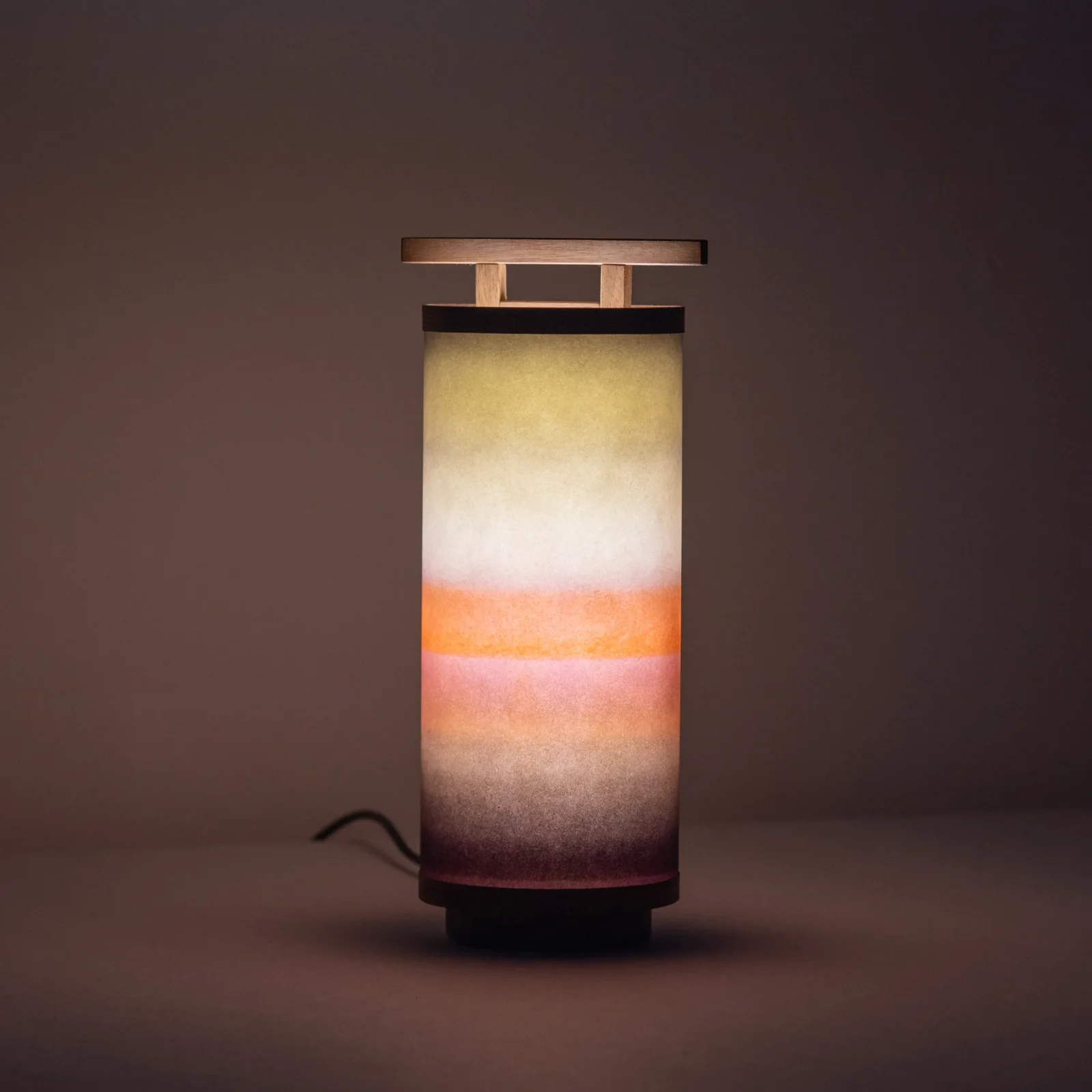
Smaller-footprint objects also carried momentum. Szymon Keller’s customizable resin Lung tables and stools pointed to demand for compact pieces with finish impact. NG Design’s hand-carved oak Object112 reinforced interest in tactile forms that bridge stool, pedestal, and sculpture. Pani Jurek’s ceramic OP collection used color and internal light to create emotionally driven objects, while Prange’s walnut and washi paper lamps suggested continued relevance for calm, architectural lighting.
Trade takeaway
Buyers remain highly responsive to pieces with clear material authorship, strong silhouettes, and emotional distinctiveness.
Isola Signals Global Independence with Commercial Momentum
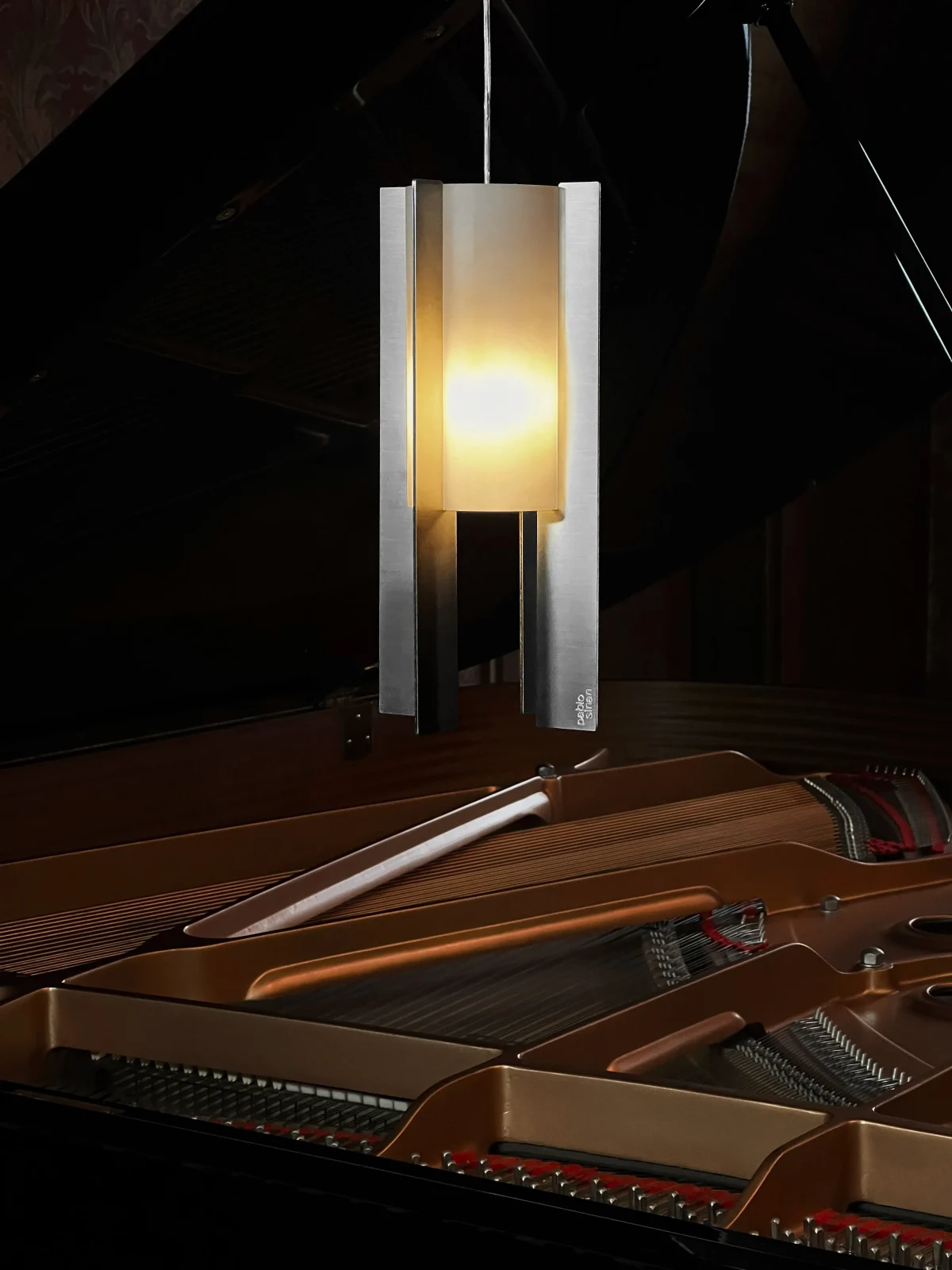
Isola has grown into one of Milan Design Week’s strongest platforms for emerging and international studios. Where Alcova captures experimentation, Isola often shows independent design ready for interiors, hospitality projects, and broader commercial traction. Pablo Sinan Design’s Lumix Pendant used brushed stainless steel in a restrained silhouette, showing continued strength for clean metal lighting. Their Koza Accent Chair, in walnut burl and solid walnut, reflected growing demand for furniture with narrative depth and stronger visual presence.

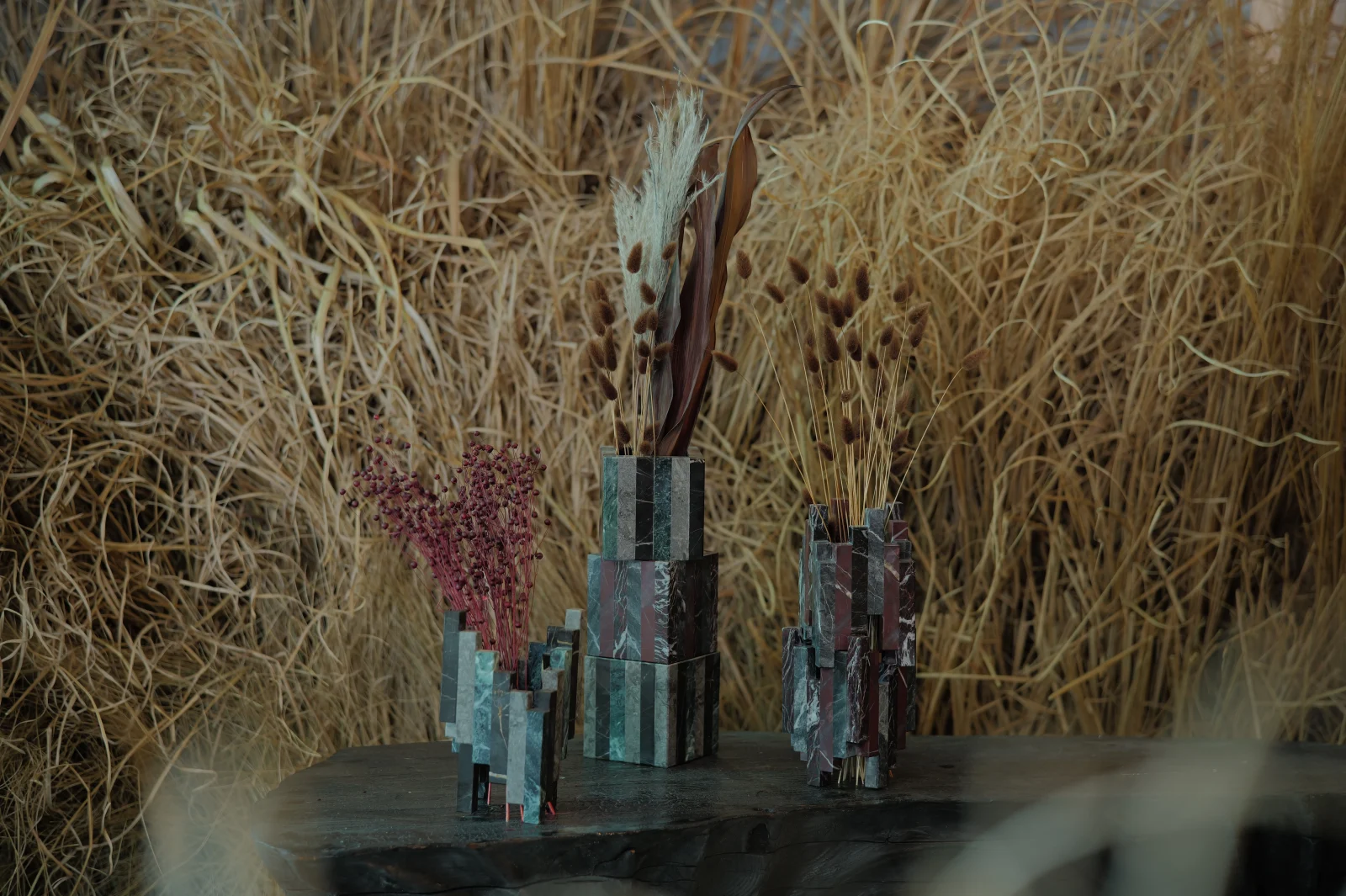
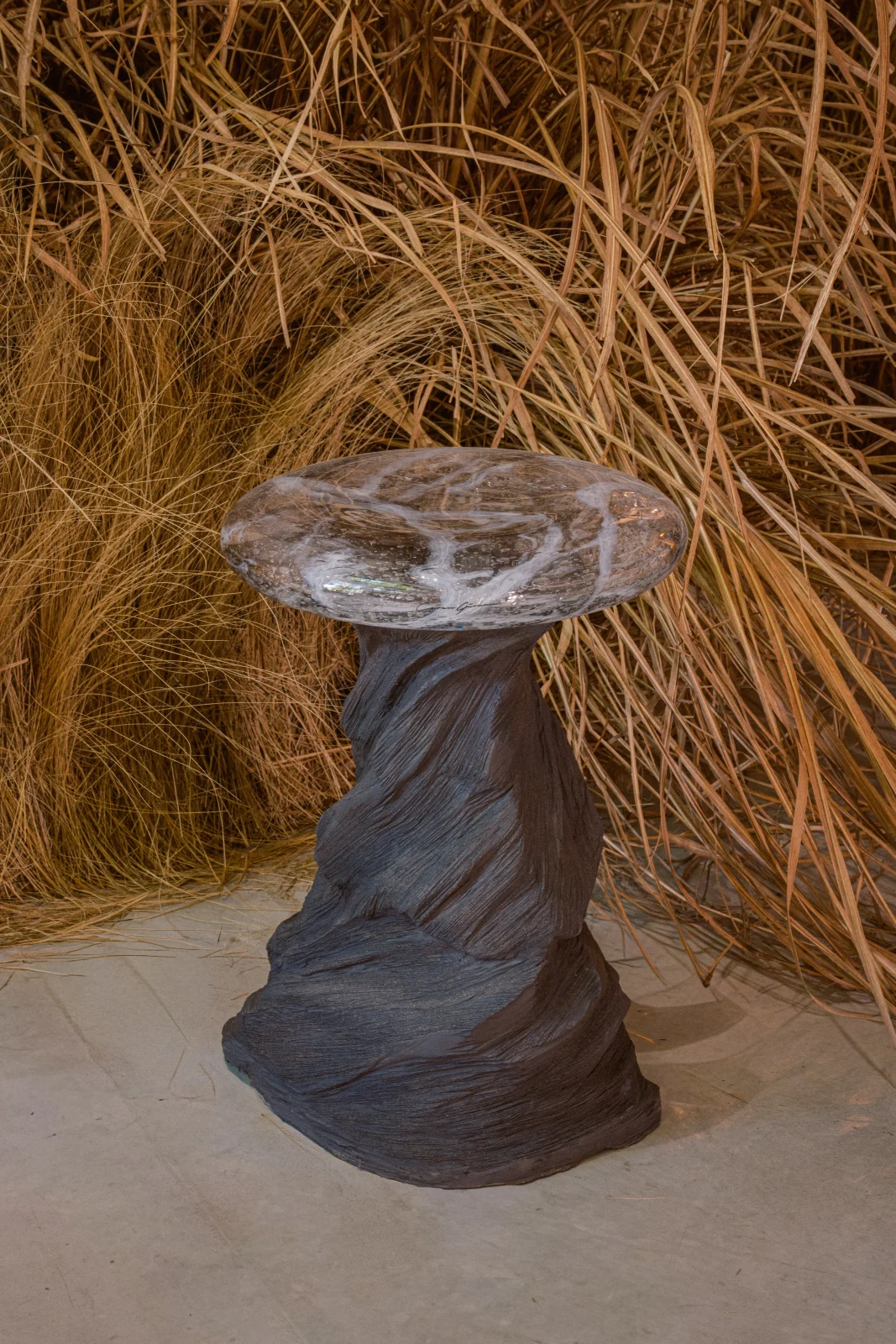
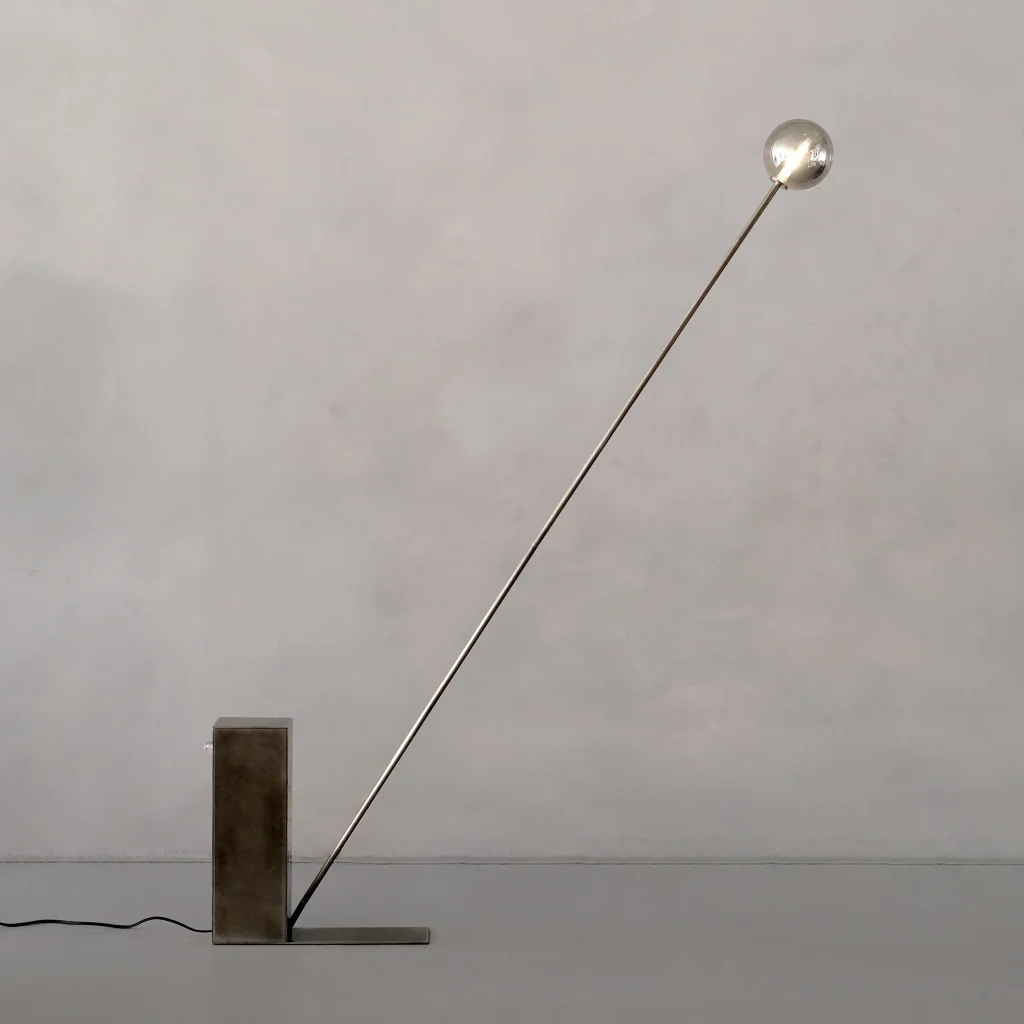
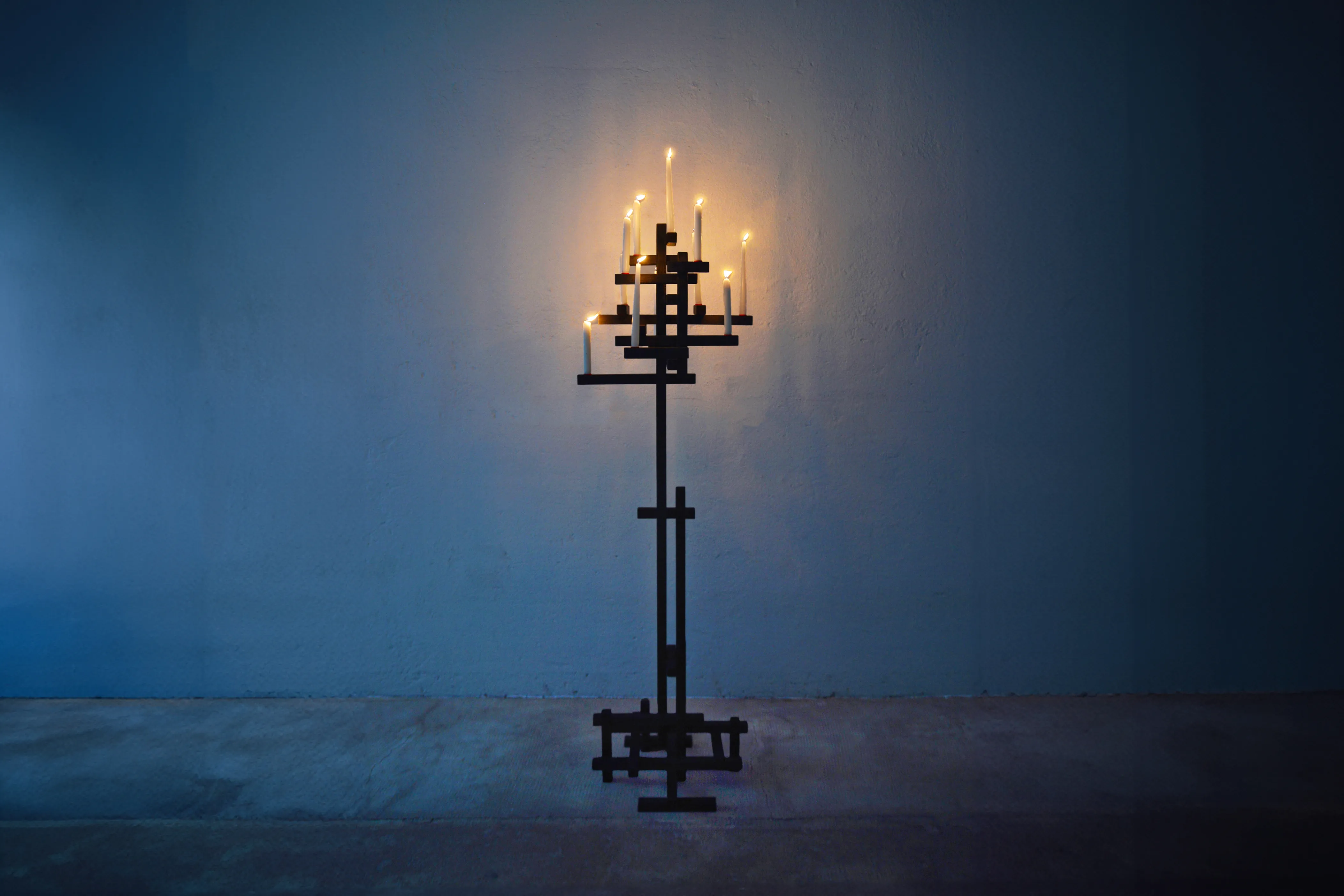
Spero Furniture’s Matka Side Tables paired lathe-turned wood bases with textured aluminum tops. HEAKO’s Oblique Glow floor lamp used blue steel and geometric composition to show demand for lighting as a room-defining object. Ceren Gürkan’s handcrafted stoneware works suggest growing interest in dimensional wall objects and ceramics, while Iyo Hasegawa’s Strata collection, built from repurposed marble remnants, pointed toward stone objects with sustainability logic and sculptural versatility.

Trade takeaway
Buyers should watch for pieces that pair strong identity with realistic placement potential.
SaloneSatellite Signals the Next Generation of Commercial Design
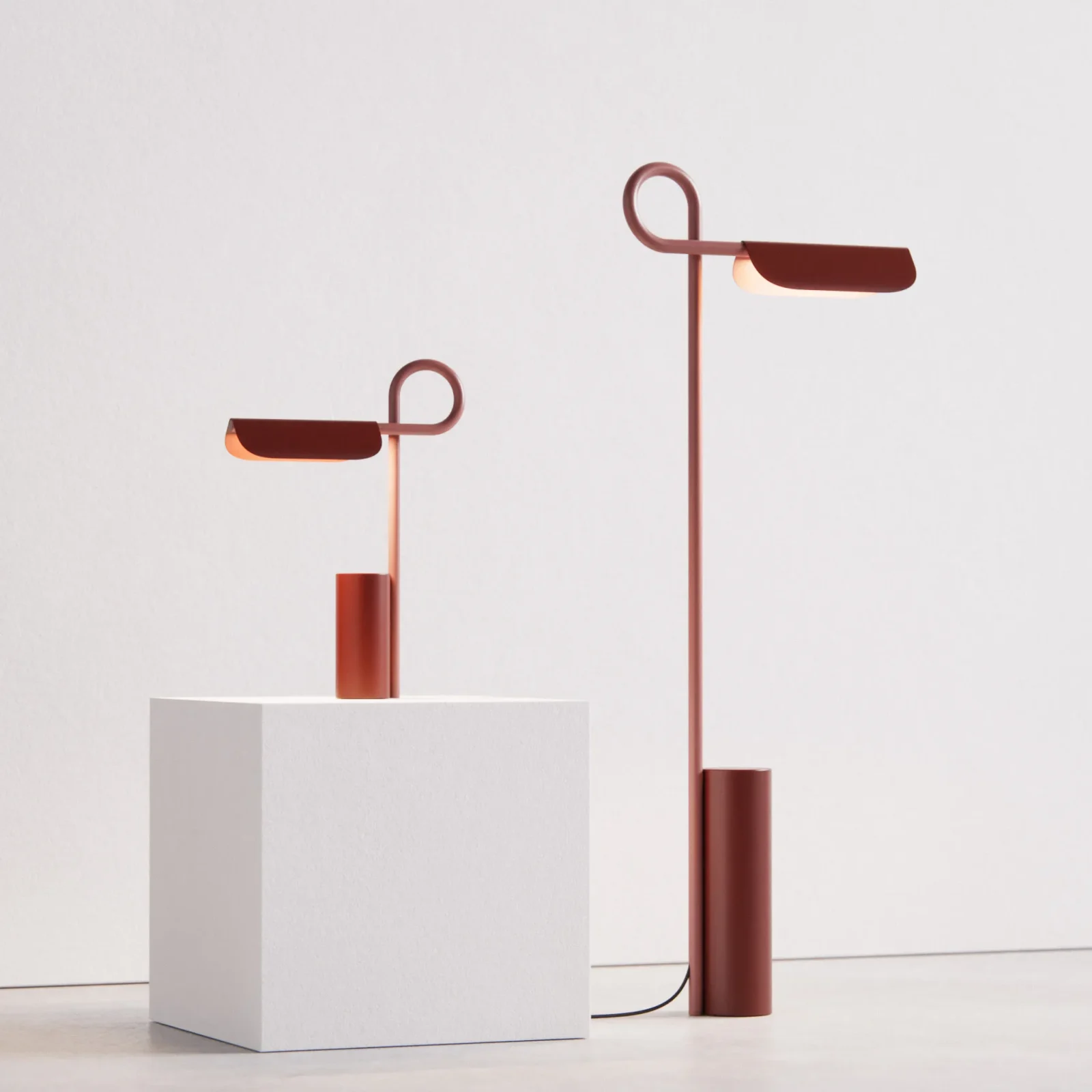
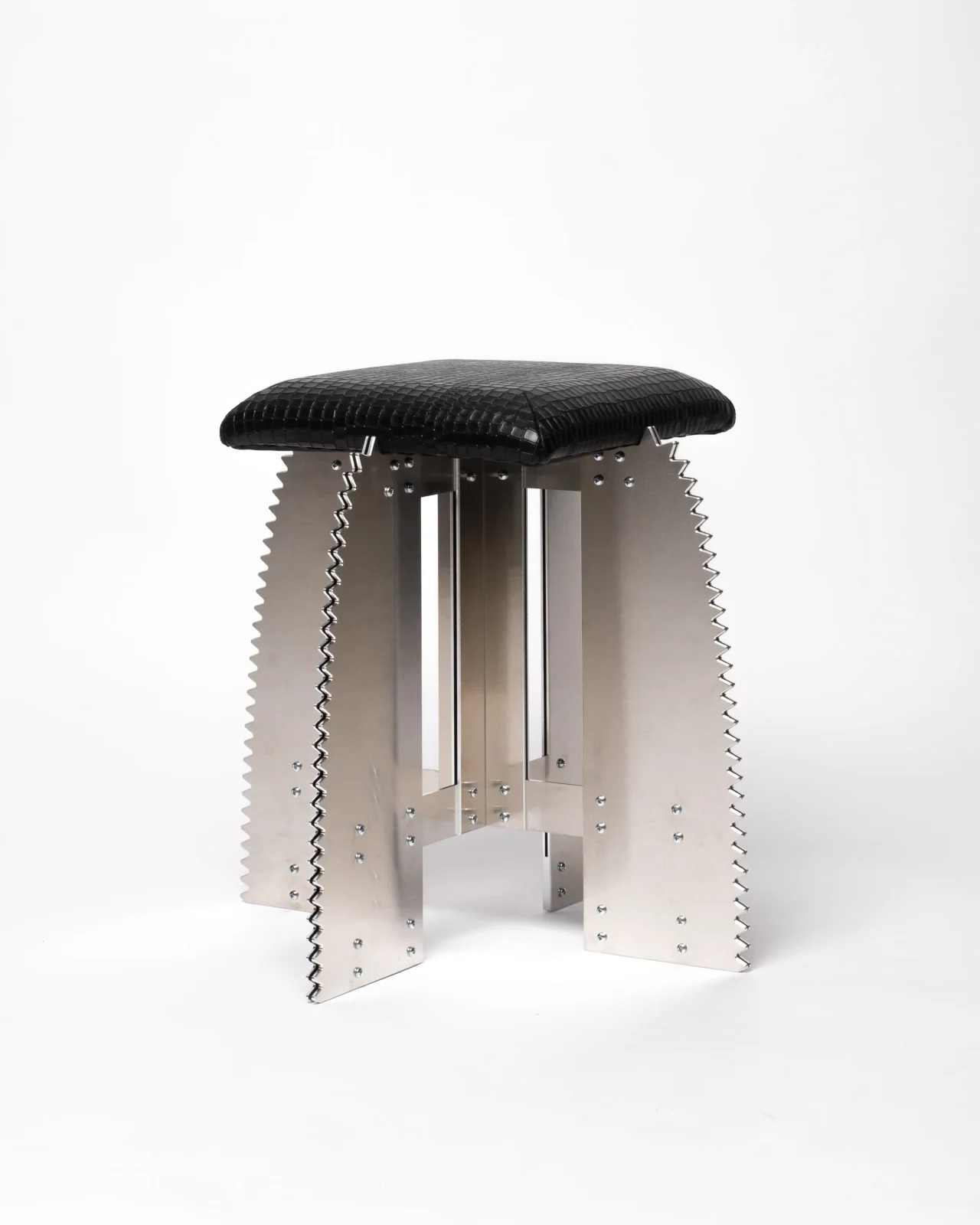
Since 1998, SaloneSatellite has been Milan’s clearest meeting point between young designers and the manufacturers, galleries, retailers, and specifiers looking for what comes next. Its relevance lies in showing how younger studios reinterpret known materials for a changing market. Martin Hopland’s Crocodile Stool paired raw aluminum legs with a hand-finished leather cushion, balancing rugged metal with tactile warmth. NokNok’s Soft Steel Collection reshaped tubular steel into softer, more inviting gestures, turning a familiar industrial material into something more domestic and emotionally resonant.
Trade takeaway
The next wave of commercially viable design is likely to come from familiar materials used with more softness, personality, and restraint.
Brera District Signals Market Readiness and Cultural Prestige
Brera remains Milan Design Week’s most established stage for brands and studios seeking broad visibility. If Alcova points to what is emerging, Brera often shows what is ready for collectors, interior designers, hospitality buyers, and press.
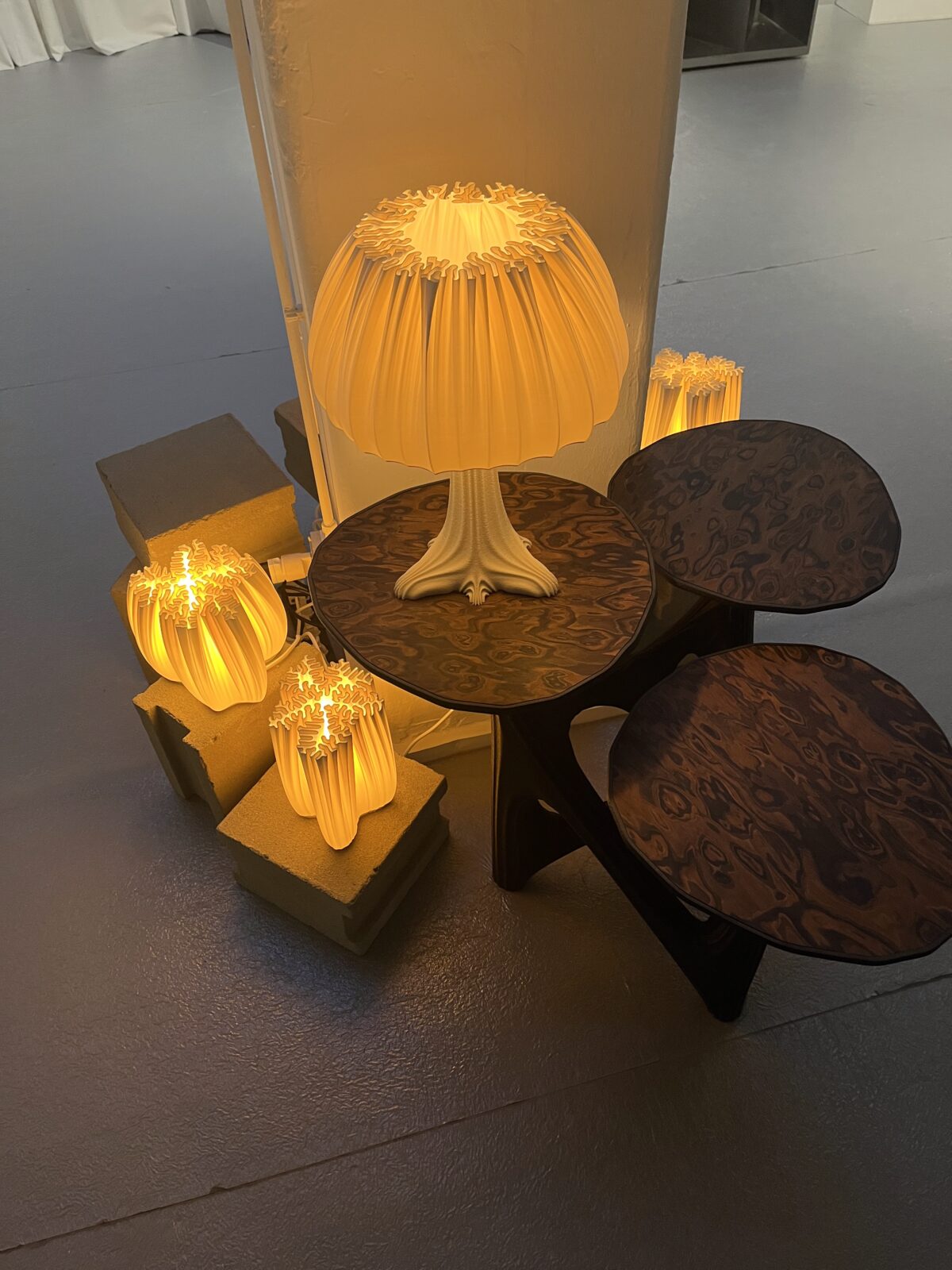
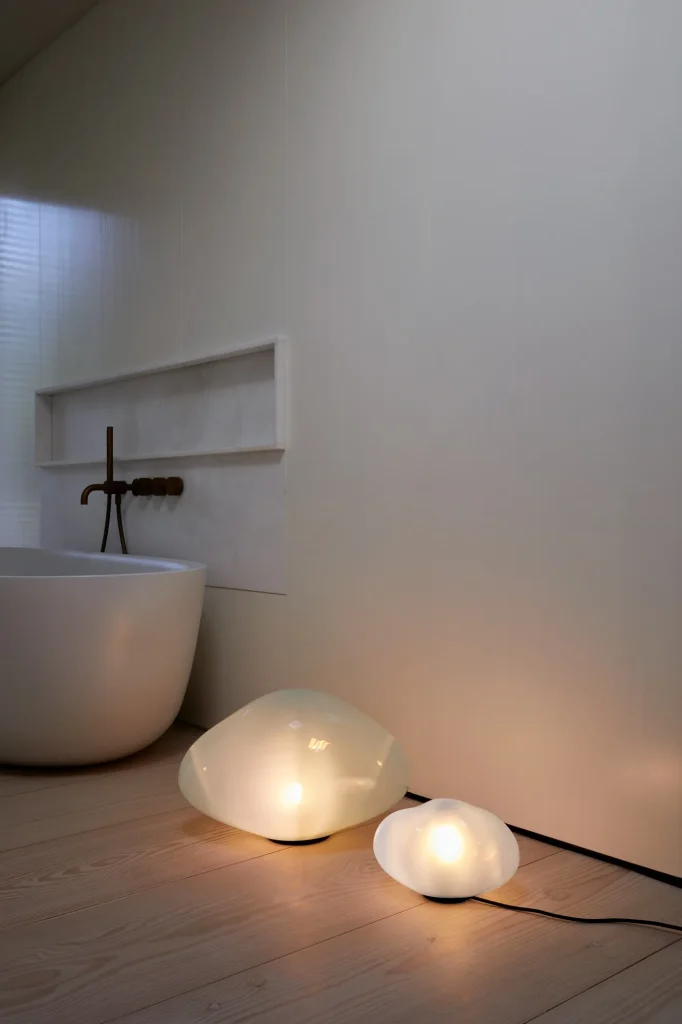
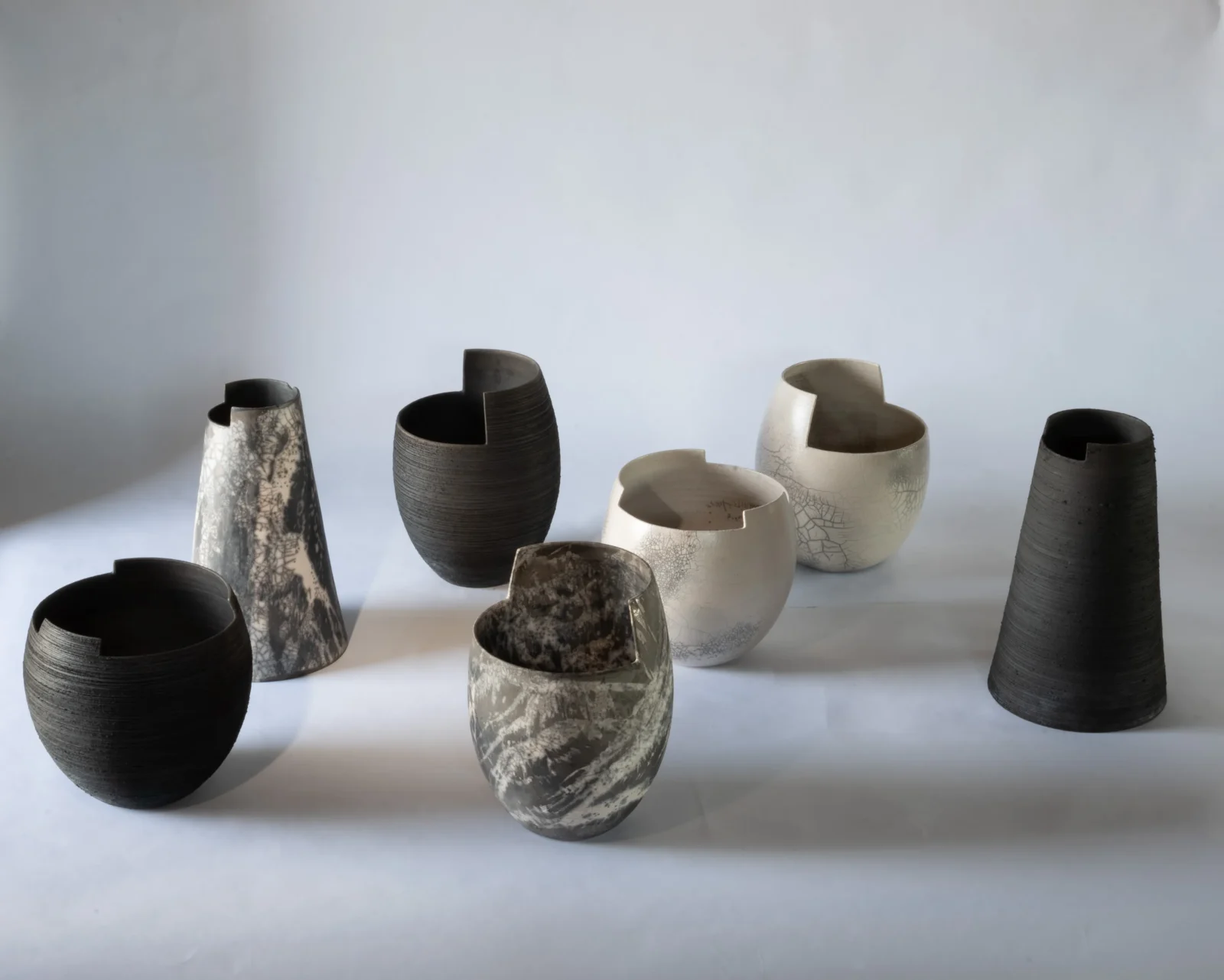
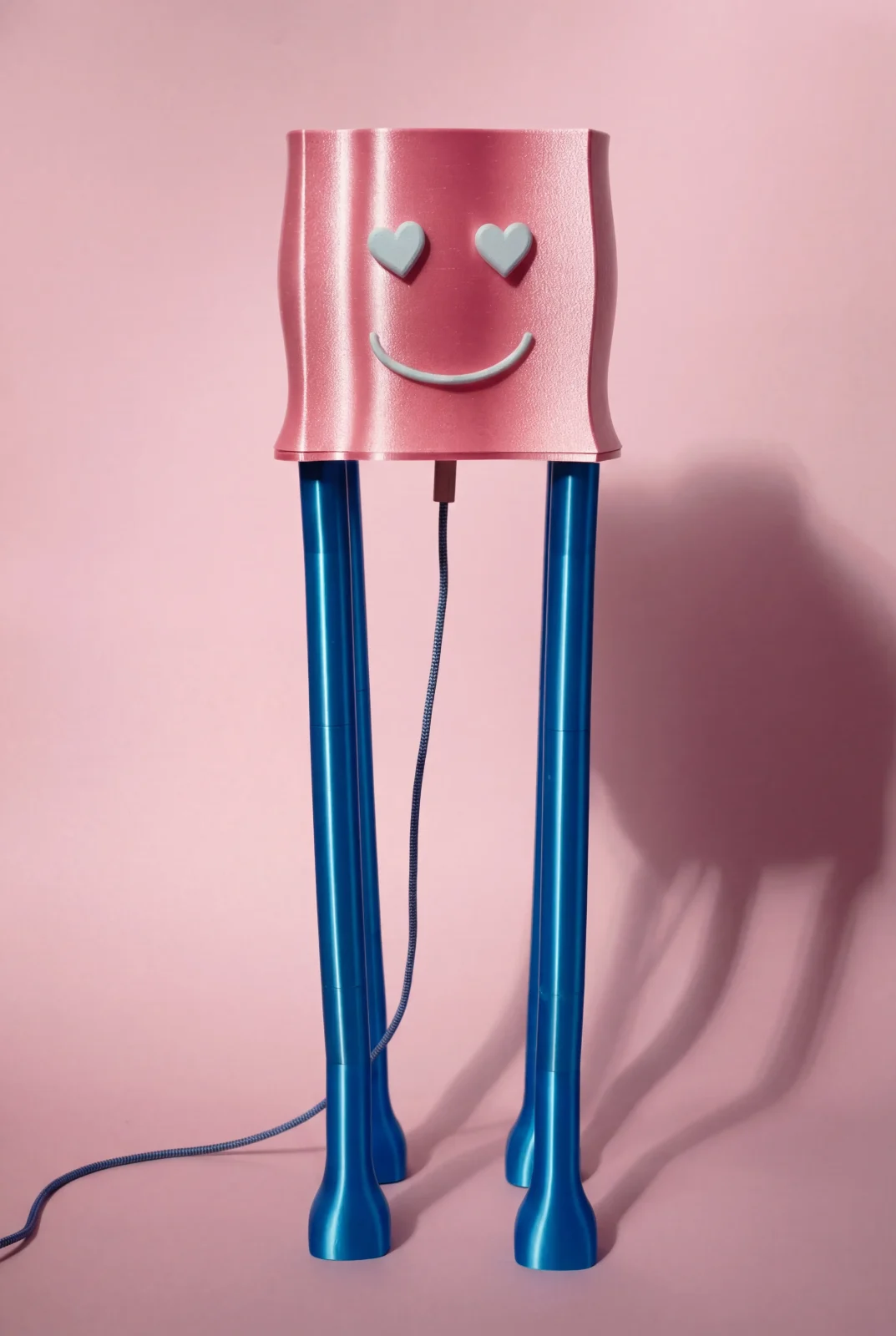
This year, Sounds of Design: A Temporary Listening Room focused on sound, materiality, and sensory atmosphere, signaling continued demand for immersive environments. Diploria studio’s biodegradable polymer table lamp reflected growing interest in bio-based materials with strong visual identity. ELOA’s hand-blown glass luminaires confirmed the strength of artisanal glass lighting in higher-end interiors. M’ama Edizioni’s playful 3D printed candleholders, vases, and lighting suggested continued appetite for approachable collectibility, while Studio Von Schoenebeck’s charred wood candleholders showed parallel demand for objects with story and craftsmanship depth.
Trade takeaway
Buyers continue to seek refined pieces that still carry emotion, authorship, and memorable presence.
Across all four districts, the message was consistent. Buyers want material depth, emotional clarity, and objects with enough identity to justify the space they occupy. Many of those signals are already visible across the independent studios shaping ADORNO today.
