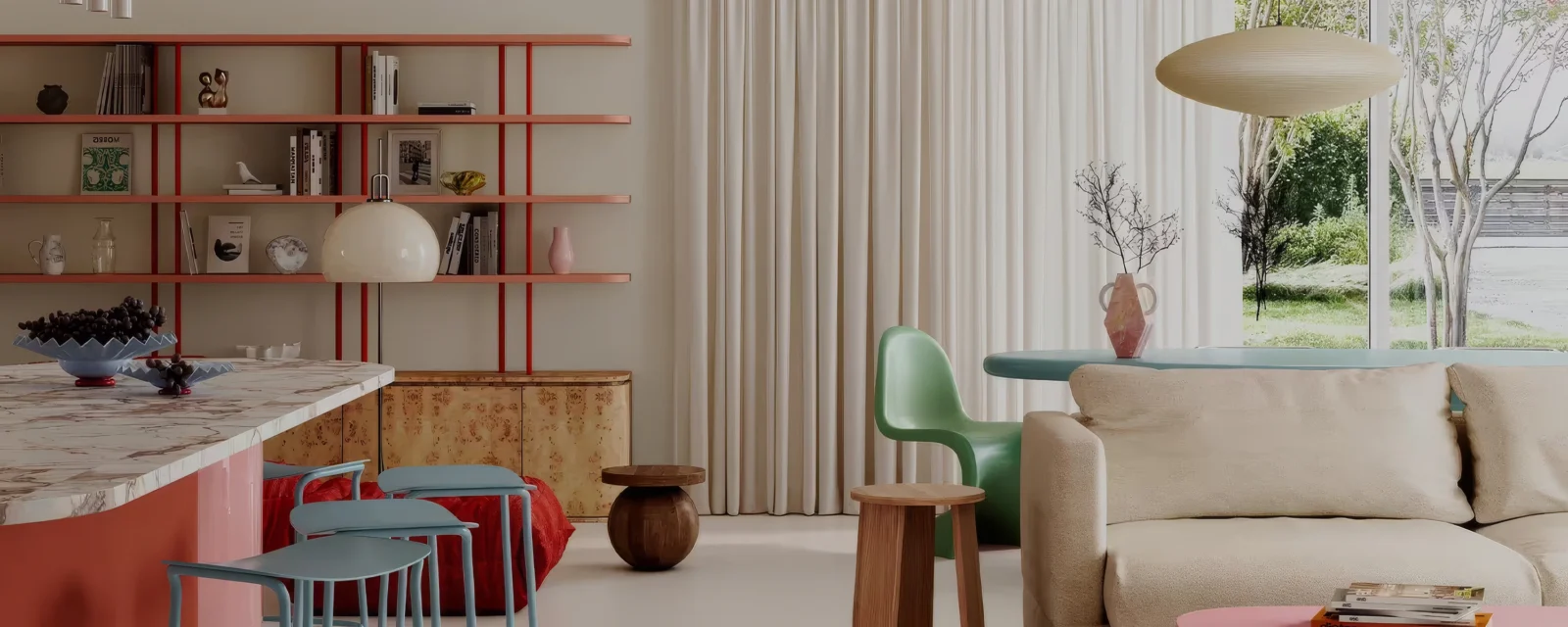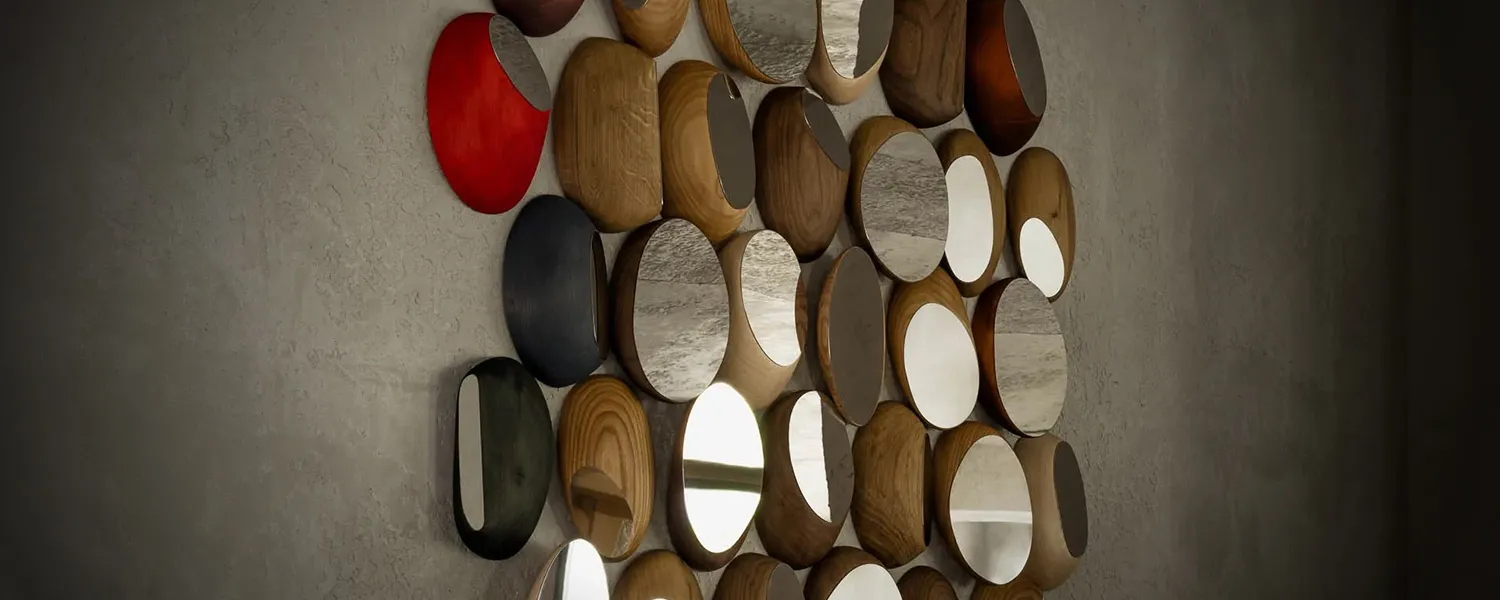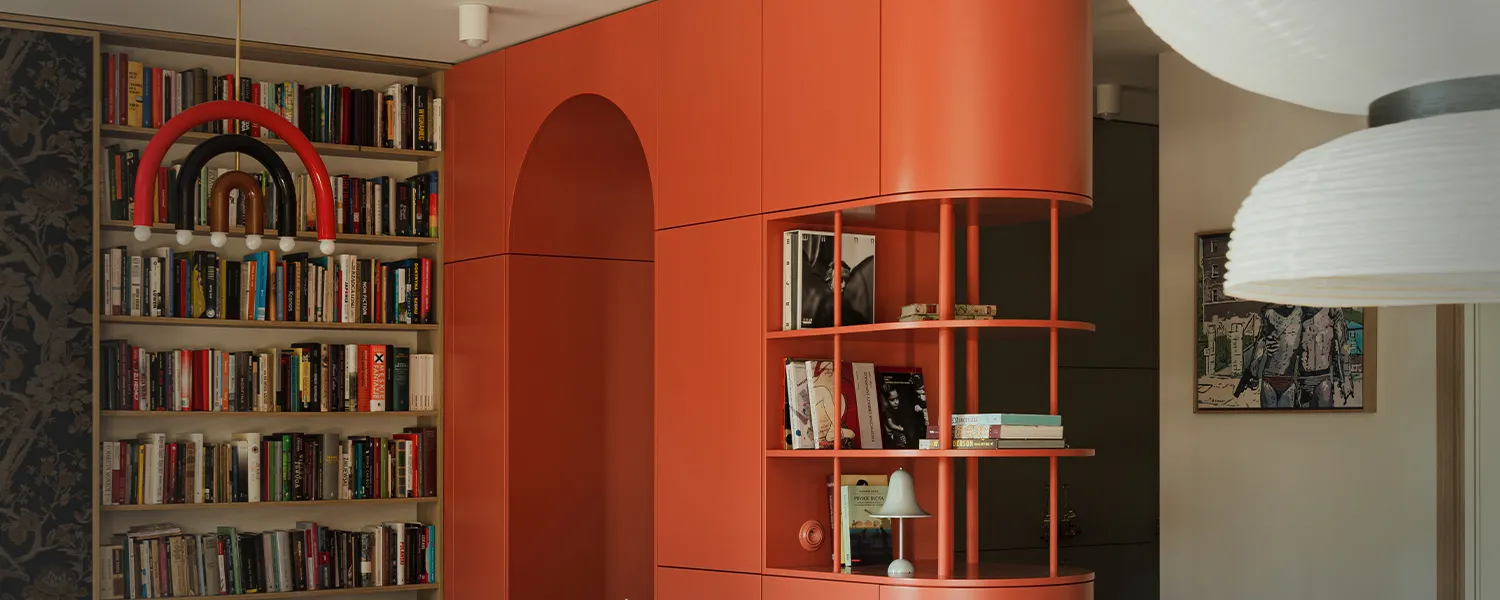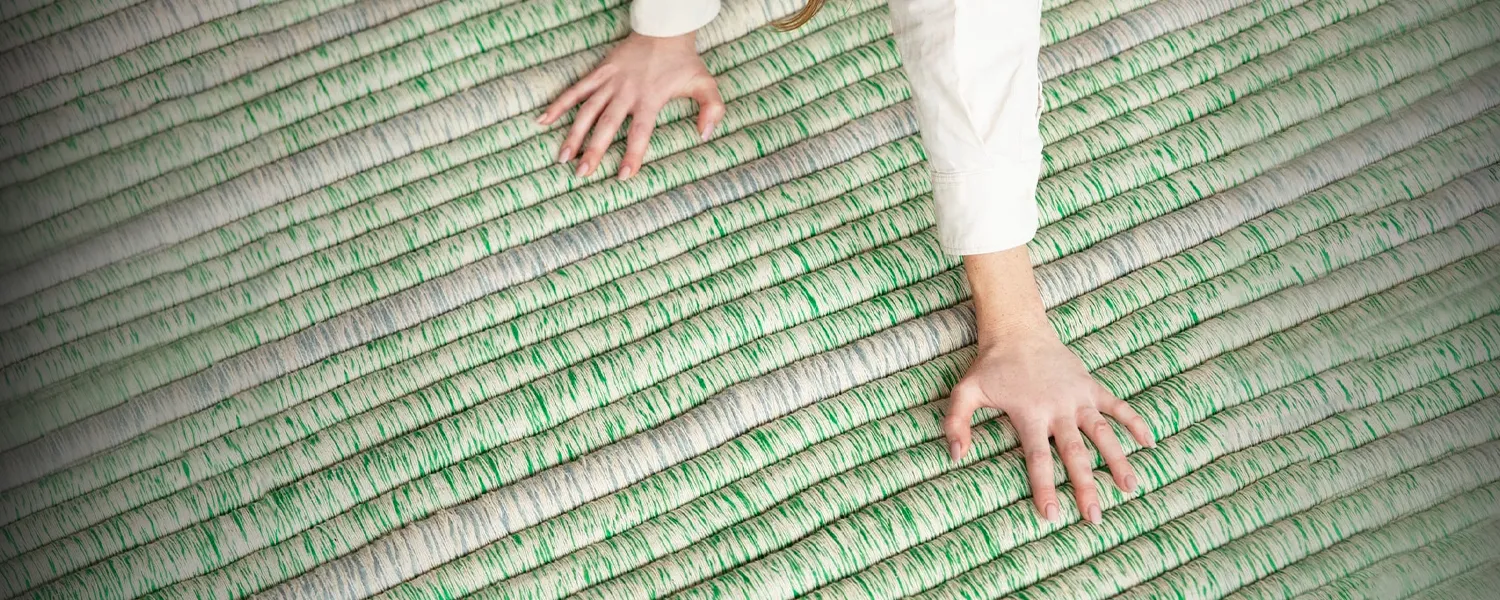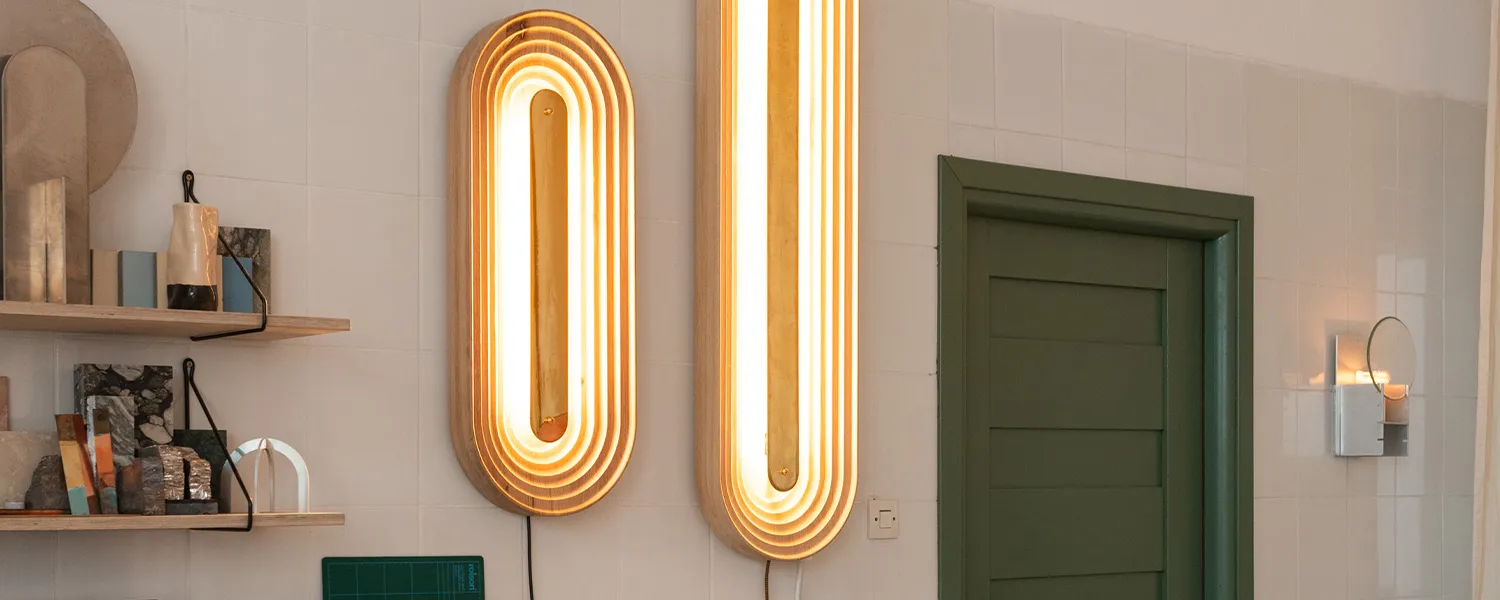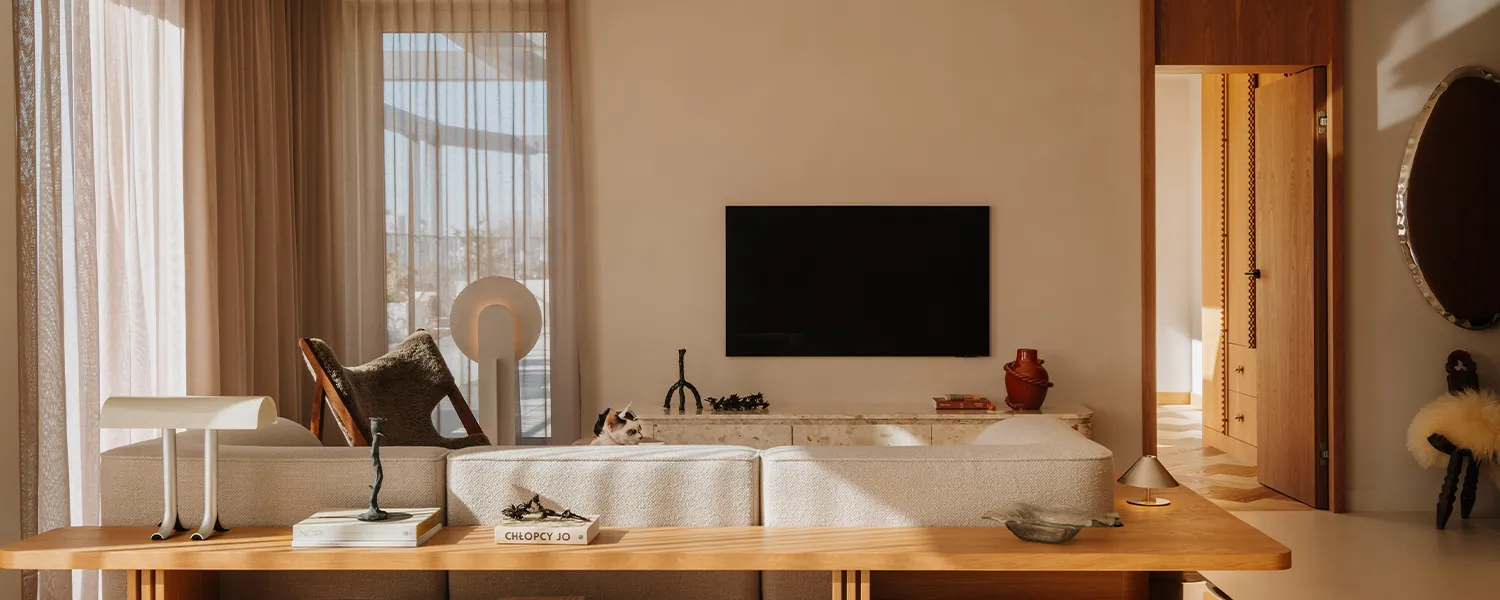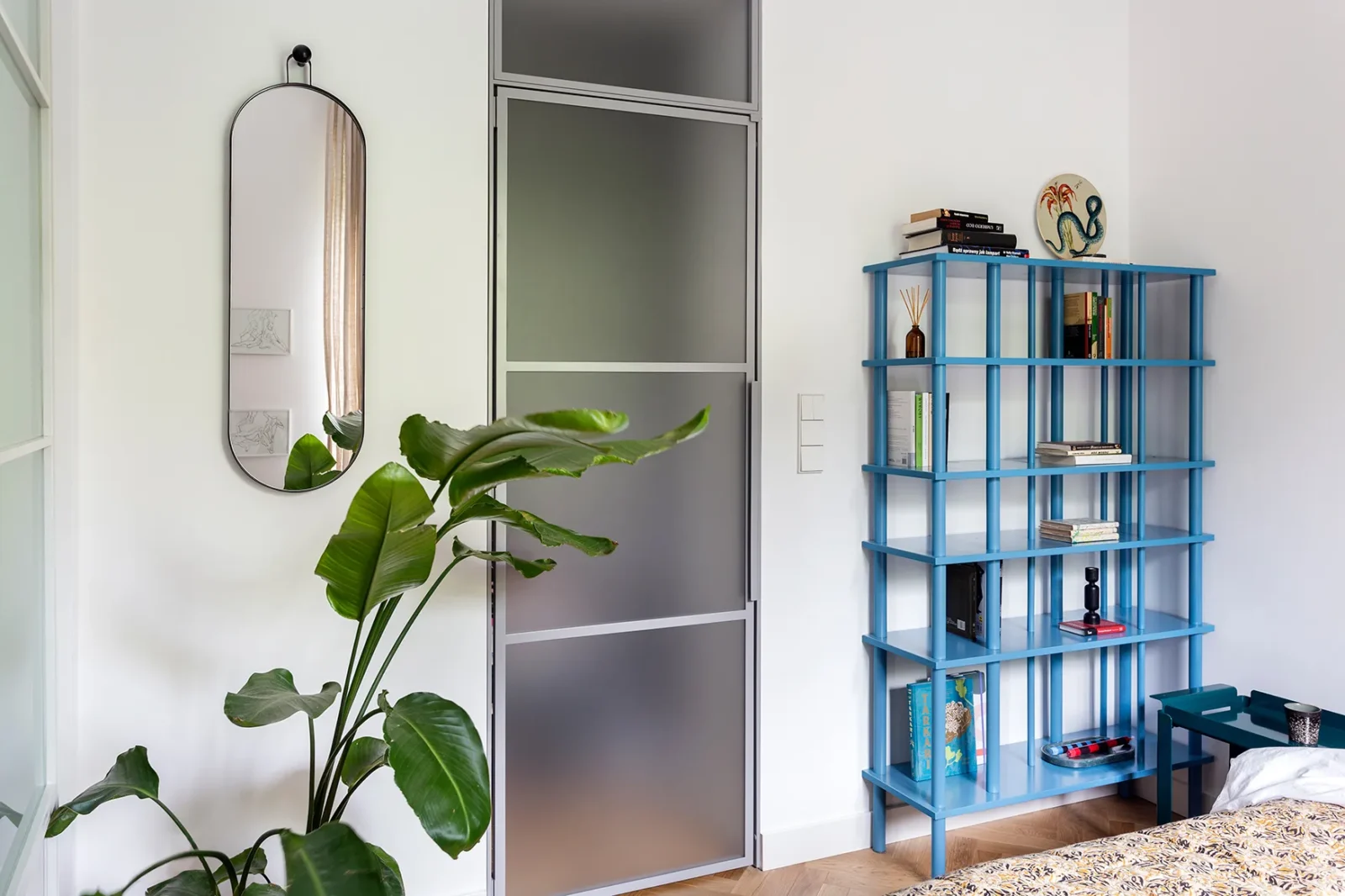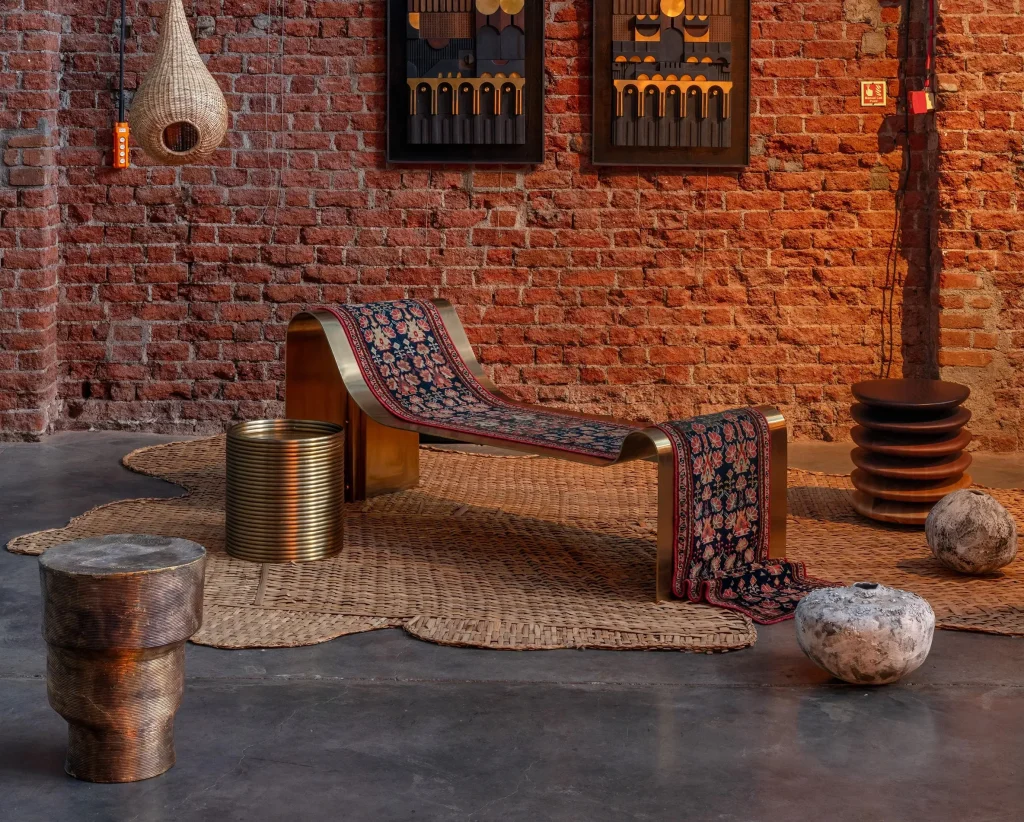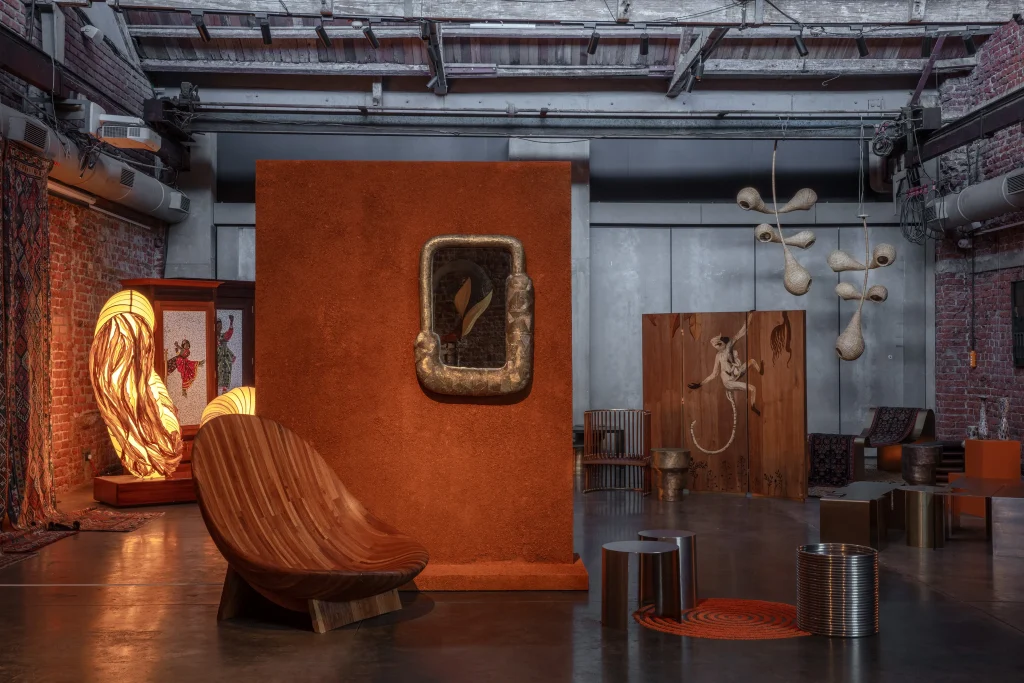
In Seoul, architects make lamps, metalworkers make chairs, and mother-of-pearl meets the 3D printer.
Updated on: October 31, 2026
Curator Sandy Park describes Korean design as a space of constant transformation, where creative boundaries shift like sand. Korean designers move between disciplines with unusual ease: architecture collides with product design, digital tools meet traditional craft, and the result is fresh, dynamic and deeply resonant.
Park shaped ADORNO’s Design Destination: Seoul campaign in 2024, and her reading of the scene still holds. Here is what defines Korean designers today, in her words, and six studios to know now, from hanji paper lamps to sand-cast aluminum.
The New Design DNA of Korean Designers
“There is a dynamic and diverse cross-section of contemporary design spanning across various disciplines,” Park observes, pointing to what she calls “a constant shift and transformative nature in the design community.” Consider BDCI, a studio beside Seoul’s Gyeongbokgung Palace that is nevertheless focused on technology. Its wireless resin lights merge digital and physical methods while keeping an emotional pull that bridges art and function.
Oneseo Choi takes a similarly experimental approach, exploring industrial materials and manufacturing processes to find unexpected beauty in functional objects. Meanwhile, Greem Jeong combined Korea’s centuries-old mother-of-pearl inlay with 3D printing to make pieces that resist easy categories. Both studios have since left ADORNO, but the approach they shared is now common across the scene.
Old Meets New in South Korean Design
Park’s curatorial eye zeroes in on one pattern: “The design community in Korea is characterized by a fluid exchange between past and present, where old traditions are reinterpreted through modern lenses.”
PRACTICE, founded by Seohu Ahn and Sisan Lee, balanced sculptural expression with function, turning everyday materials into designs that feel both familiar and new. Similarly, Woohyun Han carves ash wood by hand into lamps that reimagine the natural world, a poetic take on long-standing craftsmanship.
The Material Revolution
Korean designers are rewriting the material playbook, favoring resourcefulness over costly materials. “The focus on recycled plastics, concrete and metals signals a movement toward democratizing design,” Park explains. Bureau.parso, led by Teo Rhe and Sheyang Li, turns overlooked materials into striking objects; its Aluminum Veneer series, made from recycled industrial aluminum, proves that good design is less about precious materials than precious ideas. For more in this vein, see our edit of aluminum furniture and our guide to sustainable design.
The Generational Remix
The Korean scene thrives on dialogue between generations. “This isn’t about old school versus new school,” Park says. “It’s about all schools teaching each other new tricks.” Atelier SOHN shows this exchange, pairing traditional material knowledge with bold contemporary experiments in recycled plastic. Likewise, younger designers now show alongside established names at fairs such as Design Miami’s first Seoul edition, which Wallpaper* covered in 2025.
6 Korean Designers to Know Now
Melting Series – Recycled Plastic Container by Atelier SOHN

Atelier SOHN collects plastic flakes discarded at a prototype factory and dissolves them with solvents, so the surface melts into a marbled skin. As a result, every container carries a different pattern of navy and white. At 15 x 15 x 18 cm (6 x 6 x 7 in), it holds pens on a desk or dried stems on a shelf.
By Atelier SOHN
€600 incl. tax
Biiit 002 Table Lamp In Paper And Brass by Bo Ah Kim
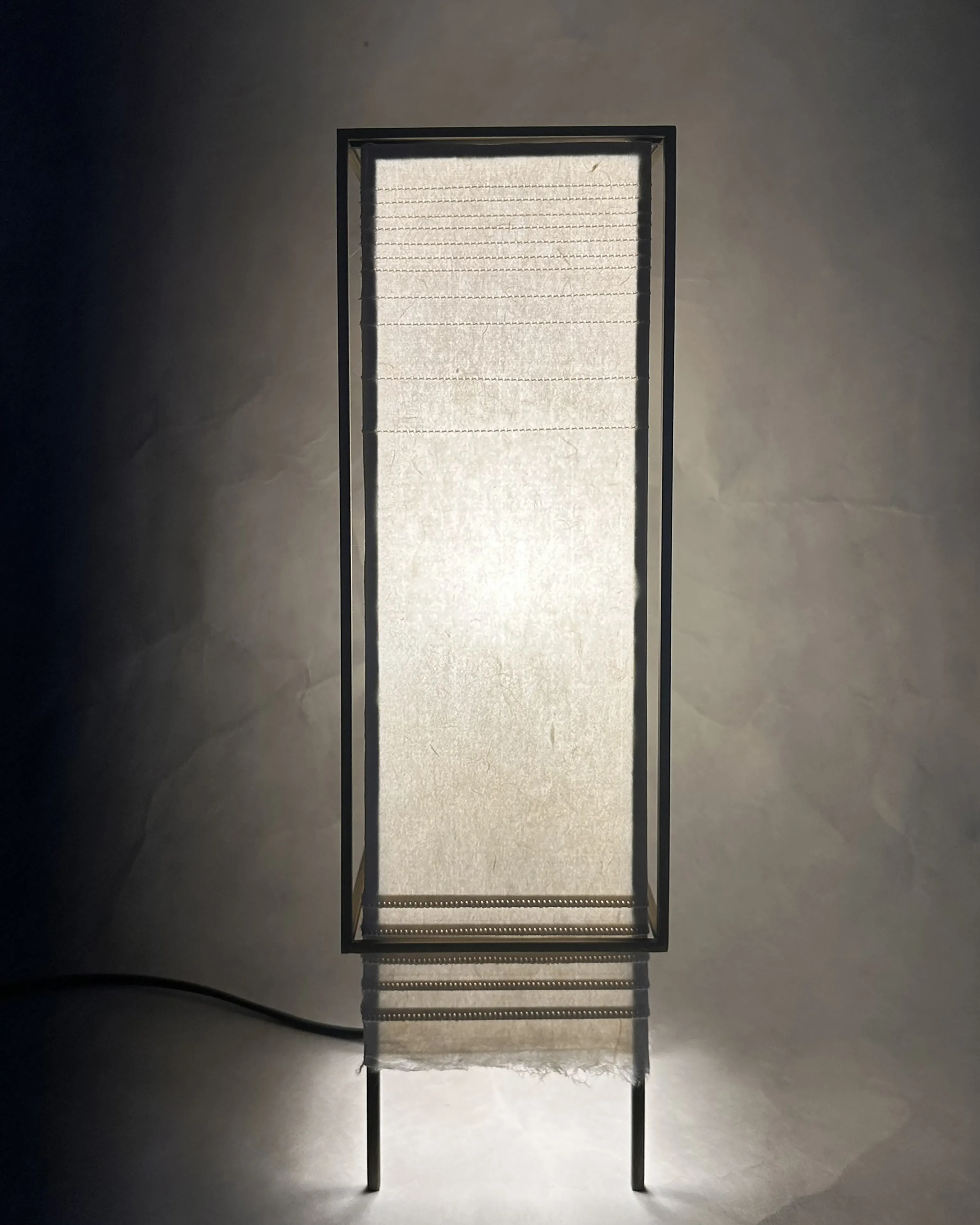
A box-shaped shade of hanji, the Korean mulberry paper, sits inside a slim four-legged frame plated in matte brass. Notably, the design follows yeobaek-mi, the Korean aesthetic of empty space, so the paper glows without crowding the room. At 11 x 11 x 40 cm (4 x 4 x 16 in), it suits a bedside table or a narrow console.
By Bo Ah Kim
€1,500 incl. tax
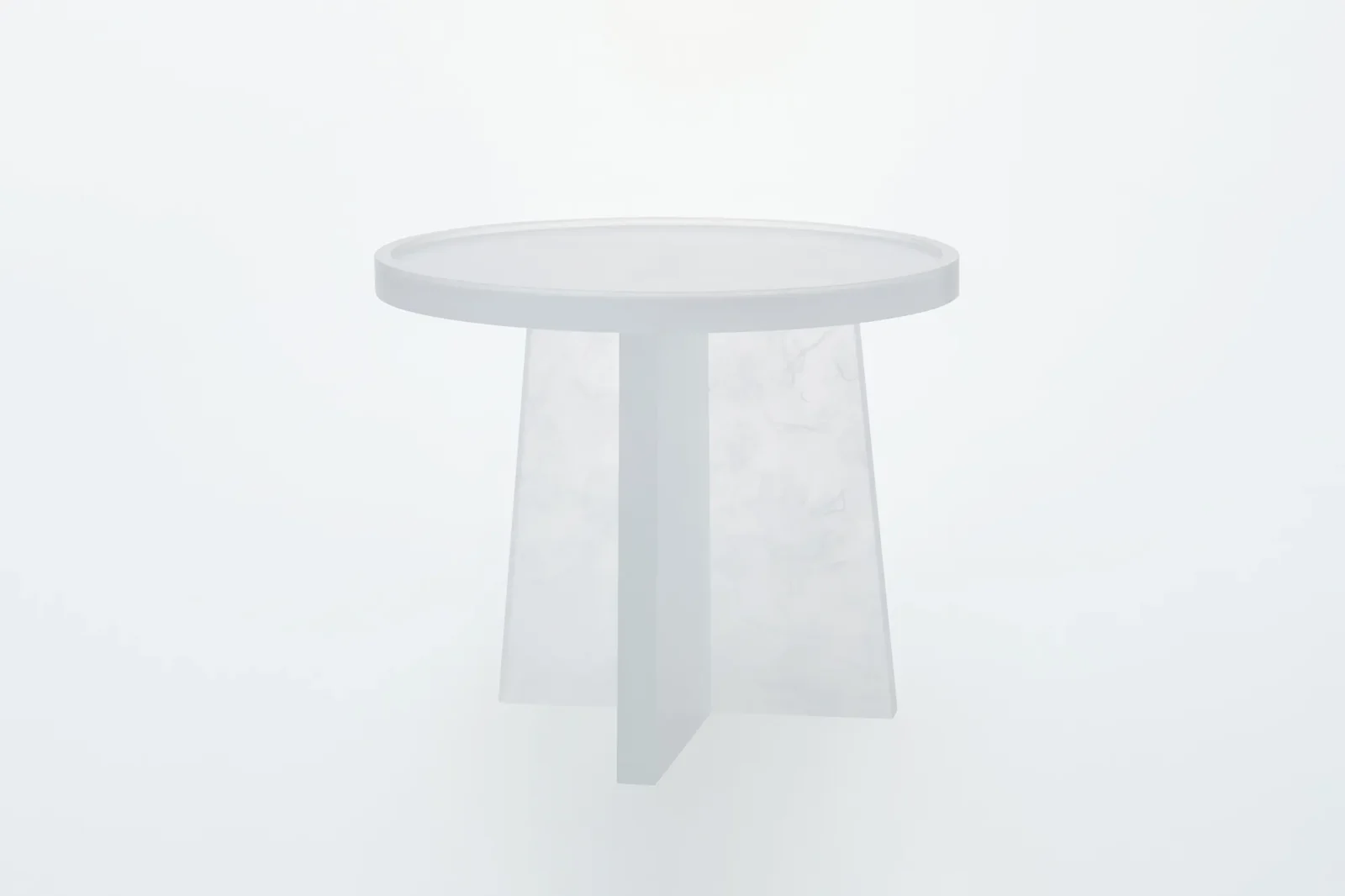
Kiri Side Table in Korean Paper and Resin by Sangwoo Son

Sangwoo Son sets hanji in synthetic resin, keeping the paper’s fibers visible inside a frosted, semi-transparent body. Specifically, the piece grew from a morning mist he met while traveling, a metaphor for boundaries you can see through. At 28 x 28 x 23 cm (11 x 11 x 9 in), it sits low beside a sofa or a reading chair.
By Sangwoo Son
€900 incl. tax
Objects of Function No.2401 Coffee Table in Stainless Steel by Park Eunchong Studio

From above, No.2401 reads as a clean square of brushed stainless steel; from the side, its edges split and fold away from the cube. Moreover, each angle reveals a new surface, so the table changes as you walk around it. At 59 x 59 x 36 cm (23 x 23 x 14 in), it anchors a living room without taking up much floor.
By Park Eunchong Studio
€2,550 incl. tax
Ply Stool – Birch Plywood by Studio Kimbyungsub

Byungsub Kim stacks birch plywood and turns it on a lathe, so the layered edges, usually hidden, become the pattern of the legs. Indeed, a sheet material ends up looking like carved solid wood. At 36 x 36 x 45 cm (14 x 14 x 18 in), it works as a stool, a plant stand or a small side table.
By Studio Kimbyungsub
€850 incl. tax
Aluminum Chair by Kyunchul Kim
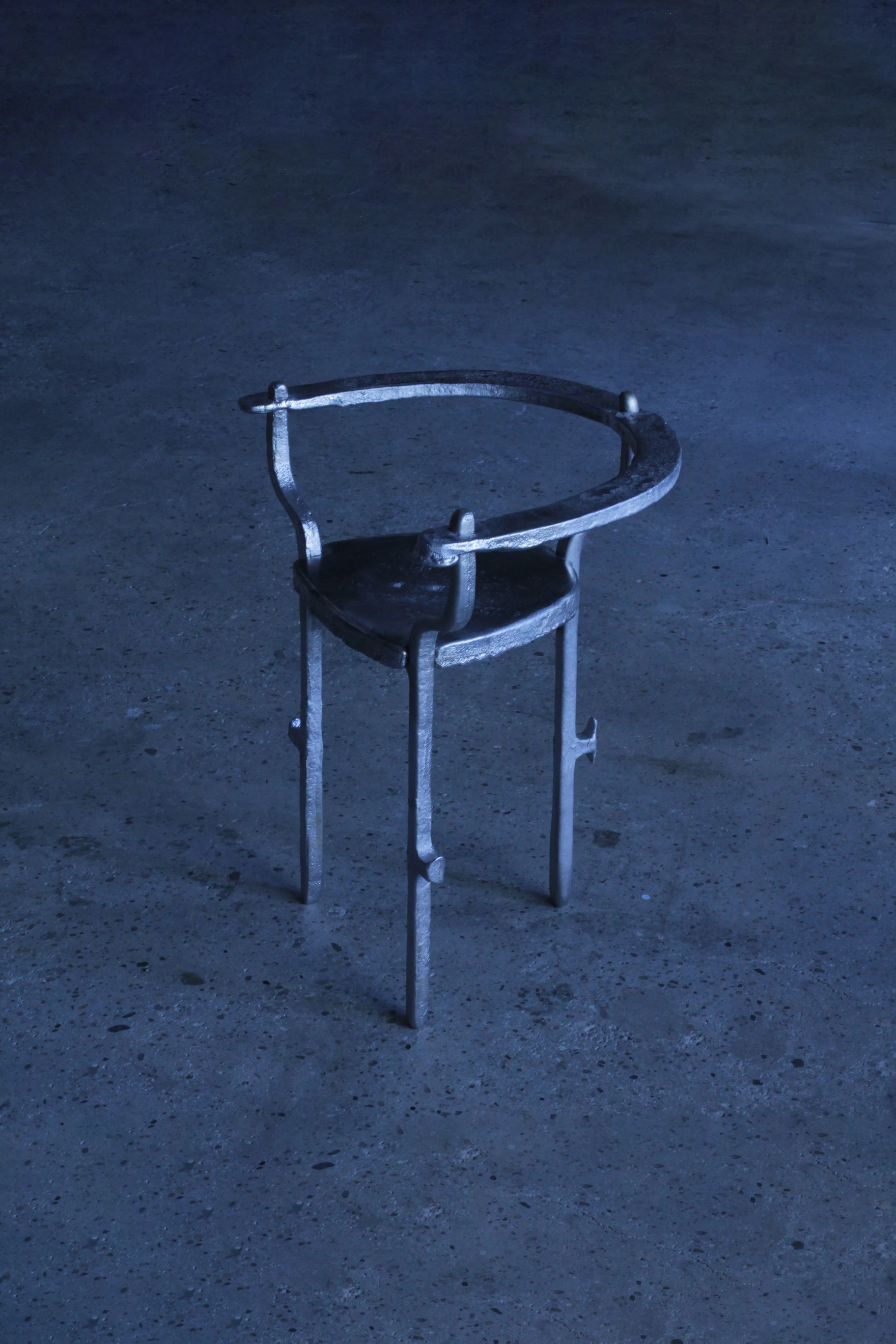
Kyunchul Kim sand-casts each part of the chair separately, then joins them by pouring molten aluminum onto the points of contact. Consequently, every joint keeps the trace of its making, and no two chairs are the same. At 45 x 45 x 55 cm (18 x 18 x 22 in), it is a sculptural accent for a hallway or a bedroom corner.
By Kyunchul Kim
€1,300 incl. tax
Why It Matters
This is more than an evolution in style. Through Park’s lens, Korean designers show what becomes possible when creative practice stays unbounded: the future of design is not a choice between tradition and innovation, craft and technology, or form and function. Furthermore, access to tools and knowledge lets designers move fluidly between disciplines, supported by communities that value that range.
For more on the scene, read Korean Design: Where Tradition Meets New Materials and why Seoul is the next obsession in furniture, or browse the Design Destination: Seoul collection.
Frequently Asked Questions
What makes Korean designers distinctive?
Many move freely between disciplines, from architecture and metalwork to lighting and furniture, and combine traditional crafts such as hanji paper, lacquer and mother-of-pearl inlay with digital tools and recycled materials.
What is hanji?
Hanji is traditional Korean paper made from the inner bark of the mulberry tree. It is strong, fibrous and translucent, which makes it a natural material for lampshades and, set in resin, for furniture.
Who is Sandy Park?
Sandy Park is the curator behind ADORNO’s Design Destination: Seoul campaign, which brought together Korean studios working across disciplines in 2024.
Where can I buy pieces by Korean designers?
ADORNO works directly with independent Korean studios, including the six above, and ships worldwide. Each piece is listed with its price including tax.