Updated on: September 24, 2026
A good book deserves a good chair. And a lamp. And somewhere to set down the tea.
The start of a new season often brings renewed attention to reading, sometimes as a goal to hit, but more often as a wish to slow down, spend time offline and return to something absorbing. A home library or reading nook becomes less about storage and more about atmosphere: a place you actually want to return to, night after night. Indeed, the practice of bibliotherapy treats reading itself as a form of rest.
Design plays a quiet but decisive role in that ritual. The right chair supports long stretches without distraction, lamps shape light so your eyes can relax, side tables hold books mid-chapter, and shelving keeps stories close. None of it needs to match. Consequently, the best reading spaces reflect how you read, how you rest and how you like to spend time alone. This selection brings together 19 pieces by independent designers to help you build yours.
What makes a good home library?
A good home library balances four things: a comfortable seat, the right light, a surface within reach and shelving that keeps books visible. Beyond that, it is personal. Some readers want a full room lined with shelves; others need only a corner, a chair and a lamp. Either way, the aim is a space that signals permission to stop and stay.
Size matters less than intention. A cozy reading nook under a window or in an alcove can feel more inviting than a large reading room. As a result, the pieces below are chosen to work in both, from sculptural lounge chairs to compact side tables.
Home library ideas: how to plan your reading space
Start with the chair
Choose the seat first and build around it. Generous proportions, a supportive back and a tactile material make a difference over long sessions. Then place the lamp and side table on the side of your dominant hand, so turning pages and reaching for a cup feels natural.
Layer the light
Combine a focused reading lamp with softer ambient light. The task lamp should sit slightly behind and to the side of your shoulder, pointing down at the page, while a floor or table lamp elsewhere keeps the room from feeling dark around you.
Keep books visible
Open shelving turns books into visual cues, reminders waiting to be picked up again. Even a small shelf beside the chair creates a sense of continuity. Meanwhile, a side table can hold the current stack so you never need to get up mid-chapter.
Make it a corner, not a compromise
A reading corner works best when it feels deliberate: a rug to define the zone, a throw within reach, and nothing from the rest of the room competing for attention.
Reading chairs that invite you to stay
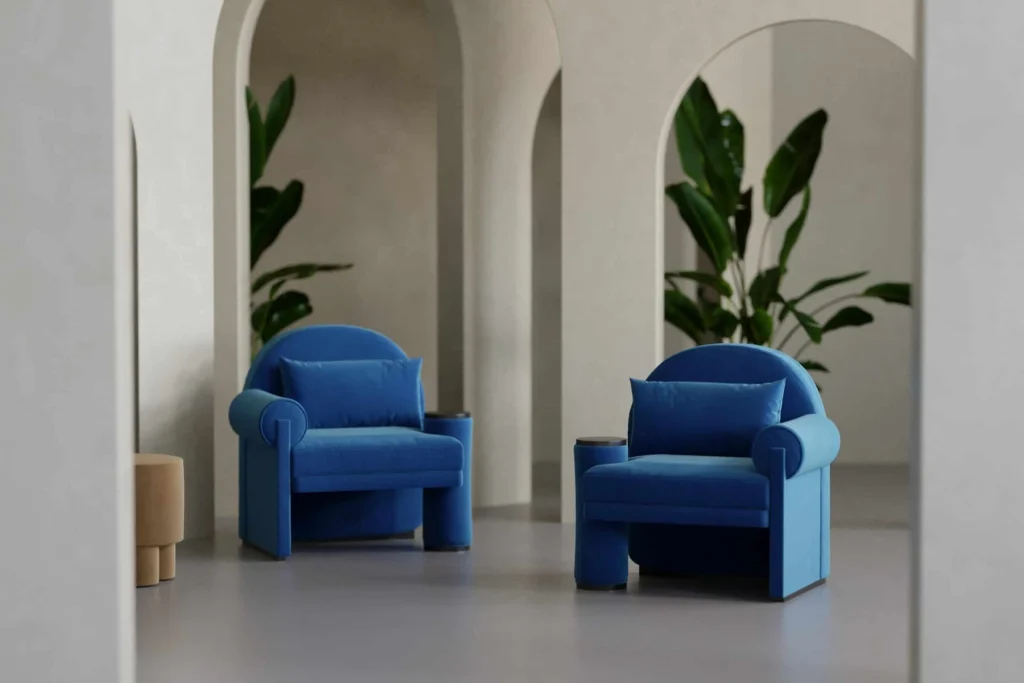
A reading chair sets the tone. It should encourage lingering, not perching. Whether sculptural or understated, the right lounge chair becomes the anchor of the space, and signals that it is time to slow down and sink in.
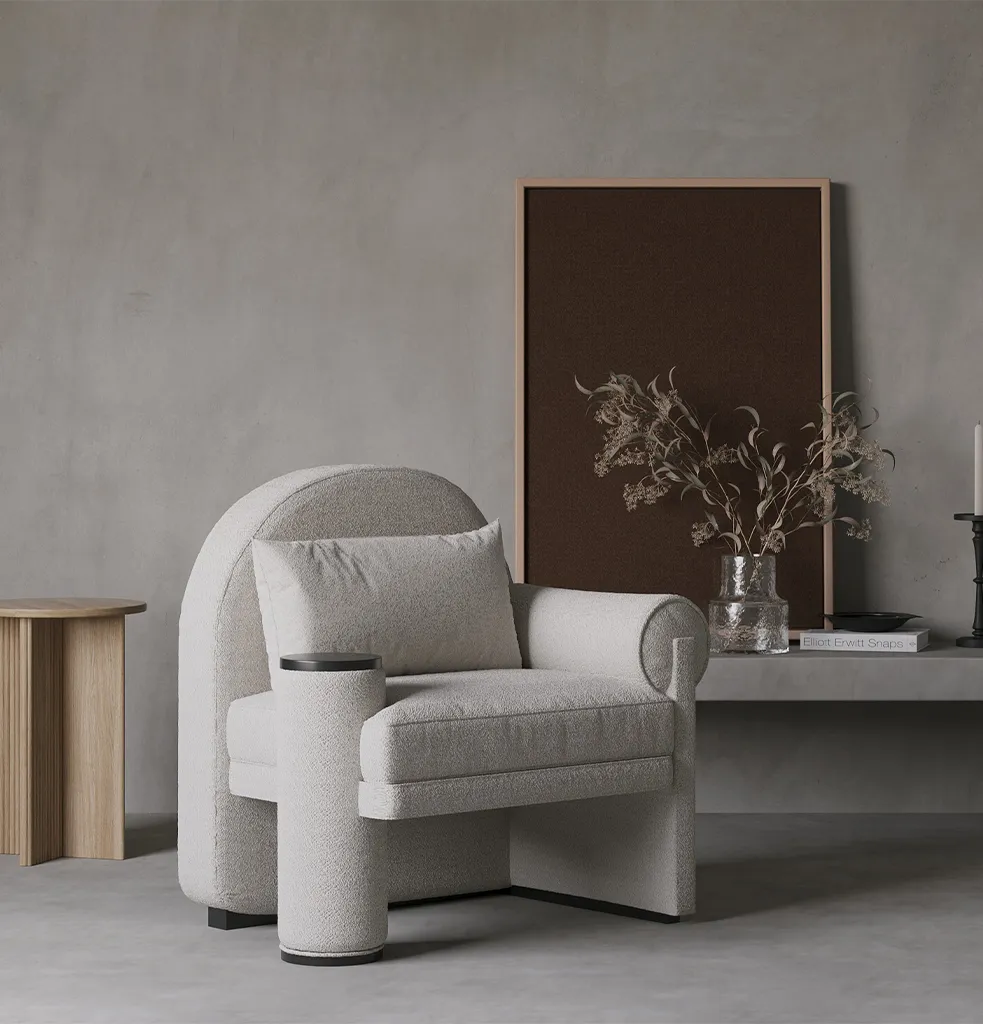
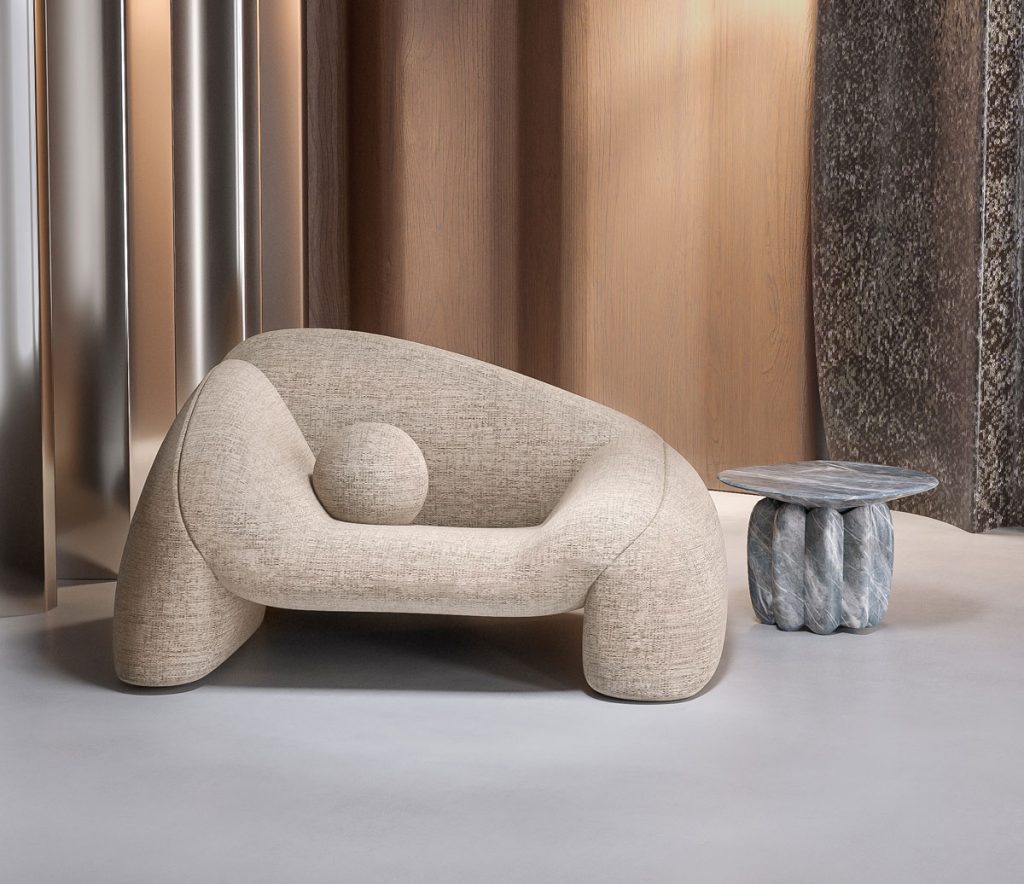
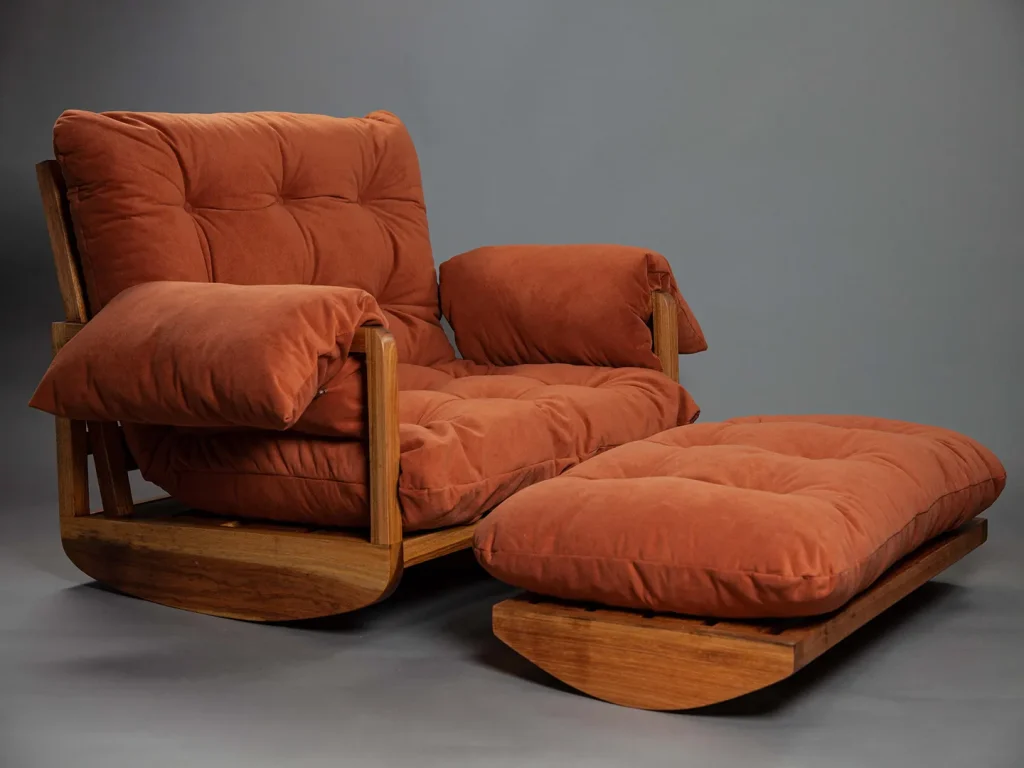
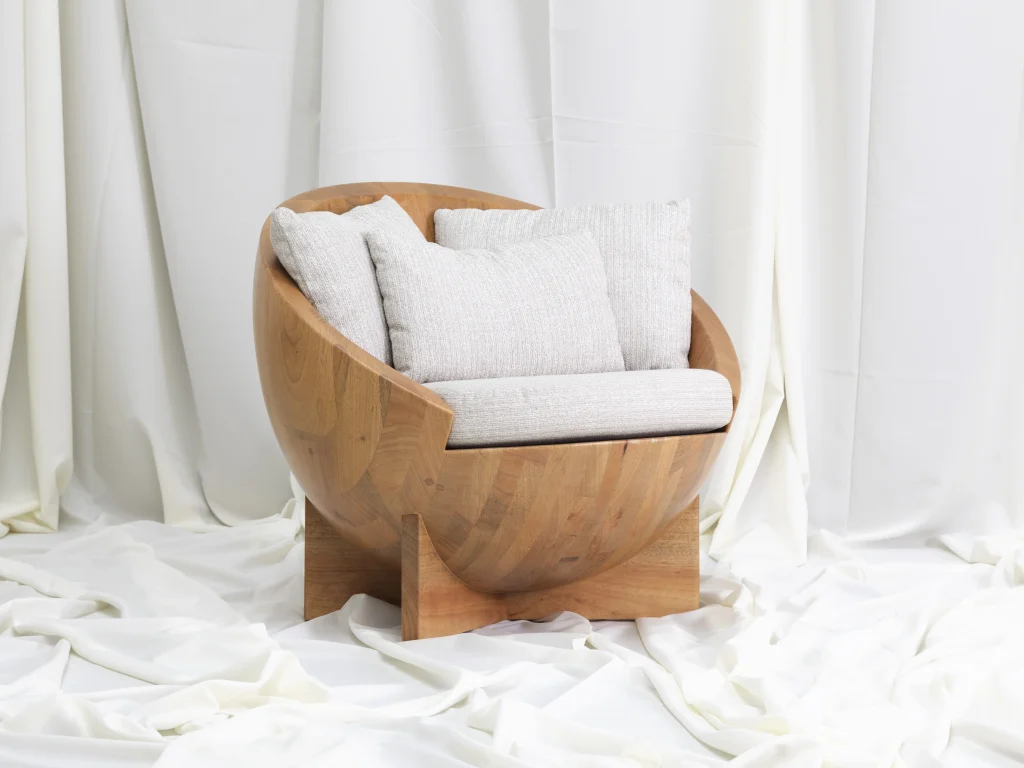
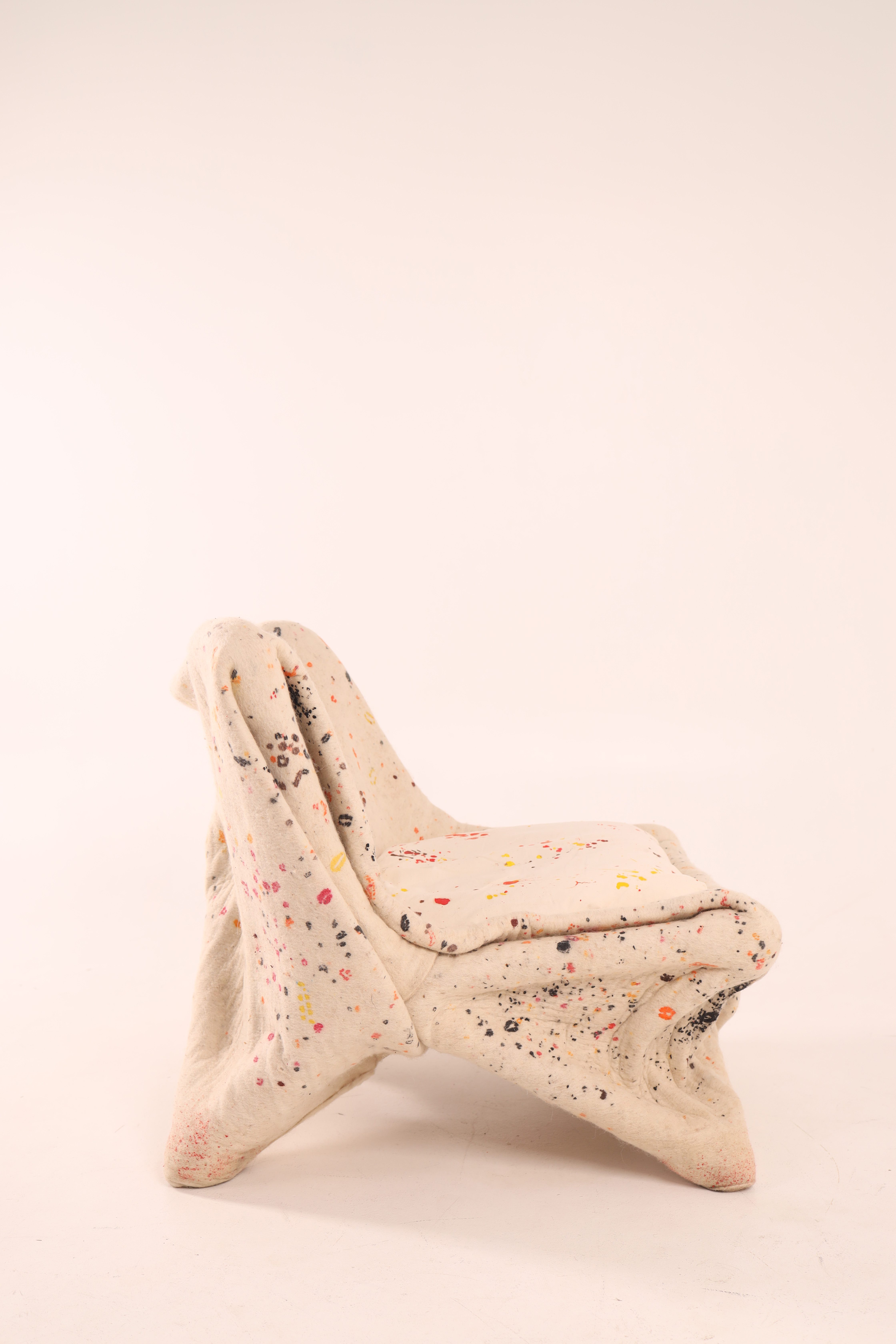
Designers: Hermhaus, Alter Ego Studio, am.o atelier, Laluz Handcraft, Danik Uderbekov.
Reading lamps and lighting for a cozy home library
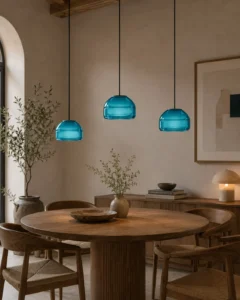
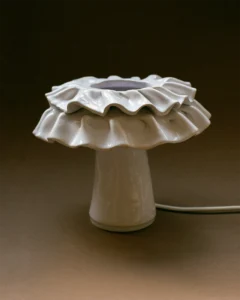
Lighting for a reading nook needs balance: bright enough for long pages, soft enough to rest your eyes. Adjustable arms, focused pools of light and warm tones help. For more on the subject, see our guide to the best reading lamps, or browse floor lamps and table lamps.
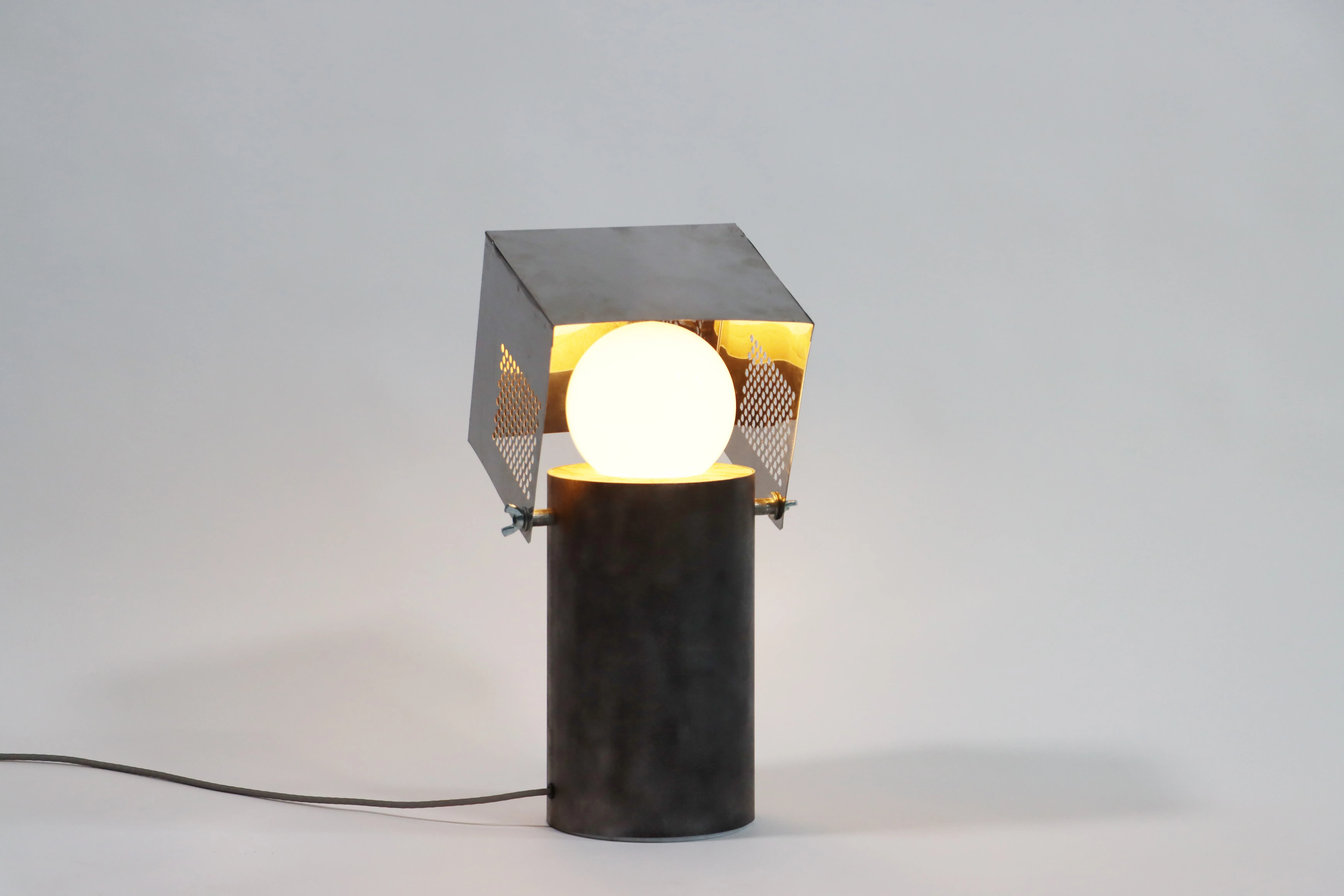
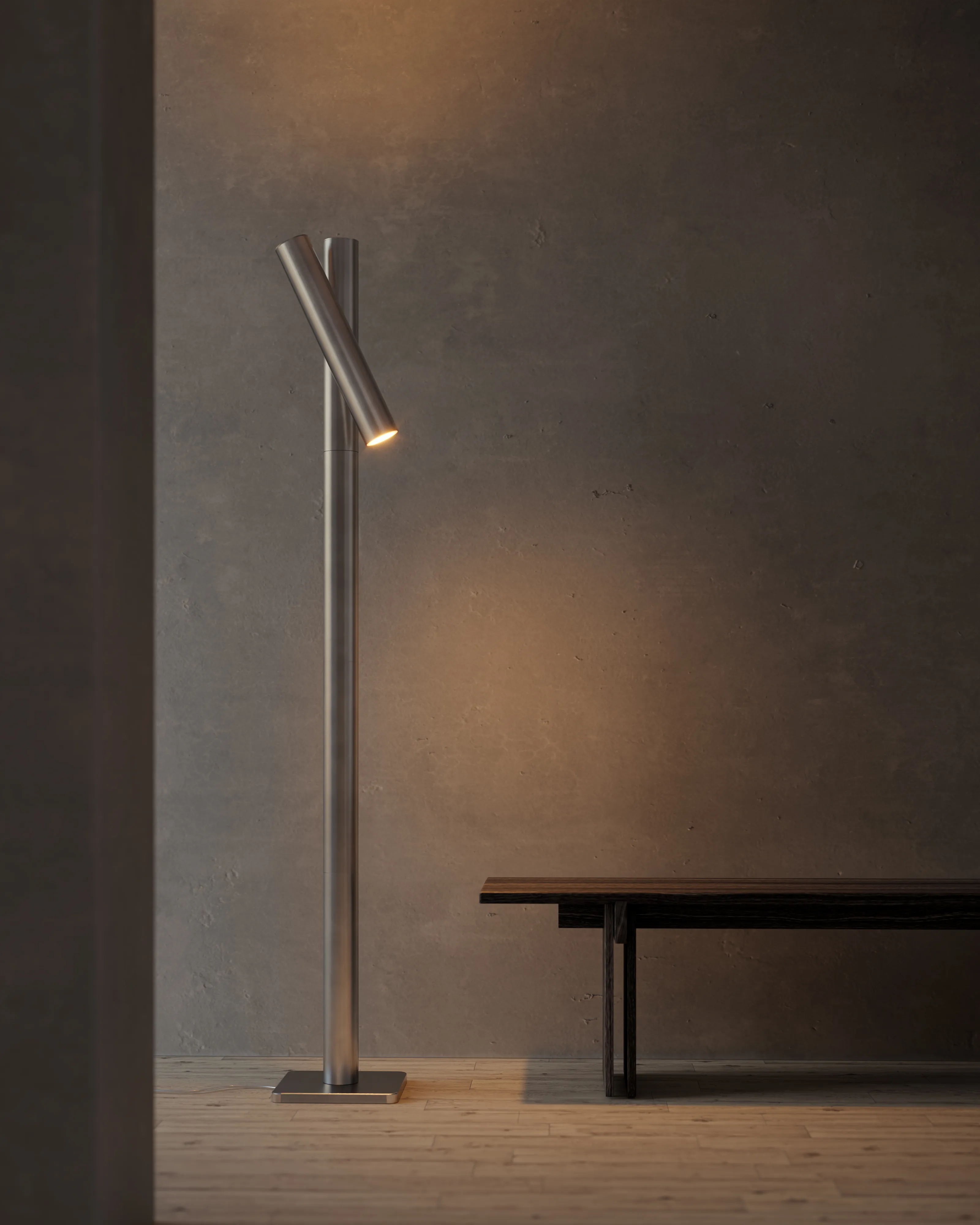
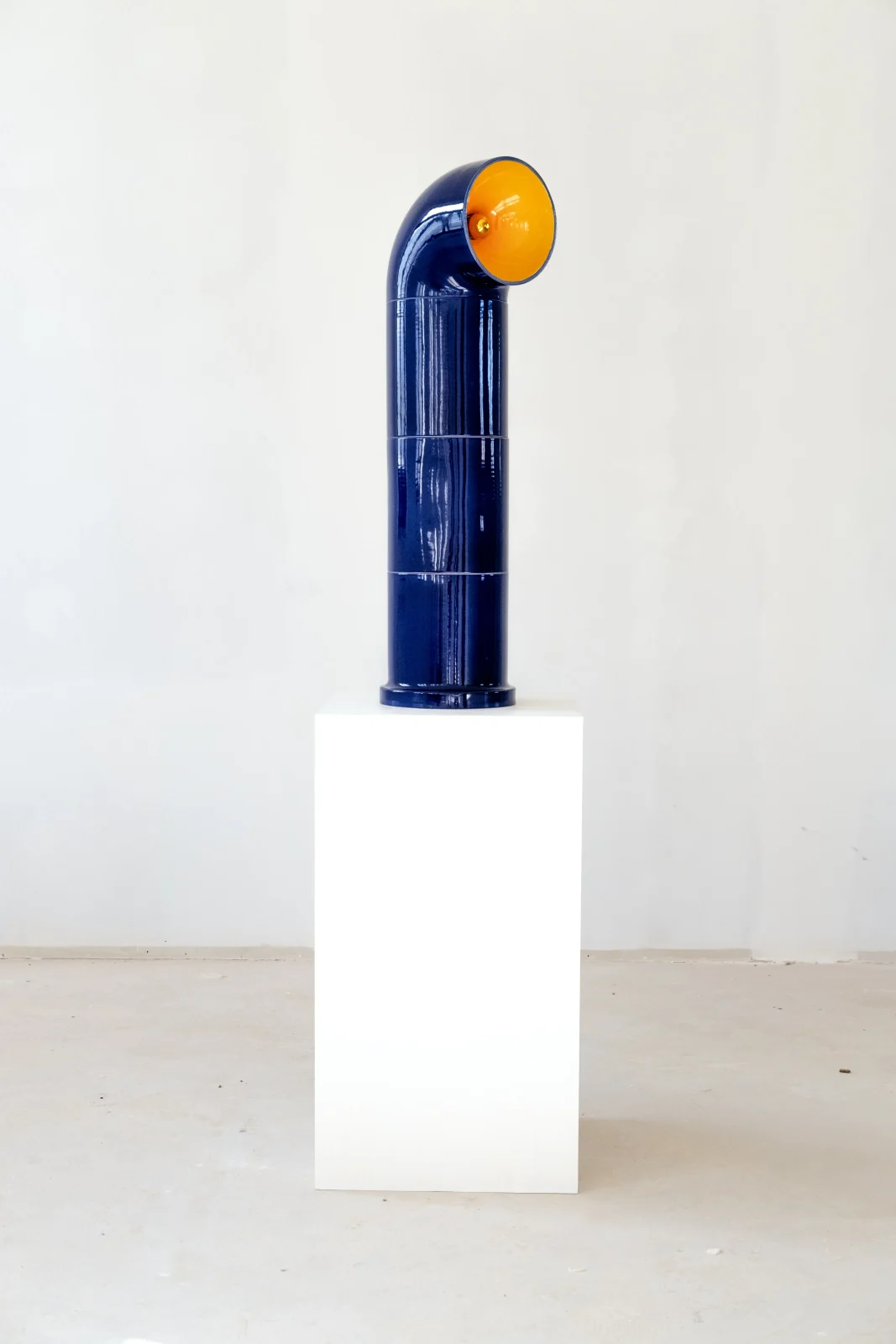
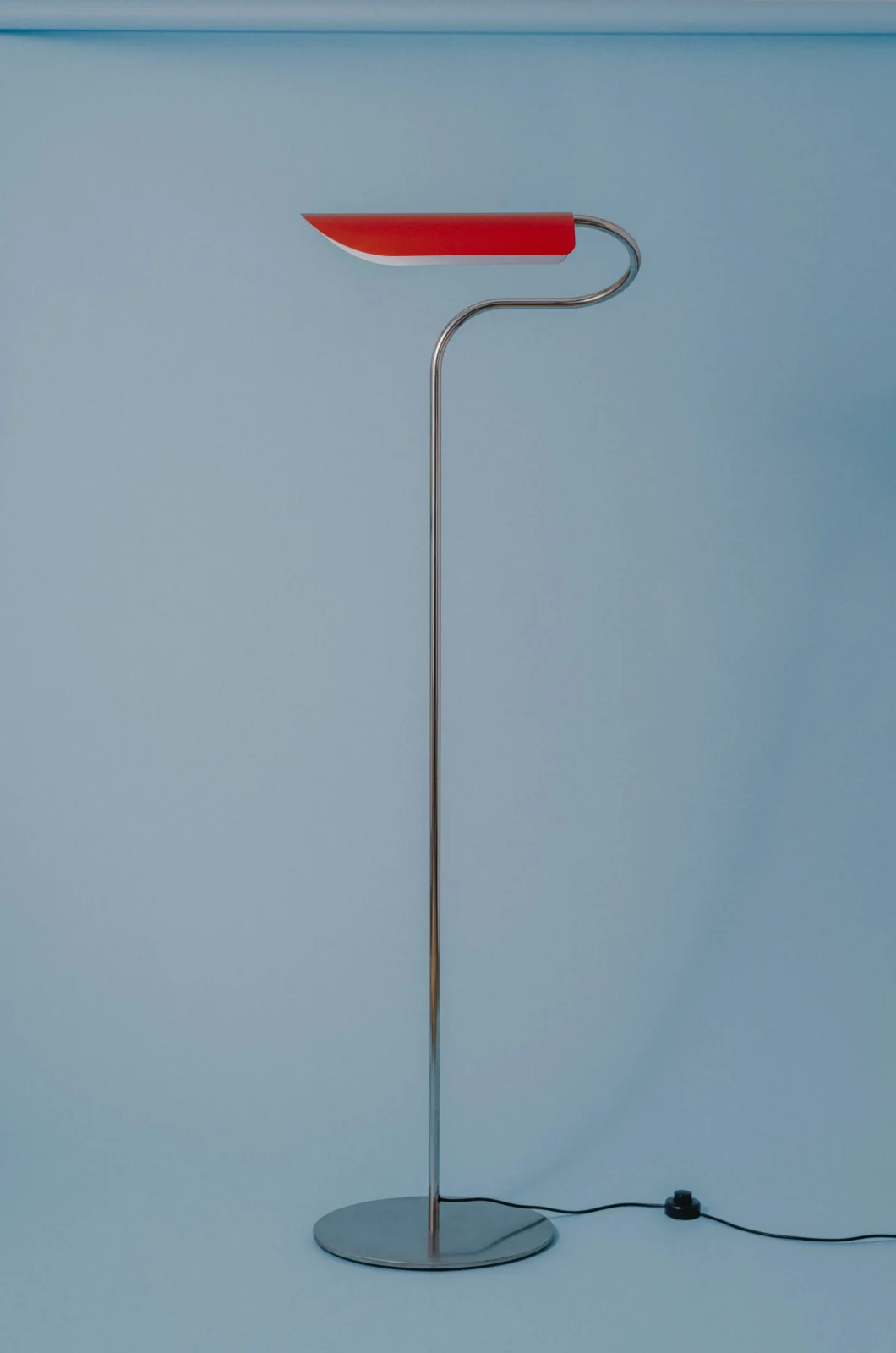
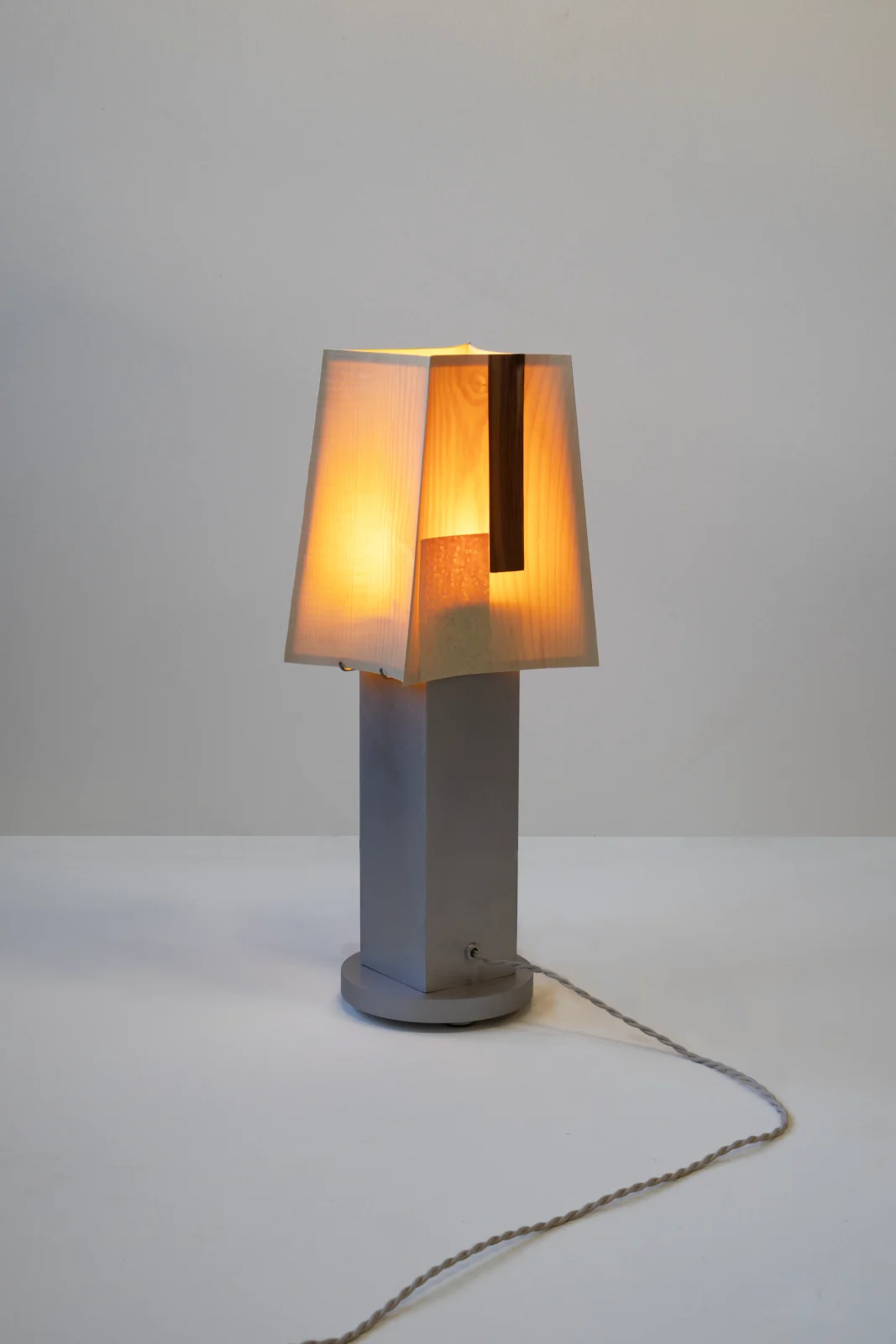
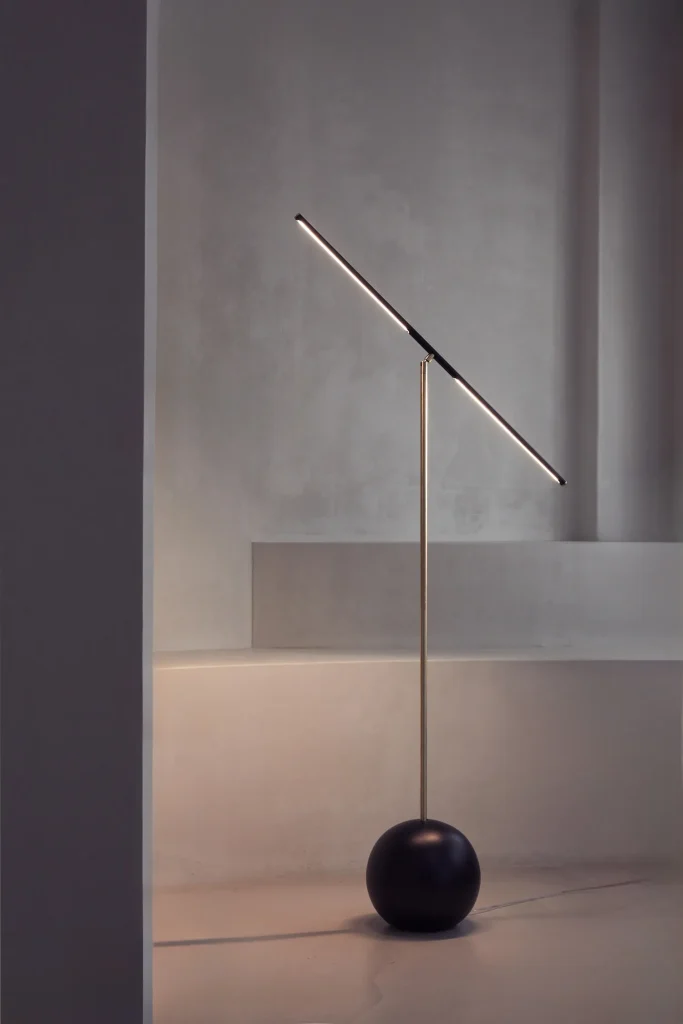
Designers: Nolan Talbot-Kelly, Stem, Pani Jurek STUDIO, Emil Robbrecht, Sheyang Li, HEAKO.
Side tables that keep things close
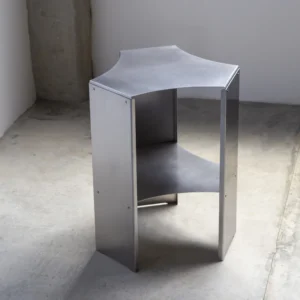
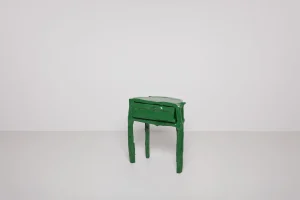
A reading space works best when everything sits within reach. Side tables hold books, glasses, notebooks or a cup set down mid-chapter. The best ones feel proportionate to the chair beside them and sturdy enough to become part of the routine.
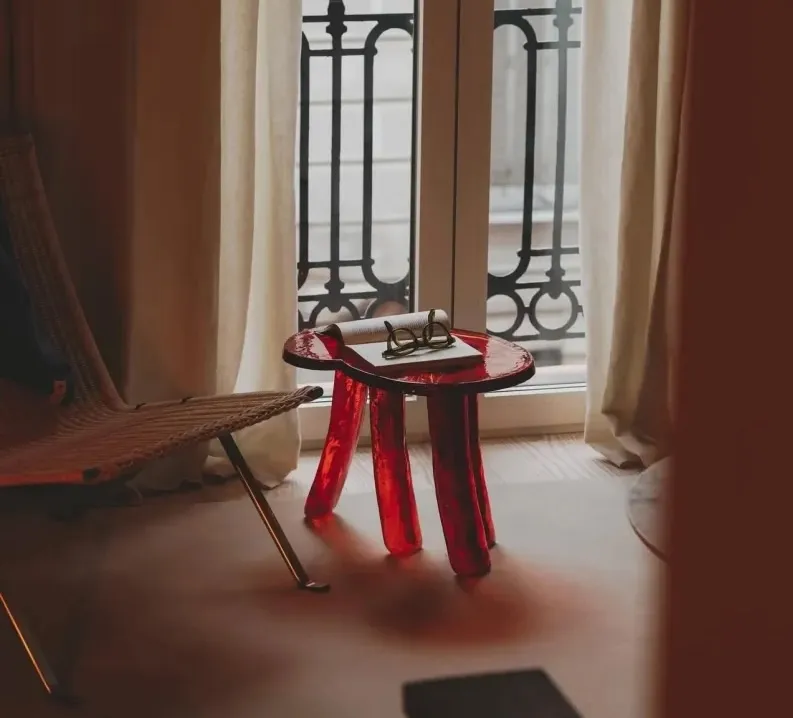
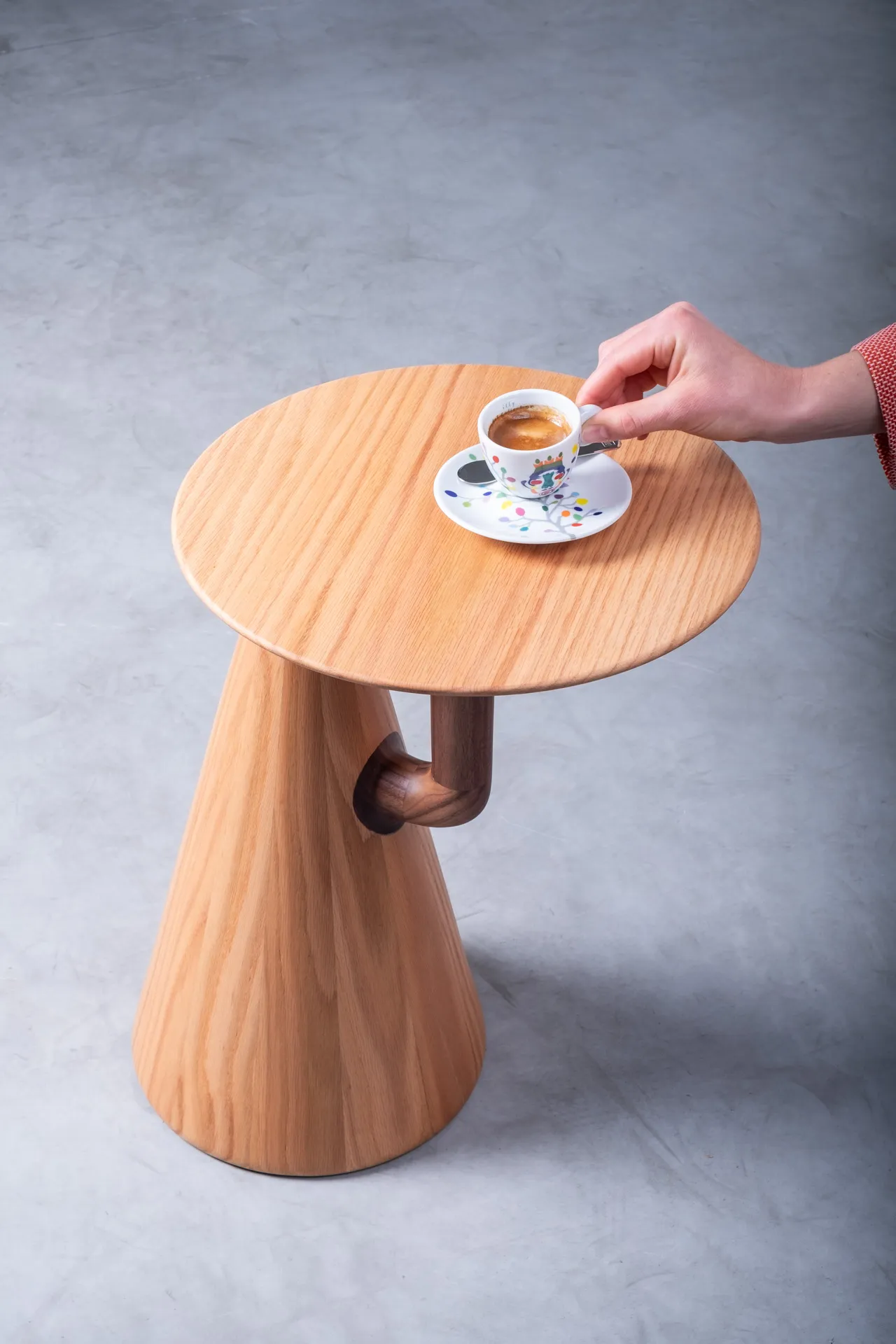
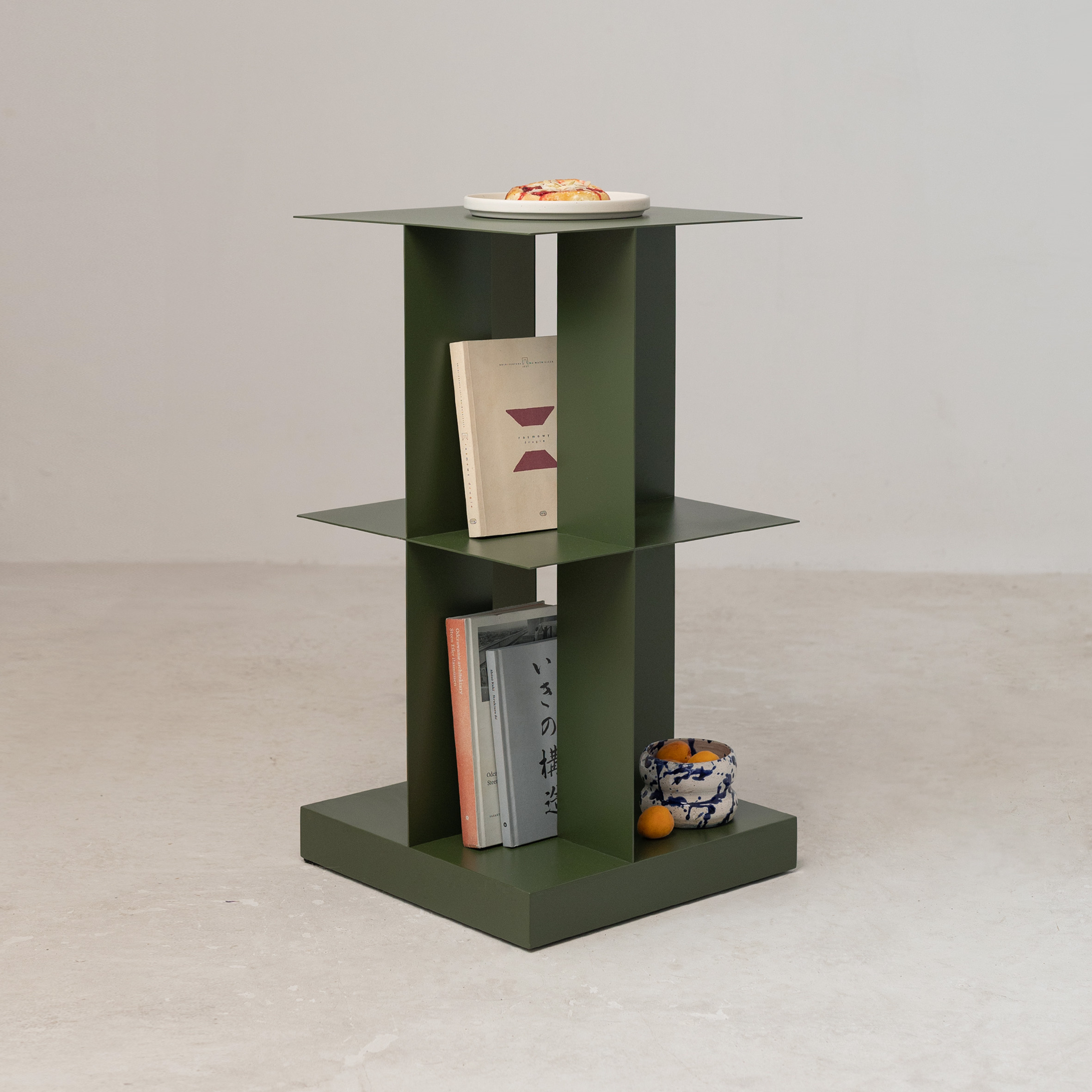
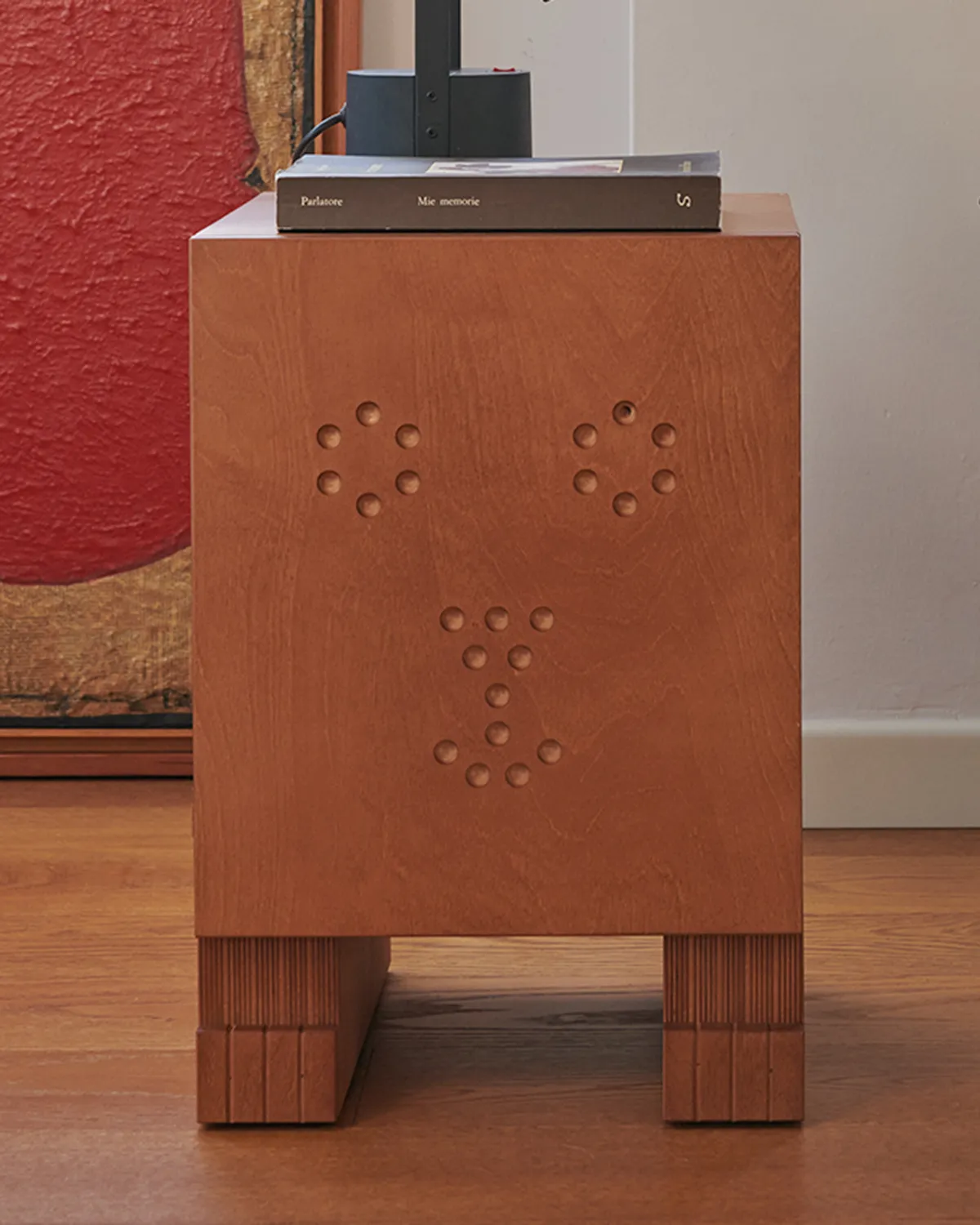
Designers: Szymon Keller, noknok, SALAK Studio, STUDIO FP.
Bookshelves and shelving for home library organization
Shelves do more than store books; they reveal how you engage with them. Some readers organize tightly, others let stacks form naturally. Open bookcases and shelving let books act as visual cues, and even a small shelf creates a sense of commitment to the practice of reading.
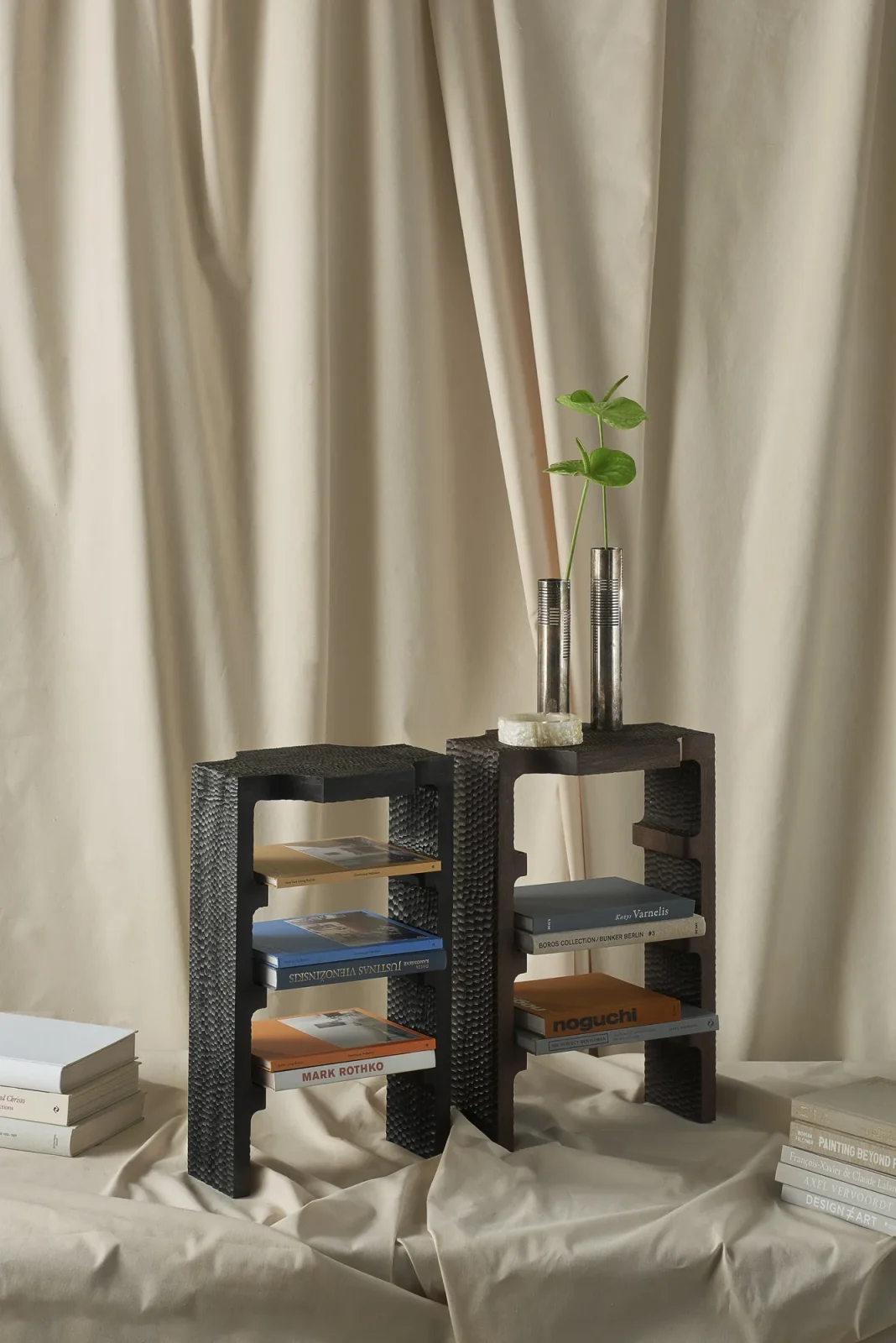
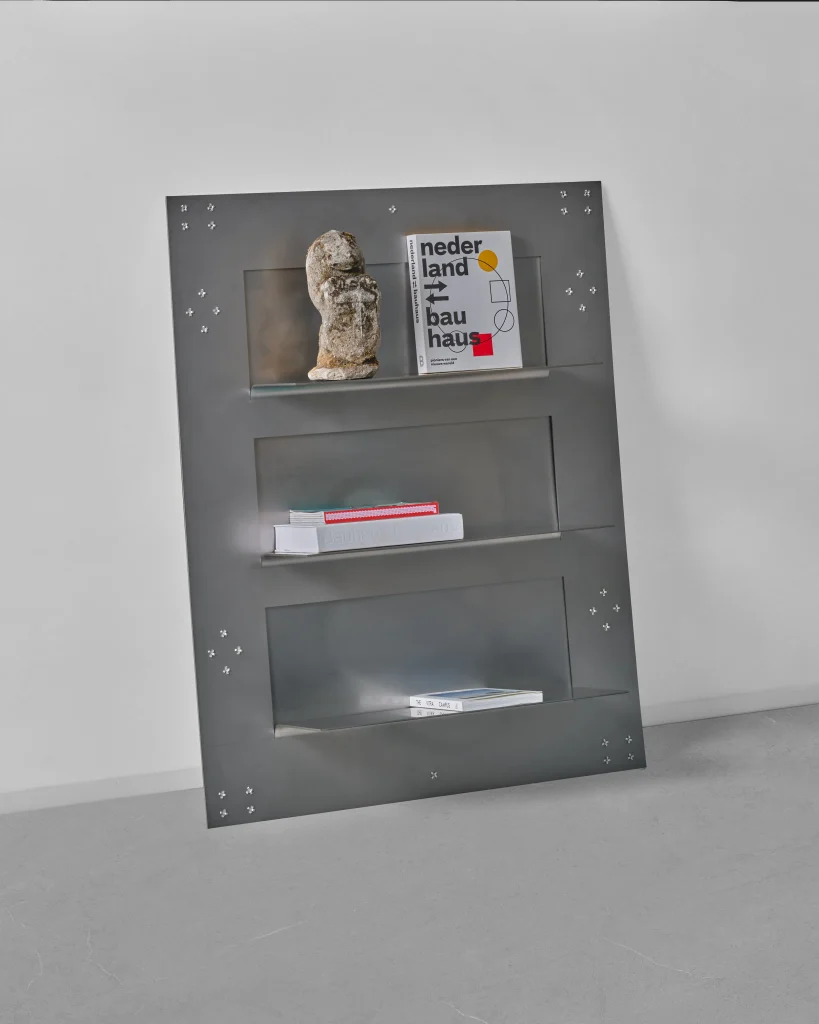
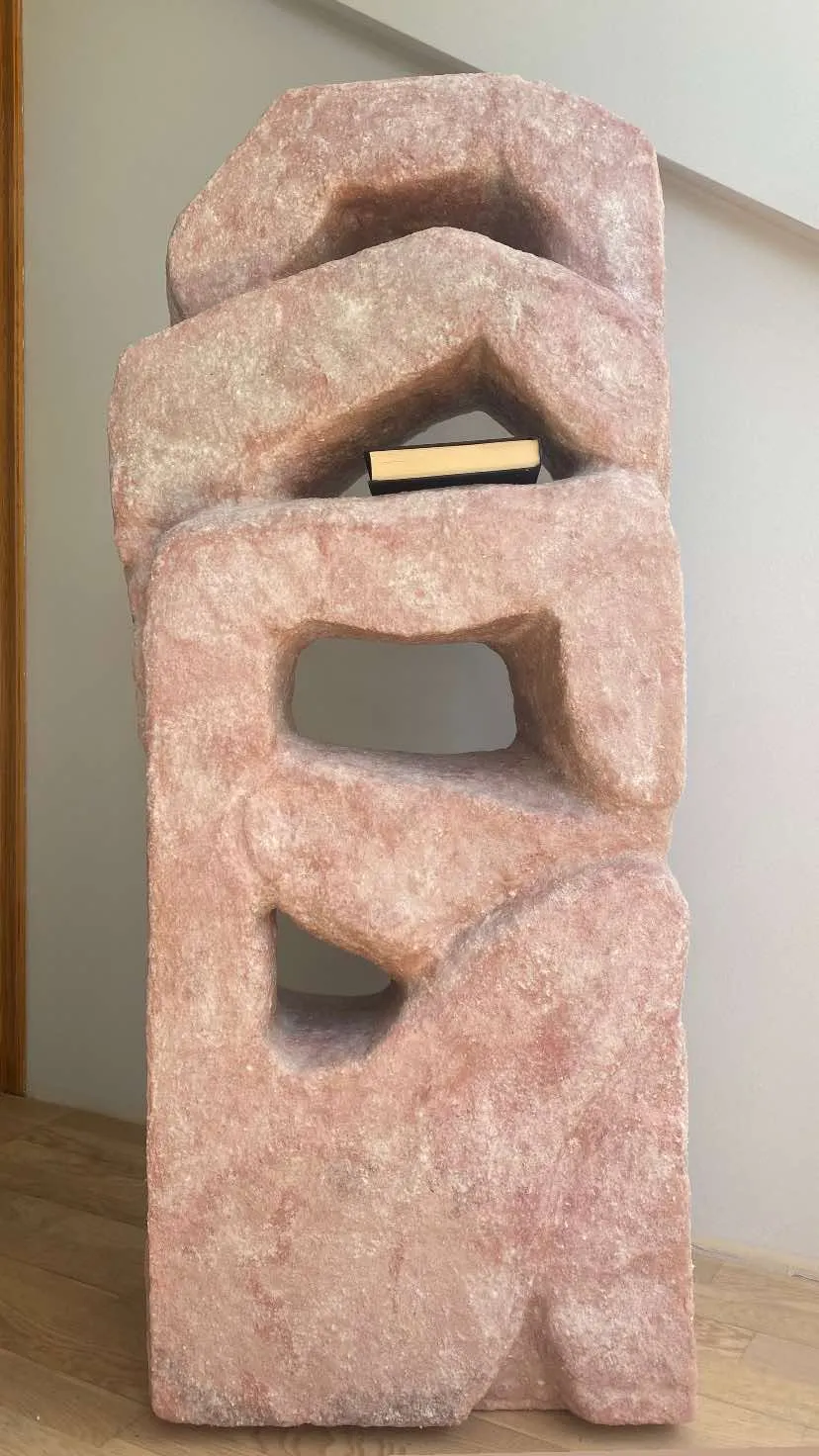
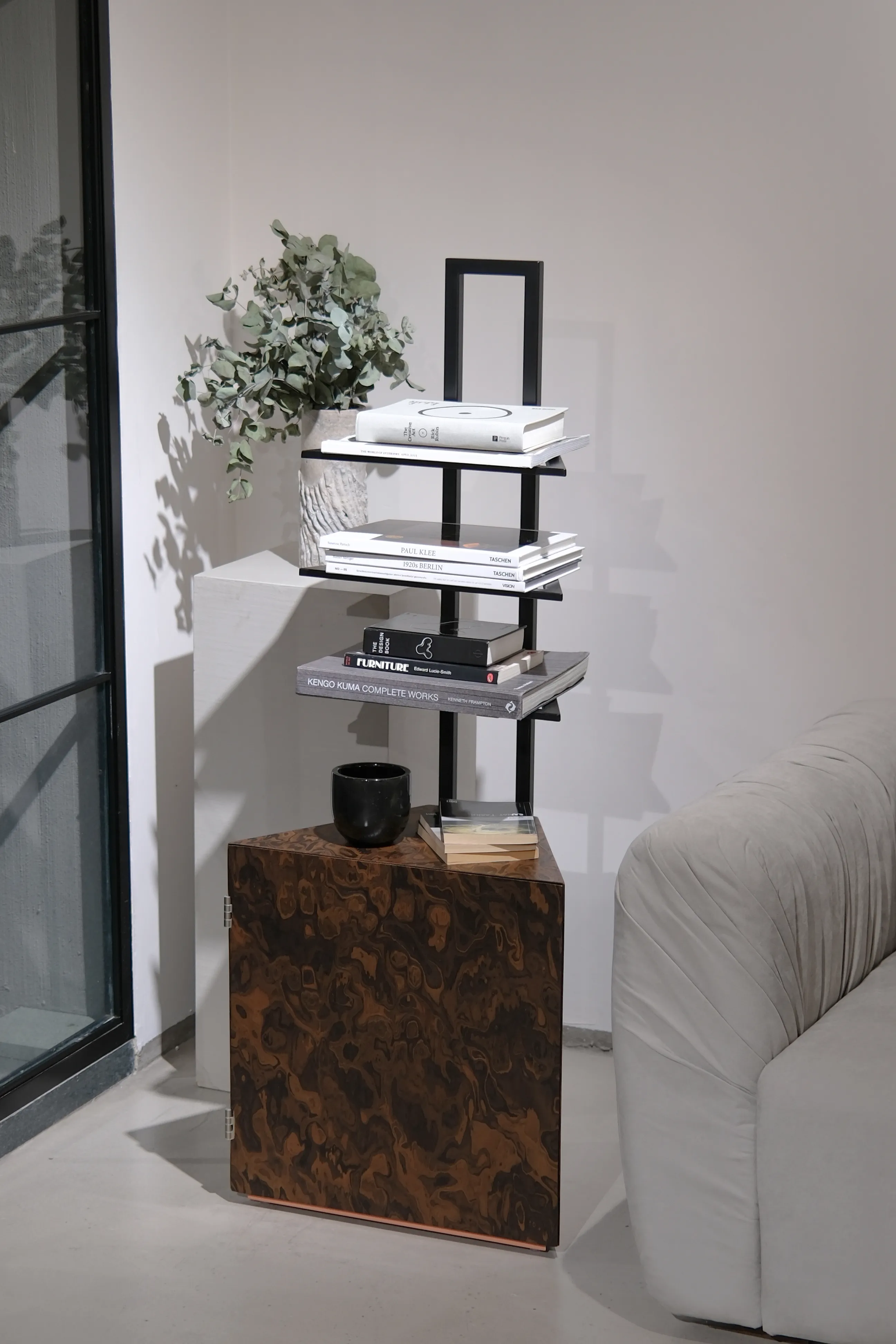
Designers: Mantas Lesauskas, 304.cage, Ieva Gudelaityté, Studio Mohs.
Frequently asked questions
How do I create a home library in a small space?
Start with a single corner: one comfortable chair, a reading lamp and a narrow shelf or side table. Wall-mounted or leaning bookshelves save floor space, and a rug helps define the zone as a reading nook.
What is the best chair for reading?
Look for a supportive back, a seat deep enough to shift position, and arms at a comfortable height for holding a book. Lounge chairs, cocoon chairs and upholstered armchairs all work; comfort over long sessions matters more than style.
What kind of lamp is best for reading?
An adjustable floor or table lamp with a warm bulb (around 2700–3000K) placed slightly behind and to the side of your shoulder. Pair it with softer ambient light so the room is not dark around the page.
How do you organize books in a home library?
By genre, author, color or reading status: whatever helps you find what you want. Mixing books with a few objects keeps shelves from feeling heavy, and keeping the current stack on a side table encourages reading.
What is the difference between a reading nook and a home library?
A reading nook is a small, dedicated corner for reading; a home library is usually a larger space or room built around book storage. Many home libraries include one or more reading nooks.
How much light do you need for reading?
Aim for roughly 400–500 lumens directed at the page from a task lamp, supported by general room lighting. Avoid glare by using shades or diffusers.
A space that makes it easier to stay
A home library is not about perfection or volume; it is about intention. Build a space you recognize as yours, one that makes it easier to sit down, open a book and stay a while. Here’s to rooms that invite stillness, one page at a time.