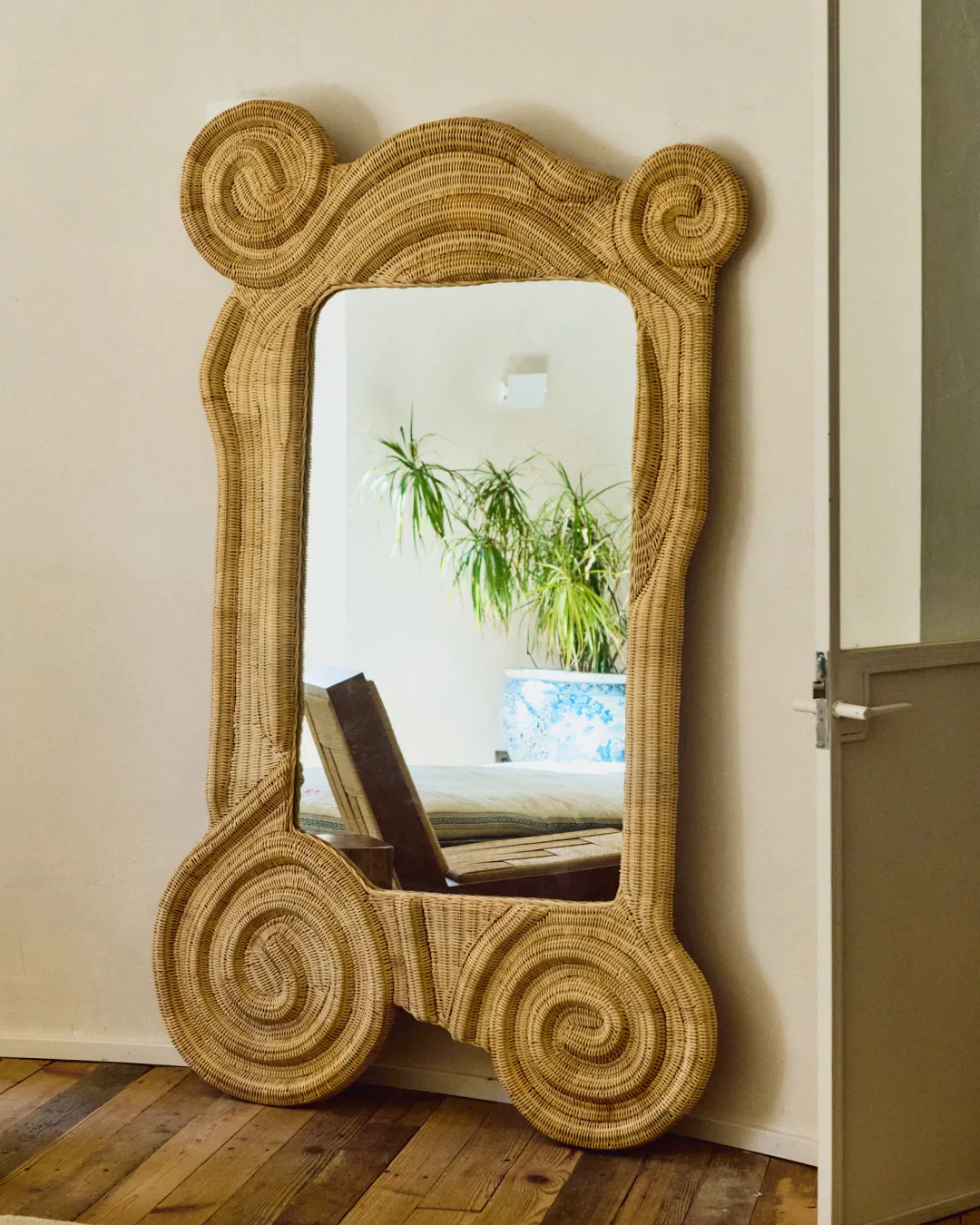
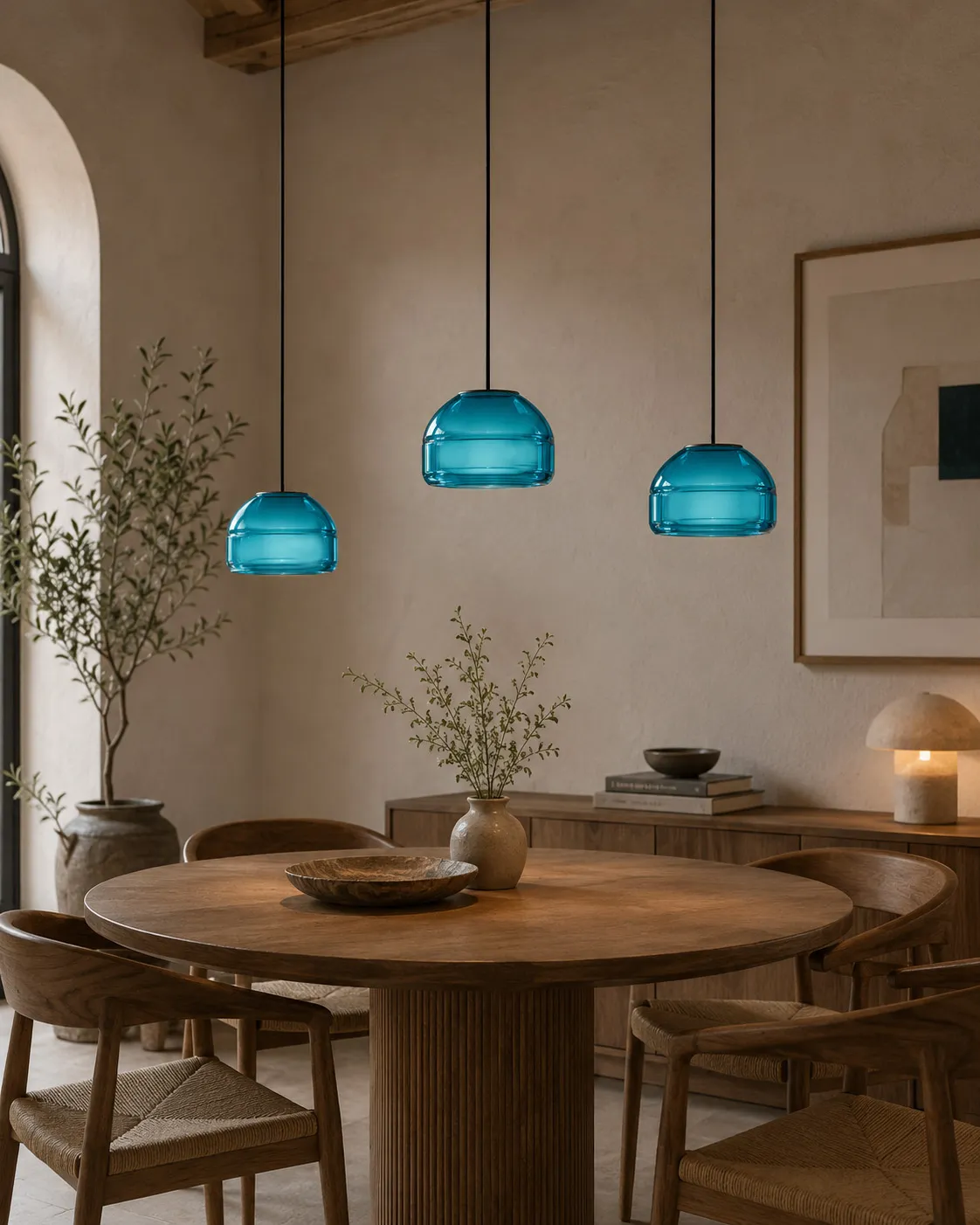
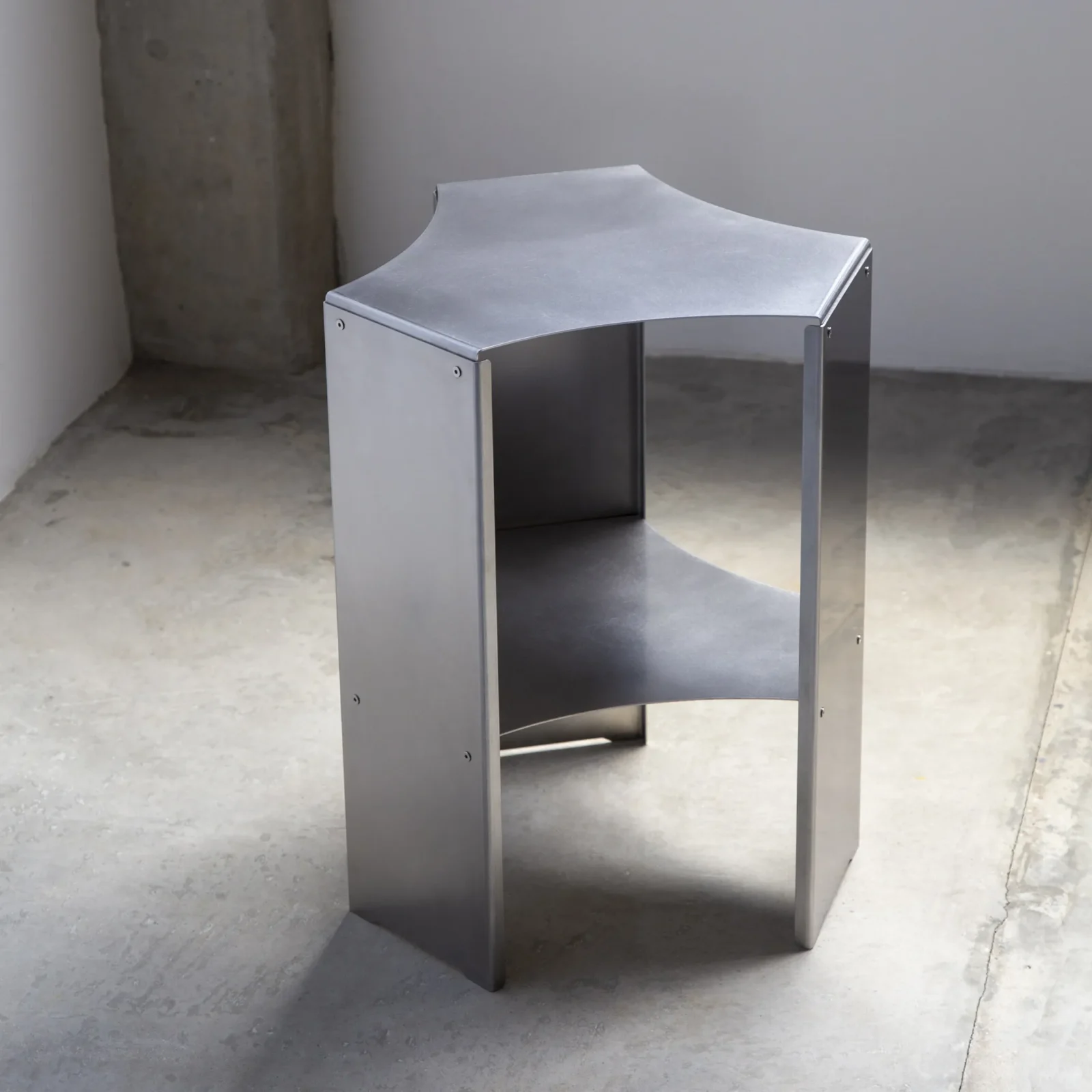
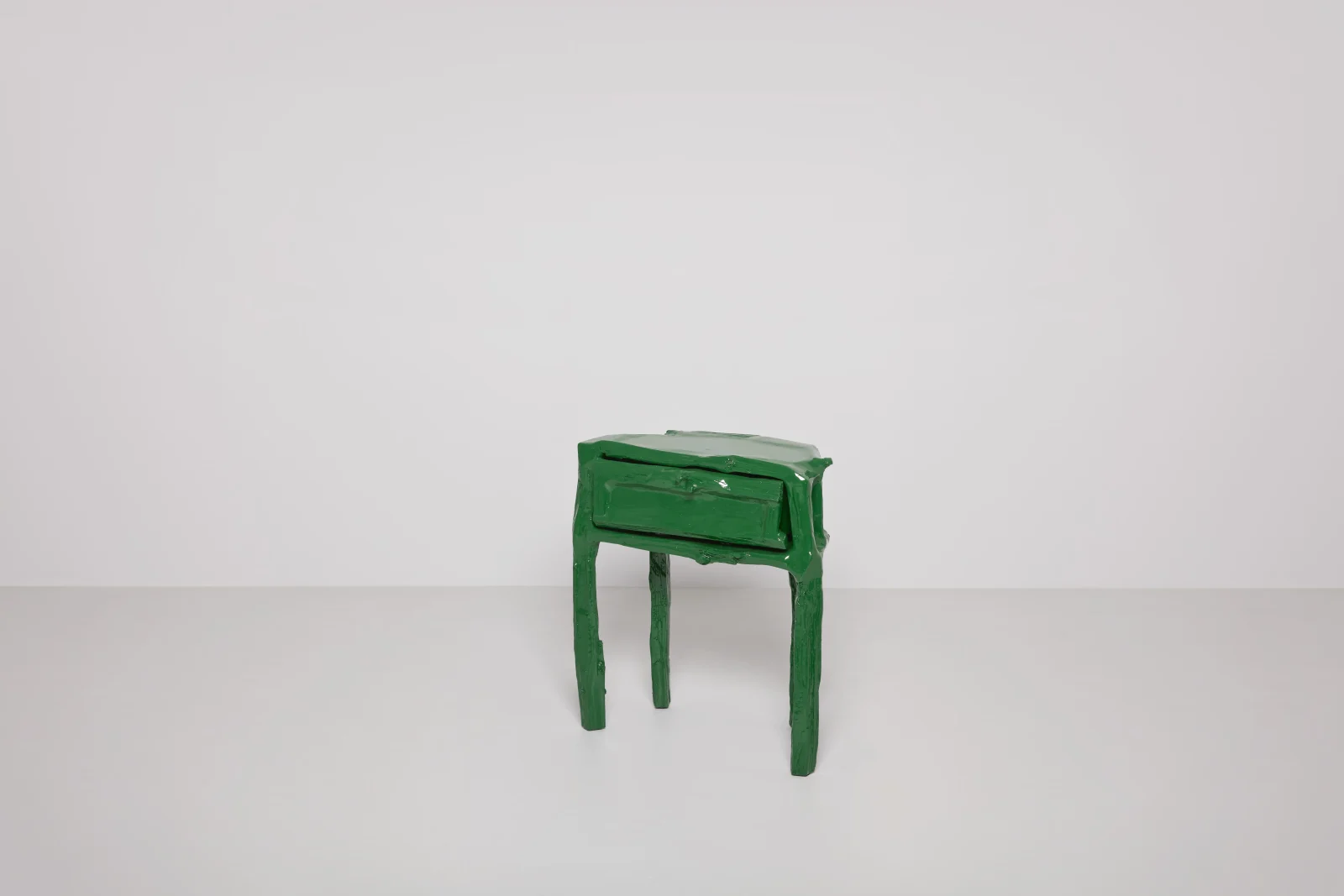
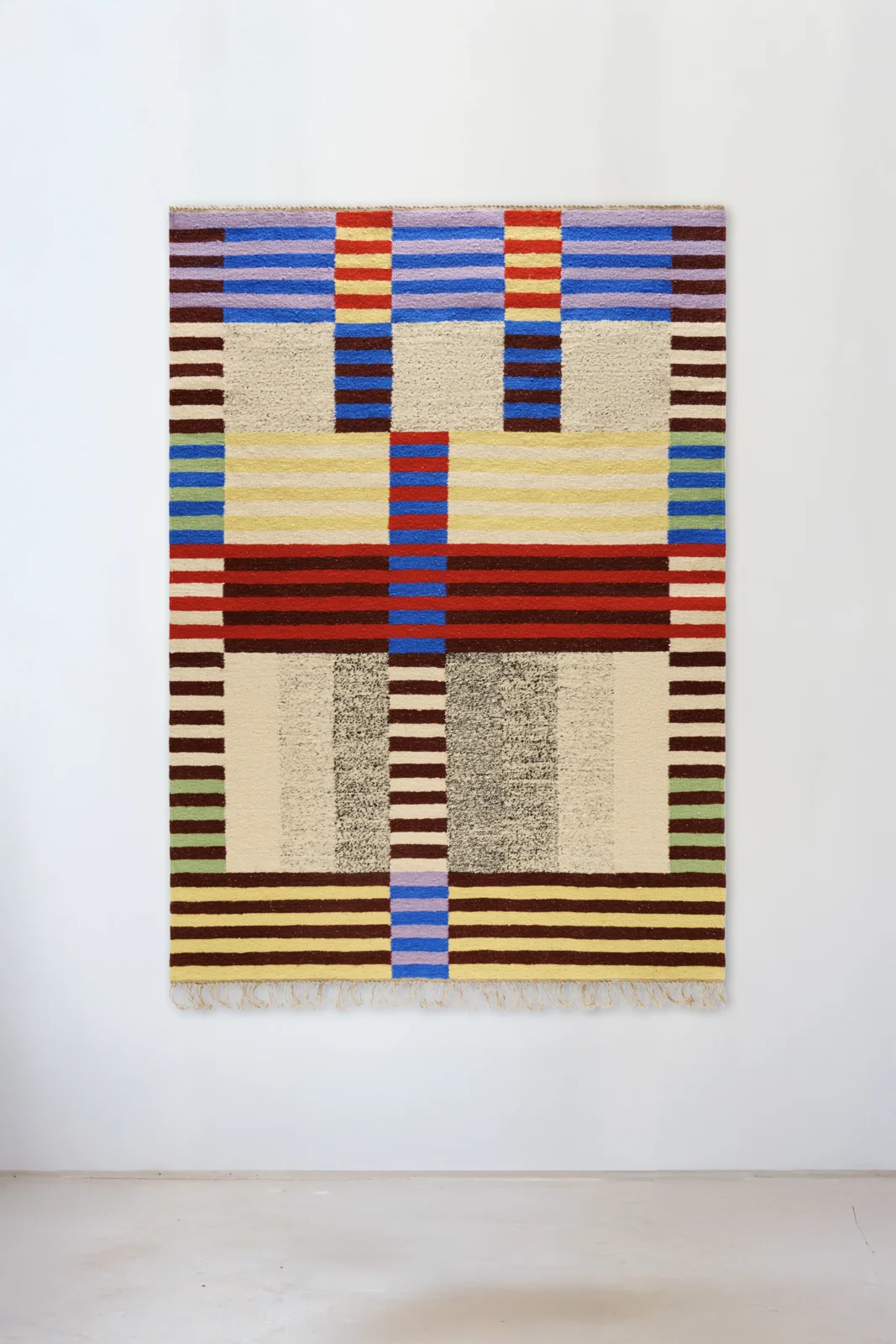
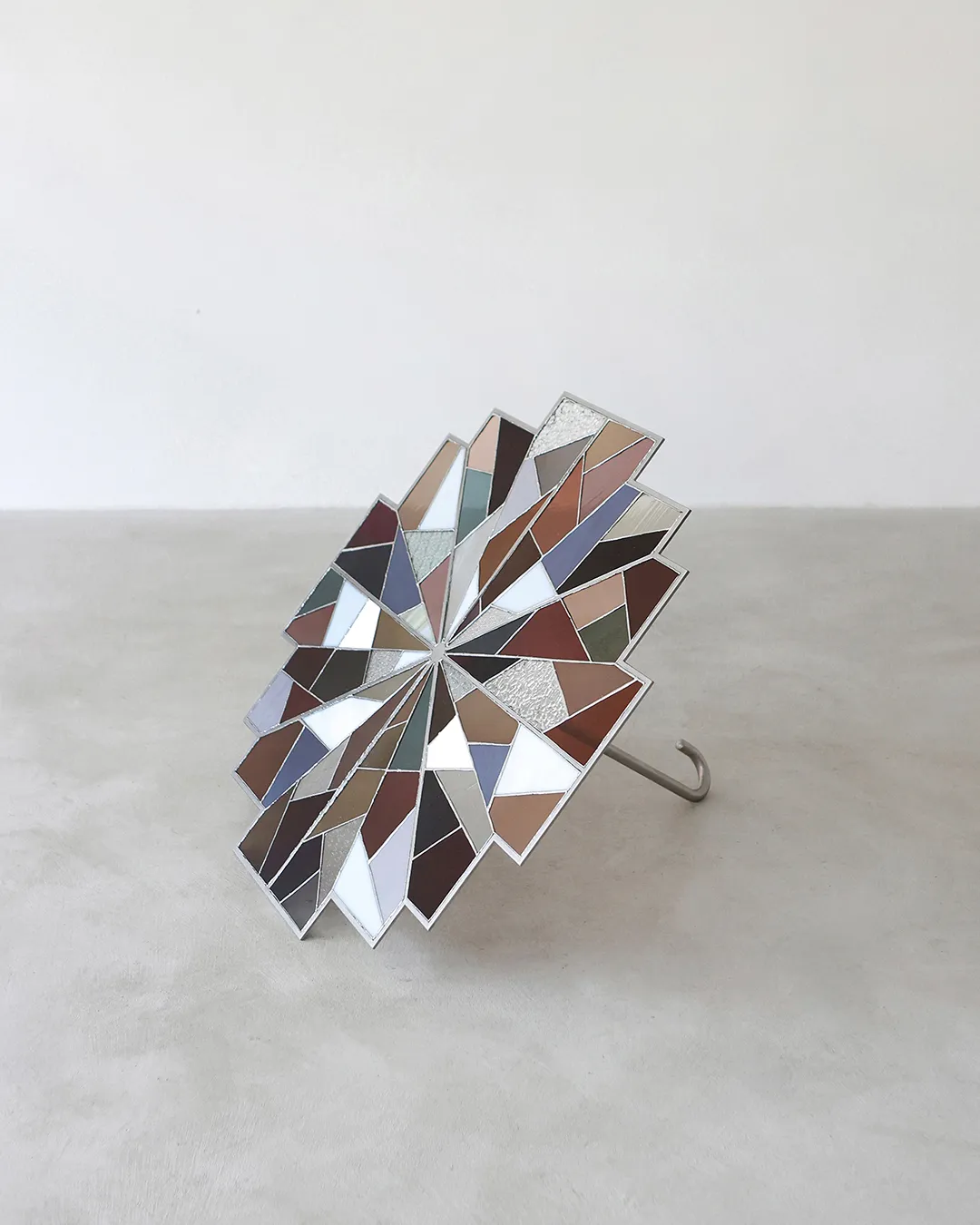
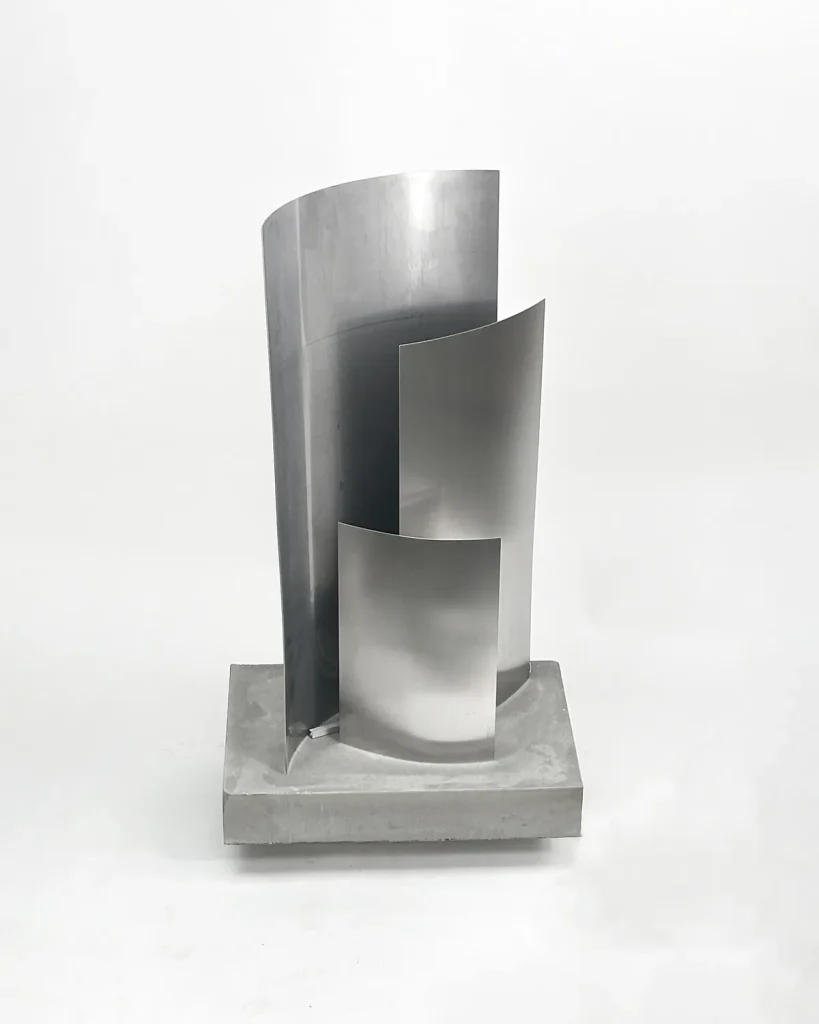
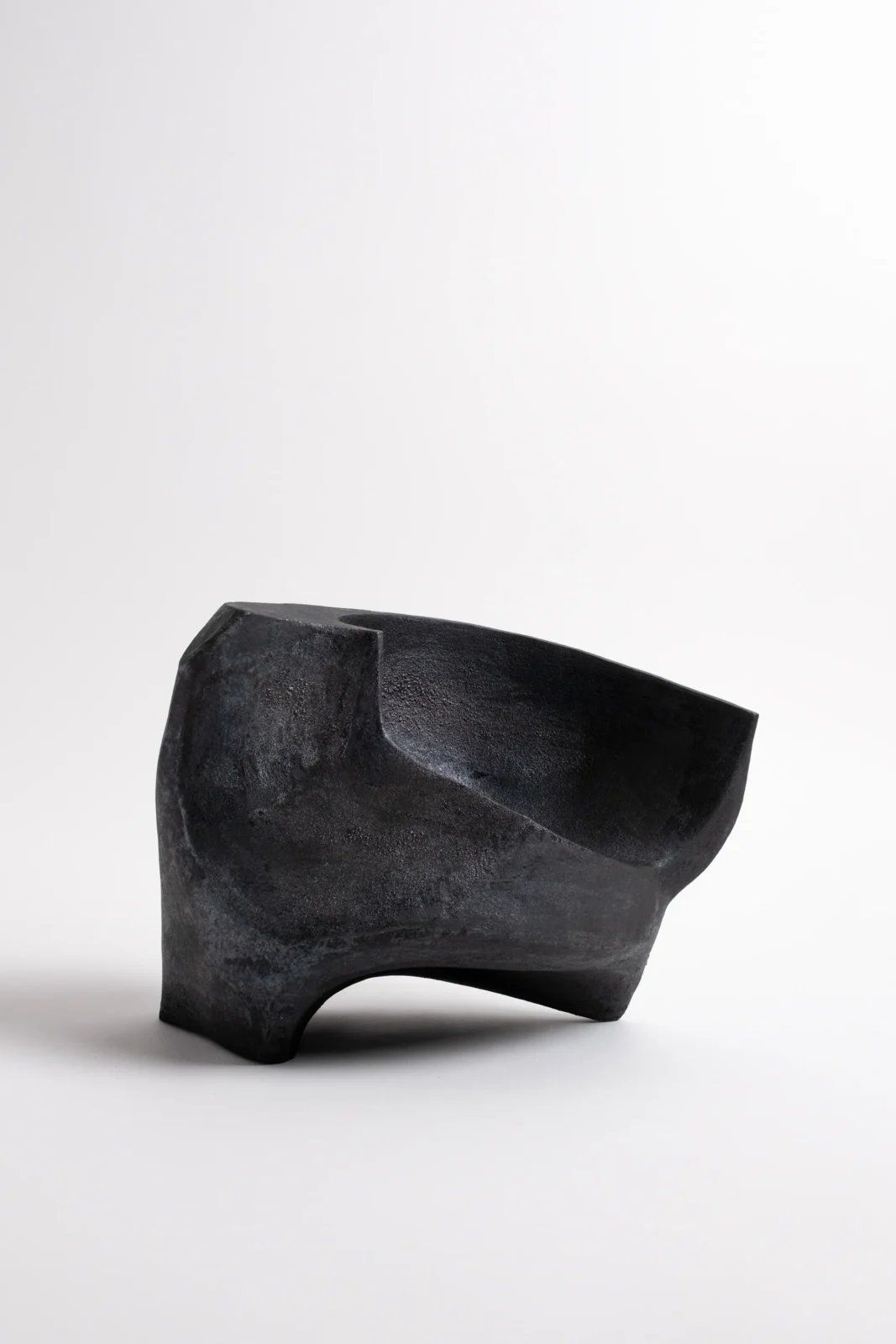
The most compelling designers are rarely the easiest to find.
Emerging designers usually start in small studios, inside local scenes that are still shaping their identity, making work in limited numbers far from the commercial circuits where visibility comes quickly. By the time their names are widely familiar, the first and often most rewarding moment of discovery has already passed.
This guide explains where up-and-coming designers come from, why finding them early matters, how ADORNO selects them, and where collectors and interior designers can look today, with more than 30 independent studios to discover along the way.
Where emerging designers come from
ADORNO was founded in Copenhagen in 2016 as one of the first online galleries devoted to independent contemporary makers, with a global outlook from the start. No country was considered too small, too distant or too far from the usual centers of attention. Since then, the platform has grown to more than sixty countries, building a network of curators who work closely with designers in their own regions. Through this model, ADORNO presents collectible design, lighting, ceramics, textiles, sculpture and decor defined by authorship, material quality and cultural relevance.
The idea behind the platform has stayed the same, even as new countries join each year. The future of design is not confined to one capital city, one established fair or one familiar set of names. It takes shape in many places at once, often long before the wider market is paying attention.
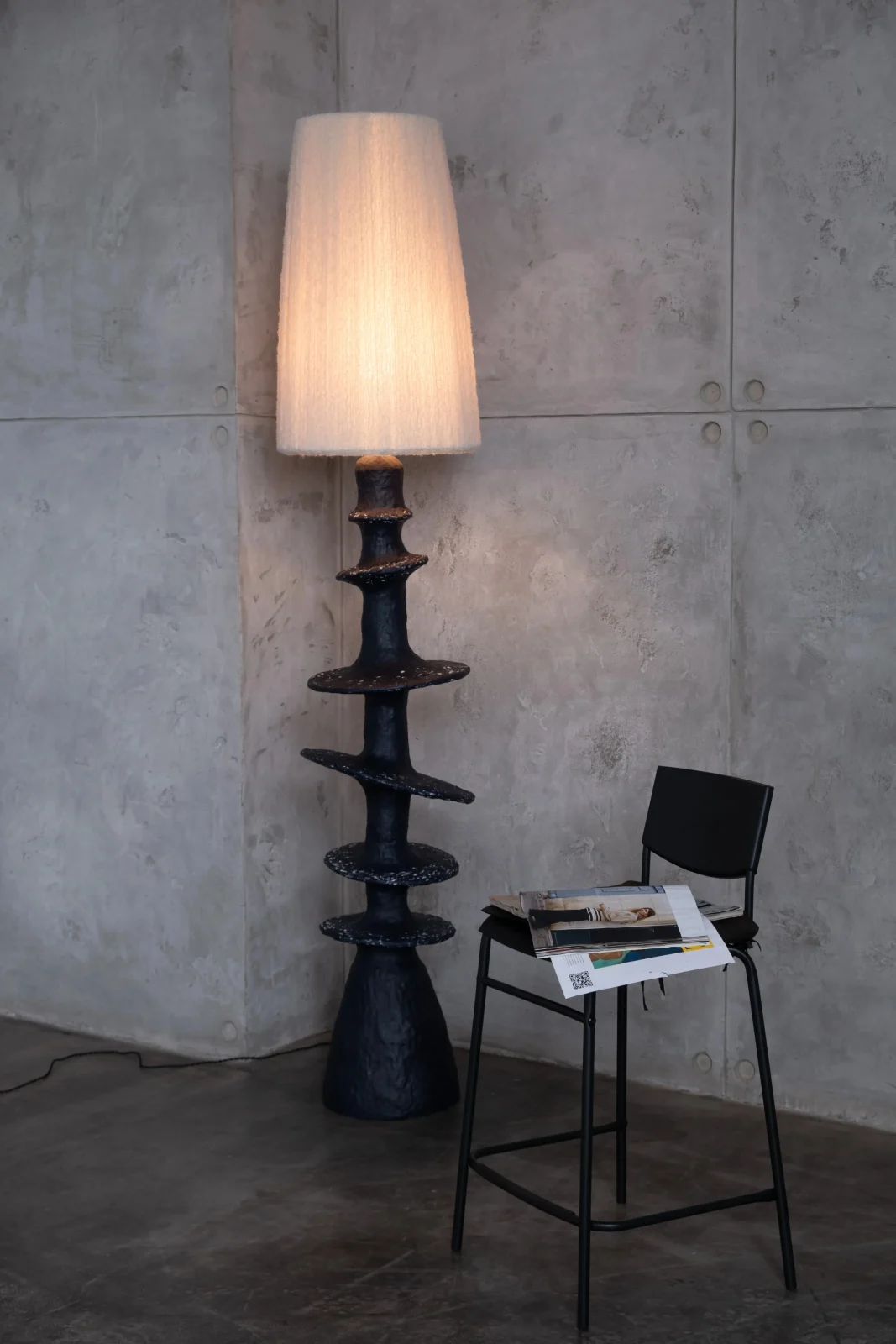
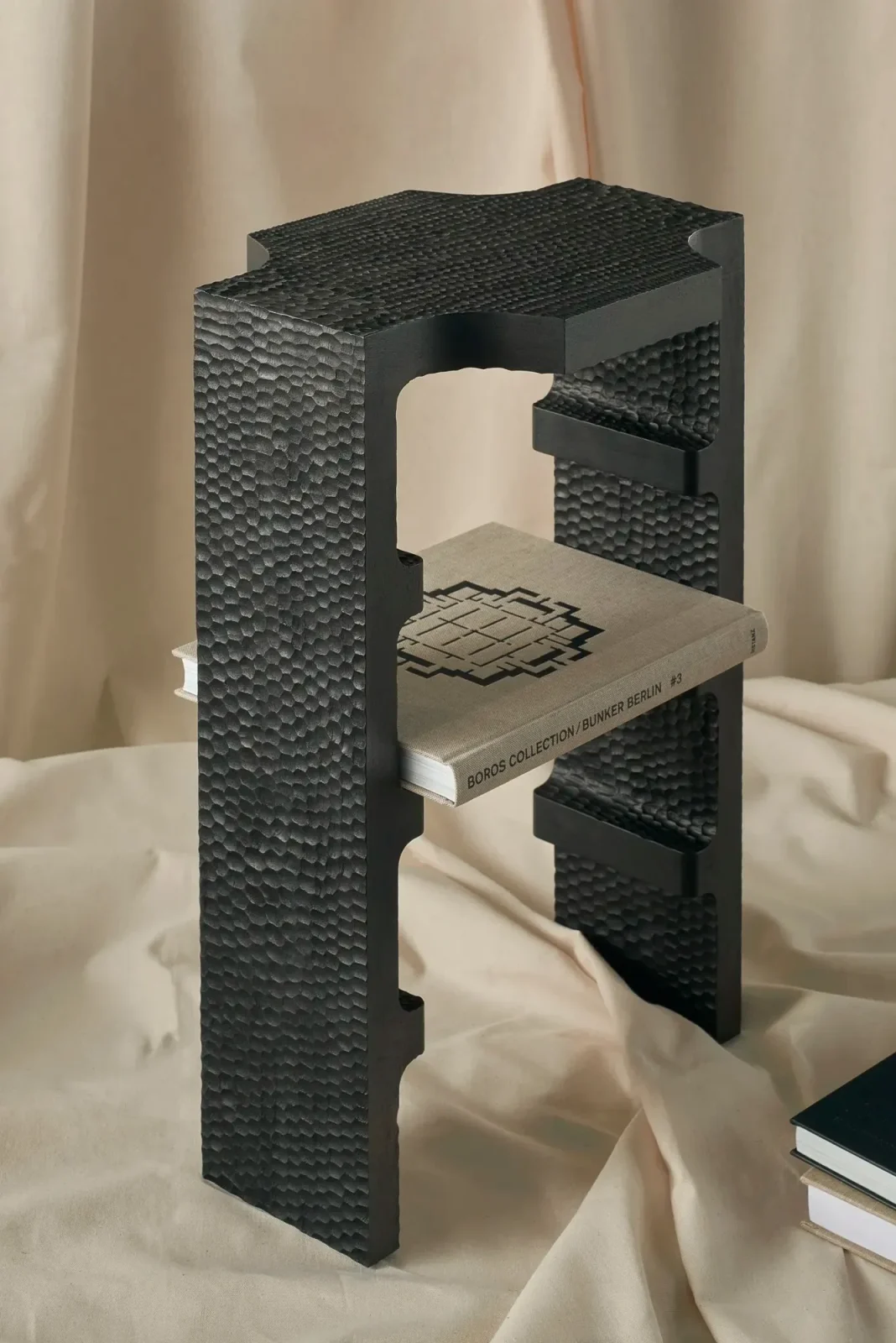
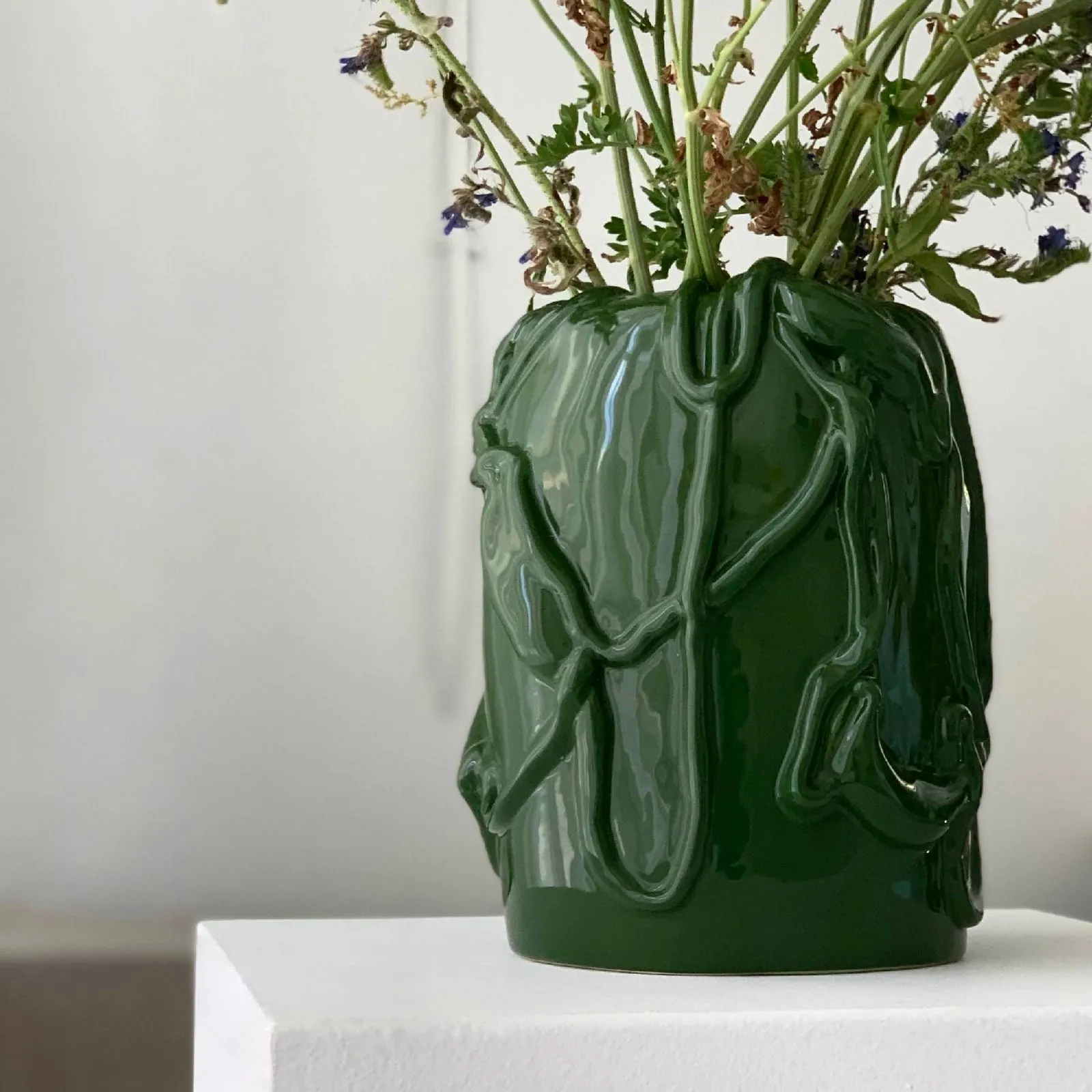
Why discovering emerging designers matters now
Images now travel faster than understanding. Design circulates instantly, references repeat themselves, and visibility is often mistaken for significance. As a result, genuine discovery has become more valuable than ever. Collectors and interior designers are increasingly drawn to work with character and conviction: pieces that feel authored rather than optimized. They want to know who made an object, what knowledge shaped it, and why it carries a presence others do not. Finding those designers early requires more than a search bar. It requires discernment, context and trust.
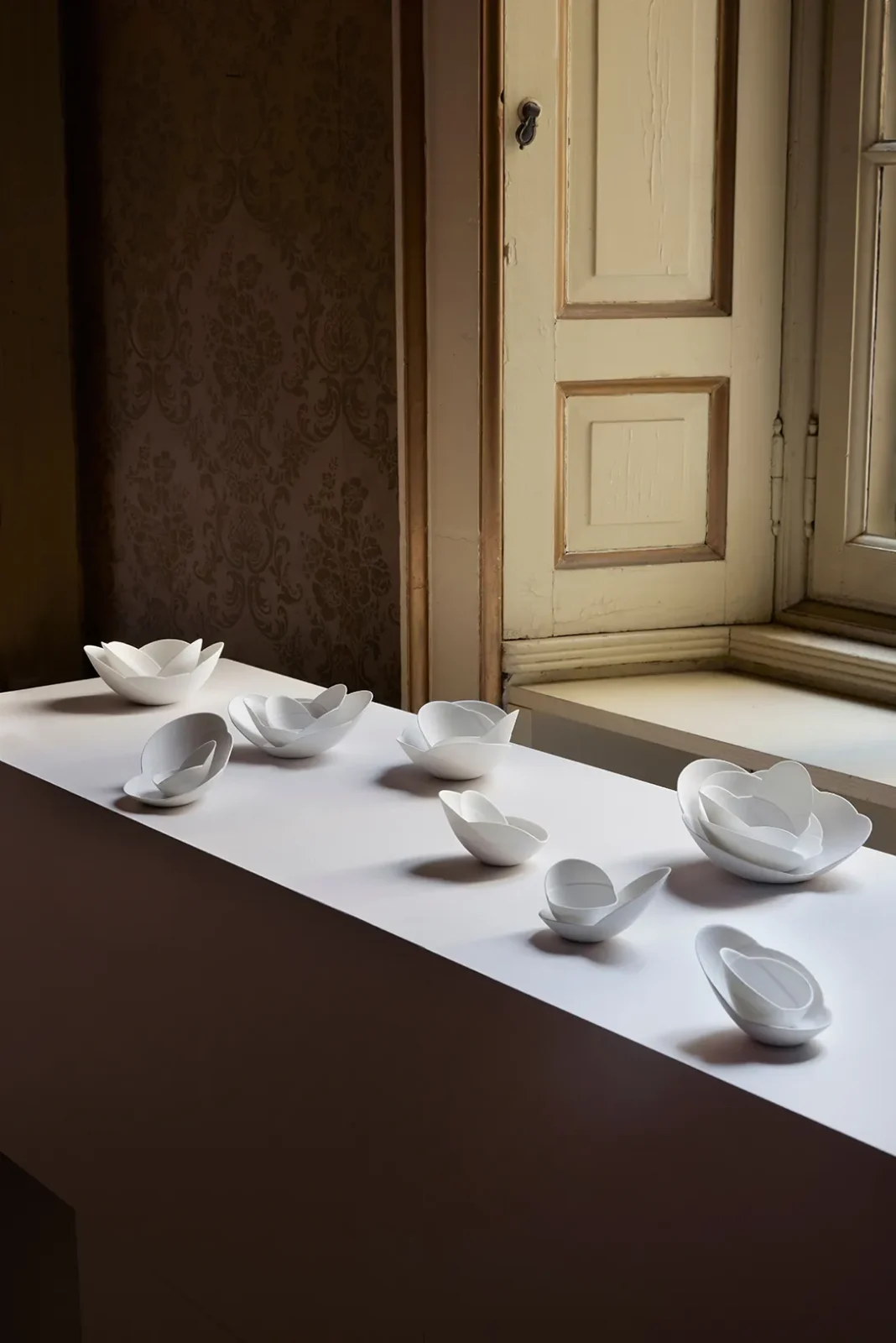
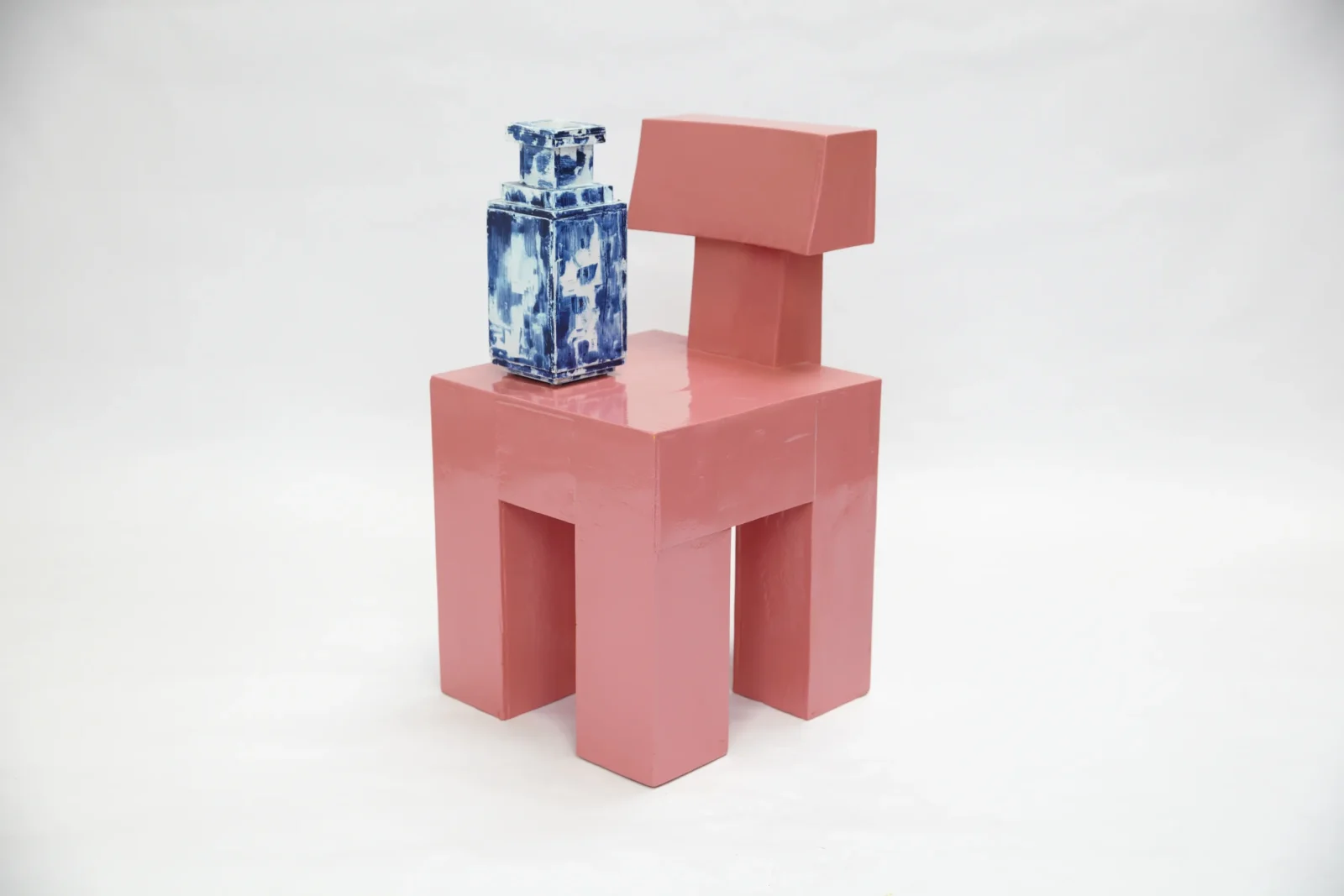
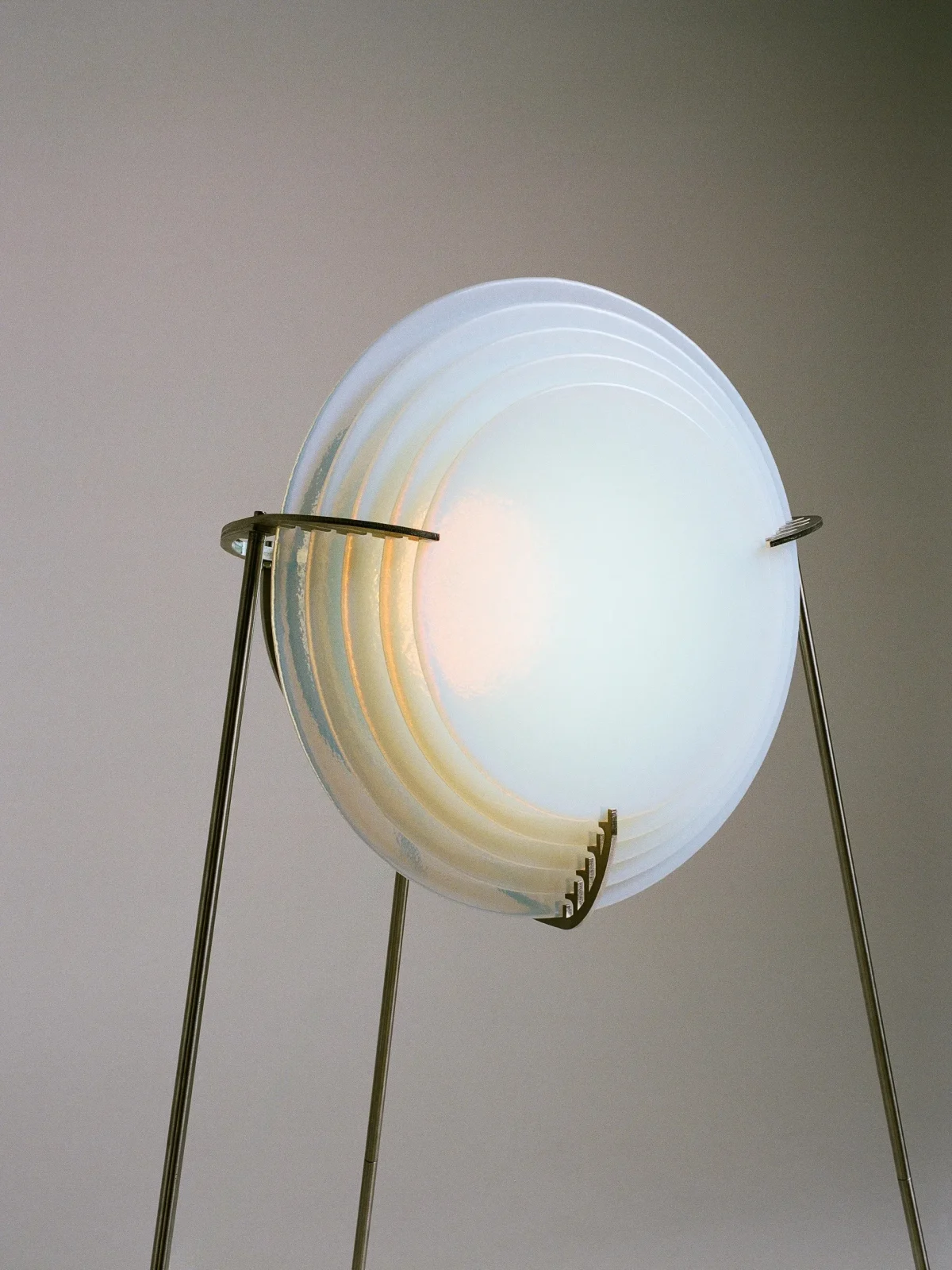
Buying early also has a practical side. Pieces by emerging designers are often made in small editions or to order, prices are closer to the studio, and buyers can speak directly with the maker about materials, finishes and dimensions. For many, that relationship is as important as the object itself, which is why ADORNO describes much of this work as functional art.
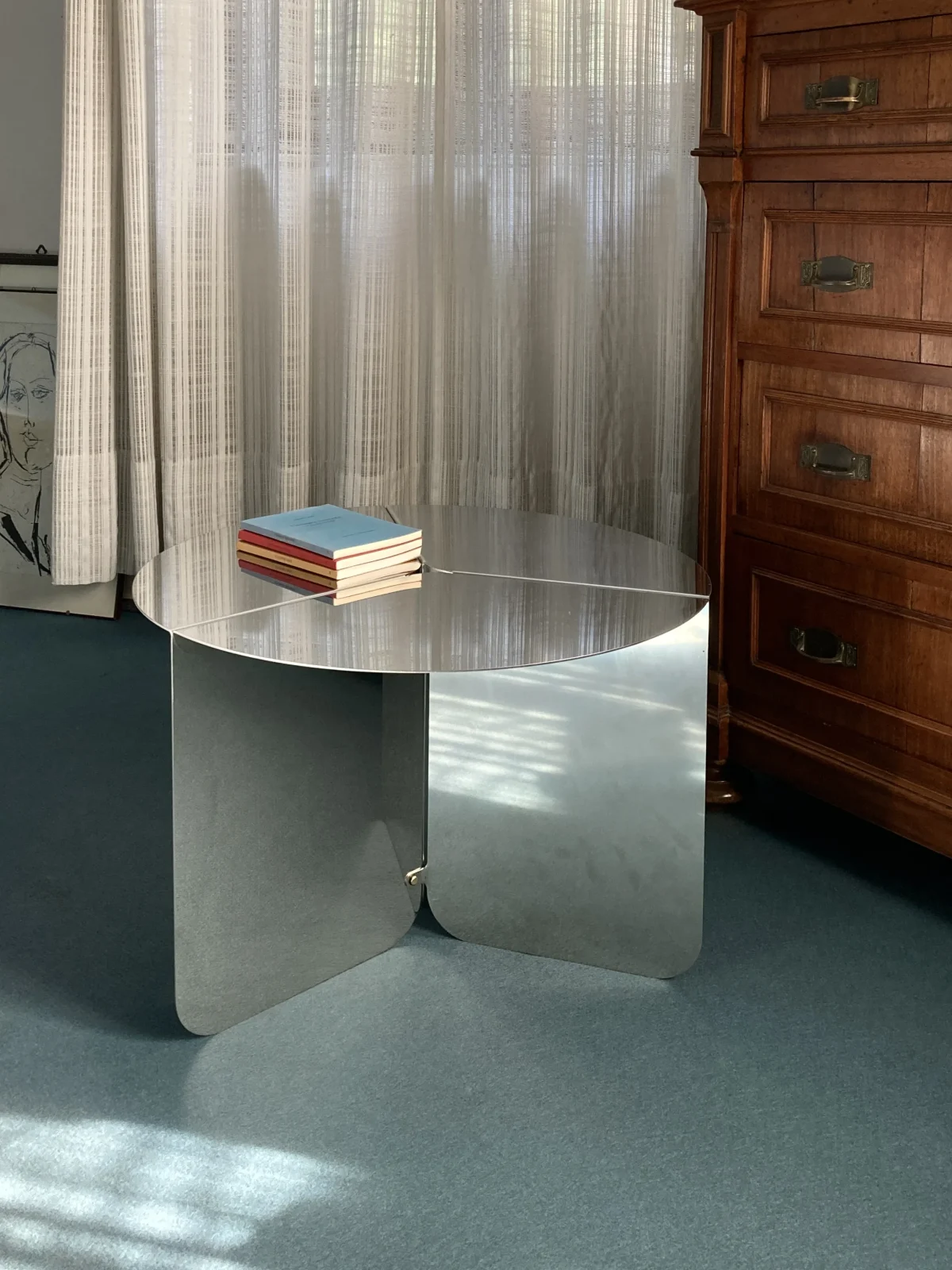
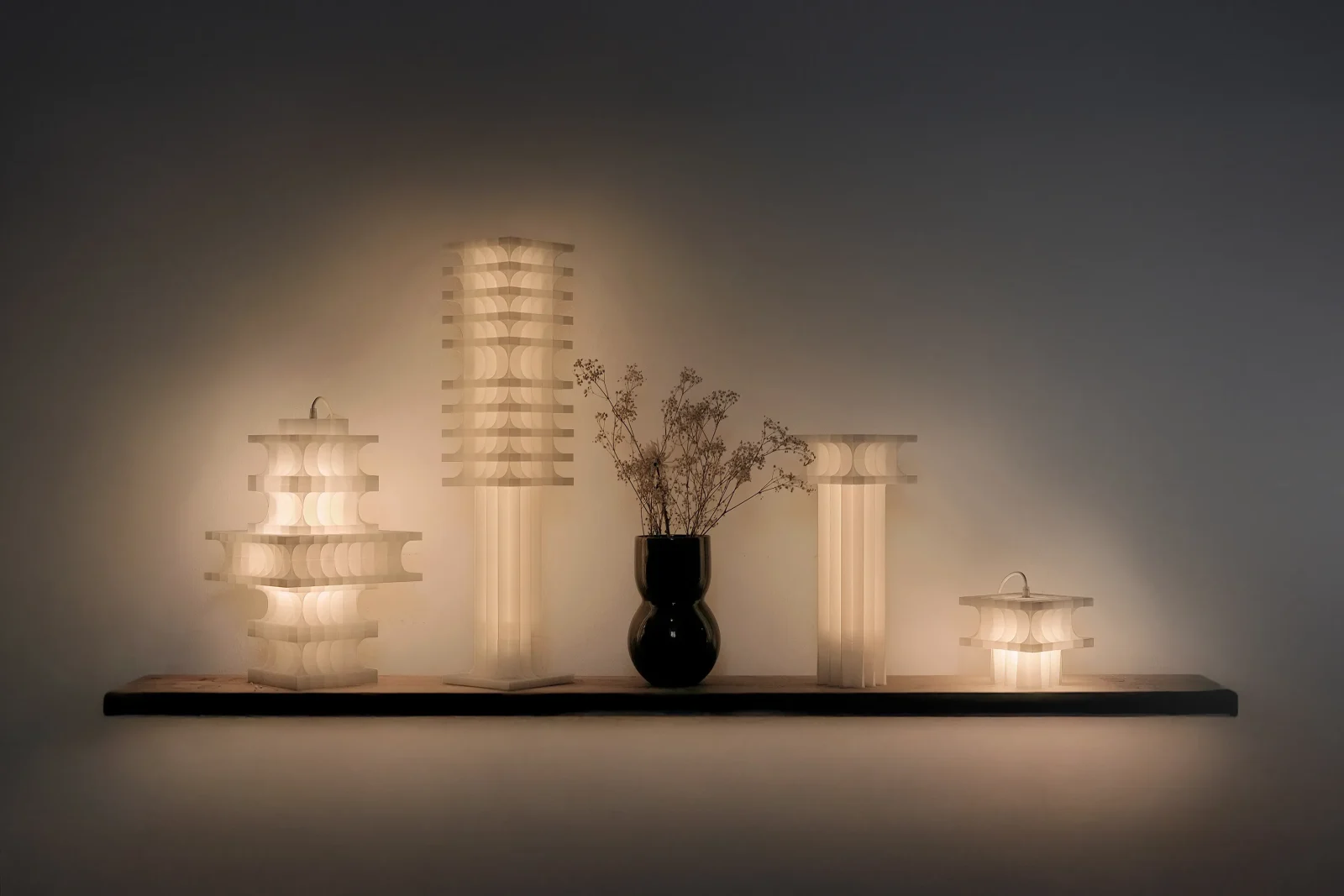
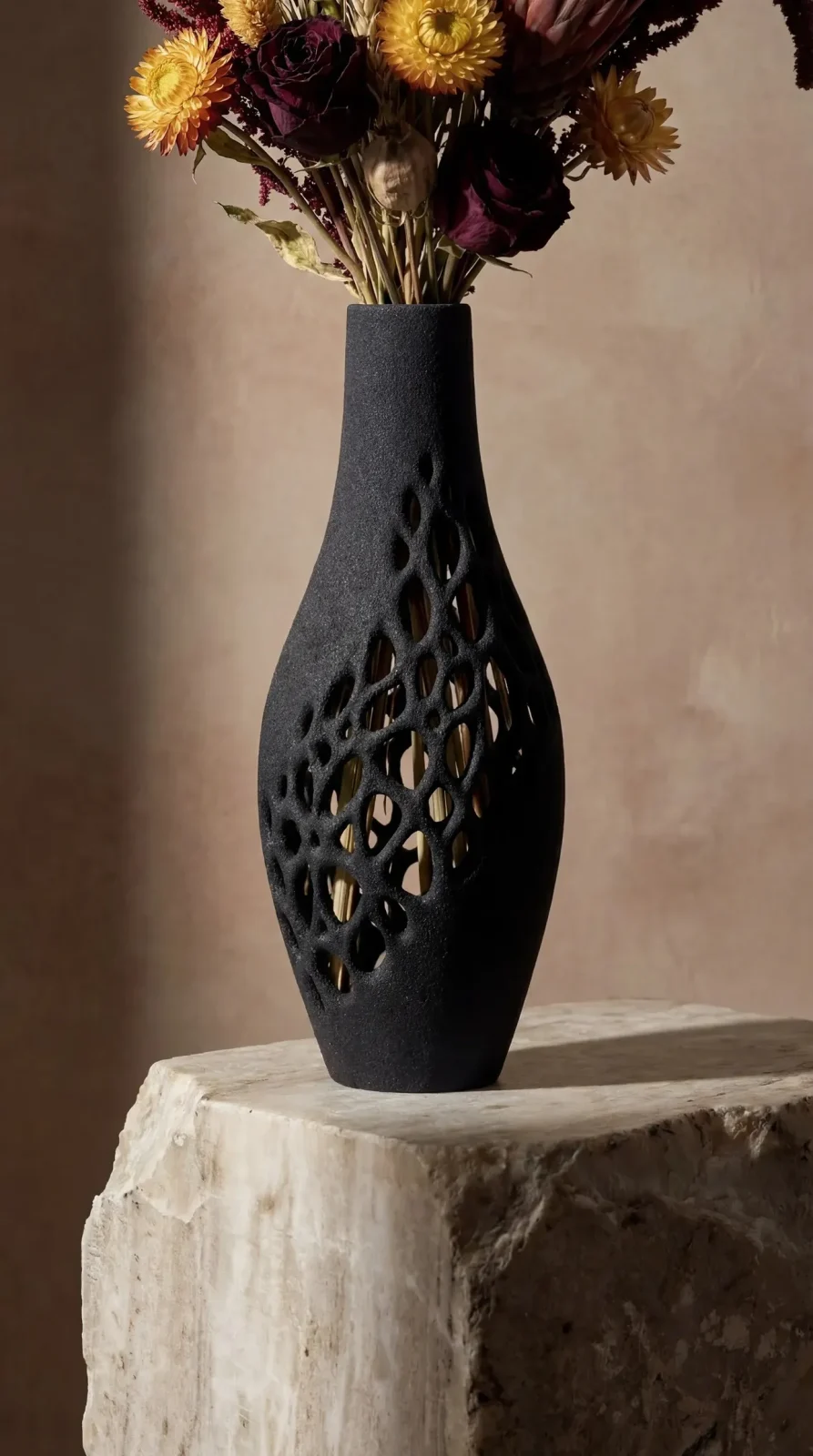
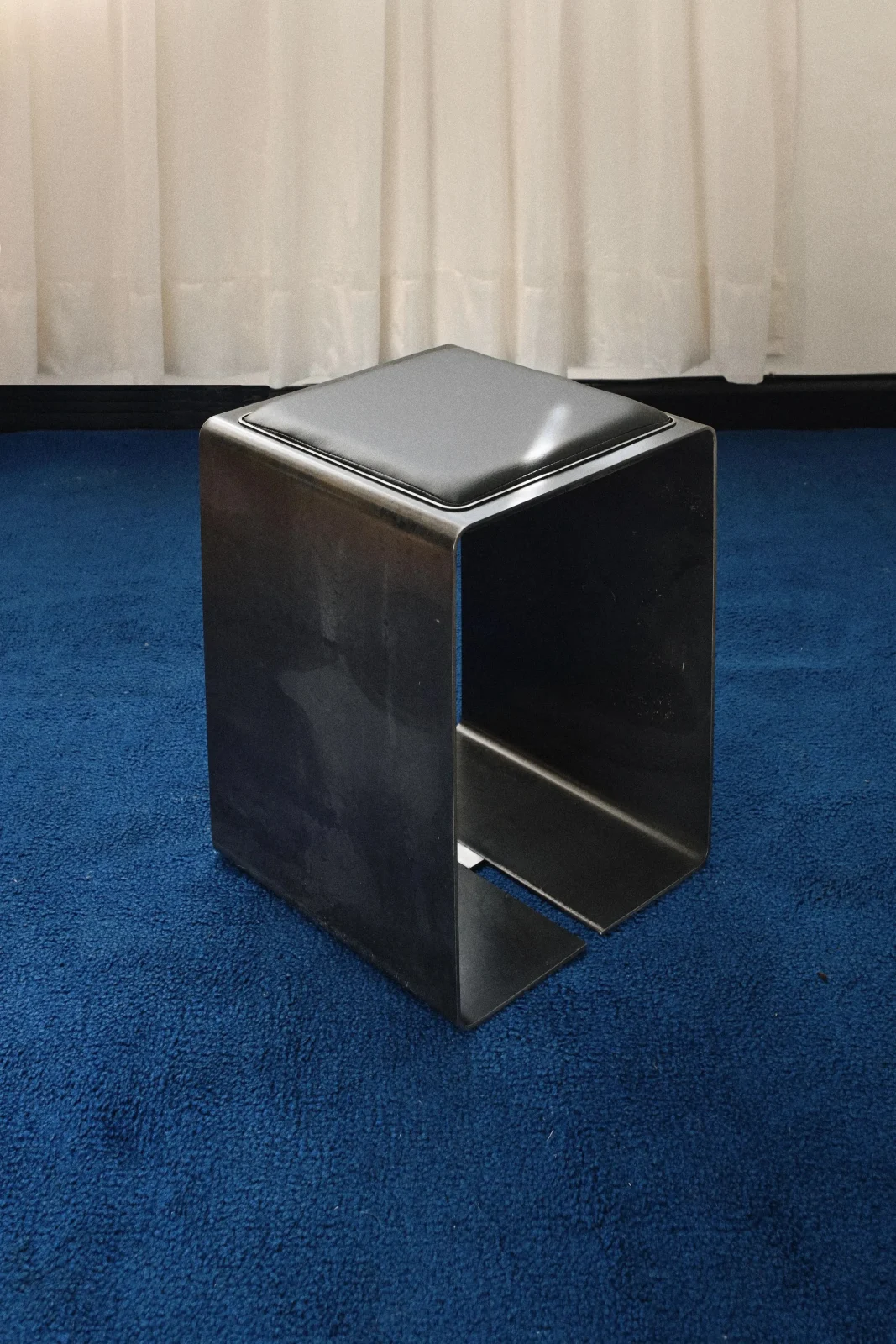

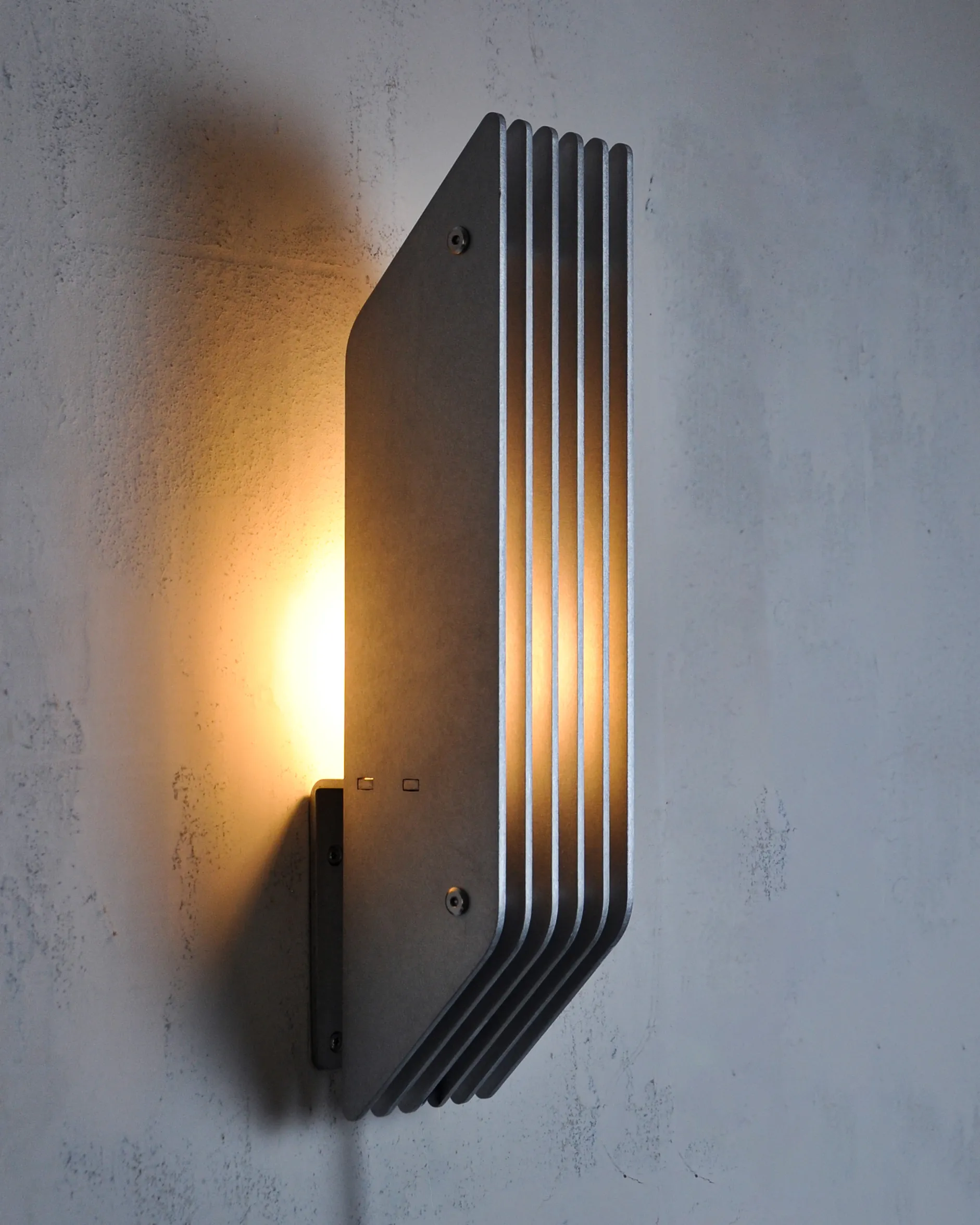
How ADORNO finds up-and-coming designers
ADORNO works with on-the-ground curators based in both established and lesser-known design cities, alongside an open application through which studios from around the world are reviewed for inclusion. New movements are best understood by people living among them, close to the studios, materials, histories and conversations that shape the work, while open applications ensure that exceptional voices are never excluded by geography alone.
Rather than chasing endless scale, the platform stays selective, offering views into living design cultures through the people shaping them today. This makes room for respected names alongside rising talents, so discovery remains central rather than incidental.

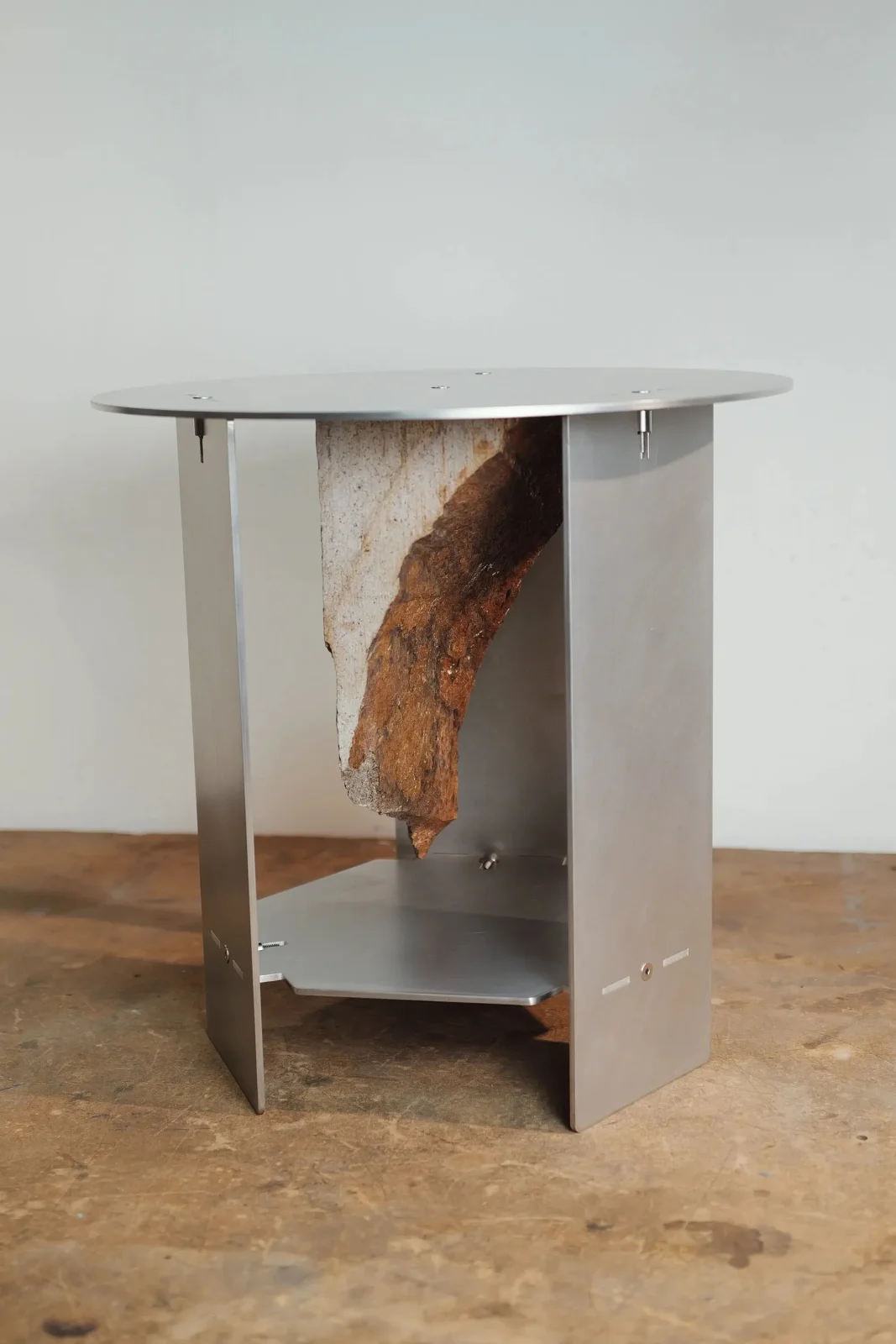

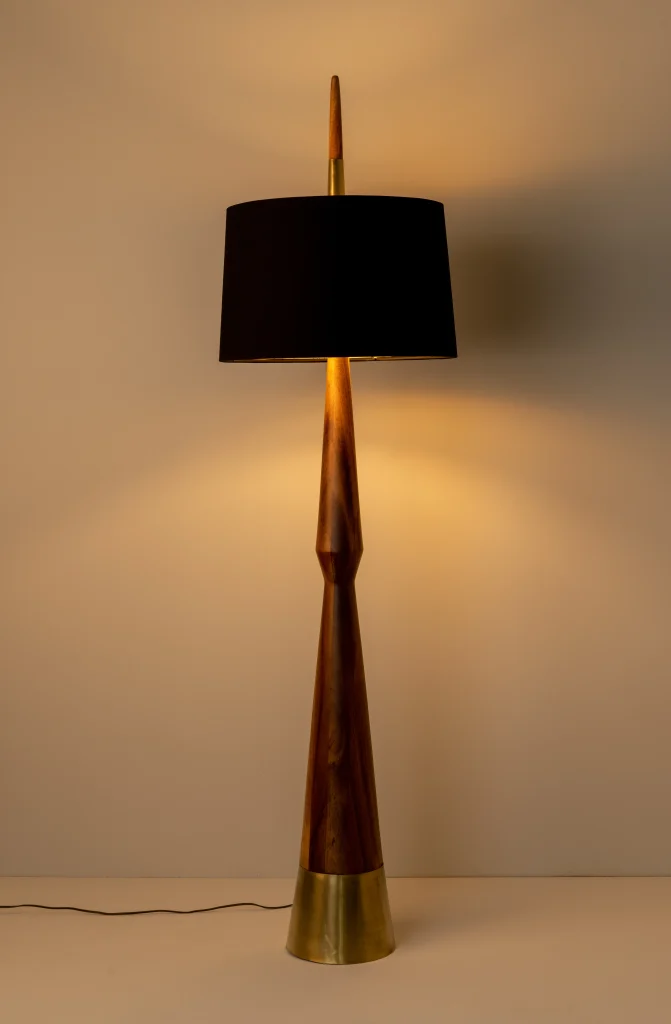
Future50: emerging designers to know in 2026
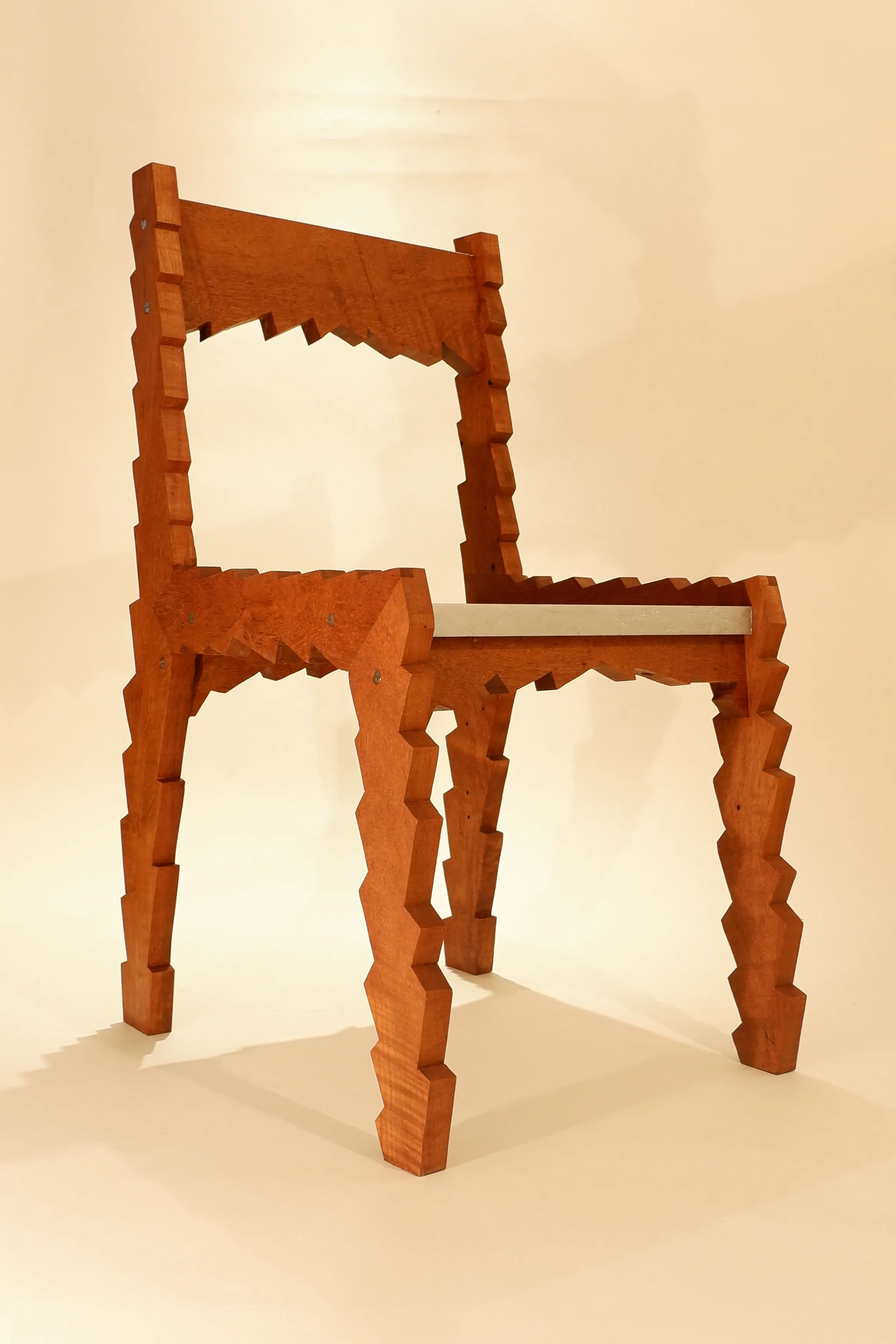
ADORNO’s annual Future50 selection returned in 2026 with fifty designers whose work holds onto the human at a time when origins can feel increasingly hard to read. Guided by four curatorial threads, Authority of the Hand, Process as Commitment, Material Proof and Human Signal, the project focused on studios where authorship remains visible and making remains essential.
Future50 is a glimpse of where contemporary design is heading next: designers from around the world whose talent stands on the verge of broader recognition. Read the full introduction in Holding Onto the Human.
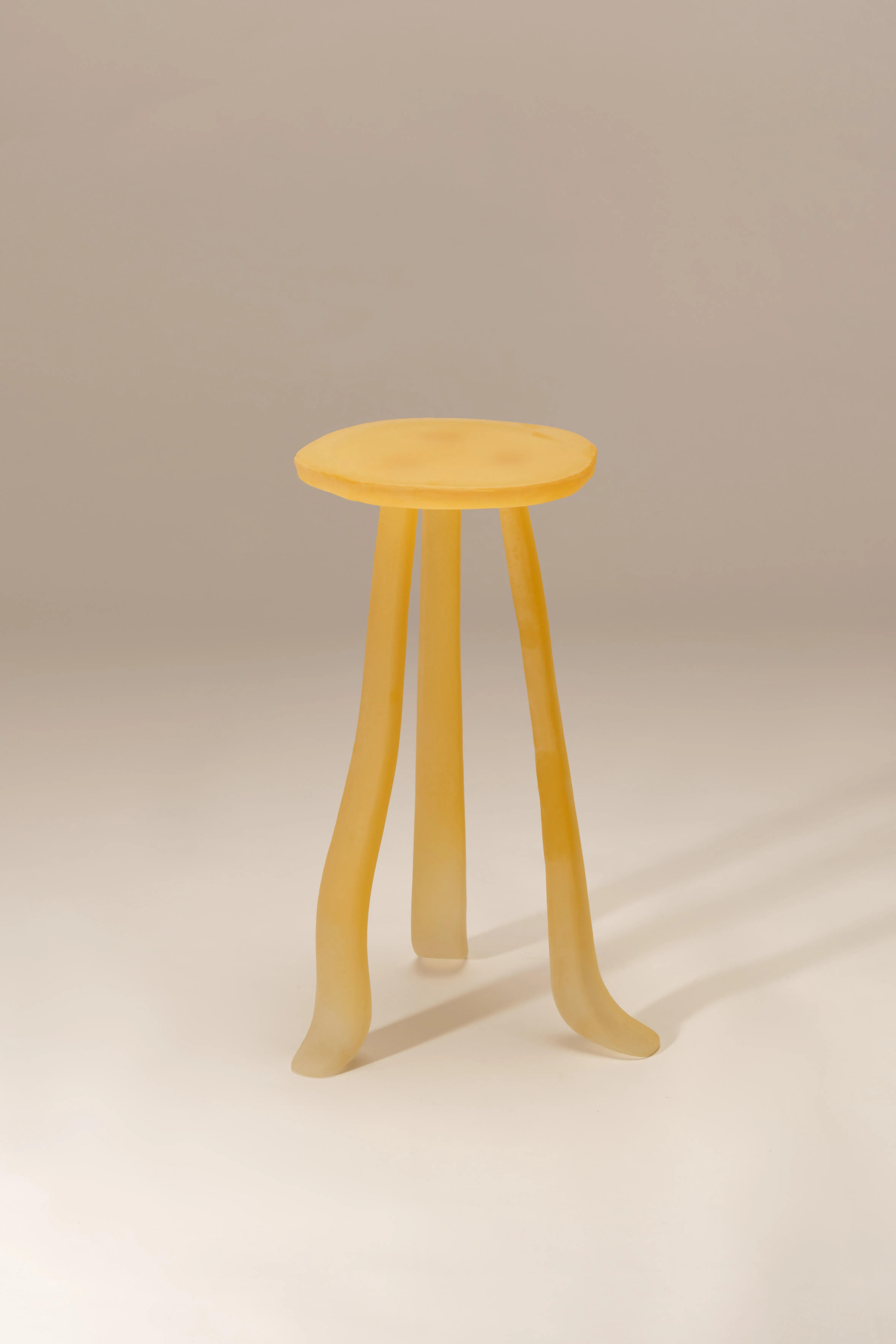

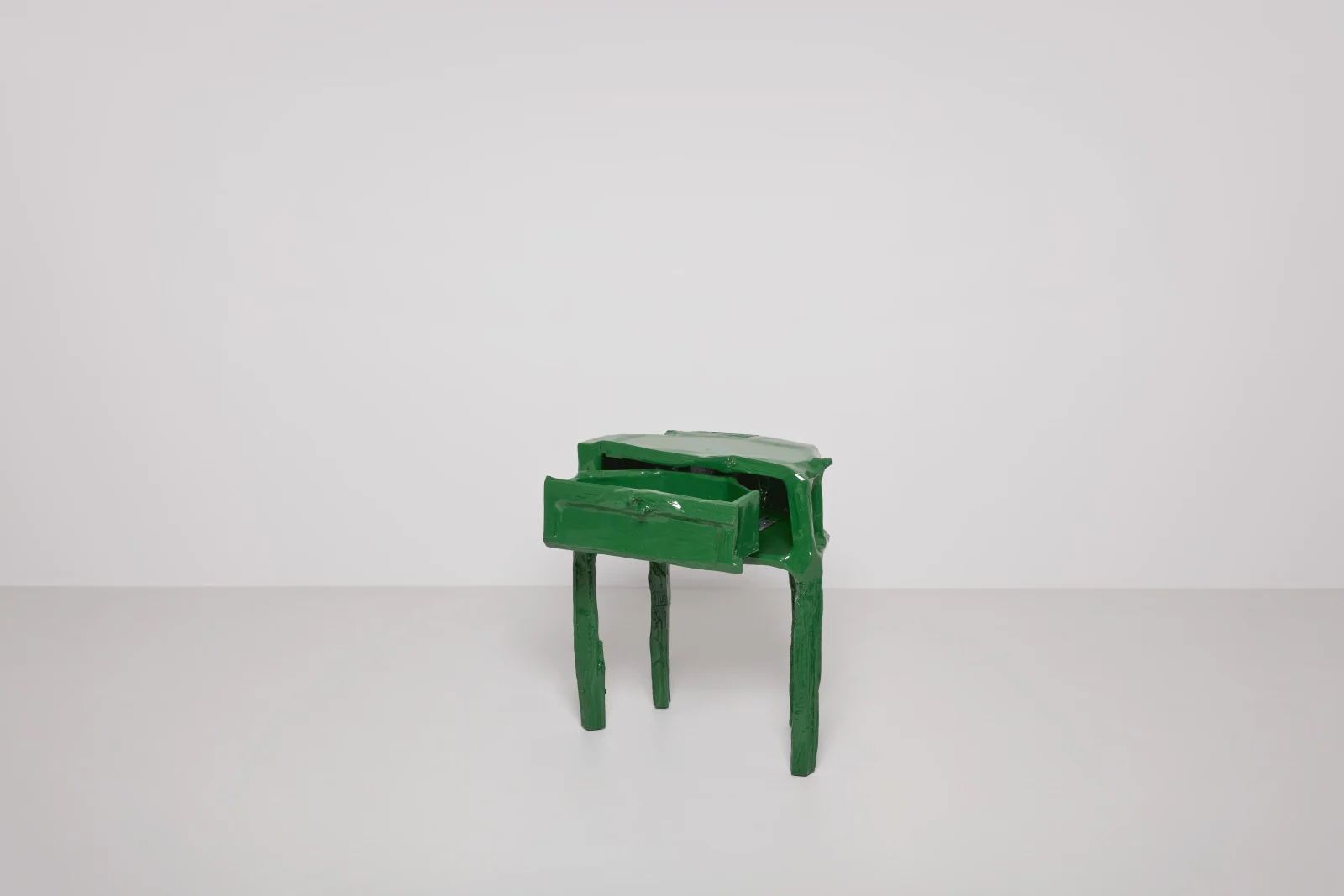


Design Destinations: emerging design scenes to watch
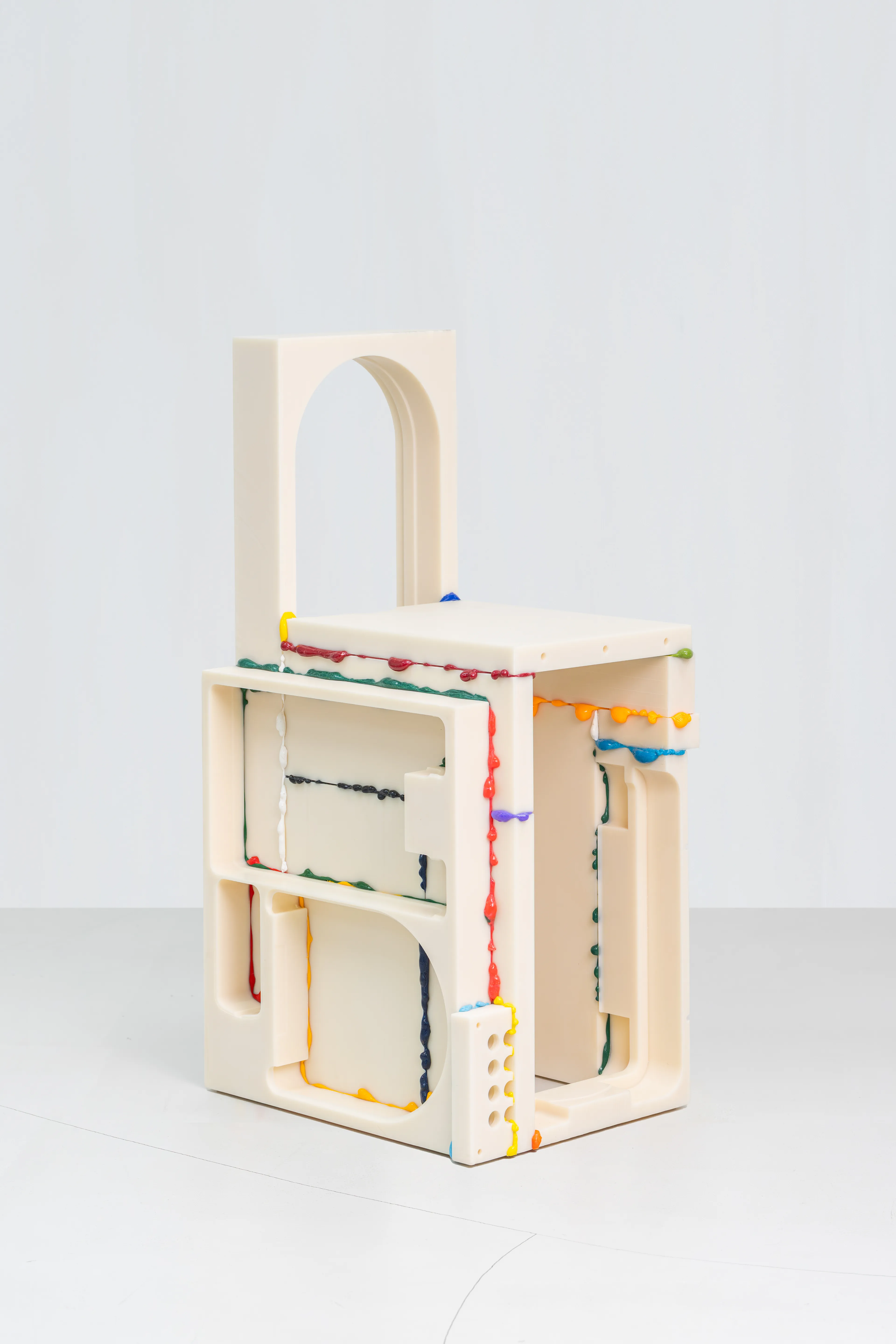
One of the privileges of a global platform is recognizing momentum while it is still gathering. Certain regions produce new energy long before the wider market has found the language to describe it. ADORNO’s Design Destination series brings focused attention to these scenes, with editions visiting South Korea and India.


Design Destination: Poland
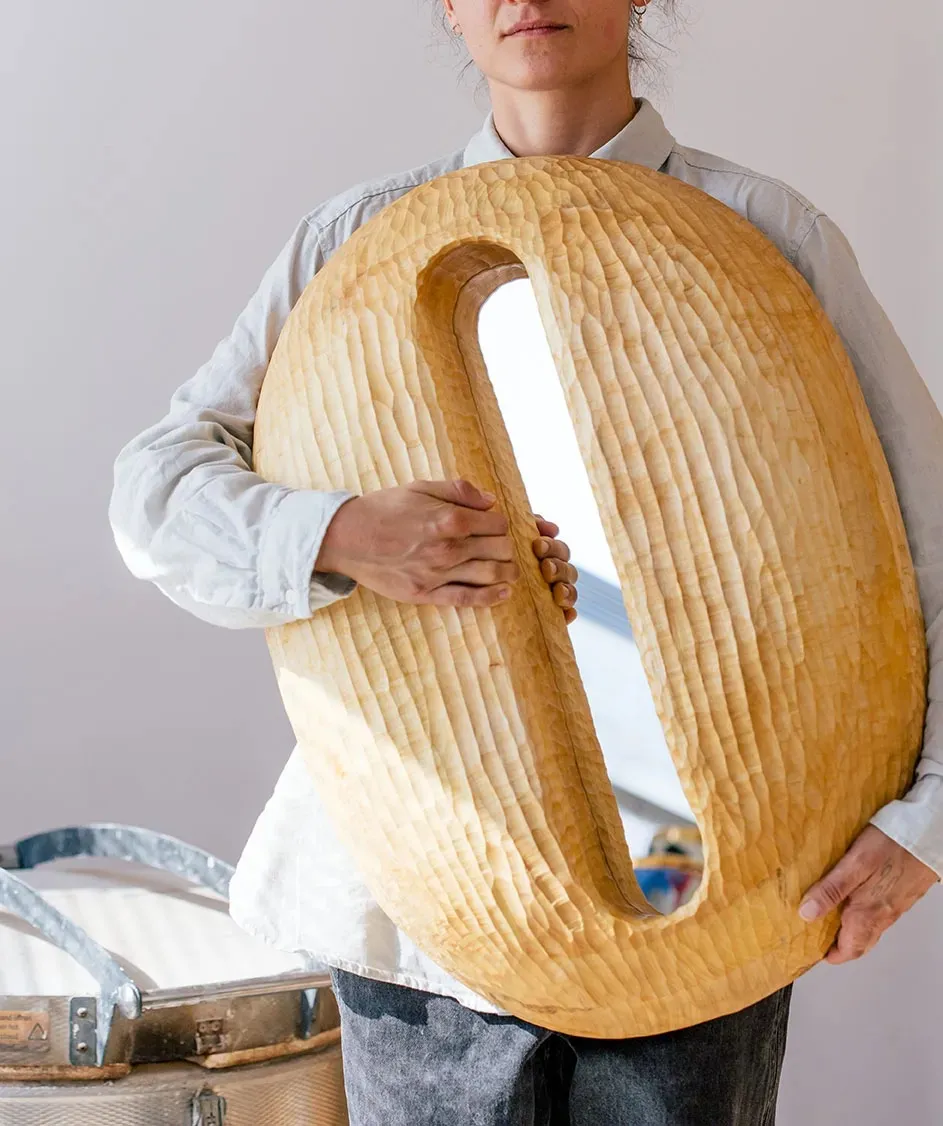
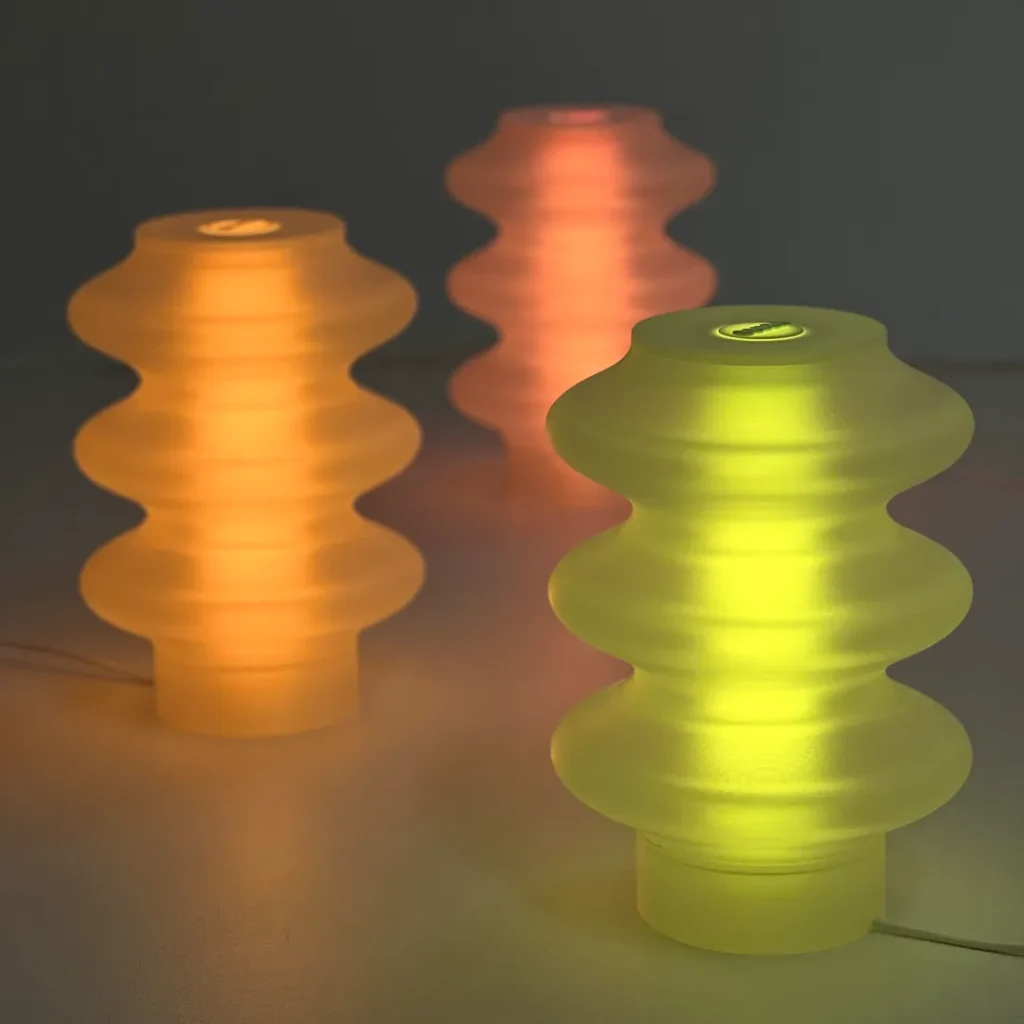
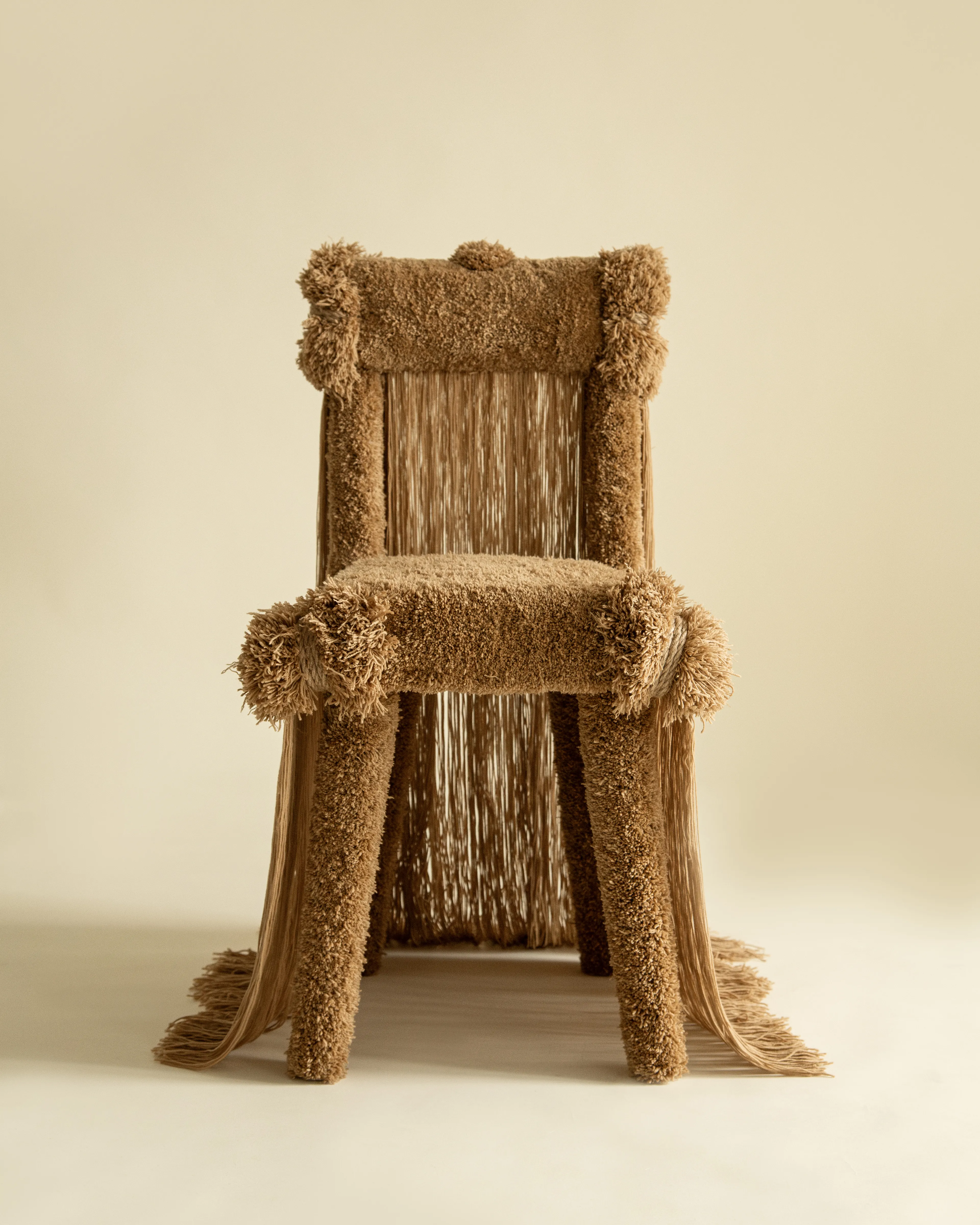
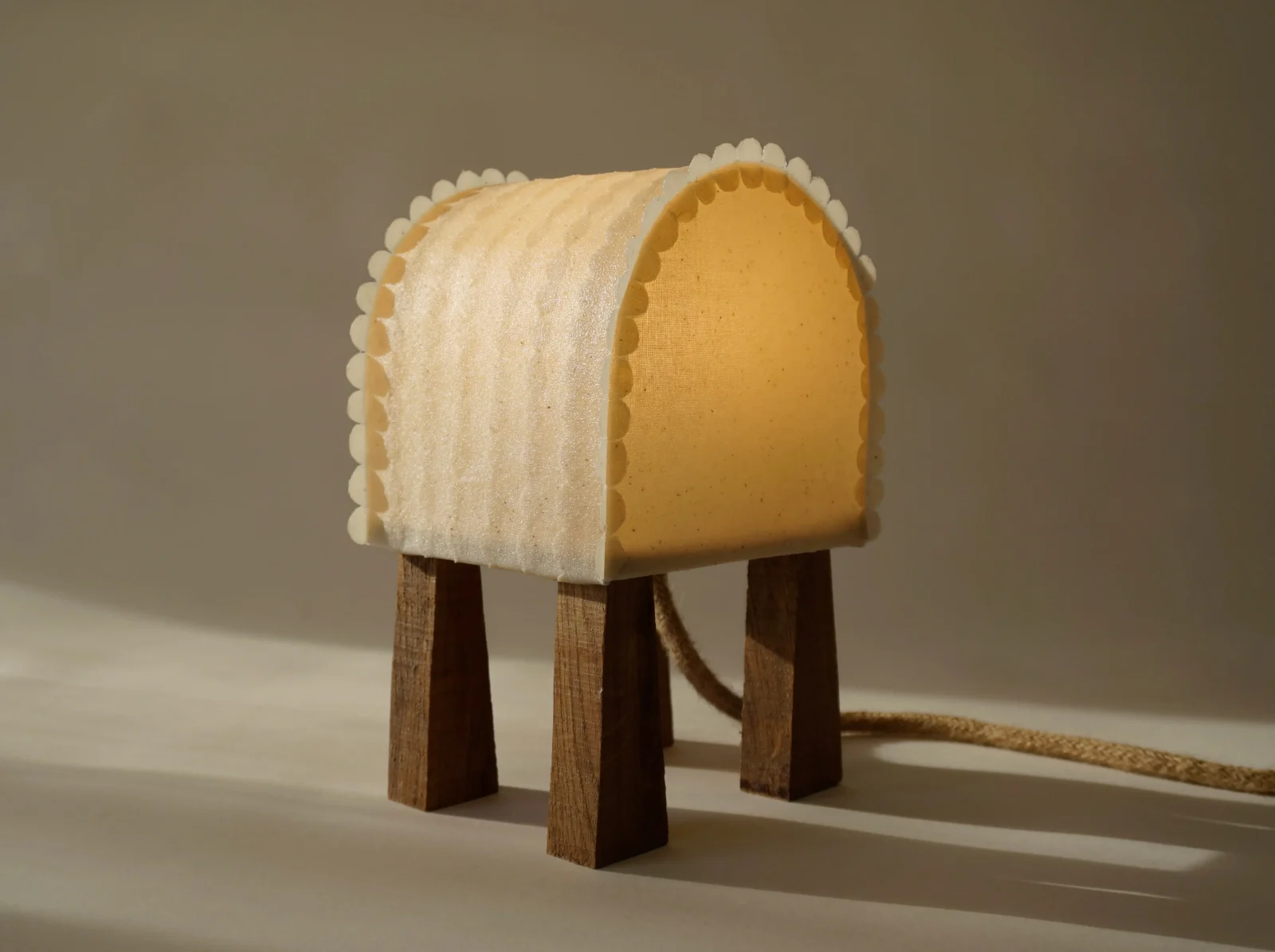
The latest edition, Design Destination: Poland, turns to one of Europe’s most vital contemporary scenes. Across lighting, seating, mirrors, ceramics and textiles, Polish designers are creating work marked by material intelligence, sculptural confidence and an independent spirit shaped by a deep and resilient creative history. Browse all Polish design on ADORNO.


Where to find emerging designers: 5 places to look
- Graduate shows: design schools such as Design Academy Eindhoven present their graduates each year, often the first public showing of a new studio.
- Young designer platforms at fairs: SaloneSatellite in Milan is reserved for designers under 35, while Dutch Design Week fills Eindhoven with studio presentations every October.
- Collectible design fairs: Collectible in Brussels focuses on 21st-century collectible design, and 3daysofdesign in Copenhagen opens showrooms and studios across the city.
- Curated online galleries: platforms such as ADORNO bring together studios from more than sixty countries, with direct contact to the makers and international shipping.
- Local scenes and open studios: following curators, regional design weeks and studio open days often reveals talent years before it reaches the major fairs.
Interior designers and architects sourcing for projects can also join ADORNO’s trade program for trade pricing and support with custom requests.
The best time to notice
Attention has become one of the most valuable commodities of our time. The world moves at a relentless pace, asking everyone to look quicker and forget sooner. ADORNO understands the need to keep up, but also the need to hold onto the human element that made design matter in the first place. That belief has shaped the platform from the beginning, and it remains at the center of who we choose to represent.
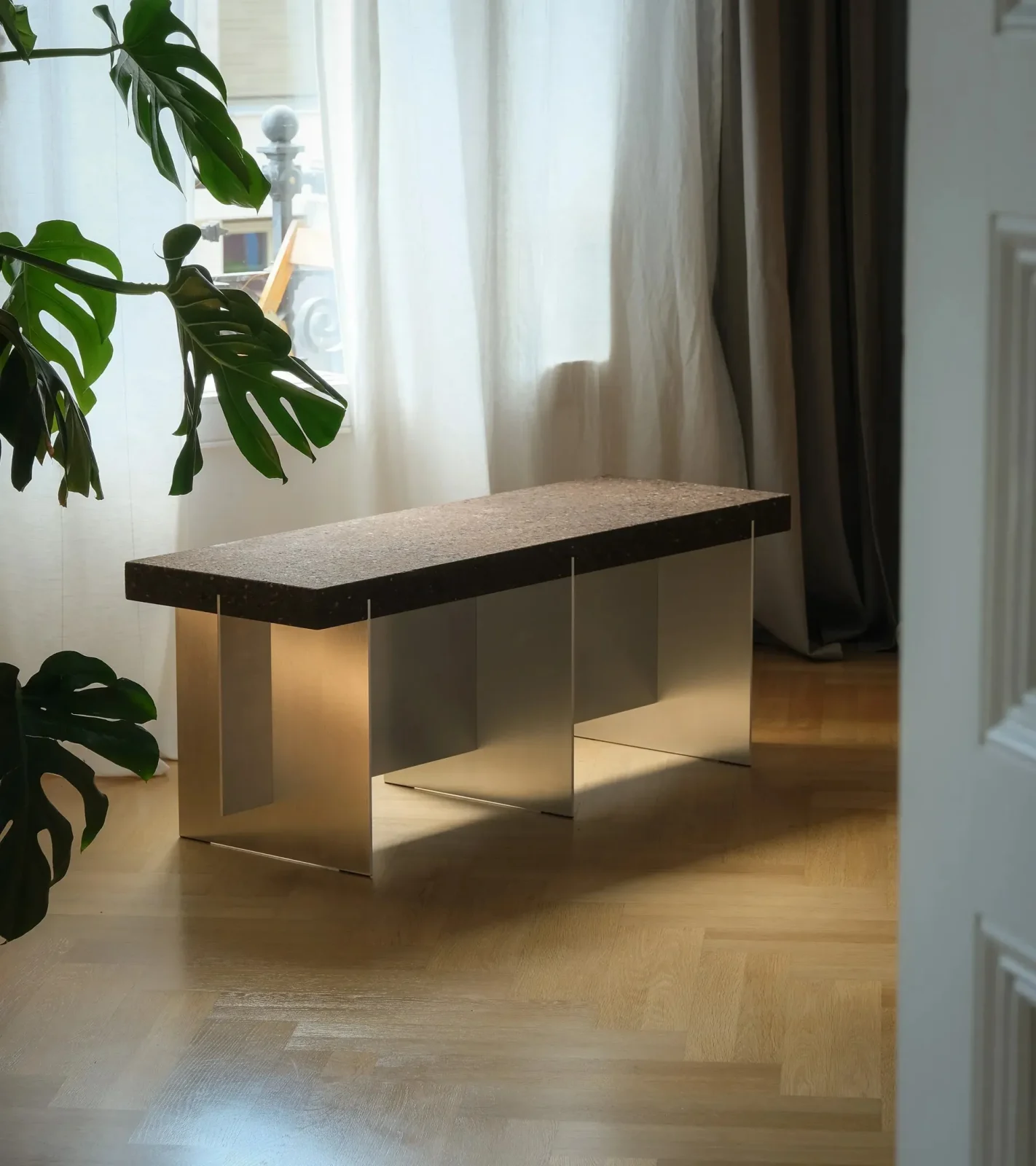
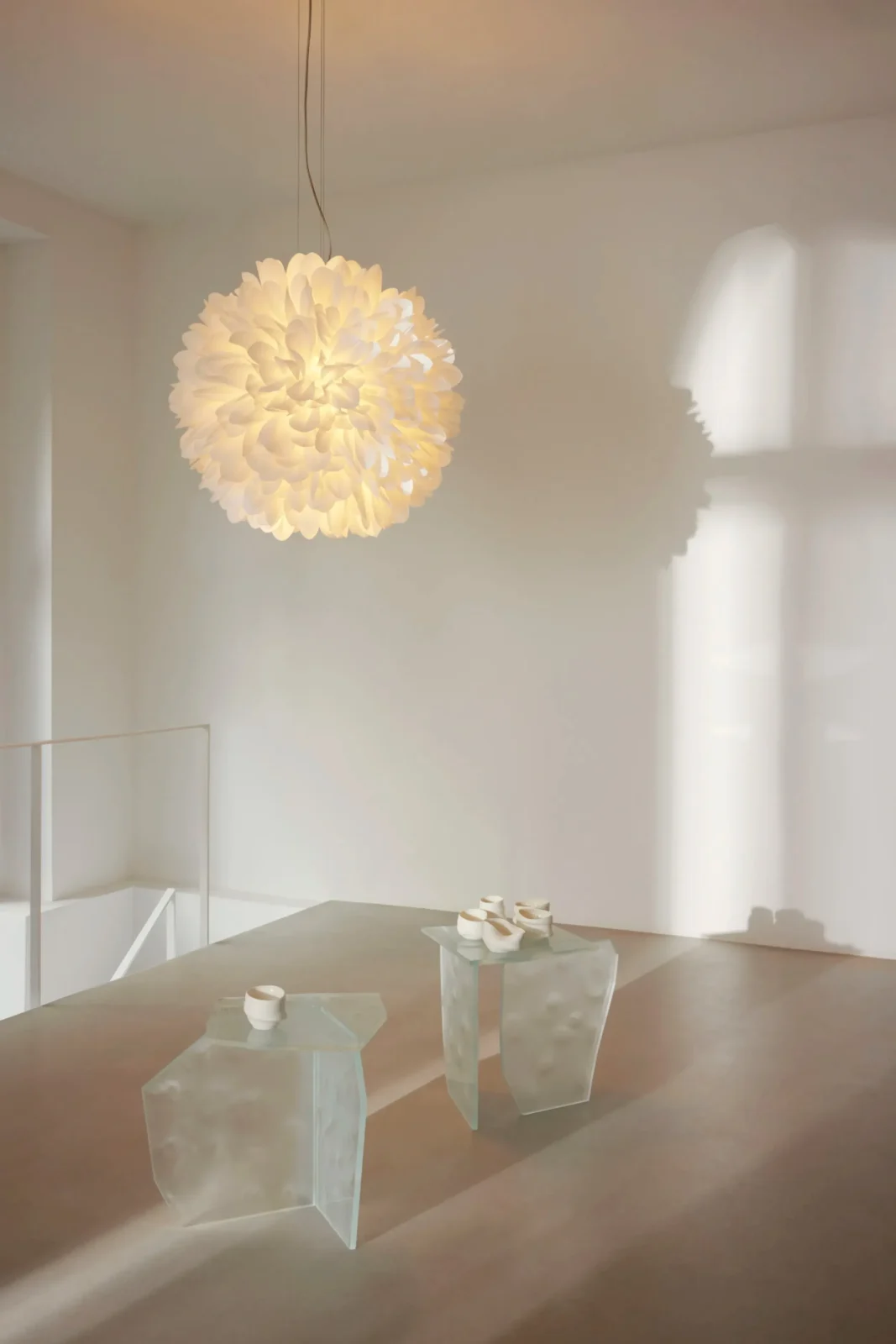
Design can be aesthetic, functional and collectible, yet above all it is human: made by people, for people. Our role is to find these makers, stand behind them and build the scaffolding that allows their work to travel further. Whether working with independent collectors or trade professionals, the purpose stays simple: connecting one person to another through objects shaped by skill, intention and imagination.

Frequently asked questions about emerging designers
What counts as an emerging designer?
Usually a designer or small studio in the first years of independent practice, with a distinct voice but not yet broad international recognition.
Where can I buy pieces by emerging designers?
At graduate shows, design weeks and collectible design fairs, directly from studios, and through curated online galleries such as ADORNO.
Is it worth collecting emerging design?
Buy first because you love the piece. Early work is often made in small editions, and pieces from a designer’s first collections can become sought after as their career grows.
How can designers join ADORNO?
Independent designers can submit their work through ADORNO’s open application, where each studio is reviewed by the curatorial team.