There is astonishing wonder scattered across every corner of the natural world. Glaciers calving into the sea, bioluminescent waves glowing along a shoreline, volcanoes lighting the horizon, coral reefs forming entire underwater cities… but few natural phenomena feel as close to magic as the Northern Lights, or Aurora Borealis. Rippling bands of saturated color, greens, violets, blues, and sometimes deep pinks and reds, drift across the sky. They materialize without warning, shimmer for a moment or an hour, and then dissolve again into darkness.

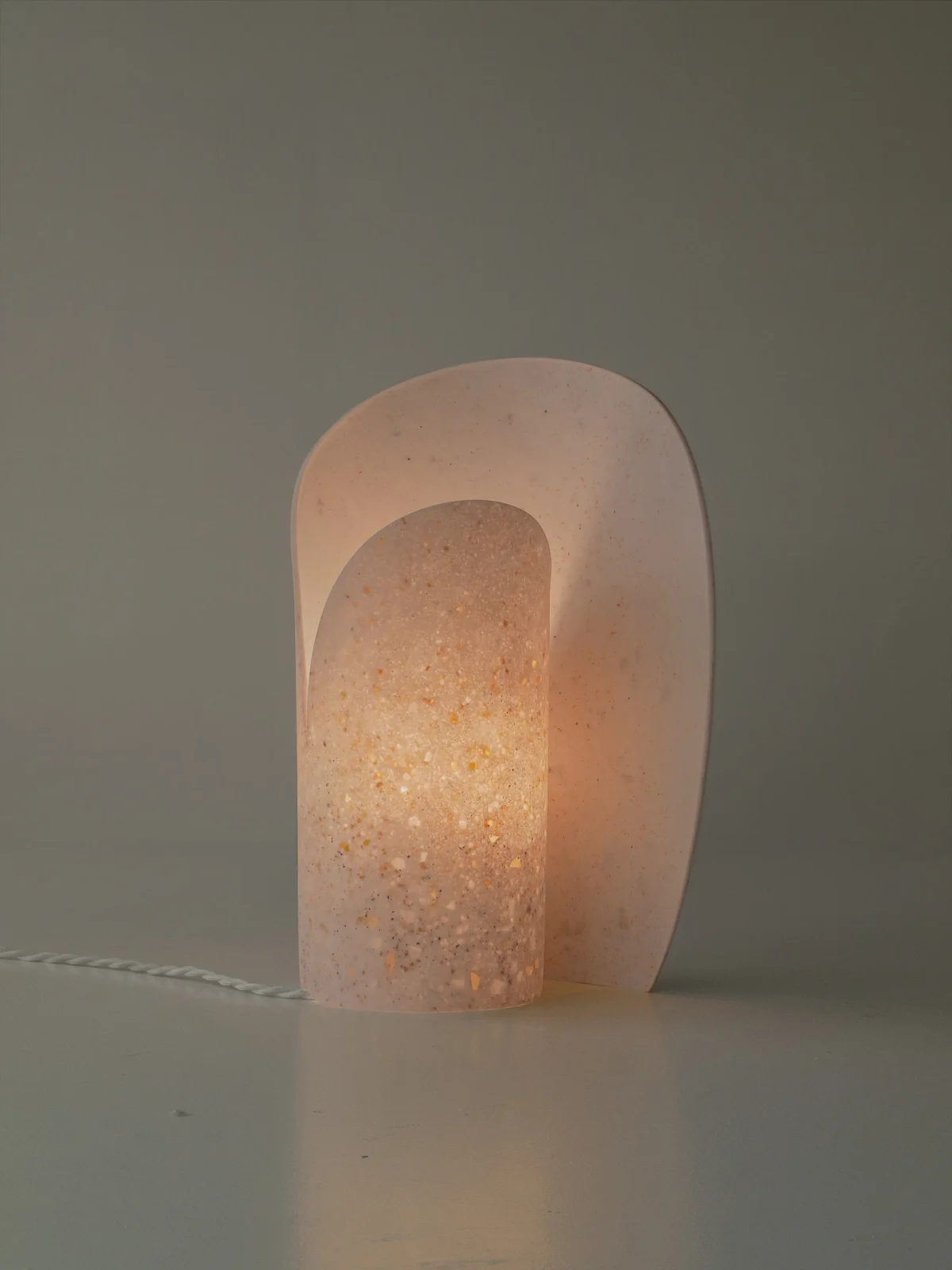
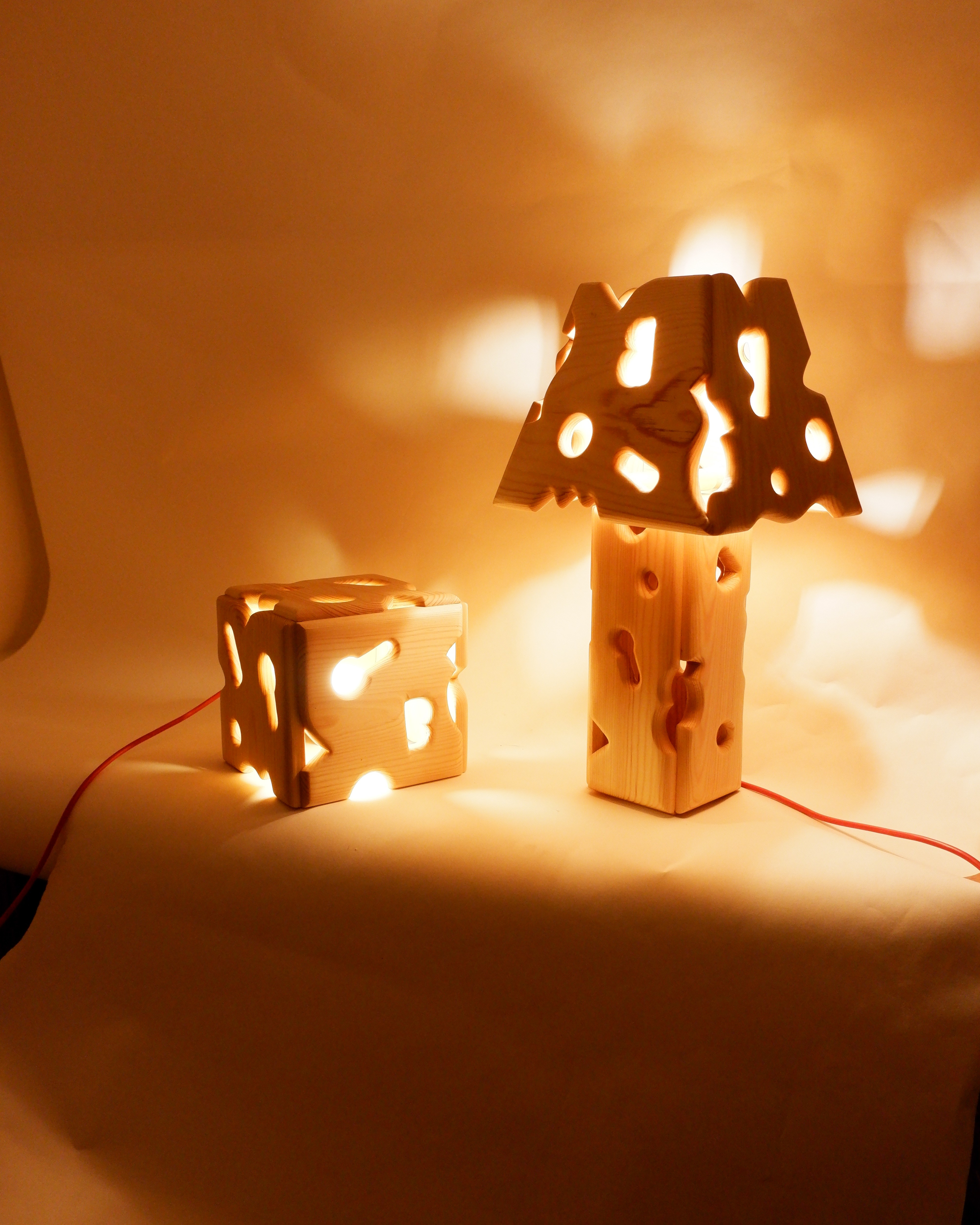
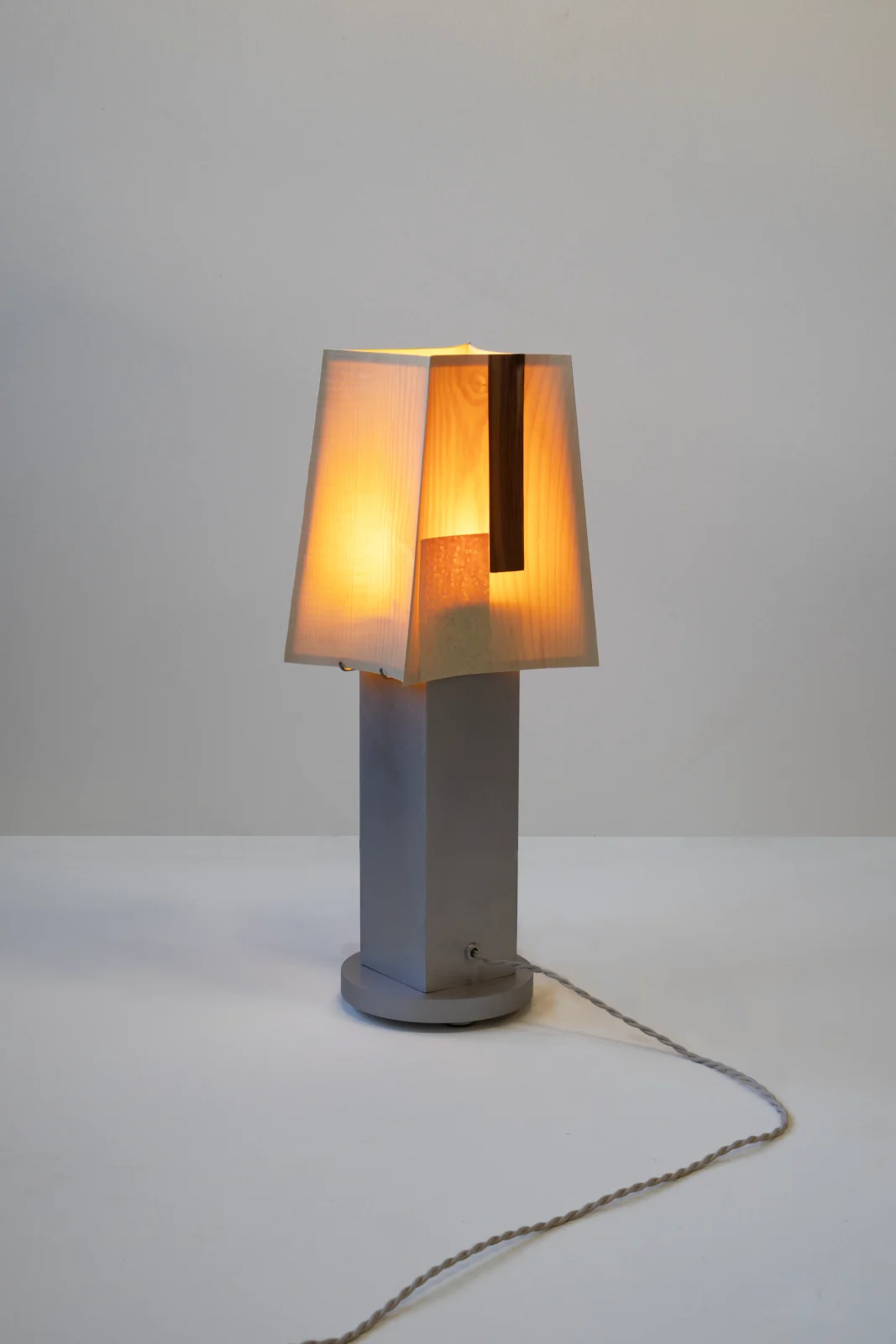
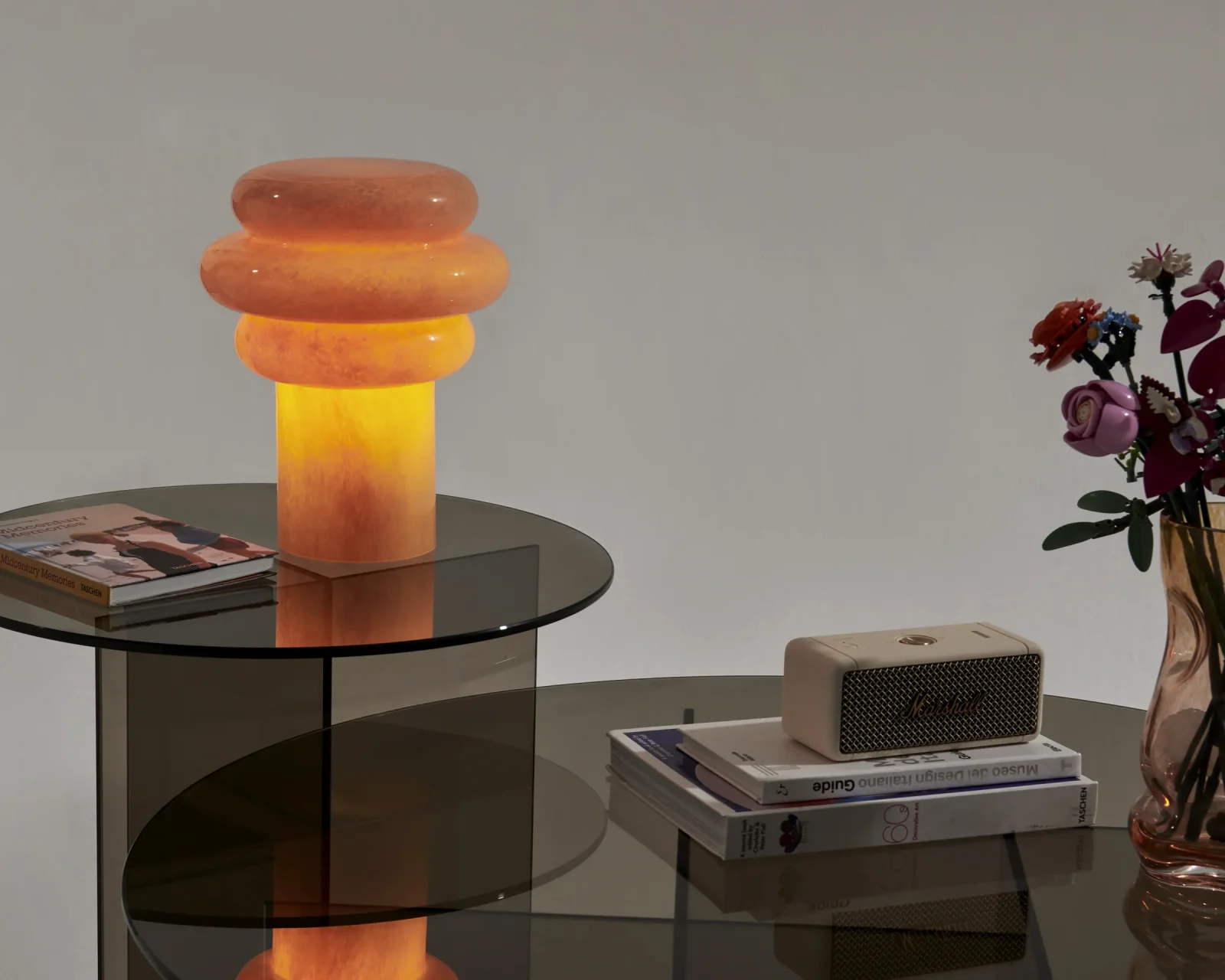
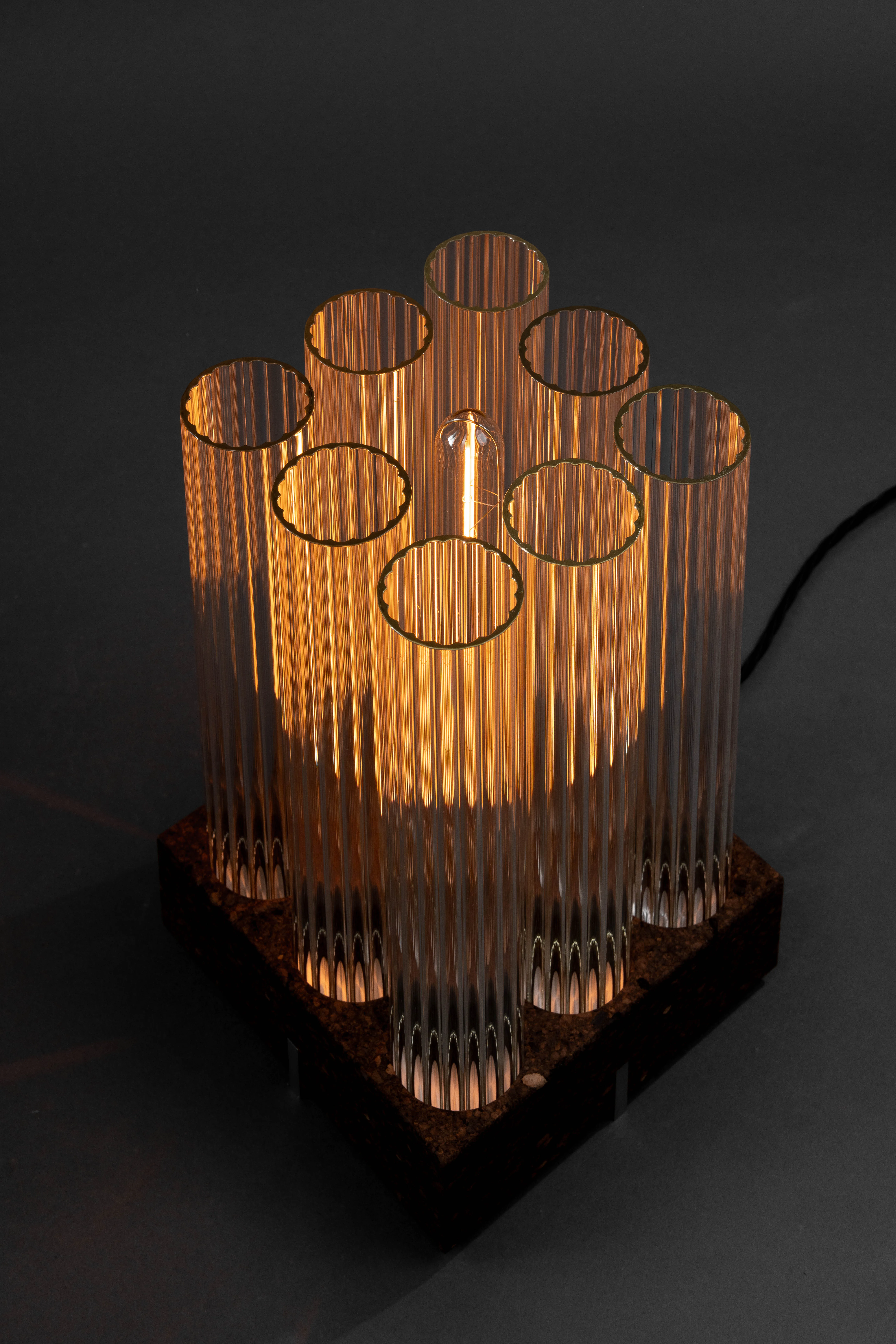
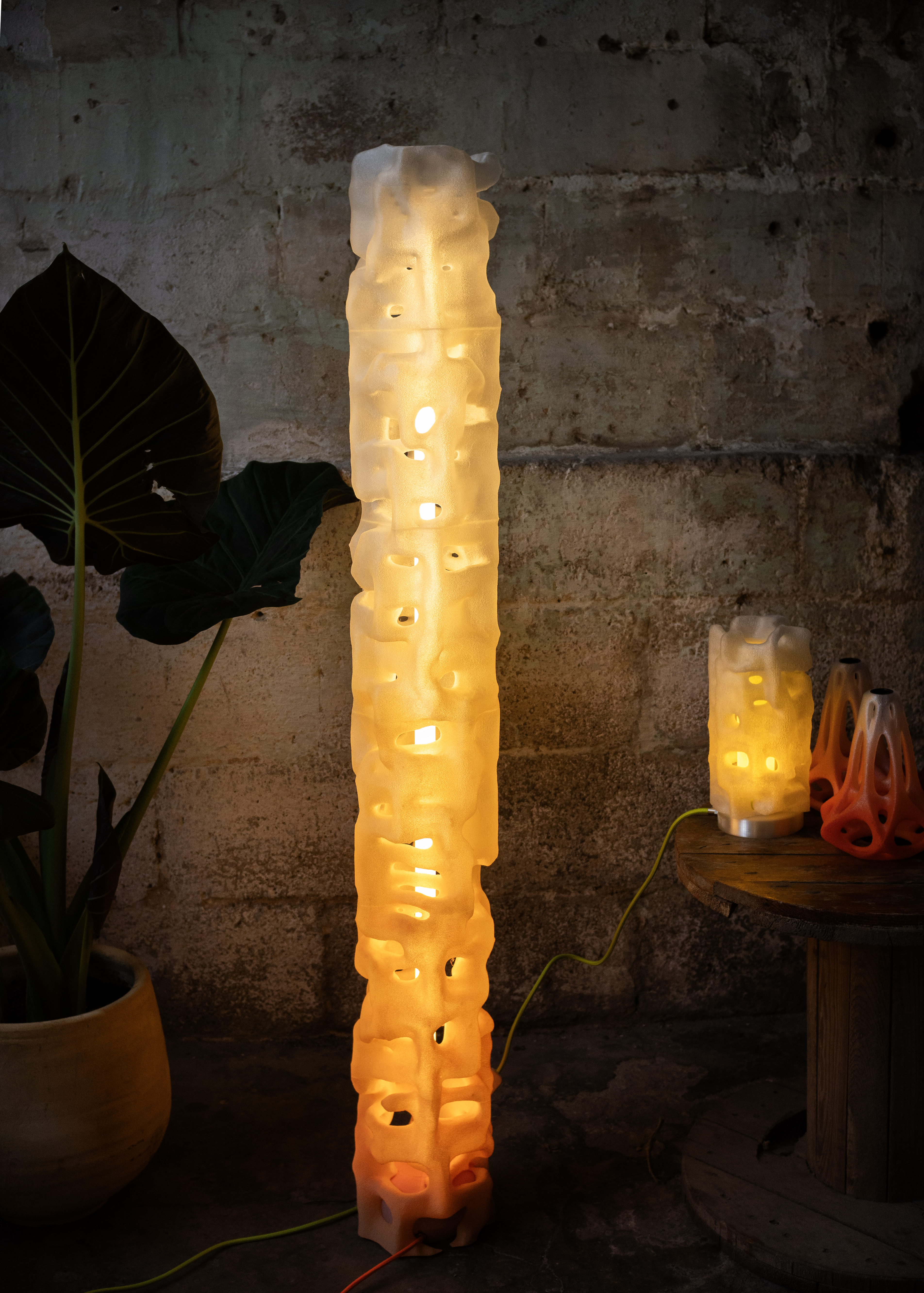
Lighting inspired by the Northern Lights often attempts to capture fragments of the same spectacle, drifting color, soft diffusion, and the atmospheric sense of wonder. The pieces in today’s selection capture fragments of that phenomenon, as much as human design allows. Studios experiment with translucent glass, dichroic surfaces that shift color as light moves across them, and layered diffusion techniques that soften and scatter illumination, creating luminous atmospheres that feel less like fixtures and more like small celestial events unfolding within a room.
Chasing the Aurora
Permit a short personal digression. My own encounter with the Aurora came several years ago in the Arctic Circle. It was Christmas Eve in the deep north of Finland, bitterly cold, and I had joined a group of guides who dedicate their lives to chasing the aurora. The night unfolded like an expedition. We drove for hours through frozen forests, changing direction at a moment’s notice as radar data suggested better viewing conditions elsewhere. The van would suddenly pull over, we would be told to move quickly in case the lights appeared, and then just as suddenly we would be back on the road again, chasing the sky.
In Finland the aurora is called revontulet, meaning “fox fires.” According to folklore, a magical Arctic fox runs across the snow-covered fells, sweeping its tail against the ground and sending sparks into the sky. After several hours crossing the frozen landscape in pursuit of them, it truly did feel as though we were chasing some elusive, mythical fox, and it was a time-stopping marvel when we finally “caught” one.
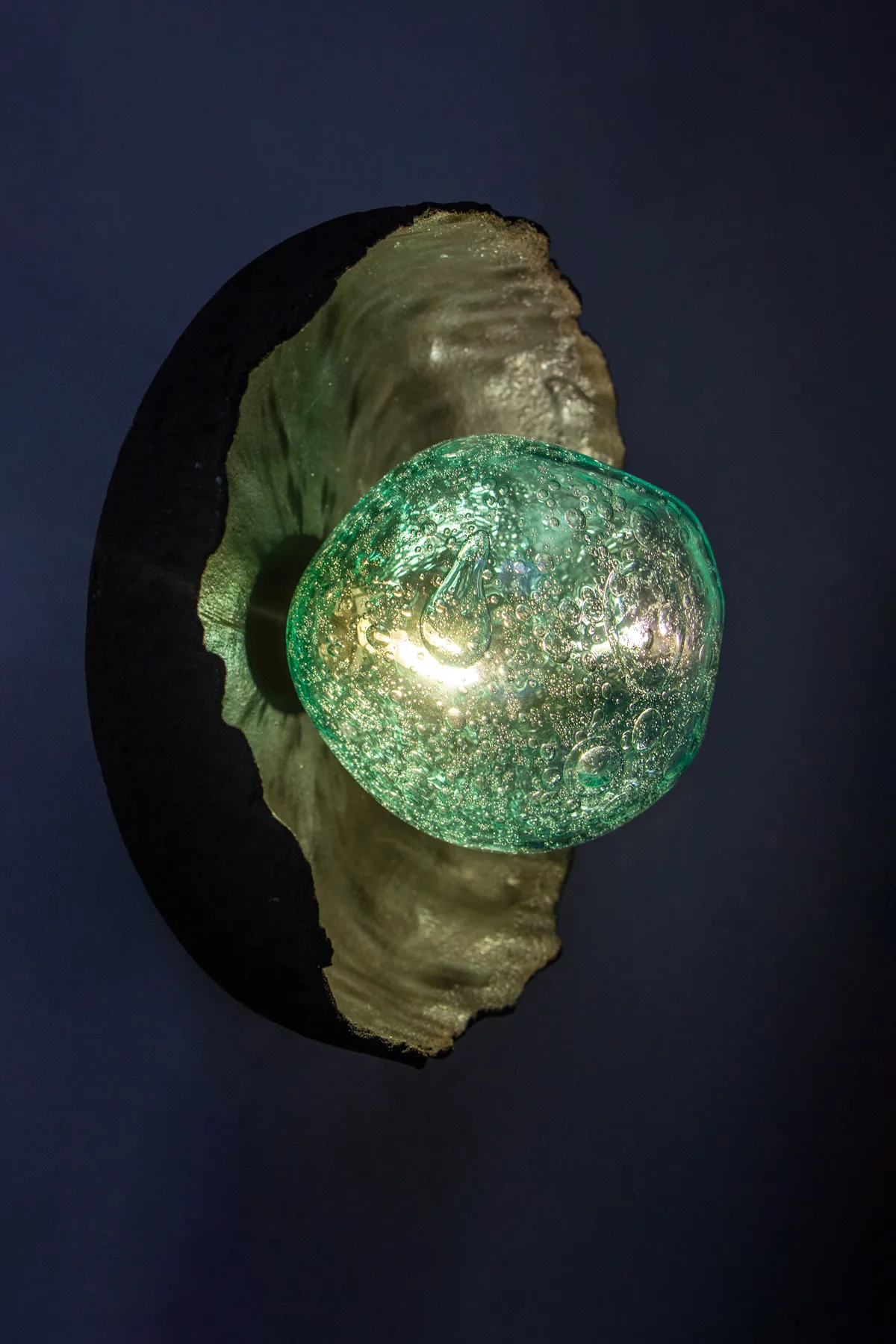

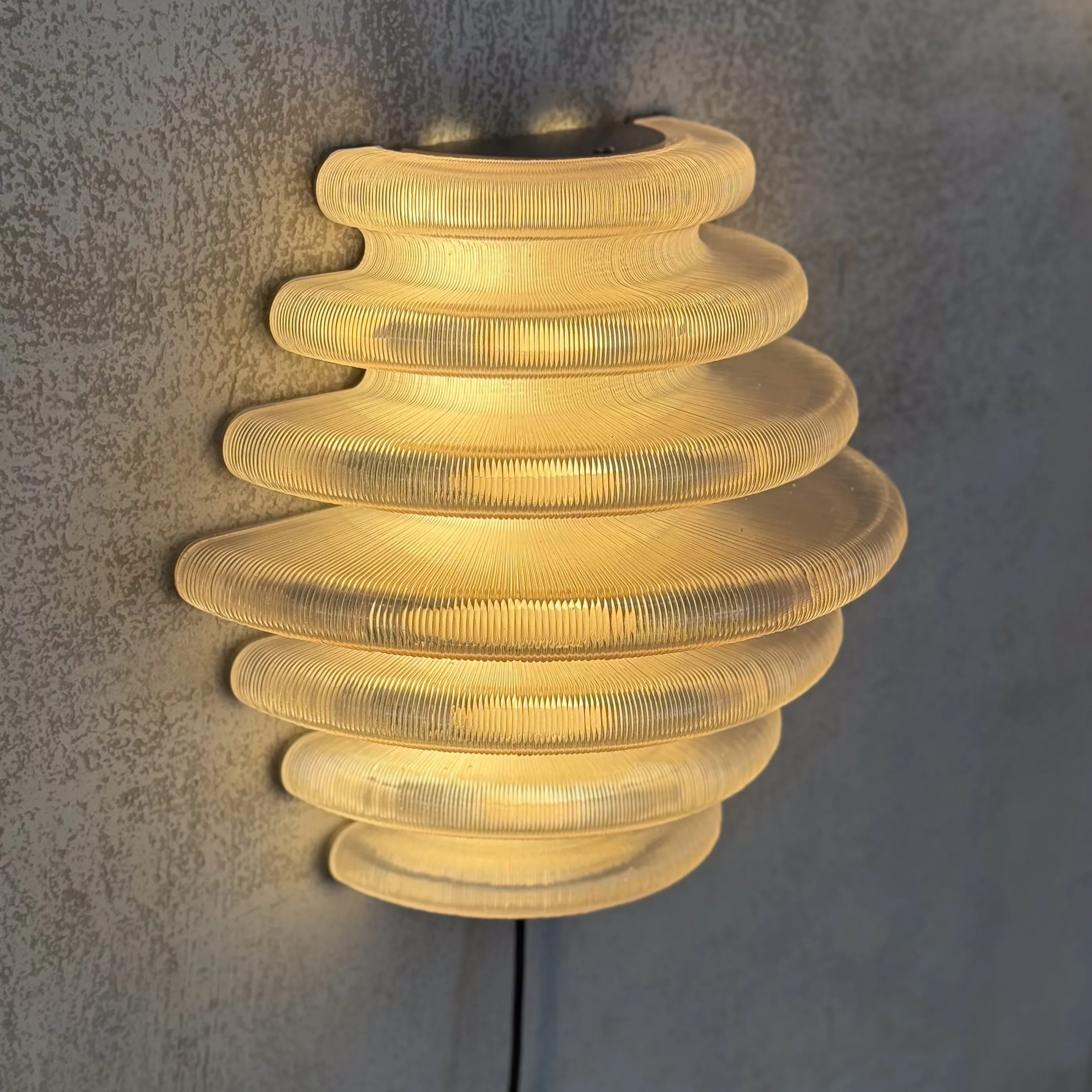
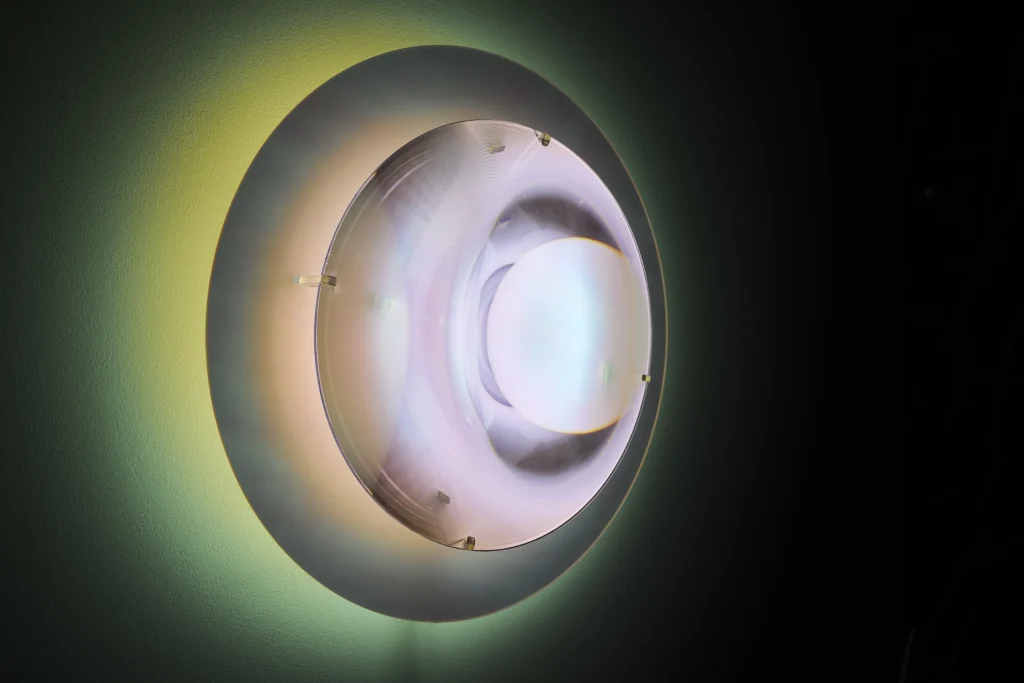
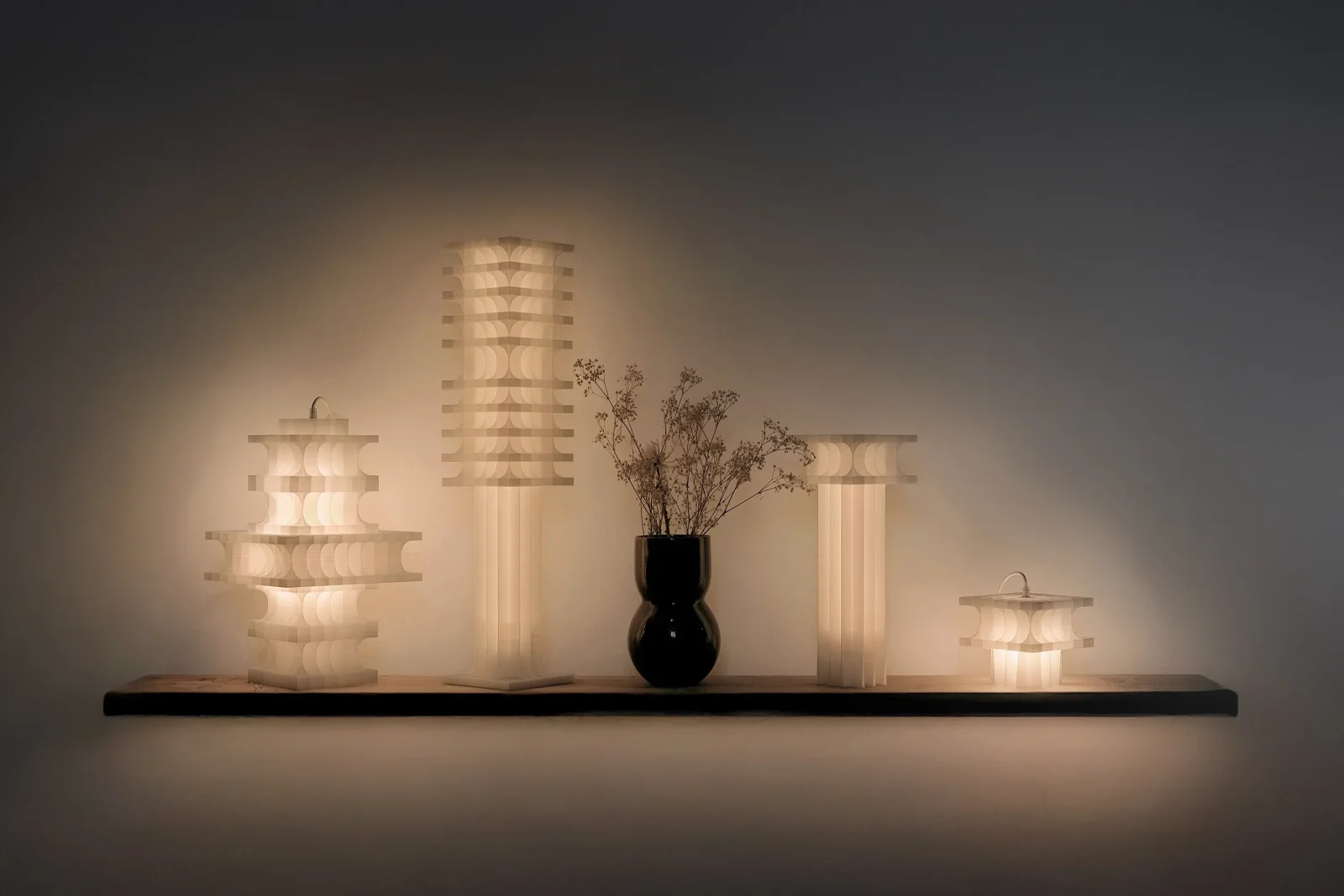
Across cultures the aurora has inspired stories that lean toward that same sense of wonder. Some traditions imagined celestial warriors crossing the heavens, their armor reflecting light across the night sky. Others believed the lights were spirits moving between worlds. Again and again, the phenomenon was understood not as an atmospheric event, but as something alive. Designers working with lighting often approach the aurora in a similar spirit, translating these shifting bands of light into glass forms, iridescent surfaces, and layered materials that scatter colorful lights through our ordinary bedrooms, living rooms and even hallways.
The Science Behind the Spectacle
Of course, nothing objectively magical was happening. Science offers a clear explanation. The aurora forms when charged particles from the sun collide with gases in Earth’s atmosphere, guided by the planet’s magnetic field. The colors depend on which atmospheric gases are involved: oxygen typically produces the familiar green glow at lower altitudes and deep red tones at higher ones, while nitrogen can create blues, violets, and pinks. It is a cosmic interaction unfolding tens of thousands of kilometers above us, triggered by solar activity that began millions of miles away.
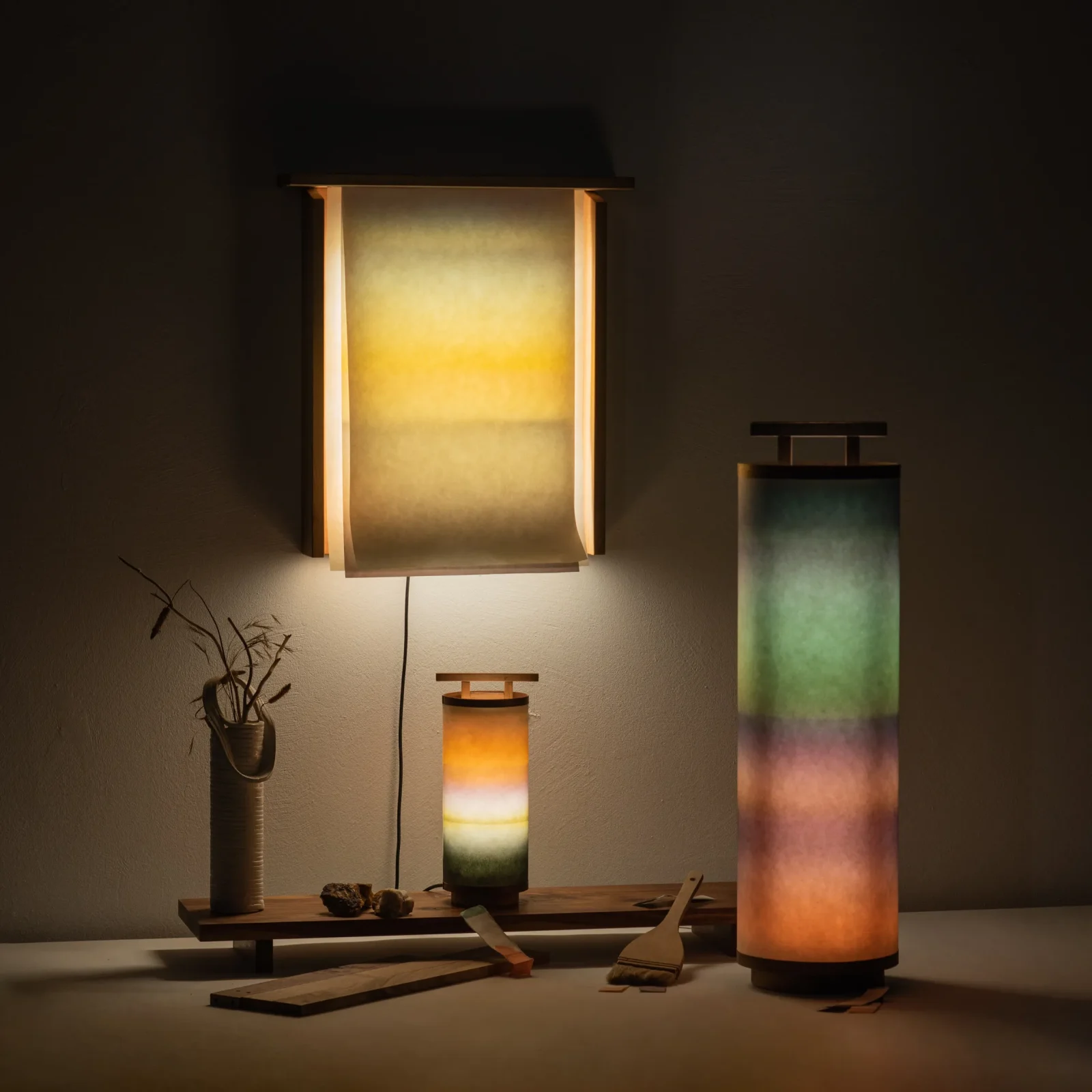
The table lamps, sconces, pendants, and other lighting pieces in today’s selection are, of course, carefully engineered objects. Yet through glass, layered materials, and shifting illumination, they still manage to evoke a similar sense of wonder.
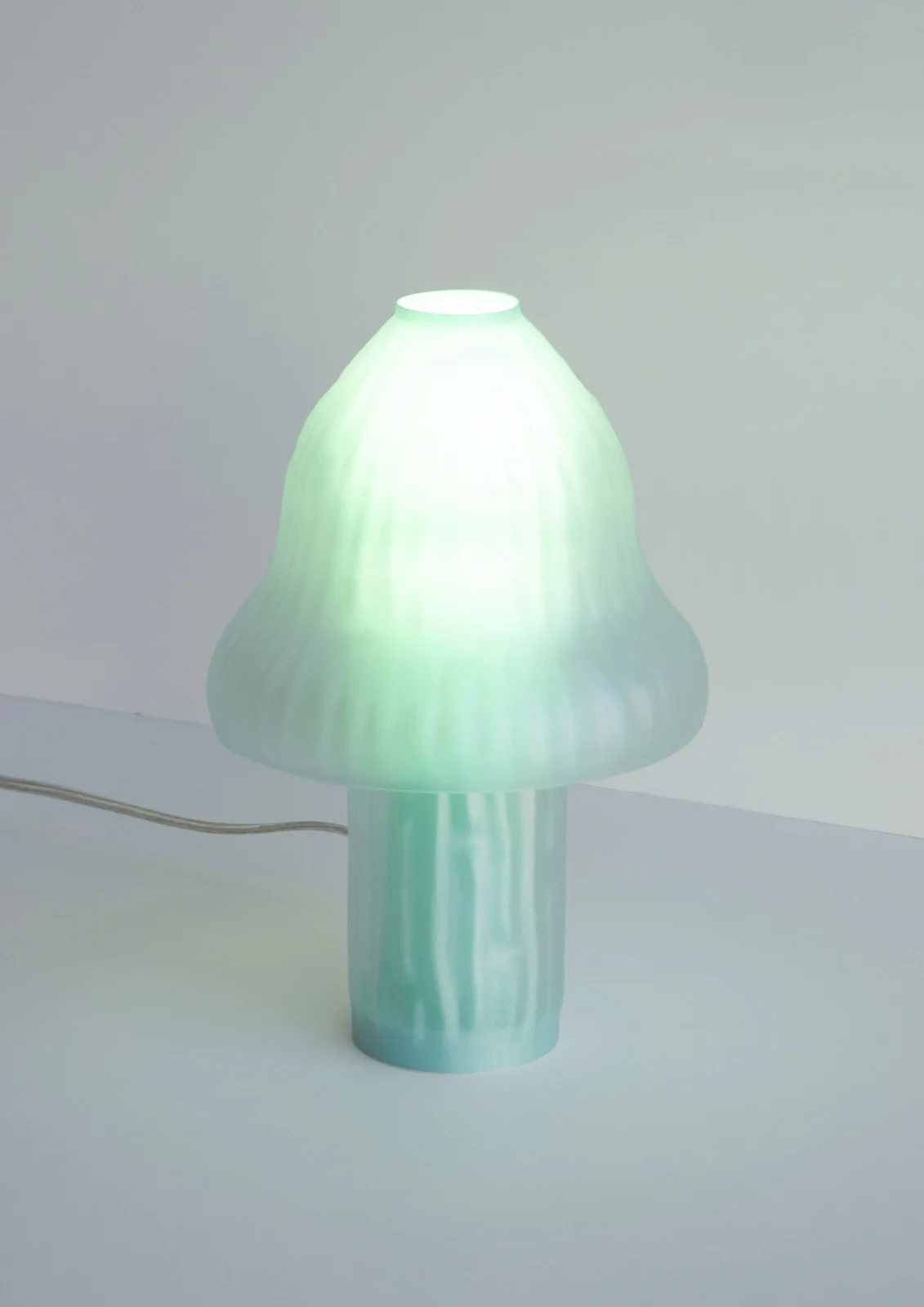
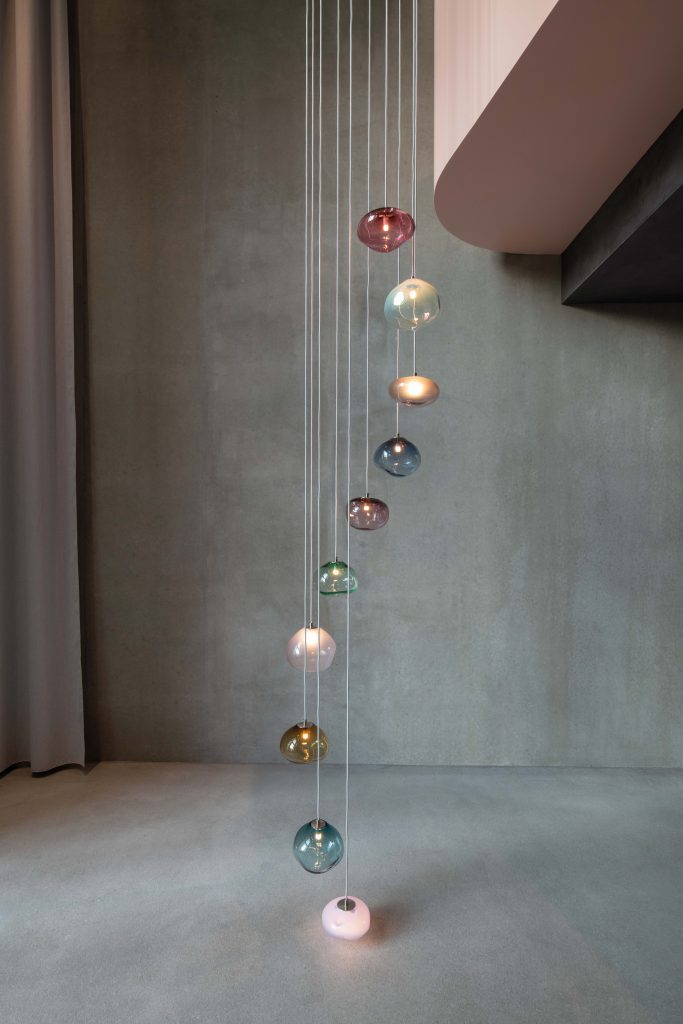
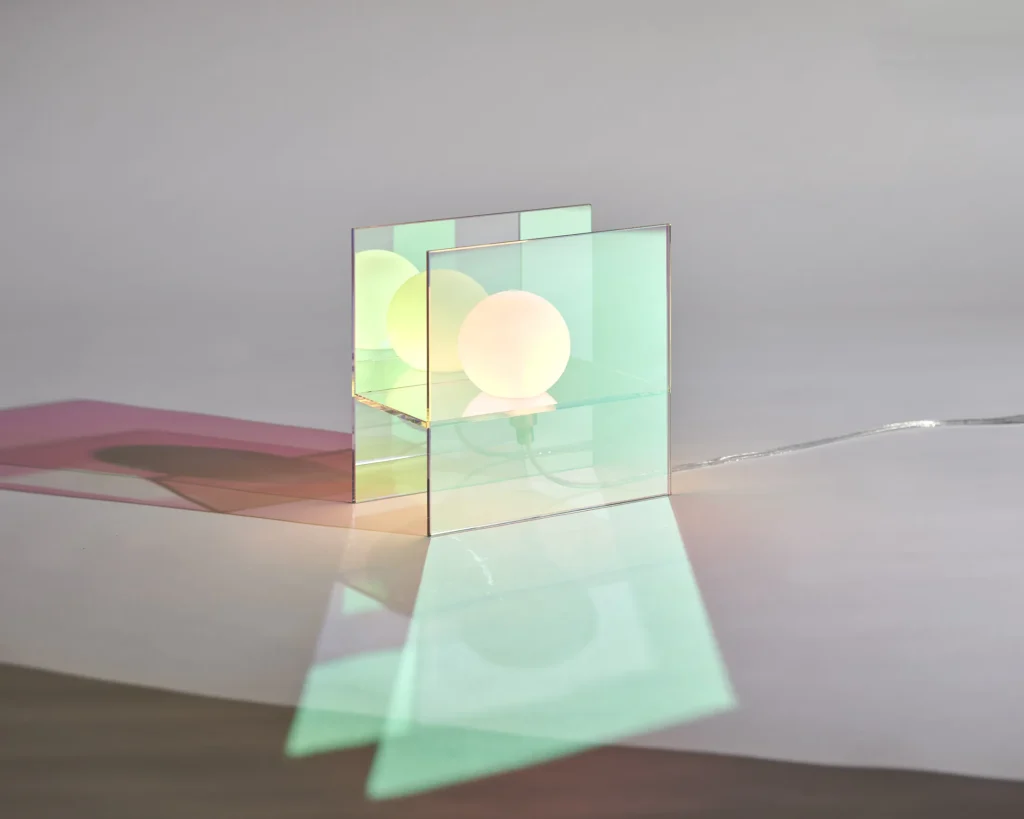
Wonder, Even When We Understand
And yet even with this knowledge, the Northern Lights resist being reduced to a simple scientific diagram. Standing beneath them, it is difficult to look upward and think I am watching charged particles collide with oxygen. The instinct is simply to watch and wonder. The lighting in today’s selection carries something of that same atmosphere, bringing a trace of the Arctic sky into homes around the world.
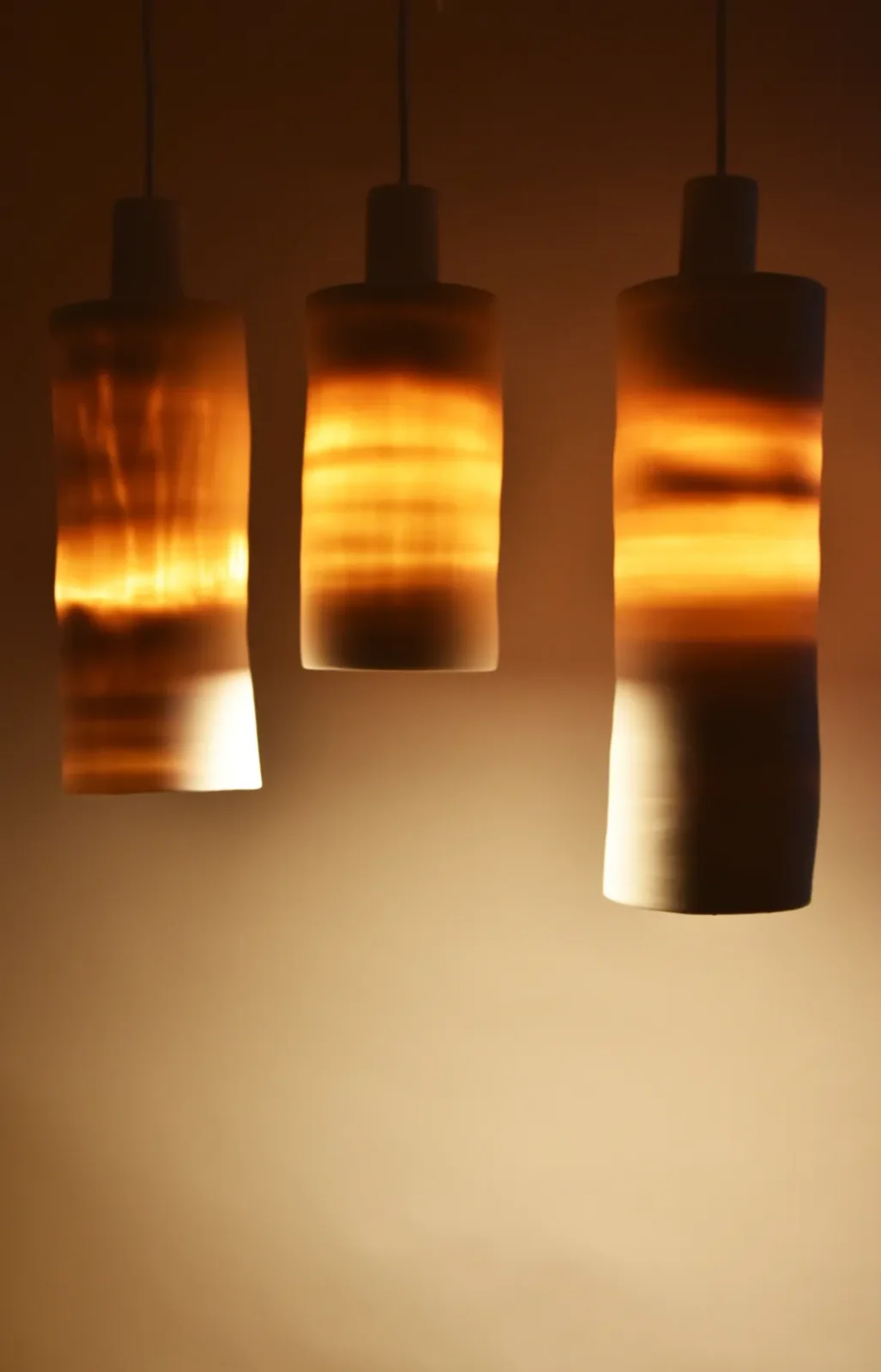
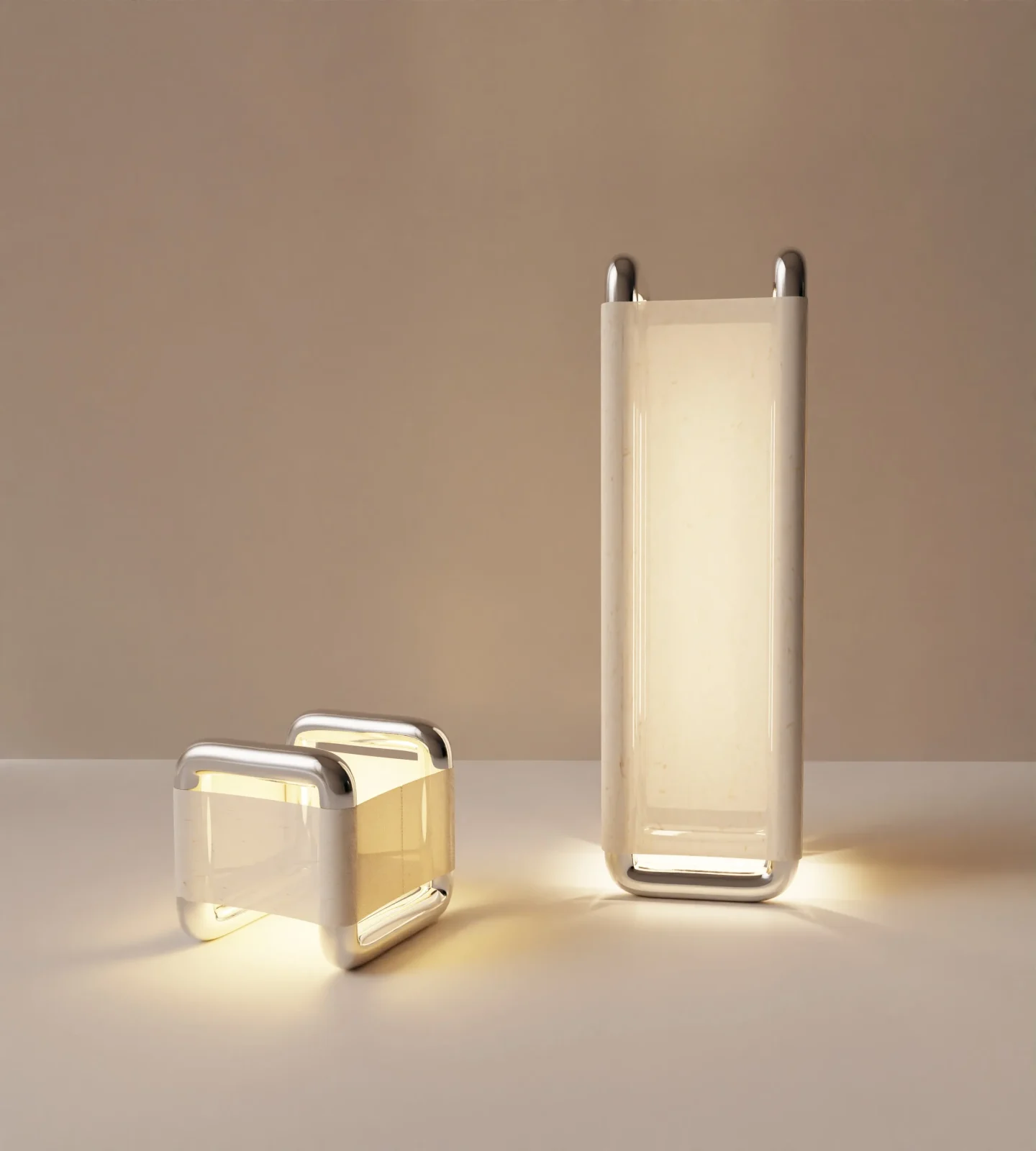
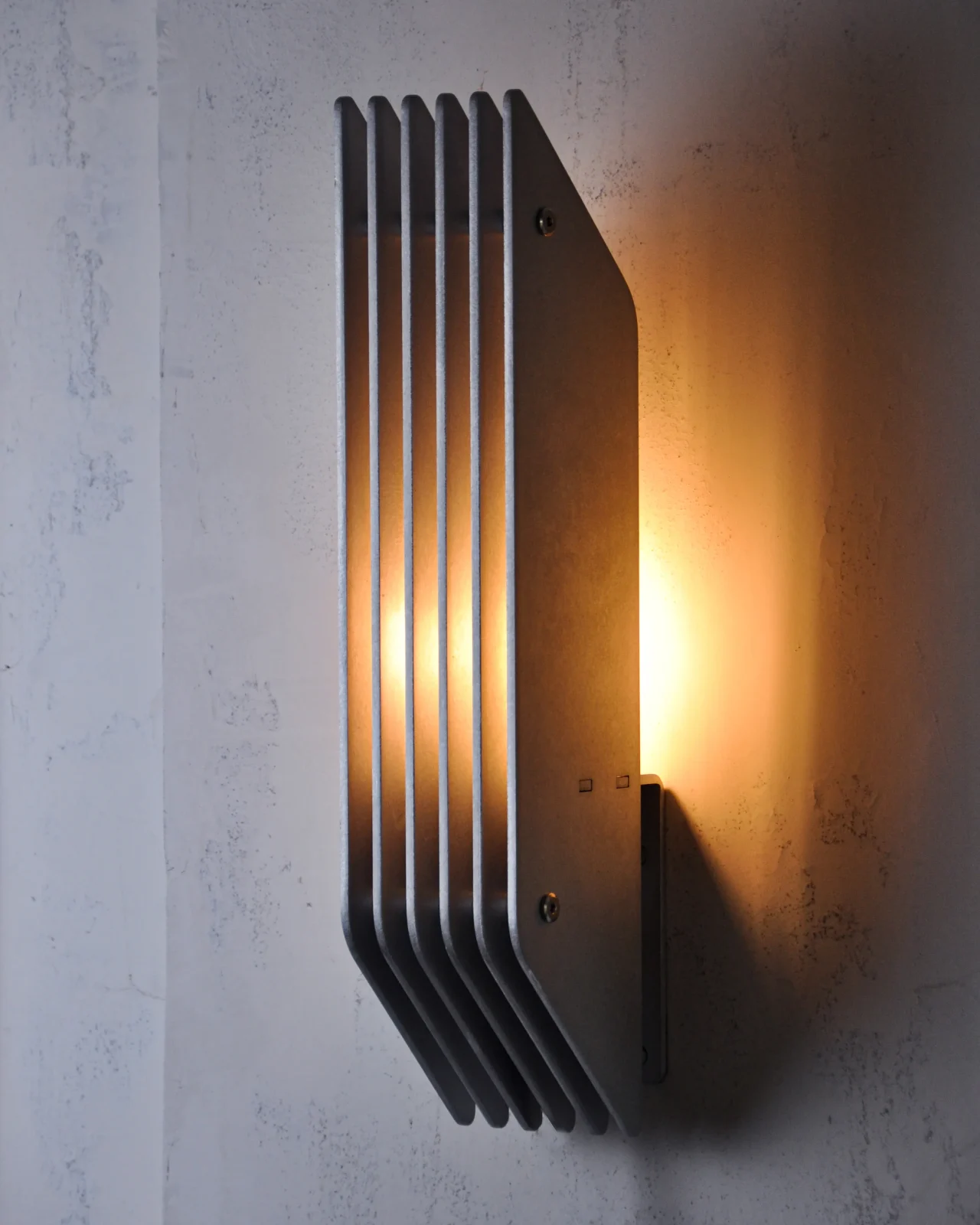

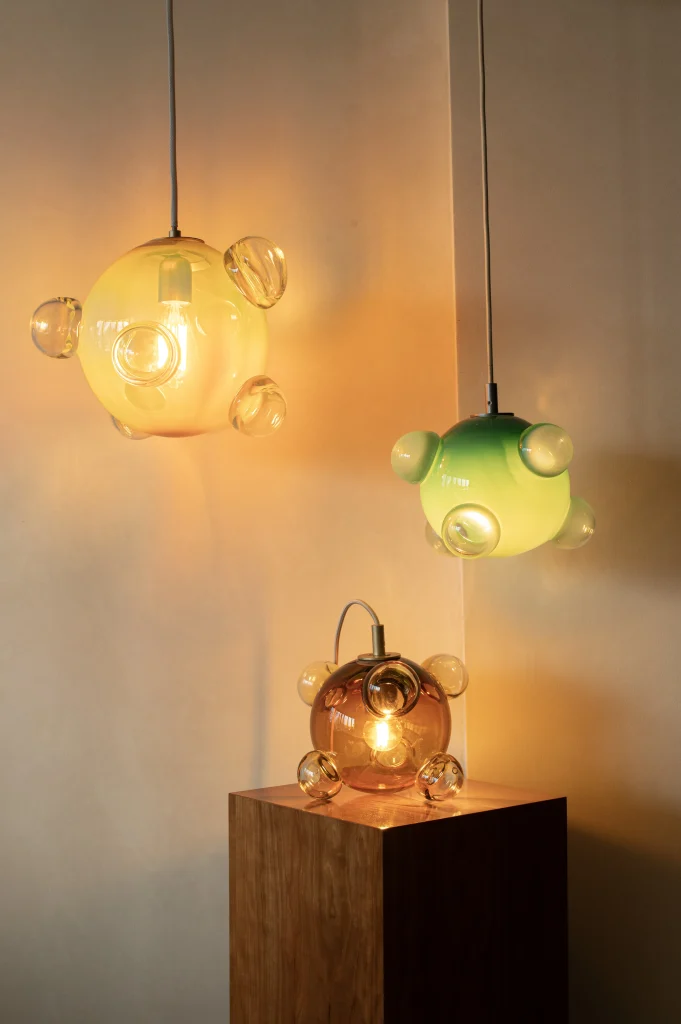
Colored glass, iridescent finishes, layered materials, and softly shifting illumination create effects that recall the drifting bands of the aurora. A pendant may wash a dining table in gentle gradients of color, a wall light may cast subtle hues across a surface, and a table lamp may fill a living room or bedroom with an ambient glow that feels slightly otherworldly.
Placed within the rhythms of daily life, these pieces carry a fragment of that celestial spectacle home. Not as a literal recreation of the sky, but as an atmosphere. A reminder that even within familiar interiors, light still holds the ability to surprise us.
Products by Tag
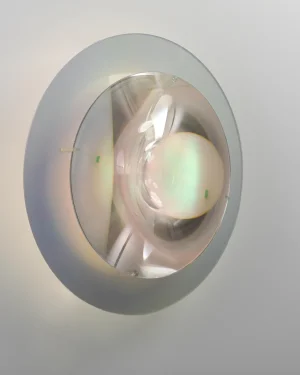
Noosphere Small, Smart Gradient Wall Lamp

Candleholder Stick Onnda Flame: Dee Sea Blue
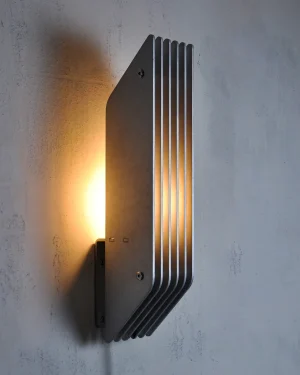
Rln460 Wall Lamp in Matte Aluminium
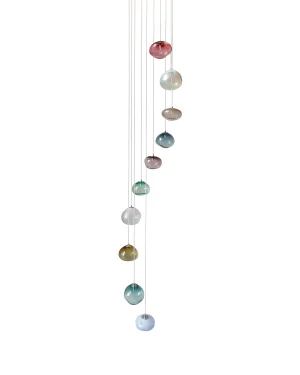
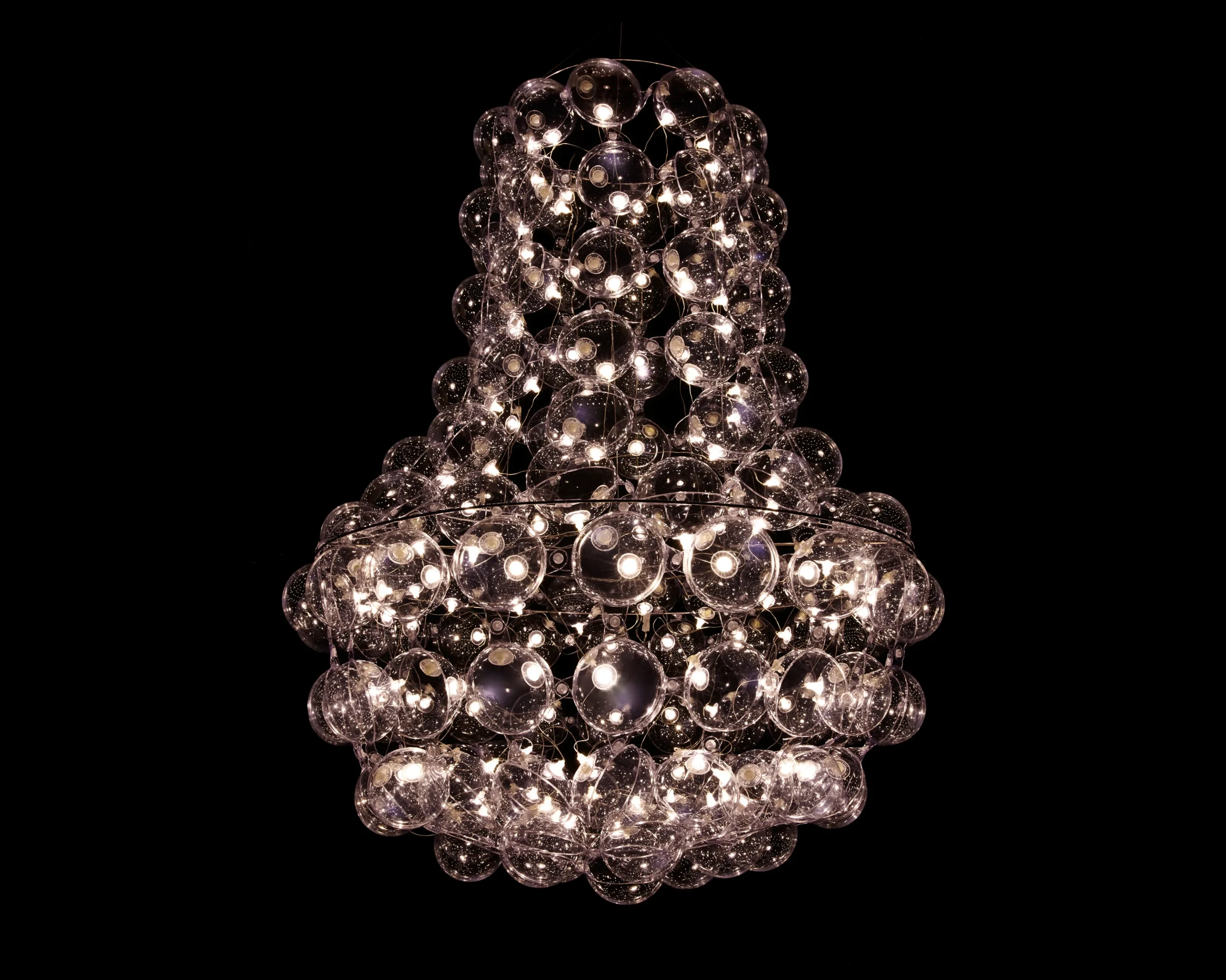
Starglow Spiral Chandelier in Blown Glass
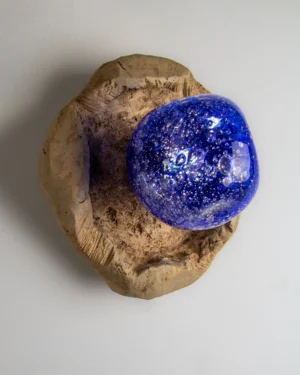
Asea No.13 Wall Sconce in Stoneware and Blown Glass
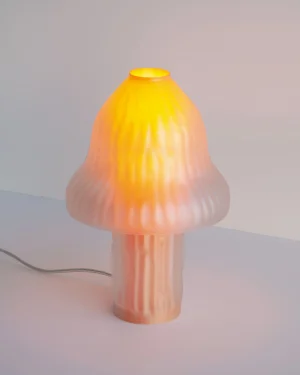
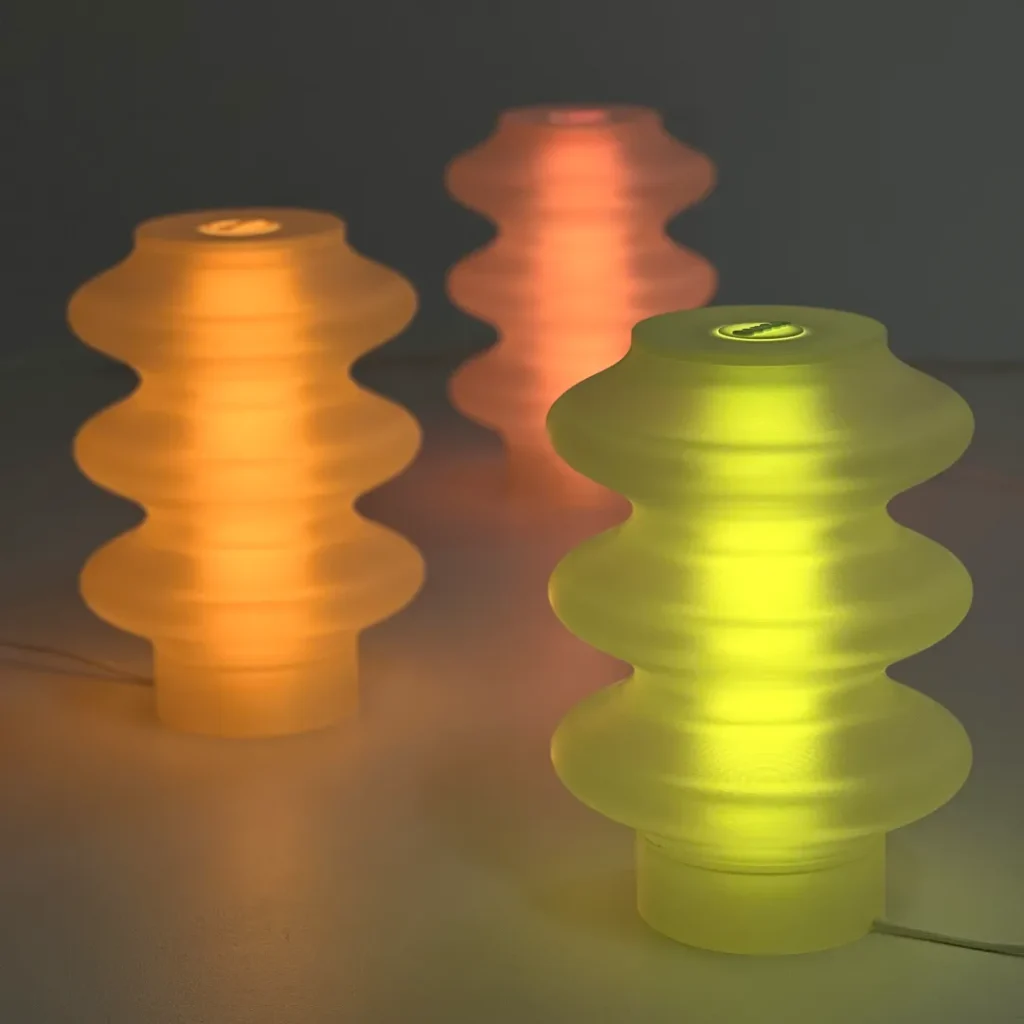
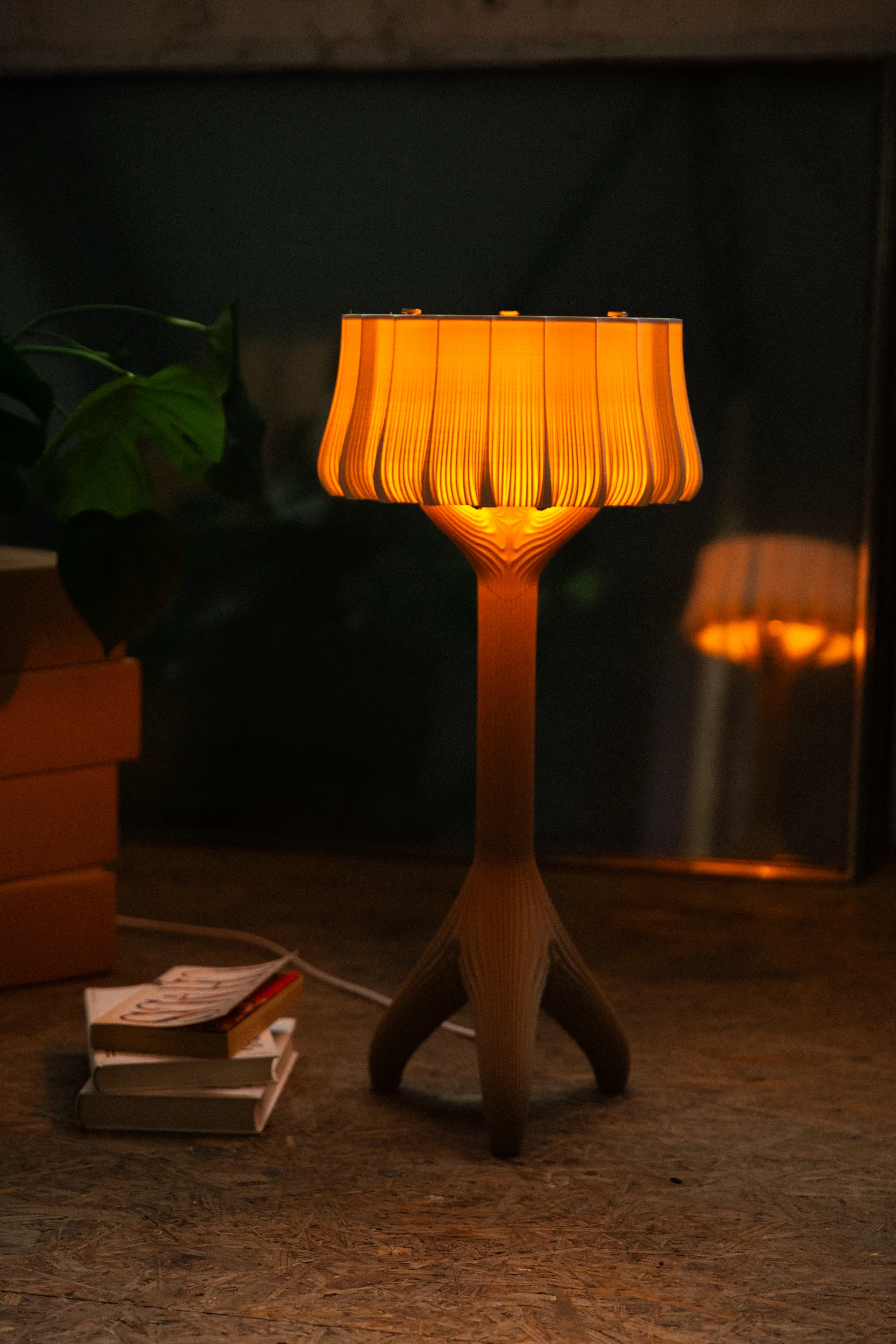
Lampamodelé Table Lamp in 3D Printed PLA
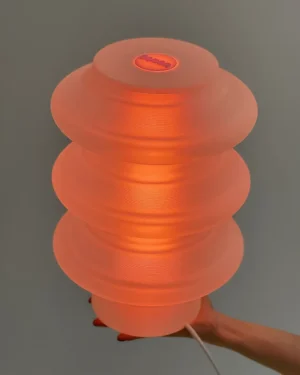
Blampa30 Table Lamp in Bio Plastic
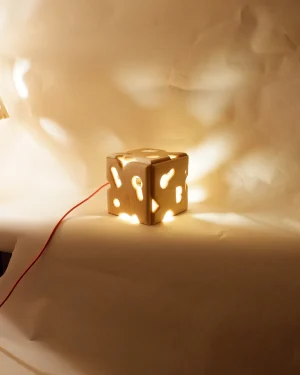
Cut Out Light Cube Table Lamp in Pine Wood

Trn / Model F1 Silver Finish Pendant Lamp in Ceramic
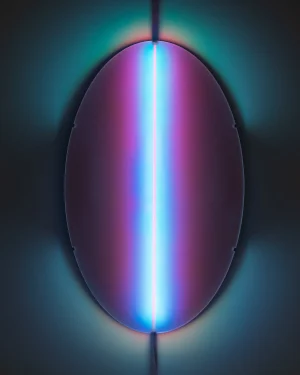
Aurora Frosted Wall Sconce in Acrylic and Aluminum
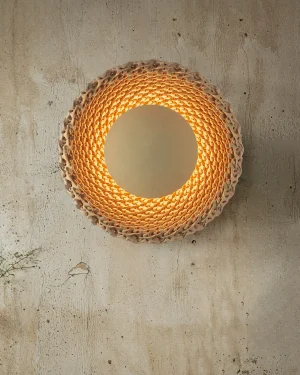
Sun V2-b – 3d Printed Wall Lamp
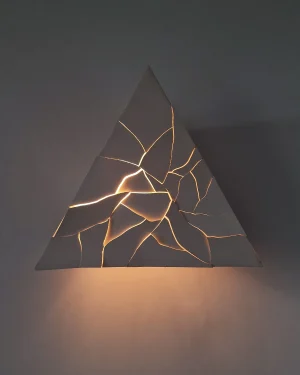
Mira Luminaire Wall Sconce in Jesmonite and Wood

Cetus Table Lamp in Ceramics and Natural Fibers

H 1 Pendant Lamp in Bio Polymer
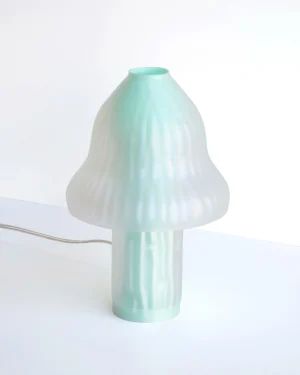
Lampamodelé Blue Table Lamp in 3D Printed PLA

Trn / Model F1 Pendant Lamp in Ceramic