
-

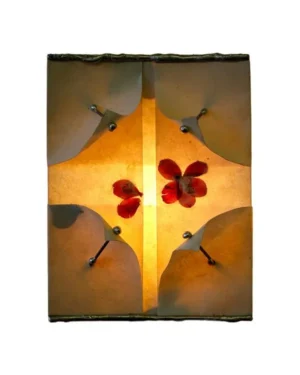
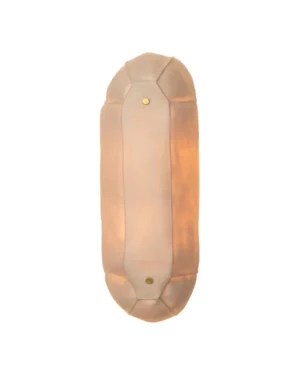
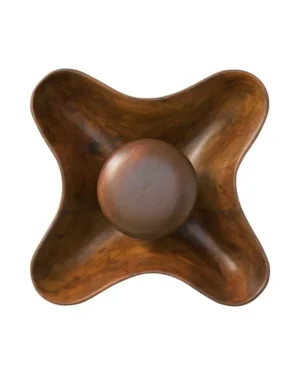
Held In Tension No. 01 Wall Sconce In Metal And Paper
By Aysenur Dagdelen
€170€153 -
 In stock
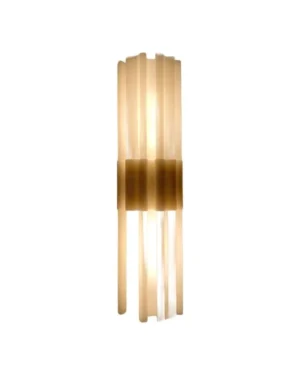
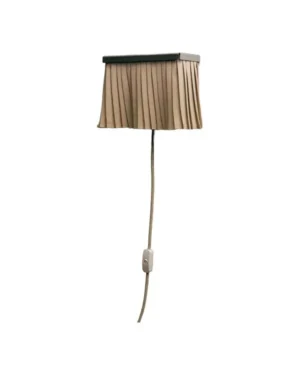
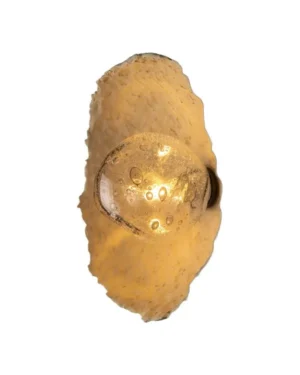
Object 09 Sconce in Nylon and Sand
By Hot Wire Extensions
€1.145 - €1.163 -

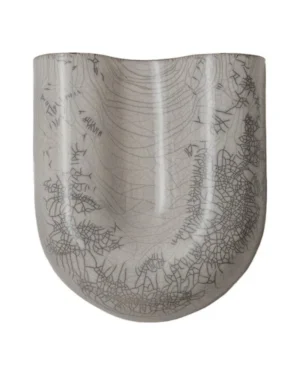
Onda Sconce In Raku White Ceramic
By arrived aliens
€2.200 -
 In stock
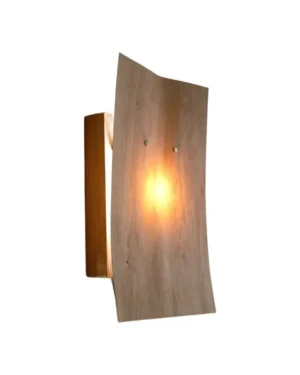
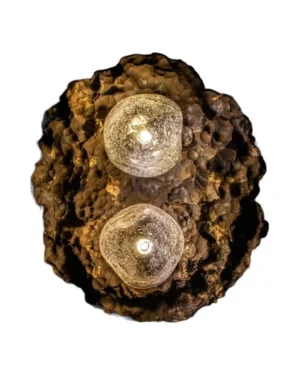
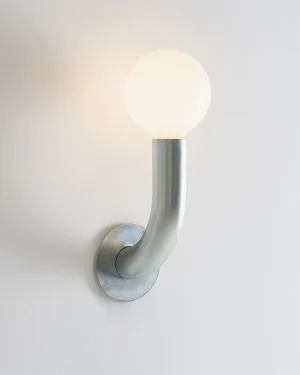
Curva Wall Sconce in Zinc
By Cultivado em Casa
€512 -

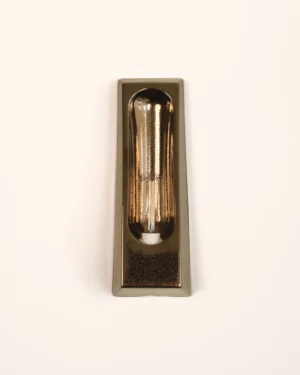
Biiit 010 Wall Sconce in Paper and Brass
By Bo Ah Kim
€1.400 -
 In stock
Alcove European Wall Sconce In Glazed Ceramic
By Violaine d'Harcourt Lighting Design
€252 -
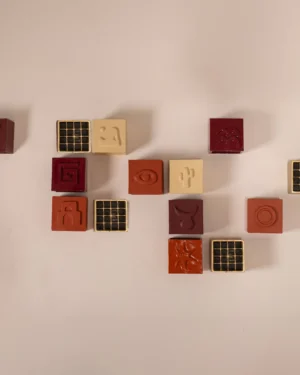
Oasis Wall Light In Hand-sculpted Stoneware
By Harshita Jhamtani Designs
€410 -

My Stone Flower Ceramic Wall Light
By Katia Langeard
€380 -

Biiit 011 Wall Sconce in Paper and Brass
By Bo Ah Kim
€2.100 -
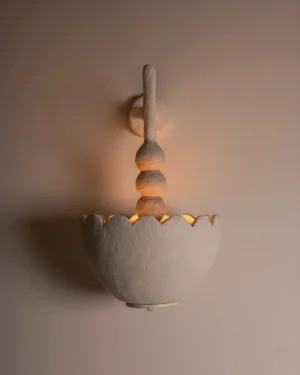
Scallop Wall Sconce In Stoneware And Clay
By Harshita Jhamtani Designs
€1.080 -
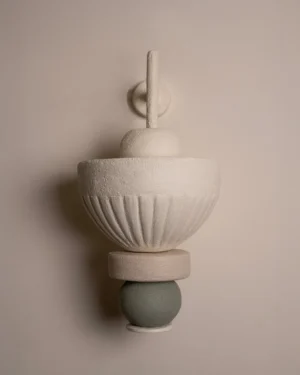
Pebble Wall Sconce In Stoneware And Clay
By Harshita Jhamtani Designs
€1.080 -
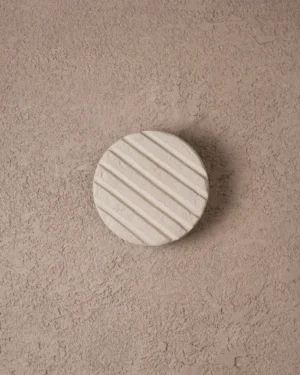
Wilo Fluted Egg White Wall Sconce In Clay And Aluminum
By Harshita Jhamtani Designs
€230 -
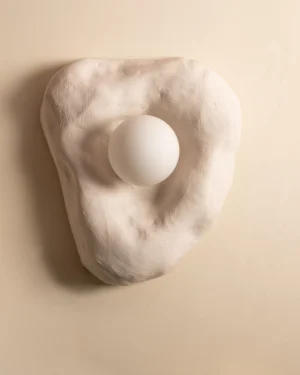
Blob Wall Sconce In Stoneware
By Harshita Jhamtani Designs
€450 -
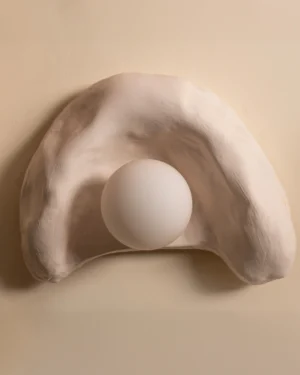
Mini Blob Wall Sconce In Stoneware
By Harshita Jhamtani Designs
€400 -
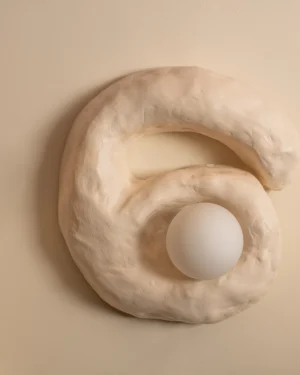
Spiral Wall Sconce In Stoneware
By Harshita Jhamtani Designs
€450
Off-white wall sconces bring a soft, warm neutral to the wall-mounted light that independent studios make in hand-built clay, stoneware, brass and steel. The color sits between white and sand, so it reads as quiet rather than stark against plaster, wood or tile. Studios reach it through glazing, hand-building and metalwork, which means no two surfaces behave quite the same way under light.
What gives off-white its character
Clay and stoneware take an off-white glaze unevenly by nature. Small pools, hairline crazing and faint shifts in tone appear where the glaze runs thinner or thicker, and firing temperature changes how warm or cool the finish reads. Brass and other metals get to off-white differently, through a painted layer over the metal rather than a glaze, which gives a flatter, more consistent surface. Paper sconces, where a studio works in off-white tones, pick up the color from the pulp or coating itself, so the material stays light-permeable even when lit.
The range of materials and techniques
Clay and stoneware sconces here come from hand-building and raku, techniques that leave a visible hand even inside an open edition. Brass and mild steel pieces go through metalwork and sometimes electroplating, giving a harder, more reflective reading of the same neutral tone. A smaller number use nylon shaped by 3D printing or digital fabrication, which produces a smoother, more uniform off-white than anything hand-built or cast. Styles run from wabi-sabi and neo-artesanal, where imperfection is the point, through to minimalist, contemporary and Bauhaus-influenced forms, where the off-white surface stays plain so the geometry carries the piece. Editions vary too: some sconces are open editions, made to a repeatable process, others are unique pieces where the glaze or firing cannot be exactly reproduced. For the full spread of metal-bodied options alone, the metal wall sconces group is worth a separate look.
How to choose one
Start with where the light needs to fall. A sconce shaped wide and shallow washes light across a flat wall, good for a stairwell or a long hallway; a deeper or more directional shade narrows the beam, better suited to reading in bed or lighting a mirror. Mounting height matters as much as the piece itself: eye level or slightly above works for most rooms, lower if the sconce is meant to wash a textured wall rather than light a task.
- Match the glaze or finish to the wall it sits against, since a glossy off-white reflects more light than a matte or raku surface
- Check the arm or bracket length against how far the wall can hold the fixture from any adjacent trim or switch
- Decide whether the piece needs to run on a dimmer, since clay and paper shades change character considerably between low and full output
Where off-white sconces work
Bedrooms take well to a softer, more diffused off-white, where the color keeps a room calm at night; the bedroom wall sconces group covers shapes built for that lower, more intimate light. Hallways and entryways benefit from the same neutral used more directionally, since an off-white sconce reads as part of the wall rather than a fixture competing with it; see the options gathered under hallway wall sconces. Living rooms can carry a more sculptural clay or metal piece, where the off-white surface holds its own against furniture in darker woods or upholstery.
Living with the material
Glazed clay and stoneware sconces need only a dry cloth, since water can work into any hairline crazing over time. Brass and steel finishes should be kept away from direct moisture to avoid spotting, and dust build-up dulls a matte off-white surface faster than it does a gloss one. For the wider set of off-white pieces beyond wall lighting, the off-white color page and the full wall sconces category give a broader sense of how the tone carries across lighting and furniture alike.
How do I choose an off-white wall sconce?
Match the material to how warm or cool you want the tone. Glazed clay and stoneware read softer and more varied, while painted brass or steel give a flatter, more even off-white.
How do I clean and care for an off-white wall sconce?
Wipe glazed clay or stoneware with a dry or barely damp cloth, avoiding abrasives that can dull the glaze. Painted metal sconces need only a soft, dry cloth, kept away from solvents that strip the finish.
What size sconce should I choose and how high should it hang?
Size depends on the wall and the light needed, so check the piece's listed dimensions before buying. As a general rule, sconces sit near eye level, roughly 60 to 66 inches from the floor.
Which rooms suit off-white wall sconces?
Hallways, bedrooms, living rooms and entryways all take well to off-white, since the tone sits quietly against plaster, wood or tile without competing with other colors in the room.
Are off-white wall sconces handmade or produced in limited runs?
Many are hand-built or hand-glazed in open editions, so no two surfaces behave quite the same under light. For details on a specific piece, chat with the maker on its page.
How does shipping, returns and authenticity work at ADORNO?
Shipping is insured and worldwide. Returns are accepted within 14 days, except on made-to-order pieces, and every purchase comes with a certificate of authenticity plus a lowest-price guarantee.