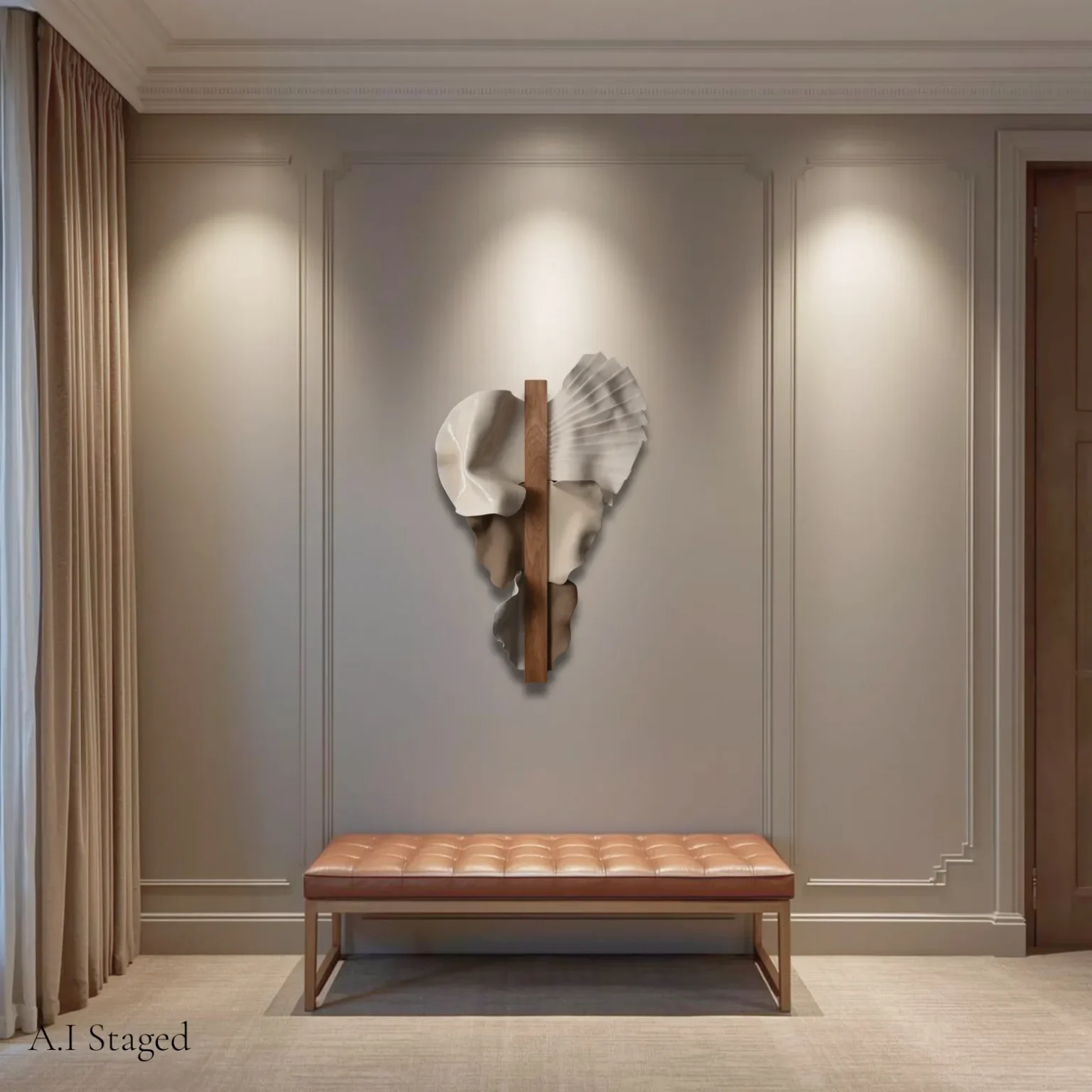
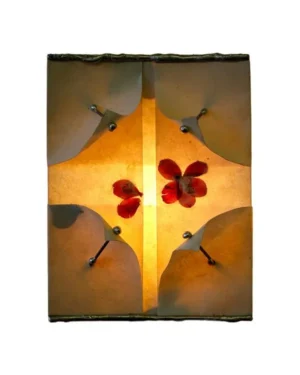
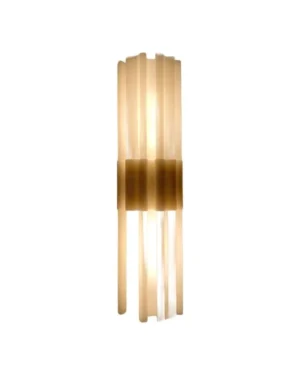
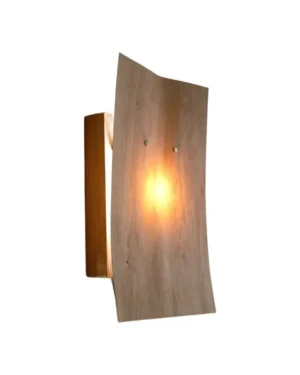

-
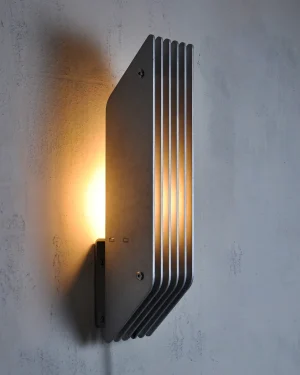
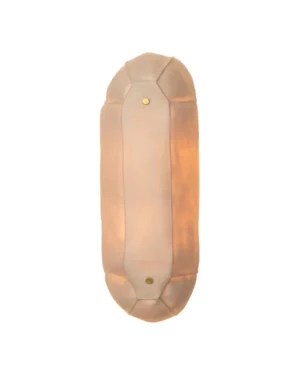
Rln460 Wall Lamp In Matte Aluminium
By MLK Furniture
€390 -
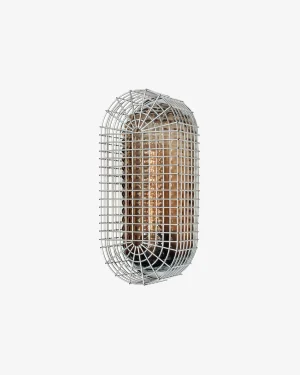
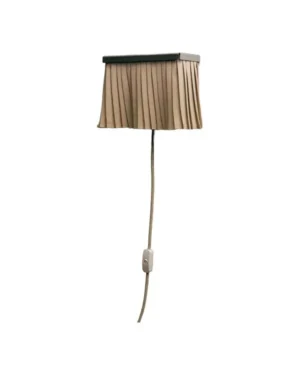
Chastity Wall Sconce In Stainless Steel And Handblown Glass
By Studio S II
€1.980 -
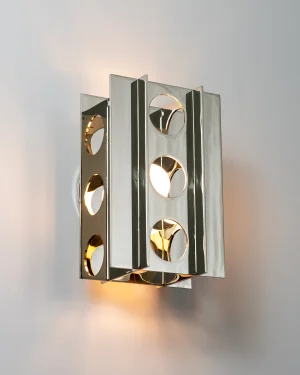
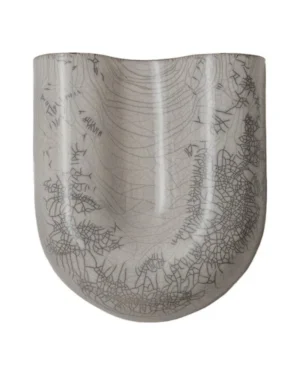
Tenfold 3T Mirror Wall Sconce in Steel and Aluminum
By Luft Tanaka Studio
€1.540 -

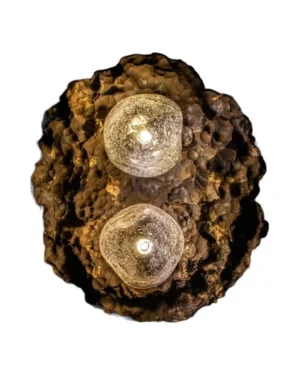
Orb Wall Sconce In Stainless Steel
By T44 design studio
€148€134 -

Obli Wall Sconce In Stainless Steel
By T44 design studio
€148€134 -
 In stock
Sigil Crest Wall Sconce in Stainless Steel and Selenite
By Nitush and Aroosh
€1.800 -

Versa Wall Sconce In Stainless Steel
By T44 design studio
€215€194 -
 In stock
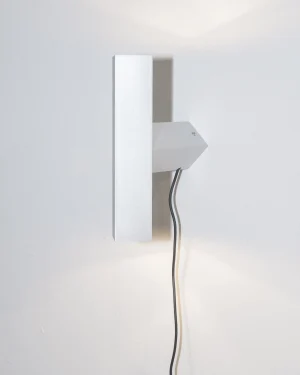
Bells and Whistles Wall Sconce in Aluminum
By Toro Manifesto
€1.300 -
 In stock
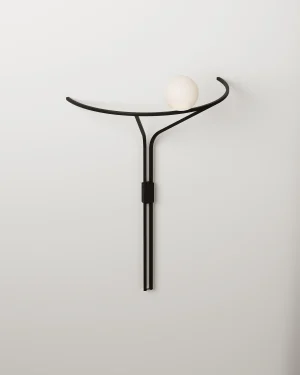
Sculptural Wall Sconce in Aluminum
By NOSTUDIO
€420 - €450 -
 In stock
Na Linii Wall Sconce in Steel
By SVITANOK
€1.050 -
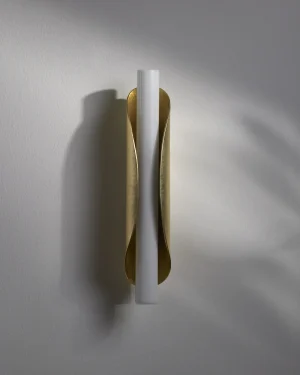
Taco De Luz 30cm Wall Sconce in Satin Brass
By Studio Aristotelis Barakos
€870 -
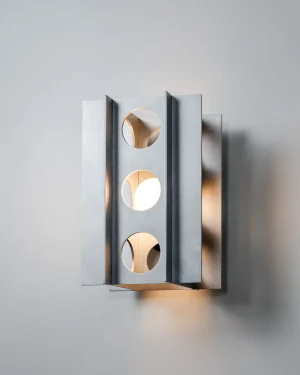
Tenfold 3T Satin Wall Sconce in Steel and Aluminum
By Luft Tanaka Studio
€865 -
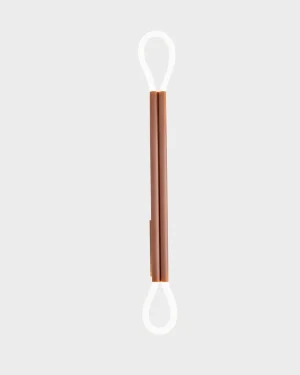 In stock
Temporal Collection Sconce in Copper
By Lucas Muñoz Muñoz
€800 - €1.200 -
 In stock
Insect Wall Sconce in Aluminum and Ash Wood
By BY JAMPS
€5.000 -
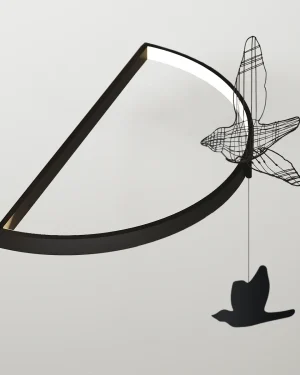 In stock
Flight Shadows Wall Sconce In Steel
By SVITANOK
€1.020 - €1.140 -

Slotted Wall Sconce In Acrylic
By Nolan Talbot-Kelly
€800
Neo-industrial wall sconces take their cues from the factory floor: raw steel plate, raw aluminum, exposed welds and rivets left visible rather than smoothed away. Independent studios working in sheet metal, tube steel and cast aluminum turn stock industrial processes into fixtures meant to be looked at, not just switched on. The result reads as equipment that happens to hang on a wall, lit from within.
What defines the neo-industrial style
The style borrows its vocabulary from machine shops and old factories: blackened steel, raw aluminum, exposed hardware, shapes that look stamped or welded rather than molded. Edges stay sharp, joints stay visible, and the metal is often left to show its own texture instead of being lacquered smooth. Where color appears, it tends toward silver, bronze, gunmetal gray or black, with the occasional flash of copper or burgundy for contrast.
This is a style built on restraint. A neo-industrial sconce rarely hides its construction; the bracket, the bolt, the bend in the metal are part of the design, not a flaw to disguise. That honesty about process is what separates it from softer, more decorative lighting.
Materials, finishes and ways of making
Steel and aluminum dominate here, sometimes polished to a chrome-like shine, sometimes left matte or lightly lacquered to slow the inevitable patina of raw metal. Copper and stainless steel appear less often but add warmth or cold shine depending on the piece. Metalwork and laser cutting are the two techniques most studios rely on, giving clean, repeatable edges even on small runs; some sconces are press-molded or finished with a light lacquer coat, and a smaller number use blown glass as a diffuser against the metal frame.
- Open editions, for studios producing a steady, ongoing run of a design
- Limited editions, numbered and capped at a fixed count
- Unique pieces, each one differing slightly from the next
Anyone drawn to the wider neo-industrial language can see how it carries into other rooms and formats on the full range of neo-industrial pieces on ADORNO, from lighting through to furniture and objects built on the same raw-metal logic.
Choosing scale, height and finish
A sconce has to hold its own against a flat wall, so scale matters more than it does with a table lamp sitting among other objects. A single arm or shade reads as a quiet accent; a pair, set at matching height either side of a mirror or doorway, carries more visual weight and starts to work architecturally. Mount height generally follows eye level or slightly above it, low enough to throw usable light, high enough to clear anyone standing close.
Finish decides how much presence the fixture has. A matte black or raw steel sconce recedes into a wall and lets the silhouette do the work; a polished chrome or bright aluminum finish catches light and becomes a visible object in its own right, even unlit. For anyone narrowing by material first, the broader range of metal wall sconces is worth comparing before settling on finish.
Where neo-industrial sconces work
Because they mount flush and need no floor or table space, neo-industrial wall sconces suit narrow or heavily trafficked spaces as easily as they suit a living room. They read well flanking a sofa, lining a hallway, or framing a bed in place of table lamps and the cords that come with them. The same raw-metal character that suits a loft or converted warehouse also grounds a more furnished room, giving it one hard-edged note against softer materials.
Caring for steel and aluminum finishes
Raw and blackened steel will develop a patina over time if left unsealed, especially near kitchens or bathrooms where moisture collects; a light coat of wax or lacquer slows this without masking the metal's texture. Polished aluminum and chrome finishes need only a dry or barely damp cloth to stay bright, since abrasive cleaners dull the surface faster than ordinary use. For a broader look at how the style extends beyond sconces, the full range of wall sconces on ADORNO shows how the same metals and techniques carry across other finishes and forms.
How do I choose a neo-industrial wall sconce?
Look at the metal first: raw or blackened steel and aluminum read as factory equipment, while chrome or polished finishes lean harder into the mechanical look. Match the finish to nearby hardware, railings or fixtures so the metal tones sit together.
How do I clean and care for a metal wall sconce?
Wipe steel and aluminum with a dry or barely damp cloth; moisture left sitting on raw metal encourages patina or rust over time. Avoid abrasive cleaners on lacquered finishes, which can dull or scratch the surface.
What size or height should a wall sconce be?
Sconces generally sit at eye level, around 60 to 65 inches from the floor, though hallways and stairwells often run higher. For a piece's exact dimensions, chat with the maker on its page.
Which rooms suit a neo-industrial wall sconce?
Hallways, entryways and living rooms take well to the raw metal and visible hardware, especially alongside exposed brick, concrete or dark wood. The style also holds its own in kitchens and bathrooms where steel and aluminum resist moisture.
Are these sconces handmade or produced in limited numbers?
Some are open editions made to order, others are limited runs or one-off pieces; this varies by studio and piece. Check the listing or chat with the maker for the specific edition details.
How does shipping, returns and authenticity work at ADORNO?
Shipping is insured and worldwide. Returns are accepted within 14 days, except on made-to-order pieces, and every piece comes with a certificate of authenticity alongside a lowest-price guarantee.