
-
 In stock
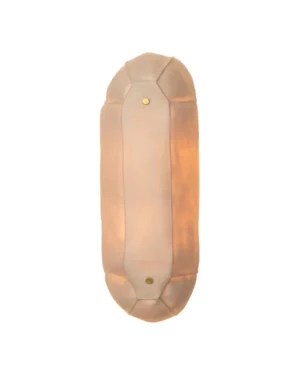
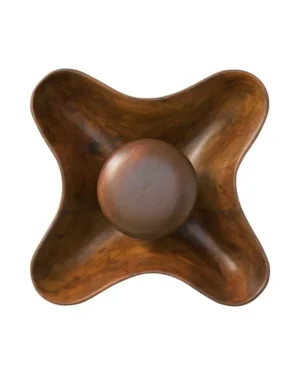
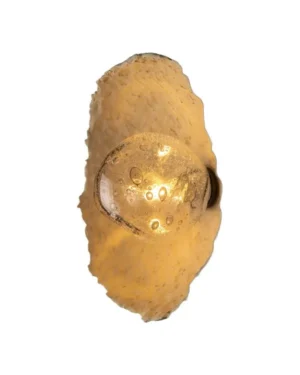
Coral Wall Lamp – Clay Sconce
By Dzovag Kotchian
€900 -
 In stock
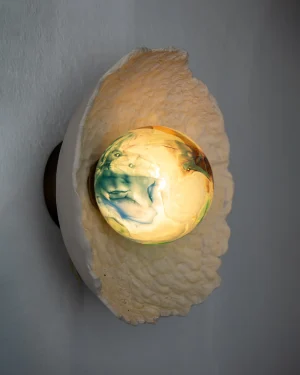
Asea No. 17 Wall Sconce In Stoneware And Blown Glass
By Ceren Gürkan
€900 -
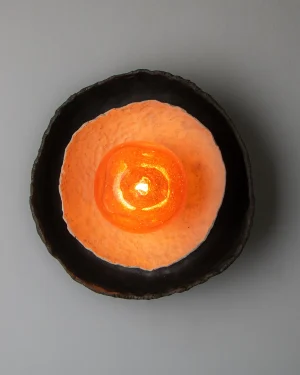
Asea No. 26 Red Wall Sconce in Blown Glass and Stoneware
By Ceren Gürkan
€1.100 -
 In stock
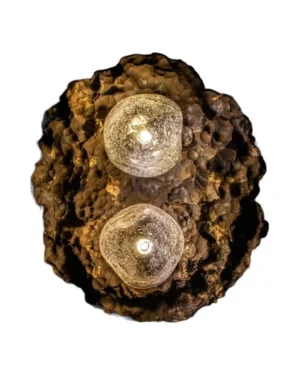
Nova Wall Sconce in Blown Glass and Steel
By Ceren Gürkan
€700 -
10% off
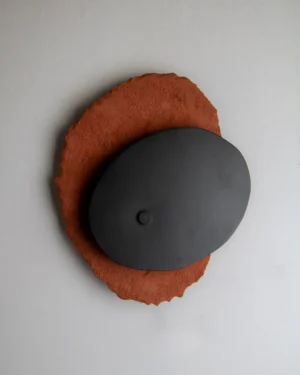
Asea No.1 Cherry Wall Sconce In Stoneware And Metal
By Ceren Gürkan
€1.000€900 -
10% off
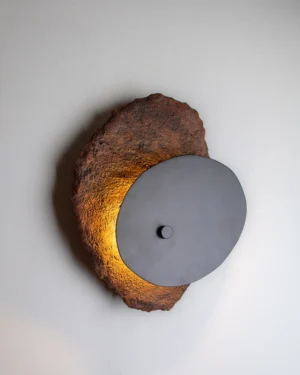
Asea No. 1 Cherry Dark Wall Sconce in Stoneware and Metal
By Ceren Gürkan
€1.000€900 -
 In stock
Pearl Wall Lamp – Clay Sconce
By Dzovag Kotchian
€1.200 -
 In stock
Asea No. 26 Pink Wall Sconce in Stoneware and Blown Glass
By Ceren Gürkan
€1.000 -
 In stock
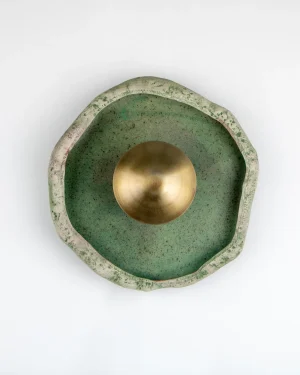
Asea No. 18 Green Wall Sconce In Porcelain And Brass
By Ceren Gürkan
€600 -
 In stock
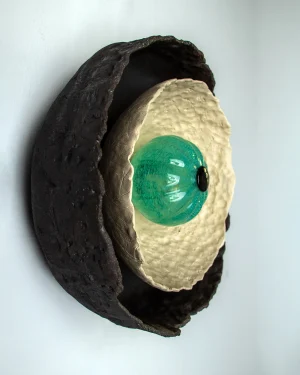
Asea No. 26 Eye Wall Sconce in Porcelain and Blown Glass
By Ceren Gürkan
€1.100 -
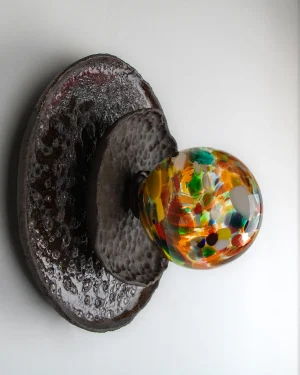 In stock
Asea No. 34 Wall Sconce in Stoneware and Blown Glass
By Ceren Gürkan
€1.000 -
 In stock
Asea No. 27 Blue Wall Sconce in Stoneware and Blown Glass
By Ceren Gürkan
€1.000 -
 In stock
Asea No. 35 Moss Wall Sconce in Stoneware and Blown Glass
By Ceren Gürkan
€1.200 -
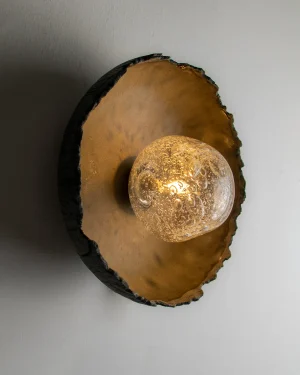
Asea No. 12 Moss Wall Sconce in Stoneware and Blown Glass
By Ceren Gürkan
€800 -
 In stock
Asea No. 14 Wall Sconce in Stoneware and Metal
By Ceren Gürkan
€900 -
 In stock
Asea No. 35 Wall Sconce In Stoneware And Blown Glass
By Ceren Gürkan
€1.000 -
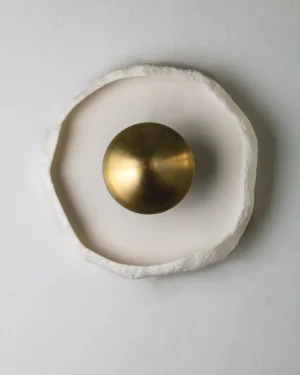 In stock
Asea No. 18 White Wall Sconce in Porcelain and Brass
By Ceren Gürkan
€600 -
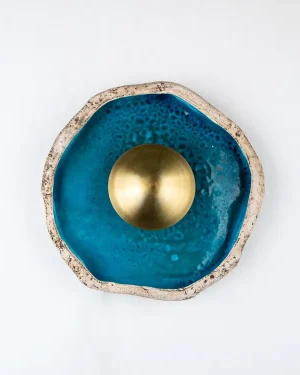 In stock
Asea No. 18 Blue Wall Sconce In Porcelain And Brass
By Ceren Gürkan
€600 -
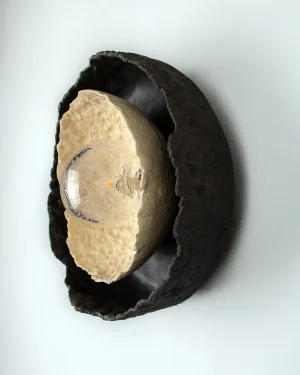 In stock
Asea No. 25 Wall Sconce in Porcelain and Blown Glass
By Ceren Gürkan
€1.100 -
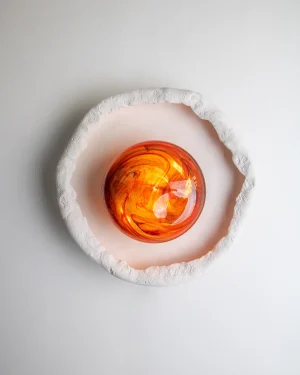 In stock
Asea No. 35 Wall Sconce in Porcelain and Blown Glass
By Ceren Gürkan
€1.200 -
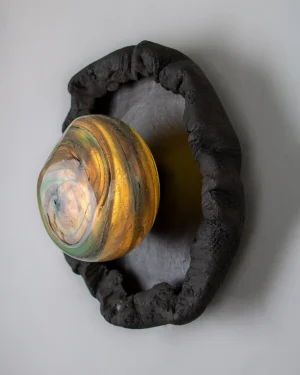 In stock
Asea No. 27 Wall Sconce in Stoneware and Blown Glass
By Ceren Gürkan
€1.000 -
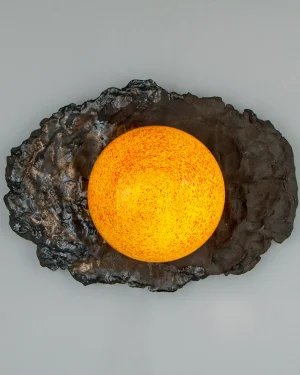 In stock
Asea No. 28 Wall Sconce in Stoneware and Blown Glass
By Ceren Gürkan
€1.200
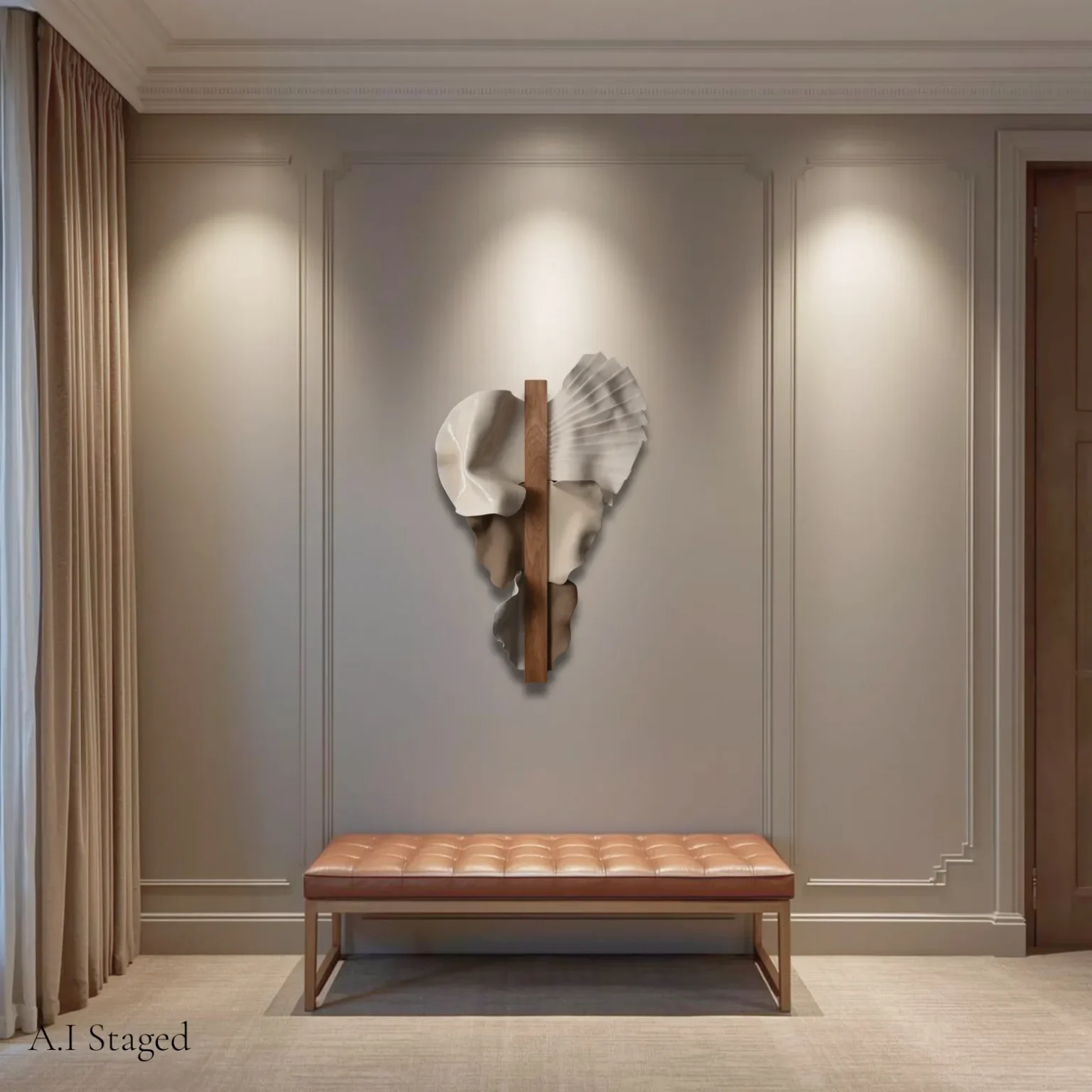
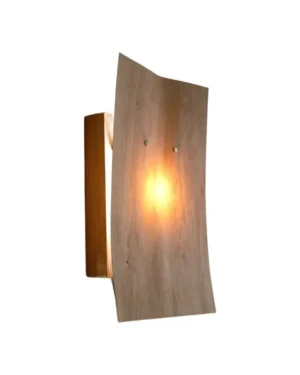
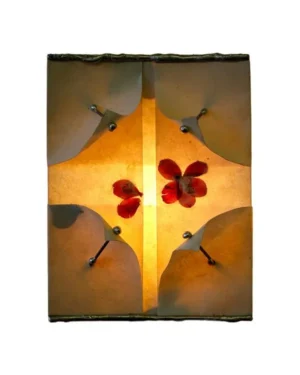
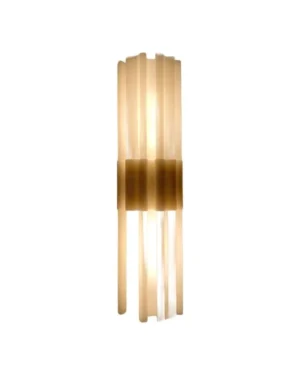
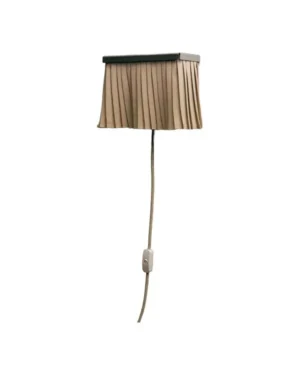
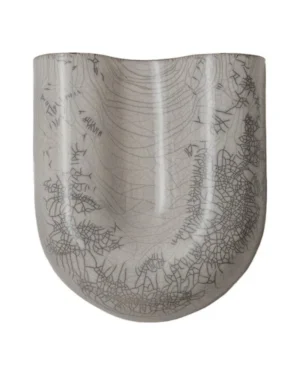
Coastal wall sconces take their cues from sand, sea glass and sun-bleached driftwood, shaped by independent studios working in stoneware, blown glass and brass. Hand-building, glassblowing and metalwork each leave a different trace on the surface, from the grain of a clay body to the small bubbles caught inside cooled glass. Mounted close to the wall, these pieces throw a soft, diffused light that reads as pale, textured and quietly sun-worn rather than polished.
What defines coastal style in a wall sconce
Coastal style leans on the colors and surfaces the sea leaves behind: bleached white, sand, pale blue-gray, the dull shine of worn brass. Instead of sharp lines, pieces tend toward rounded forms and matte or lightly textured finishes that soften direct light rather than bounce it. Nothing here is meant to shine hard; a coastal sconce is closer to the look of a stone picked up on a beach than to polished chrome.
The materials and finishes found here
Stoneware and ceramic bodies are hand-built, then fired to a matte or softly speckled glaze that reads as sand or weathered shell. Blown glass shades carry the uneven thickness and small air pockets that come from working molten glass by hand, scattering light rather than throwing a hard beam. Brass and other metals appear mostly as frames, arms and mounting plates, left raw to dull over time or finished to slow that change.
- Stoneware and ceramic, hand-built, in sandy or pale glazes
- Blown glass shades, clear or lightly tinted
- Brass, steel and other metals, used for structure and fittings
- Open editions alongside occasional limited editions from smaller studios
How to choose a coastal wall sconce
Start with scale: a sconce should sit in proportion to the wall around it, not disappear against a large expanse or overwhelm a narrow one. Mounting height matters as much as the piece itself, since light thrown at eye level behaves differently from light bounced off a ceiling or pooled on a table. Pay attention to how the shade filters light, as a tinted glass or thick ceramic shade will glow evenly, while an open form will cast sharper pools and shadows.
Finish is worth weighing against the wall color: a chalky white stoneware sconce reads differently against plaster than it does against painted drywall, and a brass arm left unlacquered will shift in tone over the years in a way a sealed finish will not. If two or more sconces are going up together, matching finish and shade shape keeps the wall calm rather than busy.
Where coastal sconces work best
Because they free up floor and table space, these sconces suit rooms where surfaces are already busy, including bedside walls, hallways and entryways where a lamp would get in the way. The same qualities make them useful flanking a mirror or a headboard, or spaced along a long hallway wall where ceiling light alone tends to leave edges in shadow. For a full look at placement by room, the bedroom wall sconces and hallway wall sconces pages go into more detail on scale and spacing for those spaces.
Caring for stoneware, glass and brass
Stoneware and ceramic shades need only a dry cloth or very light damp wipe, since repeated moisture can dull a matte glaze over time. Blown glass should be dusted gently rather than scrubbed, as the uneven, hand-formed surface can hold grit in its folds. Brass fittings left unlacquered will darken and spot with handling and air; this patina is part of how the metal ages rather than a flaw, though it can be slowed with an occasional wipe of a dry cloth or light metal polish.
For the full range of finishes and forms within the category, the wall sconces pages cover every material and style side by side, while coastal pieces across ADORNO extend the same sandy, sea-worn palette into lamps, mirrors and seating for a room built around the same materials.
How do I choose a coastal wall sconce?
Look at finish before shape: matte stoneware and tinted glass soften light, while raw brass adds a worn glint. Match the tone to nearby surfaces, sand, driftwood, pale plaster, so the sconce reads as part of the wall, not against it.
What materials are coastal wall sconces made from and how do I care for them?
Most are hand-built stoneware or ceramic, hand-blown glass, or brass. Dust ceramic and glass with a dry cloth, keep brass dry to slow tarnishing, or leave it raw and let the patina darken naturally.
What size or mounting height works best for a wall sconce?
Coastal sconces mount close to the wall and work best at eye level, roughly five to five and a half feet from the floor. In hallways or stairwells, space pairs evenly so the light pools rather than competes.
Which rooms suit coastal wall sconces?
They work anywhere a soft, diffused glow beats overhead light: bedrooms, hallways, entryways and living rooms. The pale, textured finishes sit well against plaster, wood paneling or tile.
Does ADORNO offer worldwide shipping and returns on wall sconces?
Yes, shipping is insured and worldwide. Returns are accepted within 14 days, except on made-to-order pieces, and each sconce arrives with a certificate of authenticity.
Can I order a custom coastal wall sconce through ADORNO?
Some studios take custom requests on finish, size or mounting. Open the piece's page and use Chat with the maker to confirm what is possible.