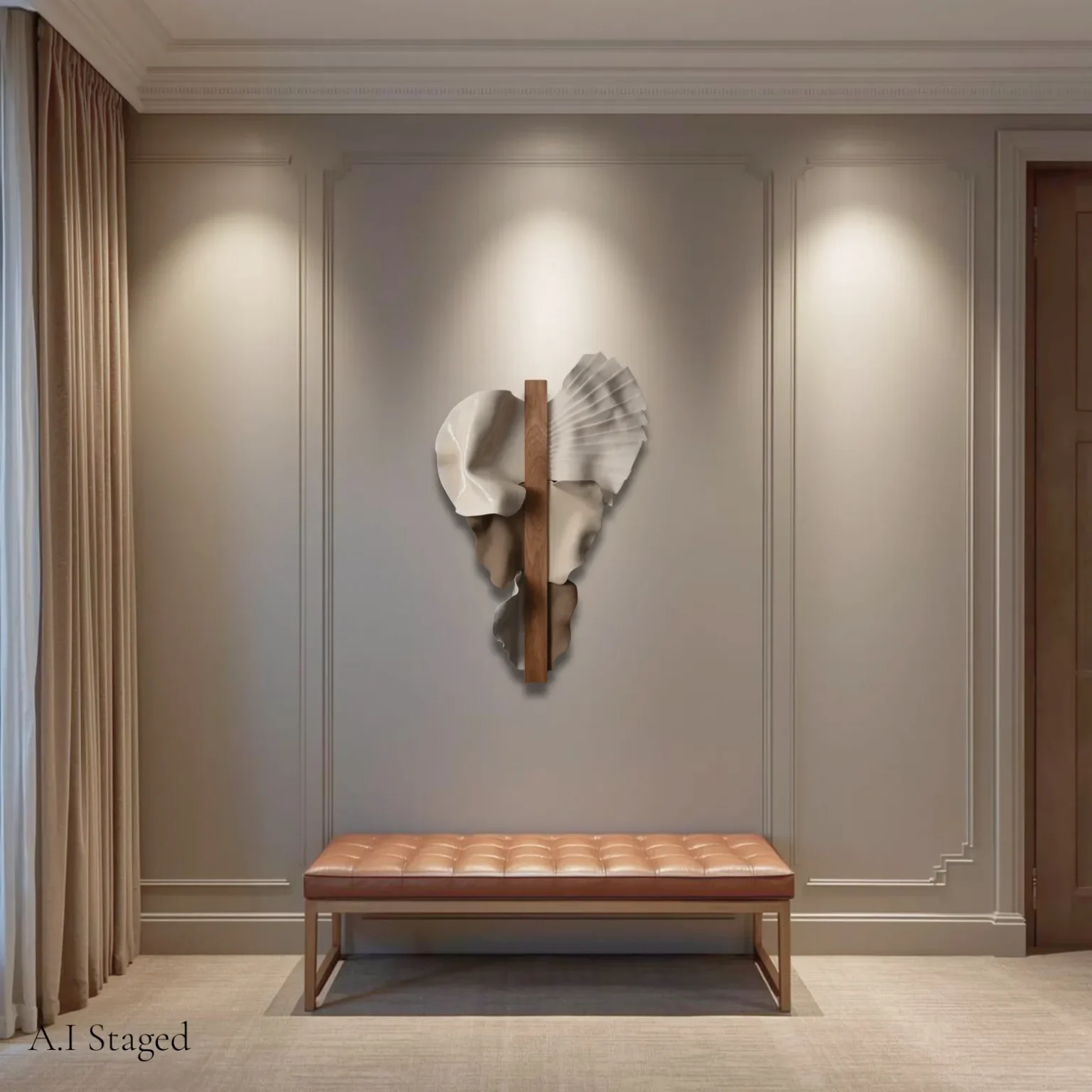
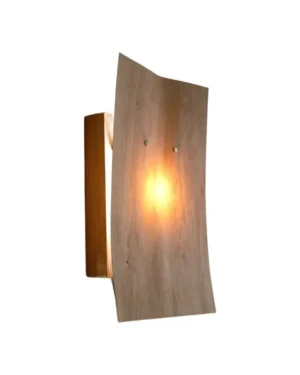
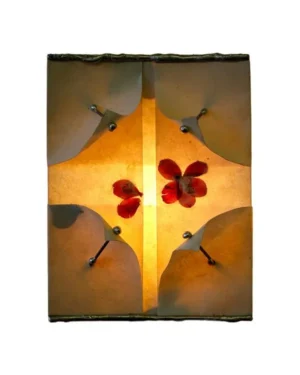
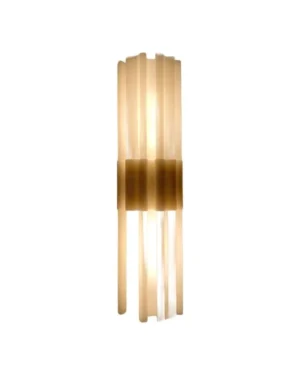

-
 In stock
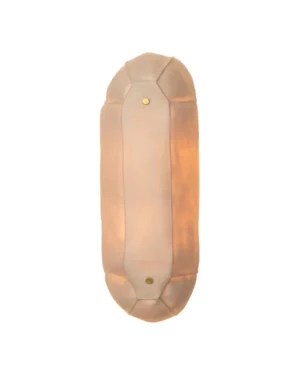
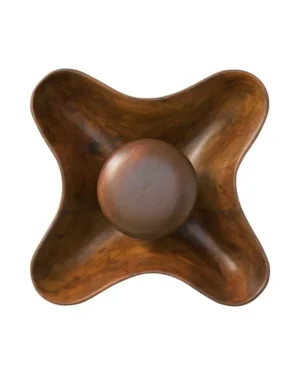
Coral Wall Lamp – Clay Sconce
By Dzovag Kotchian
€900 -

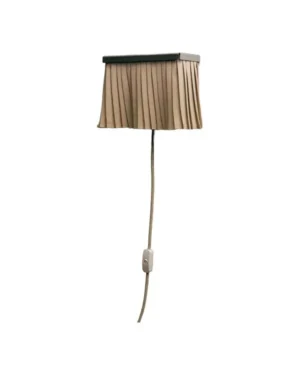
Motion — Sculptural Wall Light In Ceramics
By Katia Langeard
€700 -

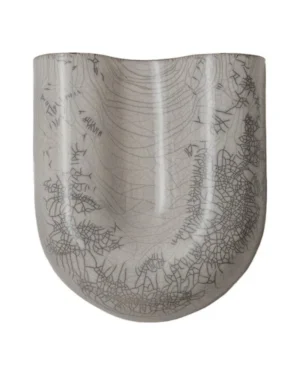
Loma Wall Sconce In Stoneware
By Catalin Filip
€450 -
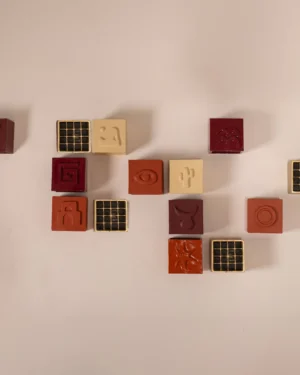
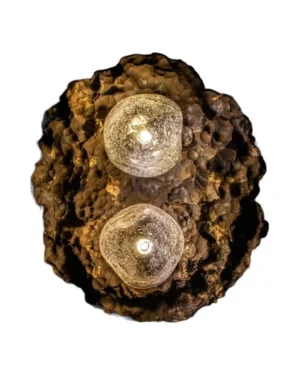
Oasis Wall Light In Hand-sculpted Stoneware
By Harshita Jhamtani Designs
€410 -
 In stock
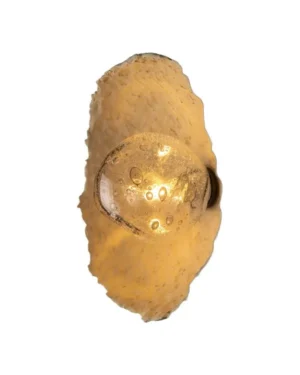
Pearl Wall Lamp – Clay Sconce
By Dzovag Kotchian
€1.200 -

L’Été Ceramic Wall Light
By Katia Langeard
€380 -
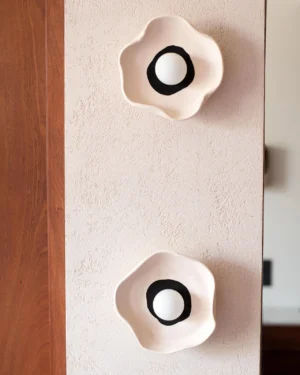
Flower Wall Sconce In Stoneware
By Harshita Jhamtani Designs
€360 -
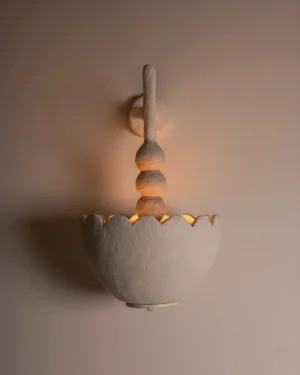
Scallop Wall Sconce In Stoneware And Clay
By Harshita Jhamtani Designs
€1.080 -
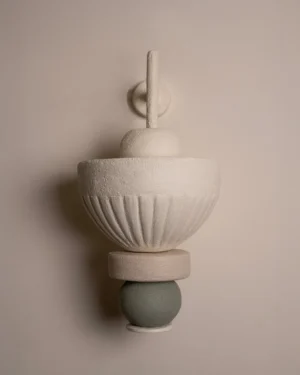
Pebble Wall Sconce In Stoneware And Clay
By Harshita Jhamtani Designs
€1.080 -
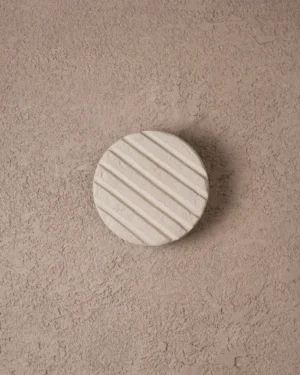
Wilo Fluted Egg White Wall Sconce In Clay And Aluminum
By Harshita Jhamtani Designs
€230 -
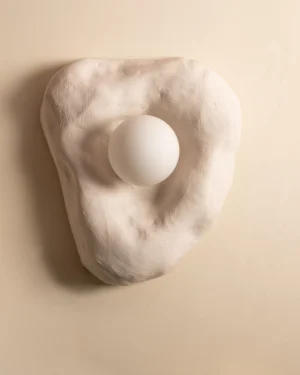
Blob Wall Sconce In Stoneware
By Harshita Jhamtani Designs
€450 -
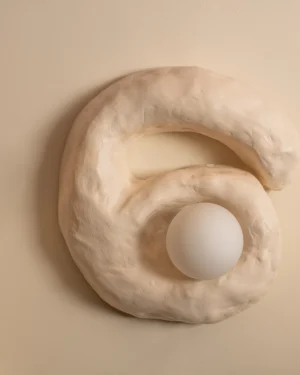
Spiral Wall Sconce In Stoneware
By Harshita Jhamtani Designs
€450 -
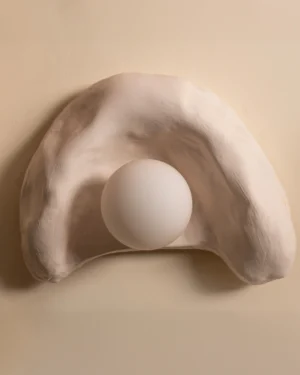
Mini Blob Wall Sconce In Stoneware
By Harshita Jhamtani Designs
€400 -
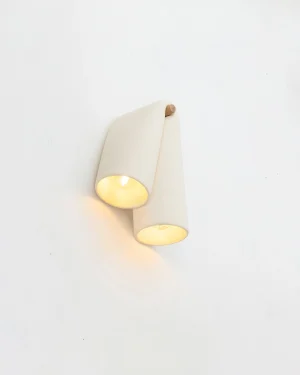
Melo Wall Sconce In Stoneware And Beech Wood
By Catalin Filip
€350
Clay wall sconces carry the texture of the hand that built them: a slight asymmetry in the rim, a thumbprint pressed into the base, a glaze that pools thicker in one corner than another. Independent studios shape them from stoneware or lower-fire ceramic, building the form by hand before firing and glazing it, so no two pieces from the same batch sit quite the same way against the wall. The material is old and the method is slow, which is part of why the light it throws feels different from metal or glass.
What defines clay as a lighting material
Clay is opaque, so these sconces work by casting light up or sideways across plaster rather than beaming it outward. The shade itself often becomes the visible object: a rounded dome, a shallow bowl, an open-backed cup, each one thick-walled and matte or glossy depending on the glaze. Stoneware, fired hotter, comes out denser and slightly heavier in the hand than earthenware, and it holds an edge better over years of use.
Finishes, colors and the way they age
Within the clay and stoneware range, finishes run from chalky off-white and beige to deeper sage, taupe and burgundy, sometimes with a hand-painted ring or band left in a contrasting tone. Glazed surfaces resist dust and wipe clean; unglazed or lightly fired surfaces stay porous and will darken faintly where hands touch them most. Both read as earthy rather than polished, which is the point: the surface is meant to show it was made, not to hide it.
Styles on offer tend toward wabi-sabi, Scandinavian restraint, or a looser boho and eclectic mix, though the same hand-built body can sit comfortably in a more contemporary room if the glaze is kept plain. Some studios work in open editions, repeating a form batch after batch with small variations; others fire in limited runs, after which that exact glaze or shape will not return. Either way, the piece in front of you is the only one quite like it.
How to choose a clay sconce
Scale matters more on a flat wall than it does on a shelf, since there is nothing beside the piece to give it context. A small bedroom or a narrow hallway usually asks for a compact form mounted near eye level, while a stairwell or living room wall can carry something wider or paired in twos.
- Mount height: eye level for reading light beside a bed or sofa, higher for a hallway meant to be walked past rather than sat under
- Finish: matte and pale for a quiet room, a deeper glaze or painted ring where the sconce should read as an object in its own right
- Light direction: upward-facing shades wash the ceiling and soften a room, downward or open fronts give a more direct pool of light
Where clay sconces work
Bedrooms and hallways are the classic fit, since a sconce clears the nightstand or floor entirely and lights a passage without a lamp underfoot. The same logic extends to an entryway, where a single piece by the door does the work of greeting a room before anyone steps into it, or to a living room wall flanking a sofa or a piece of art.
Caring for clay
Glazed clay wipes clean with a damp cloth; avoid abrasive pads, which can dull or scratch the surface over time. Unglazed clay should be dusted dry rather than wetted, since it will absorb moisture and can stain. Keep any sconce away from direct spray or steam, and check the wiring and mounting hardware periodically, as the fittings are usually separate from the fired body itself.
For the full range of forms and materials in this shape of lighting, the wall sconces category covers wood, glass and metal alongside clay, while every clay piece on ADORNO spans lamps, mirrors and vessels beyond lighting. Those furnishing a particular room might also look at bedroom wall sconces or hallway wall sconces for forms sized to those spaces.
How do I choose a clay wall sconce?
Decide whether you want the shade itself to read as the object, a dome or bowl catching light at an angle, or a quieter form that simply washes light up the wall.
How do you clean and care for a clay wall sconce?
Glazed surfaces wipe clean with a damp cloth and resist dust. Unglazed or lightly fired clay stays porous, so avoid soaking it and expect it to darken faintly where it is handled most.
What height should a wall sconce be mounted at?
Most wall sconces sit at eye level, which throws light across the wall rather than down onto a surface. The maker can confirm exact mounting height on the piece's page, through Chat with the maker.
Which rooms suit clay wall sconces?
Their earthy, matte surfaces work well in bedrooms, hallways and entryways, anywhere a narrow or low-lit stretch of wall benefits from light at eye level instead of overhead.
Is clay a durable material for lighting?
Stoneware, fired hotter, comes out dense and holds an edge well over years of use. Lower-fire ceramic is softer and porous, so it suits gentler handling and indoor, dry placement.
What should I know about buying a clay wall sconce from ADORNO?
Shipping is insured and worldwide, each piece arrives with a certificate of authenticity, and ADORNO offers a lowest-price guarantee. Returns are accepted within 14 days, excluding made-to-order pieces.