
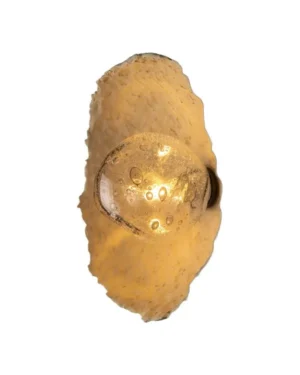
-
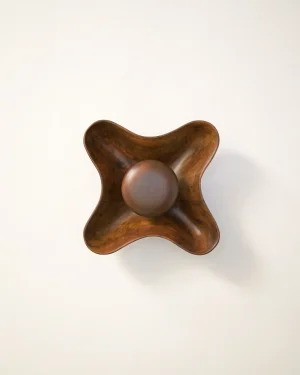
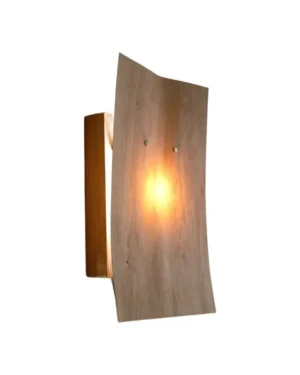
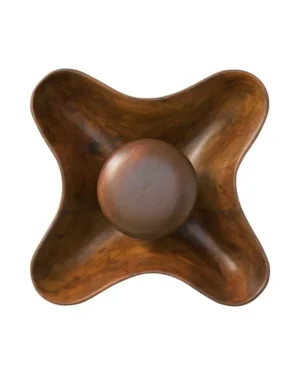
Compass Sconce In Teak Wood
By Studio Indigene
€600 -
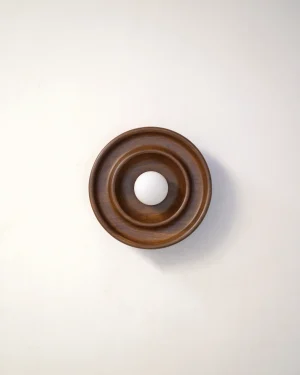
Discus Sconce In Teak Wood
By Studio Indigene
€500 -
 In stock
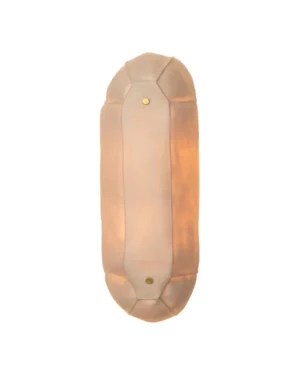
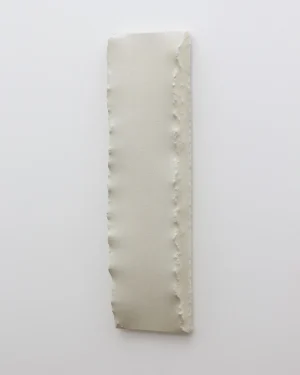
Edges 20-75 T8-60 Wall Sconce In Paper Pulp
By David Čáp
€400 -

Edges 20-105 T8-90 Wall Sconce In Paper Pulp
By David Čáp
€500€450 -
 In stock
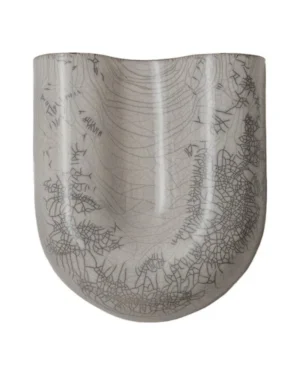
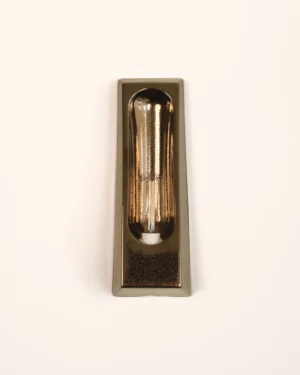
Alcove European Wall Sconce In Glazed Ceramic
By Violaine d'Harcourt Lighting Design
€252 -
 In stock
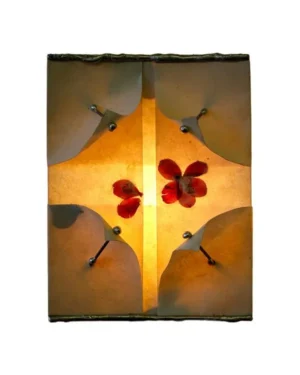
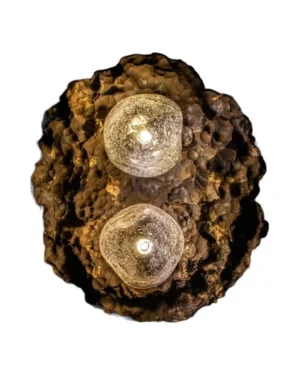
Herbarium Mini Lunaria Annua Wall Sconce In Glass And Plywood
By Mateusz Wappa
€1.200 -
 In stock
Herbarium Mini Daucus Carota Wall Sconce In Glass And Plywood
By Mateusz Wappa
€1.200 -
 In stock
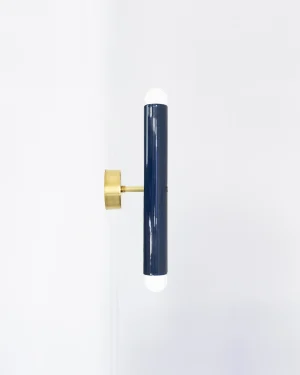
Trn Wall Sconce In Glazed Ceramic
By Pani Jurek STUDIO
€470 -
 In stock
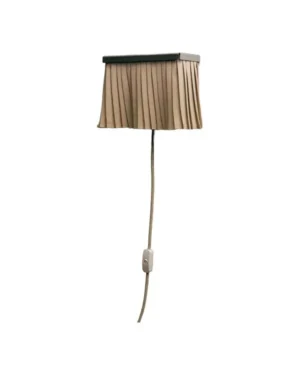
Brown Mud Ellipse Wall Sconce In Textiles And Wood
By David Čáp
€550 -

Paten Wall Sconce In Teak Wood
By Studio Indigene
€500 -
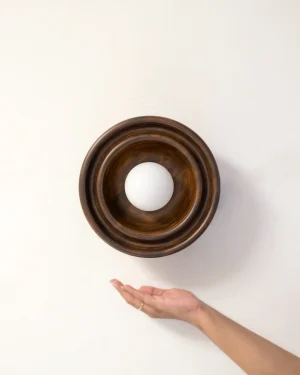
Discus – Xs Teak Wood Wall Light
By Studio Indigene
€450 -

Wall Light Franca A
By MANUHITA
Price Upon Request -

Wall Light Franca B
By MANUHITA
Price Upon Request -

Wall Light Franca C
By MANUHITA
Price Upon Request
Brown wall sconces take their color from the materials themselves, not from a coat of paint: the tan and amber of teak and other woods, the dark brown of a fired glaze, the deeper brown-bronze of cast aluminum left to oxidize. Independent studios here work this color in wood, ceramic and metal, using cabinetmaking, hand-building, metal casting and papermaking to shape it. The result is a wall light whose warmth comes from what it is made of, not from a finish laid on top.
What gives these sconces their color
Teak and oak run from honey to umber depending on grain and age, and both deepen slightly with years of light exposure. Glazed ceramic and paper pulp take their brown from the glaze or pigment mixed into the material before firing or pressing, so the color sits in the body of the piece rather than on its surface. Cast aluminum can be left raw, patinated or coated, giving a range from pale bronze to near-black brown. Each material carries a different kind of brown: wood's is warm and variable, ceramic's is even and matte, metal's can be cool or warm depending on the alloy and patina.
The range of materials and techniques
Alongside solid teak and other woods worked through wood and cabinetmaking, you find sconces hand-built and glazed, sconces cast in aluminum and finished by hand, and sconces made from paper pulp or cotton through papermaking and textile work. Styles move between minimalist, mid-century modern and boho chic, so a sconce in this tone can sit as easily in a pared-back room as in one layered with texture. Across these materials, brown wall sconces made in small studios vary more than mass-produced lighting, especially where a piece is hand-built or cast one at a time. Most are made in open editions; some studios work only in unique pieces, where no two sconces are quite alike.
How to choose a brown wall sconce
Start with scale: a sconce reads at eye level, so its width and projection matter more than they would on a side table. In a hallway or stairwell, a slim, flush profile keeps the wall clear for passing traffic; in a living room or bedroom, a deeper shade or shallow bowl can throw more light and cast more shadow. Mounting height follows the room's use, with bedside sconces generally set lower, around seated eye level, and hallway or entryway sconces set higher, closer to standing eye level, so the light spreads rather than glares.
Finish matters as much as shape. A matte glaze absorbs light and softens a room, while a polished or patinated metal body reflects more and adds a point of contrast against plaster or paint. Where a sconce is handmade or cast one at a time, expect small variations in tone and surface from one piece to the next.
Rooms and placement
Brown wall sconces suit rooms where warmth matters more than brightness: bedrooms, where a soft wash of light either side of the bed can replace a nightstand lamp; hallways and entryways, where wall-mounted light keeps the floor clear and marks the start of a space; and living rooms, where a pair either side of a sofa or shelf adds a second layer of light below the ceiling. Their wood and ceramic tones also read naturally in rooms already built around browns, tans and warm neutrals.
Caring for wood, ceramic and metal sconces
- Wipe teak and oak with a dry or barely damp cloth, avoid soaking the joinery, and keep direct, prolonged sun off one side only, which can cause uneven fading.
- Dust glazed ceramic sconces with a soft cloth and avoid abrasive cleaners that can dull the glaze.
- Wipe cast aluminum with a dry cloth and keep harsh solvents away from patinated or painted finishes.
For other tones and rooms, the full run of wall sconces spans every color and material, while every brown piece on ADORNO extends the same warmth into lamps, seating and objects. Metal-bodied options are gathered under metal wall sconces, and by room, see bedroom wall sconces and hallway wall sconces.
How do I choose a brown wall sconce?
Match the material to the mood: teak and other woods for warmth that shifts with grain, glazed ceramic for an even matte brown, cast aluminum for a cooler, metallic depth. Consider whether the wall gets direct light, since wood tones deepen over years of exposure.
How do you care for a brown wall sconce?
Dust wood and ceramic sconces with a dry or barely damp cloth, and keep them away from direct moisture. Cast aluminum needs only occasional wiping; avoid abrasive cleaners that can strip a patina.
What height should a wall sconce be mounted at?
Most wall sconces sit around eye level, roughly 60 to 65 inches from the floor, though hallway and stairwell placements can vary. The maker can confirm exact mounting guidance with Chat with the maker on the piece's page.
Which rooms suit a brown wall sconce?
Their warmth works in bedrooms, hallways, and entryways, where a sconce lights a wall without taking up floor or tabletop space. The same tones also sit well in living rooms alongside wood furniture or leather.
Will a brown sconce match other wood tones in my home?
Teak and oak sconces tend to blend rather than match exactly, since each piece's grain and age give it its own shade of brown. Ceramic and metal sconces read as a steadier, more uniform tone beside mixed woods.
What are ADORNO's shipping, returns and authenticity policies?
Shipping is insured and worldwide. Returns are accepted within 14 days, except for made-to-order pieces, and every piece comes with a certificate of authenticity. ADORNO also offers a lowest-price guarantee.