
-
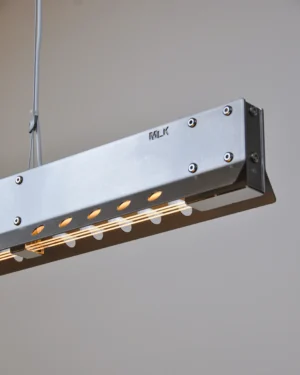
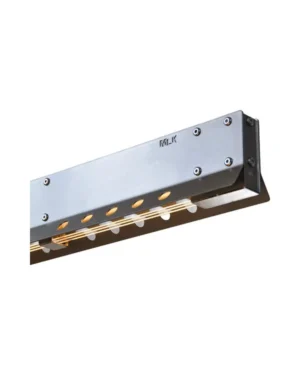
Ne1250/145 Pendant Lamp In Steel And Acrylic
By MLK Furniture
€1.390 -

The Queen Ceiling Lamp in Gold-leaf and Rust Steel
By Mammalampa
€3.133 -
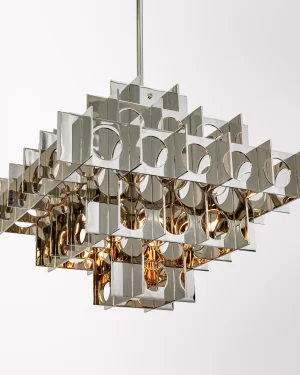
Tenfold 5 T Pendant Lamp in Stainless Steel and Aluminum
By Luft Tanaka Studio
€4.440 - €11.000 -
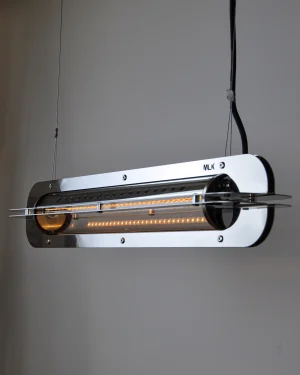
Pill600 Pendant Lamp In Mirror Stainless Steel
By MLK Furniture
€1.090 -
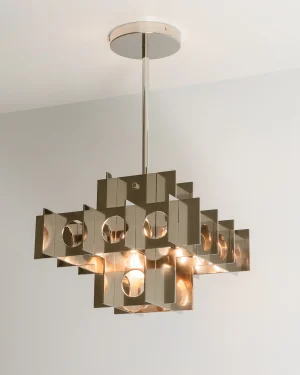
Tenfold 3 T B Pendant Lamp in Stainless Steel and Aluminum
By Luft Tanaka Studio
€2.895 - €8.675 -
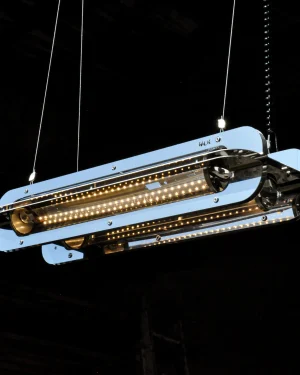
Pill600x2 Pendant Lamp In Mirror Stainless Steel
By MLK Furniture
€1.890 -
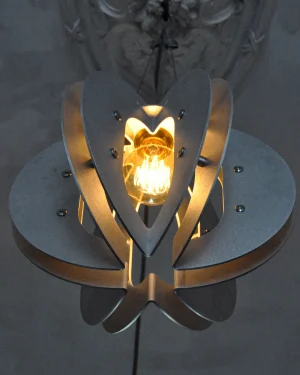
D300 Lampion Pendant Lamp In Matte Aluminum
By MLK Furniture
€390 -
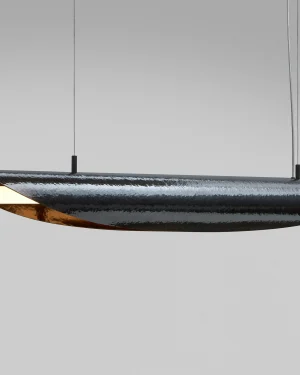
Taco De Luz Black Patinated Brass Pendant Lamp in Brass
By Studio Aristotelis Barakos
€5.900 -
 In stock
Svitlotin Olive Pendant Lamp in Stainless Steel
By SVITANOK
€890 - €960 -
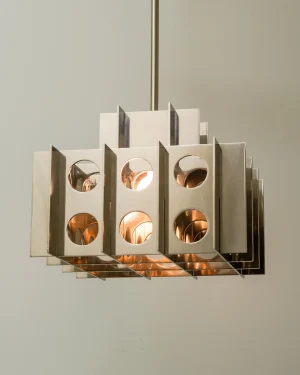
Tenfold 3 T A Pendant Lamp in Stainless Steel and Aluminum
By Luft Tanaka Studio
€2.895 - €8.675 -
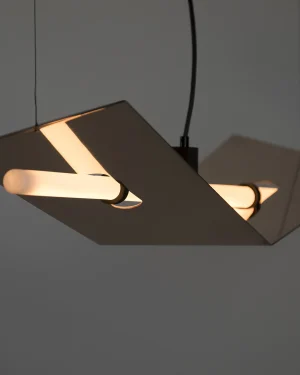
Bird of Prey Ceiling Lamp in Bronze
By Atelier Haute Cuisine
€3.700 -
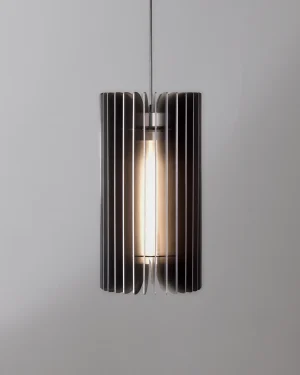
Bare Barrel – Metal Pendant Lamp
By Jochen Lavéno Mangelsdorff Studio & Objects
€760 - €920 -

Aria Red Dot Ceiling Lamp in Metal and Acrylic
By Saadia Design
€1.570 -
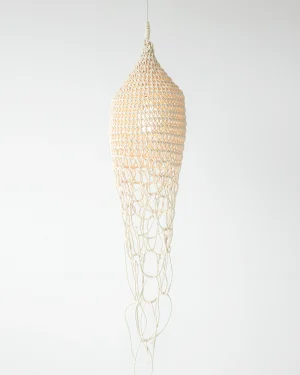
Meduse Pendant Lamp in Cotton
By Annie Legault
€700 -

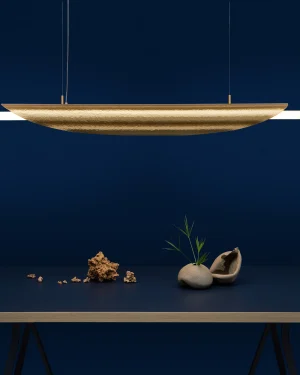
Citiez 0.3
By Niels Stoeltie
€6.200 -
 In stock
Taco De Luz Satin Brass Pendant Lamp in Brass
By Studio Aristotelis Barakos
€5.400 -

[float] Sculptural Ceiling Lamp in Concrete
By case studios
€2.700 -

Eclipse Pendant Light
By Rollo Studio
€2.400 -

Trn / Model F1 Pendant Lamp In Ceramic
By Pani Jurek STUDIO
€1.600 -
 In stock
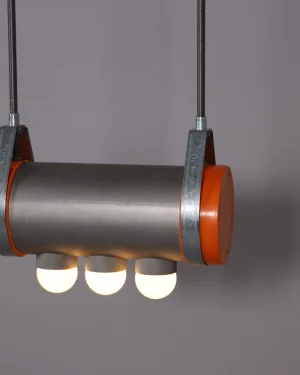
Three Bulb Upcycled Pendant Lamp In Raw Steel
By Nolan Talbot-Kelly
€2.100 -
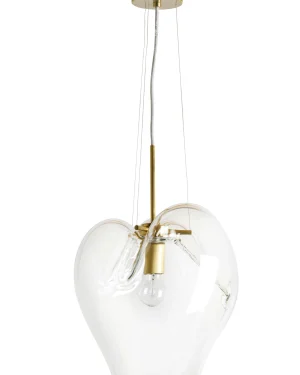
Carambola Pendant Lamp
By Carol Gay
€1.330 -
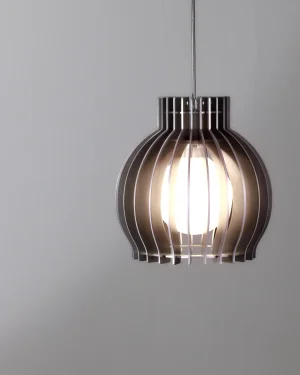
Flower Drop – Metal Pendant Lamp
By Jochen Lavéno Mangelsdorff Studio & Objects
€756 -
 In stock
Svitlotin Blue Ceiling Lamp in Metal
By SVITANOK
€890 - €1.150 -
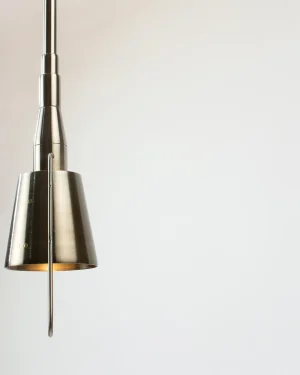
Suspension Pendant Lamp in Stainless Steel
By Szostak Atelier
€1.000 -
 In stock
Flight Shadows 1200mm Pendant Lamp In Steel
By SVITANOK
€1.000 - €1.140 -
 In stock
Flight Shadows 1500mm Pendant Lamp In Steel
By SVITANOK
€1.100 - €1.230 -

Slotted Vertical Offset Pendant Lamp In Acrylic
By Nolan Talbot-Kelly
€1.800 -

Slotted Linear 32 Pendant Lamp In Aluminum And Acrylic
By Nolan Talbot-Kelly
€1.200 -
 In stock
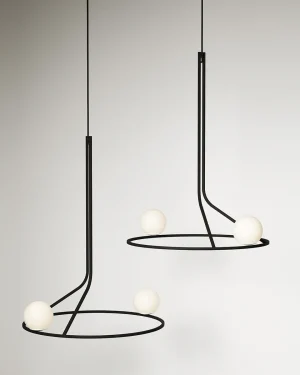
Na Linii Pendant Lamp in Steel and Glass
By SVITANOK
€1.050 -

Trn / Model F1 Silver Finish Pendant Lamp In Ceramic
By Pani Jurek STUDIO
€1.650 -

Ms Eclipse M (25cm) Pendant Lamp in Marbled Salts
By MARBLEDSALTS studio
Price Upon Request -
 In stock
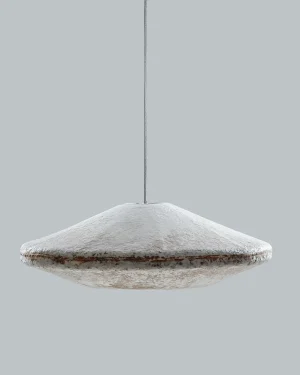
B Wise Pendant Lamp in Mycelium
By Myceen
Price Upon Request -
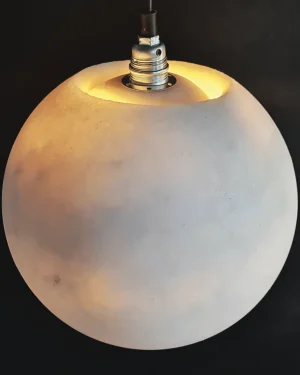
Marbled Salts Ceiling Lamp in Marbled Salts
By MARBLEDSALTS studio
Price Upon Request
Neo-industrial pendant lamps take the working vocabulary of the factory floor — raw steel, aluminum, chrome — and resolve it into fixtures built for the home. Independent studios working in sheet metal and tube steel use metalwork, laser cutting and patination to turn a material once reserved for machinery into a shade, a cage or a single hanging disc. The results read as honest rather than decorative: visible seams, brushed surfaces, the occasional trace of oxidation left to show.
What defines a neo-industrial pendant lamp
The style favors structure over ornament. A shade is more likely to be a cut cone, a perforated drum or an open frame than a soft curve, and the hardware — the rod, the canopy, the swivel joint — is left visible rather than hidden. Color stays close to the metal itself: black, gray, silver and beige dominate, with rust and cobalt blue used sparingly as a patinated or painted accent. Where a shape looks hand-finished rather than molded, it usually is, since bending and hand-finishing leave small variations that a casting process would not.
Metals, finishes and techniques behind the range
- Polished aluminum and chrome, left reflective to bounce light back into the room
- Brushed or blackened steel, matte enough to absorb glare
- Patinated surfaces, where heat or chemical treatment is used to fix a rust, bronze or blue tone into the metal
- Laser-cut and CNC-milled shades, where a repeating pattern is punched or carved straight into sheet metal
Editions run both ways: open editions remain in a studio's ongoing production, while some pieces are made as one-offs, cut and finished by hand with no two surfaces identical. Within the broader style, the same techniques turn up across neo-industrial lighting as a whole, not only in pendants.
Choosing scale, height and finish
A pendant in this style tends to read as heavier than it is, since steel and aluminum carry visual weight even in thin gauges. Measure the shade's width against the surface it hangs over rather than the room itself: a single pendant should sit narrower than a dining table or island, leaving room on either side. Hanging height follows the same logic as any pendant — low enough to pull the eye down and define the surface below, high enough to clear sightlines across a table or counter.
Finish matters as much as shape. Polished chrome and aluminum throw light around a room and suit spaces that already have reflective surfaces — glass, lacquer, marble. Blackened or patinated steel reads quieter and works against plaster, brick or unfinished wood, where the lamp becomes the one hard edge in an otherwise soft room. For a broader comparison of raw metal finishes against other pendant materials, the full range of metal pendant lamps is a useful starting point.
Where these pendants work
Kitchens and dining rooms are the most common placement, where a row of steel pendants over an island repeats the factory logic the style comes from. Stairwells and entryways take a single larger fixture well, since the open structure of a cut or perforated shade still reads clearly from below. In a seated space, a pendant in blackened or brushed steel can anchor a room without competing with upholstery or wood furniture; see how the style sits in a living room setting for reference.
Caring for a metal pendant
Steel and aluminum ask for little beyond a dry or barely damp cloth; abrasive cleaners will dull a polished or chrome finish and should be avoided. Patinated surfaces are meant to shift slightly over years and should not be polished back to bare metal, since that removes the finish the studio set in place. For pieces with exposed steel in humid rooms, keeping the surface dry prevents new rust from forming where it was not intended. The wider set of options, across every finish and edition, sits within pendant lamps generally, with the style isolated further under neo-industrial design across lighting and furniture alike. For steel specifically, the steel pendant lamps group narrows the material further for anyone set on that single metal.
How do I choose a neo-industrial pendant lamp?
Match the shade shape to the task: a cone or drum for focused light, an open frame for ambient glow. Stay close to black, gray or silver to keep the fixture reading as structural rather than decorative.
What materials are neo-industrial pendant lamps made from, and how do I care for them?
Most are steel, stainless steel, aluminum or chrome-plated metal, sometimes paired with acrylic. Wipe with a dry or lightly damp cloth, avoid abrasives on polished or plated finishes, and expect raw steel to darken slightly over time.
What size pendant and hanging height work best?
A pendant should clear head height by several inches and sit low enough over a table or island to pool light without blocking sightlines. The maker can confirm exact dimensions and recommended drop with Chat with the maker on the piece's page.
Which rooms suit a neo-industrial pendant lamp?
Kitchens, dining areas and stairwells take well to the style's exposed hardware and metal surfaces. A single pendant also anchors a reading corner or entryway where a plain bulb would otherwise show.
Are these pendant lamps handmade or mass-produced?
Many show visible joints, brushed textures or patination that comes from hand-finishing rather than casting, though exact process varies by studio. Check the piece's listing or ask the maker directly for specifics.
How does shipping, returns and authenticity work when I buy through ADORNO?
Shipping is insured and worldwide, with a 14-day return policy except on made-to-order pieces. Every order includes a certificate of authenticity and a lowest-price guarantee.