-
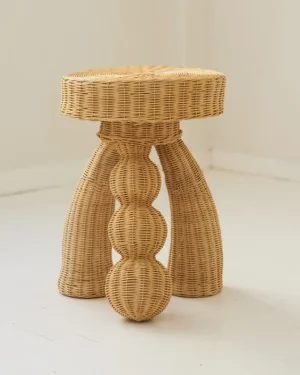 In stock
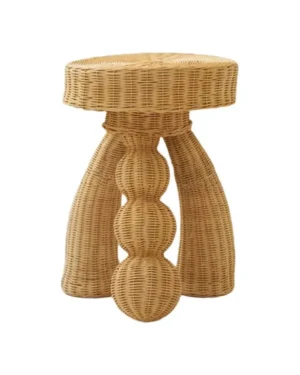
Pupa Side Table in Woven Rattan and Metal
By LØRDAG & SØNDAG
€845 -
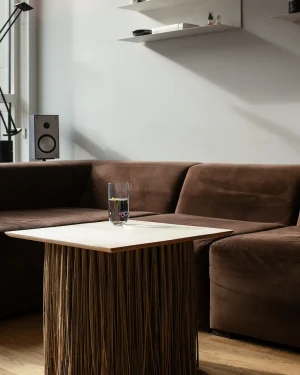 In stock
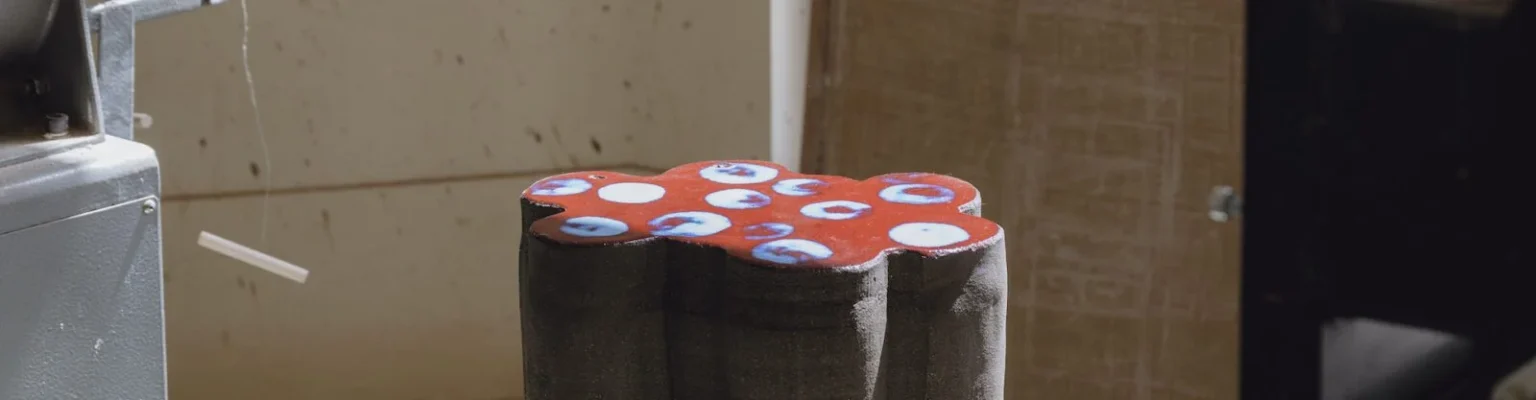
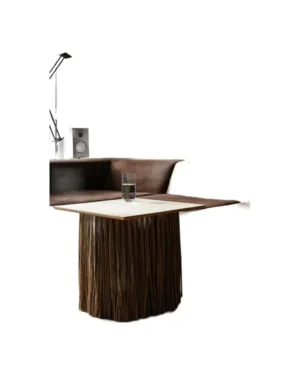
Brush Side Table in Ash Wood and Bamboo
By Calen Knauf Studio
€2.018 - €2.523 -
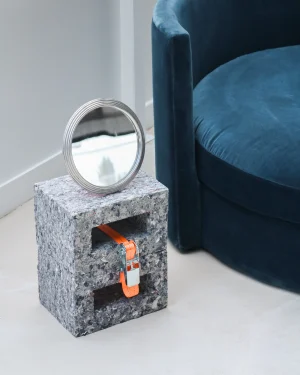 In stock
Le Nomade Side Table in Upcycled Textile
By FabBRICK
€330 -
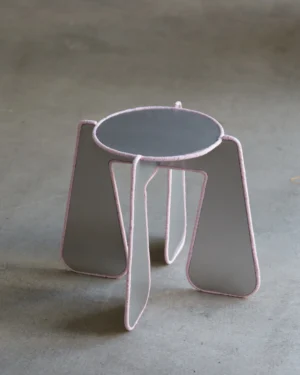
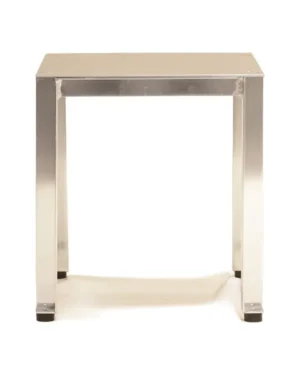
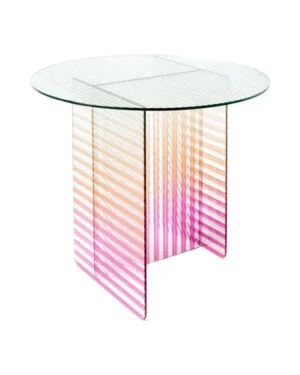
In Between Pink Side Table in Stainless Steel and Lace
By please touch studio
€1.560 -
 In stock
Ava Side Table in Cherry Wood and Textile
By Atelier Alz
€800 -
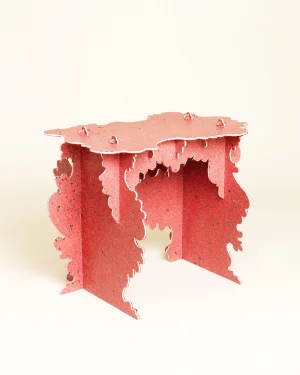 In stock
Really Rococo II Side Table in Recycled Textile
By Studio Ebba Lindgren
€2.000 -

In Between Side Table in Stainless Steel and Lace
By please touch studio
€1.560 -
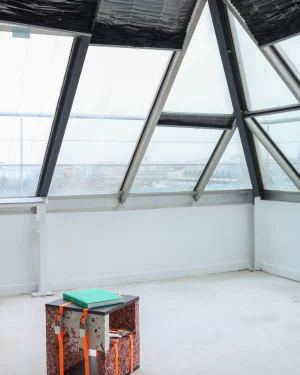 In stock
La Croisée Side Table in Terracotta Textile
By FabBRICK
€617 -
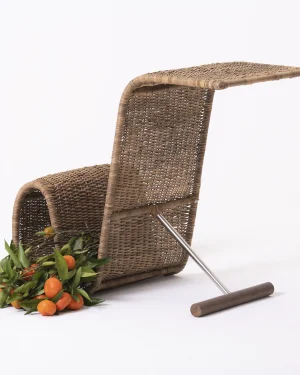 In stock
Alvorada Side Table in Rattan, Stainless Steel and Teak Wood
By Giácomo Tomazzi Studio
€1.150 -
 In stock
Kilt Side Table in Felt, Textile and MDF
By FARG & BLANCHE
€960
Designer Side Tables
A side table is small enough to overlook and close enough to use every hour. It holds a lamp, a drink or a stack of books within reach of a chair, sofa or bed. Because the footprint is so small, material and joinery carry more visual weight than they would on a dining or coffee table, and that is why many independent studios treat the side table as a study in a single material.
Every side table here is made by an independent designer, studio or gallery, in open editions, limited runs and unique pieces. They are made in marble and other carved stone, solid wood, blown and cast glass, brass, steel and aluminum, woven rattan and poured resin. What ties them together is scale: an accent table small enough to sit beside furniture without competing with it, and sturdy enough to carry weight on a surface no larger than a seat cushion.
Side Table, End Table or Accent Table?
The terms overlap, and the difference comes down to placement.
- Side tables is the broadest term, covering any small table beside a chair, sofa or bed.
- End tables stand at the end of a sofa, often one at each arm, which is why end tables for the living room are often chosen in pairs.
- Accent tables are side tables chosen as much for presence as for use: a sculptural form, an unusual material, or a single piece that anchors a corner.
Getting the Right Side Table Size
Scale is the most common mistake and the easiest to avoid.
- Height beside a sofa: Aim for level with the sofa arm or up to 5 cm (2 in) below it, typically 50–65 cm (20–26 in).
- Height beside a chair: Match the chair arm so a hand can set down a cup without looking.
- Height beside a bed: Set it within a few centimeters (an inch or two) of the mattress top, usually 55–70 cm (22–28 in).
- Depth: Keep it no deeper than the sofa arm, so the table doesn’t project into the room.
- Clearance: Leave 5–15 cm (2–6 in) between the table and the sofa or chair.
- Tight spaces: A narrow side table or small side table suits a reading corner or hallway, and a round side table eases movement where people pass.
Popular Side Table Materials
Material is the shortest route into the collection.
- Marble side tables bring mass, a cool surface and veining that makes every piece different. Travertine, limestone and darker stones extend the palette from off-white to charcoal.
- Wood side tables in teak, oak or walnut age warmer with handling and light, and sit easily in mid-century modern and contemporary rooms.
- Glass side tables with cast or blown tops and bases carry a lighter visual weight, even when the piece is solid.
- Brass and metal side tables range from brass that develops a patina with use to steel and aluminum that read as minimalist or brutalist depending on the finish.
- Rattan side tables are light, warm and easy to move, a softer accent table for a bedroom or reading corner.
- Resin and epoxy give color and depth that cut stone or sheet metal cannot.
If a direction matters more than a material, browse pieces from quiet minimalist side tables, through modern side tables and contemporary end tables, to eclectic and maximalist accent tables.
Care by Material
- Marble and stone: Seal as recommended, and wipe up wine, oil or citrus quickly.
- Wood: Dust regularly, oil occasionally, and avoid sustained direct sun.
- Glass: Use a standard glass cleaner, and avoid sharp impacts on cast or blown edges.
- Brass: Leave it to patina, or polish occasionally with a brass cleaner if you prefer it bright.
- Steel and aluminum: Wipe with a dry or lightly damp cloth, and keep unsealed surfaces away from standing water.
- Rattan: Dust with a soft brush, and keep it away from heaters and constant damp.
- Resin and epoxy: Use mild soap and water, and keep away from direct heat.
For a different scale or placement, see coffee tables, console tables and nightstands, or the full range of tables from dining to occasional pieces.
How do I choose a textile side table?
Look at how the fiber is worked, woven, felted, or wrapped over a frame, since that determines how firm the surface feels and how much weight it can take beside a sofa or bed.
How do you care for a textile side table?
Keep it away from direct moisture and strong sun, vacuum or brush off dust regularly, and spot clean with a dry or barely damp cloth so the fibers do not loosen or discolor.
What size and height should a side table be?
Most sit between 18 and 24 inches high, roughly level with a sofa arm or mattress edge, so a drink, lamp, or book stays within easy reach.
Which rooms suit a textile side table?
Woven and fiber tables soften living rooms and bedrooms, bringing warmth next to hard flooring, stone, or metal, and work well wherever a softer material contrast is wanted.
Are textile side tables sturdy enough for daily use?
Many combine a woven or felted fiber surface with a solid internal frame, so they hold a lamp or stack of books; the maker can confirm load capacity through Chat with the maker on the piece's page.
What is ADORNO's shipping and return policy?
Shipping is insured and worldwide, with a 14-day return policy excluding made-to-order pieces, each piece arrives with a certificate of authenticity, and ADORNO offers a lowest-price guarantee.