







-

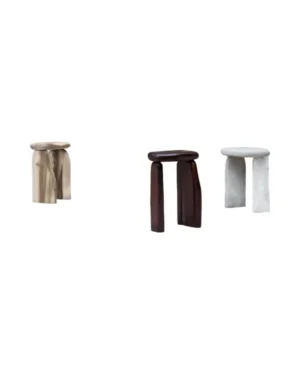
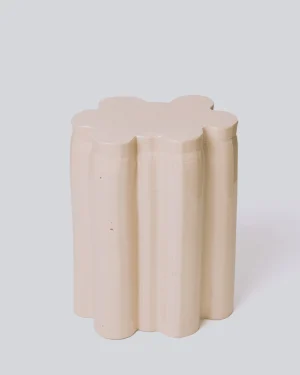
Flamingo Stool
By Mina Wright
€1.264 -

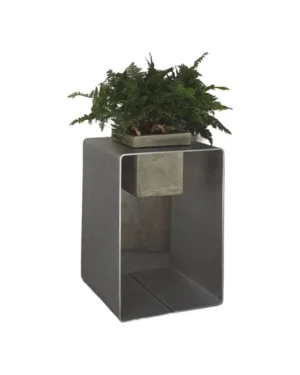
Matera Side Table in Verde Lepanto Marble
By MERCOEUR EDITION
€1.813 -
 In stock
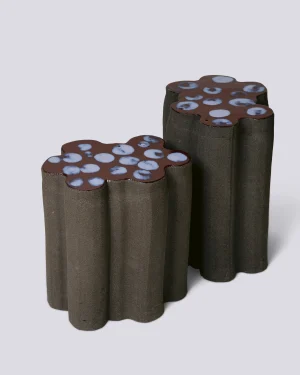
Trunk Ice and Red Poison Frog Pair Side Table in Stoneware
By Slō
€2.900 -
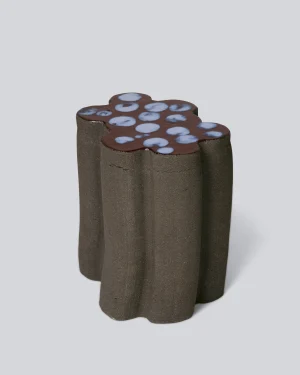 In stock
Trunk Ice and Red Poison Frog Side Table in Stoneware
By Slō
€1.495 -
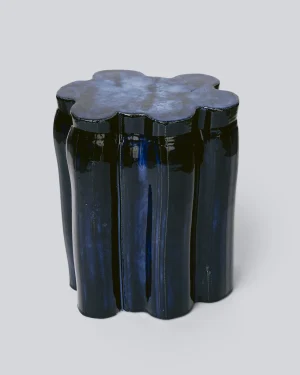 In stock
Trunk Black and Navy Blue Side Table in Stoneware
By Slō
€1.395 -
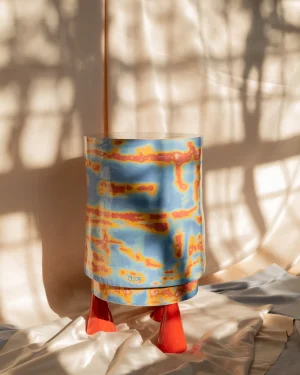 In stock
The Oven Side Table in Glazed Stoneware
By UAU Studio
€1.670 -
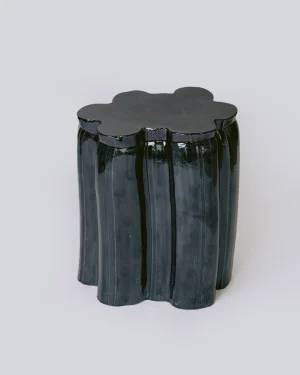 In stock
Trunk Navy Side Table in Stoneware
By Slō
€1.395 -
 In stock
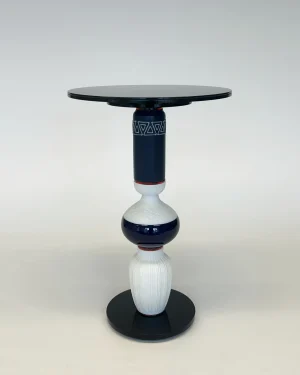
White Lotus Side Table in Glazed Ceramic
By LATESS
€2.800 -
 In stock
Angels Side Table in Glazed Clay and Glass
By Andreas Berlin
€3.500 -
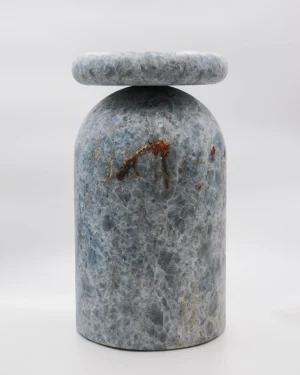
Cult Stool – Sculptural Side Table In Blue Calcite
By Panorammma Atelier
€2.732 -
 In stock
Trunk Strawberry Milkshake Side Table in Stoneware
By Slō
€1.395 -
 In stock
Hidden Secrets Side Table in Glazed Ceramic
By BERTO
€1.200 -

Cone Object 1 – Squared Stool/table
By Hanna Fastrich
€1.900 -
 In stock
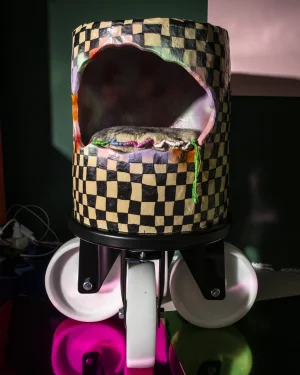
Joe’s Dream Side Table in Ceramic
By Andreas Berlin
€8.000 -
 In stock
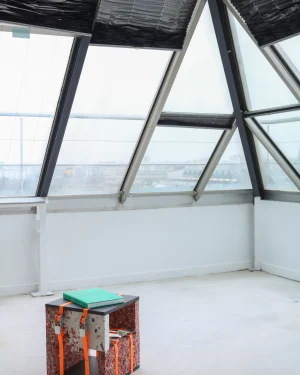
Cat Cave Side Table in Glazed Ceramic
By UAU Studio
€2.000 -
 In stock
La Croisée Side Table in Terracotta Textile
By FabBRICK
€617 -
 In stock
Blue Lagoon Stool
By LATESS
€2.000 -
 In stock
Isla No. 1 Side Table in Stoneware and Blown Glass
By Ceren Gürkan
€4.400 -
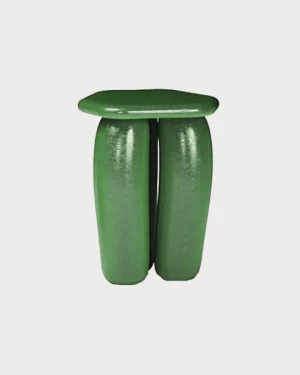
Trio Side Table in Ceramic
By Alter Ego Studio
€2.520 - €5.200 This product has multiple variants. The options may be chosen on the product page -
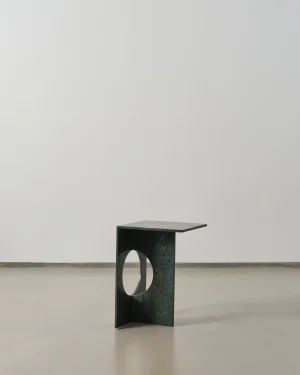
Ola Side Table in Diabase Volcanic Stone
By Studio Mohs
€2.068 -
 In stock
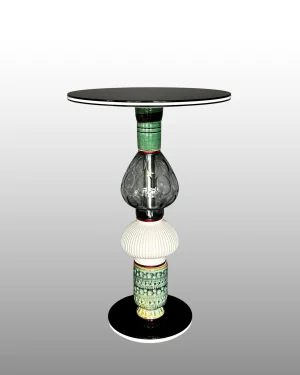
Aeroplane Side Table in Glazed Clay and Glass
By Andreas Berlin
€3.500 -
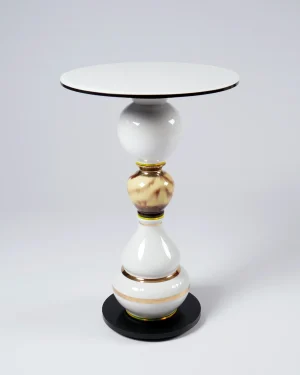 In stock
Sommers Song Side Table in Clay and Painted Glass
By Andreas Berlin
€3.500 -
 In stock
Strata Low Square Side Table in Marble
By Iyo Hasegawa
€4.500 -
 In stock
Orange Lady – Stool
By LATESS
Price Upon Request -
 Sold
SoldCypress #6 Side Table in Cypress Wood and Stoneware
By Studio Kloak
€2.500 -
 Sold
SoldCypress #1 Side Table in Cypress Wood and Stoneware
By Studio Kloak
€2.100 -
 Sold
SoldAeroplane Side Table in Ceramic
By Andreas Berlin
€7.000
Ceramic side tables bring fired clay into furniture, a material more often seen in vases and tableware than in load-bearing forms. Studios working in stoneware, earthenware and glazed clay shape bodies by hand or cast them in molds, then fire and glaze them until the surface hardens into something closer to stone than soil. The result sits between pottery and furniture: heavy for its size, cool to the touch, and marked by the kiln rather than by a saw.
What Defines a Ceramic Side Table
Stoneware bodies vitrify at high heat and come out dense and nearly waterproof, which is why they carry the weight of a lamp or a stack of books without flexing. Earthenware fires at lower temperatures and stays more porous underneath the glaze, so it reads lighter and often shows warmer, earthier tones at the base or foot. Some studios fold volcanic stone into the mix for extra density and a rougher, matte skin.
Glaze is doing most of the visible work. It seals the clay, resists stains, and carries the color, whether that is a single solid tone or a surface built up in layers through repeated glazing and firing. Because every piece passes through a kiln on its own, no two surfaces come out perfectly identical, even within the same run.
Range of Finish, Color and Edition
Color runs from deep black and chalky white through blue, rose and multicolor glazes, often paired as black and white for contrast against the clay beneath. Techniques vary by studio: hand-building leaves softer, uneven edges, terrazzo-style surfaces fold in fragments of stone or glass, and some tables carry painted or drawn decoration layered over the glaze. Styles span contemporary and minimalist forms that let the material speak, Bauhaus and Art Deco references in geometric bases, and maximalism or radical design in sculptural, less symmetrical shapes. Sustainable practice shows up in studios firing with reclaimed clay or minimizing waste in the glaze process. Editions range from unique, one-off pieces shaped and fired individually to open editions produced in a repeatable mold.
For a broader look at where clay and glaze show up outside the side table, pieces also appear as ceramic vases, and the full range of fired work across furniture, lighting and objects sits under ceramic as a material.
Choosing One for Scale and Placement
Ceramic side tables tend to be squat and grounded rather than tall and open, since the material favors compression over cantilever. Match the height to the arm of the sofa or the top of the mattress it sits beside, so a lamp or a cup stays within easy reach. A glossy glaze will catch light and read as a small, bright object in a room; a matte or textured surface recedes and works better beside patterned upholstery or a busy wall.
Weight matters in the choosing, too. A dense stoneware table will not shift when nudged, which makes it a steadier anchor for a table lamp than a lighter, hollow-cast piece.
Rooms That Suit Ceramic
These tables work wherever a small, fixed point of color and weight helps a layout settle: beside a bed, flanking a sofa, or in a reading corner paired with a single chair. A glazed surface by the front door also holds up to keys and trays better than an open-grained wood, which makes it a practical choice among entryway side tables. For living spaces built around clean lines, they sit comfortably alongside other contemporary side tables without competing for attention.
Caring for a Ceramic Side Table
A glazed top wipes clean with a damp cloth and resists most spills, since the glaze itself is close to waterproof. Unglazed or lightly glazed undersides and feet are more porous, so standing water or constant damp underneath should be avoided over time. Sudden temperature swings can stress the glaze and cause fine cracking, so keep these tables away from direct heat sources such as radiators or fireplaces.
For the wider range of forms within this furniture type, the full set of side tables spans wood, metal and stone alongside ceramic, each material carrying its own weight, finish and way of aging in a room.
How do I choose a ceramic side table?
Look at how the glaze and form sit against your existing furniture, since ceramic reads as sculptural rather than purely functional. Pick a height close to your sofa or bed edge so the surface stays within easy reach.
How do you care for a ceramic side table?
Wipe glazed surfaces with a damp cloth and avoid dragging the piece across floors, since ceramic chips on impact. Keep it away from sudden temperature changes, which can stress the material and cause cracking.
Are ceramic side tables sturdy enough for daily use?
Yes, when fired at the right temperature, ceramic carries the weight of lamps, books, or drinks without issue. It is heavier than it looks, which also helps the table stay put.
What size and height should a ceramic side table be?
Most side tables sit between 18 and 26 inches tall, close to the arm of a sofa or the mattress edge of a bed. Check the dimensions on each piece's page, since ceramic forms vary more than milled materials.
Which rooms suit a ceramic side table?
Living rooms and bedrooms are the obvious fit, beside a sofa arm or within reach of a bed. The glazed surface also holds up well in sunrooms or covered patios, away from direct rain.
What are ADORNO's shipping and return policies for ceramic side tables?
Shipping is insured and worldwide, and each piece arrives with a certificate of authenticity. Returns are accepted within 14 days, except for made-to-order pieces, and ADORNO offers a lowest-price guarantee.