
-
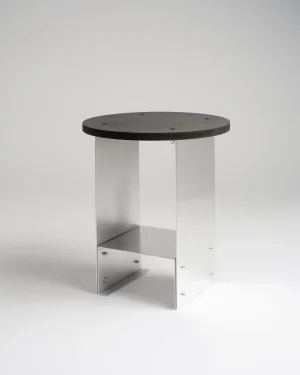
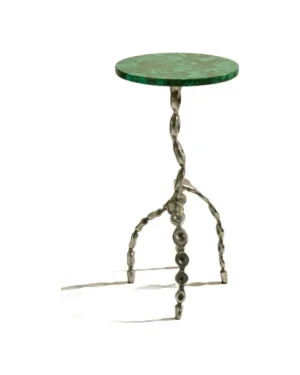
Broken Wing Stool
By Obscure Objects
€290 -

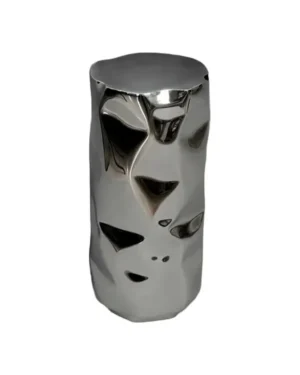
Tronco Drinks Entryway Table in Stainless Steel
By Nitush and Aroosh
€900 -
 In stock
Obsidian Entryway Table in Charred Solid Oak
By NO AGE STUDIO
€4.060 -
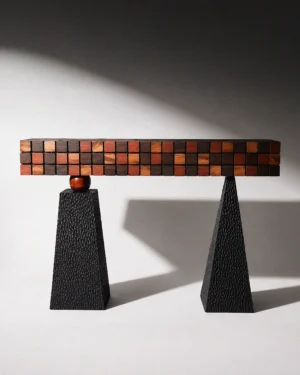
Caapora Entryway Table in Solid Brazilian Hardwood
By Estudio Leonardo Zanatta
€7.150 -

Junco Stool
By Daniel Couttolenc
€1.500 This product has multiple variants. The options may be chosen on the product page -
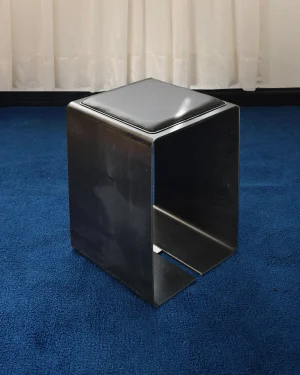
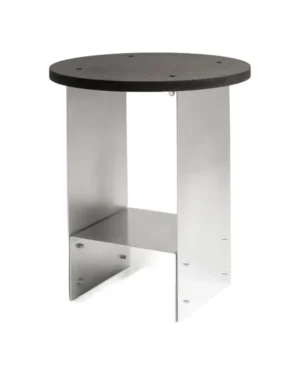
S001-10 Raw Steel Stool
By NAVE
€450 -
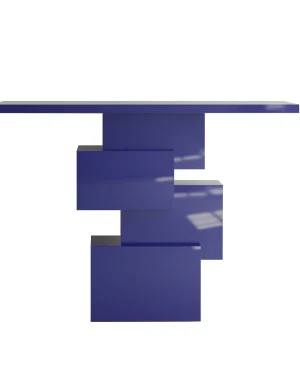
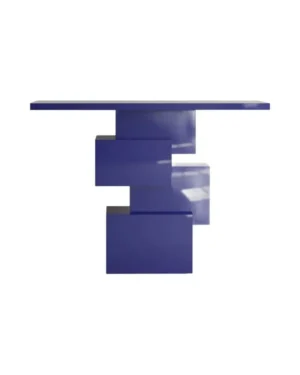
Kruz Entryway Table in Lacquered MDF
By hermhaus
€3.632 This product has multiple variants. The options may be chosen on the product page -
 In stock
Tronco Entryway Table in Hydroformed Stainless Steel
By Nitush and Aroosh
€3.000 -

Agar 02 Entryway Table in Resin, Steel and Teak
By STUDIO KALLANG
€2.900 -
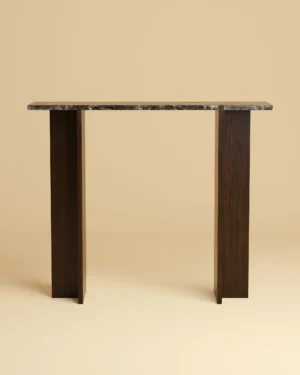
Maha Entryway Table in Emperador Dark Marble and Oak
By Lebanto
€3.500 -

Endgrain Entryway Table in Walnut
By Aaron Scott
€5.400 -

The Axis Entryway Table in Solid Oak
By COSEINCORSO
€2.980 This product has multiple variants. The options may be chosen on the product page -
 In stock
Black and White Ebony Entryway Table in Steel and Ebony
By Clemence Birot
€4.200 -

Agar 01 Entryway Table in Resin, Steel and Teak
By STUDIO KALLANG
€2.730 -
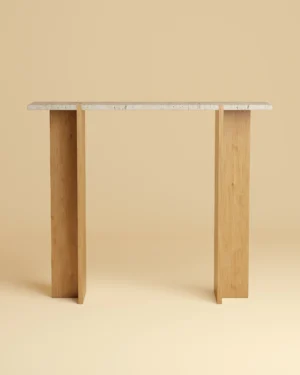
Maha Entryway Table in Roman Travertine and Oak
By Lebanto
€3.100 -
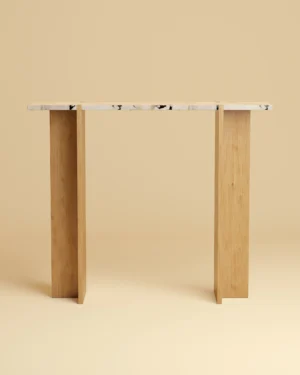
Maha Entryway Table in Calacatta Viola Marble and Oak
By Lebanto
€3.500
Minimalist entryway tables reduce the first surface a room offers to its essentials: a flat plane, a clean line of support, and a material left to speak for itself. Studios working in this register favor oak, stainless steel, stone and MDF, pared of ornament and joined with visible precision. The result is a table that holds keys and light without competing with the walls around it.
What minimalist design asks of a table
A minimalist piece is judged by what it leaves out. No applied molding, no decorative hardware, no surface pattern beyond the grain or vein the material already carries. Proportion does the work instead: a top thinned to its structural limit, legs set back from the edge, a silhouette that reads as a single gesture from across a hallway.
This discipline suits entryways because the table has one job and a narrow footprint to do it in. A console reduced to plane and support disappears into a wall more readily than one carrying trim or bulk, which matters in a space most people pass through rather than linger in.
Materials and techniques found in this range
Oak and solid oak appear most often, worked through wood and cabinetmaking or joinery that keeps joints flush and visible rather than hidden. Oak ages toward amber with light and handling, so a pale top will warm over years rather than staying fixed. Some studios char the surface using shou sugi ban, which blackens the grain and leaves it more resistant to moisture and daily wear.
Stainless steel and chrome bring a colder, more reflective register, shaped through metalwork into thin tops or box forms that read as a single folded line. Natural stone and stone slabs, cut and finished through stone carving, give a minimalist table its weight and a cool surface that marks with acid or grit if left uncovered. MDF, often painted flat black, cream or beige, offers the same reduced geometry at a lighter weight and a lower tolerance for moisture.
Finishes run from black and dark brown through cream, beige and natural wood tones, with occasional sharper notes in burgundy or violet. Most pieces in this style are made as open editions, though stone and hand-finished wood tables sometimes appear as limited editions or unique pieces, where the slab or board is inherently unrepeatable.
How to choose a minimalist entryway table
Start with the wall it will sit against. A narrow depth, generally under thirty-five centimeters, keeps the table from narrowing a hallway; a console meant for a wider foyer can take more surface without losing its minimalist proportion. Standard entryway height sits close to the level of a console lamp or a stack of mail, usually between seventy-five and ninety centimeters.
Consider finish against the traffic the piece will see. A charred or oiled oak top resists scuffing from keys and bags better than a raw pale surface, while stone demands a coaster or tray for anything damp. Stainless steel and chrome show fingerprints more readily than they show wear, so a matte finish suits a busy household better than a mirrored one.
- Match the table's tone to adjoining floors or doors rather than to furniture elsewhere in the house, since the entryway is usually seen in isolation.
- Leave clearance for a door swing or stair rail before fixing on a length.
- Choose a stone or solid wood top if the table will also serve as a drop point for heavier objects such as bowls or boxes.
Care across materials
Oak and other woods want an occasional wipe with a dry or barely damp cloth and periodic oiling if left unfinished. Stone benefits from a sealant reapplied every year or two to resist staining.
For a broader view of the style, the full range of minimalist design across categories shows how the same restraint carries into lighting and seating. Within tables specifically, the complete set of entryway tables spans more styles than this one, while wooden entryway tables and metal entryway tables narrow the choice by material alone. For pieces beyond the entryway, minimalist tables covers the wider table range in the same restrained style.
How do I choose a minimalist entryway table?
Look for a plain form, oak, stone, or steel, with no ornament beyond the material itself. Let the wall space and traffic flow decide the footprint before the finish.
What materials are minimalist entryway tables made from?
Solid oak, stainless steel, natural stone, and MDF are common, often left in one color so the surface and joinery carry the design rather than decoration.
How do I care for the material?
Wipe oak with a dry or slightly damp cloth and oil it occasionally; wipe steel and stone with a soft cloth, keeping stone sealed against staining from water or oils.
What size and height should an entryway table be?
Most stand around standard side-table height, low enough to clear light switches and tall enough to hold keys or a lamp at a glance when entering.
Which rooms suit a minimalist entryway table?
Hallways, foyers, and narrow entry walls, where a single plane and clean legs keep the passage open rather than crowding it with bulk or detail.
How does shipping, returns and authenticity work when buying from ADORNO?
Shipping is insured and worldwide, returns are accepted within 14 days except on made-to-order pieces, and each piece arrives with a certificate of authenticity.