
-
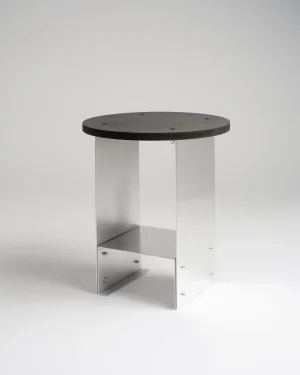
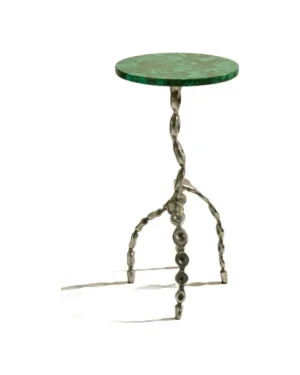
Broken Wing Stool
By Obscure Objects
€290 -
 In stock
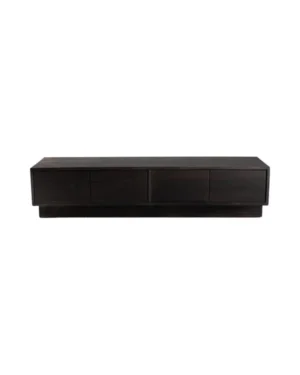
Obsidian Entryway Table in Charred Solid Oak
By NO AGE STUDIO
€4.060 -
 In stock
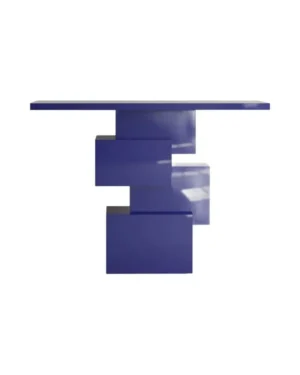
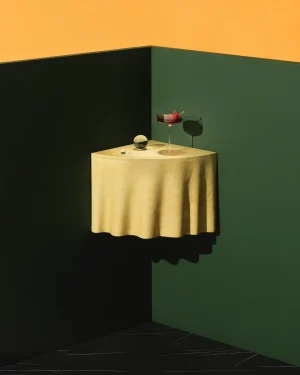
DUK x Reishi Edition Wall-Mounted Corner Table
By Studio TOOJ
€2.900 -
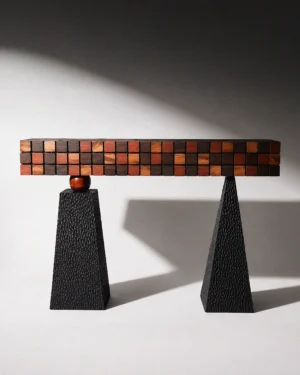
Caapora Entryway Table in Solid Brazilian Hardwood
By Estudio Leonardo Zanatta
€7.150 -

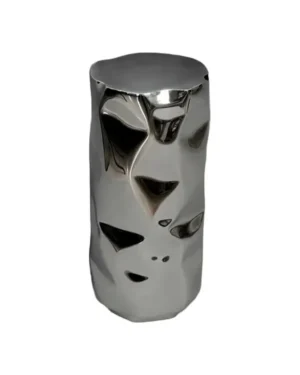
Junco Stool
By Daniel Couttolenc
€1.500 This product has multiple variants. The options may be chosen on the product page -
Kruz Entryway Table in Lacquered MDF
By hermhaus
€3.632 This product has multiple variants. The options may be chosen on the product page -

Agar 02 Entryway Table in Resin, Steel and Teak
By STUDIO KALLANG
€2.900 -
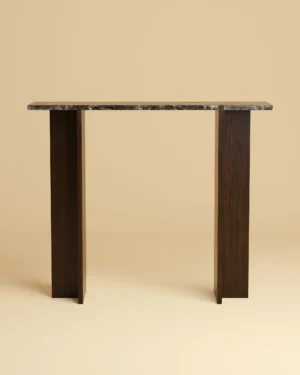
Maha Entryway Table in Emperador Dark Marble and Oak
By Lebanto
€3.500 -

Endgrain Entryway Table in Walnut
By Aaron Scott
€5.400 -

The Axis Entryway Table in Solid Oak
By COSEINCORSO
€2.980 This product has multiple variants. The options may be chosen on the product page -
 In stock
Black and White Ebony Entryway Table in Steel and Ebony
By Clemence Birot
€4.200 -

Agar 01 Entryway Table in Resin, Steel and Teak
By STUDIO KALLANG
€2.730 -
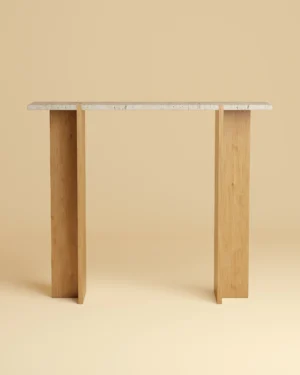
Maha Entryway Table in Roman Travertine and Oak
By Lebanto
€3.100 -
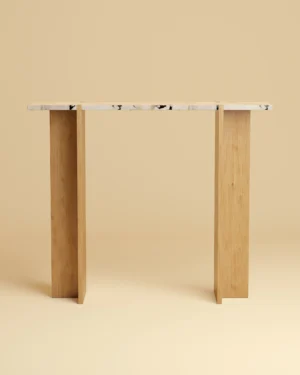
Maha Entryway Table in Calacatta Viola Marble and Oak
By Lebanto
€3.500 -
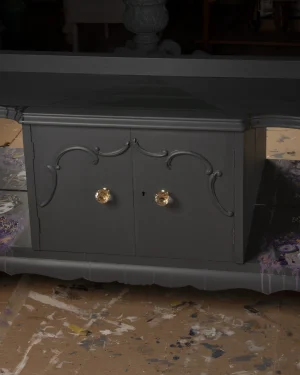
Time Queen Anne Entryway Table in Oak and Mirror
By WOODTALES by Foteini Noti
€3.800
Wooden entryway tables hold the first and last objects a household touches: keys, mail, a bowl for change, a lamp switched on at dusk. They are built by studios working in solid oak, cabinetmaking and joinery, often finished by hand to bring out grain that will darken and settle over years. The material carries the piece, structurally and visually, before any color or hardware is added.
What defines a wooden entryway table
Wood is chosen for this kind of table because it carries weight without needing a heavy frame, and because a narrow silhouette, the shape most entryways call for, still reads as solid rather than fragile. Grain runs visibly across a top cut from a single board or assembled through joinery, giving each surface a pattern no veneer repeats exactly. Species such as oak are common because they resist the daily knocks of a hallway: dropped keys, wet umbrellas, a bag set down without much care.
How the wood behaves over time
Solid oak and similar hardwoods darken slightly with light exposure and pick up a sheen where hands rest most often, on edges and drawer pulls. Open grain can show small movement across seasons as humidity shifts, which is normal and rarely affects a table's stability. Painted or charred finishes, including shou sugi ban, behave differently: the surface stays matte and the color is set into the wood rather than sitting on top of it, so it resists fading in the way a lacquer might not.
The range of wood, finish and making found here
Within wooden entryway tables, the material itself varies: some pieces pair solid oak with MDF cores for stability, others set a wood top on a stone or resin base, since studios often mix wood with natural stone, marble or cast resin to balance weight and cost. Finishes run from raw and pale to deep brown, black, cream or burgundy, depending on oil, stain or paint. Technique varies just as widely, from straightforward joinery to marquetry inlay or hand carving, and editions range from open runs to unique, one-off pieces where a studio works a single board start to finish. For pieces built on different logic entirely, metal frames and tops sit in metal entryway tables.
How to choose one
Start with scale: an entryway table should leave enough floor for a door to swing and a person to pass, so measure the width of the hall before the width of the table. Standard entry-table height sits close to hip level, low enough to set down a bag without bending far, high enough to clear a coat hook below. Consider finish against light: a pale oak brightens a dim hallway, while a charred or dark-stained top reads quieter in a space that already gets daylight.
- Measure the clear walking width, not just the wall length, before fixing a size
- Match leg style to traffic: slender turned or tapered legs suit narrow passages, broader joinery suits wider halls
- Choose a finish that can take daily contact: oiled wood wears honestly, painted wood shows marks more readily
Where it sits and how to care for it
Wood entry tables suit hallways and front entries most directly, but the same proportions work at the end of a bed, behind a sofa, or along a narrow dining wall, which is why many studios list a piece under more than one room. For broader context on scale and placement, wooden tables across other table types follow similar sizing logic.
Finding the right style
Studios working in wood tend toward restraint, letting grain and proportion carry the design rather than ornament, which is why so many pieces here read as minimalist or contemporary; for tables built specifically around that restraint, see minimalist entryway tables. For the full range of entry pieces regardless of material, the entryway tables category covers stone, resin and metal alongside wood, while every wooden piece on the platform, tables included, sits under wood as a material. Matching chairs, benches and smaller pieces in the same species can be found among wooden furniture more broadly, useful when a hallway runs into a seating area or a wider room.
How do I choose a wooden entryway table?
Look at the wood grain and joinery first, since these show quality and age well. Consider the depth against your hallway width and whether the finish suits daily use like keys and bags.
How do I care for a wooden entryway table?
Wipe with a dry or slightly damp cloth, avoid direct sun and heat sources, and apply wood oil or wax occasionally to keep the grain from drying out.
What height should an entryway table be?
Most stand between 28 and 34 inches, close to counter height, which suits setting down keys, mail or a lamp without stooping.
Which rooms suit a wooden entryway table?
Entry halls and foyers are the obvious fit, but the same table works along a narrow living room wall or behind a sofa where surface space is needed.
Can I order a custom wooden entryway table?
Some makers take custom requests in wood, size or finish. Chat with the maker on the piece's page to confirm what is possible.
What are ADORNO's shipping and return policies?
Shipping is insured and worldwide. Returns are accepted within 14 days, excluding made-to-order pieces, and every piece ships with a certificate of authenticity and a lowest-price guarantee.