
-
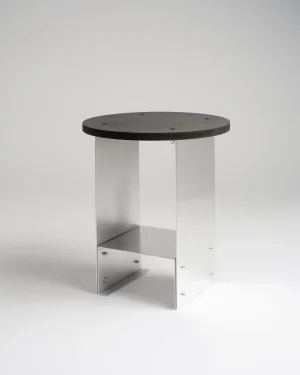
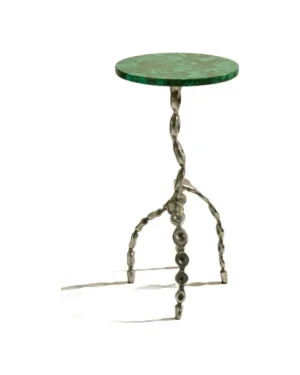
Broken Wing Stool
By Obscure Objects
€290 -

Tronco Drinks Entryway Table in Stainless Steel
By Nitush and Aroosh
€900 -
 In stock
Route 03.01 Entryway Table in Cast Aluminum and Blown Glass
By SK - Sofia Karnukaeva
€1.800 -
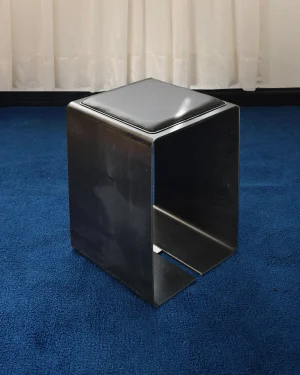
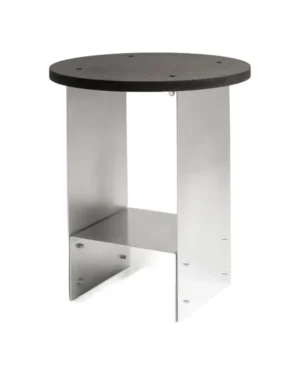
S001-10 Raw Steel Stool
By NAVE
€450 -
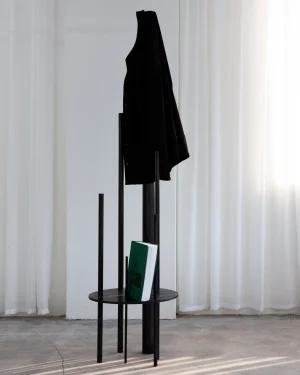
Standing Hanger Entryway Table in Black-Painted Steel
By PRACTICE
€1.135 -
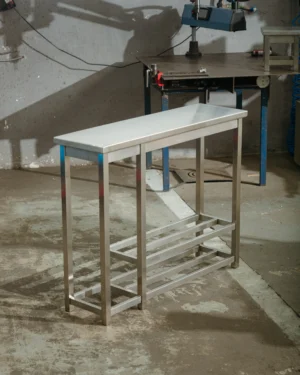
Bapho Entryway Table in Brushed Stainless Steel
By atelier PASSARELLI
€1.500 -
 In stock
Tronco Entryway Table in Hydroformed Stainless Steel
By Nitush and Aroosh
€3.000 -

Agar 02 Entryway Table in Resin, Steel and Teak
By STUDIO KALLANG
€2.900 -

Route 02.01 Entryway Table in Cast Aluminum
By SK - Sofia Karnukaeva
€1.800 -
 In stock
Route 01.01 Entryway Table in Cast Aluminum
By SK - Sofia Karnukaeva
€2.000 -
 In stock
Route 01.03 Entryway Table in Cast Aluminum
By SK - Sofia Karnukaeva
€2.000 -

Rani Entryway Table in Cast Aluminum and Resin
By Nama Home
€6.930 -

Agar 01 Entryway Table in Resin, Steel and Teak
By STUDIO KALLANG
€2.730 -
 In stock
Route 01.02 Entryway Table in Cast Aluminum
By SK - Sofia Karnukaeva
€2.000 -
 In stock
Kahn Trolley Entryway Table in Polished Stainless Steel
By Kari Kadak
€10.200 -
 Sold
Barbell Entryway Table in Cast Aluminum and Glass
By Nama Home
€2.725 This product has multiple variants. The options may be chosen on the product page -

Bellance Marmol Entryway Table in Cast Bronze and Marble
By Costantini Design
€3.250 This product has multiple variants. The options may be chosen on the product page -

Bellance Entryway Table in Cast Bronze and Glass
By Costantini Design
€3.250
Metal entryway tables are built from sheet, bar and cast stock worked into legs, frames and tops that hold their line without bulk. Studios shape stainless steel, aluminum, chrome-plated steel, bronze and cast aluminum through welding, metal casting, lost-wax casting and laser cutting, sometimes pairing the metal with teak, resin or glass for a top or a shelf. The result is a table that carries keys, mail and a lamp on a footprint thin enough for a narrow hall.
What defines a metal entryway table
Metal lets a table stand on legs far slimmer than wood or stone would allow, so the piece reads as line and shadow rather than mass. Welded steel and aluminum frames stay rigid under daily use, lifting coats, bags and bowls off a surface without flexing. Cast and lost-wax cast bases bring a heavier, sculptural presence, closer to an object than a stand.
Finish does much of the talking. Black and bronze patinas sit quietly against most walls, chrome catches light in a dim hall, gold-toned plating reads as a smaller, warmer accent. Where resin or glass is cast or blown into a top, the metal frame stays the structural part and the surface above it carries color or transparency.
Styles, finishes and editions
The range runs from contemporary and minimalist frames pared down to a few bars or rods, through neo-industrial pieces that leave weld lines visible, to art deco and space age shapes that curve chrome or steel into fuller volumes. Futuristic and radical designs push the material further, bending or cutting it into forms with no direct precedent in wood furniture. Some pieces are laser cut into pattern or perforation rather than left plain.
- Finishes: black, bronze, gold, chrome, transparent tops in resin or glass
- Techniques: metalwork, welding, metal casting, lost-wax casting, laser cutting, sometimes combined with wood and cabinetmaking
- Editions: open editions alongside limited editions and unique pieces, depending on the studio and the casting or welding method used
Choosing scale, height and placement
An entryway table is usually set at a height close to hip level, low enough to set a bag down without bending far, high enough to clear a bench or chair beside it. Measure the hall before the table: a narrow corridor calls for a shallow top, thirty centimeters deep or less, where a wider foyer can carry a deeper or rounder shape.
Legs matter as much as the top in a tight space. A frame with four thin legs or a single cast base reads lighter against a wall than a boxy understructure, and leaves room to pass. Match the finish to what already sits nearby, a darker patina against stone or tile, a polished or chromed finish where the hall is otherwise plain.
Where these tables work
Beyond the front door, the same slim metal frames suit a hallway run, the end of a corridor, or a spot behind a sofa where a wood or stone table would feel heavier. Pieces with a cast or sculptural base can stand alone as a console, with no need for a chair or stool nearby.
Caring for a metal surface
Stainless steel and chrome need only a wipe with a dry or lightly damp cloth to stay bright; abrasive cleaners dull the finish over time. Bronze and untreated steel develop a patina with handling and air, which most studios leave as part of the piece rather than something to polish out. Keep metal tables away from standing water and road salt near entry points, since both encourage corrosion on exposed edges and welds.
For a broader view of the material, every metal piece on ADORNO sits alongside these tables, and the wider entryway table range shows how metal compares with other materials at the door. Those drawn to a lighter frame can compare the minimalist entryway tables or the modern entryway tables, while anyone set on grain over metal can look through the wooden entryway tables instead. For the material across other rooms, the full metal pieces on ADORNO page and the related metal furniture group both extend past tables alone.
How do I choose a metal entryway table?
Consider the metal's finish and weight against the scale of the entryway, then think about what the table will hold daily, keys, mail, a lamp, since steel and aluminum pieces vary in load capacity and surface hardness.
How do you care for a metal entryway table?
Wipe with a dry or slightly damp cloth, avoid harsh chemicals that strip protective coatings, and dry promptly if the piece gets wet to prevent rust on steel or iron surfaces.
What height and size should an entryway table be?
Most entryway tables stand between 28 and 34 inches tall, close to counter height, with widths narrow enough to leave walking space in a hallway or foyer.
Will a metal entryway table suit a small hallway?
Yes, metal frames tend to read lighter than solid wood, especially in open or wireframe designs, which keeps a narrow hallway from feeling crowded.
Does ADORNO ship metal entryway tables worldwide?
Yes, shipping is insured and arranged worldwide, and every table arrives with a certificate of authenticity.
Can I return a metal entryway table if it doesn't fit?
Yes, there is a 14-day return policy, though made-to-order pieces are excluded. For questions on a specific table, chat with the maker on the piece's page.