
-
 In stock
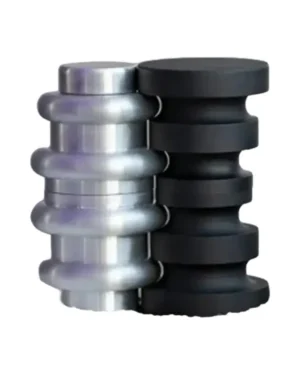
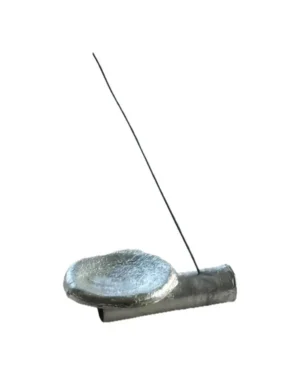
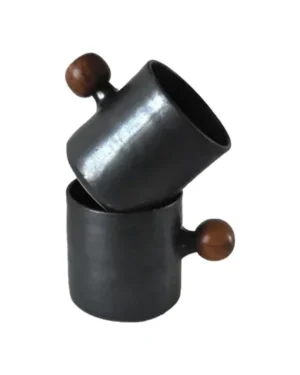
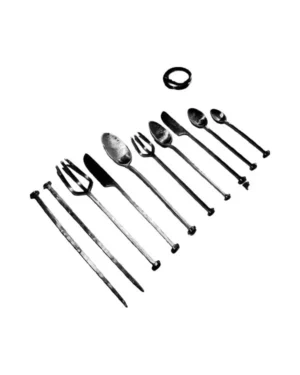
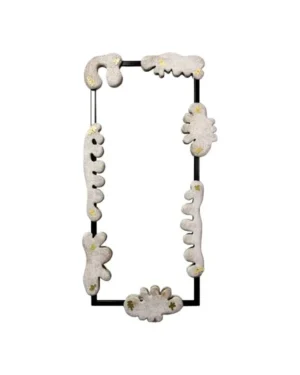
“a Shallow And Salty Ocean” Carafe & Shot Cup Set
By Craig Barrow
€378 This product has multiple variants. The options may be chosen on the product page -
 In stock
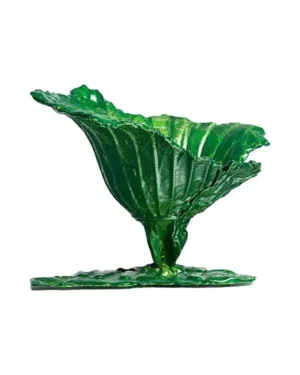
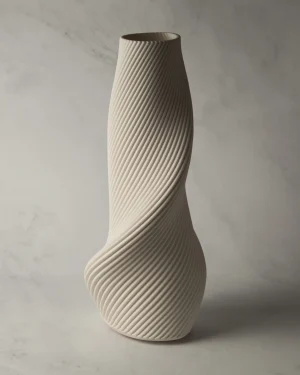
Tornado – 0 0 0 1 – Ceramic Vase 3d Printed
By Yiannis Vogdanis
€420 -
 In stock
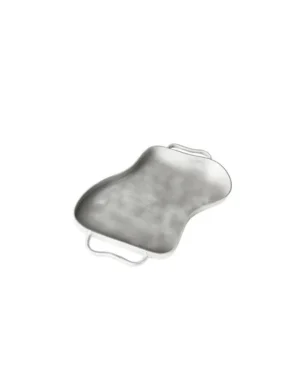
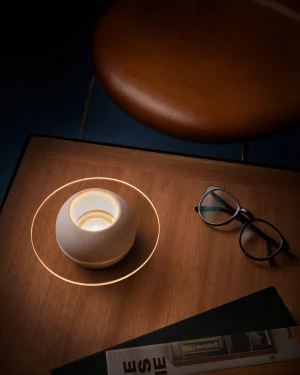
Sfär – Glass & Porcelain Tealight Candle Holder
By Jochen Lavéno Mangelsdorff Studio & Objects
€160 This product has multiple variants. The options may be chosen on the product page -

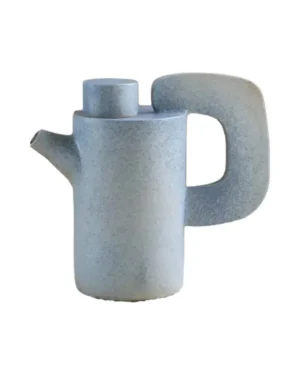
Tzom – Solid Stone Planter
By piedrafuego
€311 This product has multiple variants. The options may be chosen on the product page -

Lago Short Vessel
By Studio Ayres
€820 -

“dias En Vela” Candleholders
By Popdots Studio
€550 -
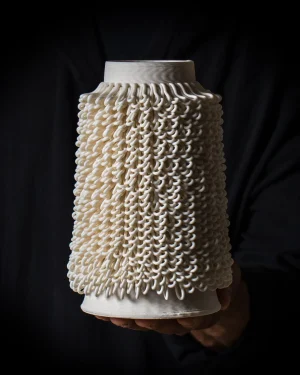
Dash – 0 1 1 1 – Ceramic Vase 3d Printed
By Yiannis Vogdanis
€280 -
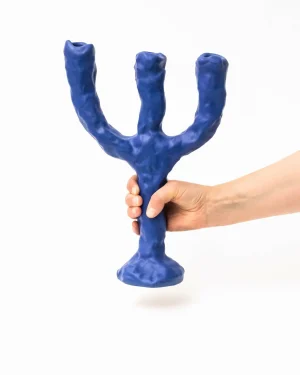
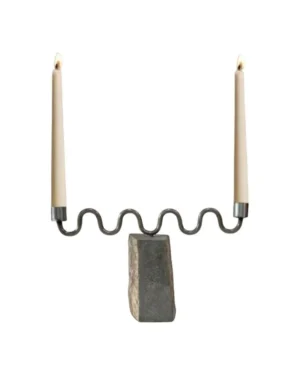
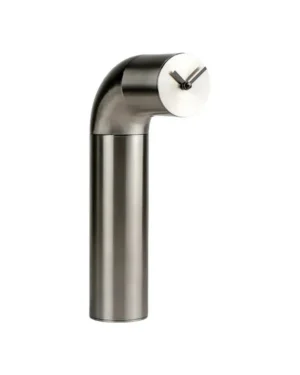
Minute – Candle Holder
By Studio Flétta
€320 This product has multiple variants. The options may be chosen on the product page -
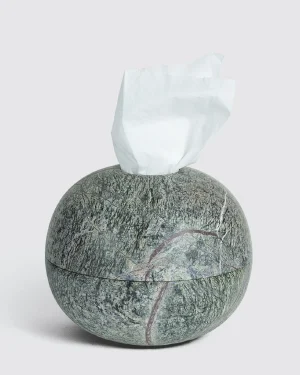
Ovoid Keeper – Tissue Paper Holder
By WANNAS
€330 - €430 This product has multiple variants. The options may be chosen on the product page -
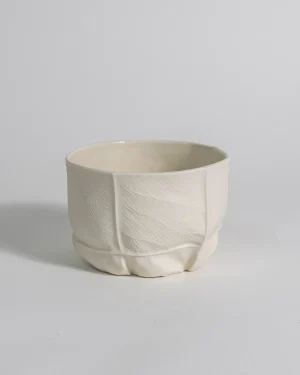 In stock
Kawa Matchawan – Limited Edition Leather-cast Porcelain Tea Bowl
By Luft Tanaka Studio
€300 -
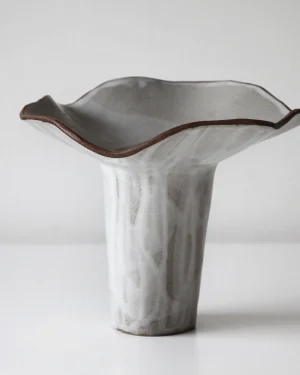 In stock
Floral Study I: White Bloom
By Elena Yakimushkina
€350 -

“Revolve” – No. S6 (no. 01/05)
By Flensted Mouritzen
€588 -
 In stock
“a Shallow And Salty Ocean” Porcelain Carafe
By Craig Barrow
€235 This product has multiple variants. The options may be chosen on the product page -
 In stock
A Shallow And Salty Ocean – Shot Cups
By Craig Barrow
€71 This product has multiple variants. The options may be chosen on the product page -
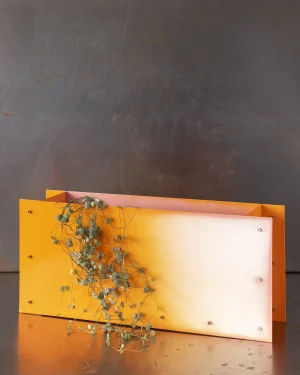 In stock
Iron And Steel Life Cabin Vase C
By TUNK I Busra Tunc
€180 -
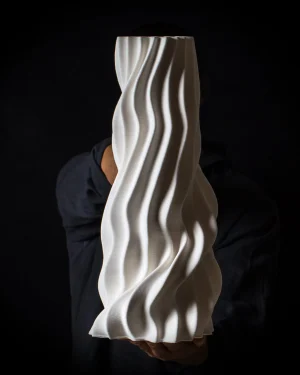 In stock
Tornado – 0 0 1 1 – Ceramic Vase 3d Printed
By Yiannis Vogdanis
€600 -
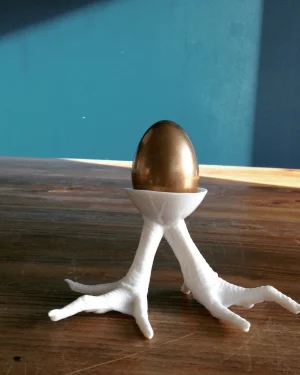 In stock
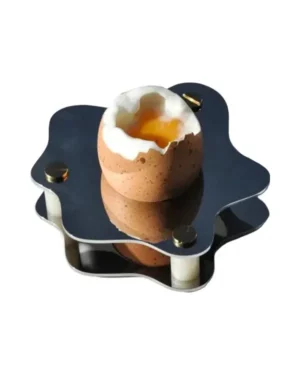
Coque En Paté – Porcelain Egg Cup
By Volokhova Porcelain
€64 -

The Drago Bianco Italian Vase
By COSEINCORSO
€538 -
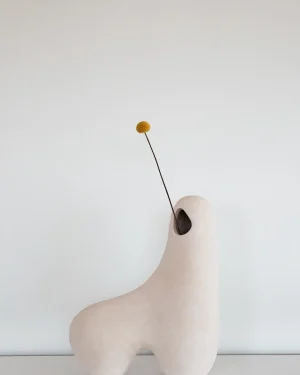
HĒrd 02 Ceramic Vase
By Andrei Clontea STUDIO
€250 -
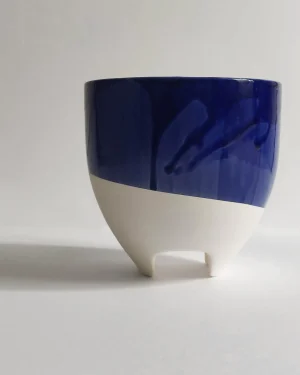 In stock
Geta – Porcelain Pot
By Clemence Birot
€110 -
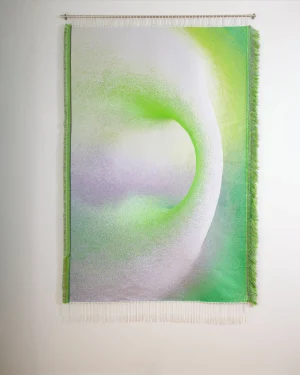
Light Mode 280 — Modern Foliage | Jacquard Woven Tapestry
By Lucas Gutierrez Studio
€5.850 -
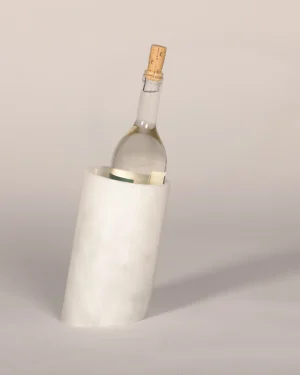 In stock
Botella – White Marble Bottle Holder
By Studio Mohs
€235 -

Distressed Sandstone Vessel No.4
By Alex Roby Design
€820 -

Distressed Ivory Ikebana Vessel No.5
By Alex Roby Design
€720 -
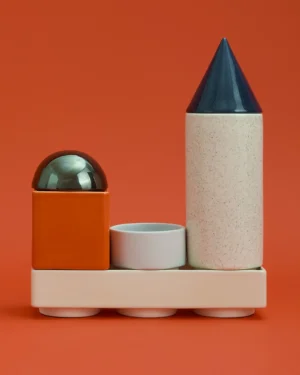 In stock
Knstrkt Set Of 6 – Stackable Earthenware
By STUDIO BERG
€155 -
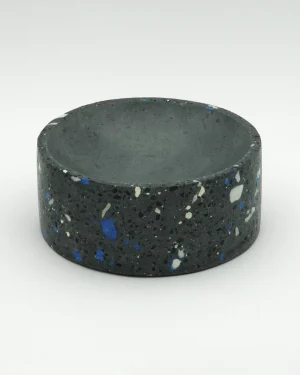 In stock
Escudela 01 – Medium Terrazzo Bowl
By Pierre Klein
€150 This product has multiple variants. The options may be chosen on the product page -

Sontsehryv – Clay Sculpture
By FAINA
€620 -
 In stock
Floral Stoneware Vase
By Hania Jneid Design Studio
€450 - €550 This product has multiple variants. The options may be chosen on the product page -
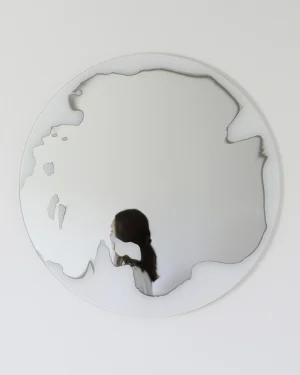
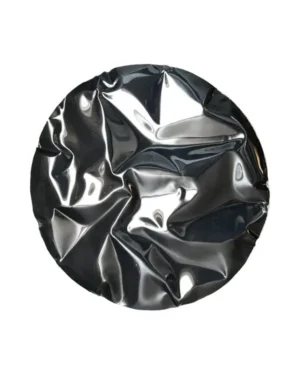
Float Mirror White – Liquid Silver / Glass
By Studio Speculo
€370 -
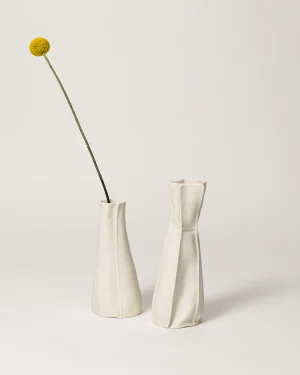
Pair of White Ceramic Kawa Vases
By Luft Tanaka Studio
€490 -
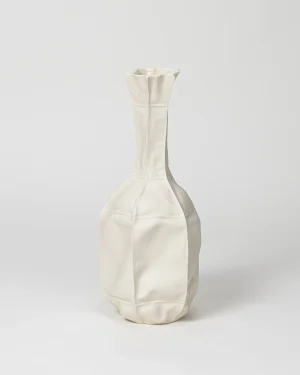
Organic White Ceramic Kawa Vase #12
By Luft Tanaka Studio
€1.075 -
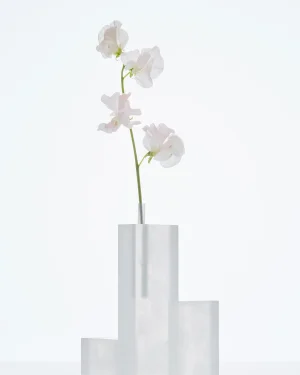
Opaque Weight – Vase 3p
By Sangwoo Son
€300 This product has multiple variants. The options may be chosen on the product page -
 In stock
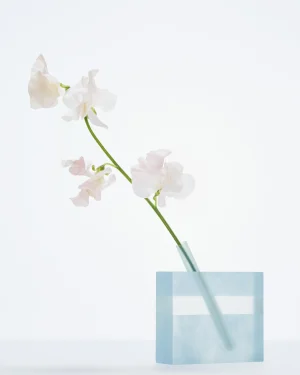
Opaque Weight – Vase 1p
By Sangwoo Son
€200 This product has multiple variants. The options may be chosen on the product page -
 In stock
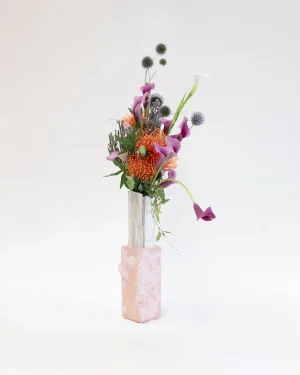
Pintrapòts – Stoneware Vase
By Pierre Klein
€380 -
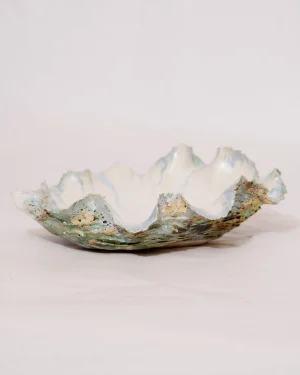
Oyster Shell – Medium
By Sugoi Studio
€217 -
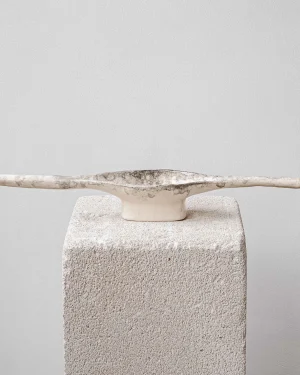
Dyka Ceramic Drinking Bowl Bowl
By ZEMNA
€230 -
 In stock
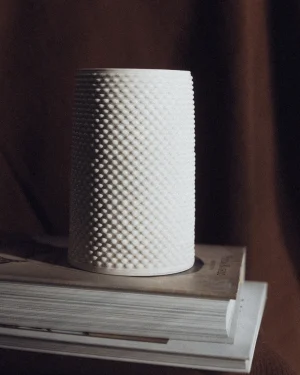
Knit – 3d Printed Porcelain Vase
By LYT Studio
€150 -
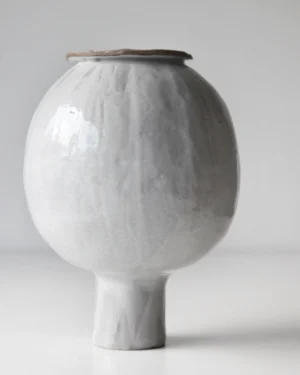
Floral Study I I I: White Rosehip – Vase
By Elena Yakimushkina
€420 -

Small Wall Mirror – Plaster Of Paris
By Sacha Parent & Valentine Tiraboschi
€160 -
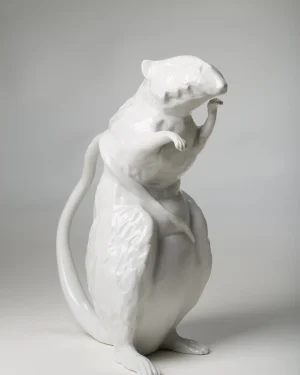 In stock
The Rat – Porcelain Object
By Volokhova Porcelain
€460 -

Phondo Mirror
By TheUrbanative
€1.400 -

Desca 01 – Plaster Vessel
By Pierre Klein
€520 This product has multiple variants. The options may be chosen on the product page -
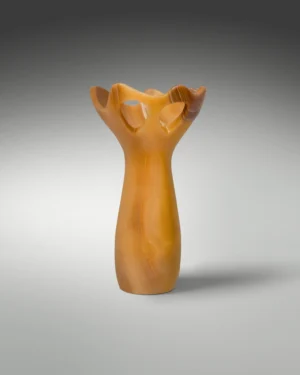
Lava Vase By Ayres Studio
By Studio Ayres
€665 This product has multiple variants. The options may be chosen on the product page -
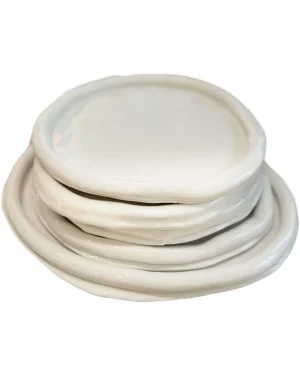 In stock
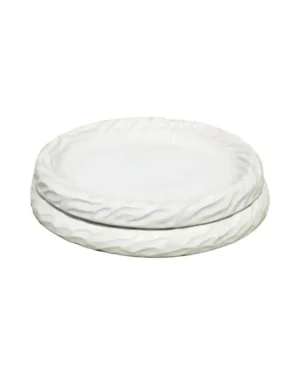
White Porcelain Dinner Plate
By Hania Jneid Design Studio
€75 -
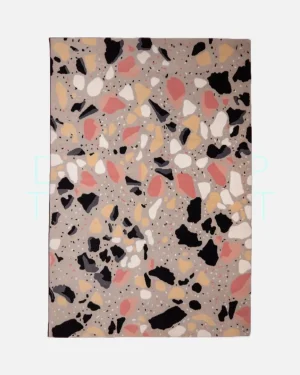 In stock
“Venezia” Hand-Knotted Tibetan Wool Rug
By Sergio Mannino
€3.700 -
 In stock
La Celebración Mirror
By Joyful Objects, Yes!
€6.000 This product has multiple variants. The options may be chosen on the product page -
 In stock
Burning Mirror – Melting Collection | Sculptural Mirror In Burned Wood And White Marble
By Gábor Góbi
€24.390 -

“Expressive Experimenter”
By AaltoAalto Studio
€600 -
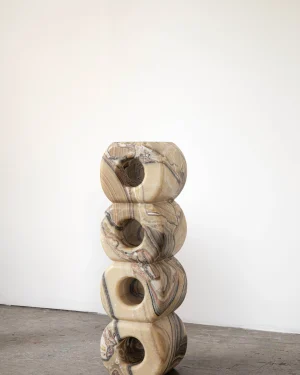 In stock
Roma Stone Totem
By Studio Ayres
€2.348 -
 In stock
Ossuaire Vase in Bio Plastic
By Errance.
€320 -
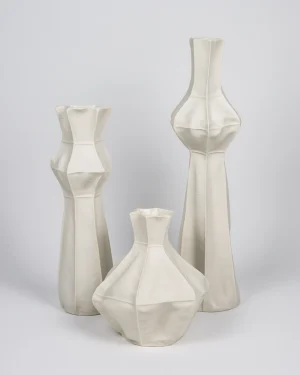
Set No. 1 Of 3 Kawa Vases – Organic Leather-cast Ceramics
By Luft Tanaka Studio
€2.550 -
 In stock
“ignorance Is Bliss” Round Plate
By Agne Kucerenkaite
€66 -
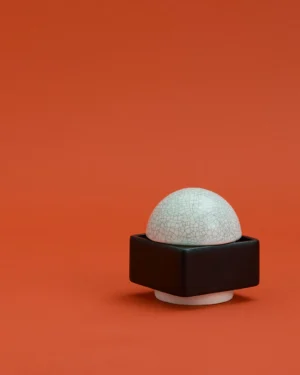 In stock
Knstrkt Set Of 2 – Stackable Earthenware
By STUDIO BERG
€40 -
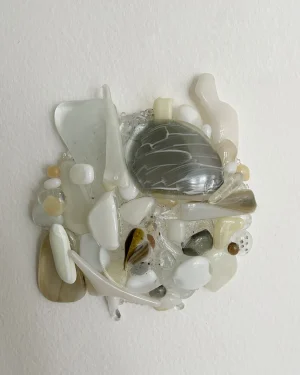 In stock
Encompassed – Fused Glass Wall Decor
By Meagan Cignoli Studio
€682
White accessories gather the palest work on ADORNO: porcelain bowls, carved marble trays, glazed stoneware vessels and cold-worked glass objects, each one made by an independent studio working in white, off-white or chalky neutral tones. What unites them is less a single material than a shared restraint, surfaces left plain or barely glazed so that form, light and shadow carry the piece. Some are hand-built or slip cast in open runs, others are stone-carved or 3D-printed as unique pieces or limited editions.
What defines white in accessories
White is rarely flat. Porcelain fires to a cool, faintly blue-gray white; stoneware glazes often settle into a warmer, slightly uneven tone; marble carries veining that reads as soft gray or beige against its pale ground. Glass, when cold worked, scatters light rather than reflecting it, giving a milky, frosted white that differs piece to piece. None of this is a flaw. It is the behavior of natural and fired materials, and it means two white accessories, even from the same studio, are rarely identical.
Materials, finishes and techniques found here
The range on ADORNO moves across several ways of making white objects. Porcelain and ceramic pieces are hand-built, slip cast or glazed, giving either a matte, chalky skin or a glassy, light-catching surface. Marble and stone pieces are carved and polished, their weight and coolness to the touch part of the appeal. Glass objects are shaped through cold working, which grinds and polishes rather than melts the form, producing crisp edges against soft, diffused color. Editions vary: some studios work in open runs, others produce unique pieces or small limited editions, so a glaze or a cut may not repeat.
How to choose a white accessory
Scale matters more with pale objects than dark ones, since white reads as volume before it reads as detail. A small porcelain bowl can disappear on a large table, while an oversized marble vessel can dominate a narrow shelf. Consider finish alongside form: a matte glaze absorbs light and sits quietly, while a glossy or polished surface throws reflections and draws the eye.
- On a dining table, white tableware keeps a surface visually calm against patterned linens or darker wood.
- On a shelf or console, a single carved or cast object reads as sculpture rather than clutter.
- Near a window, glass and glazed porcelain pick up changing daylight through the day.
Placement follows the same logic as scale. Group a few white pieces of different heights and materials, stone beside porcelain beside glass, and the room gains quiet contrast without introducing color. Paired with ceramic accessories in warmer glazes, white objects act as a resting point between busier forms.
Rooms and placement
White accessories suit rooms that already lean toward light and openness: a white or pale-walled living room, a kitchen with stone counters, a bathroom with simple fittings. They also work as a counterweight in a darker room, where a single pale bowl or vase stands out precisely because it breaks the palette. For dining spaces, see white tableware, and for shelving and side tables, white decor covers objects built for display rather than use.
Care
Porcelain and glazed stoneware wipe clean with a damp cloth; unglazed or matte surfaces mark more easily and should avoid oil or colored liquids sitting too long. Marble and stone stain when exposed to acid or wine, so coasters and trays are worth using underneath. Glass only needs a soft cloth, since cold-worked surfaces can dull if cleaned with abrasive pads. For the full range of pale and neutral work across every category, see every white piece on ADORNO, or step back to all accessories to compare materials and colors side by side.
How do I choose a white accessory for my home?
Start with the material and finish, since matte porcelain, glazed stoneware and polished marble all read differently in light. Let the surface and form answer a specific need, a bowl, a vase or an object to anchor a shelf.
What are white accessories usually made of, and how do I care for them?
Most are porcelain, stoneware or ceramic, with some marble, stone and glass, shaped by hand-building, slip casting, glazing or stone carving. Wipe with a soft, damp cloth, avoid harsh chemicals, and keep marble sealed and away from acidic liquids to prevent staining.
What size white accessory should I choose for a shelf or table?
Measure the surface first, then leave breathing room around the piece rather than filling the space edge to edge. Smaller objects group well in odd numbers, while a single larger piece can carry a console or table on its own.
Which rooms suit white accessories best?
White works in any room where light matters, from a bright kitchen counter to a bedroom shelf or a quiet console in an entryway. Its neutrality lets texture and form, not color, do the work.
Are these white accessories handmade or produced in limited runs?
Many are shaped through hand-building, glazing, slip casting or stone carving, and some come as unique pieces or limited editions. Details on technique and edition size vary by maker, so chat with the maker on the piece's page to confirm.
How does shipping, returns and authenticity work when buying from ADORNO?
Shipping is insured and worldwide, with a 14-day return policy excluding made-to-order pieces. Every piece comes with a certificate of authenticity, and ADORNO offers a lowest-price guarantee.