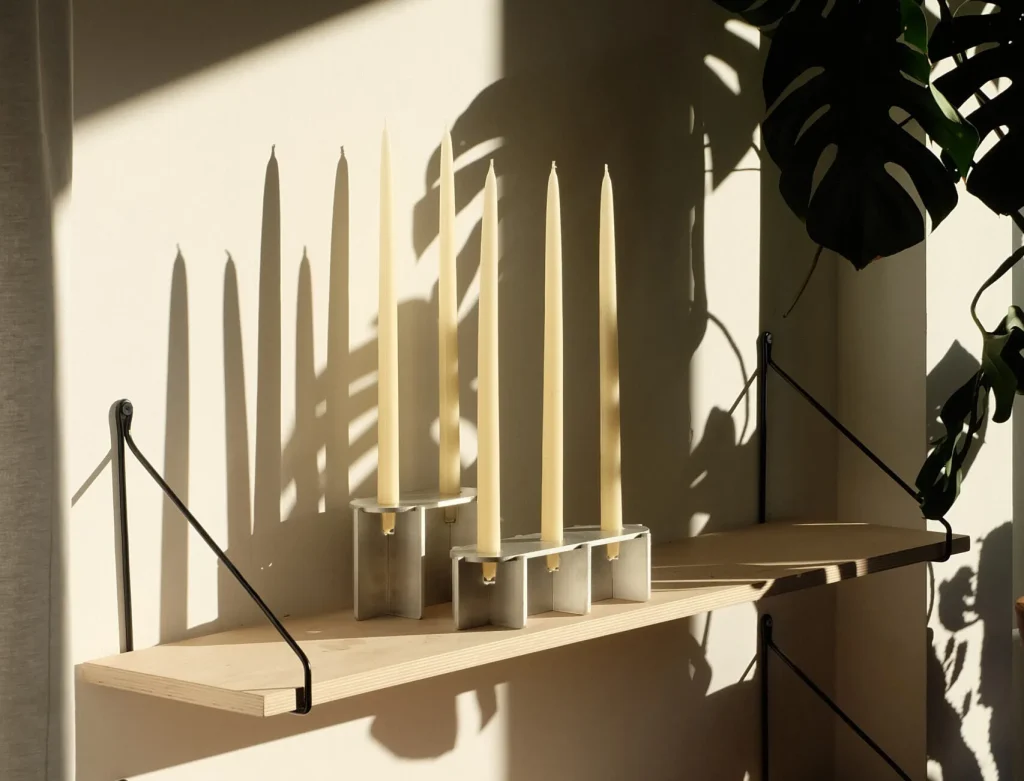

-
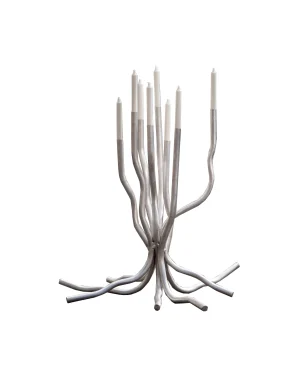
Contemporary Vanity Aluminum Candelabra
By Six Dots Design
€565 -

Small Aluminum Candelabra
By Six Dots Design
€250 -
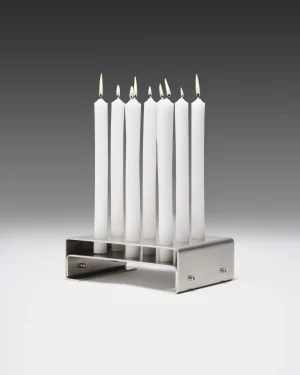 In stock
Burning Wing Candleholder
By Obscure Objects
€122 -
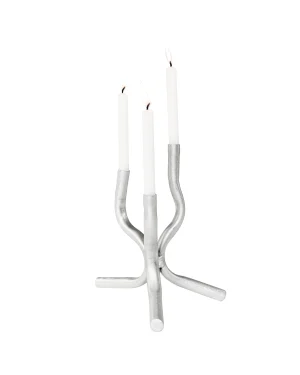
Mini Aluminium Candelabra
By Six Dots Design
€138 -
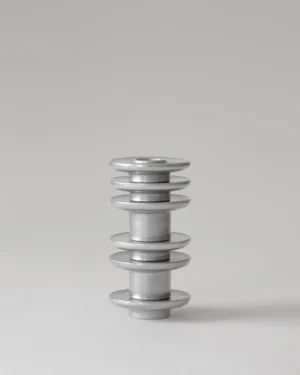
Raya Tealight Candle Holder
By Stem
€375 -
 In stock
Candleholder 01.03 ´route´
By SK - Sofia Karnukaeva
€750 -
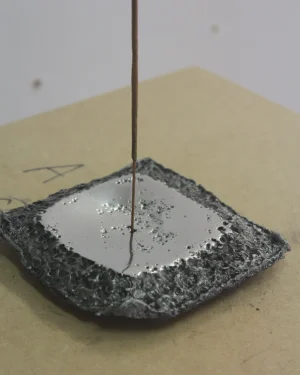
Melancholy – Incense Burner – Aluminium
By Saturday Yard Work
€133 -
 In stock
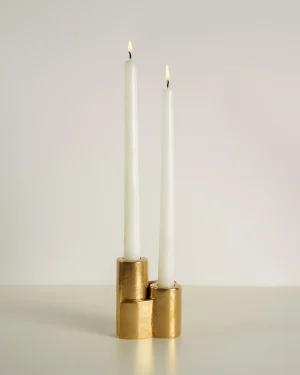
Snug Candle Holder
By Stem
€110 - €195 This product has multiple variants. The options may be chosen on the product page -
 In stock
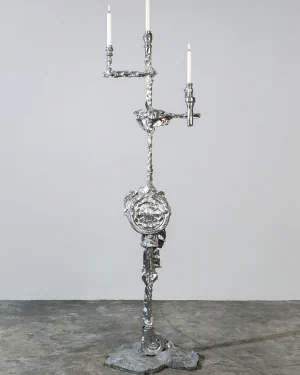
Vilnius Wastewater – Aluminum Candleholder
By Vilius Dringelis
€4.500 -
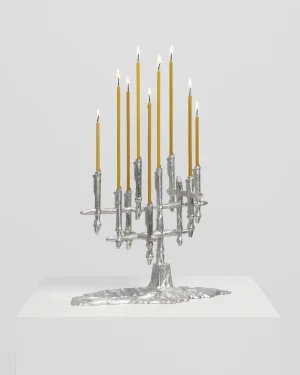
Dinner In Brussels – Aluminum Candelabra
By Vilius Dringelis
€1.900 -

Quebramar – Candleholder
By Giácomo Tomazzi Studio
€175 - €195 This product has multiple variants. The options may be chosen on the product page -
 In stock
Endstütze Candleholder – Aluminium
By Julius Esser
€150 -
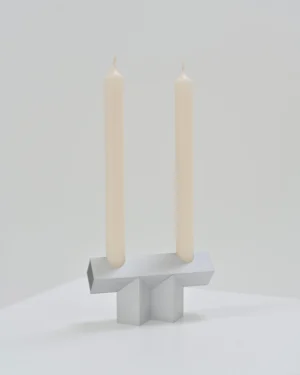
Sculpture Aluminum Candleholder
By NOSTUDIO
€145 -

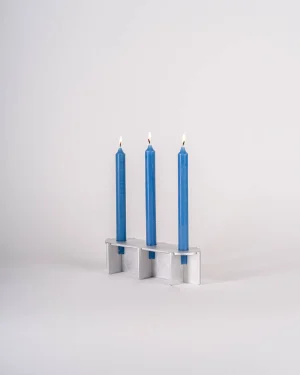
Candleholder 02.01 ´route´
By SK - Sofia Karnukaeva
€900 -
 In stock
Titanos Iii – Polished Aluminum Three Candle Holder
By Hasik Design Studio
€225 -
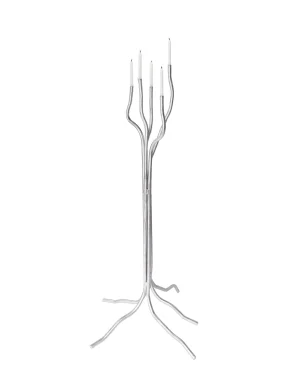
Tall Aluminium Candelabra
By Six Dots Design
€800 -
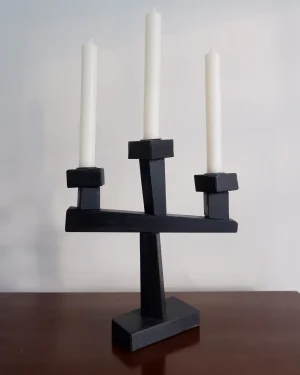
Cubist Candelabra, Black Ebonized Oak
By Josh Page Studio
€173 -
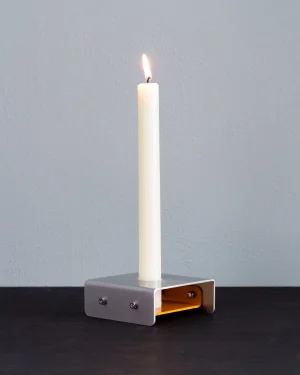
Core Candle Holder
By Lisanne Meester
€50 This product has multiple variants. The options may be chosen on the product page -

The Ember Tray
By COSEINCORSO
€490 -

Sandcast Candleholder
By Six Dots Design
€31 - €72 This product has multiple variants. The options may be chosen on the product page -
 In stock
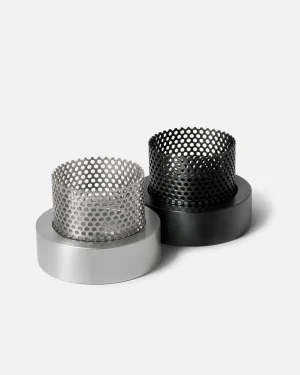
Perform – Candle Holder In Aluminium And Steel
By Jochen Lavéno Mangelsdorff Studio & Objects
€100 This product has multiple variants. The options may be chosen on the product page -
 In stock
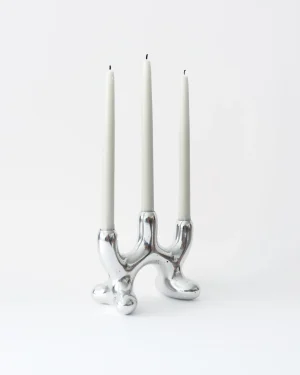
Fl-amy 3.4 – Aluminum Candle Holder
By Studio Speculo
€240 -
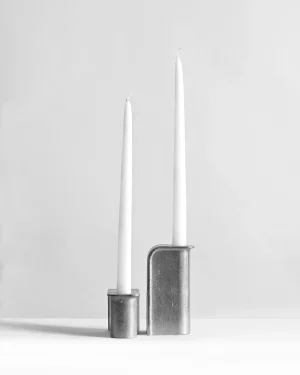
Eave – Candle Holder
By Stem
€160 -
 In stock
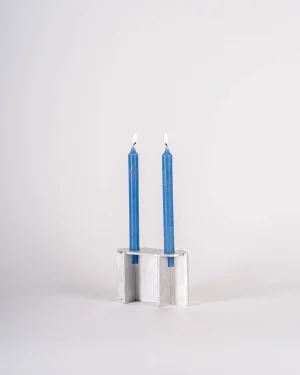
Titanos Ii – Polished Aluminum Two Candle Holder
By Hasik Design Studio
€200 -
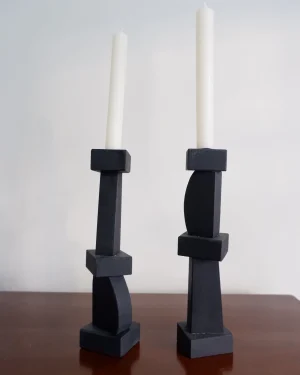
Cubist Candleholder Set, Ebonized Oak
By Josh Page Studio
€139 -

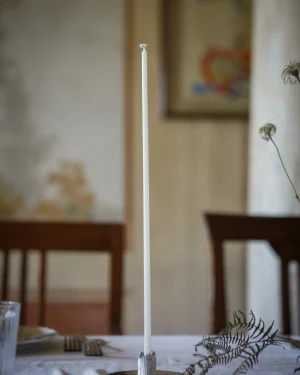
Candelabrum, Objects Of Service
By Haritini Gritzali
Price Upon Request -
 In stock
Aluminum Candelabra
By Atelier Nuanda
€110
Aluminum candleholders are shaped from a metal prized for being light in the hand and resistant to rust, cast or pressed into forms that range from a single slender stem to a low, sculptural base. Studios working in aluminum choose it for how readily it takes a mold, a polish, or a color coat, letting one material carry very different silhouettes. The result sits closer to small-scale sculpture than to a simple holder for a candle.
What aluminum brings to a candleholder
Aluminum forms a thin oxide layer on contact with air, which is what keeps it from corroding the way untreated steel or iron will over time. This makes it suited to pieces that stay out on a table or sideboard year round, through handling and the occasional wax drip. Cast aluminum carries weight at the base while remaining easy to lift, and polished surfaces throw back light rather than absorbing it the way darker metal candleholders tend to.
Because the metal is soft enough to cut and finish without excessive force, aluminum candleholders can combine two main ways of making: sand casting and metal casting for the body, hand assembly or laser cutting for base plates, pins, and other small components. Some studios leave the metal raw and matte, others polish it to a near mirror, and others again seal it under a powder-coated color.
Finishes, colors, and editions
Across aluminum pieces found on ADORNO, the material shows up as cast aluminum, polished aluminum, and plain aluminum, often alongside stainless steel and, less commonly, recycled metal reworked into new forms. Color ranges from bare silver and deep black through bronze tones to brighter finishes in light yellow, lilac, orange, and royal blue, each applied as a coat over the metal rather than mixed into it.
Styles span minimalist candleholders reduced to a stem and a cup, neo-industrial pieces that leave tooling marks visible, and more eclectic or radical shapes that treat the object as sculpture first and function second. Production runs vary too: open editions sit alongside limited editions and unique pieces, depending on how a given studio chooses to work.
Choosing a piece by scale and placement
Height and footprint matter more than they first appear to. A tall, narrow stand draws the eye upward and works well alone on a console or mantel, while a low, wide base sits more comfortably in a group at the center of a dining table, where it needs to clear sightlines across place settings.
Finish affects how a piece reads in a room as much as its shape does. Polished aluminum picks up and bounces surrounding light and candle flame alike, useful where a room runs dark or gets little daylight; a matte or black finish recedes and lets the flame do the work instead. Match the base's diameter to the candle you intend to burn, since tapers, pillars, and votives call for different cups or spikes.
Where aluminum candleholders sit in a room
Dining tables and sideboards are the most common settings, but aluminum's resistance to humidity also suits bathrooms and kitchens, where brass or iron would eventually dull or spot. Paired pieces anchor a mantelpiece; a single sculptural stand can hold its own on a console or low shelf. For rooms already built around aluminum lighting or other pieces in the same metal, a candleholder keeps the palette consistent without repeating a single finish exactly. For a broader sense of scale and form before narrowing by material, the full range of candleholders is worth a look.
Caring for aluminum
Aluminum does not rust, but it can scratch and will show fingerprints on a polished surface. Wipe pieces with a soft, dry cloth and remove wax drips once they have hardened rather than scraping while still warm. Avoid abrasive cleaners or steel wool on polished or colored finishes, since both will cut through a coating and dull the metal underneath.
How do I choose an aluminum candleholder?
Consider the finish first: cast or sand-cast surfaces read textured and matte, while polished aluminum stays bright and reflective. Match that finish and the silhouette to the room, since aluminum reads equally well in minimalist and neo-industrial settings.
Does aluminum tarnish or need special care?
Aluminum resists rust and reacts slowly to air, developing a faint, even dullness over years rather than spots. Wipe with a soft, dry cloth; polished pieces benefit from an occasional metal polish to keep their shine.
What size candleholder should I get?
Height depends on the candle and the setting: low holders sit close to a table and suit everyday dining, while taller forms anchor a console or mantel and draw the eye upward.
Which rooms suit aluminum candleholders?
Their cool, light-catching surface suits dining tables, entryway consoles and mantels alike, and pairs easily with wood, stone or glass without competing with other materials in the room.
Is aluminum heavy or fragile?
Aluminum is notably light for a metal, easy to move or reposition, yet sturdy enough to carry weight at the base and resist tipping once a candle is set in place.
How does shipping, returns and authenticity work on ADORNO?
Shipping is insured and sent worldwide. Returns are accepted within 14 days, except made-to-order pieces, and each order includes a certificate of authenticity along with a lowest-price guarantee.