

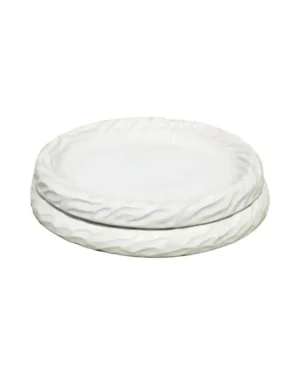
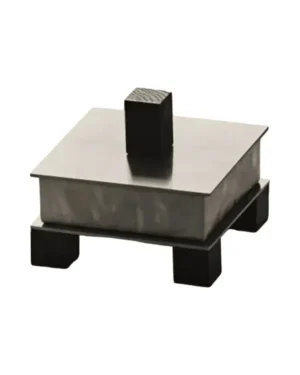
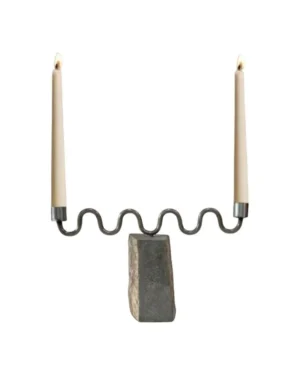
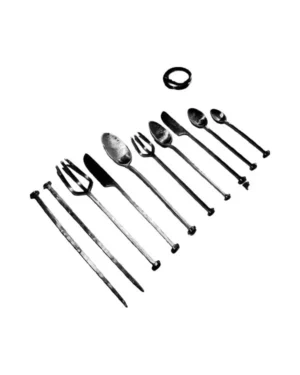
-
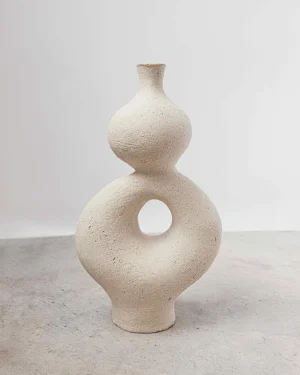
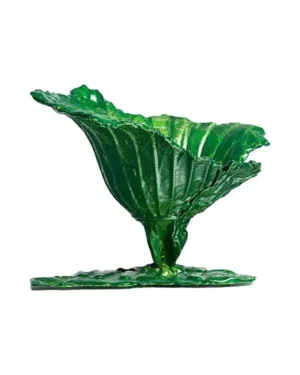
Ava Flora – Stoneware Vessel
By Lucia Mondadori
€543 -
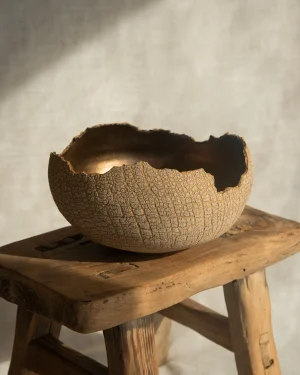
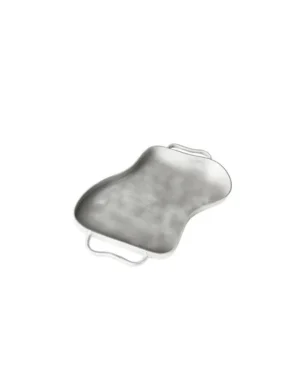
Distressed Sandstone Ikebana Vessel No.1
By Alex Roby Design
€488 -
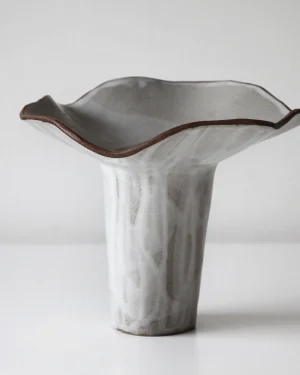 In stock
Floral Study I: White Bloom
By Elena Yakimushkina
€350 -

Stoneware Vessel “p-165”
By Moïo Studio
€145 -

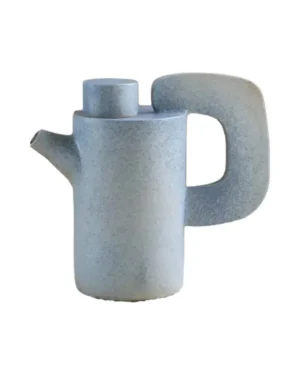
Silent Teapot
By Erin Turkoglu
€130 -
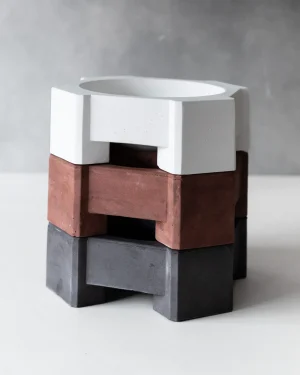 In stock
Brutalist Catchall
By Studio S II
€119 - €265 This product has multiple variants. The options may be chosen on the product page -
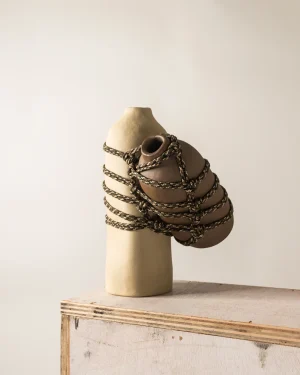 In stock
Bond Ceramic Vase
By Huillet Lucas
€625 - €849 This product has multiple variants. The options may be chosen on the product page -
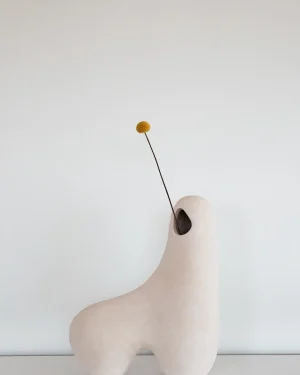
HĒrd 02 Ceramic Vase
By Andrei Clontea STUDIO
€250 -
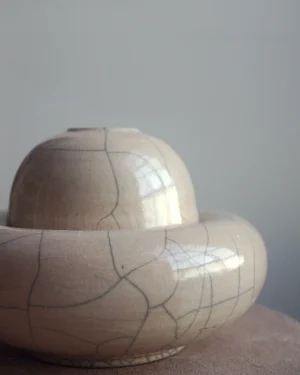
Raku – Ceramic Acorn Vase
By Isabella Artale
€350 -

Ailes Noir – Sculptural Vessel
By Lucia Mondadori
€688 -

Arbo – Stoneware Candleholder
By Lucia Mondadori
€284 -

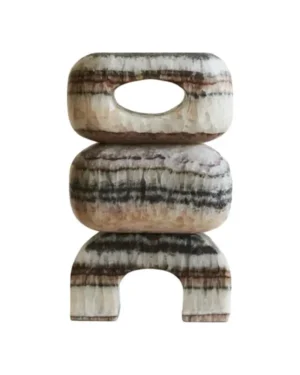
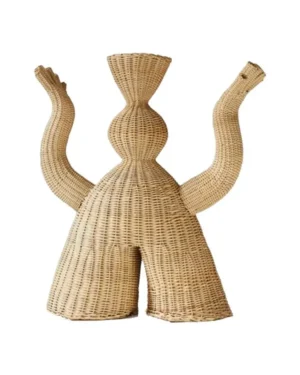
Aisha Totem – Stoneware Sculpture
By Lucia Mondadori
€1.395 -

Distressed Sandstone Vessel No.4
By Alex Roby Design
€820 -

Distressed Ivory Ikebana Vessel No.5
By Alex Roby Design
€720 -
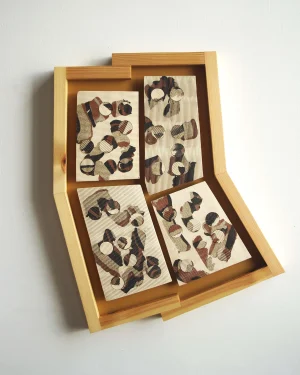 In stock
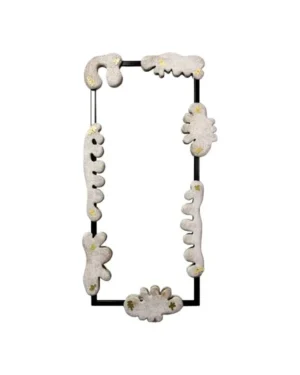
Frame – Stoneware & Oak Wall Art
By Isabella Artale
€650 -
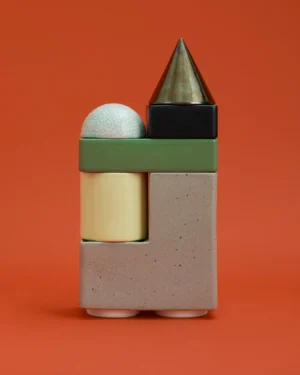 In stock
Knstrkt Set Of 6 With Large Pieces – Stackable Earthenware
By STUDIO BERG
€166 -
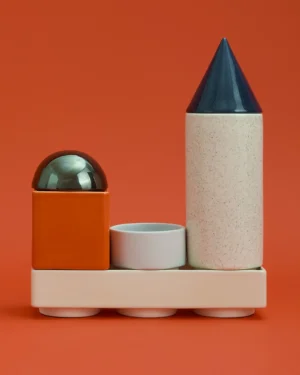 In stock
Knstrkt Set Of 6 – Stackable Earthenware
By STUDIO BERG
€155 -
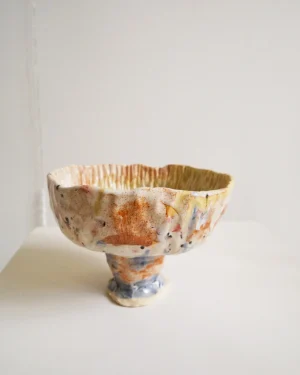 In stock
Naive Series- Multi-coloured Tones Vessel
By Hania Jneid Design Studio
€650 This product has multiple variants. The options may be chosen on the product page -
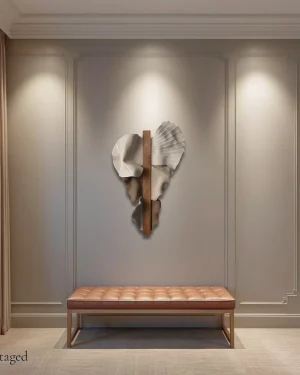
Abundance Wall Sculpture | Toffee · Studio Series ·
By Studio Ēeme
€3.565 -
 In stock
Floral Stoneware Vase
By Hania Jneid Design Studio
€450 - €550 This product has multiple variants. The options may be chosen on the product page -
 In stock
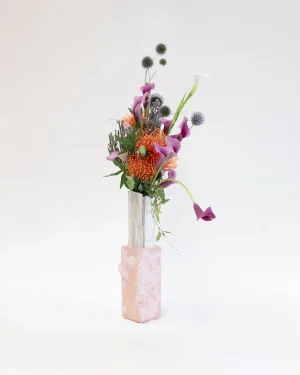
Midsummer’s Night – Clay Vase
By Mina Wright
€210 -
 In stock
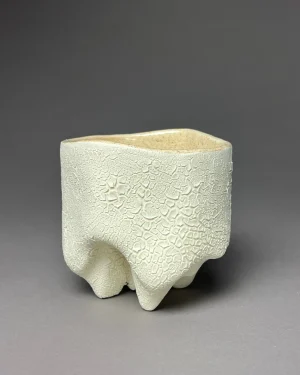
Pintrapòts – Stoneware Vase
By Pierre Klein
€380 -
 In stock
Rsa (rhythmic Slow Activity) matcha Bowl
By Studio S II
€250 -

Sól No.2 Sculpture
By Od Studio
€450 -

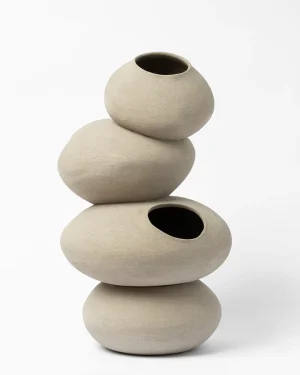
Oyster Chest
By Sugoi Studio
€410 -
 In stock
Kho Sculpture No. 4
By Od Studio
€1.280 -

Kho Sculpture No. 9
By Od Studio
€1.455 -

Kho Sculpture No. 12
By Od Studio
€2.230 -
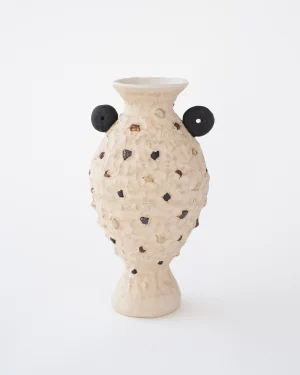
Little Rock Vase_o.5
By Ugly Things et al.
€326 -
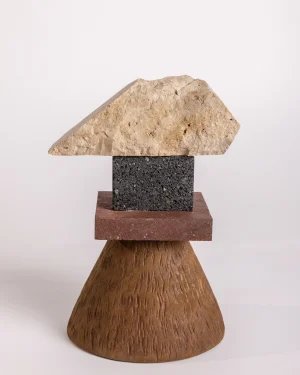
Clara Sculpture
By Daniel Orozco Estudio
€962 -
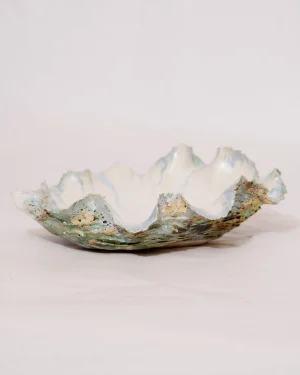
Oyster Shell – Medium
By Sugoi Studio
€217 -
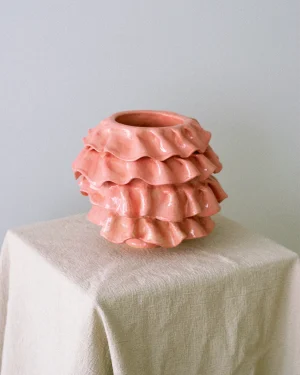 In stock
Sacque Gown Vase
By Mina Wright
€588 -
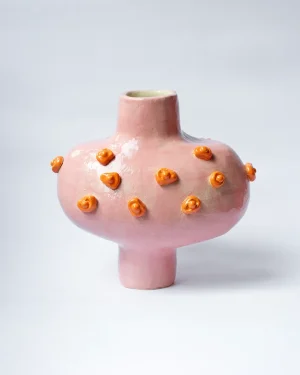 In stock
Ruby Sunset
By Mina Wright
€340 -
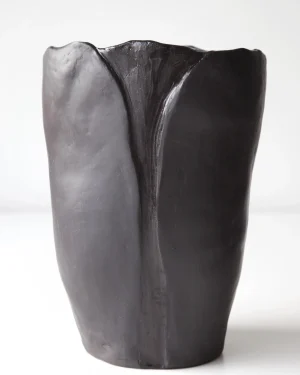
Floral Study I I : Night Tulip
By Elena Yakimushkina
€420 -
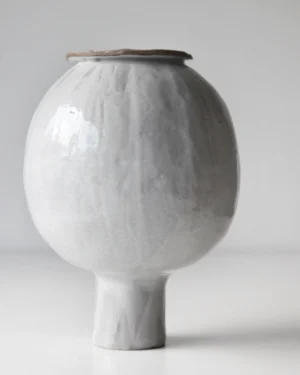
Floral Study I I I: White Rosehip – Vase
By Elena Yakimushkina
€420 -

Estudi 01 – Vase
By Pierre Klein
€190 -
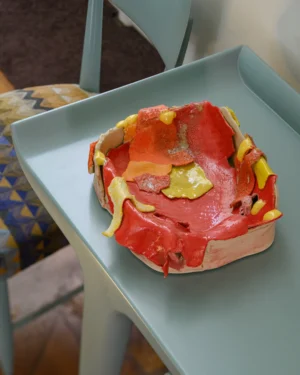
Estudi 03 – Tray
By Pierre Klein
€330 -

Pose N°7 Black – Sculpture
By Marie-Marie Defour
€320 -

El Joyero De Odette Table Lamp In Stoneware
By Mina Wright
€810 -
 In stock
Round And Round | Blue On Yellow On White | Vase No. 003/23
By Atelier von Ehren
€276 -
 In stock
Figures | Bubble Vase No. 001/23
By Atelier von Ehren
€560 -
 In stock
Sculptural Vessel ‘on The Rocks’ #2
By Elena Yakimushkina
€300 -
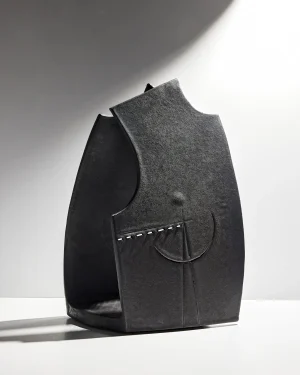 In stock
_migrated Forms 06 Sculpture
By C E R A M I C 4 7
€820 -
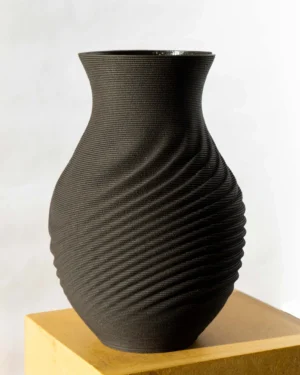 In stock
Pelike M – Vase
By Layered Ceramics Studio
€190 This product has multiple variants. The options may be chosen on the product page -

Indent(ation) – Terracotta Sculptural Ceramic Vessel
By Catalin Filip
€900 -

Inwards – Black Sculptural Ceramic Vessel
By Catalin Filip
€900 -
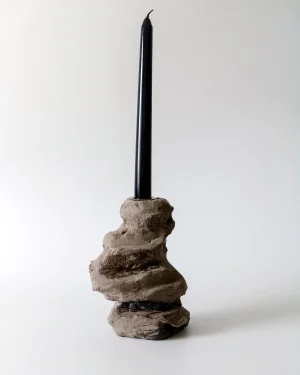 In stock
Abyss Candle Holder
By Ceren Gürkan
€120 -
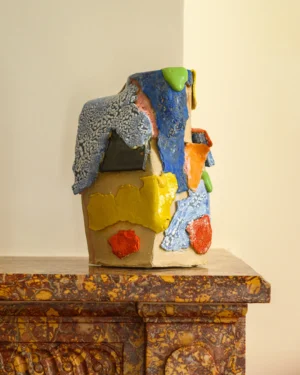 In stock
Estudi 02 – Vase
By Pierre Klein
€400 -

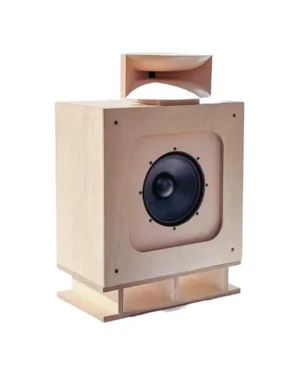
R1 Bookshelf Speakers
By MYCOAUDIO
€1.800 -

Ek1 Bookshelf Speakers
By MYCOAUDIO
€2.000 -
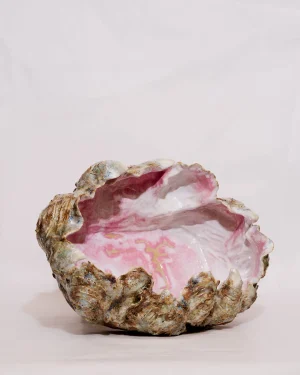
Shipwreck Vase
By Sugoi Studio
€800 -
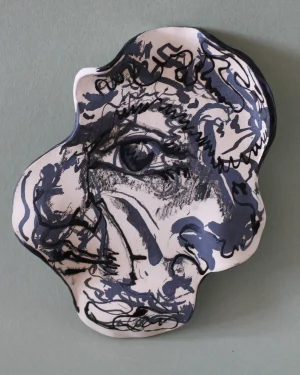 In stock
Marbled Dream #2 – Handcrafted Ceramic Illustrated Plate
By Vale Ro
€220 -
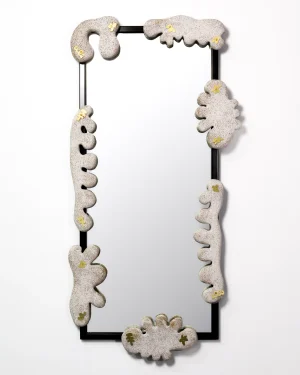
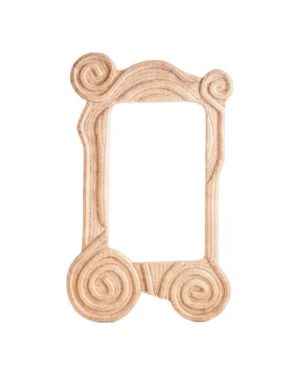
Tanguay – Ceramic And Metal Full Length Wall Mirror
By Luft Tanaka Studio
€6.400 -
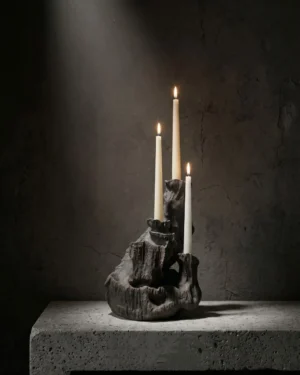 In stock
Abyss Candleholder No. 1 In Stoneware
By Ceren Gürkan
€1.000
Stoneware accessories bring a dense, high-fired clay body into trays, bowls, vases and small sculptural objects, each one shaped by a studio working at the wheel, by hand-building or by coiling. The clay goes into the kiln at a high temperature, which leaves it hard, chip-resistant and heavier in the hand than earthenware. What varies, piece to piece, is the glaze, the surface and the degree of finish a maker chooses to leave visible.
What defines stoneware accessories
Stoneware is fired hot enough that the clay vitrifies, closing most of its pores and giving the body a quiet density. Left unglazed, it keeps a dry, stone-like surface in tones of brown, beige or off-white. Glazed, it can run matte or glossy, in black, white, rose or multicolor finishes, sometimes pooling thicker at a rim or base where the glaze has run during firing.
Because the clay holds its shape under its own weight, stoneware accessories carry a certain gravity on a shelf: they sit rather than perch. That weight, paired with a surface that ages slowly, is part of why the material suits objects meant to stay in daily use rather than be replaced.
The range of finishes, techniques and editions
Studios working in stoneware draw on a handful of related materials and processes, and most pieces on ADORNO fall into some combination of these:
- Clay bodies and surfaces: stoneware, black stoneware, porcelain, clay left raw or finished with glaze
- Colors and finishes: black, white, off-white, brown, beige, rose and matte or glazed surfaces
- Styles: contemporary, minimalist, boho chic, wabi-sabi, neolithic and radical references
- Techniques: wheel throwing, hand-building, coiling and sculpting, sometimes paired with wood or metal elements
- Editions: open editions, limited editions and one-off pieces, depending on the studio's way of working
A broader view of the material, across lighting and decor as well as accessories, sits on the stoneware material page, while related clay work in lighter bodies appears among ceramic accessories.
Choosing a piece for scale, height and finish
Scale matters more with stoneware than with lighter materials, since a dense body reads as more substantial than its footprint suggests. A low, wide bowl holds its own on a dining table, while a tall vase needs enough floor or shelf space around it to avoid feeling crowded. Height matters too: a piece meant for a console or sideboard should sit at a level where its rim or opening is visible, not just its shoulder.
Finish is worth weighing against light. Matte and unglazed surfaces absorb light and suit rooms with warm, low lighting, while glossy glazes catch reflections and work well near a window or under a pendant. Black and dark brown stoneware tend to recede against pale walls, where off-white and beige finishes hold more visual weight.
Where stoneware accessories sit in a room
These pieces move easily between rooms. A glazed bowl or vase suits a dining or living space, a tray or trinket dish works on a bedside table or entryway console, and water-resistant glazed surfaces hold up well in a bathroom. Readers furnishing a pared-back interior often start from minimalist accessories, while those building around a single tone look to black accessories for contrast against stone or wood surfaces. Vessels for cut stems or dried branches sit under stoneware vases.
Caring for stoneware
Glazed stoneware wipes clean with a damp cloth and tolerates occasional hand washing with mild soap; unglazed surfaces are better dusted than wetted, since raw clay can absorb moisture and stain. Sudden temperature changes can crack any fired clay body, so stoneware accessories should move gradually between cold storage and a warm oven or dishwasher, where either is even appropriate. Set on a stable, level surface, away from the edge of a shelf, a stoneware piece will hold its finish and shape for years. For the full spread of accessories beyond this material, the accessories category covers metal, wood and glass alongside clay.
How do I choose the right stoneware accessory?
Look at wall thickness and glaze finish first, since these affect weight and how light reflects off the surface. Match the tone, matte or glossy, to the other materials already in the room.
How do you care for stoneware?
Wipe with a damp cloth and mild soap, avoiding abrasive scrubbers that can dull a glaze. Stoneware is dense and chip-resistant, but sudden temperature changes can still crack it.
Is stoneware waterproof and food safe?
Glazed stoneware is non-porous and safe for food or water once fired, while unglazed surfaces can absorb moisture over time. Check the glaze type for pieces meant to hold liquid.
What size are stoneware accessories?
Sizes range from small bowls and cups that sit on a shelf to larger vessels meant to anchor a console or table. For an exact measurement on a specific piece, chat with the maker on its page.
Which rooms suit stoneware accessories?
Their earthy, tactile surface works in kitchens, dining rooms and living spaces where warmth and texture matter. Matte or black finishes sit well in more subdued, contemporary rooms.
What are ADORNO's shipping, returns and authenticity policies?
Shipping is insured and worldwide. Returns are accepted within 14 days, excluding made-to-order pieces, and each purchase includes a certificate of authenticity along with a lowest-price guarantee.