-

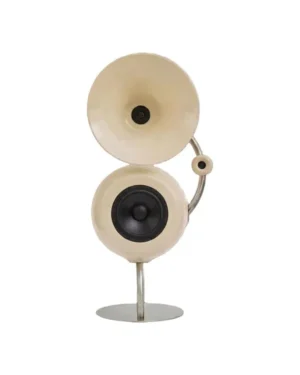
Obj_rv.bi-radial Speaker
By Concept Object
€3.000 -

Type 2.1
By Western Acoustics
€5.700 This product has multiple variants. The options may be chosen on the product page -
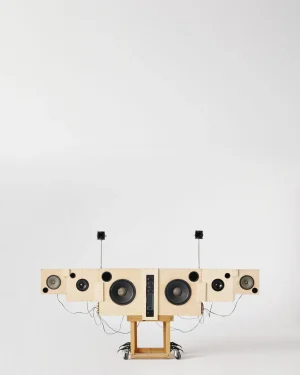
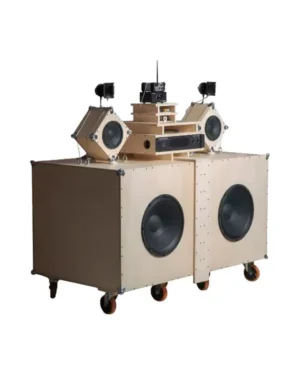
S.S Series, Sound System 01
By Lucas Muñoz Muñoz
€24.000 -
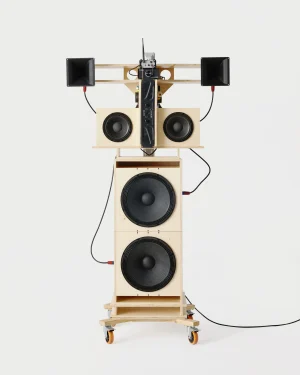
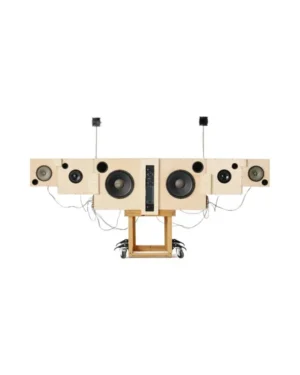
S.S Series, Sound System 03
By Lucas Muñoz Muñoz
€24.000 -
 In stock
Wua-g Il Speakers
By POL AGUSTI
€7.000 -
 In stock
Gummy Bluetooth Speaker
By Voidfill Studio
€1.450 -
 In stock
Wua-g I Speakers
By POL AGUSTI
€7.400 -

R1 Bookshelf Speakers
By MYCOAUDIO
€1.800 -

“Meteorite” soundsystem
By Lucas Muñoz Muñoz
€45.000 -

12i2 Units Sound System
By MYCOAUDIO
€4.400 -

Obj_cx Speaker
By Concept Object
€1.220 -

Ek1 Bookshelf Speakers
By MYCOAUDIO
€2.000 -
 In stock
S.S Series, Sound System 02
By Lucas Muñoz Muñoz
€24.000 -

Obj_jbl Speaker
By Concept Object
€900 -
 In stock
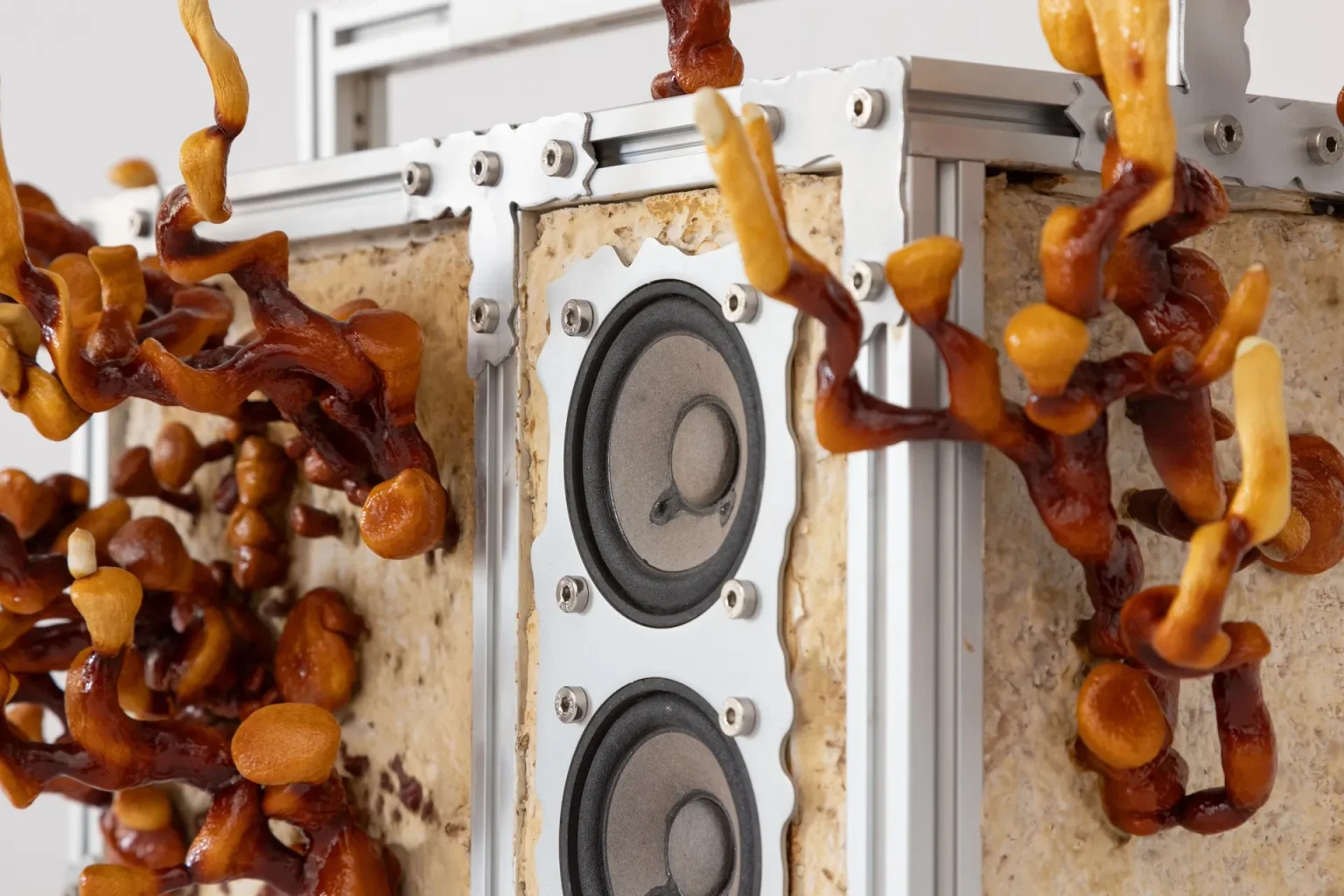
Hyphal Fidelity
By 10th Floor Studio
Price Upon Request -

Gaincube
By Voidfill Studio
Price Upon Request -
 In stock
Boombox Ii
By 10th Floor Studio
Price Upon Request
Eclectic speakers bring together materials and forms that do not usually share a shelf: a ceramic horn beside a block of carved poplar, a mycelium shell next to a polished stainless steel drum. Studios working in this register treat the speaker as a sculptural object first, built through wood and cabinetmaking, biofabrication, 3D printing or metalwork, and they rarely repeat a single formula twice. The result is a group of pieces defined less by one material than by a willingness to mix references, finishes and proportions in the same body.
What makes a speaker eclectic
An eclectic piece borrows a shape from mid-century cabinetry, a surface from a futurist console, and a texture from something closer to biophilic design, then lets those ideas sit together without smoothing them into one style. Expect asymmetry, unexpected color pairing, or a rough grown material set against a hard-edged metal fitting. The speaker still has to carry weight acoustically, so the eclecticism shows up in the housing, the grille, the base and the finish rather than in the engineering underneath.
Materials and techniques to expect
Because these pieces come from independent studios rather than a single production line, the material palette runs wide. On ADORNO you will find speakers in:
- Mycelium and other plant-based materials, grown into form through biofabrication and mycelium growing, then sealed to stabilize the surface
- Birch, poplar and plywood, shaped through joinery, wood carving or veneering, left in a natural tone or finished in beige, charcoal or off-white
- Ceramic bodies, which hold a dense, resonant quality and take matte or glazed finishes well
- Resin, cast in solid blocks or poured over a core, often in amber, purple or black
- Stainless steel and other worked metals, left raw, brushed or finished in silver or dark gray for a harder, cooler surface
Editions vary by studio: some speakers are open editions, made to a repeatable template, while others are limited editions or one-off unique pieces where no two housings grow or cast the same way twice. For a narrower look at the wood-based end of the range, the wooden speakers group sits alongside the broader unique speakers made as one-offs.
Choosing a speaker for the room
Scale and height matter before material does. A speaker meant to sit on a shelf or sideboard should read as an object at eye level or just below it, while a floor-standing pair needs enough floor space around it to avoid feeling crowded against other furniture. Pair a rough, grown or carved finish with other textured pieces in the room, and let a smooth ceramic or resin body sit closer to glass, lacquer or polished stone so the surfaces talk to each other rather than compete.
Placement also shapes sound as much as style. Keep a speaker a short distance from a wall if the housing has a rear port, and avoid tucking a carved or grown body fully inside a cabinet, where both its shape and its output get muffled. Eclectic pieces tend to work best as a visible, slightly contrasting note rather than something blended into the background.
Where these pieces sit in a room
Eclectic speakers suit living rooms and studies built around mixed furniture rather than a single period or palette, where a carved wood plinth can stand near a steel-framed shelf or a biophilic side table without looking out of place. They also hold their own in entryways and media corners, spaces built for one or two striking objects rather than a full wall of matching pieces. For the same sensibility applied to seating, tables and case goods, see eclectic furniture; for the full spread of speakers across other materials and styles, the speakers category and the wider eclectic style grouping are the places to keep looking.
Care by material
Wood housings, whether birch, poplar or plywood, should stay out of direct sun and damp, which cause warping and fading; a dry cloth and occasional wax on bare wood keeps the grain stable. Ceramic and resin bodies wipe clean with a damp cloth, while mycelium and other grown materials do best kept dry and away from standing liquid, since moisture can soften the surface over time.
How do I choose an eclectic speaker?
Look for pieces that mix materials or references rather than following one rule, such as a biomorphic form in resin or a wood cabinet with an unexpected finish. Let it stand apart from the rest of the room rather than match it.
What materials are eclectic speakers usually made from?
Common choices include birch or poplar wood, plywood, resin, ceramic, mycelium, and stainless steel. Many studios combine two or more materials to give the speaker a sculptural, one-off character.
How do I care for a wood or mycelium speaker cabinet?
Wipe wood cabinets with a dry or slightly damp cloth and keep them from direct heat and sun to avoid warping. Mycelium and resin pieces need only occasional dusting, away from damp conditions.
What size speaker suits a living room or studio?
Bookshelf-scaled speakers sit well on shelving or sideboards, while floor-standing forms anchor a corner or flank a seating area. The maker can confirm exact dimensions through Chat with the maker on the piece's page.
Which rooms work best for an eclectic speaker?
Living rooms, studies, and studio spaces all suit a speaker that doubles as a sculptural object. Placed near seating or a console, it carries both sound and visual weight.
What happens if I need to return or ship my speaker?
Shipping is insured and sent worldwide, with a 14-day return policy excluding made-to-order pieces. Each speaker arrives with a certificate of authenticity, backed by a lowest-price guarantee.