
-
 In stock
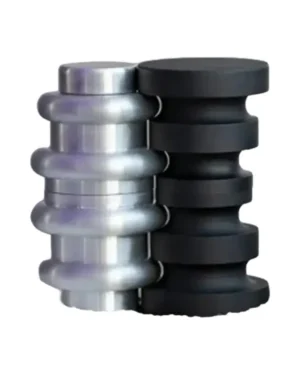
Pressure Vase Square
By TIM TEVEN
€215 This product has multiple variants. The options may be chosen on the product page -

Small Aluminum Candelabra
By Six Dots Design
€250 -
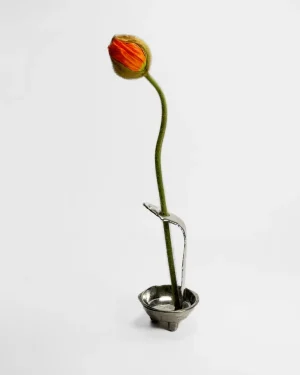
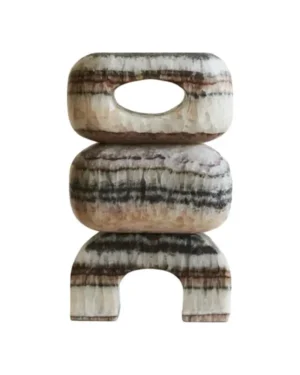
Favorite Vase
By Studio Formbart
€224 -
 In stock
Pressure Vase Rectangular
By TIM TEVEN
€224 This product has multiple variants. The options may be chosen on the product page -
 In stock
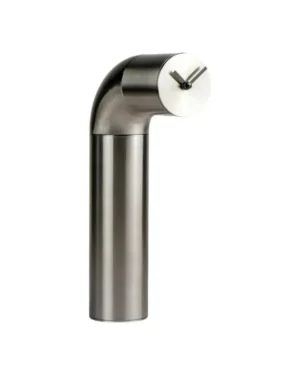
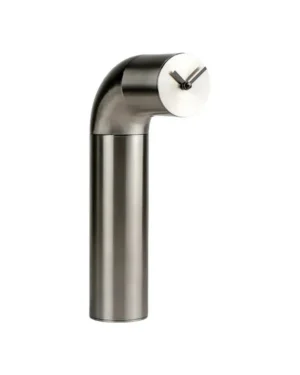
Stadia Clock – Stainless Steel Table Clock
By studio re.d
€400 -
 In stock
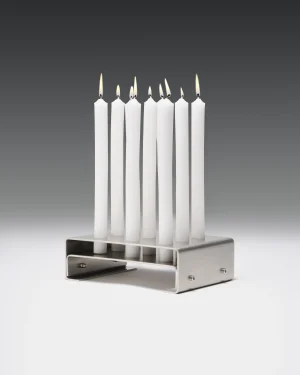
Burning Wing Candleholder
By Obscure Objects
€122 -
 In stock
Pressure Vase – Tall Square
By TIM TEVEN
€215 This product has multiple variants. The options may be chosen on the product page -
 In stock
Creux – Black Tinted Ash Wood Tray
By Clemence Birot
€82 - €134 This product has multiple variants. The options may be chosen on the product page -
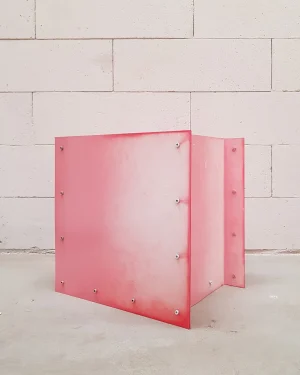 In stock
Iron And Steel Life Cabin Vase D
By TUNK I Busra Tunc
€220 -

Ch001-07 Stainless Steel Candleholder
By NAVE
€175 -
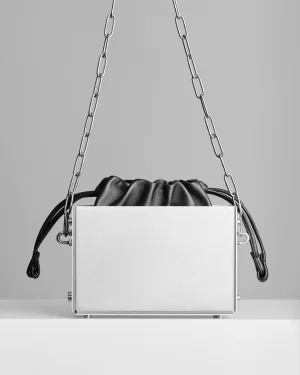
Kado Bag – Aluminum/ Leather
By Obscure Objects
€500 -
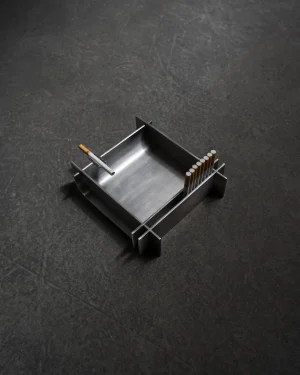 In stock
Wrp-004 Stainless Steel Ashtray
By NAVE
€250 -
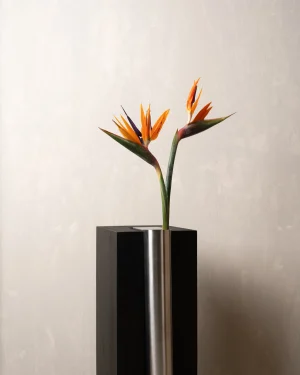
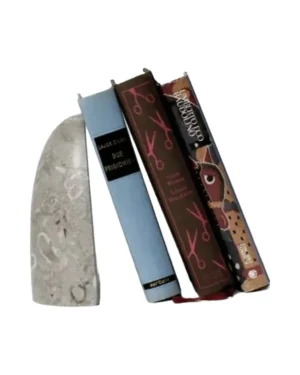
Bookcase Vase
By MANUHITA
€250 -
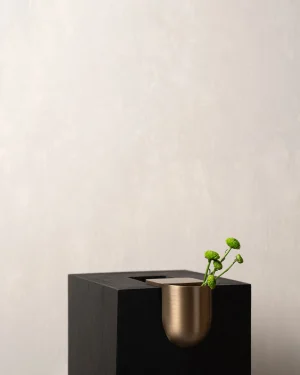
Bookcase Vase – Small
By MANUHITA
€215 -
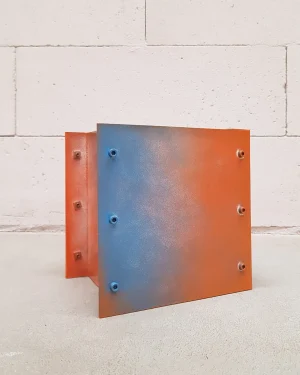 In stock
Iron And Steel Life Cabin Vase A
By TUNK I Busra Tunc
€140 -
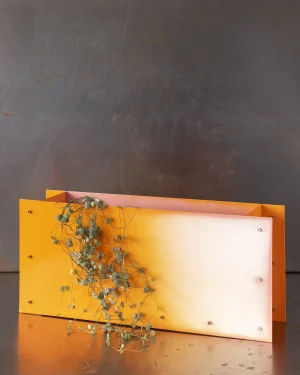 In stock
Iron And Steel Life Cabin Vase C
By TUNK I Busra Tunc
€180 -
 In stock
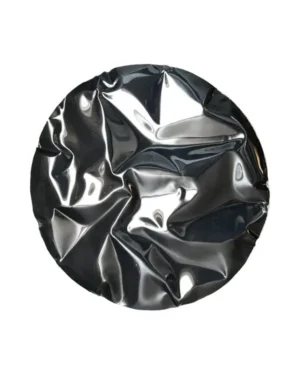
Mirage Silver Wall Art Piece
By Anne Nowak
€600 -
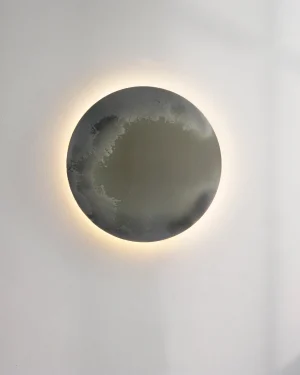 In stock
Moon Mirror Light
By Anne Nowak
€1.140 -
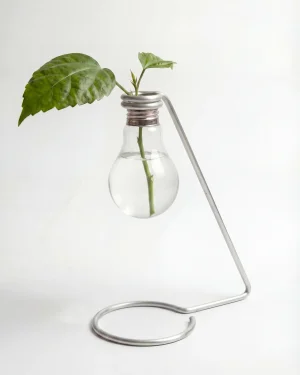 In stock
Testikel – Glass Cuttings Vase
By Olle Sahlqvist
€70 - €80 This product has multiple variants. The options may be chosen on the product page -
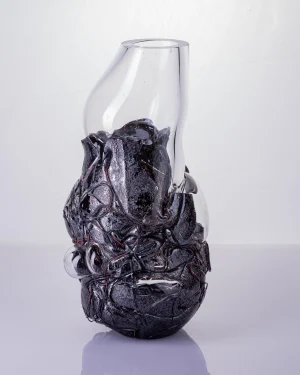 In stock
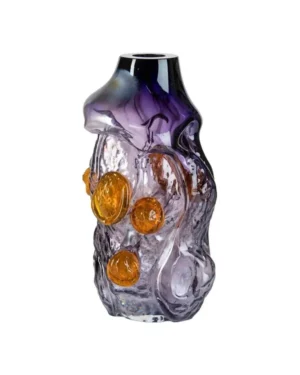
Lava – Transparent Blown Glass / Copper Wire Vase
By Anna Jožová
€1.600 -
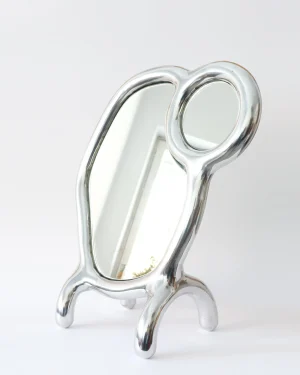 In stock
Mi-rr 13
By Studio Speculo
€1.100 -
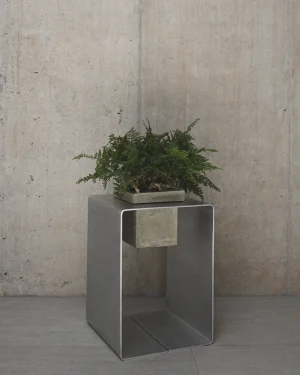
ST001-02 Side Table in Stainless Steel and Concrete
By NAVE
€990 -
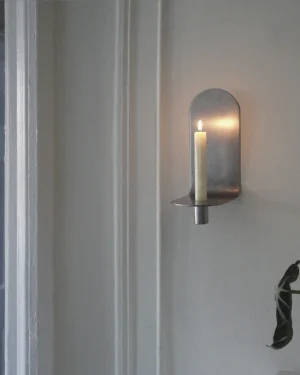
Wch001-11 Stainless Steel Candleholder
By NAVE
€160 -
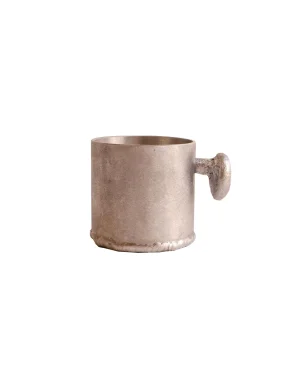
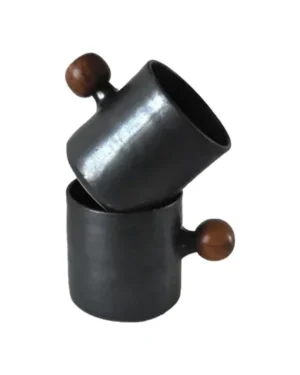
‘contemporary Cup’ By Joseph Ellwood For Six Dots Design
By Six Dots Design
€55 -
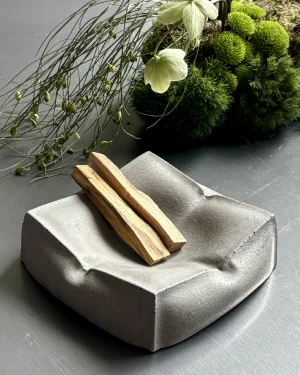
Pillow Tray Raw – Concrete Design Tray
By julius.works
€90 -
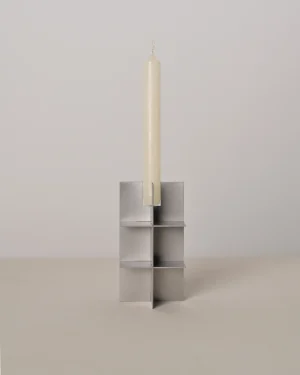
Frame Candle Holder Stainless Steel
By NOSTUDIO
€79 - €109 This product has multiple variants. The options may be chosen on the product page -

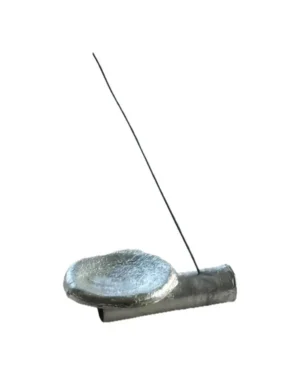
Incense Holder I-45
By julius.works
€140 -
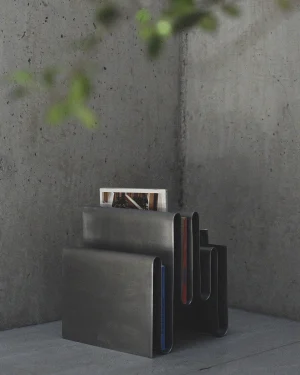
R001-01 – Stainless Steel Magazine Holder
By NAVE
€535 -
 In stock
Zefir – Glass / Aluminum Vase
By Hasik Design Studio
€650 This product has multiple variants. The options may be chosen on the product page -
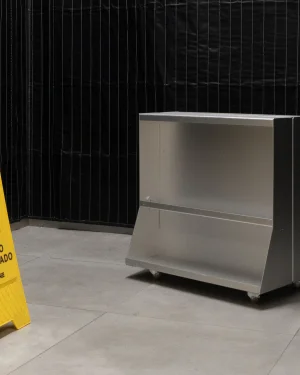 In stock
Bar Cart – Sandblasted Aluminum
By andykim.global
€1.850 -
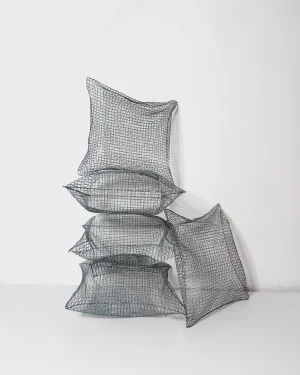 In stock
Softcore Pillow
By Deon Rubi
€500 -

Walnut Mirror B — Ves
By Anna Bera
€659 -
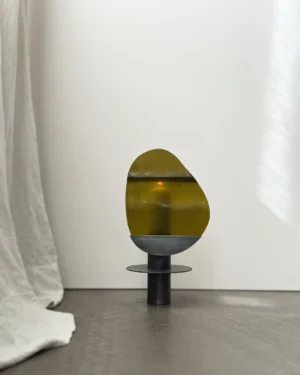 In stock
Veilleur – Pc1
By Louise Hurth
€1.390 -
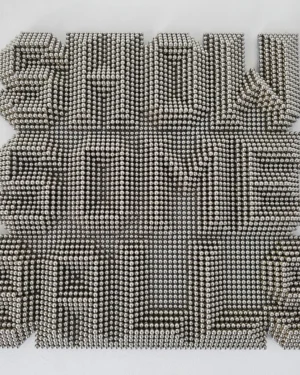 In stock
“showsomeballs” Wall Mounted Heavy Metal Sculpture.
By JAN PAUL
€3.578 -
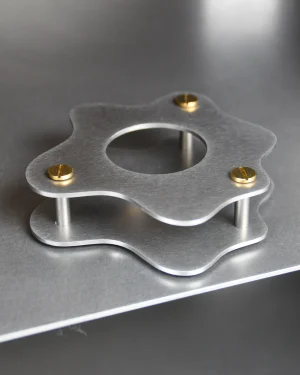 In stock
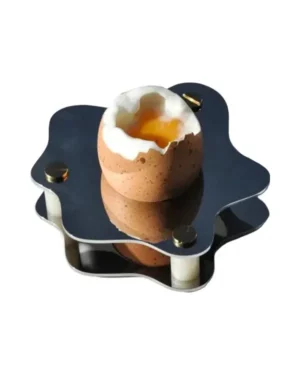
Egg40 – Matte Stainless Steel Egg Cup
By MLK Furniture
€190 -

Walnut Mirror F2 — Ves
By Anna Bera
€777 -
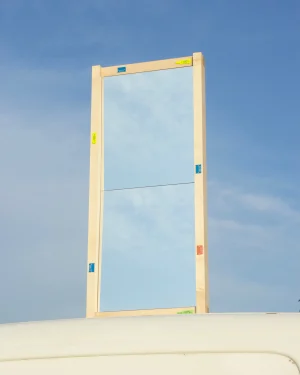 In stock
Avivé Mirror – Maple
By Vital Lainé
€1.000 -
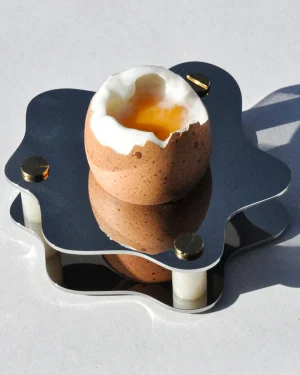 In stock
Egg40 – Mirror Stainless Steel Egg Cup
By MLK Furniture
€290 -
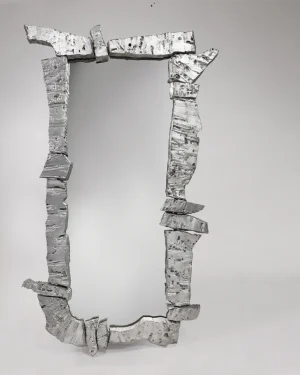 In stock
Insect – Recycled Cast Aluminum Mirror
By BY JAMPS
€2.200 -
 In stock
Low Storage Shoe Rack With Wheels
By andykim.global
€3.000 -
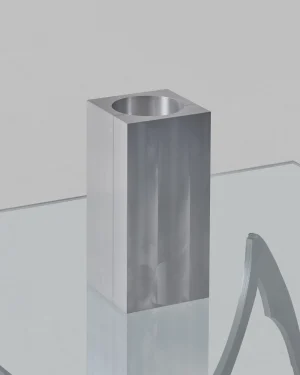 In stock
Alu – Aluminum Vase
By 304.cage
€2.200 -
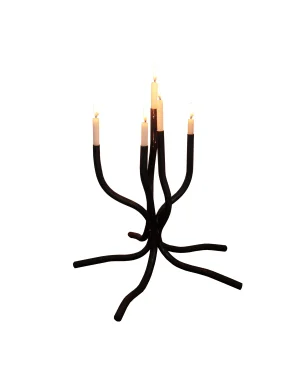 In stock
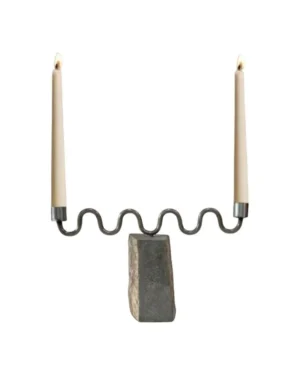
Small Steel Candelabra Steel
By Six Dots Design
€210 -
 In stock
Onnda Flame Concentric M Blaze – Dichroic Glass Marble
By Catrinel Sabaciag
€210 -
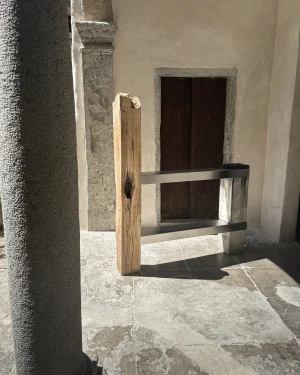 In stock
Ice Beech Wood Sideboard
By case studios
€2.810 -

Wall Mounted Candle Holder
By MANUHITA
€345 -
 In stock
“Narciso” Vanity Mirror
By Júlia Esqué
€430 -
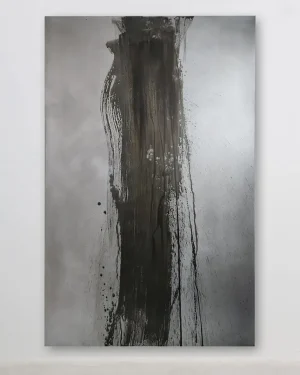 In stock
Ub04 Time Of Steel – Wall Decor
By STUDIO KIMBYUNGSUB
€6.000 -
 In stock
Ore Knobs
By Studio Kloumi
€110 This product has multiple variants. The options may be chosen on the product page -
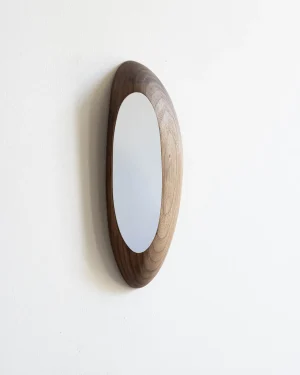
Walnut Mirror A — Ves
By Anna Bera
€659 -

In Between Mirror
By please touch studio
€420 -
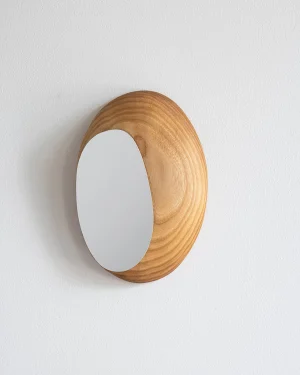
Elm Mirror F — Ves
By Anna Bera
€494 -
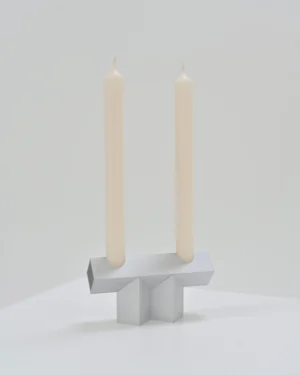
Sculpture Aluminum Candleholder
By NOSTUDIO
€145 -
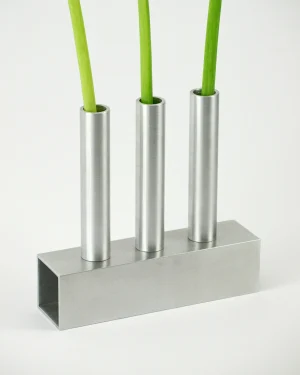
Flower & Power Vase – Aluminum / Glass
By Lucas Cambier
€450 -
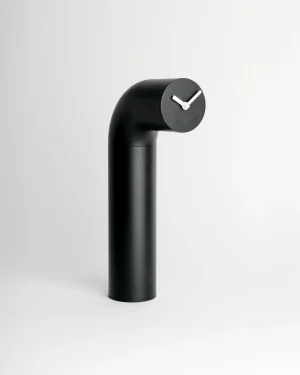 In stock
Stadia Clock Black – Stainless Steel Table Clock
By studio re.d
€500
Neo-industrial accessories draw on the raw vocabulary of factories and workshops, metal left visible rather than disguised. Studios working in stainless steel and aluminum favor welding, metal casting and sand casting over polish and paint, so a seam or a hammer mark stays part of the surface. The result is an object that reads as built rather than decorated.
What defines the neo-industrial material and finish
Metal is the constant across this group of pieces, whether stainless steel, aluminum, chrome or raw steel left to show its own grain. Finishes tend toward silver, black, dark gray and bronze, with gold appearing as an accent rather than a dominant tone. These surfaces carry weight visually as well as physically: a cast aluminum bowl or a welded steel tray anchors a shelf or table in a way lighter materials cannot.
Where wood appears, often elm, it is left plain or darkened to sit against the metal rather than compete with it. The combination gives a piece two textures to read: one cool and reflective, one warm and grained.
The range of techniques and editions
Metalwork and welding dominate production, producing joints and seams that stay legible on the finished object. Metal casting and sand casting go the other way, smoothing a form into one continuous surface, useful for bowls, bookends and vessels that need an unbroken line. Glassblowing turns up less often here, usually paired with a metal base or frame, and hand assembly covers pieces built from several cast or cut parts rather than one pour.
- Open editions, for accessories made in ongoing runs
- Limited editions, for smaller, numbered groups
- Unique pieces, for one-offs where no two objects match exactly
Anyone wanting a fuller sense of how these techniques carry into other rooms can look at neo-industrial furniture or neo-industrial lighting, where the same welded joints and cast forms scale up.
How to choose a neo-industrial accessory
Scale matters more than it first appears. A small cast object reads as a detail on a shelf, while a larger welded tray or bowl can hold its own on a console or low table and should be measured against the furniture it will sit on, not just the wall or surface area around it.
Finish decides how the piece behaves in light. Chrome and polished steel throw reflections and suit a room that already has some brightness to bounce; raw steel and dark gray finishes absorb light instead and work well in rooms with warmer, lower lighting. Bronze and gold accents sit between the two, catching light without the hard glare of chrome.
Where these pieces sit in a room
Neo-industrial accessories read naturally in living rooms and entryways, where a cast bowl or tray gives a console table or shelf a fixed point. In a study or office, the same material language turns up in bookends, trays and small vessels that keep a desk from feeling too soft or too domestic. Kitchens and dining spaces take well to steel and brass objects that can double as servingware without looking out of place once the table is cleared.
Care for metal accessories
Stainless steel and chrome wipe clean with a soft cloth and need little else to keep their reflection even. Raw steel develops a patina over time unless sealed, darkening and sometimes marking with handling, which most owners read as part of the material rather than a flaw. Cast pieces with visible texture should be dusted rather than scrubbed, since abrasive cleaning can wear down the surface detail that the casting process left behind.
For a wider view of pieces in this style across every material, the full neo-industrial style page covers furniture, lighting and decor together, while all accessories gives the broader category this group sits within. Those who want the look without the industrial edge might compare minimalist accessories instead.
How do I choose a neo-industrial accessory?
Look at the metal and finish first, since these pieces read through surface, not ornament. Steel, aluminum or chrome in a raw or matte finish signals the style more than any shape.
What are neo-industrial accessories made of?
Most are worked in metal: stainless steel, aluminum or steel, with some chrome, often welded, sand cast or metal cast. Wood, often elm, sometimes appears as a grounding element against the metal.
How do I care for metal accessories?
Wipe steel, aluminum and chrome with a dry or barely damp cloth, and keep them away from moisture to prevent spotting. Raw steel will darken slightly with age, which is normal and not a fault.
What size are these accessories and where do they fit?
Sizes range from small desk and shelf objects to larger freestanding pieces, so check each listing for exact dimensions. The maker can confirm fit through Chat with the maker on the piece's page.
Which rooms suit neo-industrial accessories?
Their raw metal surfaces anchor studies, living rooms and entryways, and they hold their own in kitchens or workspaces where function and material already carry weight.
How does shipping, returns and authenticity work at ADORNO?
Shipping is insured and sent worldwide. Returns are accepted within 14 days, except for made-to-order pieces, and every piece arrives with a certificate of authenticity.