
-
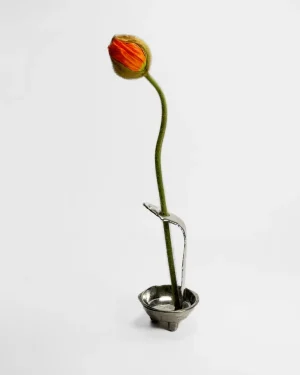
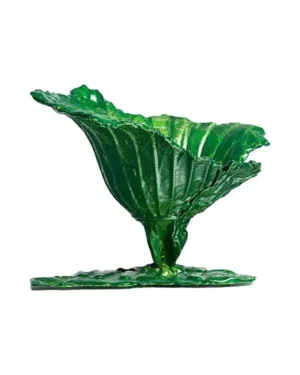
Favorite Vase
By Studio Formbart
€224 -
 In stock
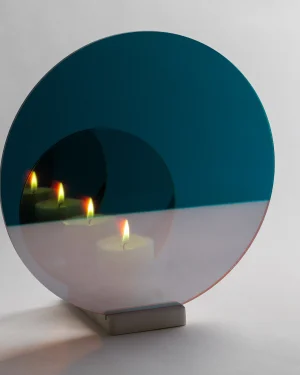
Onnda Flame Concentric Deep Sea – Dichroic Glass Marble
By Catrinel Sabaciag
€210 -

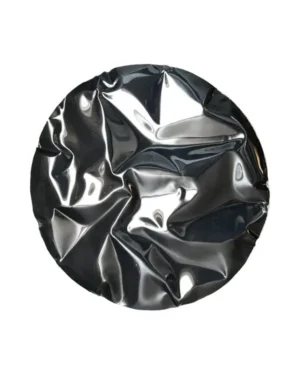
Float Mirror Black #b_31 in Liquid Silver and Glass
By Studio Speculo
€465 -
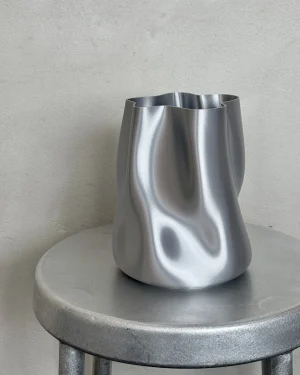
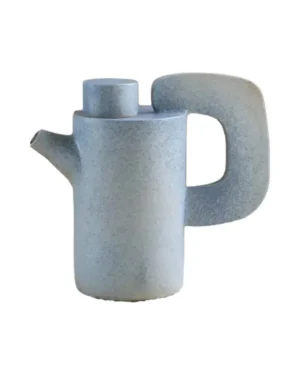
Wavy Vase
By julius.works
€70 -
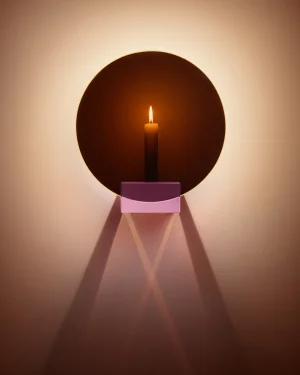 In stock
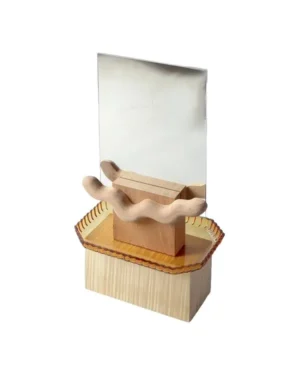
Spegla Wall Edition – Mirror & Candle Holder In Crystal Glass And Half-transparent Mirror
By Jochen Lavéno Mangelsdorff Studio & Objects
€345 - €395 This product has multiple variants. The options may be chosen on the product page -
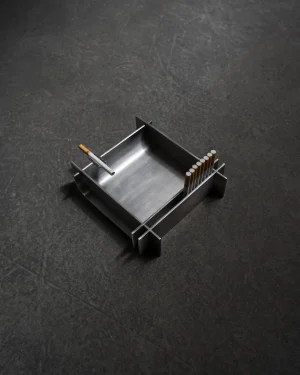 In stock
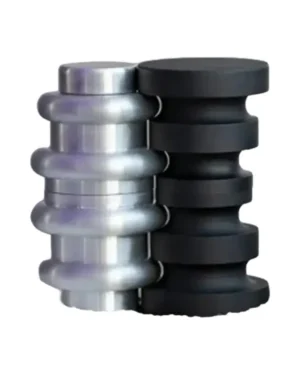
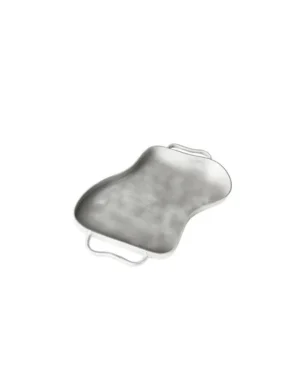
Wrp-004 Stainless Steel Ashtray
By NAVE
€250 -
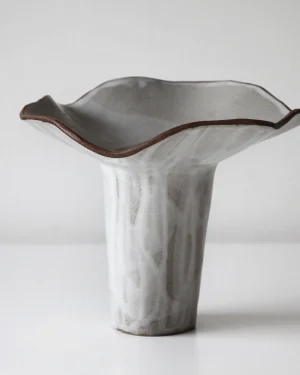 In stock
Floral Study I: White Bloom
By Elena Yakimushkina
€350 -

Tornado – 0 1 0 1 – Vase
By Yiannis Vogdanis
€260 -
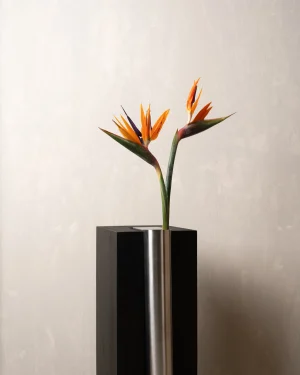
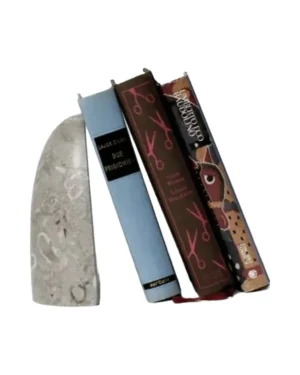
Bookcase Vase
By MANUHITA
€250 -
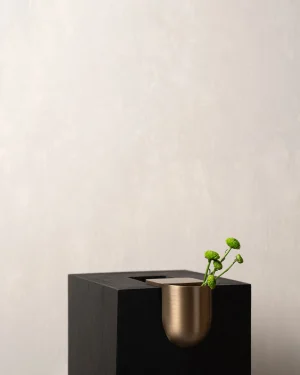
Bookcase Vase – Small
By MANUHITA
€215 -
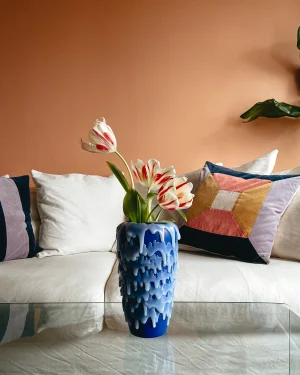 In stock
Melted Porcelain Vase V.7
By John Nordenstein
€440 -
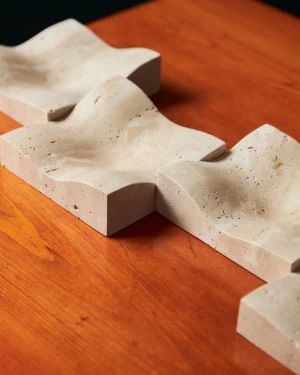 In stock
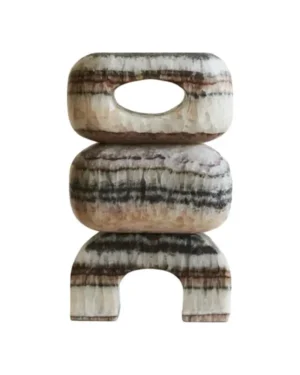
Ashen – Marble Ashtray / Catch All Tray
By Boo Design Studio
€162 -
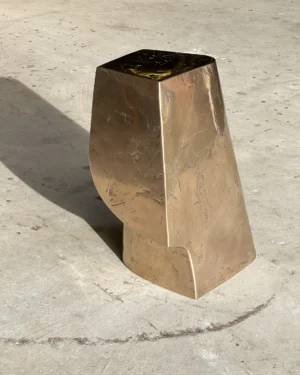
Palm Table Il – Handmade Bronze Side Table
By Vogel Studio
€7.800 - €8.800 This product has multiple variants. The options may be chosen on the product page -
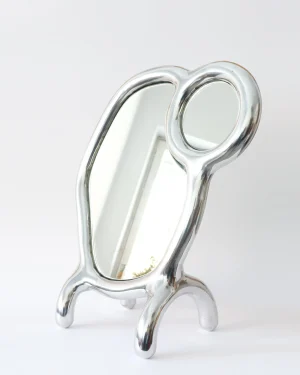 In stock
Mi-rr 13
By Studio Speculo
€1.100 -
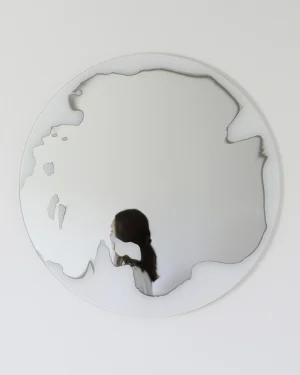
Float Mirror White – Liquid Silver / Glass
By Studio Speculo
€370 -
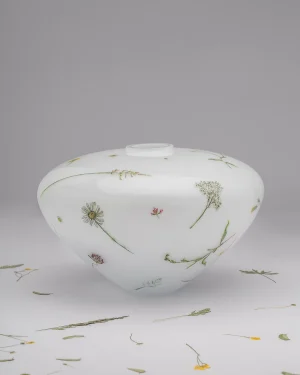
Hand-painted Fleur Vases
By Frantisek Jungvirt
€6.900 This product has multiple variants. The options may be chosen on the product page -
 In stock
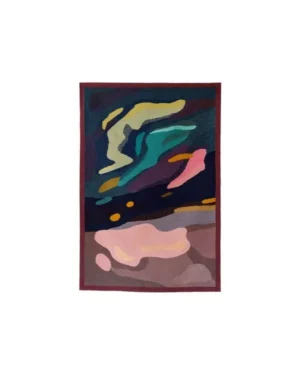
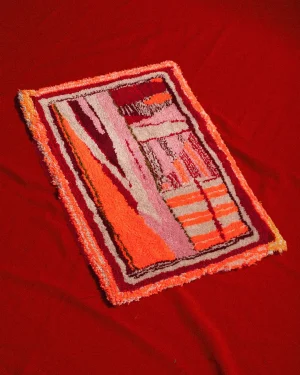
The Neon Rug
By Draken Studio
€100 - €550 This product has multiple variants. The options may be chosen on the product page -

Oyster Chest
By Sugoi Studio
€410 -
 In stock
Arc Annex No.2 – Vase
By Anoe Melliou
€1.150 -
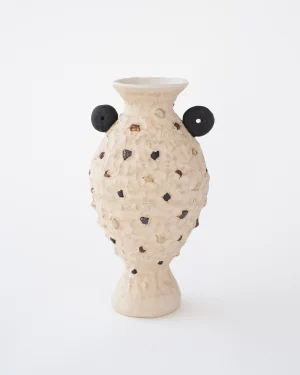
Little Rock Vase_o.5
By Ugly Things et al.
€326 -
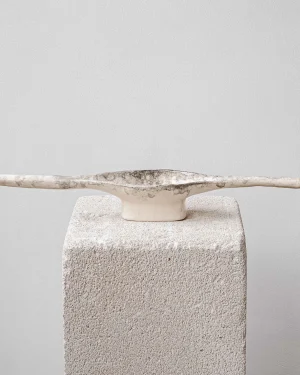
Dyka Ceramic Drinking Bowl Bowl
By ZEMNA
€230 -
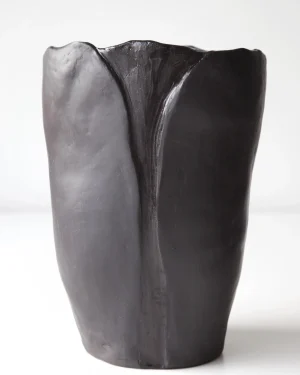
Floral Study I I : Night Tulip
By Elena Yakimushkina
€420 -
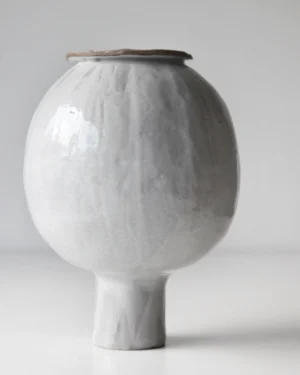
Floral Study I I I: White Rosehip – Vase
By Elena Yakimushkina
€420 -
 In stock
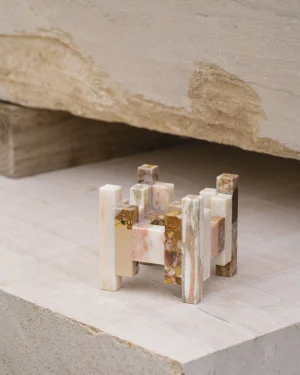
Strata – Flower Vase – Staggered Pink
By Iyo Hasegawa
€930 -

Joyful Horses Rug
By Pupcha
€2.400 -

Axis – Vase
By Anoe Melliou
€31 - €36 This product has multiple variants. The options may be chosen on the product page -

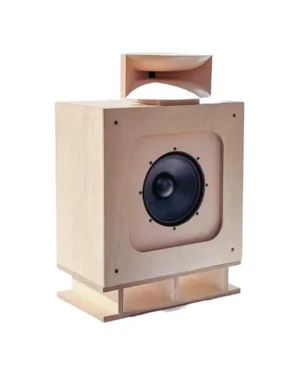
Bella – Speaker – Cream Color
By SOOS Sound
€4.500 -

Estudi 01 – Vase
By Pierre Klein
€190 -

Mush Brown, Glass Vase
By Juliana Maurer
€832 -
 In stock
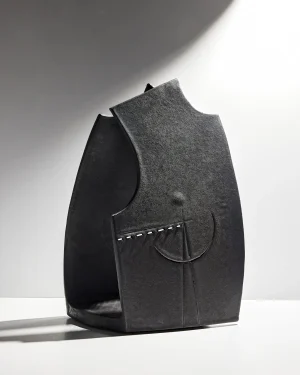
_migrated Forms 06 Sculpture
By C E R A M I C 4 7
€820 -
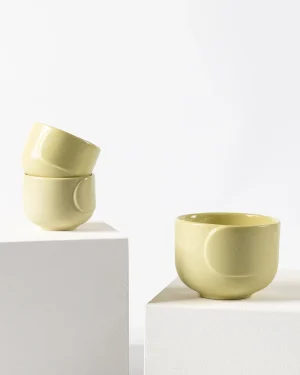
Phantom Cup_lemon Yellow
By narratology
€98 - €130 This product has multiple variants. The options may be chosen on the product page -
 In stock
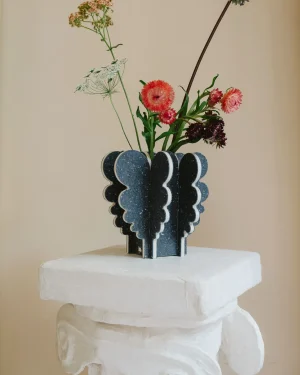
Blooming Cuts Vase
By Studio Ebba Lindgren
€80 -
 In stock
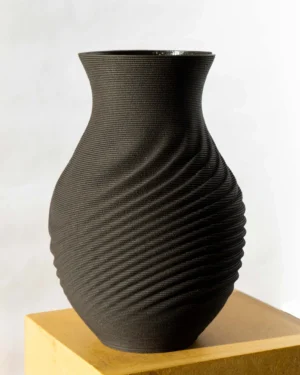
Pelike M – Vase
By Layered Ceramics Studio
€190 This product has multiple variants. The options may be chosen on the product page -

Rebloom – Leather Vessel
By LUVATON studio
€2.150 -
 In stock
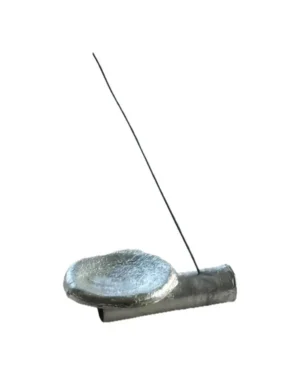
Mini Diya – Incense Holder
By Twelve Degrees
€145 This product has multiple variants. The options may be chosen on the product page -

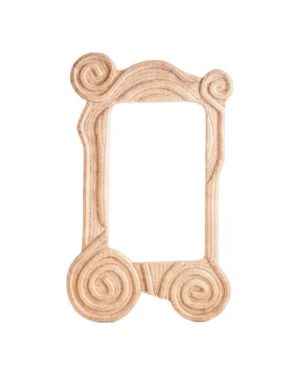
Phondo Mirror
By TheUrbanative
€1.400 -
 In stock
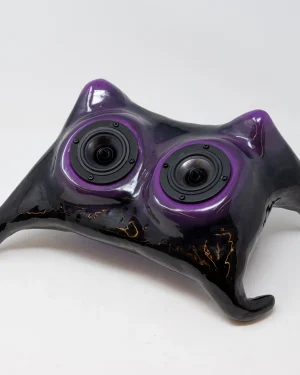
Gummy Bluetooth Speaker
By Voidfill Studio
€1.450 -
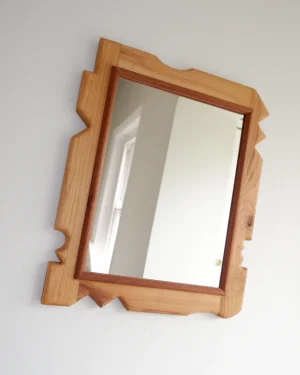
Cut Out Mirror, Cherry And Sapele Wood
By Josh Page Studio
€335 - €520 This product has multiple variants. The options may be chosen on the product page -
 In stock
Candleholder 01.03 ´route´
By SK - Sofia Karnukaeva
€750 -

Persona — Wall Object, Amber
By MILA ZILA
€2.800 -

Vase ” Love From Dusk Till Dawn “
By Pupcha
€4.200 -

Brancusi Mirror, Sapele Mahogany Wood
By Josh Page Studio
€410 - €585 This product has multiple variants. The options may be chosen on the product page -
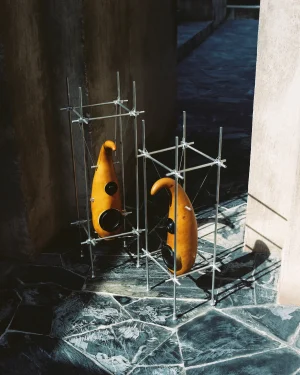 In stock
Wua-g I Speakers
By POL AGUSTI
€7.400 -
 In stock
Trace/s – Leather Vessel
By LUVATON studio
€2.550 -
 In stock
Zefir – Glass / Aluminum Vase
By Hasik Design Studio
€650 This product has multiple variants. The options may be chosen on the product page -

R1 Bookshelf Speakers
By MYCOAUDIO
€1.800 -
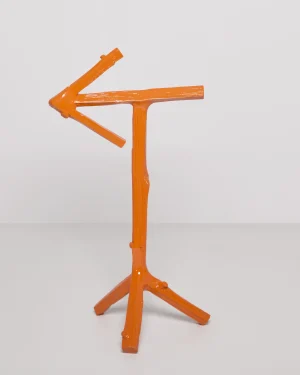 In stock
Splitted Arrow
By Teun Zwets
€940 -

“lago” Wall Mirror | Liquid Metal
By Giselle Vanessa Johnson
€3.900 -
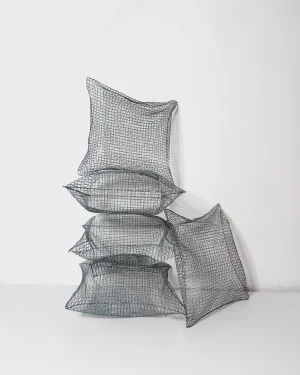 In stock
Softcore Pillow
By Deon Rubi
€500 -

12i2 Units Sound System
By MYCOAUDIO
€4.400 -

Suspended Organs – Speaker
By Studio S II
€14.500 -
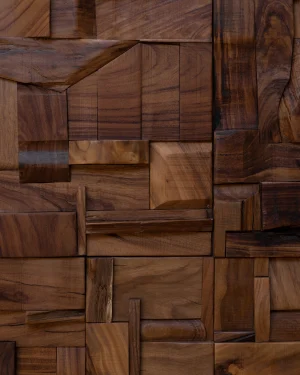 Sold
Natural Parota Wood Collage Panel – Randomly Composed
By Peter Glassford
€61 - €244 This product has multiple variants. The options may be chosen on the product page -

Ek1 Bookshelf Speakers
By MYCOAUDIO
€2.000 -
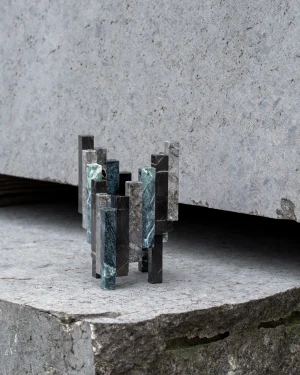 In stock
Strata – Flower Vase Staggered Green
By Iyo Hasegawa
€850
Modern accessories at ADORNO are the small objects that sharpen a room without crowding it: bowls, trays, vases, mirrors and vessels built from stoneware, glass, wood and metal rather than printed motifs or applied trim. The studios behind them tend to favor plain geometry, a single finish and a joint or seam left visible rather than hidden, so the material itself carries the piece. What ties the group together is restraint in form paired with attention to how light, patina or glaze behaves on a given surface.
Materials and finishes behind the range
Glazed stoneware appears most often, bringing warmth and a slightly irregular surface, since every glaze firing shifts tone a little from piece to piece. Glass follows, cold worked into flat planes or blown into rounded vessels that catch light rather than color it. Stainless steel and chrome appear in smaller numbers, chosen for how cleanly they reflect a room. Marble and cast metal sit at the heavier end, bringing weight and cool touch to a tray or bowl, while mirrorglass does double duty as both surface and reflector.
Color stays largely in the neutral range: silver, black, white, off-white and dark gray dominate, with amber glass and bronze metal used sparingly for warmth, and multicolor reserved for pieces that lean toward eclectic or art deco references within an otherwise modern frame.
How these pieces are made
Technique explains most of what you see. Metalwork and metal casting give steel and chrome their sharp edges and poured forms. Glassblowing and glass cold working produce, respectively, the rounded vessel and the cut or polished flat surface, while glass casting sits between the two, letting a maker build thickness and internal clarity that blown glass cannot. Stone carving removes rather than adds, so a marble piece often keeps visible tool marks as part of its surface. Hand-building and glazing cover most stoneware, each firing producing small variations that mark the piece as made rather than molded.
Some pieces come in open editions, others as unique pieces.
Choosing a piece for scale, finish and placement
Start with scale relative to the surface it will sit on: a console or sideboard can carry a taller vase or a wide tray, while a narrow shelf asks for something low and self-contained. Match finish to what is already reflective or matte in the room, since two mirrored or chrome surfaces facing each other can compete rather than complement. Weight matters too, a cast metal or marble piece needs a surface that can bear it without looking strained.
- For reflective rooms, steel, chrome or mirrorglass extend existing light.
- For warmer, textured rooms, glazed stoneware or amber glass soften the palette.
- For a single statement, choose one material and let the rest of the surface stay empty around it.
Where they sit in a room
Entryways take mirrors and trays well, since both get used daily and reward a hard, wipeable surface. Living rooms suit glass and ceramic vessels on a coffee table or shelf, paired loosely with modern tables that share the same plain lines. Dining spaces take stoneware and glazed bowls at the center of the table, while bedrooms generally call for smaller, quieter pieces in off-white or dark gray that do not compete with bedside lighting.
Caring for glass, metal and stoneware
Glass and mirrorglass need only a soft cloth and a non-abrasive cleaner to stay clear; grit under a cloth will scratch a polished surface over time. Steel and chrome resist tarnish but show fingerprints, so a quick wipe keeps the reflection even. Marble stains from acid and oil, so coasters and a dry surface matter more than any sealant. Glazed stoneware is best washed by hand to keep the finish intact.
For the wider range of finishes and forms, the full set of accessories spans beyond modern alone, while every piece built specifically around this style sits under modern design on ADORNO. Those drawn to the metal side of this group can look through metal accessories, and anyone after glaze and stoneware specifically will find more under ceramic accessories.
How do I choose a modern accessory for my home?
Look at the materials and lines already in the room, then pick a piece that works with them rather than against them. Stoneware, glass and steel in clean forms tend to sit well in most modern interiors.
What materials are modern accessories usually made from?
Stoneware and glass are most common, alongside wood, stainless steel and marble, often finished in chrome, bronze or a simple glaze. Each material carries its own weight and surface, so finishes range from matte stoneware to polished steel.
How do I care for glass, steel and stoneware accessories?
Wipe glass and steel with a soft, dry cloth to avoid streaks, and keep stoneware away from abrasive cleaners that can dull its glaze. Marble should be sealed and wiped promptly if it comes into contact with liquids, since it stains easily.
What size are modern accessories and where do they fit best?
Sizes vary widely, from small tabletop objects to larger floor or shelf pieces, so check the specific dimensions on each piece's page. A maker can confirm exact measurements through Chat with the maker.
Which rooms suit modern accessories?
Living rooms, entryways and dining spaces often anchor well around a modern accessory, since clean lines and simple materials read clearly in open spaces. Bathrooms and kitchens also suit glass or steel pieces built to handle moisture.
What are ADORNO's shipping, returns and authenticity policies?
Shipping is insured and sent worldwide. Returns are accepted within 14 days, except for made-to-order pieces, and every piece comes with a certificate of authenticity along with a lowest-price guarantee.