



-
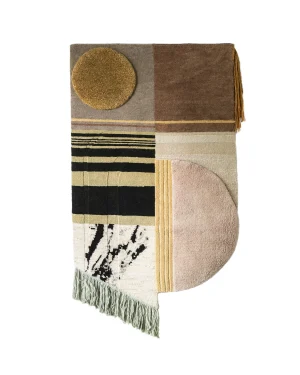
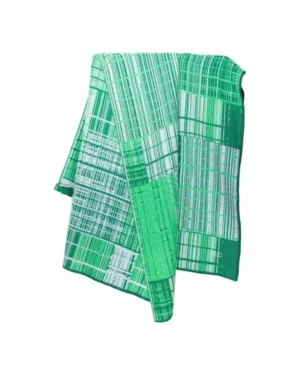
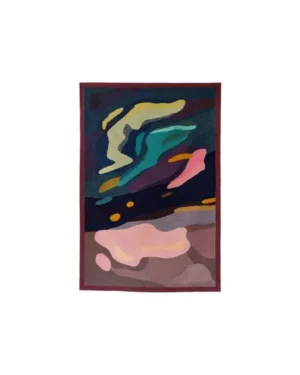
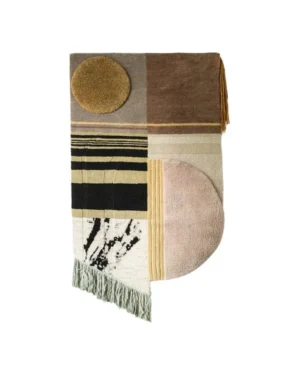
Textile Poster No. 11 – Geometric Tapestry
By Lyk Carpet
€2.674 -

“Revolve” – No. S6 (no. 01/05)
By Flensted Mouritzen
€588 -
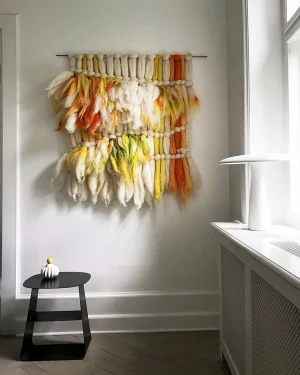
‘Woolwalls’ in Sustainable Wool – Neon Yellow, Orange and Green
By jeanett knipschildt
€1.224 -
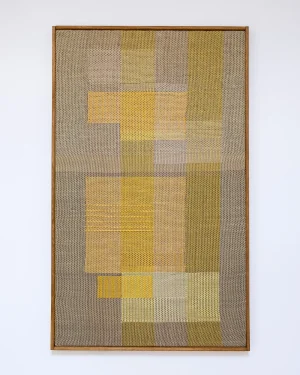
Spigolatura N°68 – Handwoven Wall Art
By Susanna Costantini
€1.200 -
 In stock
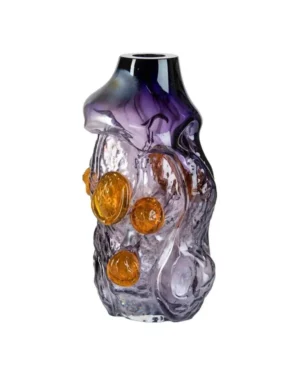
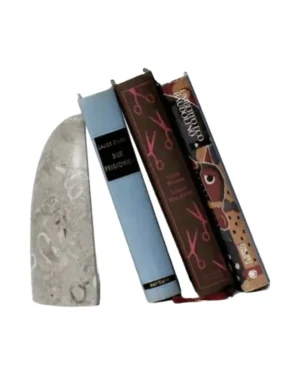
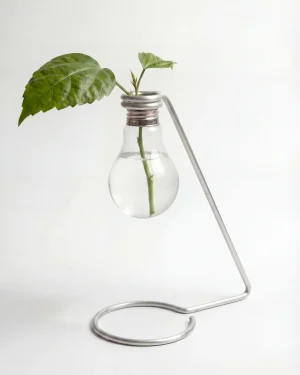
Testikel – Glass Cuttings Vase
By Olle Sahlqvist
€70 - €80 This product has multiple variants. The options may be chosen on the product page -
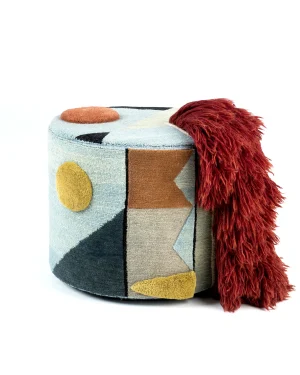 In stock
Massimiliano – Colorful Fringed Wool Pouf
By Lyk Carpet
€2.605 -
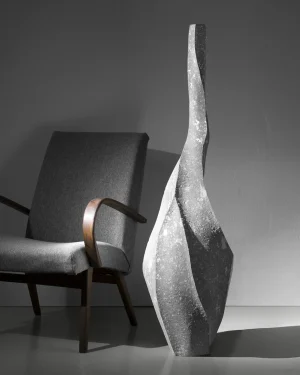 In stock
Solid Gray Stone Tall Floor Vase – Skew Series In Cast Stone By Donatas Zukauskas
By Donatas Žukauskas
€2.450 -
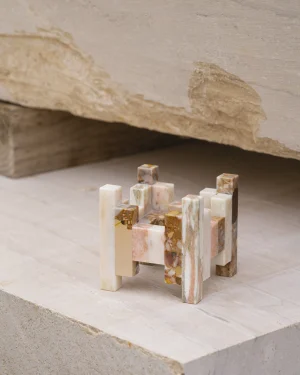 In stock
Strata – Flower Vase – Staggered Pink
By Iyo Hasegawa
€930 -
 In stock
Trace/s – Leather Vessel
By LUVATON studio
€2.550 -
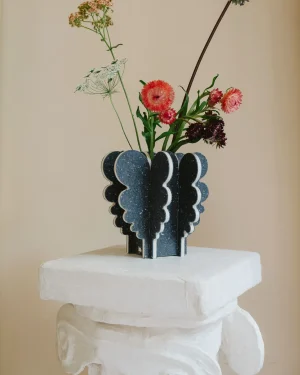 In stock
Blooming Cuts Vase
By Studio Ebba Lindgren
€80 -
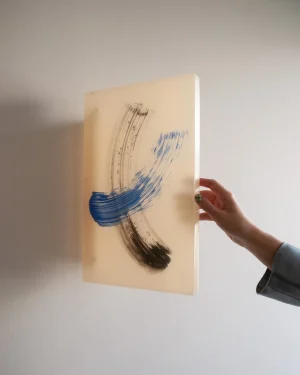
Future Heirlooms Cabinet
By Studio Ebba Lindgren
€1.200 This product has multiple variants. The options may be chosen on the product page -

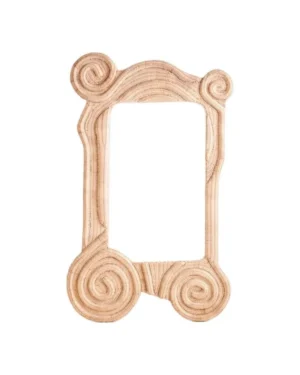
Lava Frame – Melting Collection | Contemporary Sculptural Frame
By Gábor Góbi
€1.290 -
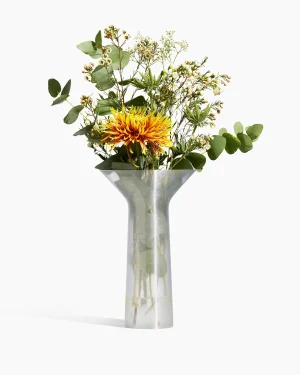 In stock
Doppia Vessel – Clear
By Tom Robinson Studio
€86 -
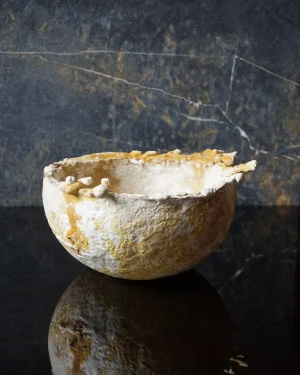 In stock
Mycelium Bowl No.1
By SOLATERRE
€353 -
 In stock
Ondara Mirror Mini
By Dace Sūna
€1.800 -

Set Of 2 Brutalist White Wash Reclaimed Wood Collage Tiles
By Peter Glassford
€693 -
 In stock
Nord – Wool Kilim
By Tartaruga Studio
€729 - €2.482 This product has multiple variants. The options may be chosen on the product page -
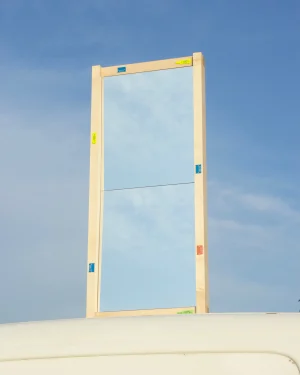 In stock
Avivé Mirror – Maple
By Vital Lainé
€1.000 -
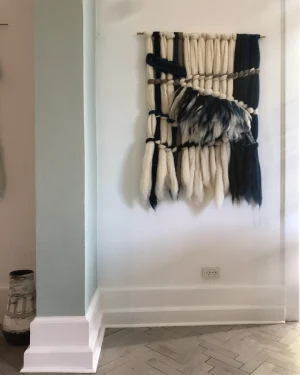 In stock
‘Woolwalls’ in Sustainable Wool – Blues
By jeanett knipschildt
€1.102 -
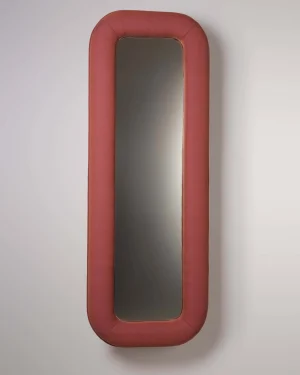 Sold
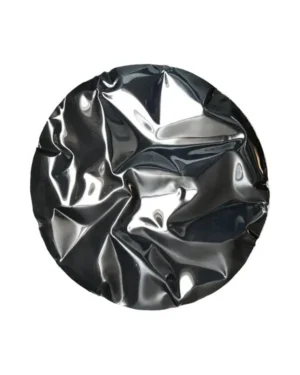
SoldCombo Mirror – Upcycled Wall Mirror
By Jaclyn Pappalardo
-
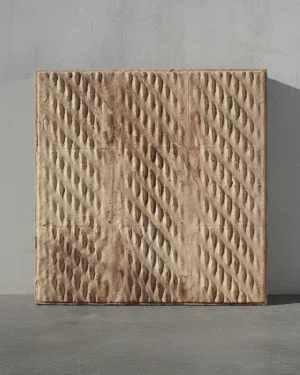 In stock
Adobe Wall Panel – Solaterre No.4
By SOLATERRE
€1.717 -
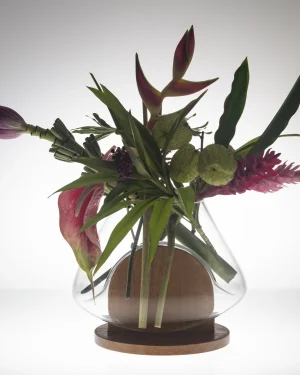
Bauhaus Vase
By Carol Gay
€900 - €1.100 This product has multiple variants. The options may be chosen on the product page -

Day Mountains Panorama – Woolen Kilim
By Tartaruga Studio
€797 - €1.435 This product has multiple variants. The options may be chosen on the product page -

Ondara Mirror
By Dace Sūna
€3.500 -
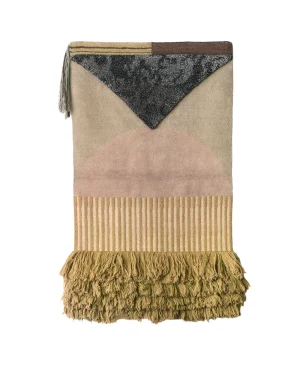 In stock
Textile Poster No. 10 – Geometric Wool Tapestry
By Lyk Carpet
€2.674 -

Large Mountains Panorama – Woolen Kilim
By Tartaruga Studio
€888 - €1.571 This product has multiple variants. The options may be chosen on the product page -
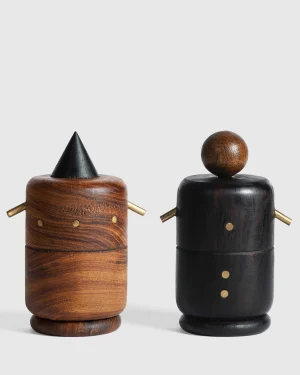
Tsuki Miniature – Wooden Decor Object
By WANNAS
€212 - €310 This product has multiple variants. The options may be chosen on the product page -
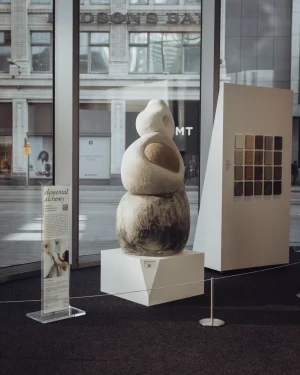 In stock
Elemental Alchemy – Large-scale Modular Sculpture
By LYT Studio
€4.550 -
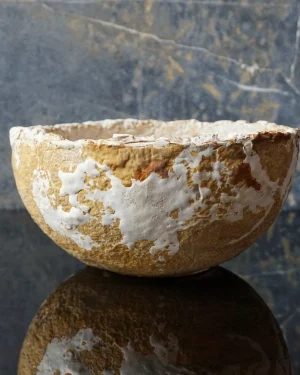 In stock
Mycelium Bowl No.3
By SOLATERRE
€353 -

Burning Mirror – Melting Collection | Sculptural Mirror In Burned Wood And White Marble
By Gábor Góbi
€24.390 -
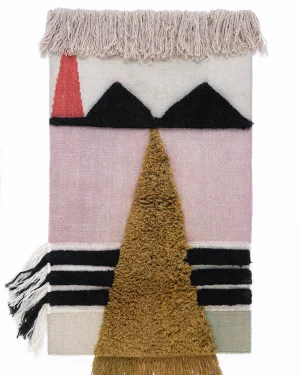 In stock
Textile Poster no. 12 – Geometric Fringed Wall Hanging
By Lyk Carpet
€1.051 -

Sud – Wool Kilim
By Tartaruga Studio
€4.075 - €6.352 This product has multiple variants. The options may be chosen on the product page -

Basen – Wool Kilim
By Tartaruga Studio
€1.412 - €2.482 This product has multiple variants. The options may be chosen on the product page -
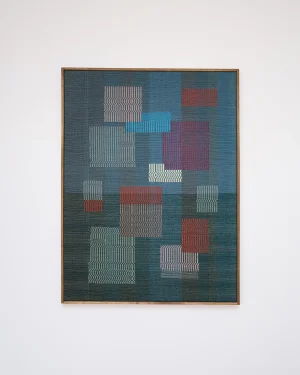
Spigolatura N°72 – Handwoven Wall Art
By Susanna Costantini
€1.140 -
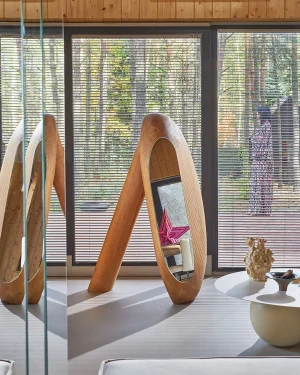
Object N.16 Mirror
By Anna Bera
€11.294 -
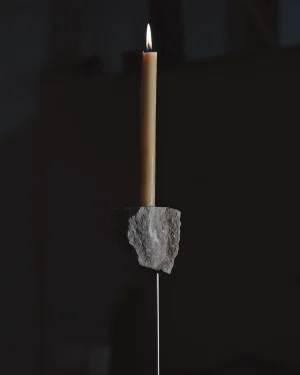
Luz Series
By Estudio Material
€1.800 -
 In stock
Scarpa Coffee Table
By Arbore x Cezar Moldovan
€3.910 -
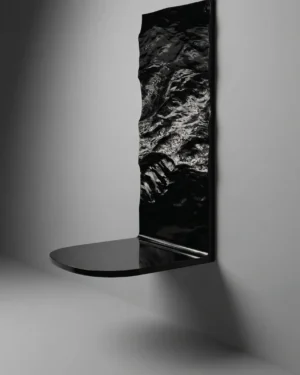 In stock
Pontos Wall Sculpture
By Arbore x Cezar Moldovan
€9.830 -

“Revolve” – No. 03 (no. 01/03)
By Flensted Mouritzen
€2.548 -
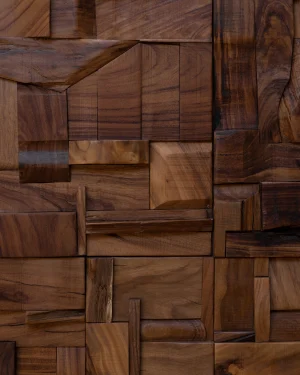 Sold
SoldNatural Parota Wood Collage Panel – Randomly Composed
By Peter Glassford
€61 - €244 This product has multiple variants. The options may be chosen on the product page -
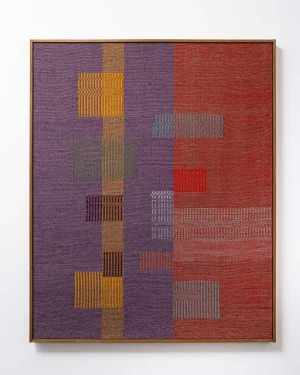
Spigolatura N°83 – Handwoven Wall Art
By Susanna Costantini
€1.100 -
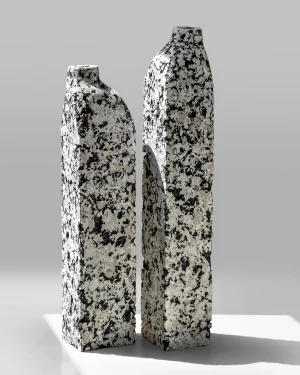
Solid White Stone Set Vase – Block Series In Cast Stone By Donatas Zukauskas
By Donatas Žukauskas
€1.350 -
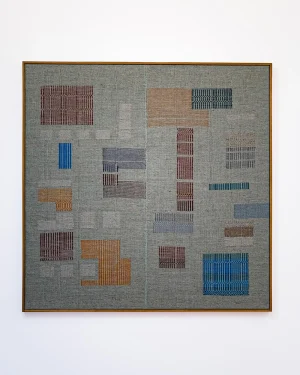
Spigolatura N°88 – Handwoven Wall Art
By Susanna Costantini
€2.500 -
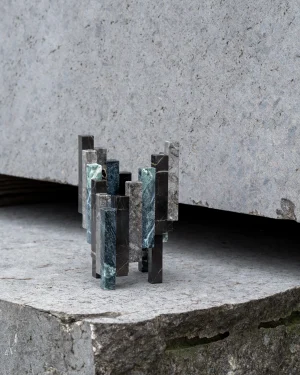 In stock
Strata – Flower Vase Staggered Green
By Iyo Hasegawa
€850 -

Strata – Flower Vase Cube Green
By Iyo Hasegawa
€700 -
 In stock
Escampette – Wall Mirror
By Pirouette
€1.632 -
 In stock
Domino Mirror
By Assimply Studio
€11.400 -
 In stock
Spigolatura N°97 – Wall Decoration
By Susanna Costantini
€2.550 -
Set Of 2 (large) Brutalist White Wash Reclaimed Wood Collage Tiles
By Peter Glassford
€2.771 -

Set Of 2 Brutalist Antique Gold Reclaimed Wood Collage Tiles
By Peter Glassford
€824 -
Set Of 2 (large) Brutalist Antique Gold Reclaimed Wood Collage Tiles
By Peter Glassford
€3.295 -

“Revolve” – No. S5 (no. 01/05)
By Flensted Mouritzen
€372 -
 Sold
Sold“Jacinto’s Castle of Dreams” Hammock
By Angela Damman
€3.750 This product has multiple variants. The options may be chosen on the product page -
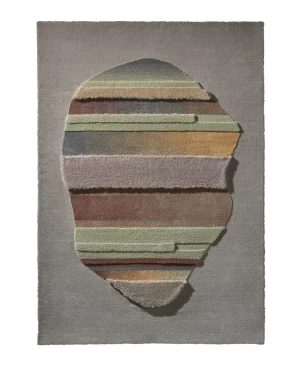 In stock
“Lutetia” Rug
By Agne Kucerenkaite
€10.220
Sustainable decor brings together objects made from recycled material, natural wax, wool, scagliola and charred wood, each shaped by a studio that treats low-impact process as part of the design, not an afterthought. The pieces found here favor material that ages honestly, reclaimed content, and finishes that need no synthetic coating. What links them is intent: fewer steps between raw material and finished object, and a making process that leaves less behind.
What defines sustainable decor
A sustainable piece is judged first by what it is made of. Recycled material, reclaimed wood, wool and natural pigments replace plastics and lacquers that cannot break down or be reused. Color tends to come from the material itself rather than an applied layer, so a scagliola surface or a charred board carries its own depth instead of a painted one.
Form follows from process. A mould-made bowl, a woven textile piece or a stone-carved object each show the marks of how they were built, and that visibility is part of the appeal. Nothing here is hidden under a finish designed to erase the making.
Materials, finishes and techniques to expect
The range changes as studios and stock turn over, but certain materials and methods recur. Expect to find:
- Scagliola and plastering techniques, which build surface depth from pigment and natural binders rather than paint
- Recycled material and biofabrication, where waste or grown substrates replace quarried or synthetic stock
- Wool and merino wool worked through weaving, textilework or upholstery into soft, tactile objects
- Charred wood finished with the shou sugi ban technique, darkened and sealed by controlled burning rather than varnish
- Mirrorglass and stone-carved pieces, where mould making and carving shape form directly from the material
Color across these pieces runs from the near-black of charred timber to the whites and light yellows of raw wool and plaster, with multicolor and red or green accents appearing where natural dye or reclaimed scrap allows. Editions range from unique pieces and limited editions, where hand process limits output, to open editions made by repeatable, lower-impact methods.
Choosing a piece for scale, finish and placement
Start with scale before finish. A scagliola bowl or mirrorglass object reads differently on a console than on a low shelf, and wool or textile pieces need enough surrounding space to show their texture rather than compete with a busy wall. Measure the surface it will sit on, not just the room, since decor objects are judged at close range.
Finish should match the light it will sit in. Charred wood absorbs light and suits a room that already has brightness to spare, while plaster and scagliola reflect a soft sheen that can anchor a dimmer corner. Weigh the piece in your hand, where possible, since recycled materials and stone carving vary in density even within the same form.
Where sustainable decor fits in a room
These pieces suit rooms where material is meant to be noticed up close: a reading corner with a woven or wool object within reach, an entryway where a mirrorglass piece catches passing light, a dining table anchored by a scagliola centerpiece. Because many of the finishes are matte or textured rather than glossy, they read well against plain walls and natural light.
Caring for natural and recycled materials
Natural wax finishes benefit from an occasional reapplication to keep wood from drying out, especially in heated rooms. Charred wood needs little beyond dusting, since the burned surface already resists moisture and insects. Wool and textile pieces should stay out of direct sun, which fades natural dye faster than synthetic color, and scagliola or plaster surfaces are best wiped dry rather than scrubbed, since both absorb water.
For the full range of sustainable decor on ADORNO, see every sustainable design piece across categories, or stay within all decor to compare finishes side by side. The same material language carries into sustainable furniture, sustainable lighting and sustainable accessories, for anyone building a room around low-impact material rather than a single object.
How do I choose a sustainable decor piece?
Look at what the material is and how it was made. Recycled material, biofabrication, and charring methods like Shou Sugi Ban all lower impact while giving each surface its own texture and character.
What materials count as sustainable decor?
Natural wax, recycled material, wool, merino wool, and charred wood are common choices. Each is selected for low processing, renewability, or a second life from existing material.
How do I care for sustainable decor pieces?
Dust wood and wax finishes with a dry cloth and keep them from direct heat or sun. Wool and textile pieces benefit from occasional airing and a gentle brush to lift dust from the fibers.
What size decor piece do I need?
Decor scales to the surface it sits on, so measure the shelf, table, or console first. The maker can confirm exact dimensions through Chat with the maker on the piece's page.
Which rooms suit sustainable decor?
Natural and recycled materials sit easily in living rooms, entryways, and bedrooms, anywhere texture and warmth matter. Charred wood and wool pieces also hold up well in low-humidity spaces.
What are ADORNO's shipping and return policies?
Shipping is insured and worldwide. Returns are accepted within 14 days, except for made-to-order pieces, and every piece arrives with a certificate of authenticity.