-

Joyful Horses Rug
By Pupcha
€2.400 -

” Love At The Right Angle ” Rug
By Pupcha
€2.400 -

Modern Ojos Errantes Rug
By Toro Manifesto
€7.795 -
 In stock
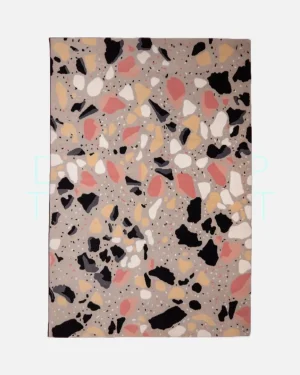
“Venezia” Hand-Knotted Tibetan Wool Rug
By Sergio Mannino
€3.700 -
 In stock
Eclipse Upholstered Stool With Metal Base
By Toro Manifesto
€1.620 -

Sud – Wool Kilim
By Tartaruga Studio
€4.075 - €6.352 This product has multiple variants. The options may be chosen on the product page -
 In stock
Nord – Wool Kilim
By Tartaruga Studio
€729 - €2.482 This product has multiple variants. The options may be chosen on the product page -
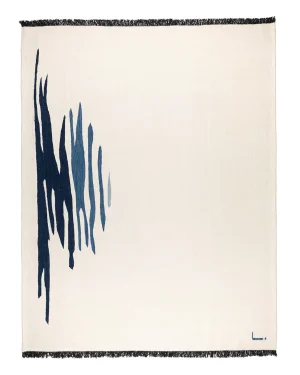
Ege – No 1 Kilim Rug
By Studio Kali
€1.020 - €2.040 This product has multiple variants. The options may be chosen on the product page -
 In stock
An # 2 – Rug
By Draken Studio
€500 -

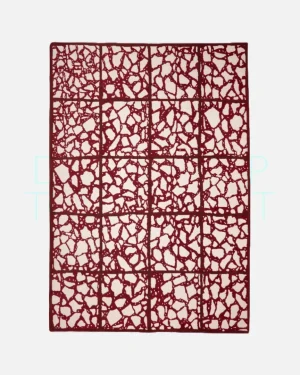
Zebra In Love Rug
By Pupcha
€3.800 -
 In stock
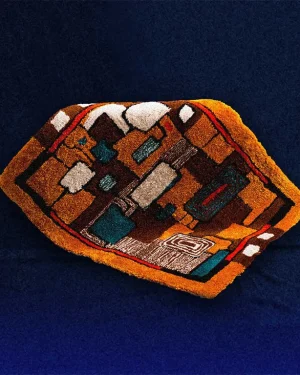
“Ravenna” Hand-Knotted Tibetan Wool Rug
By Sergio Mannino
€3.700 -
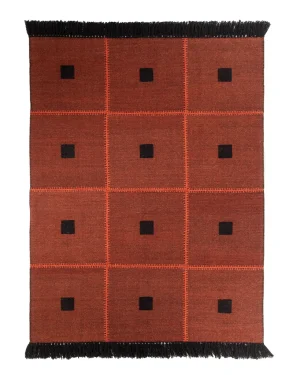
Boz – Woven Rug
By hermhaus
€1.570 - €2.125 This product has multiple variants. The options may be chosen on the product page -
 In stock
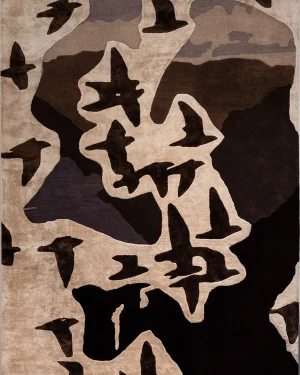
The Cave Collection
By Draken Studio
€290 - €420 This product has multiple variants. The options may be chosen on the product page -
 In stock
B J O R N | Rug
By N I S H
€6.300 -
 In stock
Circuit Black X Rug
By Draken Studio
€900 -
 In stock
Op Kilim No. 1 – Rug
By Pani Jurek STUDIO
€4.879 -

Ege – No 3 Kilim Rug
By Studio Kali
€1.020 - €2.040 This product has multiple variants. The options may be chosen on the product page -
 In stock
Duck Butt/paw Runner – Rug
By Pupcha
€960 -
 In stock
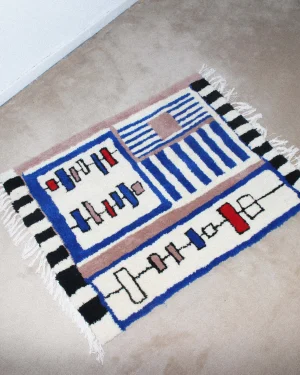
Op Kilim No. 3 – Rug
By Pani Jurek STUDIO
€4.879 -
 In stock
The Merino Collection: Landscapes
By Draken Studio
€250 - €500 This product has multiple variants. The options may be chosen on the product page -
 In stock
Brickwork Study 1
By Draken Studio
€260 -
 In stock
An # 1 – Rug
By Draken Studio
€500 -
 In stock
” Lady Bug ” Rug
By Pupcha
€2.170 -

Herd – Wall Decoration
By Splot
€3.659 -
 In stock
Op Kilim No. 2 – Rug
By Pani Jurek STUDIO
€4.879 -
 In stock
Op Kilim No. 3 / Square – Rug
By Pani Jurek STUDIO
€3.903 -
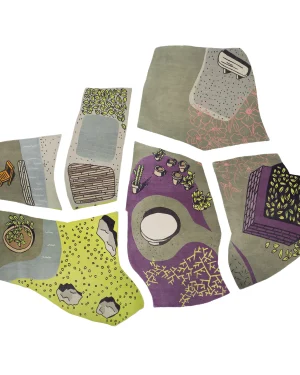
“non Flying Carpet” Limited Edition Whimsical Rug
By Sergio Mannino
€11.400 -
 In stock
Aurora – Wool Kilim
By Tartaruga Studio
€3.050 - €5.805 This product has multiple variants. The options may be chosen on the product page -
 In stock
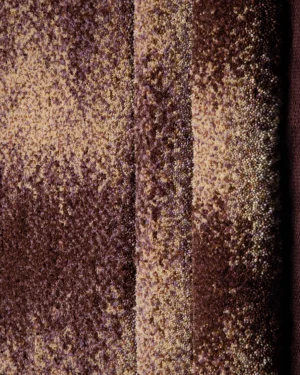
Dune – Tapestry
By Atelier Nuanda
€8.725 -
 In stock
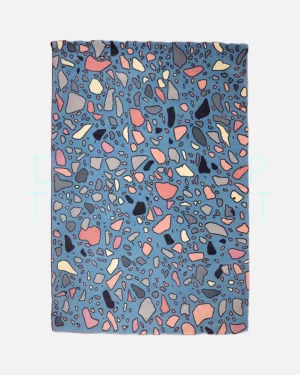
Rug “the Rug”
By Pupcha
€2.200 -
 In stock
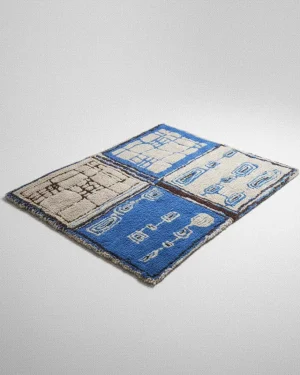
“Mondello” Hand-Knotted Tibetan Wool Rug
By Sergio Mannino
€3.700 -
 In stock
Circuit Blue X
By Draken Studio
€400 -

Jolly Rug / Wall Decoration
By Splot
€3.659 -

System Chaos Wall Decoration
By Splot
€3.659 -
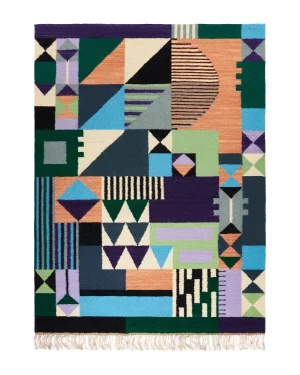
Dawn Rug/Wall Recoration
By Splot
€3.659 -
 In stock
Eclipse Oval Rug With Geometric Pattern
By Toro Manifesto
€4.320 -
 In stock
Sombra De Zebu Rug – Umaguma
By Toro Manifesto
€2.075 -
 In stock
Op Kilim No. 1 / Square – Rug
By Pani Jurek STUDIO
€3.903 -
 In stock
Op Kilim No. 2 / Square – Rug
By Pani Jurek STUDIO
€3.903 -
 In stock
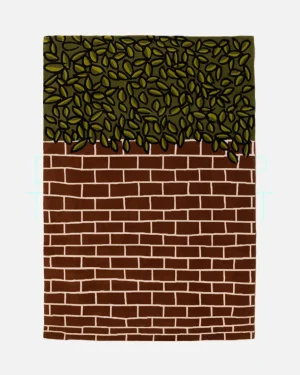
“Secret Garden” Handcrafted Rug
By Sergio Mannino
€3.700 -
 In stock
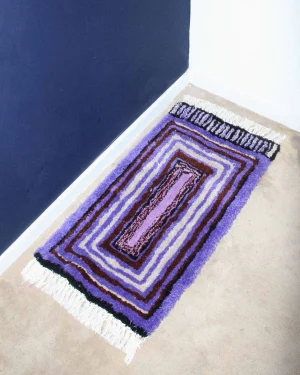
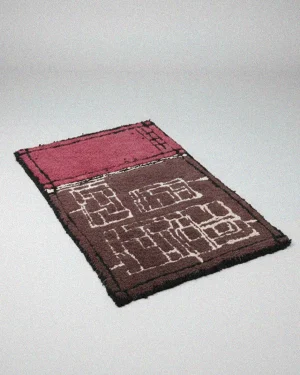
The Lemniscate Collection
By Draken Studio
€150 - €200 This product has multiple variants. The options may be chosen on the product page -
 In stock
Brickwork Study 2
By Draken Studio
€260 -

Cosmos – Rug / Wall Decoration
By Splot
€3.659 -

Uranos – Wall Decoration
By Splot
€3.659 -
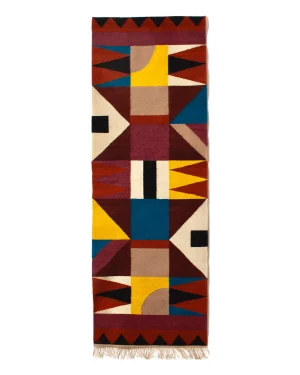
Mouth – Wall Decoration
By Splot
€3.659 -
 In stock
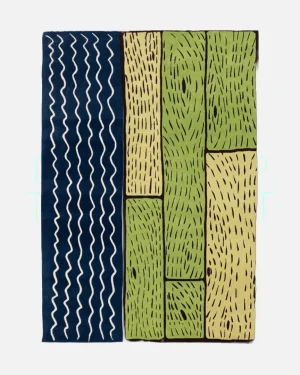
“Sapphire Streams” Handcrafted Rug
By Sergio Mannino
€3.700 -
 In stock
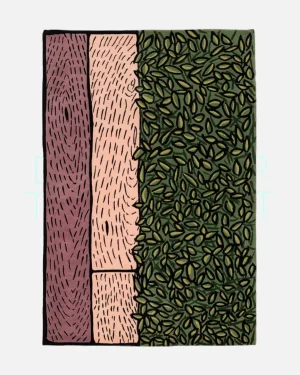
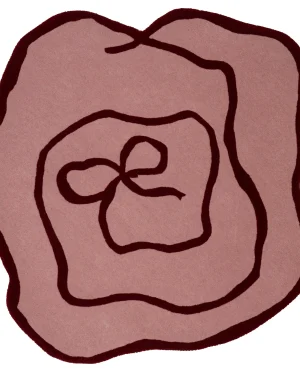
“Rose Realm” Handcrafted Rug
By Sergio Mannino
€3.700 -
 In stock
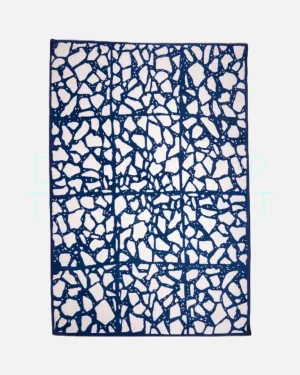
“Lecce” Handcrafted Rug
By Sergio Mannino
€3.700 -

“Spirit in the Night Sky” Handcrafted Rug
By Sergio Mannino
€5.800 -
 In stock
Mango – Wool Kilim
By Tartaruga Studio
€2.846 -
 In stock
Principessa – Hand Tufted Wool Rug
By M’ama edizioni
€980 -

Intoxicating Lollipop Rug
By Pupcha
€2.400 -
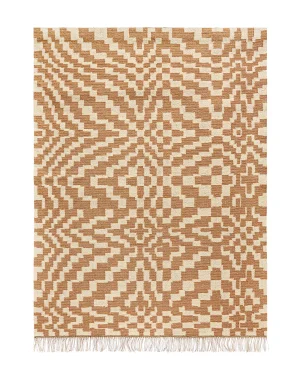
Vertigo Wall Decoration
By Splot
€3.659 -

Wacław – Wall Decoration
By Splot
€3.659
Wool rugs bring a layer of natural fiber underfoot, spun or felted from sheep wool and sometimes blended with cotton or linen for structure. Studios working in this material range from hand-weavers using simple looms to workshops that tuft pile onto a backing cloth, then trim and wash it. What unites them is a surface that holds warmth, absorbs sound, and wears in rather than out.
What wool does underfoot
Wool fiber is naturally crimped, which gives a rug loft and a certain springiness that flattens slowly and recovers between vacuuming. It resists soiling because the fiber's outer scales shed dust, and it takes natural dyes readily, which is why so many wool rugs carry saturated color: blue, burgundy, red, yellow, purple, or the quieter range of beige and brown. Wool also insulates, so a rug in this material reads warmer to the foot than one in cotton or synthetic fiber, particularly over stone or wood flooring.
How these pieces are made
Weaving remains the slowest and most structural route, producing a flat or low-pile rug where the pattern sits in the weave itself rather than on top of it. Tufting builds pile faster, pushing wool or merino wool yarn through a backing to create texture that can shift from cropped to shaggy within a single piece. Some studios work wool alongside steel thread or other fiber for a textilework effect, and natural dyeing shows up as soft gradients rather than flat, uniform color. Editions vary by studio: some rugs are unique pieces or part of limited editions tied to a dye lot or a weaver's run, others are open editions repeated to a fixed pattern.
Choosing scale, pile, and placement
Start with the floor area you want the rug to hold rather than the room as a whole: a rug that only reaches partway under furniture tends to make a space feel unresolved. In a living room, the common approach is to let at least the front legs of seating rest on the rug, so it reads as one surface. Pile height matters for traffic: a tighter weave or flatweave suits hallways and dining areas where chairs move often, while a deeper tufted pile suits a bedroom or a reading corner where the rug is walked on but not dragged.
- Flatwoven or low-pile wool for high-traffic rooms and under dining tables
- Deeper tufted or shaggy pile for bedrooms and lounge areas
- Bolder, saturated colorways for eclectic or boho chic rooms; beige and brown tones for quieter, contemporary settings
Where wool rugs sit best
Living rooms and bedrooms take the most benefit from wool's warmth and quiet underfoot, and a wool piece in deep burgundy or multicolor can anchor a room built around mid-century or space age furniture just as easily as a minimalist one. Studies and reading rooms suit a smaller-format wool rug laid under a single chair. For a broader look at how rugs ground a room in general, the full rug range spans wool alongside hand-woven and other textile pieces, and the living room rugs and boho chic rugs groupings show how the same fiber reads across different settings.
Caring for a wool rug
Vacuum regularly on a low-suction setting to lift grit without pulling at the pile, and turn the rug occasionally so wear and light exposure even out. Wool resists stains if spills are blotted rather than rubbed, since rubbing pushes liquid deeper into the fiber. Keep wool rugs away from prolonged damp, since the fiber can hold moisture and is slow to dry, and have them professionally washed rather than machine-washed at home. For the fuller span of wool pieces beyond rugs, see every wool piece on ADORNO.
How do I choose a wool rug?
Think about how the room is used and how much pattern or texture it can carry. A dense weave suits high traffic, while a looser hand-woven or tufted piece adds softness to a quiet corner.
How do I clean and care for a wool rug?
Vacuum regularly without a beater bar, blot spills instead of rubbing, and air it out to resist moisture and moths. Wool resists dirt and holds its shape, so occasional professional cleaning is usually enough.
What size rug do I need for a room?
Leave a border of floor visible around the edges, and size the rug so main furniture legs sit on it, at least the front legs. For layered looks, a smaller wool rug can sit over a larger natural-fiber one.
Which rooms suit a wool rug?
Wool holds warmth and muffles sound, so it works well in living rooms, bedrooms, and other spaces where people sit, walk barefoot, or gather for long stretches.
Does ADORNO offer custom wool rugs?
Some makers take custom orders in size, color, or pattern. Chat with the maker on the piece's page to confirm what is possible.
What are ADORNO's shipping and return policies for rugs?
Shipping is insured and worldwide. Returns are accepted within 14 days, except for made-to-order pieces, and each rug arrives with a certificate of authenticity.