-
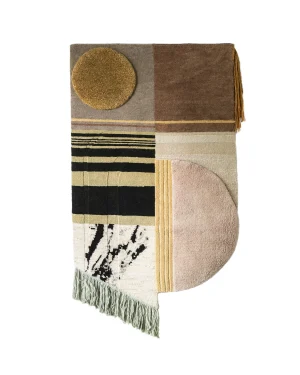
Textile Poster No. 11 – Geometric Tapestry
By Lyk Carpet
€2.674 -
 In stock
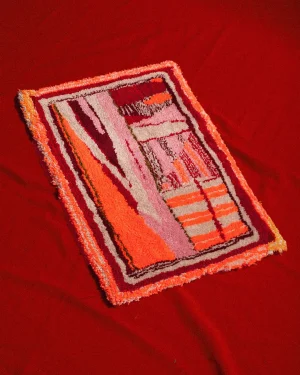
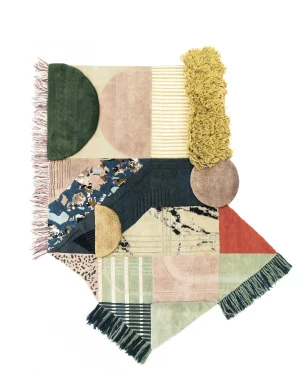
The Neon Rug
By Draken Studio
€100 - €550 This product has multiple variants. The options may be chosen on the product page -
 In stock
Medley – Eclectic Textured Rug Or Wallhanging
By Lyk Carpet
€9.378 -

” Love At The Right Angle ” Rug
By Pupcha
€2.400 -
 In stock
” Lady Bug ” Rug
By Pupcha
€2.170 -

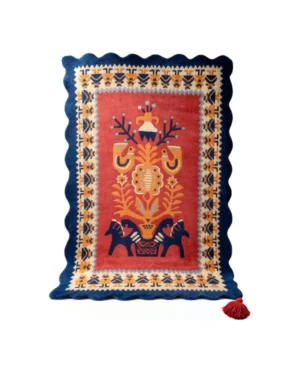
Joyful Horses Rug
By Pupcha
€2.400 -
 In stock
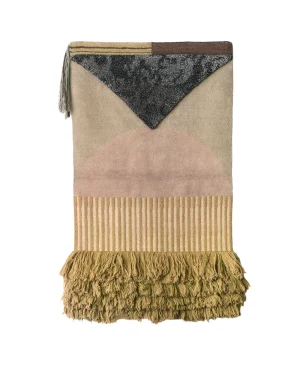
Op Kilim No. 3 – Rug
By Pani Jurek STUDIO
€4.879 -
 In stock
Textile Poster No. 10 – Geometric Wool Tapestry
By Lyk Carpet
€2.674 -
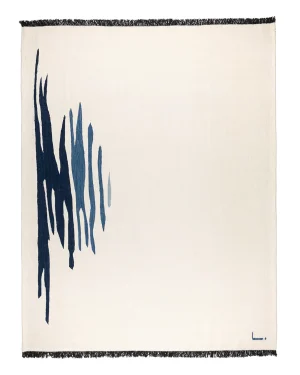
Ege – No 1 Kilim Rug
By Studio Kali
€1.020 - €2.040 This product has multiple variants. The options may be chosen on the product page -
 In stock
B J O R N | Rug
By N I S H
€6.300 -
 In stock
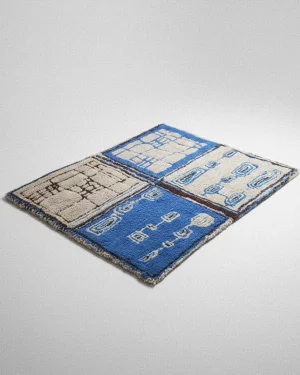
Circuit Blue X
By Draken Studio
€400 -
 In stock
Op Kilim No. 1 – Rug
By Pani Jurek STUDIO
€4.879 -
 In stock
Op Kilim No. 3 / Square – Rug
By Pani Jurek STUDIO
€3.903 -
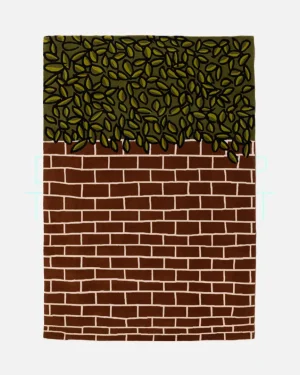 In stock
“Secret Garden” Handcrafted Rug
By Sergio Mannino
€3.700 -
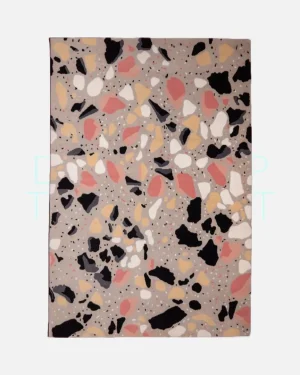 In stock
“Venezia” Hand-Knotted Tibetan Wool Rug
By Sergio Mannino
€3.700 -
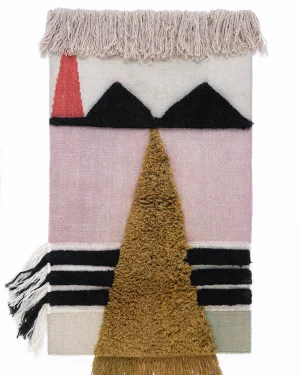 In stock
Textile Poster no. 12 – Geometric Fringed Wall Hanging
By Lyk Carpet
€1.051 -

Sud – Wool Kilim
By Tartaruga Studio
€4.075 - €6.352 This product has multiple variants. The options may be chosen on the product page -
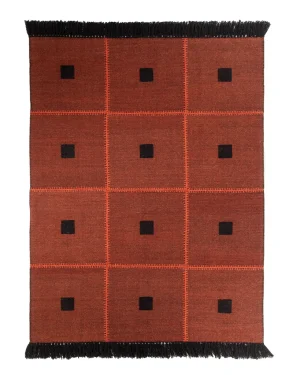
Boz – Woven Rug
By hermhaus
€1.570 - €2.125 This product has multiple variants. The options may be chosen on the product page -
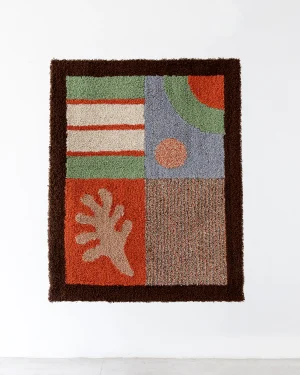 In stock
Neutral Patch Hand Tufted Tapestry
By Luiza Caldari
€1.670 -
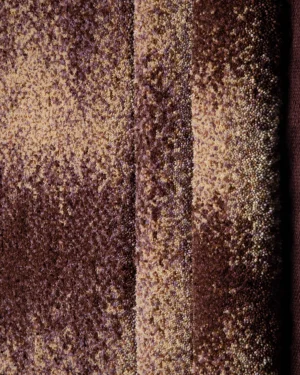 In stock
Dune – Tapestry
By Atelier Nuanda
€8.725 -

Zebra In Love Rug
By Pupcha
€3.800 -
 In stock
Circuit Black X Rug
By Draken Studio
€900 -
 In stock
Made From Jordan – Geometric Indigo Rug
By Twelve Degrees
€3.500 -
 In stock
Principessa – Hand Tufted Wool Rug
By M’ama edizioni
€980 -
 In stock
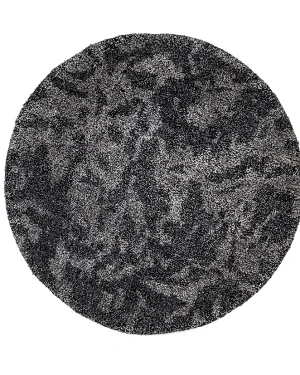
Black Moon – Floor/Wall Decor
By Lyk Carpet
€1.188 -
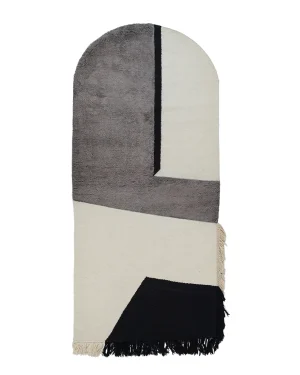
The Archway – Floor/wall Decor
By Lyk Carpet
€1.800 -
 In stock
Rug “the Rug”
By Pupcha
€2.200 -
 In stock
Op Kilim No. 2 – Rug
By Pani Jurek STUDIO
€4.879 -
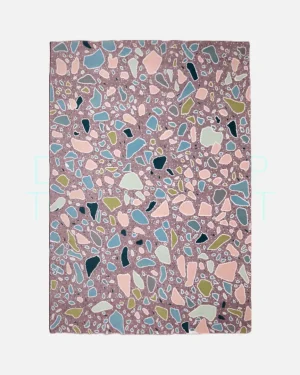 In stock
“Piazza Armerina” Hand-Knotted Tibetan Wool Rug
By Sergio Mannino
€3.700 -
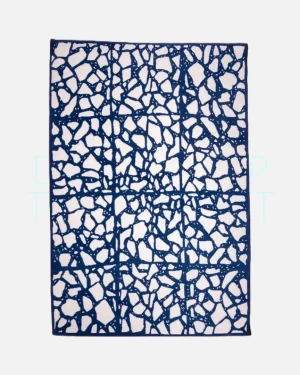 In stock
“Lecce” Handcrafted Rug
By Sergio Mannino
€3.700 -
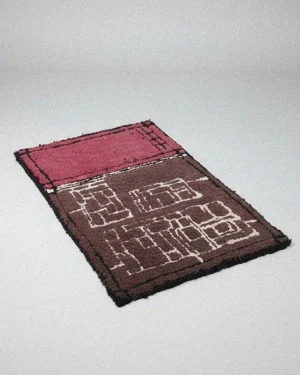 In stock
Brickwork Study 2
By Draken Studio
€260 -

The Fern Rug
By Pupcha
€2.400 -
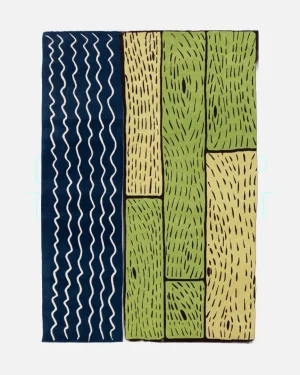 In stock
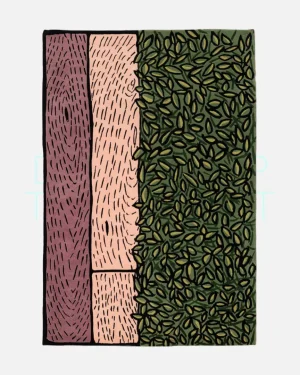
“Sapphire Streams” Handcrafted Rug
By Sergio Mannino
€3.700 -
 In stock
“Rose Realm” Handcrafted Rug
By Sergio Mannino
€3.700 -

Ege – No 3 Kilim Rug
By Studio Kali
€1.020 - €2.040 This product has multiple variants. The options may be chosen on the product page -
 In stock
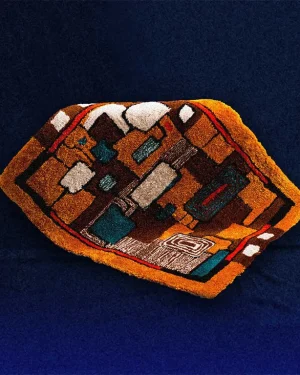
The Cave Collection
By Draken Studio
€290 - €420 This product has multiple variants. The options may be chosen on the product page -
 In stock
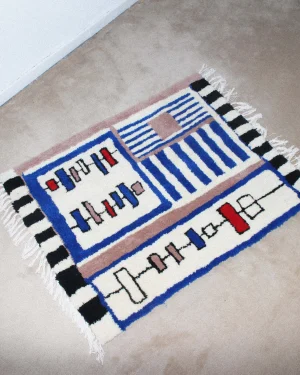
The Merino Collection: Landscapes
By Draken Studio
€250 - €500 This product has multiple variants. The options may be chosen on the product page -
 In stock
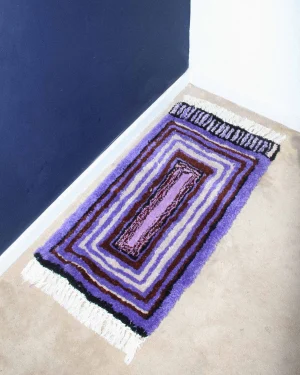
The Lemniscate Collection
By Draken Studio
€150 - €200 This product has multiple variants. The options may be chosen on the product page -
 In stock
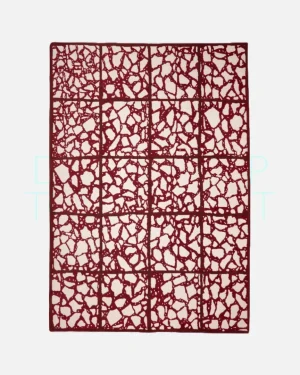
Op Kilim No. 1 / Square – Rug
By Pani Jurek STUDIO
€3.903 -
 In stock
“Ravenna” Hand-Knotted Tibetan Wool Rug
By Sergio Mannino
€3.700 -

Intoxicating Lollipop Rug
By Pupcha
€2.400 -
 Sold
SoldSpot – Set Of Cotton Kilims
By Tartaruga Studio
€1.856 -
 Sold
SoldPath – Set Of Cotton Kilims
By Tartaruga Studio
€1.728
Living room rugs ground the seating area, pulling a sofa, a pair of chairs and a coffee table into one composition instead of scattered pieces on bare floor. The pieces here come from studios working in wool, silk, linen and hand-woven textile, built by weaving, tufting, knitting and natural dyeing rather than mass printing. Each one carries weight underfoot and sets the tone for everything placed on top of it.
What defines a living room rug
Wool remains the starting point for most studios because it holds a dye well, resists crushing and warms a room that hardwood or stone leaves cold. Merino and sheep wool give a softer, denser pile; silk is often worked through as a highlight thread, catching light where wool stays matte. Linen and acrylic blends turn up in flatter, lighter weaves suited to rooms that see heavy daylight or frequent cleaning.
Color runs from quiet beige and brown grounds to multicolor fields built up through natural dyeing, with blue, purple, red and yellow appearing as accents or, in bolder pieces, as the dominant tone. Black sits at the other end, useful where a room needs a fixed, dark anchor rather than a pattern to follow.
The range of materials, techniques and editions
On the full range of rugs, construction varies as much as material. Hand-woven and tufted pieces sit alongside knitted textile work, each technique giving a different hand and a different rate of wear. Some studios work in open editions, repeating a weave at will; others produce limited runs or one-off pieces, where no two rugs carry the same exact pattern of dye or knot.
Style ranges from modern and contemporary rugs with restrained geometry to boho chic and eclectic pieces built from layered pattern and color, through to rustic and neolithic-leaning weaves that lean on raw fiber and irregular form rather than symmetry.
How to choose a living room rug
Scale matters more than pattern. A rug that only reaches the front legs of a sofa reads as an afterthought; one that extends under all the seating, or at least under the front legs of every piece, reads as a floor.
- Leave a border of bare floor around the rug rather than running it wall to wall, unless the room is small enough that full coverage reads as intentional.
- Match pile height to how the room is used: low, dense weaves for high-traffic paths, thicker wool or textile pile for a quieter corner.
- Pick a finish — matte wool, lustrous silk highlight, flat linen weave — that sits against the existing floor rather than fighting it.
Where these rugs sit
Living room rugs belong under seating, coffee tables and the space between, where they take the most contact and do the most work holding a layout together. The same material logic carries through the rest of the room: wool and textile pieces pair naturally with living room furniture in wood or upholstered fabric, while a rug's color can pick up or deliberately break from a nearby seating piece. For a narrower look at the knotted and woven options alone, the wool rugs grouping stays within that one material. Every rug, chair and lamp placed in this part of the home can also be seen together under everything made for the living room.
Caring for a living room rug
Wool and sheep wool resist soil naturally and need only regular vacuuming and an occasional turn to even out wear from foot traffic and furniture legs. Silk highlights should stay out of direct, constant sun, which dulls the sheen faster than it fades the surrounding wool. Hand-woven and knitted textile pieces, especially those finished with natural dyes, are best cleaned by a professional who works with those fibers, since harsh detergents can strip color unevenly across a single piece.
How do I choose a rug for my living room?
Let the seating plan guide size: a rug should sit under the front legs of a sofa and chairs, tying the group together. Weight and pattern matter too, since wool and hand-woven pieces carry a room differently than flat-woven textile ones.
What material is best for a living room rug?
Wool and merino wool wear well under daily use and resist soiling naturally, while silk adds sheen but needs gentler care. Hand-woven textile and acrylic rugs offer lighter weight and easier cleaning for high-traffic rooms.
How do I clean and care for a wool or silk rug?
Vacuum regularly without a beater bar, blot spills rather than rub, and rotate the rug occasionally so wear and sun exposure stay even. Have wool or silk pieces professionally cleaned rather than washed at home.
What size rug works in a living room?
Most living room rugs are sized so all furniture legs rest on them, or at least the front legs of each piece, leaving a visible floor border of a few inches at the room's edges.
Can living room rugs work in other rooms too?
Yes, the same wool, hand-woven, or textile rugs suit bedrooms, dining areas, or hallways, though thicker piles are better underfoot in rooms without heavy furniture traffic.
What are ADORNO's shipping, returns, and authenticity policies?
Shipping is insured and worldwide. Returns are accepted within 14 days, excluding made-to-order pieces. Every rug comes with a certificate of authenticity, backed by a lowest-price guarantee.